分类: health

  • Darville pledges to pass laws for families abandoning patients

    Darville pledges to pass laws for families abandoning patients

    The persistent crisis of family members abandoning elderly and long-term care patients in Bahamian public hospitals has spurred the incumbent Davis administration to announce plans for targeted accountability legislation if voters return the party to power for a second term, Health and Wellness Minister Dr. Michael Darville confirmed in a press briefing this week.

    Dr. Darville, who has repeatedly highlighted the growing problem of so-called “hospital boarders” — patients who no longer require acute medical intervention but remain occupying hospital beds — told reporters the vast majority of these boarders are elderly patients whose families have refused to remove them from public care facilities. The issue is most acute at two of the nation’s leading public hospitals, Princess Margaret Hospital and Rand Memorial Hospital, where constrained bed capacity has already created widespread care delays.

    According to Dr. Darville, the ongoing occupation of acute care beds by non-acute patients creates cascading disruptions across the entire public health system. It directly slows patient turnover in accident and emergency departments, and blocks timely transfers of stable patients from admission and assessment units to inpatient wards, leaving patients with urgent medical needs waiting longer for critical care. To mitigate existing strain, health officials have already partnered with private sector organizations to source alternative care placements and supportive housing for abandoned patients, but the burden on the public system remains unacceptably high.

    While the Ministry of Health maintains a compassionate approach to the vulnerable elderly patients caught in this situation, Dr. Darville emphasized that the systemic cost of inaction is too great to ignore. If re-elected, the proposed legislation will explicitly codify legal responsibility for family caregivers, with swift enforcement action targeted at households that collect National Insurance benefits to cover their relative’s care but still abandon them in public hospitals.

    This is not the administration’s first step to address the crisis. Back in October 2024, Dr. Darville announced the government was advancing serious regulatory and coordination reforms to improve long-term elderly care, amid a steady rise in the number of patients being left in public hospitals. At that time, officials confirmed cross-agency collaborations with the Department of Social Services and Sandilands Geriatric Facility to develop long-term strategies that both reduce pressure on acute care facilities and uphold the safety and dignity of abandoned elderly patients.

    Notably, the issue is not unique to The Bahamas. Neighboring Jamaica has grappled with the same problem for years, with local outlet The Jamaica Observer previously reporting that patient abandonment continues to restrict bed access and strain public health resources across Jamaican facilities, mirroring the challenges now facing Bahamian health officials.

  • Five confirmed hantavirus cases from cruise ship, three suspected — WHO

    Five confirmed hantavirus cases from cruise ship, three suspected — WHO

    GENEVA, Switzerland – In an official briefing held Thursday, the World Health Organization (WHO) has updated the public on an emerging hantavirus outbreak linked to the Atlantic cruise vessel MV Hondius, confirming five positive cases of the disease, with three additional suspected infections still under investigation. Three deaths have already been connected to the incident, and global health officials have cautioned that further cases may emerge as the outbreak continues to unfold.

    The Dutch-flagged exploration ship departed Ushuaia, Argentina on April 1 for a northbound Atlantic voyage that was scheduled to end in Cape Verde. After wrapping up its stop in Cape Verde, the vessel set a new course for Tenerife, Spain this Wednesday, carrying its remaining passengers and crew after multiple passengers disembarked earlier in the journey.

    WHO Director-General Tedros Adhanom Ghebreyesus confirmed to journalists in Geneva that the specific strain involved in the outbreak is the Andes hantavirus, a variant endemic to parts of South America. This particular strain is unique among hantaviruses because it is the only variant with confirmed evidence of person-to-person transmission. Most hantaviruses spread to humans exclusively from infected rodents, typically through contact with contaminated urine, fecal matter, or saliva.

    “Andes virus has an incubation period that can extend up to six full weeks, which means we cannot rule out additional cases being detected in the coming weeks,” Tedros explained. He added that he has maintained consistent communication with the captain of the MV Hondius, who reported that passenger and crew morale has improved dramatically since the vessel resumed its journey. “I want to recognize the captain and the entire ship crew for their ongoing efforts to protect everyone on board,” he said.

    Tedros confirmed that during a stop at the British overseas territory of Saint Helena between April 22 and 24, 30 passengers disembarked the vessel. The first recorded fatality from the outbreak, a Dutch national, died on April 11 before the stop. To date, 12 countries have been notified by WHO that their citizens were among those who left the ship at Saint Helena: the United Kingdom, Canada, Denmark, Germany, the Netherlands, New Zealand, Saint Kitts and Nevis, Singapore, Sweden, Switzerland, Turkey, and the United States.

    In a promising update, global health leaders expressed cautious confidence that the outbreak can be contained. Abdi Rahman Mahamud, Director of WHO’s Emergency Alert and Response, stated that the outbreak will remain limited if appropriate public health protocols are implemented consistently across all affected countries and regions. To support ongoing testing efforts, Argentina is preparing to ship 2,500 diagnostic testing kits to laboratories across five countries that are handling contact tracing and case confirmation for the incident.

  • Three people evacuated from hantavirus-hit cruise ship as local opposition mounts over vessel’s destination

    Three people evacuated from hantavirus-hit cruise ship as local opposition mounts over vessel’s destination

    A hantavirus outbreak on a commercial cruise ship has triggered an emergency response that has spilled into public controversy, as three passengers have been evacuated for medical care while local communities push back against the vessel’s planned itinerary. The incident unfolded after the virus was detected aboard the ship, prompting health authorities to order the immediate evacuation of the three affected individuals to onshore medical facilities for monitoring and treatment.

  • Ministry Invites Public to Access Free HPV Screening on Select Weekends in May

    Ministry Invites Public to Access Free HPV Screening on Select Weekends in May

    A new public health initiative led by the Ministry of Health, Wellness, Environment, and Civil Service Affairs is calling on all local residents to access no-cost human papillomavirus (HPV) screening services, available exclusively on selected weekends throughout the month of May. This outreach effort is the latest addition to the Ministry’s long-running campaign to embed proactive health habits across communities, with a core focus on boosting early illness detection, expanding preventive care access, and lifting overall population wellness levels. HPV, one of the most prevalent sexually transmitted viruses globally, often presents no obvious symptoms in its early stages. If left undiagnosed and untreated, however, the infection can trigger a range of severe, life-altering health complications, most notably multiple forms of cancer that develop gradually over time. Senior public health officials have emphasized that consistent, routine screening remains the single most effective proactive step individuals can take to lower their personal risk of HPV-related complications and dramatically improve long-term health prognosis for those who do test positive. To help residents plan their visits, the Ministry has urged all community members to review official informational flyers distributed across local communities, which contain full details on exact screening dates, facility locations, and eligibility requirements for the free services. Repeating its call to action, the ministry reiterated that early detection through accessible screening plays an irreplaceable role in protecting lifelong health for people of all eligible age groups, making this no-cost opportunity a resource the public should not overlook.

  • Haiti is in a critical situation due to a lack of midwives.

    Haiti is in a critical situation due to a lack of midwives.

    On May 5, 2026, International Midwives’ Day brought sharp new attention to a growing public health emergency unfolding across Haiti, where a crippling shortage of properly trained midwives has pushed the country’s maternal health system to the brink of collapse. To mark the annual observance, Haiti’s Ministry of Women’s Affairs issued a public tribute honoring the midwives already serving on the frontlines of women’s sexual and reproductive health, framing these professionals as irreplaceable pillars of the country’s fragile care infrastructure. But the tribute also underscored a stark reality: the current number of active, internationally qualified midwives falls drastically short of meeting the needs of Haiti’s population.

    Joint estimates from the Haitian Midwives Association (ASFH) and the United Nations Population Fund (UNFPA) put the current count of practicing, internationally trained midwives at just 300 to 455. This tiny workforce is tasked with serving more than 2.8 million women of reproductive age across the country, a burden that is unevenly distributed to compound the crisis. The vast majority of practicing midwives are concentrated in the Port-au-Prince metropolitan area, leaving remote rural regions with almost no access to qualified birthing care. In these underserved areas, unassisted home births remain the norm, putting both birthing parents and newborns at extreme risk of preventable complications or death.

    According to World Health Organization (WHO) benchmarks, Haiti requires a minimum of 2,200 qualified midwives to deliver basic universal maternal health coverage and bring down the country’s devastating maternal mortality rate. Currently, Haiti holds the unenviable title of having the highest maternal mortality ratio in the Caribbean: 529 deaths for every 100,000 live births. Public health experts link a large share of these deaths directly to the midwife shortage, noting that more than 60% of all births in the country take place without the support of skilled medical personnel. The gap between current and required midwife numbers sits at roughly 1,900, a deficit that demands urgent coordinated action.

    The data makes clear that targeted investment in midwife training through Haiti’s National Institute for Midwifery Training (INSFSF) is critical to closing the gap by the 2030 target. Beyond cutting preventable maternal and infant deaths, expanding access to qualified midwifery care also advances broader goals of ensuring all Haitian women can access dignified, respectful, and equitable healthcare. On International Midwives’ Day, the Ministry of Women’s Affairs reaffirmed its commitment to advancing women’s rights and strengthening public policies focused on sexual and reproductive health, acknowledging that midwives play a strategic role in driving long-term national development.

  • Child mortality trends show progress but concerns remain – CMO

    Child mortality trends show progress but concerns remain – CMO

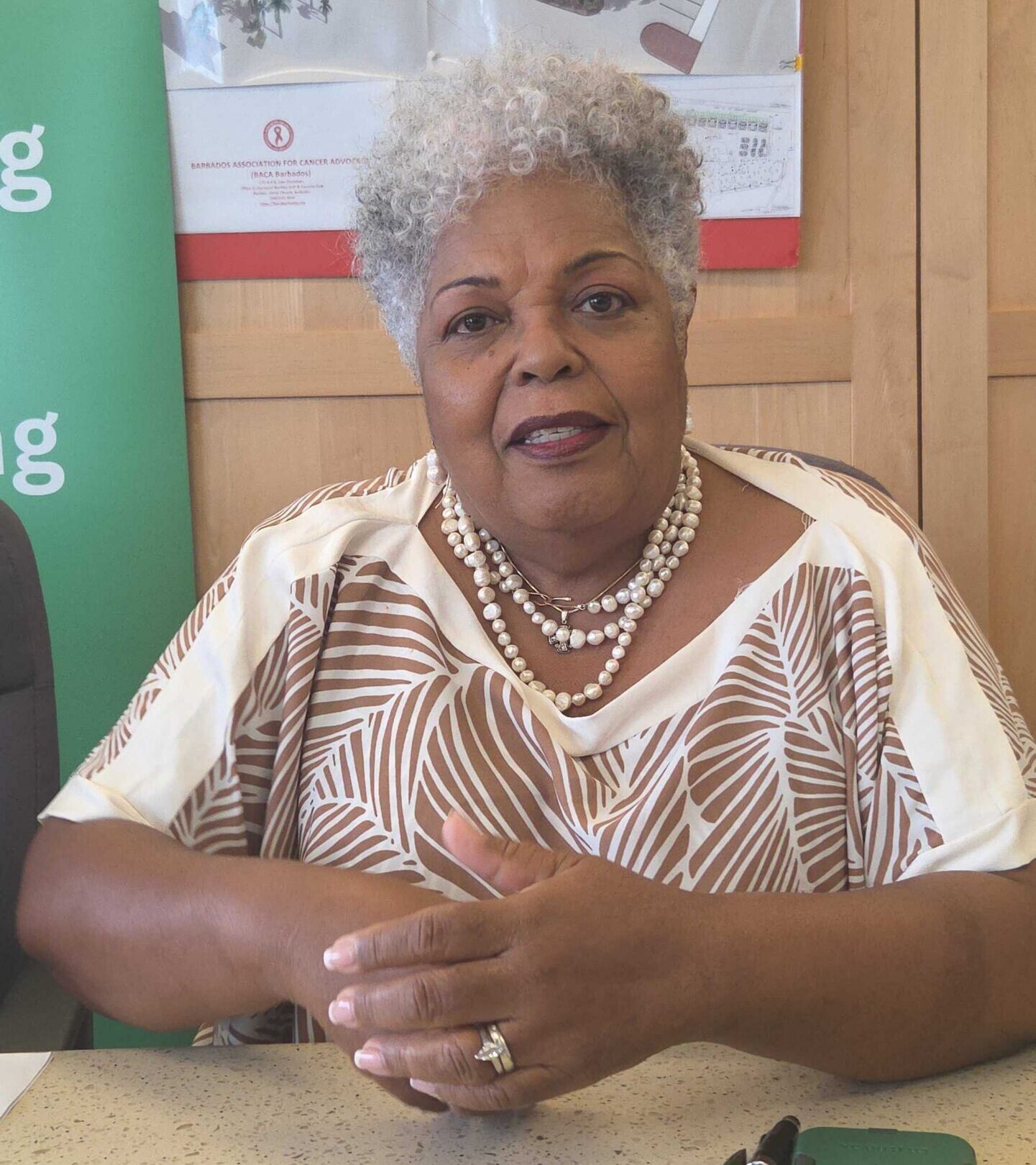
    Barbados has made decades of steady progress cutting child and maternal mortality rates, but growing vaccine hesitancy among the public puts these hard-won public health gains at risk, the island nation’s top public health advisor has warned in an exclusive interview with Barbados TODAY.

    Chief Medical Officer Dr. Kenneth George shared his assessment Tuesday of a new comprehensive country health profile for Barbados published recently by Our World in Data (OWID), a respected international online scientific publication that tracks global public health, social and environmental challenges. The in-depth OWID report compiles a wide range of health metrics for Barbados, covering everything from child and maternal mortality rates to malnutrition indicators, leading causes of death for children and birthing people, skilled birth attendance, life expectancy and childhood stunting.

    Per the 2023 data included in the report, Barbados’ youth mortality rate – the share of newborns that die before reaching age 15 – stands at 1.2%, down significantly from 2.2% recorded in 1990. The report also tracks the under-five child mortality rate, one of the most widely used global benchmarks of population-level child health, which fell to 1% in 2023 from 1.8% in 1990. OWID data shows 66% of under-five child deaths in Barbados are caused by birth disorders, while another 20% stem from non-communicable conditions including neonatal asphyxia, trauma, respiratory disease, cardiovascular disease, genetic blood disorders and COVID-19.

    Dr. George confirmed the island’s performance on key child mortality metrics is a major public health success, noting that all categories of early childhood death – neonatal, infant and under-five – have dropped sharply over the past 50 years.

    “With respect to the indices of child mortality, we are doing well,” Dr. George told reporters. “Barbados is holding its own. If you look at the figures, there has been a significant decrease over the last five decades with respect to child mortality in Barbados. Of course, we realize that every death of a child is a concern. Although we are doing well, there is always room for improvement.”

    He explained that most neonatal deaths – deaths occurring within the first 28 days of life – are tied to prematurity, congenital abnormalities and infectious complications, a trend that matches global patterns. While preterm births inherently carry higher risk of poor outcomes, Dr. George said local health authorities continue working to improve survival rates for vulnerable newborns.

    The chief medical officer offered broad praise for the OWID report, calling it “fairly decent” and generally aligned with local health data, but pushed back on the report’s finding that 5.8% of Barbadian children experienced stunting – a marker of chronic malnutrition tied to long-term developmental harm – in 2024. Dr. George emphasized that malnutrition-related stunting is not a public health issue in modern Barbados, where the dominant pediatric nutritional challenge is childhood overweight and obesity.

    “With respect to stunting, that is the issue I have here. We in Barbados do not have a problem with stunting; we have a problem with children being overweight or obese. So, I can’t support the report of widespread malnourishment in Barbados,” Dr. George said. “We would have one or two cases where a child is failing to thrive because of some chronic medical issue. But let me make it clear that Barbados has moved over the decades away from malnutrition, one in which our major problem is obesity.”

    On the maternal health front, Dr. George said the report’s findings on falling maternal mortality are encouraging. OWID data puts Barbados’ maternal mortality ratio at 39.1 deaths per 100,000 live births in 2023, down from 48.4 per 100,000 in 2000. Dr. George noted that Barbados requires full, rigorous investigations of every maternal death to identify gaps in care and prevent future fatalities, a policy that has supported the steady downward trend.

    He also highlighted that nearly 100% of all births in Barbados are now attended by skilled healthcare workers, a critical public health win that enables early intervention for life-threatening complications during labor and delivery. Dr. George urged all expectant mothers to complete routine screening for HIV, hepatitis and other infectious risk factors during prenatal care to help clinicians identify and support high-risk pregnancies early.

    Closing out his assessment, Dr. George reaffirmed that Barbados’ core family public health system remains strong, but issued a stark warning about an emerging threat to child survival gains. “I must add that our child mortality rate may be at threat because of vaccine hesitancy,” he said. “We encourage the public to understand that vaccination is the most significant public health achievement globally over the last century. So, I am happy that Barbados controls its situation, but that we are always looking for ways to improve. Ideally we would like some of these numbers to be zero; and that’s our ultimate goal.”

  • Dominica’s health ministry joins with the metereological service to launch new health bulletin

    Dominica’s health ministry joins with the metereological service to launch new health bulletin

    In a proactive step to bridge climate monitoring and public health protection, Dominica’s Ministry of Health, Wellness and Social Services has partnered with the Dominica Meteorological Service to roll out a groundbreaking Health-Climatic Bulletin covering the March–April–May period. The product of months of collaborative development, this new initiative functions as a targeted early warning system, designed to equip both the general public and critical sector stakeholders with actionable insights to pre-empt and prepare for climate-linked health hazards. Unlike traditional weather or health reports that operate in isolation, the bulletin integrates granular climate data with longitudinal public health trend analysis to draw connections between shifting weather patterns and population health outcomes. It opens with a comprehensive retrospective analysis of climatic and health conditions recorded across the December to February quarter, exploring how recent weather shifts drove strains and emerging challenges within the island’s healthcare system. The second half of the bulletin turns to the coming three months, leveraging meteorological forecasts to outline projected climate conditions and their plausible health impacts, with targeted focus on three high-priority priority areas: vector-borne disease control, management of non-communicable diseases amid changing weather, and population mental health and well-being. The full bulletin is available for public download as a 4.64MB PDF document.

  • Diakonessenhuis slaat alarm over toename soa’s onder jongeren

    Diakonessenhuis slaat alarm over toename soa’s onder jongeren

    A Dutch hospital has sounded the alarm over a dramatic surge in sexually transmitted infections (STIs) among 15 to 17-year-olds, alongside a concurrent rise in teenage pregnancies, launching targeted school education programs to curb further growth of public health risks.

    Data from Diakonessenhuis hospital shows confirmed STI cases in this age group jumped from 33 to 56 in just 12 months. Public health professionals at the facility name rising syphilis infections as a particularly worrying trend, as the bacterial infection can pass from pregnant people to their unborn children, leading to severe health complications for newborns. In some confirmed cases, affected infants require up to 10 days of intravenous penicillin treatment immediately after birth to address congenital syphilis.

    This year, instead of marking International Day of the Midwife with traditional ceremonial events, Diakonessenhuis shifted its focus to a community-focused prevention initiative. Hospital midwives visited local secondary schools (locally referred to as mulo-scholen) to deliver interactive sessions on sexual health awareness and STI prevention, directly engaging with at-risk young people.

    Griselda van der Leeuw, head of midwifery at Diakonessenhuis, emphasized that proactive prevention must be the core priority for addressing this growing public health issue. “Our goal is to help young people understand the real risks of unprotected sexual activity, and internalize how critical consistent protection is for their long-term health,” she explained.

    Hospital leadership has echoed this commitment to community outreach. Myrtel Gefferie, the hospital’s director of nursing, noted that cross-sector collaboration across the entire healthcare system is essential to effectively tackle rising STI rates, while chief executive Russ Headley added that beyond clinical treatment, consistent public awareness work remains a non-negotiable component of any successful response.

    Initial outreach sessions have been well received by students and school staff, with multiple secondary schools already requesting to host future sessions. Despite this early positive momentum, Diakonessenhuis officials stress that long-term, structural partnerships between healthcare providers, education institutions and public health agencies are required to expand the program and create sustainable, long-term change.

    As part of the hospital’s International Day of the Midwife observance, the organization also celebrated the work of its midwifery team this year. Long-serving midwife Maudy Wirth was honored with the hospital’s 2026 Midwife of the Year award for her exceptional contributions to patient care.

  • What Is Hantavirus? Rare but Dangerous Disease Explained

    What Is Hantavirus? Rare but Dangerous Disease Explained

    A rare but life-threatening viral infection, hantavirus, has reemerged in global public health headlines after an outbreak on an international cruise ship left three people dead and multiple others sickened. The incident, which unfolded on a voyage traveling from Argentina to Cape Verde in early May 2026, has prompted public health agencies to launch a full investigation into how the virus spread among passengers and crew.

    The World Health Organization (WHO) confirmed that at least two cases of hantavirus have been officially verified so far, with a number of additional suspected cases still undergoing laboratory testing to confirm infection. Despite the fatalities linked to the outbreak, global and local health authorities have moved quickly to reassure the general public that the broad population-level risk of contracting hantavirus remains very low at this time.

    Hantavirus refers to a family of viruses that are primarily hosted and transmitted by wild rodent populations. Human infections almost always originate from direct or indirect contact with rodent bodily fluids, including urine, feces, and saliva. The most common route of infection is inhalation: when contaminated rodent waste is disturbed, tiny viral particles become airborne, and people who breathe in these particles can contract the virus.

    While sustained human-to-human transmission of hantavirus is exceptionally uncommon across most strains, public health experts are focusing their current investigation on a specific South American variant called Andes hantavirus. This particular strain has been documented to cause limited spread between people in close close contact, a trait that could explain how infections may have passed between passengers on the crowded vessel.

    One of the greatest clinical challenges of hantavirus is its subtle early presentation, which often mimics common seasonal influenza. Initial symptoms include fever, extreme fatigue, body chills, and widespread muscle aches, leading many early cases to be misdiagnosed initially. But unlike influenza, hantavirus can progress rapidly to severe, life-threatening complications. In the most serious cases, the virus attacks the lungs or kidneys, causing acute respiratory failure, organ shutdown, and death in a significant share of advanced cases.

    Currently, there is no targeted cure, specific antiviral treatment, or widely available vaccine for hantavirus infection. Standard clinical care focuses entirely on supportive management of symptoms, such as helping patients maintain breathing function and stabilizing vital organ function. Because of this, public health experts emphasize that early detection of infection and proactive prevention measures remain the most effective tools for reducing mortality from the disease.

  • UHWI on life support

    UHWI on life support

    Jamaica’s flagship public medical and teaching facility, the University Hospital of the West Indies (UHWI), is in a state of systemic financial and operational crisis that could have cut its revenue losses by more than half if basic governance protocols had been consistently followed, according to a damning independent investigative report.

    The probe, headed by veteran Jamaican attorney Howard Mitchell, was convened by Jamaica’s Minister of Health and Wellness Dr. Christopher Tufton after a 2024 auditor general report flagged widespread operational irregularities at the facility. Mitchell’s Institutional Review Committee was tasked with unpacking the root causes of the hospital’s persistent financial struggles and service gaps.

    In a public press conference held Tuesday to unveil the committee’s findings, Mitchell emphasized that most of UHWI’s fiscal strain stems not from insufficient government funding, but from years of unaddressed institutional failure to enforce standard financial and operational procedures. The committee’s investigation uncovered systemic weaknesses across four core areas: lax financial controls, chaotic inventory management, broken procurement processes, and widespread governance lapses. These failures have not only gutted the hospital’s budget, but have directly eroded the quality of care available to Jamaican patients who rely on the island’s leading referral hospital.

    “Based on my decades of experience working with government agencies, if staff and leadership had followed existing procurement rules, financial reporting requirements, and standard inventory management practices, more than 50% of the hospital’s annual revenue loss would have been avoided,” Mitchell said during the briefing. He added that inconsistent and incomplete financial reporting also undermines the hospital’s case for increased government allocations, creating a vicious cycle of underfunding caused by poor accountability: “How can you expect the government to continue allocating more funds when you can’t show how existing resources are being used?”

    The report makes clear that these institutional breakdowns are not just abstract administrative issues – they have direct, life-altering consequences for patients. Weak inventory tracking and oversight, Mitchell explained, often leads to critical shortages of essential medical supplies, even when public funds have already been allocated to purchase those items. Without clear tracking systems for everything from prescription medications to bandages and wound care supplies, the hospital frequently ends up in situations where vital stocks go missing or are diverted, leaving treatment rooms empty when patients need care.

    “If you don’t have formal tracking for your drugs, bandages and other supplies, and it’s a free-for-all with no clear record of who receives what, you’ll eventually walk into the storeroom and find nothing. Worse, you can end up with unauthorized third parties holding more of the hospital’s medical stock than the facility itself,” Mitchell said.

    Procurement failures have also drained millions from the hospital’s care budget, the committee found. When basic procurement rules – such as requiring three competitive bids for major purchases – are ignored, the hospital often pays up to three times the fair market value for essential equipment and services. That unnecessary overspending pulls critical resources away from direct patient care.

    “If you overpay for a piece of equipment by hundreds or thousands of dollars because you skipped competitive bidding, that’s money you can’t use to treat the patients that count on you,” Mitchell added.

    Beyond operational inefficiencies, the report identifies the hospital’s staggering tax liability as an existential threat to its long-term viability. UHWI currently carries approximately JMD $40 billion in accumulated unpaid taxes, penalties, and interest, and accumulates an additional $300 million in new liabilities every month. Mitchell called the current debt trajectory completely unsustainable, noting that even if government authorities waive all accumulated penalties and interest, the hospital still faces billions in unpayable core obligations.

    In stark language that underscores the severity of the crisis, Mitchell compared the hospital’s condition to that of a critical care patient: “As a consequence of years of unaddressed failure, the University Hospital of the West Indies is in critical condition. It is itself in the ICU.”

    For his part, Health Minister Tufton acknowledged the management failures laid out in the report, but added context to the hospital’s fiscal challenges, noting that UHWI’s unique mandate as Jamaica’s leading public referral and teaching hospital forces it to absorb large unrecoverable costs that other facilities do not face. The gap between the hospital’s revenue and expenses is driven in part by its responsibility to treat low-income and uninsured patients who cannot pay for their care, Tufton explained.

    Tufton also admitted that the government itself contributes to the hospital’s growing unpaid receivables, by regularly referring vulnerable patients for life-saving care at UHWI without securing guaranteed payment for treatment. “Every week I send people to the University Hospital, and to be totally frank, I am probably part of the cause of some of the delinquency,” Tufton said. “The people I send there for lifesaving treatment can’t pay if the ministry doesn’t pay for them. But lives are at stake, and I cannot in good conscience turn these patients away when they need specialized care that only the premier institution can provide.”

    The release of the committee’s report is expected to kick off urgent government-led restructuring efforts to stabilize UHWI’s finances and restore consistent, high-quality care for patients across Jamaica.