A rare but life-threatening viral infection, hantavirus, has reemerged in global public health headlines after an outbreak on an international cruise ship left three people dead and multiple others sickened. The incident, which unfolded on a voyage traveling from Argentina to Cape Verde in early May 2026, has prompted public health agencies to launch a full investigation into how the virus spread among passengers and crew.
The World Health Organization (WHO) confirmed that at least two cases of hantavirus have been officially verified so far, with a number of additional suspected cases still undergoing laboratory testing to confirm infection. Despite the fatalities linked to the outbreak, global and local health authorities have moved quickly to reassure the general public that the broad population-level risk of contracting hantavirus remains very low at this time.
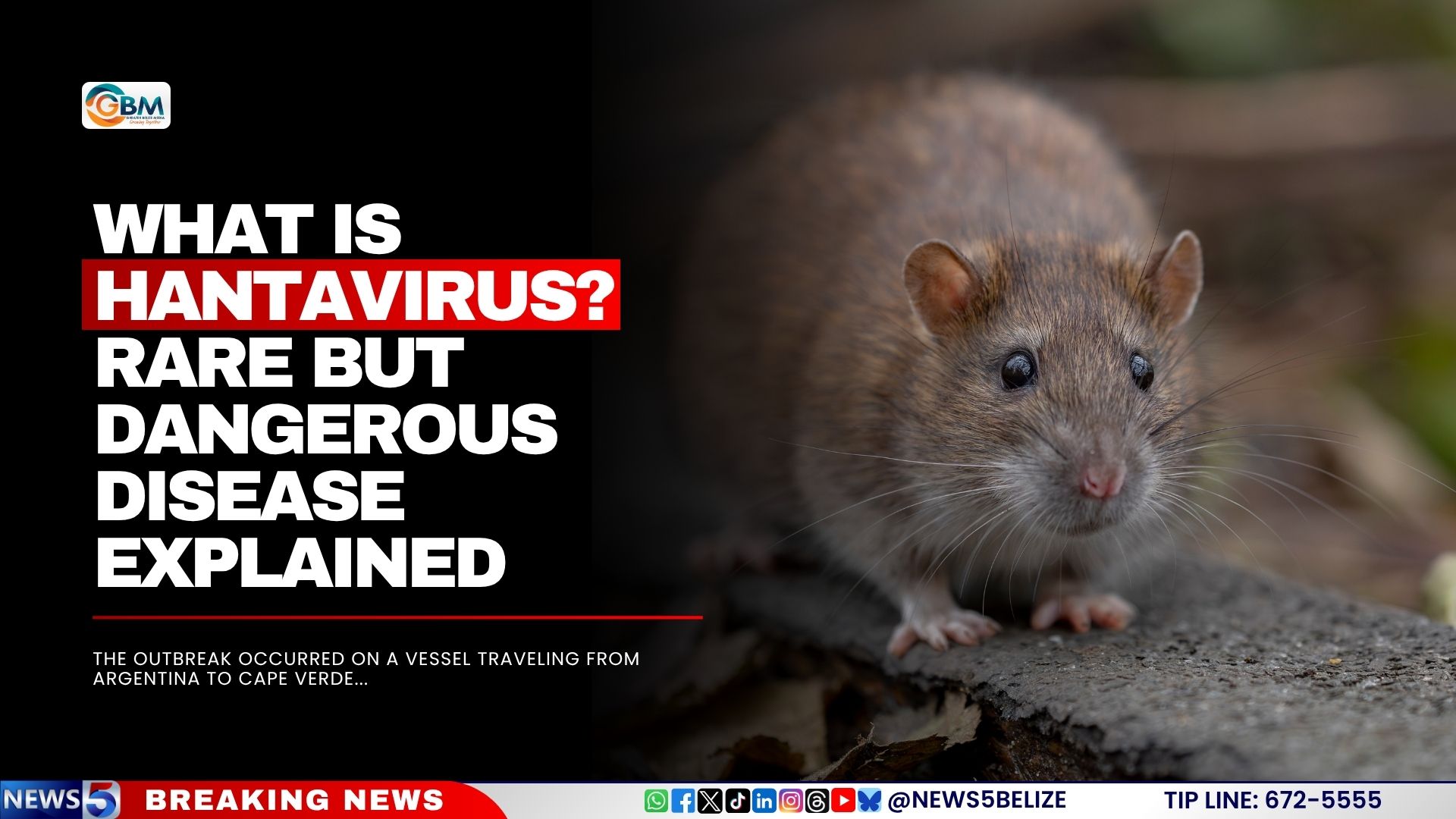
Hantavirus refers to a family of viruses that are primarily hosted and transmitted by wild rodent populations. Human infections almost always originate from direct or indirect contact with rodent bodily fluids, including urine, feces, and saliva. The most common route of infection is inhalation: when contaminated rodent waste is disturbed, tiny viral particles become airborne, and people who breathe in these particles can contract the virus.
While sustained human-to-human transmission of hantavirus is exceptionally uncommon across most strains, public health experts are focusing their current investigation on a specific South American variant called Andes hantavirus. This particular strain has been documented to cause limited spread between people in close close contact, a trait that could explain how infections may have passed between passengers on the crowded vessel.
One of the greatest clinical challenges of hantavirus is its subtle early presentation, which often mimics common seasonal influenza. Initial symptoms include fever, extreme fatigue, body chills, and widespread muscle aches, leading many early cases to be misdiagnosed initially. But unlike influenza, hantavirus can progress rapidly to severe, life-threatening complications. In the most serious cases, the virus attacks the lungs or kidneys, causing acute respiratory failure, organ shutdown, and death in a significant share of advanced cases.
Currently, there is no targeted cure, specific antiviral treatment, or widely available vaccine for hantavirus infection. Standard clinical care focuses entirely on supportive management of symptoms, such as helping patients maintain breathing function and stabilizing vital organ function. Because of this, public health experts emphasize that early detection of infection and proactive prevention measures remain the most effective tools for reducing mortality from the disease.