分类: health

  • New State-of-the-Art Kitchen Commissioned at Nevis’ Alexandra Hospital

    New State-of-the-Art Kitchen Commissioned at Nevis’ Alexandra Hospital

    In a significant advancement for healthcare infrastructure, the Nevis Island Administration has officially inaugurated a cutting-edge commercial kitchen at Alexandra Hospital. The EC $2.3 million facility, commissioned on March 9, 2026, represents a strategic investment in both medical infrastructure and nutritional care standards.

    The newly operational kitchen features comprehensively modernized food preparation zones, enhanced storage solutions, walk-in refrigeration units, and dedicated spaces for dietary staff. The design specifically incorporates nutritionists’ offices and private consultation areas for patient dietary planning, creating an integrated approach to meal preparation and nutritional counseling.

    Health Minister Honourable Jahnel Nisbett characterized the development as a transformative milestone for healthcare delivery on the island. “This investment transcends mere infrastructure improvement—it fundamentally enhances our capacity to deliver quality patient care through scientifically prepared nutrition,” Minister Nisbett stated during the commissioning ceremony. She emphasized that the facility’s design prioritizes optimized workflow patterns, elevated food safety protocols, and operational efficiency for dietary teams.

    Premier Honourable Mark Brantley complemented the physical upgrades with announcements of staffing enhancements, including the appointment of a professional dietician to oversee meal preparation protocols. “We have adopted a holistic strategy that combines world-class infrastructure with expert nutritional guidance to ensure patients receive meals supporting their treatment and recovery,” Premier Brantley explained.

    The kitchen modernization forms part of broader hospital enhancement initiatives, with forthcoming projects including laundry facility renovations and additional medical personnel recruitment. Premier Brantley reaffirmed the administration’s commitment to systematic infrastructure development, noting: “We are methodically building out this facility step-by-step, demonstrating our sustained dedication to healthcare excellence.”

  • That Stressful ‘Friend’ May Be Ageing You Faster

    That Stressful ‘Friend’ May Be Ageing You Faster

    Groundbreaking research funded by the National Institute on Aging has uncovered a startling connection between stressful personal relationships and accelerated biological aging. The study, published in the prestigious Proceedings of the National Academy of Sciences, demonstrates that difficult individuals in one’s social circle—termed ‘hasslers’—can significantly impact the body’s aging mechanisms.

    Researchers from New York University conducted comprehensive analysis of over 2,000 adult participants, examining saliva samples for specific biological markers associated with aging. The findings revealed that each additional stress-inducing person in an individual’s life correlates with approximately a 1.5% increase in biological aging pace.

    According to lead researcher Byungkyu Lee, these problematic relationships function as chronic stressors that continuously activate the body’s stress response systems. ‘These connections may operate as persistent stress triggers,’ Lee explained, noting that the cumulative effect of such relationships can substantially impact physical health over time.

    The study identified that nearly 30% of participants reported at least one such problematic relationship in their social environment, with family members, coworkers, and roommates emerging as the most common sources of persistent stress.

    While completely removing these individuals from one’s life may not always be practical, experts recommend implementing strong boundaries and increasing time spent with supportive relationships as effective countermeasures. The research underscores the importance of evaluating relationship quality not just for emotional wellbeing, but for tangible physical health outcomes as well.

  • Free eye screenings offered across Barbados during World Glaucoma Week

    Free eye screenings offered across Barbados during World Glaucoma Week

    The Barbadian government has initiated a comprehensive public health campaign against glaucoma, deploying free screening services nationwide during World Glaucoma Week. Running from March 8-14 under the unifying theme “Uniting for a Glaucoma-Free World,” the initiative represents a strategic shift toward preventive healthcare rather than reactive treatment.

    Minister of State Davidson Ishmael articulated this policy redirection during the campaign’s launch at Collymore Rock Church of the Nazarene. “Our ministry is strategically refocusing on advancing primary health care messaging,” Ishmael stated. “We’re prioritizing illness prevention over tertiary treatment at Queen Elizabeth Hospital, believing that upfront investment in preventive measures will ultimately reduce disease progression and healthcare costs.”

    The minister pointed to last year’s colorectal cancer screening pilot as a model for success, noting that program identified 68 positive cases among 850 screened individuals, enabling timely interventions that potentially saved lives.

    Alarming statistics reveal glaucoma’s significant impact on Barbados: 7% of citizens over 40 (approximately 1 in 14) suffer from primary open-angle glaucoma. Prevalence escalates with age, affecting 1 in 11 Barbadians over 50 and 1 in 6 beyond age 70.

    Ishmael emphasized that combating this “silent cause of blindness” requires collaborative effort between government, healthcare professionals, and citizens. The week-long program combines free screenings with educational initiatives designed to encourage regular eye examinations and early detection, potentially preventing irreversible vision loss.

  • Cardiovascular disease more threatening than many believe, Heart Institute warns

    Cardiovascular disease more threatening than many believe, Heart Institute warns

    A leading Caribbean cardiologist is challenging pervasive public misconceptions about cardiovascular disease, emphasizing that it poses a universal threat rather than targeting specific demographics. Dr. Ernest Madu, Chairman of the Heart Institute of the Caribbean, revealed that many Jamaicans incorrectly believe heart disease only affects individuals with multiple obvious risk factors or presents unmistakable warning signs.

    In an exclusive interview, Dr. Madu identified several critical misunderstandings surrounding cardiac health. “The assumption that absence of pain equates to absence of disease is particularly dangerous,” he noted, adding that cardiovascular conditions encompass a broad spectrum including heart attacks, heart failure, hypertension, and diabetes.

    Contrary to popular fear surrounding cancer, Dr. Madu emphasized that cardiovascular disease actually affects a larger segment of the population. He advocated for personalized risk assessment rather than universal screening protocols, stating that genetics and family history of premature heart disease—particularly incidents occurring in individuals during their 30s or 40s—should trigger earlier and more comprehensive monitoring.

    The cardiologist highlighted significant gender differences in cardiac health progression. Women typically experience coronary artery disease approximately a decade later than men due to estrogen’s protective effects during pre-menopausal years. However, this advantage disappears after menopause when women’s risk profiles converge with those of men.

    Dr. Madu also addressed behavioral disparities, citing global research indicating women demonstrate more proactive healthcare-seeking behavior than men. This tendency contributes to earlier detection and intervention, which is crucial since cardiovascular conditions are significantly more manageable when identified in initial stages.

    Key risk factors include hypertension, diabetes, sedentary lifestyle, smoking, genetic predisposition, abdominal obesity, and chronic stress. Dr. Madu explained that sustained stress triggers physiological responses including elevated adrenaline and cortisol levels, increased blood pressure and heart rate, systemic inflammation, and enhanced blood clotting tendency—all contributing to cardiovascular deterioration.

    The expert concluded that individualized medical consultation combined with awareness of both conventional and underestimated risk factors is essential for effective prevention and early intervention strategies.

  • Jamaica-Cuba Eye Care Programme will continue – Dr Tufton

    Jamaica-Cuba Eye Care Programme will continue – Dr Tufton

    KINGSTON, Jamaica—Jamaica’s Ministry of Health and Wellness has confirmed the continuation of the Jamaica-Cuba Eye Care Programme following the expiration of the technical cooperation agreement between the two governments. Health Minister Dr. Christopher Tufton provided reassurances during a hybrid press briefing on March 9, emphasizing the program’s critical importance to public health.

    The program, operating at St. Joseph’s Hospital with support from 18 Cuban healthcare specialists, has provided substantial benefits to numerous Jamaican patients. Minister Tufton clarified that while the current agreement is concluding, the program itself will not be discontinued. Instead, transitional measures are being implemented to ensure service continuity.

    Cuban medical personnel will continue performing surgical procedures and post-operative care until March 20. This arrangement covers approximately 140 scheduled surgeries and necessary follow-up treatments for patients who have already undergone eye operations, particularly retina-related procedures.

    Minister Tufton urged all patients who have received surgeries to maintain their scheduled follow-up appointments to ensure proper recovery and ongoing care. Meanwhile, the Jamaican government is developing alternative operational frameworks that combine domestic healthcare capacity with private sector partnerships. Cabinet approval has been secured for these arrangements, which include budgetary provisions for engaging private medical services.

    The ministry recognizes the program’s significant contributions to Jamaica’s healthcare system and remains committed to preserving its benefits through strategic restructuring rather than termination.

  • High-Level engagement sets clear roadmap for Mental Health Reform in Antigua and Barbuda

    High-Level engagement sets clear roadmap for Mental Health Reform in Antigua and Barbuda

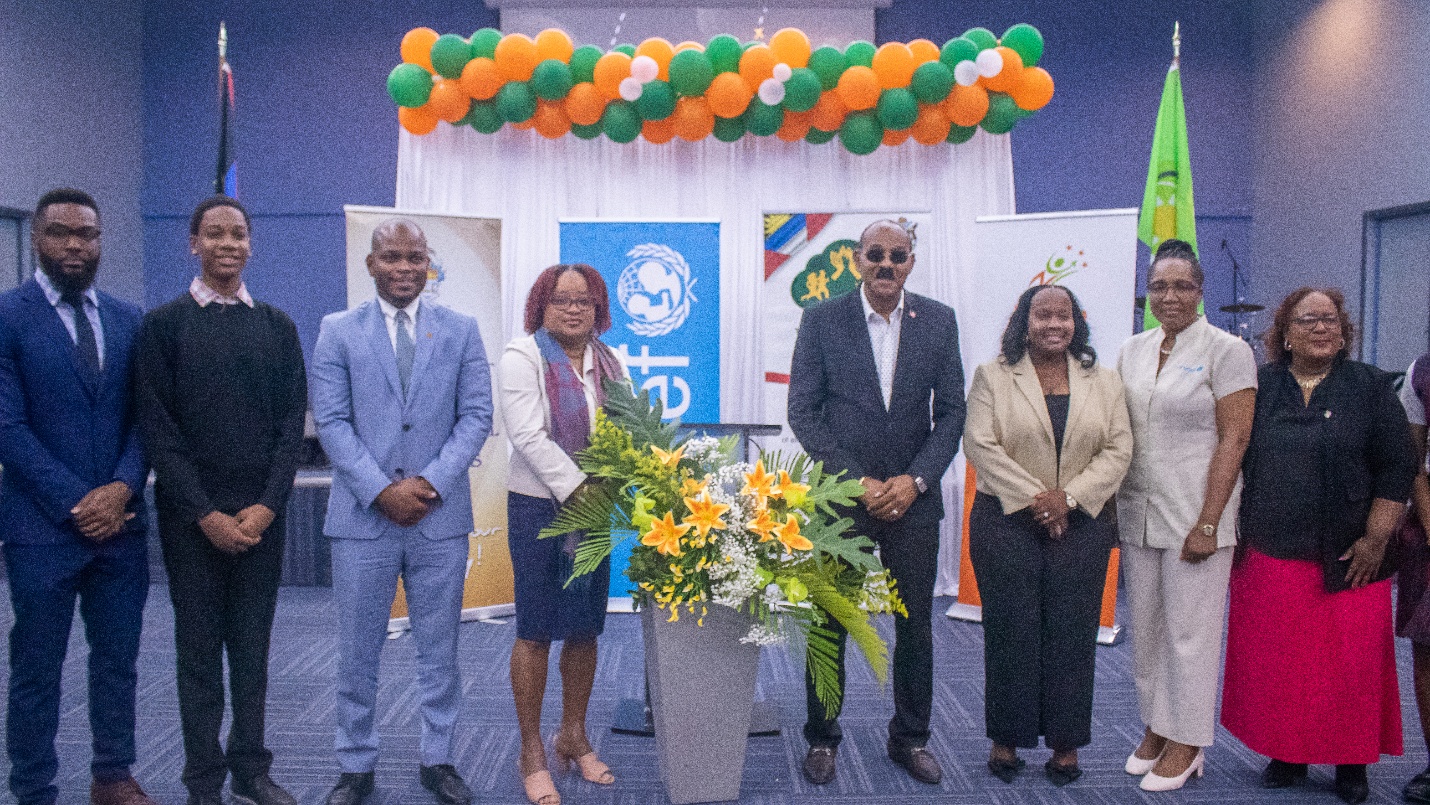
    In a landmark development for Caribbean healthcare, Antigua and Barbuda has embarked on an ambitious mental health system overhaul through strategic collaboration with the Pan American Health Organization (PAHO). Prime Minister Gaston Browne and Health Minister Sir Molwyn Joseph convened with PAHO representatives to solidify next-phase implementation plans, demonstrating unprecedented political commitment to mental health modernization.

    The comprehensive reform program centers on legislative advancement with the new Mental Health Bill currently undergoing stakeholder consultations. This rights-based legislation, scheduled for parliamentary presentation by April and official gazetting by May, will fundamentally reshape service delivery frameworks while protecting patient rights. The legislation facilitates a historic transition from institutionalized care to community-integrated models.

    Infrastructure development is already underway with Cabinet approval for a specialized mental health center within the Sir Lester Bird Medical Centre complex. This deliberately designed integration into general healthcare infrastructure aims to dismantle traditional stigma and establish parity between mental and physical health services. The facility will extend beyond clinical care to incorporate psychosocial rehabilitation, creative arts spaces, daycare services, and professional training resources.

    A particularly innovative aspect involves economic integration through rehabilitation programs. Government plans include acquiring retail marketplace space to showcase and sell products created by participants in therapeutic programs. This initiative bridges mental health recovery with economic participation while leveraging connections to the nation’s vital tourism and creative sectors.

    The reform establishes a multi-tiered service network encompassing primary care mental health services, specialized outpatient care, hospital-based acute treatment, and community-based psychosocial rehabilitation. A meticulous assessment will determine appropriate transition pathways for current Clarevue Mental Health Facility residents, ensuring phased deinstitutionalization with continuous care provisions.

    Prime Minister Browne emphasized cross-sectoral integration, linking mental health to education, housing, employment, and agriculture initiatives. Crucially, mental health services will be incorporated into the National Health Insurance scheme by third quarter 2024, enhancing financial protection and accessibility.

    With 2026 designated as a transformational year, leadership has mandated a 30-day framework delivery for service restructuring. The target implementation date of November 1, 2026—coinciding with Independence celebrations—symbolizes national commitment to this healthcare renaissance. The reform agenda prioritizes lived-experience inclusion in public education campaigns and service design.

    The Health Ministry has established a dedicated implementation team to operationalize PAHO recommendations, focusing on workforce development, infrastructure modernization, service redesign, and intersectoral coordination. With sustained technical cooperation from PAHO and strategic investment, Antigua and Barbuda is positioned to establish a regional benchmark in community-focused mental healthcare.

  • Breast milk is the best food for babies, but at what cost? From the point of view of a lactation specialist.

    Breast milk is the best food for babies, but at what cost? From the point of view of a lactation specialist.

    A critical examination of breastfeeding support systems reveals profound systemic failures that undermine maternal and infant health outcomes. Despite widespread promotion of ‘breast is best’ messaging, new mothers face substantial obstacles from the immediate postpartum period through their return to work.

    The challenges begin at birth, where inadequate professional support often leaves mothers struggling with fundamental issues like latching difficulties and feeding pain. Healthcare providers frequently offer dismissive platitudes rather than substantive assistance, with comments like ‘the pain is normal’ or ‘the latch looks fine’ replacing proper clinical assessments. This institutional failure stems from insufficient lactation education among medical professionals and the perpetuation of outdated practices.

    While initiatives like the Baby Friendly Hospital Training represent progress, they provide only basic support and fail to address complex breastfeeding cases. True breastfeeding success requires comprehensive, evidence-based approaches that consider the full spectrum of maternal concerns rather than superficial visual assessments of latch quality.

    The structural barriers extend beyond clinical settings. Insufficient maternity leave policies—often limited to 6-12 weeks—and workplace inflexibility regarding pumping schedules create insurmountable obstacles for continuing breastfeeding. Many mothers consequently feel compelled to transition to formula feeding not by choice, but due to systemic neglect.

    Addressing this crisis requires multifaceted solutions: implementing evidence-based lactation protocols, ensuring ongoing professional education, establishing breastfeeding-friendly workplace policies, and extending paid maternity leave. As emphasized by the 2026 World Breastfeeding Week theme, strengthening what works means committing to genuine support systems that prioritize maternal-child health through concrete actions rather than empty slogans.

    Transforming breastfeeding outcomes demands collaboration across healthcare systems, policymakers, employers, and lactation specialists to create environments where mothers receive the substantive support they need to succeed.

  • Donation brings life-saving equipment to Saint Lucia’s Special Care Baby Unit

    Donation brings life-saving equipment to Saint Lucia’s Special Care Baby Unit

    The Special Care Baby Unit at Millennium Heights Medical Complex (MHMC) in Saint Lucia has achieved a significant advancement in neonatal capabilities following a substantial equipment donation facilitated by the Sandals Foundation. The initiative, funded through the Sandals’ Island Challenge fundraising event, successfully raised over EC$471,000 (£130,000), surpassing its initial EC$362,000 (£100,000) target.

    Dr. Lashorn Christian, Paediatric Consultant and Head of the Paediatric Department at MHMC, described the donation as transformative for newborn care. “This represents a dream realized,” Dr. Christian stated during Friday’s equipment handover ceremony. “I’m acutely aware of the challenges we face daily while caring for our most vulnerable patients, particularly newborns. This support is vital for our healthcare system.”

    The comprehensive donation includes five critical medical devices specifically designed to enhance neonatal care outcomes. The most crucial addition is a mechanical ventilator that provides essential life support for critically ill infants. Dr. Christian emphasized its importance, noting that “during peak periods between November and December, we sometimes encounter more babies needing intervention than available machines. This ventilator will sustain at least one additional infant requiring vital support.”

    Additional equipment includes an advanced incubator for premature neonates, enabling temperature regulation while administering oxygen and other treatments without removing infants from the controlled environment. The donation also brings a transcutaneous bilirubin (TCB) machine for early jaundice detection, significantly reducing brain damage risks through accelerated intervention.

    Notably, a bilirubin blanket will revolutionize the patient experience by allowing mothers to breastfeed and maintain physical contact with their newborns during phototherapy treatment—previously impossible when infants were confined to cots. The final component, a neonatal warmer, provides improved access to critically ill babies receiving intensive care.

    Masana Morison-Nicholas, Public Relations Manager at Sandals Halcyon, attributed the project’s success to strategic collaboration. Early discussions with Dr. Christian about her personal mission to advance neonatal care in Saint Lucia established the foundation for partnership. Simultaneously, Sandals’ corporate leadership expressed interest in expanding the Island Challenge event to Saint Lucia following successful implementations in Antigua and Barbuda and Saint Vincent and the Grenadines.

    The four-day endurance fundraiser in October brought together athletes from the United Kingdom and Saint Lucia for demanding activities including Gros Piton hiking, cross-country trekking, inter-resort running, and kayaking. The Sandals Foundation partnered with A.A. Laquis in Trinidad to procure the medical equipment using funds raised through event sponsors, with additional support from Unique Vacations UK Ltd., Island Routes, Sandals Resorts Saint Lucia, and the Saint Lucia Tourism Authority.

  • Chikungunya-besmettingen stijgen; import chemicaliën vertraagd

    Chikungunya-besmettingen stijgen; import chemicaliën vertraagd

    Suriname’s public health crisis has intensified as health authorities reported 207 new Chikungunya virus infections in the past week, bringing the total case count to 1,357 since the initial outbreak began in January. The mosquito-borne disease continues to spread rapidly due to critical shortages of specialized chemicals needed for large-scale containment operations.

    Health and Welfare Minister André Misiekaba revealed during a government press conference that Brazil has only this week provided positive response to Suriname’s urgent request for importing the necessary insecticides. The minister acknowledged additional outreach to French Guiana authorities, from whom an informal positive response is anticipated regarding chemical supplies.

    Minister Misiekaba expressed unexpected difficulties in the procurement process, stating: “I was unaware of the complexities involved in importing these specialized chemicals. This knowledge will prevent similar situations during next year’s seasonal outbreak period.” He noted that according to the Bureau of Public Health (BOG), spraying operations occurred only once between 2020 and 2025, indicating insufficient prior attention to preventive measures.

    The health minister emphasized that logistical systems and professional contacts had to be reestablished from scratch, though communication channels are now properly organized. Authorities stand ready to commence spraying operations immediately upon chemical delivery.

    Meanwhile, health officials urge citizens to implement personal protective measures including eliminating mosquito breeding sites—particularly areas with stagnant water—sleeping under insecticide-treated nets, and strengthening immune systems through proper nutrition and hygiene practices.

  • Is Healthy Eating Too Expensive?

    Is Healthy Eating Too Expensive?

    Belize faces a significant public health challenge with new data revealing alarming obesity rates affecting over 130,000 citizens. Recent statistics indicate that approximately 20% of the population is clinically obese, with an additional 56,000 individuals classified as overweight. Particularly concerning is the prevalence among children, where 87% of those aged five to nine exceed healthy weight parameters.

    The economic dimension of this health crisis presents a major barrier. Comparative analysis shows that nutritious meal options typically cost more than double the price of fast food alternatives. A restaurant-prepared grilled chicken meal with vegetables averages $12, while fried chicken and fries remains accessible at approximately $6. This price disparity creates substantial challenges for families seeking healthier alternatives.

    Stephen Mossiah, a Belizean who successfully transformed his health after reaching 300 pounds, shared his personal journey. “Food provided comfort similar to a drug,” Mossiah recounted. “I remember waking at 2 AM to eat pizza before returning to bed—a pattern that put me on track for diabetes or hypertension.”

    The Ministry of Health and Wellness has implemented multi-faceted strategies to address this crisis. Robyn Daly, Technical Advisor for Nutrition, emphasizes practical approaches: “I encourage baby steps. Incorporating fruits and vegetables three to four days weekly represents significant progress. No food is inherently bad—portion control and preparation methods determine nutritional impact.”

    Mossiah demonstrates cost-effective solutions through personal practice: “I spend $50 on meat provisions lasting two weeks, supplemented by $30 worth of vegetables. The rotisserie chicken at Public’s supermarket, priced at $7, offers a healthier alternative to fried options.”

    Government initiatives include the “Shake the Habit” campaign, which has educated over 5,000 food vendors since May 2025 on reducing salt and fat content in prepared foods. This vendor education program, integrated into food handler licensing requirements, represents a systematic approach to improving the nutritional quality of commonly consumed meals.

    Health authorities stress that achievable dietary modifications, combined with physical activity and mindful eating practices, can effectively combat obesity without imposing financial strain on Belizean families.