分类: health

  • Antigua and Barbuda to Co-Host First Global Eye Health Summit with WHO

    Antigua and Barbuda to Co-Host First Global Eye Health Summit with WHO

    Antigua and Barbuda is poised to become the epicenter of global eye health advocacy as Prime Minister Gaston Browne officially launched preparations for the inaugural Global Summit for Eye Health. The landmark event, scheduled for November 2024, will coincide with the nation’s hosting of the Commonwealth Heads of Government Meeting (CHOGM), creating a unique platform for health policy integration.

    The Wednesday launch ceremony assembled an impressive coalition of international health leaders and Commonwealth representatives, all united in their commitment to combat preventable blindness and revolutionize global vision care standards. The gathering featured prominent advocates including Sophie, Duchess of Edinburgh, whose longstanding dedication to ocular health initiatives brought significant attention to the cause. They were joined by Peter Holland, Chief Executive of the International Agency for the Prevention of Blindness (IAPB), who emphasized the urgent need for coordinated action.

    Distinguished participants included Antigua and Barbuda’s High Commissioner to the United Kingdom, Karen-Mae Hill; IAPB President Caroline Casey; Commonwealth Deputy Secretary-General Arjoon Suddhoo; and Devora Kestel representing the World Health Organization. This diverse representation underscored the multidimensional approach required to address vision impairment challenges.

    The forthcoming summit aims to convene policymakers, medical specialists, and advocacy organizations to confront the escalating global burden of vision-related disabilities. Organizers indicate that the conference will prioritize three critical objectives: reinforcing national eye-care infrastructures, broadening accessibility to vision treatment services, and incentivizing governments to incorporate ocular health into their core public health agendas. This initiative represents a crucial step toward eliminating treatable blindness and ensuring equitable vision care worldwide.

  • Health Ministry inspects Dr. Fadul’s clinic in Santiago

    Health Ministry inspects Dr. Fadul’s clinic in Santiago

    Health officials in the Dominican Republic have initiated a comprehensive technical review of the ‘Transforming Autism’ clinic in Santiago province following recent media attention. The Ministry of Public Health, acting through its Directorate of Authorization of Health Services and Establishments, conducted an unannounced supervisory visit to the facility operated by Dr. José Ernesto Fadul.

    While no formal patient complaints have been registered against the establishment, the health ministry activated its standard oversight protocol in response to emerging media coverage. A multidisciplinary team of inspectors performed an exhaustive evaluation of multiple operational aspects including physical infrastructure, medical equipment, staff qualifications, documentation practices, treatment procedures, and overall hygiene and safety conditions.

    The comprehensive assessment, currently under technical review, will culminate in an official report prepared in strict accordance with national health regulations. Ministry representatives emphasized their commitment to procedural transparency, noting that finalized findings will be publicly disclosed upon completion of the analytical process.

    Health authorities simultaneously reminded healthcare providers about the mandatory national protocol for treating children and adolescents with autism spectrum disorder. This established framework, developed under the General Health Law and supplementary regulations, requires uniform compliance across all healthcare facilities operating within the Dominican Republic.

  • Ministry of Health confirms first Chikungunya case since 2021

    Ministry of Health confirms first Chikungunya case since 2021

    Health authorities in Saint Lucia have reported the nation’s first laboratory-confirmed case of Chikungunya virus since 2021, marking a significant public health development. The Ministry of Health disclosed that the infected individual received medical treatment at a local healthcare facility for four days before achieving full recovery and being discharged. No subsequent cases have been detected following this incident.

    This occurrence aligns with broader regional trends, as several Caribbean territories including Cuba and Suriname have experienced recent outbreaks of the mosquito-borne illness. The Pan American Health Organization (PAHO) issued an epidemiological alert for the Americas in February due to rising Chikungunya infections across the region.

    The Health Ministry emphasized that Saint Lucia remains vulnerable to additional cases due to inter-territorial travel and the persistent presence of Aedes mosquitoes, the primary vectors for virus transmission. In response, health officials have intensified surveillance systems to promptly identify and manage potential cases while implementing comprehensive vector control operations to reduce mosquito populations in affected areas.

    Chikungunya virus manifests through symptoms including high fever, debilitating joint pain, muscle aches, headaches, and skin rashes. Health authorities advise individuals experiencing these symptoms to seek immediate medical attention at their nearest Community Wellness Centre.

    As prevention remains crucial, the Ministry recommends eliminating standing water sources around residences, conducting regular inspections of water-collecting containers, adhering to scheduled garbage collection protocols, and practicing safe water storage methods—particularly in areas with intermittent water supply. Additional protective measures include using mosquito nets, applying insect repellent to skin and clothing, and wearing long-sleeved garments during peak mosquito activity periods.

  • CARPHA Champions Urgent Regional Action to Prevent Childhood Obesity and Create Healthier Caribbean Food Environments on World Obesity Day

    CARPHA Champions Urgent Regional Action to Prevent Childhood Obesity and Create Healthier Caribbean Food Environments on World Obesity Day

    The Caribbean Public Health Agency (CARPHA) has issued a compelling call for immediate regional collaboration to combat childhood obesity, marking World Obesity Day with urgent recommendations for systemic change. With the global obesity population surpassing one billion, CARPHA emphasizes this complex health challenge demands coordinated societal response at all levels.

    Regional statistics reveal a critical situation: one in three Caribbean children currently qualifies as overweight or obese. This early-life condition substantially elevates risks for persistent obesity through adolescence and adulthood, dramatically increasing vulnerability to non-communicable diseases (NCDs). Cardiovascular conditions, diabetes, cancers, and chronic respiratory illnesses—already the leading causes of morbidity and mortality in the region—are directly linked to childhood weight issues.

    Notably, three CARPHA member states—The Bahamas, Saint Kitts and Nevis, and Belize—rank among the global top 20% for highest overweight and obesity prevalence according to Pan American Health Organization data.

    CARPHA’s strategic response centers on its Six-Point Policy Package (6-PPP), developed in partnership with CARICOM Secretariat. This comprehensive framework targets healthier food environments through:
    – Implementation of front-of-package warning labels
    – Establishment of nutrition standards for schools and institutions
    – Regulation of food marketing practices
    – Enhancement of nutritional quality across food supplies
    – Adjustment of trade and fiscal policies
    – Creation of food chain incentives

    Dr. Lisa Indar, Executive Director of CARPHA, highlighted recent advancements: “Our collaboration with PAHO/WHO has produced Technical Recommendations for Caribbean School Nutrition Standards. These guidelines address all foods and beverages within primary and secondary schools, creating environments that discourage unhealthy consumption while promoting nutritious habits.”

    The agency advocates a whole-of-society approach, complementing policy measures with its Caribbean Moves initiative promoting physical activity, nutritional education, and health monitoring.

    On World Obesity Day 2026, under the theme “8 Billion Reasons to Act on Obesity,” CARPHA reframes obesity as a systemic challenge rather than individual failing. The agency urges governments, civil organizations, communities, and families to collaborate on creating equitable health systems, moving toward the UN Sustainable Development Goal of reducing premature NCD mortality by one-third before 2030.

  • Yoga Grandmaster Champions Holistic Health in Belize

    Yoga Grandmaster Champions Holistic Health in Belize

    In the heart of Belize, a remarkable fusion of ancient tradition and contemporary healthcare is unfolding under the guidance of Dr. Orlando Pelayo, the nation’s sole certified yoga grandmaster. With over six decades of dedicated practice, Dr. Pelayo represents a living bridge between Eastern spiritual disciplines and Western medical science, operating both an orthopedic clinic and the Himalayan Institute of Yoga.

    The 86-year-old master, who introduced yoga to Belize in 1957, demonstrates extraordinary physical capabilities—including maintaining the challenging Himalaya Mantis pose for up to fifteen hours. His qualifications extend beyond yoga mastery to include military special forces training, three internationally recognized black belts, and advanced academic degrees, creating a unique credentialing combination that distinguishes him as a grandmaster.

    Dr. Pelayo’s philosophy centers on what he terms ‘true self-love’—a concept extending beyond superficial affirmations to encompass comprehensive physical health, mental clarity, and spiritual development. ‘Loving yourself is to be healthy, to be educated, to be viable, to be a good person, to love humanity and love all races,’ he explains, challenging conventional understandings of self-care.

    The yoga pioneer emphasizes the importance of proper preparation before beginning practice, advising potential students to assess their health status and lifestyle choices. He cautions against substance use and poor nutrition while encouraging spiritual development as foundational elements for successful yoga practice.

    As yoga gains popularity in Belize, Dr. Pelayo warns students to verify instructor credentials carefully, noting that ‘you cannot learn from a fool’ and emphasizing the importance of learning from properly qualified teachers to avoid ‘water under the bridge’ outcomes.

    Despite initial skepticism when he first introduced yoga decades ago, Dr. Pelayo remains committed to his mission of promoting holistic wellness, concluding with his personal mantra: ‘My purpose is to stay on the planet, stand up and fight, don’t give up. Namaste.’

  • Minister of Health Receives IAPB Leadership During Official Visit

    Minister of Health Receives IAPB Leadership During Official Visit

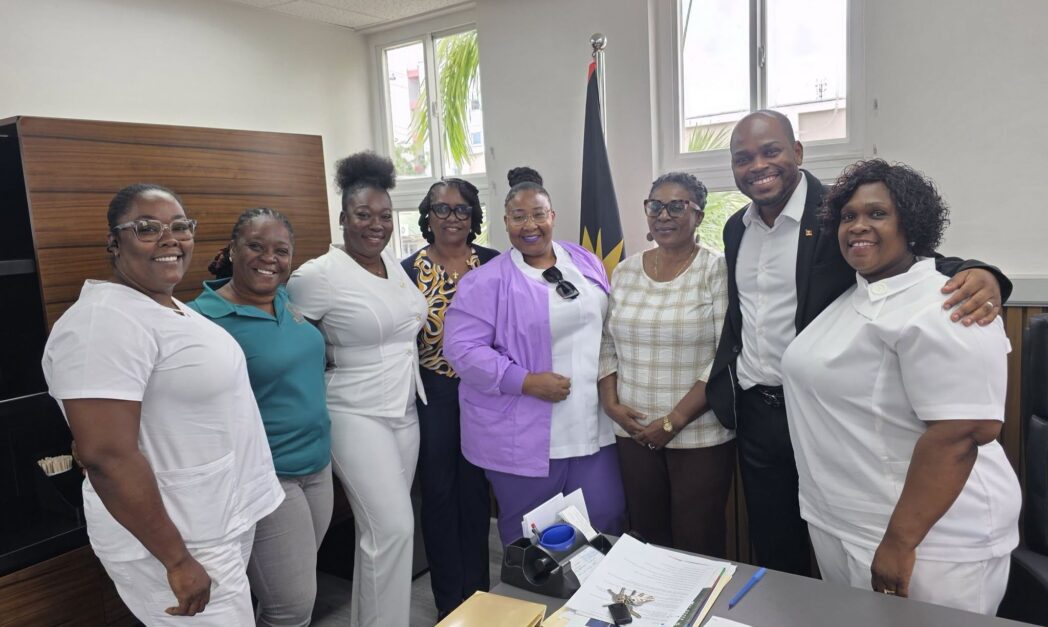
    In a significant diplomatic engagement, Antigua and Barbuda’s Minister of Health, Wellness, Environment and Civil Service Affairs, Sir Molwyn Joseph, convened with top executives from the International Agency for the Prevention of Blindness (IAPB) at the Ministry’s Headquarters. The high-level discussion featured IAPB CEO Peter Holland and Communications Director Simon Darvill, marking a pivotal moment in the nation’s health diplomacy agenda.

    The high-level consultation serves as a cornerstone of the delegation’s official visit to the Caribbean nation, strategically timed ahead of the Commonwealth Heads of Government Meeting 2026 (CHOGM 2026) and its accompanying Global Summit for Eye Health. Scheduled for global launch on March 4, 2026, the Summit will position Antigua and Barbuda at the forefront of international eye health advocacy.

    Minister Joseph articulated his administration’s unwavering dedication to establishing ocular health as both a national priority and regional imperative. His comprehensive vision emphasized three critical pillars: preventive measures, early detection protocols, and the seamless incorporation of vision care services into primary healthcare systems. The Minister underscored that the country’s participation in the Global Summit demonstrates its proactive stance in combating preventable blindness and visual impairment challenges.

    IAPB leadership applauded the Minister’s pioneering efforts in elevating Antigua and Barbuda’s profile as a vocal proponent for vision health within Commonwealth networks and global health circles. Mr. Darvill emphasized the crucial importance of strategic partnerships and political commitment in achieving the Summit’s objectives and sustaining long-term initiatives.

    The meeting also featured contributions from key government officials including Senator Michael Joseph (Minister of State), Permanent Secretary Mrs. Stacey Gregg-Paige, and Chief Medical Officer Dr. Kamaria DeCastro, who provided valuable insights regarding policy harmonization and execution strategies.

    The Ministry anticipates strengthened collaboration with IAPB as preparatory activities accelerate for both CHOGM 2026 and the landmark Global Summit for Eye Health, signaling a new chapter in international health cooperation.

  • Stichting Lobi 58 jaar: focus op preventie, jongeren en uitbreiding SRHR-zorg

    Stichting Lobi 58 jaar: focus op preventie, jongeren en uitbreiding SRHR-zorg

    Suriname’s pioneering sexual and reproductive health institution, Stichting Lobi Health Center (SLHC), celebrates 58 years of service while announcing significant expansions to its preventive healthcare offerings. The organization revealed during its anniversary commemorations that it will introduce Pre-Exposure Prophylaxis (PrEP) for HIV prevention and launch innovative HPV self-testing kits for cervical cancer screening.

    Established on February 29, 1968, as a family planning initiative, Lobi has evolved into a multidisciplinary public health center that now serves tens of thousands of clients annually through preventive care, testing, counseling, health education, and training programs. The institution has maintained its pioneering role in providing accessible Sexual and Reproductive Health and Rights (SRHR) services, ranging from contraception and HIV testing to comprehensive cervical cancer screening.

    The organization’s impact extends beyond clinical services to include youth education, women’s empowerment programs, and support for vulnerable populations. Lobi also contributes significantly to national policy development in the SRHR sector, aligning its mission with both Sustainable Development Goals and Suriname’s national health priorities.

    Currently operating outreach services across nine of Suriname’s ten districts, Lobi is intensifying its focus on prevention and early detection. The introduction of qualitative HPV self-collection tests aims to increase screening participation by reducing accessibility barriers. Meanwhile, the PrEP initiative represents a groundbreaking approach to HIV prevention in the region.

    General Director Nensy Bandhoe characterized the anniversary as both a reflective moment and a renewal of commitment. “We continue building toward a Suriname where every individual has access to respectful, quality sexual and reproductive healthcare, with emphasis on privacy and confidentiality,” Bandhoe stated.

    The organization acknowledged its collaborative partners, including the Ministry of Health, Welfare and Labor, PAHO, UNFPA, and other cooperating organizations. Demonstrating its operational effectiveness, Lobi’s team screened nearly 700 women for high-risk HPV types within just three days in late January—a achievement that underscores the critical importance of preventive healthcare initiatives.

  • Opleiding  Jeugdtandverzorging 50 jaar: fundament van tandheelkundige zorg

    Opleiding Jeugdtandverzorging 50 jaar: fundament van tandheelkundige zorg

    Suriname’s pioneering Youth Dental Care Foundation (Stichting Jeugdtandverzorging) marks a significant milestone this year, celebrating five decades of transforming oral healthcare accessibility across the nation. Established on March 1, 1976, this innovative training program emerged from Suriname’s healthcare restructuring initiatives that identified critical shortages in dental professionals.

    The foundation’s journey began through a collaborative partnership with Amsterdam’s Free University, launching a groundbreaking three-year higher professional education program. This initiative specifically targeted providing comprehensive preventive and curative dental services for children and adolescents aged 0-18 years. The program’s institutional framework solidified in 1980 with the formal establishment of the Youth Dental Care Foundation, which became the primary employer for graduates.

    A substantial evolution occurred in 2004 when statutory amendments expanded treatment eligibility to include adult patients, significantly broadening the foundation’s community impact. This expansion received further legal reinforcement through the 2007 Youth Dental Care Practitioners Act, which formally defined professional competencies and scope of practice.

    The most transformative development came in 2016 when the program evolved into a four-year Bachelor of Science degree, redesignating graduates as Oral Health Therapists. This professional designation achieved legal recognition through amendments to the Medical Professions Practice Act in 2022, with the entire program receiving ministerial endorsement from the Ministry of Health, Labor, and Welfare in early 2026.

    These dental professionals deliver comprehensive services including school-based health education, preventive treatments such as dental sealants, periodic examinations, hygienic procedures, restorative dentistry, and extractions (excluding wisdom teeth). The growing workforce has enabled service expansion into previously underserved regions including Nickerie, Para, and Sipaliwini districts.

    The foundation currently pursues accreditation from NOVA, aiming to further enhance educational quality standards and potentially establish advanced dental training pathways within Suriname. Presently, the Oral Health Therapist program remains the country’s sole dental training institution, maintaining its vital role in addressing national oral healthcare needs.

  • Directorate of Gender Affairs Invites the Public to Free “Give to Gain” Health Fair

    Directorate of Gender Affairs Invites the Public to Free “Give to Gain” Health Fair

    The Directorate of Gender Affairs (DoGA), in partnership with the Medical Benefits Scheme (MBS), will host a comprehensive “Give to Gain” Health Fair on March 6, 2026, as a centerpiece of International Women’s Day Week celebrations. The event will take place at the DoGA headquarters on Friendly Alley, St. John’s, from 9:00 a.m. to 2:00 p.m., with free admission for all community members regardless of gender.

    The fair will commence with a special recognition ceremony honoring four young female philanthropists whose community service embodies the “Give to Gain” philosophy. This plaque presentation ceremony will spotlight women whose contributions have significantly benefited Antiguan society, with organizers encouraging early attendance to show support for these awardees.

    Attendees will have access to an extensive array of preventive health services including HIV/AIDS testing, HPV vaccinations, cervical cancer registration, and basic health screenings for blood pressure, blood sugar, BMI, and cholesterol levels. The event aims to remove barriers to healthcare access by bringing essential medical services directly to the community.

    Jamie Saunder, Director of the Directorate of Gender Affairs, emphasized the event’s dual purpose: “This initiative not only provides critical health services but also celebrates the often unrecognized women whose generosity strengthens our nation. Their quiet consistency in giving creates ripple effects that benefit our entire society.”

    The Directorate encourages widespread participation from individuals, families, and workplace groups, highlighting that preventive health measures require minimal time investment but can yield significant long-term health benefits through early detection and intervention.

  • Saharan dust pushes air quality to moderate levels in Antigua and Barbuda

    Saharan dust pushes air quality to moderate levels in Antigua and Barbuda

    The Meteorological Services of Antigua and Barbuda has issued a significant air quality advisory, forecasting a deterioration to moderate levels beginning Monday afternoon and persisting through Tuesday. This environmental development stems from heightened concentrations of Saharan dust particles originating from North Africa.

    According to the official bulletin released Sunday at 11:45 p.m., this episode represents the fourth substantial influx of Saharan dust to impact the island nation in 2026. Meteorological experts project the Air Quality Index (AQI) to register between 51 and 80 during this period, triggering an official Air Pollution Alert Level II designation across the country.

    While health authorities indicate that the general population faces minimal health risks, the advisory specifically highlights potential moderate health concerns for unusually sensitive demographic groups. Individuals with pre-existing respiratory conditions such as asthma, along with those diagnosed with cardiovascular diseases, are identified as particularly vulnerable. The elderly and children also fall into elevated risk categories during this air quality event.

    The national meteorological agency emphasized that overall air quality remains within acceptable parameters, though certain pollutants may present moderate health implications for a limited segment of the population exceptionally sensitive to air pollution exposure.

    Public health recommendations accompanying the alert advise active children and adults, plus individuals with respiratory conditions, to consciously reduce prolonged or heavy exertion outdoors until air quality conditions improve. Meteorological officials continue to monitor atmospheric conditions and will provide updates as the situation evolves.