分类: health

  • SLBMC Urges Early Screening for “Silent” Conditions on World Kidney and Glaucoma Day

    SLBMC Urges Early Screening for “Silent” Conditions on World Kidney and Glaucoma Day

    The Sir Lester Bird Medical Centre (SLBMC), Antigua and Barbuda’s leading public healthcare institution, has issued a compelling public health advisory coinciding with the global observances of World Kidney Day and World Glaucoma Day on March 12. The medical center emphasizes the critical importance of routine health screenings for early detection of these potentially devastating conditions.

    Medical experts characterize both kidney disease and glaucoma as ‘silent’ health threats due to their tendency to develop asymptomatically until reaching advanced stages. Dr. Shivon Belle-Jarvis, SLBMC Medical Director, explained the particular danger this presents: ‘The insidious progression of these conditions means many individuals remain unaware of their risk until experiencing severe complications. Early detection represents our most effective strategy for improving health outcomes and preventing irreversible damage.’

    Kidney impairment typically evolves gradually, frequently associated with chronic conditions including diabetes and hypertension. Aligned with the 2026 World Kidney Day theme ‘Kidney Health for All: Caring for People and Protecting the Planet,’ SLBMC specifically recommends that individuals with these underlying conditions undergo simple blood and urine analyses to monitor renal function.

    Similarly, glaucoma stands as a predominant cause of preventable blindness globally. Often termed the ‘silent thief of sight,’ the condition characteristically initiates peripheral vision loss that progresses subtly. Echoing the 2026 glaucoma awareness theme ‘Uniting for a Glaucoma-Free World,’ medical professionals stress that regular comprehensive eye examinations provide the only reliable method for early detection, given the irreversible nature of optic nerve damage caused by the disease.

    The healthcare institution advocates for a proactive approach to wellness, encouraging the public to monitor blood pressure regularly, manage existing chronic conditions diligently, and schedule routine vision assessments. These straightforward measures constitute essential components in safeguarding long-term health and preventing vision loss.

    As the primary referral medical facility for Antigua and Barbuda, SLBMC reaffirms its commitment to delivering comprehensive medical services while promoting community health initiatives that address preventable diseases through education and early intervention strategies.

  • Saint Kitts and Nevis launches “Building A Safe Space At Home” animation and dialogue to strengthen youth mental health

    Saint Kitts and Nevis launches “Building A Safe Space At Home” animation and dialogue to strengthen youth mental health

    In a significant move to address youth mental wellness, Saint Kitts and Nevis unveiled the “Building A Safe Space At Home” animation and dialogue initiative on March 12, 2026. The landmark event at CUNA Conference Centre brought together government officials, educators, healthcare professionals, and civil society representatives under the Mental Health Service System Enhancement Project.

    The collaborative effort, developed in partnership with Taiwan International Cooperation and Development Fund (TaiwanICDF), the Ministry of Health, and LAKE Health and Wellbeing, focuses on fortifying familial environments as foundational support systems for young people. The initiative recognizes that mental well-being begins at home, where children first develop emotional resilience and communication skills.

    His Excellency Edward Tao, Resident Ambassador of the Republic of China (Taiwan), emphasized the global paradigm shift in mental health perception, noting that governments worldwide now recognize psychiatric care as a collective responsibility extending beyond clinical settings into families and communities.

    Deputy Prime Minister and Education Minister Dr. Geoffrey Hanley articulated the program’s educational significance, stating, “A child’s first safe space is the home. Before classroom engagement or social interaction, families teach trust, emotional regulation, and resilience.” He highlighted the direct correlation between domestic support systems and academic performance.

    Prime Minister Dr. Terrance Drew positioned the initiative within the government’s broader public health strategy for crime reduction, revealing that expert data identifies mental health challenges as the primary root cause of violence in the Federation. “This program delivers precisely what our security experts recommend—addressing youth mental health is essential to combating crime,” Dr. Drew asserted.

    The animation launch represents a proactive approach to equipping families with practical tools for nurturing emotionally healthy youth, marking a critical advancement in the nation’s mental health infrastructure.

  • Grenada to break ground on new hospital under Project Polaris

    Grenada to break ground on new hospital under Project Polaris

    Grenada is poised to enter a transformative era in healthcare delivery as government officials prepare to break ground on Project Polaris, the nation’s most ambitious medical infrastructure initiative to date. The ceremonial sod-turning event scheduled for March 27, 2026, will officially commence construction of a state-of-the-art 250-bed medical facility designed to withstand climate challenges while revolutionizing patient care.

    The future hospital represents the cornerstone of an expansive 84-acre Medical City complex in Calivigny, St. George. This cutting-edge facility will significantly enhance healthcare accessibility for residents across Grenada, Carriacou, and Petite Martinique while simultaneously advancing medical education, research capabilities, and specialized treatment services.

    Ambassador Andrea St Bernard, Project Sponsor, emphasized the historical significance of the undertaking, stating: ‘This ceremony transcends mere construction commencement. It heralds a paradigm shift in our national healthcare approach. Project Polaris embodies Grenada’s dedication to creating a resilient, contemporary health system that addresses current population needs while anticipating future generational requirements.’

    The government has extended an open invitation to all citizens to join the Prime Minister and Cabinet members at this landmark event. The project site will welcome attendees from 3:30 PM ahead of the 4:00 PM ceremony, marking a collective step toward healthcare transformation.

    As the administration’s flagship health initiative, Project Polaris aims to fundamentally strengthen national medical infrastructure and expand availability of modern healthcare services throughout the tri-island state, establishing Grenada as a regional leader in climate-resilient medical facilities.

  • CARPHA to host 70th Annual Health Research Conference in Guyana

    CARPHA to host 70th Annual Health Research Conference in Guyana

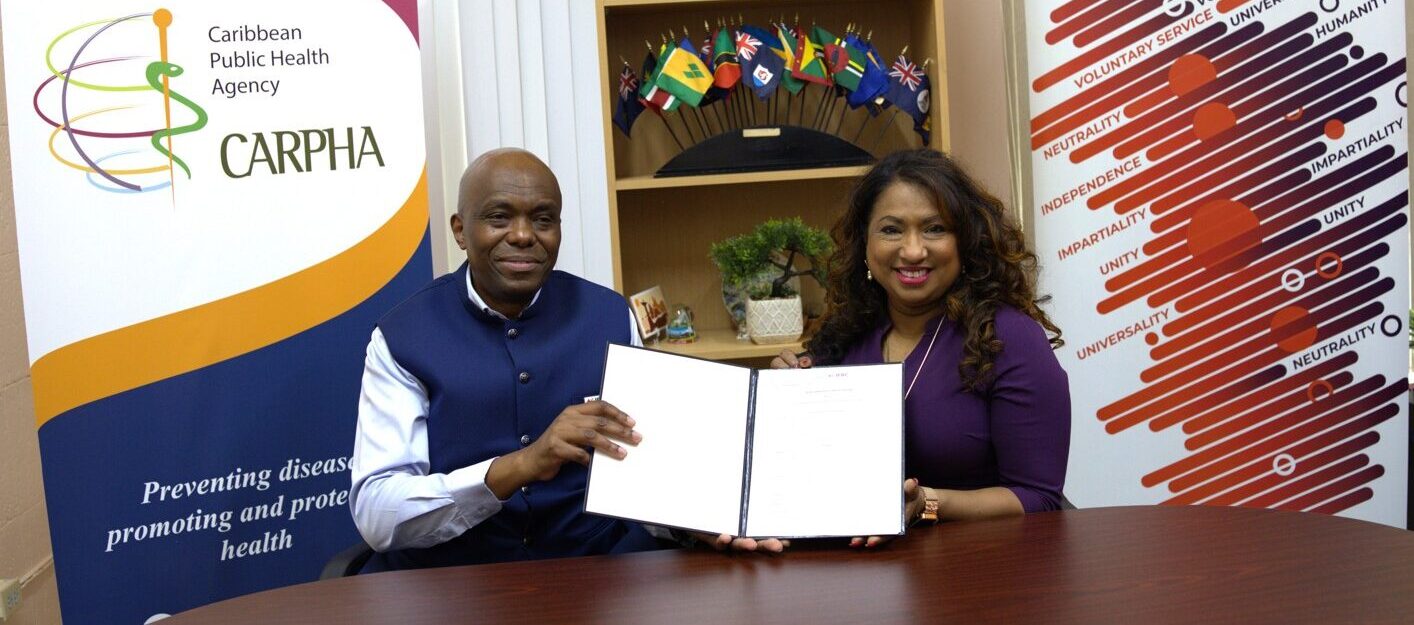
    KINGSTON, Jamaica — The Caribbean Public Health Agency (CARPHA) prepares to convene its landmark 70th Annual Health Research Conference in Guyana from April 22-24, assembling a distinguished cohort of international medical experts and regional leaders. This premier gathering, recognized as the Caribbean’s longest-running English-language health research forum, will introduce groundbreaking formats and discussions centered on technological advancements in healthcare.

    Dr. Lisa Indar, Executive Director of CARPHA, revealed this year’s conference will feature an unprecedented roster of twelve luminaries from globally renowned institutions including Mount Sinai School of Medicine, Harvard University, the United Kingdom Health Security Agency (UKHSA), and the Pandemic Fund. The event will also debut a ministerial panel with confirmed participation from health ministers across Caribbean nations including Belize, Grenada, and host country Guyana.

    The conference’s thematic focus on health innovation arrives at a pivotal moment as artificial intelligence and emerging technologies fundamentally transform global medical practices. Over 200 research papers have been accepted for presentation—representing one of the most extensive programs in the event’s seven-decade history.

    The Government of Guyana has collaborated extensively with CARPHA in orchestrating the conference, which aims to bridge cutting-edge research with practical policy implementation. Dr. Indar emphasized the event’s critical role in “translating research into practical solutions and policy for the region,” noting it serves as a dynamic platform for showcasing medical advancements occurring within Jamaica, Guyana, and CARPHA’s own initiatives.

    Registration remains open through the conference dates with preferential rates for university students and emerging researchers. Interested participants are urged to secure attendance via CARPHA’s official website (www.carpha.org) as spaces are filling rapidly.

  • Women diagnosed with breast cancer urged to access care promptly

    Women diagnosed with breast cancer urged to access care promptly

    KINGSTON, Jamaica — A groundbreaking public health study has exposed alarming delays in breast cancer treatment across Jamaica, with patients waiting an average of 44 weeks between symptom discovery and treatment initiation. Dr. Marcia Johnson-Campbell, a leading public health specialist and regional coordinator for non-communicable diseases, presented these critical findings at a recent JIS Think Tank session.

    Her research, conducted through the University of the West Indies as part of her Doctor of Public Health degree, analyzed breast cancer cases treated at Cornwall Regional Hospital between 2012-2016. The investigation revealed a dangerous pattern: women typically waited 18 weeks before seeking medical attention after noticing symptoms, followed by an additional 27-week gap between initial consultation and treatment commencement.

    Disturbingly, over 58% of patients exceeded the internationally recommended six-month treatment threshold. Dr. Johnson-Campbell’s work, which earned dual awards at Jamaica’s 16th National Health Research Conference, directly links these delays to poorer survival outcomes in a country where breast cancer remains the leading cause of cancer deaths among women.

    The study identifies a critical disconnect between public awareness and personal risk assessment. “Individuals wore breast cancer pins but didn’t recognize their own vulnerability,” Dr. Johnson-Campbell noted, emphasizing that many women believed “it wouldn’t happen to them.”

    Her recommendations include monthly self-examinations for women over 21, annual mammograms after age 40 despite costs, and systemic improvements through expanded screening access, faster diagnostic turnaround times, and strengthened national policies. Crucially, she emphasizes that a cancer diagnosis isn’t a death sentence and urges women to seek support networks throughout their treatment journey.

  • Medical Benefits Scheme Opens Pharmacy at Glanvilles Polyclinic

    Medical Benefits Scheme Opens Pharmacy at Glanvilles Polyclinic

    In a significant healthcare advancement for eastern Antigua, the Medical Benefits Scheme has inaugurated a new pharmacy facility at the Glanvilles Polyclinic. This strategic development forms part of a broader governmental initiative to decentralize medical services and enhance pharmaceutical accessibility across Antigua and Barbuda.

    The official commissioning ceremony witnessed the presence of key dignitaries including Health Minister Sir Molwyn Joseph, State Senator Michael Joseph, Medical Benefits Board Chairman Lionel Hurst, and CEO Kevin Silston. Senior technical officials from both the Health Ministry and Medical Benefits Scheme also attended the landmark event.

    Minister Joseph articulated the transformative impact of this development during his address: “This pharmacy eliminates the necessity for patients to undertake arduous journeys to St. John’s or distant locations for medication. Particularly for elderly residents and those managing chronic conditions like hypertension and diabetes, this represents a substantial improvement in healthcare accessibility.”

    The minister further emphasized the correlation between infrastructure expansion and workforce development, highlighting the government’s revitalization of the national pharmacy training program in 2017. This initiative has subsequently produced 30 qualified graduates, creating a robust pipeline of pharmaceutical professionals to support the nation’s expanding healthcare network.

    This new facility mirrors the successful implementation of the Villa Polyclinic pharmacy in June 2025, demonstrating the government’s consistent commitment to pharmaceutical care decentralization. Communities including Glanvilles, Pares, Seatons, and Willikies will now benefit from enhanced medical access within their immediate vicinity.

    The pharmacy will maintain operational hours from 8:00 AM to 3:00 PM, Monday through Friday, providing same-day pharmaceutical services to the eastern corridor population. Health officials characterize this development as a crucial step in strengthening community-based healthcare infrastructure throughout Antigua and Barbuda.

  • Health Ministry introduces nonavalent HPV vaccine for children

    Health Ministry introduces nonavalent HPV vaccine for children

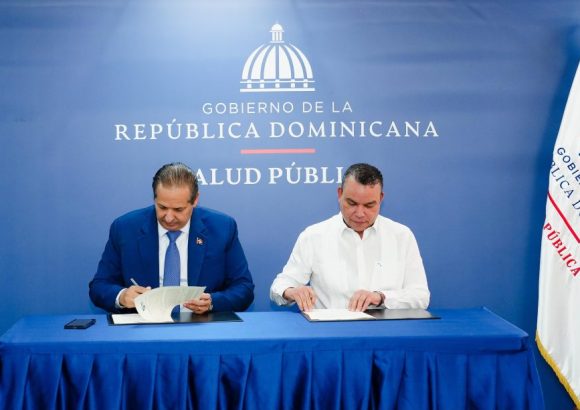
    The Dominican Republic has taken a significant step forward in public health by integrating the nonavalent Human Papillomavirus (HPV) vaccine into its national immunization program. This advanced vaccine will be administered free of charge to children aged 9 to 14 years through the country’s extensive healthcare network.

    Health Minister Víctor Atallah announced that the new vaccine formulation provides protection against nine high-risk HPV strains—specifically types 6, 11, 16, 18, 31, 33, 45, 52, and 58. This represents a substantial improvement over the previously used quadrivalent vaccine, offering broader coverage against virus variants known to cause cervical cancer and other HPV-related diseases.

    The vaccination initiative, operating under the banner “Health is a priority to protect your future,” forms a crucial component of the government’s enhanced preventive healthcare strategy for youth. Health authorities confirmed the vaccine’s availability through 40 Provincial Health Directorates and more than 1,400 vaccination centers nationwide.

    According to immunization protocols, most recipients will require only a single dose, while immunocompromised children may receive two doses for optimal protection. The official rollout ceremony occurred at the Hospital Infantil Dr. José Manuel Rodríguez Jiménez, symbolizing the program’s focus on pediatric health.

    Alba María Ropero Álvarez, representing the Pan American Health Organization, highlighted the significance of this development, noting that the Dominican Republic now joins an exclusive group of nations—including Argentina, Canada, Chile, and the United States—that have incorporated this latest-generation HPV vaccine into their national health programs. Medical research indicates this nonavalent vaccine prevents over 90% of HPV-related cancer cases, marking a substantial advancement in cervical cancer prevention efforts.

  • Nasalferon granted sanitary registration for the treatment of acute respiratory infections

    Nasalferon granted sanitary registration for the treatment of acute respiratory infections

    Cuban health authorities have granted full regulatory approval to Nasalferon, an innovative nasal spray treatment, following conclusive evidence from Phase III clinical trials demonstrating its effectiveness against respiratory illnesses. The breakthrough medication, developed by Cuba’s Center for Genetic Engineering and Biotechnology (CIGB), represents a significant advancement in accessible antiviral therapy.

    The comprehensive clinical research, conducted throughout 2025 across multiple healthcare facilities in Old Havana, yielded compelling results regarding the treatment’s protocol adherence and therapeutic performance. Trial data confirmed Nasalferon’s capacity to effectively manage and completely resolve symptoms associated with respiratory infections while maintaining an excellent safety profile.

    Nasalferon utilizes recombinant human alpha 2b interferon as its active pharmaceutical component, a well-established molecule with proven efficacy across various therapeutic applications and pharmaceutical formulations. The product had previously received conditional authorization specifically for SARS-CoV-2 infection prophylaxis during the COVID-19 pandemic. This latest approval significantly expands its indicated use to encompass general acute respiratory infections.

    With formal regulatory clearance now obtained, the medication is being distributed through community pharmacies nationwide, available to patients with appropriate medical prescriptions. The Cuban Ministry of Health has established a retail price point of 172.50 Cuban Pesos (CUP) for each 2 milliliter bottle.

    Looking toward future applications, CIGB’s research team is planning additional clinical studies to evaluate Nasalferon’s safety and efficacy in pediatric populations. This developmental pathway aims to extend the therapeutic benefits to younger patients once appropriate data collection and analysis are complete. Supported by stable manufacturing capabilities within Cuba’s robust biotechnology sector, Nasalferon stands positioned to become a mainstream therapeutic option for respiratory conditions among the Cuban population.

  • MBS Expands Access with New Pharmacy at Glanvilles Polyclinic

    MBS Expands Access with New Pharmacy at Glanvilles Polyclinic

    In a significant move to enhance community healthcare services, the Antiguan government has inaugurated a new Medical Benefits Scheme (MBS) pharmacy at the Glanvilles Polyclinic. The facility, which opened with an official ceremony on March 10, 2026, represents a strategic integration of pharmaceutical services within existing medical infrastructure.

    The inauguration event saw participation from key health officials including Health Minister Sir Molwyn Joseph, State Minister Senator Michael Joseph, Medical Benefits Board Chairman Sir Lionel Hurst, MBS CEO Kevin Silston, and Primary Health Care Acting Permanent Secretary Marsha Joseph.

    This development fundamentally transforms healthcare delivery for residents of Glanvilles and neighboring communities by eliminating the necessity to travel to St. John’s for prescription medications. The integrated approach particularly benefits patients managing chronic conditions who require consistent medication access, creating a seamless continuum from consultation to treatment.

    Operational from 8:00 a.m. to 3:00 p.m. Monday through Friday, the pharmacy offers same-day services to MBS beneficiaries presenting valid prescriptions and identification cards. This initiative forms part of a broader governmental strategy to decentralize healthcare services and improve medical accessibility across the nation.

    For additional information regarding MBS services and locations, beneficiaries can contact the scheme’s headquarters at (268) 481-6366/67/68.

  • A daily struggle for every drop of hope

    A daily struggle for every drop of hope

    In the hemodialysis units of Cuba’s Dr. Abelardo Buch López Institute of Nephrology, patients like Zurama confront a daily reality of survival tied to medical machinery. ‘I have to depend on it,’ she states, reflecting on her post-COVID-19 renal failure diagnosis since 2020. ‘If there’s no fuel, nobody here could get hemodialysis.’

    The institute, serving 45 of Cuba’s 57 hemodialysis centers supporting over 3,000 renal replacement therapy patients, faces systemic challenges. Julio César Candelaria Brito, head of hemodialysis services, emphasizes that treatment continuity relies on an integrated system encompassing transportation, medical supplies, and electricity—all compromised by national fuel shortages.

    Critical supply deliveries, once routine, now arrive in precarious small batches. ‘We’re waiting for the truck to arrive today to ensure we can start tomorrow’s session,’ Candelaria reveals. Dialysis machines demand uninterrupted power for operation and water deionization, with aging backup batteries posing additional risks. Nurse Dairy Rodríguez Barreto confirms: ‘Without hemodialysis, the patients could die.’

    Transportation compromises have forced taxi services to limit patient shuttle routes, sometimes excluding essential companions. Nurse José Carlos Castillo Curbeco notes consequent emergency admissions when missed treatments endanger lives. The institute has prepared contingency beds for such crises.

    Director Yamilé García Villar acknowledges infrastructure strains: ‘We’ve experienced breakdowns in water treatment systems delaying sessions until 4:00 a.m.’ Despite these challenges, she affirms the program’s uninterrupted operation through staff dedication. However, U.S. economic restrictions have impeded vital annual maintenance on dialysis equipment designed for five-year lifespans, accelerating mechanical failures.

    The psychological toll compounds physical vulnerabilities. Patients experience palpable fear about treatment continuity despite assurances of political will and staff commitment. As one caregiver summarizes: ‘All illnesses have a psychological component, and the certainty that treatment is guaranteed provides well-being.’ When that certainty fractures, so does hope for Cuba’s most medically vulnerable.