分类: health

  • Health ministry urges proper hygiene among food handlers amid Norovirus increase

    Health ministry urges proper hygiene among food handlers amid Norovirus increase

    The Ministry of Health and Wellness has escalated public health advisories following a significant surge in gastrointestinal infections nationwide. Epidemiological data reveals a concerning uptick in cases since early February 2026, particularly affecting pediatric populations, though adult infections are rising concurrently.

    Laboratory analysis has confirmed Norovirus contamination in multiple stool samples, identifying the pathogen as the primary culprit behind the outbreak. This extremely contagious virus triggers acute gastroenteritis symptoms including violent vomiting, watery diarrhea, and potentially severe dehydration requiring medical intervention.

    Health authorities emphasize that food handlers represent a critical transmission vector and must implement enhanced hygiene protocols. Beyond standard handwashing, the ministry mandates rigorous surface disinfection using diluted bleach solutions to disrupt viral transmission chains.

    The advisory outlines specific containment measures:
    – Thorough hand cleansing with soap and water for minimum 20-second intervals
    – Employing disposable towels for hand drying
    – Avoiding facial contact with unwashed hands
    – Maintaining proper food temperature controls and vector protection
    – Mandatory 48-hour exclusion from work post-symptom resolution for affected individuals

    While alcohol-based sanitizers provide partial protection, officials confirm soap and water remain superior for norovirus eradication. The ministry stresses that conscientious hygiene practices constitute the foremost defense against this and other infectious diseases currently circulating.

  • Ministry of Health and Wellness records increase in gastrointestinal cases among children

    Ministry of Health and Wellness records increase in gastrointestinal cases among children

    The Ministry of Health & Wellness has issued a public health alert following a significant surge in gastrointestinal illnesses, particularly affecting children under five years of age. Epidemiological data reveals cases jumped from just one instance in the week ending February 7, 2026, to eight confirmed cases in both the weeks ending February 14 and February 28. Health officials emphasize that any weekly count exceeding three cases in this vulnerable demographic constitutes a serious concern.

    Laboratory analysis has confirmed the presence of norovirus in several diarrheal samples. This pathogen is recognized for its extreme contagion, typically triggering intense but short-lived symptoms including vomiting and diarrhea, which can rapidly lead to dehydration if not properly managed. The ministry has also reported distinct outbreaks emerging within several daycare facilities, highlighting environments where the virus can spread swiftly.

    In response, health authorities are directing specific guidance toward childcare operators. The cornerstone of prevention is rigorous hand hygiene, requiring staff and children to wash hands thoroughly with soap and water for a minimum of 20 seconds, followed by drying with disposable towels. While alcohol-based sanitizers are a secondary option, their efficacy against norovirus is notably reduced.

    Beyond handwashing, the ministry mandates stringent environmental cleaning protocols. This involves disinfecting all surfaces and toys with a diluted bleach solution, as standard cleaners are often insufficient to kill the resilient virus. Parents and caregivers are advised to monitor sick children for critical signs of dehydration, such as reduced urination, a dry mouth, absence of tears, unusual thirst, or lethargy. Persistent vomiting necessitates immediate medical attention.

    To prevent further community transmission, the ministry firmly states that any child experiencing vomiting or diarrhea must be kept isolated from school or nursery settings for at least 48 hours after their symptoms have fully subsided. The public is urged to adopt these measures proactively to protect individual and collective health.

  • CARPHA strengthens public health support for Jamaica’s hurricane recovery

    CARPHA strengthens public health support for Jamaica’s hurricane recovery

    KINGSTON, Jamaica — The Caribbean Public Health Agency (CARPHA) is intensifying its collaboration with Jamaican health authorities to fortify the nation’s disease surveillance and laboratory capabilities in the aftermath of Hurricane Melissa. Dr. Lisa Indar, Executive Director of CARPHA, is currently leading high-level strategic meetings during a working visit to the island, engaging with Jamaica’s Chief Medical Officer and Permanent Secretary of Health to coordinate long-term recovery initiatives.

    The dialogue has centered on critical infrastructure enhancements, particularly expanding national laboratory proficiency at the National Public Health Laboratory and regional facilities like Cornwall Regional Hospital. This upgrade aims to accelerate diagnostic processes for potential outbreaks through advanced PCR testing kits and specialized equipment provided by CARPHA.

    Dr. Indar emphasized the multifaceted public health challenges that emerge following hurricanes, noting, “Post-disaster environments create ideal conditions for foodborne, waterborne, and vector-borne disease transmission. Strengthening sanitation protocols, vector control measures, and community health interventions becomes paramount.” She specifically highlighted risks including salmonella, leptospirosis, and mosquito-borne illnesses that can proliferate through contaminated water supplies and increased rainfall patterns.

    Despite these challenges, Jamaica received commendation for its robust preparedness and response systems. “Jamaica maintains a strong public health infrastructure that anticipated these secondary threats,” Indar stated. Laboratory confirmation capabilities remain essential for verifying suspected cases and preventing widespread transmission.

    CARPHA’s support extends beyond immediate relief, focusing on sustainable development of electronic surveillance networks that integrate laboratory data with national health databases. This enables real-time outbreak reporting and facilitates rapid response mechanisms. Following Hurricane Melissa’s impact in late October, CARPHA activated its incident management team and secured approximately US$700,000 in emergency funding from international partners, including the UK and pandemic relief funds.

    These resources provided critical supplies including personal protective equipment, medical devices, and environmental monitoring tools for water quality testing and food safety assurance. Notably, newly deployed equipment confirmed leptospirosis cases that might otherwise have gone undetected.

    Looking regionally, Dr. Indar outlined CARPHA’s strategic priority to reinforce health resilience across Caribbean nations, which face disproportionate vulnerability to climate disasters and infectious diseases due to their tourism-dependent economies and geographic interconnectedness. The agency has developed specialized early warning systems incorporating digital surveillance technology to provide health authorities with advanced outbreak detection capabilities, ultimately creating a more resilient public health infrastructure throughout the Caribbean.

  • MBS Pharmacy Opens Today at Glanvilles Polyclinic

    MBS Pharmacy Opens Today at Glanvilles Polyclinic

    Eastern Antigua witnesses a significant enhancement in healthcare infrastructure with the inauguration of a new Medical Benefits Scheme (MBS) pharmacy at the Glanvilles Polyclinic. This strategic development, announced by Health and Wellness Minister Sir Molwyn Joseph, directly addresses geographical barriers to medical care by enabling local residents to obtain prescription medications within their community, eliminating protracted journeys to distant dispensaries.

    This pharmacy establishment constitutes a pivotal component of the Ministry of Health’s comprehensive strategy to decentralize medical services and fortify healthcare accessibility across rural and eastern regions. The integration of pharmaceutical services is projected to substantially elevate patient convenience, offering particular advantage to individuals managing chronic conditions who depend on consistent medication regimens.

    In a parallel initiative to bolster emergency medical response capabilities, the Ministry confirmed the imminent deployment of a dedicated ambulance to the Glanvilles Polyclinic. Scheduled for operational status by the conclusion of March, this resource is anticipated to markedly improve emergency response times and service efficacy for surrounding communities, representing a dual advancement in both routine and critical healthcare provision.

  • SRD 117 miljoen overgemaakt voor toelagen ziekenhuispersoneel

    SRD 117 miljoen overgemaakt voor toelagen ziekenhuispersoneel

    The Surinamese Ministry of Finance and Planning has confirmed the transfer of SRD 117.6 million (approximately $117 million) in outstanding allowances for hospital personnel, addressing growing tensions with healthcare unions. The funds cover multiple critical allowances for the first quarter of 2026, including bridging, recruitment, and retention payments, alongside clothing allowances and government contributions to regional medical facilities.

    This financial injection comes in response to recent ultimatums from health sector trade unions demanding timely payment of these essential benefits. The ministry emphasized that despite the disbursement already occurring through proper channels, various practical factors can occasionally cause processing delays within the payment system.

    The bridging allowance, a temporary support measure, was established to assist healthcare workers during the transitional period toward implementing a new wage structure for the sector. This interim solution aims to provide financial stability for medical professionals while authorities finalize the comprehensive compensation reform.

    Minister Adelien Wijnerman and Director Vincent Fernandes verified that the Central Bank of Suriname has transferred the full amount of SRD 117,657,390 to Finabank accounts designated for hospital disbursement. From this central repository, funds will be distributed to individual healthcare institutions’ accounts for subsequent allocation to medical staff.

    The ministry has issued an urgent appeal to healthcare workers to maintain service continuity, assuring them that the financial resources have now been released through established procedural channels.

  • Breast exam clinic at St George’s Institute in Tempe

    Breast exam clinic at St George’s Institute in Tempe

    The Women in Medicine Club at St. George’s University (SGU) is organizing a significant community health initiative focused on breast cancer awareness and prevention. Scheduled for March 14th, the event will run from 10:00 AM to 3:00 PM at the St. George’s Institute located in Tempe, St. George.

    This comprehensive health outreach will provide complimentary clinical breast examinations to women, serving as crucial preliminary screening for breast cancer detection. Beyond the physical examinations, the initiative will distribute educational materials and informational resources designed to enhance public understanding of early detection methods and preventive strategies against breast cancer.

    The event maintains an open invitation policy, welcoming all members of the public regardless of affiliation with the university. This inclusive approach underscores the club’s commitment to addressing healthcare accessibility and promoting women’s health awareness throughout the broader community.

    The Women in Medicine Club, composed of SGU medical students and professionals, demonstrates the institution’s dedication to practical community health engagement alongside academic excellence. Such events highlight the critical role educational institutions play in bridging healthcare gaps and providing essential services to local populations.

  • SLBMC Staff Attend Regional Critical Care Training in Barbados

    SLBMC Staff Attend Regional Critical Care Training in Barbados

    ST. JOHN’S, Antigua – Three distinguished healthcare experts from Sir Lester Bird Medical Centre have returned from an intensive sub-regional training program in Barbados focused on advanced management techniques for Severe Acute Respiratory Infection (SARI) cases. The delegation comprised Dr. Tessy Fenton Lee, a consultant paediatrician; Gail Ann Fortune, consultant intensivist; and Germira Browne, the ICU unit manager.

    The comprehensive five-day workshop represented a significant capacity-building initiative for Caribbean medical professionals, combining cutting-edge clinical protocols with hands-on simulation exercises. This blended learning approach equipped participants with enhanced skills to address severe respiratory complications and other critical medical conditions requiring intensive care intervention.

    Organizers designed the program specifically to bolster regional preparedness for potential health crises, including seasonal epidemics and pandemic scenarios. The curriculum integrated evidence-based medical guidance with practical emergency response training, creating a robust framework for improving patient outcomes during respiratory health emergencies. This training initiative marks a strategic investment in strengthening the Caribbean’s collective healthcare resilience and standardizing critical care responses across the island nations.

  • AZP viert 60 jaar zorg: regering investeert SRD 60 miljoen in modernisering

    AZP viert 60 jaar zorg: regering investeert SRD 60 miljoen in modernisering

    PARAMARIBO – Suriname’s Academic Hospital Paramaribo (AZP) celebrated its 60th anniversary with a major government commitment to healthcare modernization. Health Minister André Misiekaba announced a minimum investment of SRD 60 million to upgrade critical departments at the nation’s premier medical institution, founded on March 9, 1966.

    The anniversary celebrations featured an interfaith prayer gathering under the theme ‘Strong Together, Forward Together,’ reflecting on six decades of service to the Surinamese community. Hospital Director Claudia Redan emphasized that the institution’s legacy rests on its dedicated staff rather than physical infrastructure, describing healthcare work as a calling rather than mere employment.

    ‘Do good and don’t look back,’ Redan stated, addressing her team. ‘Working in healthcare isn’t just a job – it’s a vocation. Hundreds of patients depend on us daily, beyond what social media captures: 560 inpatients, over 100 emergency cases, and more than 2,000 outpatient visits.’

    Lloyd Pool, Chairman of the General Staff Union, acknowledged the persistent challenges faced by healthcare workers, noting that while thousands of employees have retired over six decades, ‘the hospital itself cannot retire – we continue for the community.’

    The substantial investment will fund several critical upgrades:
    • Doubling operational operating theater capacity
    • Expanding Intensive Care Unit (ICU) from current levels to 16 beds initially, then to 21 beds
    • Modernizing neonatal intensive care facilities
    • Accelerated renovation of Emergency Department services

    Additional initiatives will focus on recruiting specialized nurses and implementing measures to counter brain drain in the healthcare sector. Minister Misiekaba acknowledged existing challenges regarding salaries and allowances but reaffirmed the government’s commitment to supporting the sector.

    Describing AZP as an indispensable symbol of quality care in Suriname, the minister concluded: ‘This hospital cannot and must not fail. Congratulations on 60 years of dedication, and onward to the next 60 years.’

  • Exploring other options

    Exploring other options

    Jamaican Health Minister Dr. Christopher Tufton has presented a multi-faceted strategy to ensure uninterrupted healthcare services following the conclusion of the state-to-state medical agreement with Cuba. The comprehensive plan includes individual contract offers for Cuban medical professionals wishing to remain in Jamaica, alongside aggressive international recruitment and domestic training initiatives.

    Addressing concerns about service continuity, Dr. Tufton confirmed that critical programs like the Jamaica-Cuba Eye Care Programme at St Joseph’s Hospital will continue operations until March 20th, ensuring completion of approximately 140 scheduled surgical procedures and necessary post-operative care. The minister emphasized that patient care remains the immediate priority during this transition period.

    The government’s approach includes multiple contingency measures: direct individual contracts for Cuban medical personnel, international recruitment from diaspora communities and other nations, and accelerated domestic training programs. Nearly 140 applications have already been received from international medical professionals, with 70 specialist nurses shortlisted for interviews from candidates in the United Kingdom, Canada, United States, and Ghana.

    Long-term capacity building involves several key initiatives: 48 nurses and 33 doctors through the Barry Wint Scholarship programme, 100 nurses enrolled in the ministry’s specialist nursing programme, and ongoing negotiations with Ghana, Nigeria, The Philippines, and India for training and recruitment partnerships. Cabinet has approved establishing an international recruitment unit within the ministry’s corporate services division to coordinate these efforts.

    Chief Medical Officer Dr. Jacquiline Bisasor-McKenzie revealed that a comprehensive gap analysis is underway across public health facilities, identifying institutions like Kingston Public Hospital and Mandeville Regional Hospital that could absorb additional ophthalmology workloads if needed. Outsourcing remains a viable option to prevent treatment interruptions.

    While acknowledging potential short-term challenges and possible delays due to increased workload on local staff, Minister Tufton expressed confidence in the ministry’s preparedness. He assured that major hospital projects, including the reopening of Cornwall Regional Hospital and the Western Children and Adolescents Hospital, would proceed without disruption, though more aggressive recruitment would be necessary to address specialist shortages.

    The transition plan represents a strategic shift toward reducing Jamaica’s dependency on single-source international medical partnerships while building sustainable domestic healthcare capacity through diversified recruitment and enhanced training programs.

  • New State-of-the-Art Kitchen Commissioned at Nevis’ Alexandra Hospital

    New State-of-the-Art Kitchen Commissioned at Nevis’ Alexandra Hospital

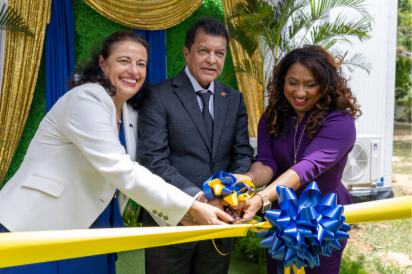
    In a significant advancement for healthcare infrastructure, the Nevis Island Administration has officially inaugurated a cutting-edge commercial kitchen at Alexandra Hospital. The EC $2.3 million facility, commissioned on March 9, 2026, represents a strategic investment in both medical infrastructure and nutritional care standards.

    The newly operational kitchen features comprehensively modernized food preparation zones, enhanced storage solutions, walk-in refrigeration units, and dedicated spaces for dietary staff. The design specifically incorporates nutritionists’ offices and private consultation areas for patient dietary planning, creating an integrated approach to meal preparation and nutritional counseling.

    Health Minister Honourable Jahnel Nisbett characterized the development as a transformative milestone for healthcare delivery on the island. “This investment transcends mere infrastructure improvement—it fundamentally enhances our capacity to deliver quality patient care through scientifically prepared nutrition,” Minister Nisbett stated during the commissioning ceremony. She emphasized that the facility’s design prioritizes optimized workflow patterns, elevated food safety protocols, and operational efficiency for dietary teams.

    Premier Honourable Mark Brantley complemented the physical upgrades with announcements of staffing enhancements, including the appointment of a professional dietician to oversee meal preparation protocols. “We have adopted a holistic strategy that combines world-class infrastructure with expert nutritional guidance to ensure patients receive meals supporting their treatment and recovery,” Premier Brantley explained.

    The kitchen modernization forms part of broader hospital enhancement initiatives, with forthcoming projects including laundry facility renovations and additional medical personnel recruitment. Premier Brantley reaffirmed the administration’s commitment to systematic infrastructure development, noting: “We are methodically building out this facility step-by-step, demonstrating our sustained dedication to healthcare excellence.”