分类: health

  • Oral Health : The Ministry Launches a Call for National Mobilization

    Oral Health : The Ministry Launches a Call for National Mobilization

    In a decisive response to a growing public health crisis, Haiti’s Ministry of Public Health has initiated a nationwide mobilization campaign targeting oral healthcare deficiencies. The initiative, unveiled on March 20, 2026, coincides with World Oral Health Day observances organized under the thematic banner “A Healthy Mouth for a Happy Life.”

    Recent epidemiological data reveals a dire dental health situation across the Caribbean nation, with epidemiological surveys indicating that over 60% of Haitian children currently suffer from untreated dental caries. The adult population demonstrates similarly concerning trends, exhibiting high prevalence rates of periodontal diseases primarily attributed to inadequate oral hygiene practices and severely limited access to professional dental services.

    Medical authorities have highlighted the established connection between poor oral health and the development of chronic non-communicable diseases. Scientific evidence confirms significant correlations with diabetes mellitus, cardiovascular pathologies, and certain oncological conditions, all sharing common behavioral risk factors including excessive sugar consumption, tobacco use, and alcohol intake.

    Public health officials emphasize that many oral health complications are preventable through straightforward interventions. Recommended preventive measures include maintaining rigorous oral hygiene protocols, adopting nutritionally balanced diets with reduced sugar content, and scheduling regular dental examinations.

    The Health Ministry has reaffirmed its institutional commitment to enhancing preventive dentistry frameworks and expanding accessibility to quality oral healthcare services, particularly targeting socioeconomically vulnerable demographics. Government authorities are urging coordinated action from all societal stakeholders to elevate dental health to national priority status.

    Dental professionals across Haiti are receiving specific directives to intensify their participation in public education initiatives and awareness-building campaigns. These efforts will particularly focus on pediatric populations and high-risk demographic groups, aiming to institute sustainable behavioral modifications and improve long-term health outcomes.

  • The flu takes over, and one outbreak displaces another.

    The flu takes over, and one outbreak displaces another.

    The Dominican Republic is confronting a severe public health challenge as respiratory infections have now eclipsed dengue fever to become the nation’s foremost cause of medical complications. According to Dr. Clemente Terrero, a distinguished pediatric infectious disease specialist and former director of Robert Reid Cabral Hospital, these respiratory ailments constitute the primary reason for hospitalizations, outpatient consultations, and tragically, fatalities among vulnerable infant and elderly populations.

    Medical authorities report that respiratory infection outbreaks are not only occurring annually but are extending over increasingly prolonged periods, often involving multiple viruses circulating simultaneously. Dr. Terrero emphasizes that the COVID-19 pandemic significantly altered viral transmission patterns and behaviors, leading to heightened clinic and hospital admissions—particularly among children suffering from both viral and bacterial respiratory infections.

    Currently, Influenza A and B viruses, Respiratory Syncytial Virus (RSV), and COVID-19 are circulating throughout the country in epidemic patterns that affect both pediatric and adult demographics. The most prevalent symptoms include fever, persistent cough, nasal discharge, and concerning respiratory distress. Most severely affected patients are under two years of age, frequently requiring hospitalization due to breathing difficulties, dehydration, appetite loss, wheezing crises, nasal congestion, and potential pneumonia complications.

    Year-Round Viral Exposure
    Children experience continuous viral exposure through schools and daycare centers, with medical experts noting that this constant contact serves to build natural immunity despite resulting in frequent infections. A child may contract influenza up to six times annually or more, with this repeated exposure fundamentally shaping their developing immune systems.

    Dengue Incidence Reaches Historic Lows
    In striking contrast, dengue fever has reached unprecedented low levels throughout the Dominican Republic. Dr. Terrero, drawing upon three decades of professional experience, confirms the near absence of dengue cases—a phenomenon he attributes to population-wide immunity rather than governmental intervention. With approximately 11 million cases recorded in 2023, the virus has effectively exhausted susceptible hosts, causing transmission to dramatically decline as the pathogen cannot find viable individuals to infect.

  • Ministry of Health joins with the Sir Lester Bird Medical Centre to Recognize World Down Syndrome Day

    Ministry of Health joins with the Sir Lester Bird Medical Centre to Recognize World Down Syndrome Day

    The Ministry of Health, Wellness, Environment, and Civil Service Affairs of Antigua and Barbuda, in partnership with the Sir Lester Bird Medical Centre, is leading national observances for World Down Syndrome Day on March 20th. This global recognition spotlights the ongoing efforts to advance public understanding and societal acceptance of individuals with Down syndrome.

    Aligning with this year’s international theme centered on acceptance and inclusion, the Ministry has reinforced its dedication to creating equitable pathways to comprehensive healthcare, educational opportunities, and essential social services. The initiative emphasizes that these rights must be universally accessible, irrespective of an individual’s abilities.

    Public engagement is identified as a cornerstone of this mission. Citizens are encouraged to actively participate in building a more inclusive community by demonstrating solidarity, confronting and dismantling existing stigmas, and honoring the accomplishments of those with Down syndrome.

    In a formal statement, the Ministry expressed profound gratitude to the nation’s healthcare professionals, dedicated caregivers, and relentless advocacy organizations. These groups are acknowledged for their pivotal role in safeguarding the rights and enhancing the quality of life for people with Down syndrome, serving as the backbone of support and progress in this vital area of public health.

  • British Virgin Islands Keeps Cuban Doctors…For Now

    British Virgin Islands Keeps Cuban Doctors…For Now

    Amid growing geopolitical pressures across the Caribbean region, the British Virgin Islands has confirmed the continuation of its medical collaboration with Cuban healthcare professionals. This decision emerges as several neighboring nations, including Jamaica, Guyana, Costa Rica, and Honduras, have recently severed ties with Cuba’s longstanding medical exchange program.

    The Cuban Medical Brigade has historically served as a vital healthcare resource for small island states and developing nations struggling with medical workforce shortages. While the British Virgin Islands acknowledges no official directive to terminate this partnership, a gradual scaling down is underway. Current arrangements indicate one doctor and three nurses will depart through routine rotations without replacement, leaving three doctors and four nurses remaining in the territory. Authorities clarified they are not actively recruiting additional Cuban medical personnel.

    Parallel developments are occurring in Belize, where Prime Minister John Briceño characterized negotiations as “delicate” while pursuing long-term solutions focused on domestic medical training. Briceño emphasized the program’s originally intended transitional nature, stating: “The Cuban medical brigade was never something that would have been permanent. It should have been for a certain amount of time to allow countries to catch up.”

    Belize’s strategy involves expanding the University of Belize’s medical program, with students scheduled to commence clinical training shortly. This shift toward developing local healthcare capacity reflects broader regional trends as Caribbean nations reassess their dependence on Cuban medical diplomacy amid complex international relations.

  • COMMENTARY: World Oral Health Day

    COMMENTARY: World Oral Health Day

    A silent epidemic of oral diseases is sweeping across the globe, with approximately 3.5 billion people currently affected by various dental health conditions. As one of the most prevalent noncommunicable diseases worldwide, oral health disorders are experiencing particularly rapid growth in low- and middle-income nations, exacerbated by demographic shifts including population expansion and aging societies.

    Oral health encompasses the comprehensive state of mouth, teeth, and orofacial structures that enables fundamental human functions including eating, breathing, and verbal communication. Beyond physical capabilities, it profoundly influences psychosocial dimensions such as self-esteem, overall well-being, and the capacity to engage socially and professionally without discomfort or embarrassment.

    The distribution of oral health burdens reveals stark disparities across socioeconomic strata. Vulnerable and disadvantaged populations consistently experience disproportionate rates of oral diseases, with this inequitable pattern persisting throughout the human life cycle from early childhood through advanced age, regardless of national income levels.

    Regional dental care access varies dramatically across the Western Hemisphere. Haiti reports the most severe dentist shortage with merely 0.12 dental professionals per 10,000 people. Conversely, Cuba demonstrates exceptional dental workforce density with 18.42 dentists per 10,000 population. Jamaica faces significant challenges with estimated ratios between 1:17,000 and 1:20,000, far below the World Health Organization’s recommended standard of 1:7,500 for developing nations.

    March 20th marks World Oral Health Day, an international observance dedicated to raising awareness about oral hygiene importance and preventive dental care. This year’s theme, “A Happy Mouth Is A Happy Life,” emphasizes the integral relationship between oral health and overall quality of life.

    Evidence continues to mount regarding the oral-systemic health connection. Poor oral health, particularly gum disease, can significantly impact overall physiological condition through bacterial transmission and inflammatory processes. Research has established links between oral health and cardiovascular conditions, diabetes management, respiratory health, pregnancy outcomes, and immune system functionality.

    Comprehensive oral maintenance requires multifaceted approach including twice-daily brushing with proper technique, daily flossing, tongue cleaning, and regular toothbrush replacement. Dental professionals recommend biannual check-ups for preventive care and early problem detection.

    Nutrition plays a crucial role in dental wellness. A balanced diet featuring calcium-rich foods like dairy products, leafy greens, and nuts strengthens tooth enamel. Crunchy fruits and vegetables stimulate saliva production, while adequate water consumption supports oral cleanliness. Reducing sugary and acidic food intake helps prevent enamel erosion and cavity formation.

    Experts advocate for integrating dental nurses into global education systems to address basic restorative needs and provide essential dental education. Low and no-calorie sweeteners offer tooth-friendly alternatives as they resist bacterial fermentation that causes dental caries.

    The global community faces an urgent imperative to address oral health disparities through improved access to care, public education initiatives, and targeted interventions for vulnerable populations.

  • Crisishulplijn 114 vanaf mei weer bereikbaar voor hulp bij suïcide en geweld

    Crisishulplijn 114 vanaf mei weer bereikbaar voor hulp bij suïcide en geweld

    Suriname is set to relaunch its comprehensive telephone crisis helpline service, 114, with full public availability expected by May 2026. The initiative, spearheaded by Underminister Raj Jadnanansing of the Directorate of Welfare and Labor within the Ministry of Health, Welfare, and Labor, will provide critical support for suicide prevention, domestic violence intervention, and substance abuse counseling.

    The revitalized helpline represents a collaborative effort between international and local partners, including the Pan American Health Organization (PAHO) and Suriname’s Psychiatric Center. In preparation for the May launch, specialized training programs for call counselors will commence in April, incorporating the latest advancements in telephone assistance methodologies.

    A key enhancement to the service includes the development of a structured referral system to appropriate support agencies, ensuring callers receive targeted assistance more efficiently. This systematic approach aims to streamline the connection between individuals in crisis and specialized care providers, reducing wait times and improving outcomes.

    The 114 helpline’s reactivation addresses growing concerns about mental health support accessibility in Suriname, particularly following periods of social and economic challenges that have increased demand for crisis intervention services. The government’s investment in professional counselor training reflects its commitment to evidence-based mental health support aligned with international standards.

    This infrastructure development represents a significant step in strengthening Suriname’s public health safety net, providing immediate access to professional support for vulnerable populations during critical moments.

  • Hiv-besmettingen in Caribisch gebied blijven hoog: 15.000 nieuwe gevallen per jaar

    Hiv-besmettingen in Caribisch gebied blijven hoog: 15.000 nieuwe gevallen per jaar

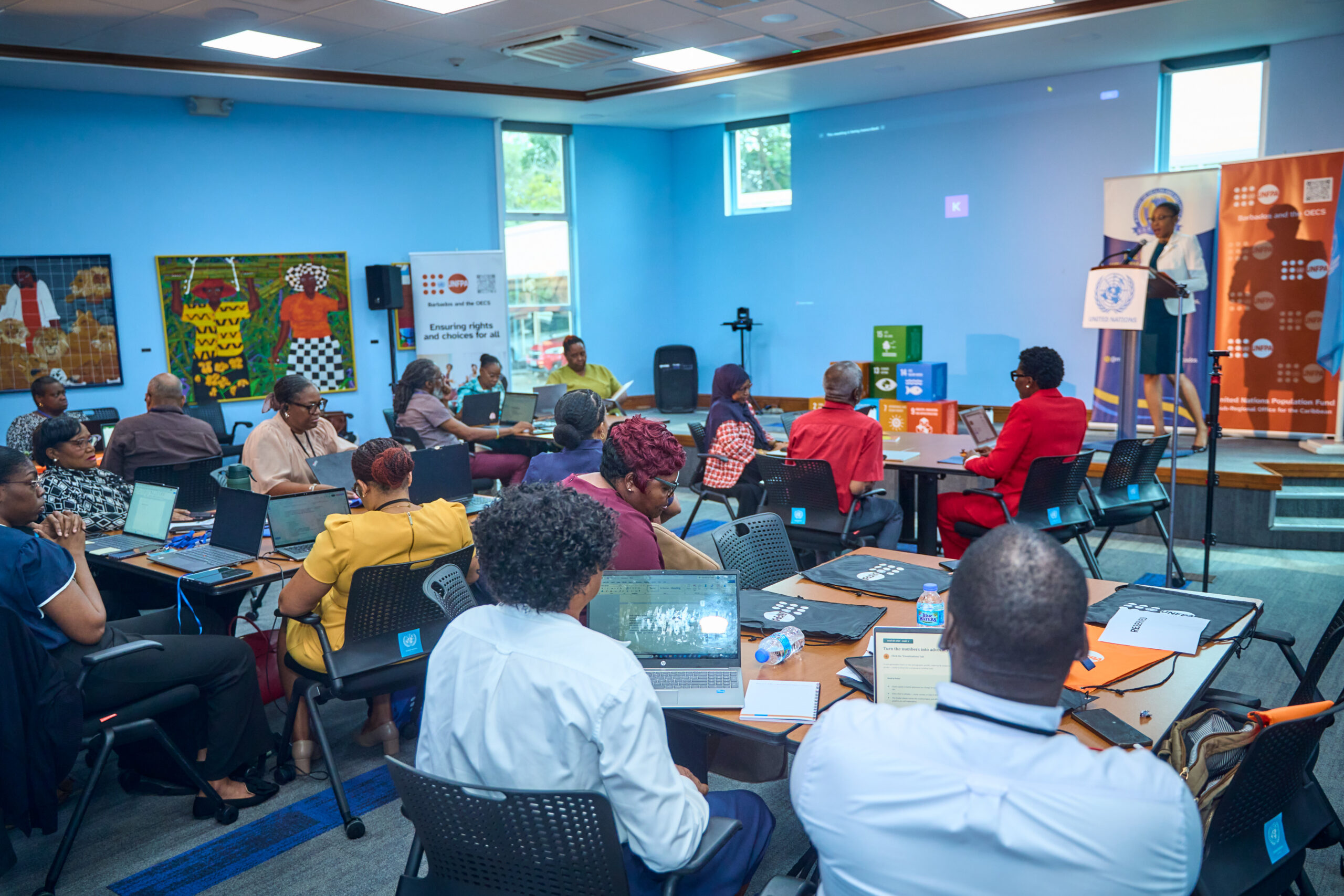
    The Caribbean region continues to face alarming HIV infection rates with approximately 15,000 new cases emerging annually, one-quarter affecting youth aged 15-24, according to Guyana’s Health Minister Dr. Frank Anthony. The warning came during Thursday’s opening of the tenth regional meeting of HIV program managers and partners in Trinidad and Tobago, where stakeholders convened to evaluate progress and develop new strategies.

    Minister Anthony emphasized the urgent need to accelerate HIV prevention initiatives and expand access to innovative treatments, particularly highlighting long-acting injectable medications like lenacapavir that may provide protection with just two annual administrations. He stressed that affordable and equitable access to such medical innovations remains essential for epidemic control.

    The health official simultaneously cautioned against diminishing international funding, which directly threatens prevention programs across the region. Anthony advocated for strengthened regional collaboration to negotiate better medication access and secure sustainable financing.

    Citing UNAIDS data, Anthony warned that significant reductions in prevention services could trigger nearly four million additional HIV infections globally within the next five years.

    Despite these challenges, the minister highlighted substantial progress: AIDS-related mortality in the Caribbean has plummeted by over 60% since 2010—the most dramatic decline recorded worldwide. This achievement stems from targeted treatment investments and collaborative efforts between governments and healthcare professionals.

    Anthony expressed profound appreciation for physicians, nurses, and health workers who have dedicated decades to combating HIV/AIDS, noting their contributions have not only saved lives but also established stronger healthcare systems throughout the region.

    The minister concluded by urging embrace of innovation, enhanced prevention measures, and centered focus on vulnerable populations. While acknowledging the Caribbean now possesses the knowledge and resources to end AIDS, he emphasized that political will and sustained commitment remain critical components for ultimate success.

  • Cardiologist Returns to Sir Lester Bird Medical Centre After Specialist Training

    Cardiologist Returns to Sir Lester Bird Medical Centre After Specialist Training

    The Sir Lester Bird Medical Centre has significantly enhanced its cardiac care capabilities with the return of Dr. Adrianna Cole Baez, who has rejoined the institution as a Senior Registrar and cardiologist. Dr. Cole Baez, who previously served as a house officer at the facility, has completed advanced specialist training in cardiology undertaken in Cuba. Her return marks a strategic addition to the hospital’s clinical team, substantially strengthening its capacity to provide specialized cardiac services. The medical center administration has confirmed that Dr. Cole Baez is now accepting patients through referrals in the outpatient clinic. Hospital officials have publicly welcomed her appointment, characterizing it as a critical component of broader initiatives aimed at expanding specialist medical services and elevating the overall standard of patient care throughout Antigua and Barbuda. This development is seen as a direct investment in the nation’s healthcare infrastructure and its ability to manage complex cardiac conditions domestically.

  • “Fresh Drop” No Work!

    “Fresh Drop” No Work!

    BELIZE CITY – In a definitive stance against prevalent food handling misconceptions, Dr. Nathalie Gibson of the Belize Agricultural Health Authority (BAHA) has publicly discredited the ‘fresh drop’ rule, asserting that any food contacting the floor must be immediately classified as waste. The declaration was made during a recent food safety presentation, where Gibson emphasized that repackaging or reusing such products constitutes a severe consumer health hazard.

    Gibson elaborated that authentic food safety protocols extend far beyond superficial practices like wearing hairnets and handwashing. She detailed BAHA’s comprehensive monitoring framework, which scrutinizes a multitude of factors within food establishments. This includes the fundamental design of facilities, the efficacy of pest control measures, and strict adherence to employee health standards by all staff members.

    A critical point underscored by Gibson was the crucial distinction between apparent cleanliness and verifiable sanitation. She posed a pivotal question to industry operators: ‘A surface might appear clean, but is there a verified protocol to ensure all food-contact surfaces have been adequately sanitized before operations commence?’

    Furthermore, Gibson highlighted that BAHA’s inspections evaluate more than just procedural compliance; they assess whether a pervasive culture of food safety is actively promoted and enforced by management. This holistic approach ensures responsibility is not relegated solely to frontline workers. Every aspect, from correct storage procedures to meticulous surface cleaning, falls under rigorous examination during official facility checks.

    Operating for nearly 26 years, BAHA’s core mandate remains the unwavering protection of public health across Belize, safeguarding consumers from preventable foodborne illnesses through education and stringent regulatory oversight.

  • Urgent blood donation appeal issued for hospitalised man in Antigua

    Urgent blood donation appeal issued for hospitalised man in Antigua

    Health authorities in Antigua have launched an urgent community-wide appeal for blood donations to support critically ill patient Joseph Anthony, who requires immediate medical intervention at Sir Lester Bird Medical Centre. The hospital has announced that all blood types are urgently needed, emphasizing that any compatible donation could prove lifesaving for the hospitalized individual.

    The public appeal, circulated through official channels, specifically requests that potential donors proceed directly to the medical facility to contribute. Health officials have underscored the critical nature of timely response, noting that emergency medical situations often depend on readily available blood supplies for successful treatment outcomes.

    Beyond individual donations, the appeal encourages community-wide participation through information sharing and rapid response. “Let’s come together ASAP and support this family in their time of need,” the public statement emphasized, highlighting the collective responsibility in addressing medical emergencies.

    The incident underscores the ongoing dependency of healthcare systems on voluntary blood donations, particularly in emergency scenarios where immediate transfusions become necessary. Antigua’s health infrastructure, like many Caribbean nations, maintains a constant need for blood reserves to address both scheduled procedures and unexpected medical crises.

    Medical professionals note that blood donation remains one of the most direct forms of community medical support, with each contribution potentially serving multiple patients through separated blood components. The current emergency appeal demonstrates the critical intersection between community participation and functional healthcare delivery systems.