分类: health

  • Clare Hall Health Center Promotes HPV Awareness in St. John’s

    Clare Hall Health Center Promotes HPV Awareness in St. John’s

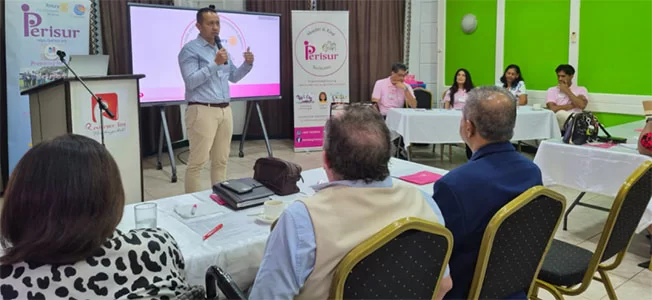
    In a proactive public health campaign, medical professionals from Clare Hall Health Center recently mobilized across St. John’s to raise critical awareness about Human Papillomavirus (HPV). The initiative featured an urban outreach where healthcare workers distributed educational materials and initiated conversations with citizens about HPV’s role in cervical cancer development, prevention strategies, and the lifesaving potential of early detection.

    Nurse Gretcene Quallis, speaking at the event, clarified a common medical misconception by delineating the distinct purposes of HPV screening and Pap smear tests. “Whereas a Pap smear identifies existing cancerous or precancerous cervical changes,” she stated, “HPV screening detects the presence of the virus itself—often long before symptoms emerge. Many individuals can harbor HPV asymptomatically for a decade or more, making early viral detection paramount.”

    Health authorities recommend routine HPV screening for adults aged 30 to 65, with negative results warranting rechecks every five years. Positive detections of high-risk strains necessitate further diagnostic procedures, including Pap smears, to assess potential cellular abnormalities.

    Nurse Quallis also underscored prevention through immunization, highlighting the free HPV vaccine available to all adolescents and young adults aged 9–26. The vaccine specifically targets HPV variants most frequently linked to cervical cancer.

    This educational campaign aligns with Antigua and Barbuda’s broader national strategy to eradicate cervical cancer through enhanced public knowledge, accessible vaccination, and systematic early screening programs.

  • The metaphor of Life

    The metaphor of Life

    At Havana’s Juan Manuel Márquez Pediatric Teaching Hospital, medical professionals demonstrate extraordinary resilience amid Cuba’s severe energy crisis and economic constraints. The facility, which serves as a national referral center for specialized pediatric care, continues operating despite regular national power outages that force staff to physically carry patients up seven flights of stairs when elevators fail.

    This remarkable dedication is exemplified through the stories of two teenage patients: 17-year-old Lisnatali, diagnosed with nodular sclerosis Hodgkin’s lymphoma, and 16-year-old Anyeli, battling a rare pregnancy-related cancer. Both girls endure their ‘horribly painful’ treatments with courage and joy, supported by medical staff who face their own profound challenges.

    Dr. Andy Hernández Álvarez, head of pediatric clinical oncology, embodies this commitment. A childhood cancer survivor himself, he understands both sides of the white coat. ‘The professional who stands firm deserves respect,’ he states. ‘We choose to stay despite transportation difficulties, physical exhaustion, and poor sleep.’

    The hospital’s struggles have intensified following tightened economic restrictions and oil embargoes that have forced measures like postponed surgeries and extended waiting lists. Yet the facility remains operational, serving as the country’s primary pediatric unit for burn victims and housing Cuba’s largest oncohematology ward and intensive care unit.

    Recent relief arrived through the Hatuey Project (Health Advocates in Truth, Unity, and Empathy), which delivered crucial donations of cytostatic drugs, antibiotics, antiemetics, medical consumables, and toys. Dr. Hernández emphasized the profound impact: ‘This isn’t just about saving lives but maintaining quality of life. A patient who can tolerate adverse reactions endures more treatments and stays in good spirits.’

    The donation represented more than material support. Miami-based Dr. Nadia Marsh of the Hatuey Project noted: ‘We thank Cuban healthcare workers—you are an inspiration. We see what a people can do when they truly think of the people despite blockade and resource limitations.’

    As Dr. Hernández returns to his rounds, checking on patients receiving chemotherapy and visiting the smiling teenagers playing with their new Parcheesi set, the hospital continues functioning as what he describes as ‘not a building, but a living, beating heart.’

  • Ministry of Health monitoring ChikV cases in the region

    Ministry of Health monitoring ChikV cases in the region

    Barbados’ Ministry of Health and Wellness has escalated its epidemiological monitoring protocols following confirmation of a significant Chikungunya virus (ChikV) outbreak in neighboring Suriname. According to Pan American Health Organization reports, Suriname has documented over 1,100 infections with one fatality as of late February 2026.

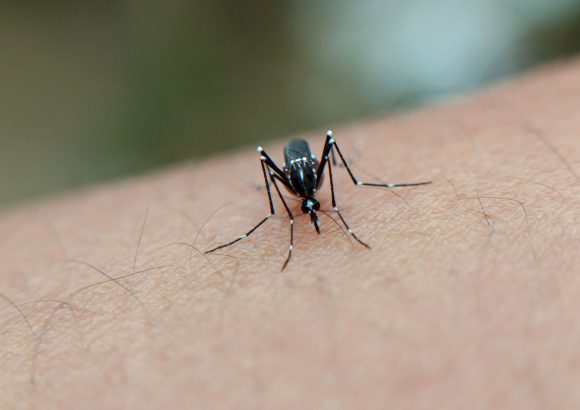
    While Barbados maintains zero confirmed cases for 2026 as of March 17th, health authorities revealed the island recorded twelve laboratory-confirmed infections throughout 2025. The viral disease shares transmission vectors with Dengue Fever and Zika through bites from infected Aedes Aegypti mosquitoes, which remain endemic across the island nation.

    Clinical manifestations typically emerge three to seven days post-exposure, though many infections present asymptomatically. Symptomatic cases demonstrate febrile conditions accompanied by headache, musculoskeletal pain, fatigue, and cutaneous rash. Distinguished from similar arboviruses, ChikV infection frequently causes severe polyarthralgia that may persist for months or years in chronic cases.

    Treatment protocols remain supportive rather than curative, focusing on hydration, rest, and symptomatic relief through analgesics and anti-inflammatory medications. No targeted antiviral therapeutics currently exist for Chikungunya management.

    Diagnostic challenges arise from symptom overlap with dengue and influenza. Physicians must obtain venous blood samples within eight days of symptom onset for PCR viral detection, with mandatory inclusion of symptom commencement dates on laboratory requisitions.

    Public health recommendations emphasize:
    – Utilizing protective clothing and insect repellents
    – Installing window screens and mosquito nets
    – Implementing environmental temperature controls to reduce vector activity
    – Conducting property inspections to eliminate breeding sites

    Noting that infected mosquitoes remain contagious throughout their two-to-four-week lifespan, health protocols require insecticide treatment around premises where cases are suspected. Medical practitioners must document patient addresses for environmental investigations to accompany laboratory submissions.

  • The “World’s Deadliest Disease” Can Be Cured, If Treated Early

    The “World’s Deadliest Disease” Can Be Cured, If Treated Early

    Health authorities are issuing a critical alert regarding tuberculosis (TB), the world’s most lethal infectious disease, which continues to claim lives due to persistent public misconceptions. Despite its classification as a historically significant illness, TB remains an active global health threat that demands contemporary attention.

    Medical experts emphasize that tuberculosis is entirely curable when identified during initial stages of infection. Dr. Joshua Canul, Assistant Deputy Director of Belize’s HIV/TB Programme, reports fewer than 100 annual cases in his country, yet notes disproportionate vulnerability among males aged 35-49. This demographic disparity stems from variations in healthcare engagement patterns across gender and age groups.

    The bacterial infection primarily targets pulmonary systems but can metastasize to other organs through airborne transmission. Without medical intervention, each infected individual potentially spreads the pathogen to 15-18 contacts yearly. Characteristic symptoms include prolonged coughing episodes exceeding two weeks, accompanied by fever, nocturnal perspiration, and unexplained weight reduction.

    Dr. Karen Lewis-Bell of the Pan American Health Organization highlights technological advancements in diagnostics. GeneXpert technology now delivers conclusive results within hours, dramatically accelerating treatment initiation and containing community transmission. This rapid testing simultaneously identifies drug-resistant strains, enabling tailored therapeutic approaches.

    While TB maintains its status as the planet’s deadliest infectious disease, officials clarify it doesn’t rank among the most contagious when detected promptly. The medical community identifies social stigma as a substantial obstacle to eradication efforts, particularly since the disease frequently appears in immunocompromised populations including HIV patients. However, physicians stress that any weakened immune system creates vulnerability, and improper treatment inevitably leads to mortality.

  • Urgent Appeal Issued for Blood Donations for Jacqueline Wetherill

    Urgent Appeal Issued for Blood Donations for Jacqueline Wetherill

    ST. JOHN’S, Antigua – Health authorities in Antigua have launched an immediate public appeal for blood donations to assist patient Jacqueline Wetherill, who requires urgent medical support. The Sir Lester Bird Medical Centre Blood Bank is accepting donations from all eligible individuals during extended hours from 9:00 AM to 6:00 PM daily.

    Medical organizers emphasize that the situation requires prompt community response, noting that all blood types are acceptable for donation. The appeal targets both regular and first-time donors who meet health requirements, highlighting the critical importance of maintaining blood supplies for emergency medical care.

    The hospital has streamlined its donation process to accommodate the urgent need, ensuring efficient screening and collection procedures. This emergency call demonstrates the vital role community blood donations play in supporting critical healthcare services and individual patient care throughout Antigua’s medical system.

  • Healthcare revolution: New lab services and facility upgrades

    Healthcare revolution: New lab services and facility upgrades

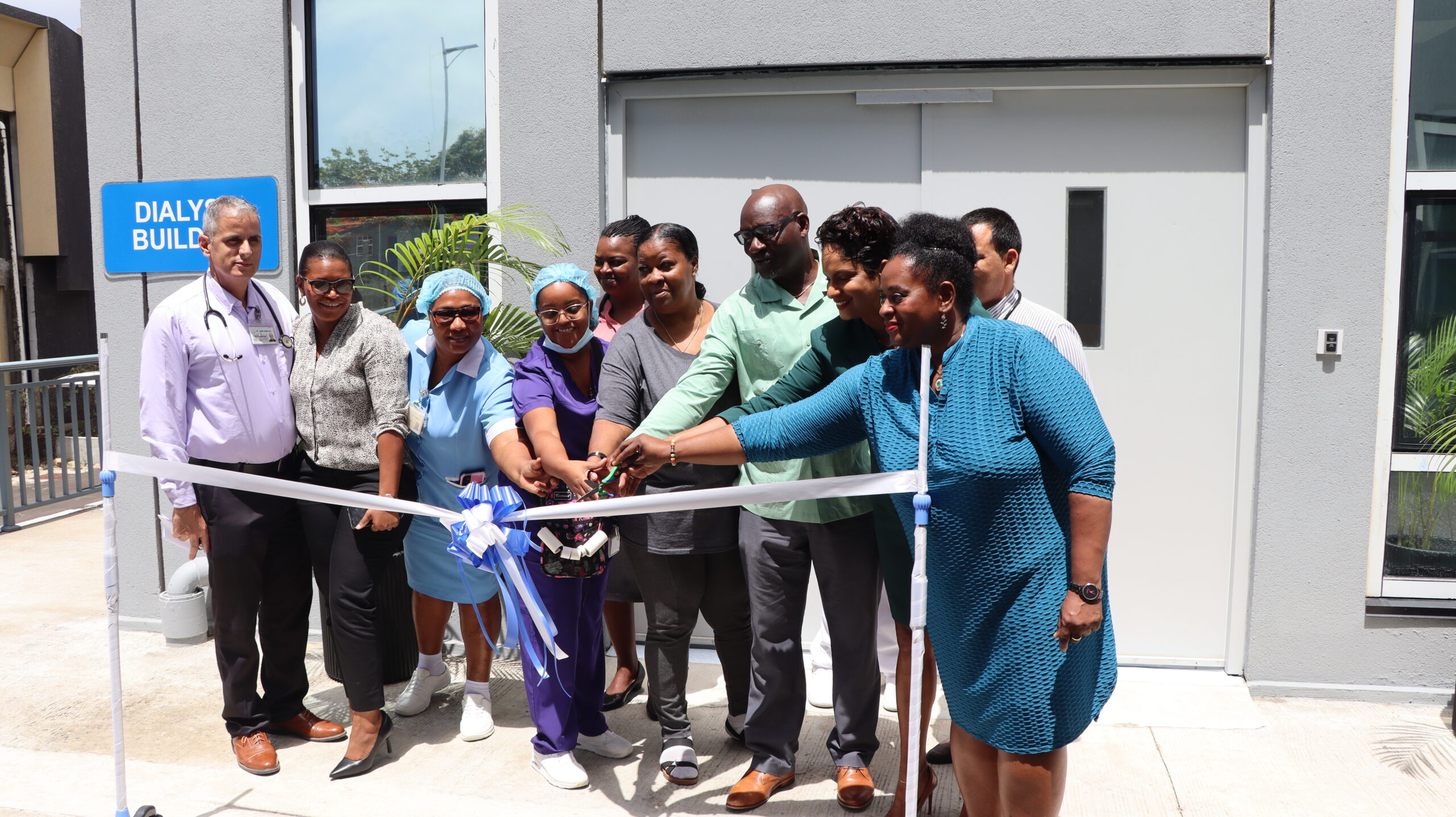
    The Caribbean sister islands of Carriacou and Petite Martinique are poised to enter a transformative phase in medical service delivery following significant infrastructure advancements announced by Health Minister Phillip Telesford. Accompanied by Chief Medical Officer Dr. Shawn Charles and a high-level delegation, Minister Telesford confirmed the Petite Martinique Health Centre is approaching its final construction phase, with contractors projecting June completion for the modernized, resilient facility.

    The ministerial assessment tour revealed substantial progress across multiple healthcare projects throughout the islands. The Mt Pleasant Medical Station, identified as the final major component in Carriacou’s healthcare network, is nearing operational readiness. A particularly notable development emerged in Bellevue South, where a containerized clinic donated by the US Southern Command will soon introduce laboratory services—a strategic enhancement expected to elevate healthcare accessibility and quality.

    Dr. Charles highlighted the clinical significance of these upgrades, emphasizing that community-based diagnostic capabilities will dramatically reduce wait times while enabling more precise and rapid treatment interventions. Minister Telesford reiterated the government’s unwavering commitment to establishing a first-class health system, ensuring all residents of the sister islands receive the high-quality medical care they deserve through these substantial infrastructure investments.

  • Yellow Fever detected in monkey in Trinidad and Tobago, health officials on alert

    Yellow Fever detected in monkey in Trinidad and Tobago, health officials on alert

    Health authorities in Trinidad and Tobago have initiated comprehensive monitoring protocols across multiple regions following the laboratory-confirmed detection of Yellow Fever in a deceased Red Howler monkey. The Ministry of Health issued an official statement confirming the diagnosis while emphasizing that no human cases have been identified within the nation’s borders.

    The discovery has triggered intensified surveillance operations and vector control measures in affected zones, with officials implementing precautionary monitoring systems. This development aligns with broader hemispheric concerns, as health agencies throughout the Caribbean and Americas have reported Yellow Fever cases in several Southern Hemisphere countries over the past year.

    In response to the potential threat, Trinidad and Tobago has implemented enhanced travel regulations requiring visitors arriving from specified destinations to provide valid Yellow Fever vaccination certificates. The viral disease, transmitted primarily through infected Aedes aegypti mosquitoes, finds non-human primates like the Red Howler monkey serving as critical environmental indicators for viral presence.

    Health officials note that while the primate infection doesn’t indicate immediate human transmission risk, it signals the necessity for heightened public health awareness. The ministry has issued guidelines for residents to implement protective measures against mosquito bites and eliminate potential breeding sites in residential areas. Early symptoms of Yellow Fever typically manifest within three to six days post-infection, including sudden fever onset, chills, severe headache, back pain, nausea, vomiting, and jaundice.

  • Cummins: Major overhaul, upgrades for health system

    Cummins: Major overhaul, upgrades for health system

    In a landmark move to revolutionize Barbados’s public healthcare infrastructure, Health and Wellness Minister Senator Lisa Cummins has unveiled a comprehensive reform strategy backed by a substantial $300 million investment. The funding, allocated from the ministry’s total $485.7 million budget, will drive significant upgrades to medical facilities nationwide with a primary focus on enhancing patient outcomes and operational efficiency.

    Senator Cummins, addressing Senate lawmakers, detailed her extensive fact-finding mission that included visits to all nine polyclinics and consultations with healthcare professionals across the island. These engagements revealed critical systemic challenges, with excessive waiting times at polyclinics emerging as the most pressing public concern, followed by limited access to specialized care and surgical facilities.

    The Minister’s investigation uncovered a concerning pattern of delayed medical interventions, noting that many Barbadians postpone routine health checks until conditions become severe, ultimately requiring extended tertiary care at Queen Elizabeth Hospital (QEH). This practice contributes significantly to hospital congestion, with data indicating that 24% of Accident and Emergency Department cases involve non-urgent matters that could be addressed through alternative channels.

    Central to the transformation plan is the modernization of polyclinics, with seven facilities scheduled for refurbishment and two slated for complete reconstruction. The initiative will equip at least three polyclinics with advanced diagnostic technology in the coming financial year, creating decentralized healthcare access points to alleviate pressure on QEH’s emergency services.

    Senator Cummins emphasized the government’s commitment to patient-centered care through systemic reengineering, stating: ‘Our mandate involves complete health system transformation, examining all constituent parts from community services to polyclinic capabilities and operational hours.’

    The strategy includes extending operating hours at Maurice Byer and Randall Phillips polyclinics, building on the success of the 24-hour Winston Scott Polyclinic which currently handles nearly half of cases later transferred to QEH.

    A newly established transformation committee will tackle fundamental operational questions, including patient flow optimization and integration between public and private healthcare providers. The government also plans to leverage partnerships with private emergency clinics like Urgent Care, FMH, and Sandy Crest to expand service capacity.

    In parallel developments, construction continues on the new Geriatric Hospital at Waterford, with interior fitting underway and opening anticipated during the 2026-2027 financial year. The project, initiated in 2023, demonstrates the government’s coherent, multi-year approach to healthcare infrastructure development.

  • Health minister calls for step-down care amid ageing population

    Health minister calls for step-down care amid ageing population

    Barbados is confronting a severe healthcare challenge as approximately 40 elderly patients continue occupying hospital beds at Queen Elizabeth Hospital long after completing medical treatment, according to Health Minister Senator Lisa Cummins. The minister revealed this troubling situation during a Senate address on Monday, emphasizing the critical shortage of step-down care facilities and support systems for the aging population.

    Step-down care, which provides transitional support between hospital treatment and independent living, has become urgently needed as Barbados experiences demographic shifts toward an older population. Minister Cummins described the distressing reality of families failing to collect relatives who have been medically cleared for discharge, noting that some elderly patients are effectively abandoned due to being perceived as burdens or because relatives lack proper care capabilities.

    While acknowledging that some families deliberately neglect their responsibilities—particularly those who continue collecting pension benefits on behalf of hospitalized relatives—the minister clarified that many cases stem from genuine incapacity rather than abandonment. Numerous families lack access to hospice care, rehabilitative services, or post-acute support, leaving hospital care as the only viable option for their elderly relatives’ wellbeing.

    This crisis has prompted government action on multiple fronts. Minister Cummins announced comprehensive plans to establish enhanced healthcare training through the proposed University College of Barbados, including a dedicated School of Nursing to address critical staffing shortages. The initiative will expand educational programs in nursing, pharmacy, and specialized healthcare disciplines to build workforce capacity over the coming years.

    Additionally, the government is allocating significant resources to strengthen diagnostic capabilities and develop new care specializations. These efforts represent a strategic push to modernize Barbados’ healthcare infrastructure and create sustainable solutions for elderly care that balance institutional support with family accountability.

  • Princess Margaret Hospital conducts 29 colonoscopies amid Colorectal Cancer Awareness Month

    Princess Margaret Hospital conducts 29 colonoscopies amid Colorectal Cancer Awareness Month

    KINGSTON, Jamaica — Princess Margaret Hospital in St Thomas has achieved significant progress in colorectal cancer detection during a specialized screening initiative held from March 16-20, 2026. The medical facility successfully performed 29 colonoscopy procedures as part of Colorectal Cancer Awareness Month observations, targeting high-risk populations through proactive healthcare outreach.

    The hospital’s gastrointestinal unit implemented a strategic screening protocol focusing on asymptomatic individuals aged 45 and above, alongside younger patients with documented family history of colon cancer or polyps. Demographic data revealed 20 female and nine male participants underwent the comprehensive examinations.

    Medical findings disclosed that eight patients presented abnormal colon developments despite showing no physical symptoms. Dr. Dwight Whittle, Senior Medical Officer and Consultant Gastroenterologist, emphasized these discoveries demonstrate the silent progression characteristics of colorectal malignancies and reinforce the critical importance of preventive screening measures.

    Colorectal cancer maintains its status as Jamaica’s third most prevalent cancer diagnosis, underscoring the vital necessity of early detection programs. The hospital initially aimed to complete 32 procedures during the awareness campaign and continues to expand screening accessibility throughout the community.

    The Princess Margaret Hospital medical team has announced plans for continued screening missions across St Thomas, reinforcing year-round commitment to preventive healthcare practices. Community members are encouraged to contact the hospital’s gastrointestinal unit at (876)-840-7103 to schedule screenings and consult regarding colorectal cancer risk factors.