分类: health

  • ‘Manufacturer’s error’ blamed for delay to Rand morgue

    ‘Manufacturer’s error’ blamed for delay to Rand morgue

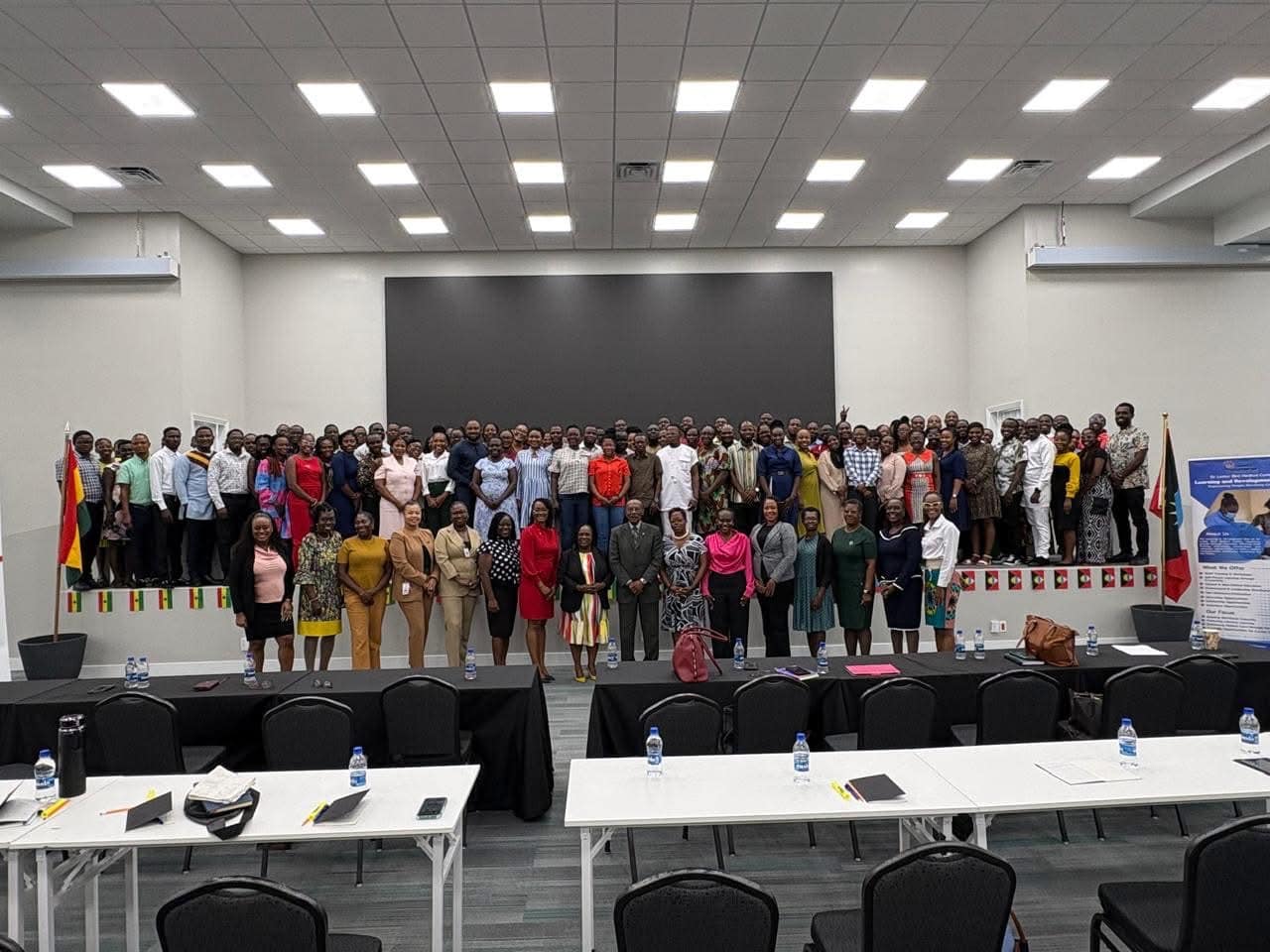
    Grand Bahama’s Rand Memorial Hospital is finally approaching the completion of its long-awaited morgue renovation project after a significant delay caused by a manufacturer’s error. Health Minister Dr. Michael Darville confirmed the timeline during the annual Governor General’s visit to the facility on Friday.

    The $1.6 million modernization project, which began over two years ago in June 2022, faced substantial setbacks when equipment provided by the manufacturer proved incompatible with the renovated space. “Our morgue facility was delayed tremendously because of an error from the manufacturer who sent us a system that could not fit the renovated space,” Dr. Darville explained. “After extensive negotiations, the problem has been corrected and we are back on track.”

    The urgency of the situation was highlighted earlier this month when a temporary refrigerated trailer used for body storage collapsed and required replacement, raising public concerns about the facility’s conditions.

    Dr. Darville acknowledged broader challenges with capital works at the hospital, stating: “There have been many setbacks, frustrations, and challenges, but I want to let the people of Grand Bahama know that even though they are not completed, we are moving rapidly to complete this work before our term in office is over.”

    Beyond the morgue project, several other healthcare infrastructure initiatives are progressing. Renovations to the hospital’s modular units are ongoing with completion expected in first quarter 2026, which Dr. Darville said would “restore the dignity of the final chapter” for affected services.

    Additionally, a contract has been awarded for the renovation of Davies House to expand oncology and mammogram services, allowing patients to receive specialized care locally. The Freeport Health Centre construction remains on schedule, with phase one targeting completion in second quarter 2026. Phase two, featuring inpatient surgical suites, urgent care facilities, and replacement beds for Rand Memorial Hospital, will proceed following a tender process in early 2026.

  • Health ministry implements outreach programme for expectant and new mothers

    Health ministry implements outreach programme for expectant and new mothers

    In response to the devastation caused by Hurricane Melissa, Jamaica’s Ministry of Health and Wellness has launched a comprehensive maternal outreach program designed to support pregnant women and new mothers in severely affected parishes. Recognizing the heightened vulnerability of these groups during disaster recovery, the initiative focuses on ensuring continuous access to essential healthcare services and resources.

    State Minister Krystal Lee emphasized that the program deploys mobile health teams into communities to conduct safety checks, provide medical monitoring, and distribute critical supplies. These teams offer nutritional guidance, maternal packages containing hygiene items, mosquito nets, and cleaning supplies, while also facilitating clinical consultations and hospital coordination where local facilities sustained damage.

    The program has already been implemented in Black River, St. Elizabeth, as well as Savanna-la-Mar and Grange Hill in Westmoreland, with expansions planned for St. James, Hanover, and St. Ann. Beyond physical health services, the initiative incorporates mental health support, aiming to destigmatize psychological care for mothers experiencing post-disaster stress.

    Minister Lee highlighted the program’s success in re-engaging previously isolated mothers, noting that field clinics have established trust and routine care networks. The ministry plans a nationwide awareness campaign focusing on prenatal and postnatal care, vaccination, and infant health, aiming to improve birth outcomes and family resilience during Jamaica’s reconstruction efforts.

  • Westmoreland residents urged to treat all non-bottled water

    Westmoreland residents urged to treat all non-bottled water

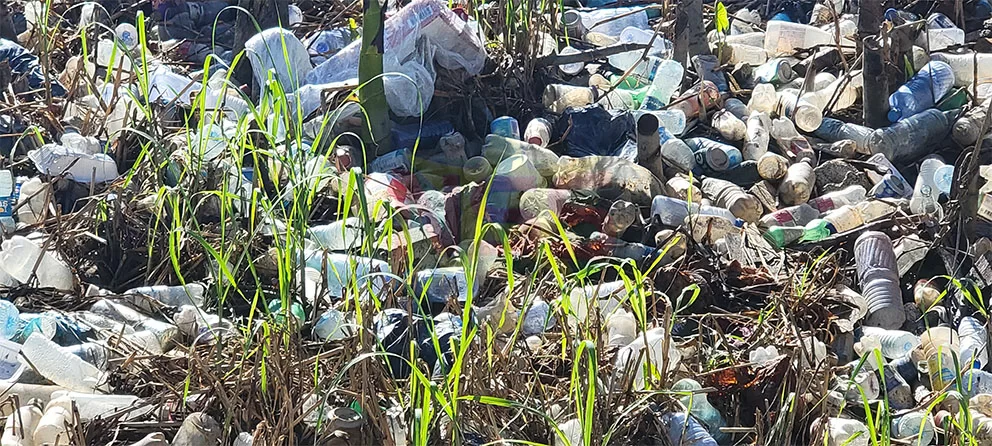
    ST JAMES, Jamaica — In the wake of Hurricane Melissa, Westmoreland’s health authorities have escalated public health advisories concerning water safety. Dr. Marcia Graham, the parish’s Medical Officer of Health, has issued a critical directive for residents to consider all non-bottled water as potentially hazardous for consumption.

    Addressing the Westmoreland Municipal Corporation at a recent monthly assembly, Dr. Graham highlighted the severe degradation of local infrastructure and the unpredictable quality of water supplies, which have collectively elevated the threat of waterborne diseases. She emphasized that the current water conditions fall below safety standards, necessitating extreme caution. “We must treat all water sources as unsafe unless it is sealed bottled water that remains unopened,” she stated.

    The health expert detailed several approved purification techniques, identifying vigorous boiling as a paramount method. She instructed, “Achieve a rolling boil and maintain it for at least one full minute to ensure the water becomes safe for human use.” Additionally, Dr. Graham endorsed the application of bleach or chlorine tablets, underlining the necessity of precise measurement and a mandatory thirty-minute settling period for the chemicals to effectively neutralize pathogens.

    Beyond contaminated water risks, Dr. Graham raised alarms over a surge in leptospirosis exposure, a bacterial infection exacerbated by displaced wildlife and polluted water bodies. She cautioned that even minimal contact through small cuts or abrasions could lead to severe systemic illness. “Exposure to tainted water can rapidly result in renal failure, liver dysfunction, and other life-threatening conditions,” she warned, noting the parish has already documented fatal outcomes connected to post-hurricane diseases.

  • Mexico flags first case of fast-spreading H3N2 ‘subclade K’ Flu

    Mexico flags first case of fast-spreading H3N2 ‘subclade K’ Flu

    Mexican health authorities have officially documented the nation’s inaugural infection of the influenza A(H3N2) subclade K variant, a highly transmissible strain currently accelerating seasonal flu patterns across Europe and North America. The detection was confirmed through the surveillance systems of the National Institute of Respiratory Diseases, with health officials reporting the affected individual has successfully recovered following appropriate antiviral therapy. While withholding specific location details to protect patient privacy, the Ministry of Health emphasized the situation “does not warrant public alarm” despite the strain’s concerning transmission dynamics. This development gains epidemiological significance as subclade K emerges as the predominant influenza variant across multiple global regions, prompting coordinated alerts from international health bodies. The Pan American Health Organization (PAHO) and World Health Organization (WHO) issued a joint advisory indicating this accelerated viral spread could precipitate an earlier and potentially more severe influenza season throughout the Americas. Although current data reveals no substantial alterations in clinical severity profiles, historical patterns indicate H3N2-dominated seasons frequently correlate with elevated hospitalization rates, particularly among elderly demographics. Health authorities strongly advocate for enhanced preventive measures while reaffirming that vaccination continues to serve as the primary defense mechanism against influenza, COVID-19, and pneumococcal comorbidities. Notably, preliminary vaccine effectiveness data indicates sustained protection against hospitalizations remains consistent with previous seasonal patterns, demonstrating approximately 70-75% efficacy in pediatric populations and 30-40% in adult cohorts despite observed antigenic variations in the emerging subclade.

  • An increase in respiratory viruses has been recorded in children in the National District

    An increase in respiratory viruses has been recorded in children in the National District

    Santo Domingo’s healthcare system is facing a significant public health challenge as multiple hospitals across the National District report a dramatic increase in patients suffering from respiratory and gastrointestinal viruses during November and December. Children have emerged as the most severely affected demographic in this concerning epidemiological situation.

    Medical authorities, including Dr. Mabel Jones, Director of the Children’s Hospital, have confirmed the active circulation of multiple pathogens in the environment. Laboratory testing has identified Respiratory Syncytial Virus (RSV), Influenza strains A and B, H1N1, and various gastrointestinal viruses as the primary culprits behind the current wave of infections.

    On-site observations by Listin Diario reporters at two major healthcare facilities revealed numerous patients, predominantly infants and young children, exhibiting characteristic symptoms including persistent cough, nasal congestion, high fever, fatigue, and general malaise. While the majority of cases involve children under five, adults presenting with influenza-like symptoms have also been documented.

    The Robert Reid Cabral Children’s Hospital has become a critical care epicenter, with concerned parents seeking urgent medical attention for their children. Hospital corridors and waiting areas have been filled with children ranging from three months to five years of age, requiring both routine check-ups and treatment for severe flu complications.

    Patient case studies highlight the severity of the situation. Karen de la Cruz traveled from Haina, San Cristóbal, seeking treatment for her son who has been battling unrelenting fever and severe coughing since early November. Similarly, Gloribel Santos reported her three-month-old daughter’s deteriorating condition with worsening cough and congestion symptoms that necessitated transfer to a Santo Domingo medical facility.

    In response to the crisis, health authorities have issued comprehensive prevention guidelines. Dr. Jones emphasized critical measures including keeping symptomatic children home from school, consistent mask usage by infected individuals, frequent hand washing, avoiding self-medication without pediatric consultation, and prioritizing vaccination to prevent further complications.

    The Dr. Luis Eduardo Aybar Health City reported additional cases, including a five-year-old girl requiring three medical visits over several weeks for persistent flu-like symptoms. Medical staff confirmed 37 cases of acute febrile upper respiratory illnesses in November alone at this facility.

    The Ministry of Public Health has activated 71 vaccination centers throughout Greater Santo Domingo and the National District to combat seasonal influenza. While health officials acknowledge that public response to vaccination efforts has not yet reached optimal levels, medical staff at the Santo Socorro Hospital vaccination tent report steady attendance across all age groups, including children with parents and senior citizens accessing vaccines for influenza and other viruses.

  • Health Minister speaks about 2 major challenges facing his portfolio

    Health Minister speaks about 2 major challenges facing his portfolio

    Health Minister Phillip Telesford has issued a stark warning to Parliament, identifying a severe labor shortage and rapidly declining vaccination rates as two critical threats to Grenada’s public health system. The minister revealed that the Primary Healthcare division is operating with a deficit of 88 nurses, crippling the nation’s ability to adequately staff its 33 primary healthcare facilities.

    During his address to the Lower House in the 2024 Budget debate on December 5, Minister Telesford presented alarming statistics showing the healthcare system’s staffing crisis extends beyond nursing. The minister detailed that while 250 staff members are required for proper operation of primary healthcare facilities, the current workforce stands at just 162—a shortage that affects medical officers, doctors, pharmacists, and support staff across the board.

    The vaccine hesitancy crisis presents an equally grave concern. Telesford reported a disturbing decade-long trend of growing resistance to vaccination, with rates plummeting from 83% in 2024 to a mere 65% in 2025—far below the 95% threshold required for herd immunity. The minister expressed particular concern about parents who were themselves vaccinated but now refuse to vaccinate their children, citing various unfounded reasons.

    Telesford delivered a powerful statement on the consequences of inaction: “For many of us, Mr. Speaker, we would not be standing here today in this parliament had we not been vaccinated.” He warned that without immediate intervention, Grenada faces the resurgence of uncontrollable diseases within just a few years, urging the nation to take vaccination seriously before the situation deteriorates further.

  • FDA intends to put its most serious warning on Covid vaccines, sources say

    FDA intends to put its most serious warning on Covid vaccines, sources say

    The U.S. Food and Drug Administration is reportedly developing plans to implement its most stringent safety warning—the black box designation—for COVID-19 vaccines, according to sources familiar with the agency’s deliberations. This significant regulatory step, orchestrated under Dr. Vinay Prasad, Director of the FDA’s Center for Biologics Evaluation and Research, would represent the strongest cautionary labeling in the agency’s arsenal, typically reserved for medications carrying risks of death or life-threatening complications that must be carefully weighed against therapeutic benefits.

    The proposed warning system, which remains unfinalized and subject to modification, has sparked intense debate within scientific circles. While specifics regarding which vaccines would be affected (mRNA-based versus all COVID-19 vaccines) and applicable age groups remain undetermined, the potential implementation has drawn sharp reactions from various stakeholders.

    Pharmaceutical manufacturers Moderna and Pfizer have vigorously defended their vaccine safety profiles, citing extensive global monitoring systems that have distributed billions of doses without identifying new safety concerns. Moderna referenced its September statement emphasizing rigorous safety surveillance across more than 90 countries, while Pfizer similarly reaffirmed its vaccine’s safety and efficacy profile.

    The scientific context reveals complex considerations: COVID-19 vaccinations have demonstrated substantial public health benefits, with one study estimating approximately 20 million deaths prevented globally during their first year of deployment. Recent CDC data indicates vaccinated children experienced significantly reduced risks of emergency medical visits during the 2024-25 respiratory virus season, with effectiveness rates ranging from 56% to 76% across different age cohorts.

    The debate intersects with political dimensions, as the administration of President Donald Trump—which originally championed the record-speed vaccine development through Operation Warp Speed—now includes vaccine-skeptical officials like HHS Secretary Robert F. Kennedy Jr. Dr. Prasad himself has been a controversial figure, having previously resigned under pressure before returning to his position weeks later.

    Critics within the public health community have expressed concern about the process, noting the absence of traditional scientific review mechanisms such as advisory committee meetings or public data vetting. A dozen former FDA commissioners jointly published an open letter in the New England Journal of Medicine expressing apprehension about “sweeping new FDA assertions about vaccine safety” without transparent scientific deliberation.

    The situation illustrates the ongoing tension between vaccine safety monitoring and maintaining public confidence in immunization programs, with significant implications for future pandemic response capabilities and regulatory integrity.

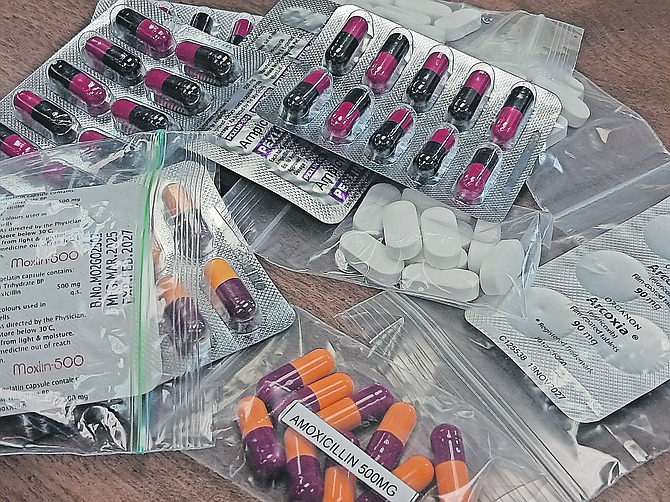
  • FEDEFARMA warns of counterfeit medicines surge during holiday season

    FEDEFARMA warns of counterfeit medicines surge during holiday season

    Santo Domingo – The Federation of Pharmaceutical Laboratories for Central America and the Caribbean (FEDEFARMA) has issued a critical public health warning regarding a significant escalation in counterfeit medication circulation throughout the holiday period. The organization emphatically advises consumers to purchase pharmaceutical products exclusively through authorized distribution channels including licensed pharmacies, clinical establishments, and regulated supermarkets.

    Carmen Da Silva, FEDEFARMA’s regional director for the Panama-Dominican Republic corridor, elaborated that seasonal factors including heightened consumer traffic and increased disposable income typically drive demand for rapid, economical healthcare solutions. This seasonal pattern creates fertile ground for illicit distribution networks to market unregulated and potentially dangerous pharmaceutical products. These fraudulent medications not only pose direct threats to patient safety but also generate substantial financial burdens for public health infrastructure.

    The organization detailed that counterfeit pharmaceuticals frequently feature deliberately misleading labeling concerning both composition and manufacturing origins. These products may contain improperly formulated active ingredients, subtherapeutic dosage levels, or even hazardous substances. FEDEFARMA emphasized that this dangerous phenomenon spans the entire pharmaceutical spectrum from critical life-sustaining medications to common analgesics, providing zero medical benefit while potentially causing severe adverse health consequences. The proliferation of these fake medicines forces families to bear additional healthcare expenditures and intensifies strain on emergency medical services through increased hospitalization rates.

    FEDEFARMA provided comprehensive safety guidelines urging consumers to: purchase medications solely from established正规 retailers, maintain skepticism toward abnormally discounted pricing, completely avoid informal street vendors and unverified online platforms, meticulously inspect product packaging integrity, responsibly dispose of expired medications, and promptly report any suspicious pharmaceutical marketing activities to authorities.

    World Health Organization research estimates that approximately 10-30% of medications circulating within developing regions—including Central America and the Caribbean—may be counterfeit. This illicit market generates staggering annual global losses exceeding $30.5 billion while simultaneously worsening public health outcomes through prolonged illness durations and accelerated development of antimicrobial resistance.

  • Guyana plans to buy long-acting HIV prevention anti-retroviral

    Guyana plans to buy long-acting HIV prevention anti-retroviral

    The Guyanese government has announced plans to acquire lenacapavir, an innovative anti-retroviral medication scientifically proven to provide up to six months of protection against HIV transmission. Health Minister Dr. Frank Anthony confirmed the nation’s intention to purchase this revolutionary prophylactic treatment, which could significantly alter the country’s approach to HIV prevention.

    Currently marketed under the brand name Pre-Exposure Prophylaxis (PrEP) and endorsed by the World Health Organization, the medication carries a substantial price tag of approximately $25,000 in markets like the United States. Minister Anthony revealed that Guyana anticipates negotiating more affordable acquisition terms within the next one to two years, particularly as the drug approaches patent expiration.

    “We’re optimistic that post-patent expiration will enable us to access this medication at a reduced cost,” Dr. Anthony stated. “Many experts believe this treatment could revolutionize HIV care, and we’re collaborating with international partners to facilitate its availability.”

    The Health Minister explicitly committed to providing lenacapavir free of charge to citizens if the government successfully secures it at lower off-patent prices. This initiative follows a significant precedent set in South Africa, where the Clinton Health Access Initiative partnered with the Gates Foundation and research institutions to negotiate access at approximately $40 per dose—a dramatic reduction representing just 0.1% of the original cost.

    According to BBC reports, this affordable alternative is scheduled for distribution across 120 low- and middle-income nations starting in 2027. The development is particularly crucial for Guyana, where official statistics recorded 449 new HIV cases in the previous year.

    Minister Anthony further reported that 95% of Guyanese citizens are now aware of their HIV status, though not all positive individuals currently receive treatment. The government is simultaneously working to ensure viral suppression among those undergoing treatment, ultimately aiming to eliminate transmission risks. “Achieving viral suppression to prevent transmission represents our ultimate objective, and we’re dedicating substantial efforts toward maintaining progress in this critical area,” he concluded.

  • More than 40 honoured for role in 40-year HIV fight

    More than 40 honoured for role in 40-year HIV fight

    The Bahamas commemorated four decades of dedicated efforts against HIV/AIDS during a prestigious ceremony at Government House, where over 40 individuals were honored for their pivotal roles in shaping the nation’s public health response. The event brought together government officials, healthcare professionals, activists, and community leaders to recognize the transformative journey from initial fear and uncertainty to national resilience.

    Dr. Nikkiah Forbes, Director of the National HIV/AIDS Programme, opened the ceremony by acknowledging honorees spanning multiple sectors including clinical care, nursing, laboratory science, social work, policy development, faith leadership, and civil society organizations. She emphasized that the country’s success stemmed from collective determination that moved the nation ‘from the darkness of crisis into the light of resilience.’

    The symbolic choice of Government House as the venue underscored HIV’s dual status as both a medical challenge and a national priority that has profoundly affected families and communities across the archipelago.

    Health Minister Dr. Michael Darville presented significant progress metrics, revealing a 31% reduction in new HIV diagnoses between 2015 and 2024, with cases dropping from 226 to 156 annually. AIDS-related fatalities have similarly declined, while treatment accessibility has dramatically expanded—over 2,900 people now receive free antiretroviral therapy through public and private channels, nearly triple the number from 2012.

    A particularly notable achievement involves the near-elimination of mother-to-child transmission, with only one documented case in 2024. Minister Darville expressed confidence that formal certification of elimination would occur before the end of 2025.

    The ceremony paid special tribute to the late Dr. Perry Gomez, who led the national HIV program for decades despite sacrificing a lucrative private practice. Attendees stood in recognition of his pioneering work, which established the foundation for current successes. Other early champions including Nurse Rose Mae Bain, Dr. Sonja Lunn, Dr. Herbert Olander, and Nurse Marva Jervis were similarly honored for their groundbreaking contributions.

    Minister Darville highlighted critical success factors including research advancements, digital health platforms, community outreach initiatives, simplified treatment regimens, and expanded testing capabilities. He emphasized that eliminating AIDS as a public health threat remains an ongoing mission requiring sustained inter-ministerial collaboration, community engagement, and continuous public education.