分类: health

  • Caribbean countries benefit from PAHO vaccine initiative

    Caribbean countries benefit from PAHO vaccine initiative

    BRIDGETOWN, Barbados – A significant health infrastructure initiative is transforming vaccine distribution capabilities across the Caribbean region. The Pan American Health Organization (PAHO), with substantial funding from the Government of Canada, has deployed approximately 1,000 units of advanced cold chain equipment to 18 Caribbean territories including Anguilla, Antigua and Barbuda, British Virgin Islands, Cuba, Curacao, Dominica, Grenada, Haiti, Jamaica, Montserrat, St Kitts and Nevis, St Vincent and the Grenadines, Suriname, Trinidad and Tobago, and St Maarten.

    This strategic enhancement addresses critical logistical challenges in vaccine preservation through state-of-the-art temperature-monitoring devices, passive cold boxes engineered for complex environments, vaccine carriers with extended thermal protection, and ice-lined refrigerators featuring freeze-protection technology. The equipment ensures vaccine potency from port arrival to final community distribution points.

    Santiago Cornejo, Executive Manager of PAHO’s Regional Revolving Funds, emphasized the transformative impact: “This new cold chain infrastructure fundamentally strengthens national capacities to safeguard every vaccine dose throughout the distribution journey. These technological solutions enhance safety protocols, minimize wastage, and promote equitable immunization access across diverse geographical challenges.”

    The donation constitutes a core component of Canada’s broader initiative “Improving Equitable Access and Coverage of COVID-19 Vaccination in Latin America and the Caribbean,” implemented by PAHO to reinforce regional public health systems beyond pandemic response.

    Concurrently, PAHO’s Regional Revolving Funds mechanism continues to demonstrate remarkable efficiency. Through pooled purchasing and coordinated planning, participating nations have achieved approximately 50% cost savings on vaccines and medical supplies over the past two years, extending vital health resources to an estimated 180 million people across the Americas. This collaborative procurement model has historically supported advancements against HIV/AIDS, malaria, tuberculosis, while simultaneously improving immunization coverage and reducing maternal and child mortality rates.

  • Dominican government doubles nationwide distribution of flu and essential medicines

    Dominican government doubles nationwide distribution of flu and essential medicines

    The Dominican government has activated a comprehensive emergency response protocol to address increased influenza virus circulation during seasonal temperature changes. Through its Essential Medicines Program and Central Logistics Support (Promese/CAL), the nation is implementing strategic measures to double the distribution of influenza treatments and essential medications across all regions.

    Official reports confirm that Promese/CAL’s central warehouses currently maintain adequate inventory levels to meet nationwide demand for influenza therapeutics. The medical reserve includes a substantial buffer stock exceeding 5.5 million units of critical medications, including vitamin C supplements and amoxicillin antibiotics, ensuring consistent supply chain continuity.

    In preparation for the peak respiratory illness season, the institution conducted a complete inventory audit during November, followed by the execution of a phased national distribution strategy throughout December. This systematic approach has successfully restored regular replenishment cycles following a temporary administrative hiatus.

    The government has additionally initiated a strategic procurement procedure to prevent medication shortages through February, allocating RD$73.7 million for the acquisition of 80 categories of essential pharmaceuticals. This investment secures over 230,000 units of cold and influenza medications, including analgesics like acetaminophen and ibuprofen, along with cod liver oil supplements.

    These coordinated actions demonstrate the administration’s strengthened commitment to ensuring equitable access to affordable, high-quality medical treatments for all citizens. The enhanced distribution framework significantly bolsters public health protections during periods of elevated seasonal illness transmission.

  • SZF-verzekerden voortaan verlost van bijbetalingen operaties en medicijnen

    SZF-verzekerden voortaan verlost van bijbetalingen operaties en medicijnen

    In a landmark healthcare reform, Suriname’s Minister of Public Health, André Misiekaba, has announced the complete elimination of co-payments for surgeries and medications covered under the state insurance scheme. The policy shift, declared on December 13th during the opening of the Medhulp General Practitioners Emergency Post, aims to provide immediate financial relief to thousands of citizens.

    The minister revealed that since assuming office, he has been confronted with numerous complaints from patients who faced exorbitant out-of-pocket expenses despite being insured with the State Health Fund (SZF). Particularly at the Academic Hospital, these supplemental payments reached staggering amounts—up to SRD 60,000 per surgery—rendering essential medical care unaffordable for many.

    A recent SZF directive now prohibits hospitals, physicians, and pharmacies from directly billing patients for treatments and medicines included in the SZF formulary. Instead, all invoices must be submitted directly to SZF for processing. When necessary, SZF will collaborate with health insurer SOSAVO to determine cost coverage parameters, ensuring patients are shielded from unexpected financial burdens.

    “If you are insured with SZF and require surgery, you will no longer receive a bill. It goes directly to SZF. Citizens need not worry about co-payments anymore,” Minister Misiekaba stated emphatically.

    Additionally, the ministry will conduct a comprehensive evaluation and update of the national drug formulary in January. Frequently prescribed medications for oncology and diabetes patients—increasingly used in recent years—will be incorporated into the formulary to guarantee their structural availability at SZF pharmacies.

    The minister emphasized that healthcare providers must strictly adhere to their contractual agreements with SZF. For medicines within the formulary, no supplemental payments may be requested. Only when a physician consciously prescribes an alternative treatment outside the formulary might a limited co-payment apply.

    These measures represent a significant stride toward more accessible and affordable healthcare in Suriname. Further improvements will be implemented phasedly, with citizens expected to experience tangible relief in their daily healthcare interactions.

  • QEH to get second cancer treatment machine in major expansion

    QEH to get second cancer treatment machine in major expansion

    Barbados is embarking on a transformative healthcare enhancement initiative with a $313.6 million expansion of Queen Elizabeth Hospital, predominantly funded through Chinese financial support. Senator Shantal Munro-Knight disclosed that China Sinopharm International Cooperation will provide 80% of the financing for this substantial infrastructure project.

    The comprehensive development plan includes construction of two new medical facilities featuring an advanced oncology center, specialized patient clinics, expanded ward capacity, a dedicated burns treatment unit, and modernized laboratory infrastructure. A cornerstone of this medical upgrade involves acquiring a second linear accelerator for precision cancer treatment, complementing the first unit recently installed and already operational.

    Linear accelerator technology represents cutting-edge radiation therapy, employing high-energy beams to target malignant tumors while minimizing damage to surrounding healthy tissue. Senator Munro-Knight emphasized the critical importance of this investment, noting Barbados’ growing need for enhanced cancer care capabilities that will allow more patients to receive treatment locally.

    Concurrently, the Senate approved additional borrowing arrangements totaling $100 million from the OPEC Fund for International Development. Unlike the project-specific China Sinopharm loan, these funds are designated as policy-based financing, offering flexibility for allocation across various social sector initiatives according to identified national priorities.

    Senator Munro-Knight defended the government’s strategic borrowing approach, characterizing it as essential for small developing nations like Barbados. She highlighted that such investments transcend physical infrastructure, encompassing fundamental citizen needs including healthcare accessibility, educational resources, and food security. The minister pointed to tangible outcomes from previous responsible borrowing, including transportation upgrades and polyclinic improvements, while cautioning that the current hospital loan, though significant, doesn’t represent a complete solution to all healthcare challenges.

  • PAHO presenteert routekaart tegen ‘stille moordenaar’ hoge bloeddruk

    PAHO presenteert routekaart tegen ‘stille moordenaar’ hoge bloeddruk

    The Pan American Health Organization (PAHO) has launched a transformative roadmap to revolutionize hypertension and cardiovascular disease management across the Americas. Published in The Lancet Regional Health – Americas, the innovative Hearts Quality Framework provides nations with an immediately actionable blueprint for preventing heart attacks and strokes through primary care systems.

    Cardiovascular diseases claim over 2.2 million lives annually throughout the region, frequently affecting individuals during their most productive years. Hypertension, affecting nearly 40% of adults and dubbed the ‘silent killer,’ represents the primary risk factor. Despite the availability of affordable and effective medications, only one in three patients currently maintains controlled blood pressure levels.

    PAHO Director Jarbas Barbosa emphasized that hypertension represents “the deadliest yet most manageable health challenge worldwide.” The framework transcends theoretical policy documents, serving as a practical implementation guide already saving lives in thousands of healthcare facilities.

    The comprehensive framework consolidates evidence-based practices and addresses critical barriers including inaccurate blood pressure measurements, limited access to essential medications, suboptimal treatment protocols, and unnecessary monthly consultations. Key interventions mandate the use of validated automated blood pressure monitors, implement pooled procurement mechanisms for affordable medications, extend prescription durations, and expand nurses’ roles in medication adjustment.

    Currently operational across 33 nations, the Hearts initiative reaches approximately 10,000 primary care facilities and serves over six million patients. Regions implementing the program fully demonstrate remarkable success, with nearly 60% of patients achieving blood pressure control—almost double the regional average.

    The framework supports the ambitious 80-80-80 targets: diagnosing 80% of hypertensive individuals, treating 80% of diagnosed patients, and achieving controlled blood pressure in 80% of those treated. PAHO’s Pedro Orduñez projects that meeting these objectives could prevent over 400,000 deaths and 2.4 million hospitalizations by 2030.

    Significant improvements in blood pressure control are already evident in pioneering nations including Cuba, Chile, El Salvador, and Mexico. PAHO urgently calls upon governments and healthcare providers to adopt this life-saving model to strengthen primary healthcare infrastructure and preserve millions of lives across the Americas.

  • FAO and partners help Grenada to use One Health Approach

    FAO and partners help Grenada to use One Health Approach

    Seventy-two officials from public health, agriculture, and environmental sectors across four Eastern Caribbean nations have completed a groundbreaking series of workshops to combat emerging health threats. Conducted in Grenada, St Vincent and the Grenadines, St Lucia, and St Kitts and Nevis, these sessions focused on prioritizing zoonotic diseases using advanced methodological frameworks.

    The initiative received substantial technical backing from major international organizations, including the Food and Agriculture Organisation of the United Nations (FAO) and the Pan American Health Organisation (PAHO). Specialized support was provided through PANAFTOSA (The Pan American Centre for Foot-and-Mouth Disease and Veterinary Public Health) and PAHO’s Eastern Caribbean office.

    Participants engaged in a comprehensive evaluation of 40 zoonotic diseases utilizing PANAFTOSA’s adapted prioritization methodology. The assessment incorporated multiple critical factors: human transmissibility patterns, animal-to-human transmission potential, severity indicators, public health consequences, economic ramifications, surveillance feasibility, climate sensitivity, and impacts on vulnerable populations. This evidence-based approach enabled each nation to identify their most concerning zoonotic threats, establishing a robust foundation for policy development within the One Health framework.

    The workshops produced concrete action plans featuring strengthened multisectoral surveillance systems, harmonized case definitions, improved information-sharing protocols, and enhanced private veterinarian engagement. Additional priorities include developing national emergency response plans and implementing long-term initiatives such as simulation exercises and integrated surveillance infrastructure.

    Dr. Frédérique Dorleans, PAHO/WHO Advisor for Social and Environmental Determinants for Health Equity, emphasized the workshops’ critical importance: “This collaborative effort represents a significant advancement in regional preparedness against emerging infectious threats. The project establishes common ground for strategic activities targeting surveillance, prevention, and optimized resource allocation.”

    Tania de Getrouwe Hoost, FAO’s Lead Technical Officer for the project, highlighted the technical rigor of the methodology: “The prioritization exercises applied an evidence-based approach integrating epidemiological, environmental, and socioeconomic criteria to guide national decision-making. This process represents a crucial technical step toward operationalizing the One Health approach at national levels.”

    These workshops constitute a vital component of the broader “Strengthening Prevention, Preparedness and Response to Health Emergencies in the Eastern Caribbean Countries” project, supported by the Pandemic Fund and implemented through collaboration between national governments, PAHO/WHO, FAO, and the World Bank.

  • Scrub Life Cares’ Menstrual Health Policy Motion Ranked Among Top Three Global Priorities at the 2025 International Association for Adolescent Health World Congress

    Scrub Life Cares’ Menstrual Health Policy Motion Ranked Among Top Three Global Priorities at the 2025 International Association for Adolescent Health World Congress

    A groundbreaking policy motion advocating for the global integration of menstrual health and comprehensive sexual education into adolescent health policies has achieved top-tier recognition at the 2025 International Association for Adolescent Health (IAAH) World Congress. Submitted by Scrub Life Cares, a community-based nonprofit from Antigua and Barbuda, the initiative secured placement among the conference’s top three global priorities after receiving overwhelming 96.2% support from international delegates.

    The motion addresses critical barriers to adolescent health and education, particularly in Caribbean regions where menstrual inequity persists as a significant challenge. Research consistently demonstrates that many young girls miss school or reduce participation in daily activities due to limited access to menstrual products, accurate information, and supportive environments. These challenges are further exacerbated by insufficient comprehensive sexual education, leaving adolescents without essential knowledge to make informed health decisions.

    Founder and CEO Tanya Ambrose, MPH, described the powerful moment when the motion received immediate positive feedback during her presentation. ‘Hearing that encouragement in real time affirmed that this work matters far beyond our borders,’ Ambrose shared. ‘It was validation not just personally, but for the communities and region we represent.’

    This achievement marks a significant milestone for both Antigua and Barbuda and the wider Caribbean region. Among ten motions selected for presentation, Scrub Life Cares’ submission stood as the only Caribbean-originated proposal, effectively centering Caribbean perspectives and lived experiences within global health policy discussions.

    The virtual congress, which transitioned online due to Hurricane Melissa, convened adolescent health professionals from over twenty countries across six continents. While passed motions are not binding for the incoming IAAH Council, they establish the foundation for the organization’s Policy Agenda and guide advocacy priorities, strategic planning, and program development for the upcoming term.

    Beyond policy advocacy, Scrub Life Cares was scheduled to present original qualitative research on day three of the conference, though organizers are currently reassessing research presentations due to the hurricane’s impact. The organization remains committed to sharing evidence-based research informed by Caribbean experiences to advance global adolescent health practices.

    This recognition strengthens Scrub Life Cares’ ongoing initiatives to integrate menstrual health education into national school curricula, expand public-private partnerships for product accessibility, and support adolescent-centered public health systems throughout the Caribbean. As Ambrose emphasized, ‘This achievement belongs to every girl, parent, educator, advocate, and health professional working toward a future where menstrual health is recognized as a human right.’

  • OPINION: Do Abortion Laws Matter?

    OPINION: Do Abortion Laws Matter?

    Comprehensive data from multiple nations demonstrates that legalizing abortion directly correlates with significant reductions in maternal mortality and healthcare complications. The most striking evidence emerges from Romania’s historical experience, where dictator Nicolae Ceausescu’s 1965 abortion ban resulted in thousands of preventable female deaths until its reversal in 1990 prompted an immediate decline in abortion-related fatalities.

    Caribbean nations provide contemporary validation of this pattern. Barbados documented a 43% decrease in induced abortion complications at Queen Elizabeth Hospital within a decade of legalization, with adolescent cases dropping by 59%. Guyana achieved even more dramatic results: septic abortion admissions at Georgetown Public Hospital Corporation declined by 97% over thirty years following legalization, dropping from the third-leading cause of hospital admissions to a rare occurrence.

    Contrary to common misconceptions, research from the Allan Guttmacher Institute reveals that abortion rates in Guyana actually decreased by 20% post-legalization, while unintended pregnancies fell by 28%. This data indicates improved contraceptive adoption rather than diminished family planning interest, largely attributed to post-abortion counseling services that see over 90% of patients requesting long-term birth control methods.

    The analysis concludes that accelerated implementation of reproductive healthcare frameworks, combined with comprehensive public education and contraceptive access, could achieve similar positive outcomes in other regions within five years rather than decades, potentially saving countless lives through evidence-based policy reform.

  • Tweede Huisartsen Spoedpost geopend aan Nieuwweergevondenweg

    Tweede Huisartsen Spoedpost geopend aan Nieuwweergevondenweg

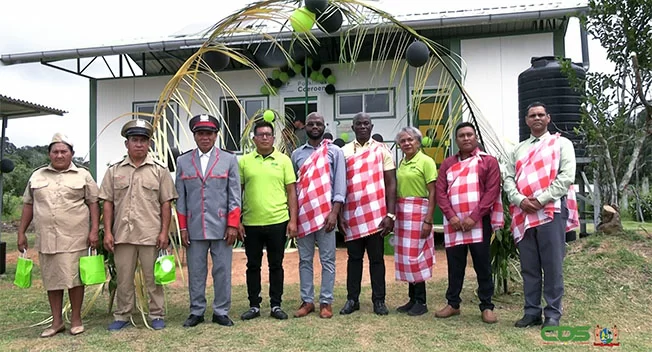
    Suriname’s healthcare system has taken a significant step forward with the inauguration of its second General Practitioner Urgent Care Center at Nieuwweergevondenweg 6. Health Minister André Misiekaba officially opened the facility on Saturday, describing it as a crucial component in the government’s broader strategy to enhance healthcare accessibility and gradually strengthen medical services nationwide.

    The new center addresses the overwhelming pressure on existing emergency services, particularly the Emergency Department at Paramaribo Academic Hospital (AZP), which handles the most critical and complex cases around the clock. Minister Misiekaba highlighted international models, specifically noting how neighborhood-based facilities in the United States operate their own emergency units to stabilize patients before potential transfers.

    Through the Regional Health Service (RGD), Suriname aims to develop a comparable system where urgent care centers manage less acute cases within communities. This approach allows hospital emergency departments to focus on life-threatening situations while patients with non-critical conditions receive treatment closer to home, resulting in more efficient allocation of healthcare resources.

    Minister Misiekaba also addressed ongoing staffing challenges, acknowledging that despite recruiting specialized nurses from countries including the Philippines, operating rooms and ICU beds remain limited. To fully restore AZP’s capacity, the government has allocated funds in the 2026 budget to attract additional specialized nursing staff.

    A third GP Urgent Care Center in Meerzorg is already in planning stages to accommodate growing demand in the area and improve healthcare access for much of Commewijne district. The minister urged citizens to first utilize their nearest urgent care facility, allowing nurses to determine if hospital referral is necessary—a practice that brings healthcare closer to communities while reducing strain on emergency departments.

    The first urgent care center operates at the State Health Fund on Fred Derbystraat. With this second opening, Suriname moves closer to establishing a better distributed, accessible, and community-focused healthcare structure.

  • Clinics across the island set for repairs in 2026

    Clinics across the island set for repairs in 2026

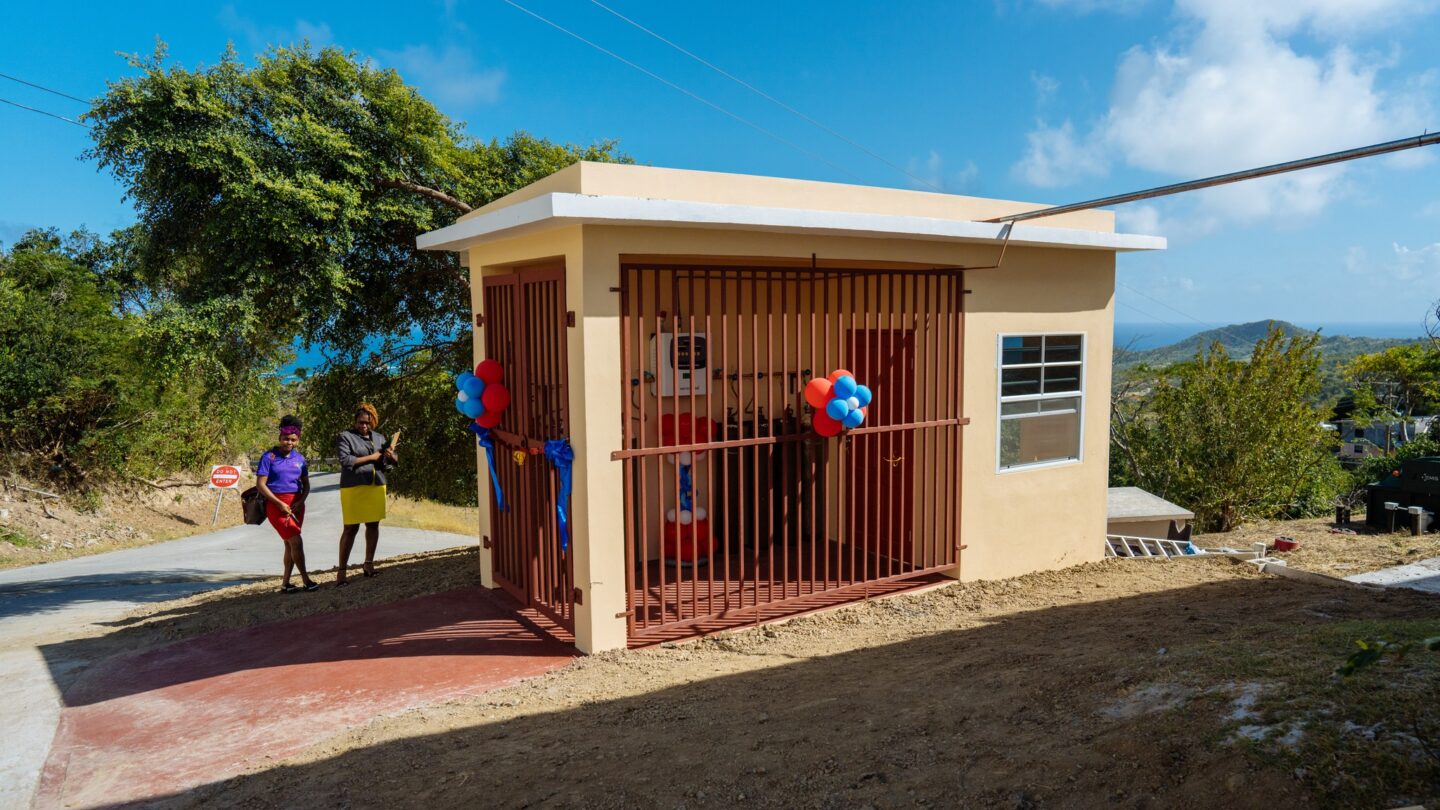
    The government of Antigua and Barbuda has unveiled an extensive public building rehabilitation initiative that will significantly expand in 2026, with health clinics receiving prioritized attention. This infrastructure enhancement program specifically targets critical issues including leaking roofs, moisture infiltration, and mold proliferation that have compromised air quality in medical facilities nationwide.

    Budget deliberations revealed that clinical facilities have been incorporated into a broader infrastructure rehabilitation agenda focused on creating safer environments for both healthcare professionals and patients. The comprehensive strategy involves systematic roof-sealing operations and remediation of persistent leaks identified as primary contributors to indoor humidity problems and fungal growth in public buildings.

    Building upon previous successful interventions at major government structures, the 2026 phase will concentrate on ensuring all publicly accessible buildings meet operational standards for safety and dryness. Ministry officials emphasize that these practical improvements are crucial not merely for structural integrity but fundamentally for public health protection.

    The clinical infrastructure upgrades constitute one component of a multidimensional approach encompassing public building maintenance, climate resilience adaptation, and sustainable facility management. The program aims to safeguard medical equipment integrity while establishing healthier environments for workers and citizens dependent on clinical services across the island nation.