分类: health

  • Belize Sees Sharp Spike in Severe Flu Cases

    Belize Sees Sharp Spike in Severe Flu Cases

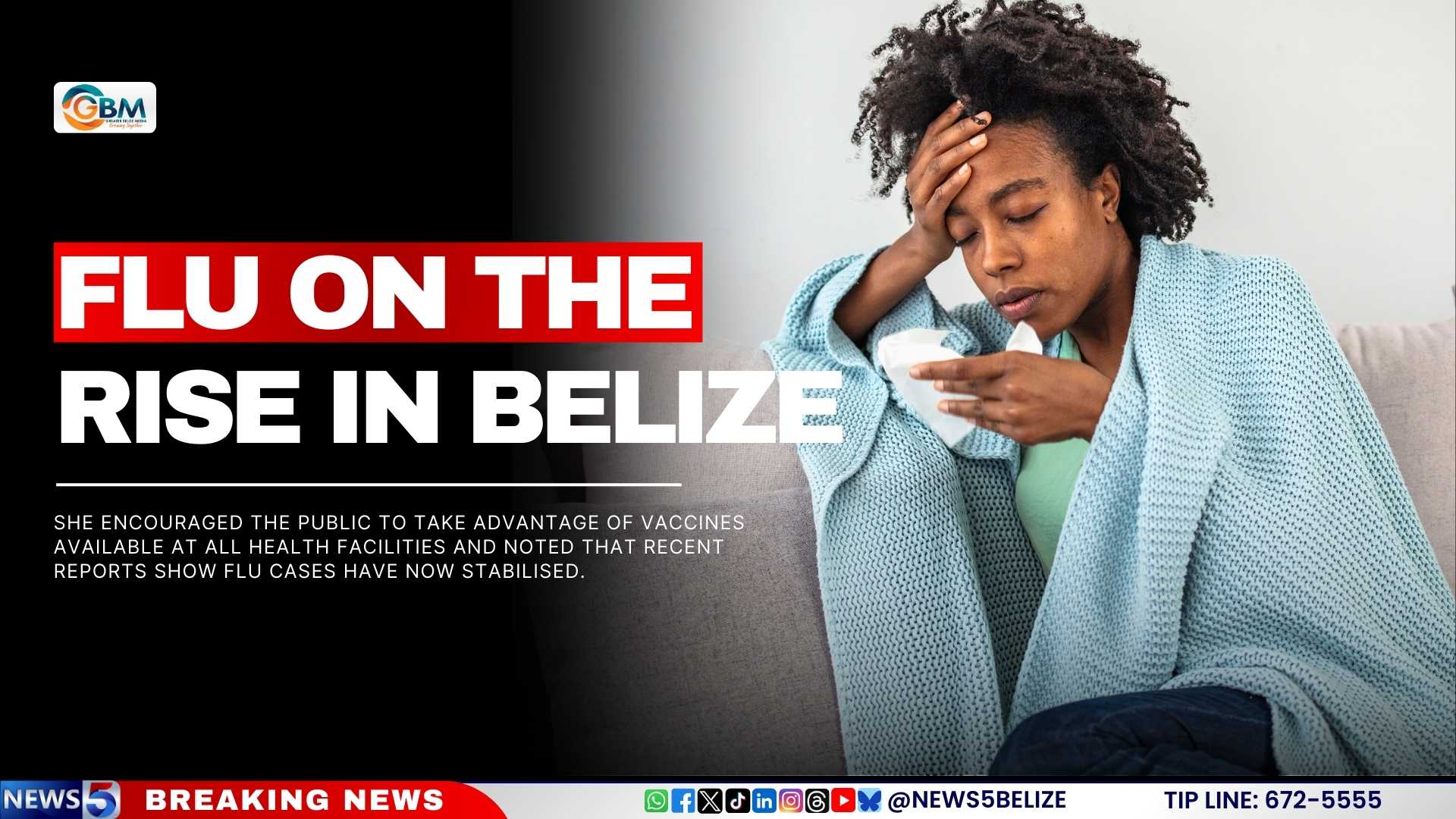
    Health authorities in Belize are confronting a significant public health challenge as the nation experiences a dramatic 50% increase in severe influenza-related hospitalizations compared to the previous year. This surge is placing unprecedented strain on the country’s healthcare infrastructure, with public hospitals and clinics reporting heightened pressure during the current flu season.

    Contrary to international concerns about the Influenza A(H3N2) variant, laboratory testing conducted within Belize has identified Influenza A(H1N1) as the predominant strain responsible for the current outbreak. Respiratory Syncytial Virus (RSV) infections have also shown increased activity, contributing to the overall rise in severe respiratory cases.

    Dr. Laura Friesen, Deputy Director of Public Health and Wellness, provided clarification regarding the viral strains present in the country. “We have not identified the H3N2 strain in Belize beyond two isolated cases detected approximately two months ago,” stated Dr. Friesen. “The current epidemiological pattern indicates H1N1 and RSV as the primary drivers of infection rates.”

    The seasonal pattern of respiratory illnesses typically shows increased transmission during November and December, but health officials note that the current severity exceeds normal annual variations. In response to the escalating situation, health authorities are emphasizing preventive measures including influenza vaccination for eligible populations.

    Dr. Friesen further recommended comprehensive health maintenance strategies: “Maintaining robust immune function through balanced nutrition rich in fruits and vegetables, regular physical activity, and adequate sleep represents a crucial defense against respiratory infections during this high-risk period.” The ministry continues to monitor the situation closely while urging public vigilance against further transmission.

  • Grief resurfaces for widower after latest PMH neglect claims

    Grief resurfaces for widower after latest PMH neglect claims

    A fresh wave of outrage has hit Princess Margaret Hospital (PMH) in The Bahamas following the death of Clanesha Adderley, with her family alleging severe medical neglect. The case has drawn striking parallels to another tragic incident from nearly two years ago, revealing what appears to be a persistent pattern of systemic failure within the nation’s public healthcare system.

    Jerad Darville, who lost his 33-year-old wife Kenise at PMH in January 2023, stated that the allegations surrounding Ms. Adderley’s death have reopened deep emotional wounds. The circumstances are eerily familiar: Ms. Adderley was found cold and unresponsive in a hospital ward on November 14, with staff allegedly unaware of her passing. Her family reports that in her final hours, she repeatedly struggled to get attention from medical personnel and even instructed relatives to contact a lawyer to sue the hospital.

    This narrative mirrors Kenise Darville’s experience, who days before her death posted a viral Facebook video detailing what she described as negligence and substandard care at PMH. The video has since garnered over 240,000 views and sparked national calls for healthcare reform.

    Mr. Darville expressed profound disappointment with the government’s response, noting that despite personal assurances from the Prime Minister to investigate these matters, accountability remains elusive. He criticized hospital management for creating an environment where overworked, underpaid staff operate with limited resources, while senior officials avoid public scrutiny by refusing to identify medical personnel involved in controversial cases.

    In a March 2023 letter, the Public Hospitals Authority claimed Kenise Darville died from being “extremely ill” and reported no shortcomings in her care—a conclusion her husband vehemently rejects. He argues that simply building additional facilities won’t address the core issues of staff frustration and management failures that directly impact patient outcomes.

    In response to the growing public concern, Health and Wellness Minister Dr. Michael Darville has pledged that his ministry will “do everything in its power” to investigate Ms. Adderley’s death. Both cases have become emblematic of what many Bahamian families believe is a broader pattern of neglect at the nation’s leading public medical facility.

  • Nationwide Cleanup Targets Rats, Mosquitoes and Illegal Dumping, CBH Says

    Nationwide Cleanup Targets Rats, Mosquitoes and Illegal Dumping, CBH Says

    A sweeping national public health campaign is currently in progress across Antigua and Barbuda, orchestrated by the Central Board of Health (CBH) to confront severe environmental health threats. This multi-agency operation unites the National Solid Waste Management Authority, the Royal Police Force, the Antigua and Barbuda Defence Force, and the Public Works Department in a targeted assault on communities plagued by severe illegal dumping, derelict vehicles, overgrown vegetation, and obstructed drainage systems.

    Julienne Mannix-Galloway, Principal Public Health Inspector at the CBH, emphasized that the initiative is a direct response to mounting risks of rodent and mosquito-borne diseases, including leptospirosis and dengue fever. She clarified the CBH’s regulatory mandate, which encompasses food safety, vector control, and environmental inspections, underscoring its pivotal role in mitigating conditions that facilitate pest proliferation and disease transmission.

    A critical tactical element of the campaign involves the strategic baiting of abandoned vehicles and structures prior to their removal. Mannix-Galloway explained this precaution is essential to prevent the mass migration of displaced rodents into adjacent residential areas, thereby exacerbating infestation problems. The comprehensive cleanup protocol further includes the eradication of bulk waste, clearing of vacant lots, trimming of dense vegetation, demolition of dilapidated buildings, and the flushing and deodorization of public drains. Due to constraints in staffing and equipment, operations are proceeding sequentially with an anticipated completion deadline by year’s end.

    Officials identified improper waste disposal by residents as a primary contributor to the crisis. Common practices such as leaving food waste exposed, overfeeding pets, and channeling kitchen refuse directly into open drains were cited as creating ideal breeding grounds for pests. In parallel, the CBH is intensifying scrutiny of food establishments, mandating the installation and maintenance of grease traps, and possessing the authority to shutter operations that present immediate public health dangers.

    The initiative also dovetails with national disaster preparedness objectives ahead of the annual hurricane season. By clearing drains and lots, the effort mitigates potential flooding risks and associated health hazards, a coordination effort that involves the National Office of Disaster Services in pinpointing vulnerable zones. At a strategic level, the CBH is advocating for more rigorous enforcement of the Litter Act, contending that perpetual cleanups are financially burdensome and unsustainable without a fundamental shift in public behavior and greater accountability. Mannix-Galloway concluded with an appeal for civic pride, urging citizens to maintain cleaned properties and adopt safer waste management practices.

  • Dr. Kelvin Charles, Respected Surgeon and Urologist, Has Died

    Dr. Kelvin Charles, Respected Surgeon and Urologist, Has Died

    The Medical Association of Antigua and Barbuda has announced the passing of Dr. Kelvin Charles, a revered general surgeon and urologist whose medical career spanned decades of exemplary service. The distinguished physician, recognized for his clinical expertise and unwavering dedication to patient care, leaves behind a legacy that has profoundly shaped the nation’s healthcare landscape.

    Dr. Charles established himself as a cornerstone of the medical community through his principled approach and professional excellence. His technical skill as a surgeon was matched by his compassionate patient care, earning him the deep respect of both colleagues and those he treated. Throughout his tenure, he played an instrumental role in advancing surgical and urological services, contributing significantly to the strengthening of medical infrastructure within the Caribbean nation.

    The void left by his departure represents a substantial loss to Antigua and Barbuda’s healthcare system, where he was regarded as both a skilled practitioner and a stabilizing presence. His contributions extended beyond individual patient interactions to broader impacts on medical standards and practices in the region.

    The medical association has expressed profound grief over the loss while extending heartfelt condolences to Dr. Charles’ family, friends, and colleagues. The organization emphasized that his professional legacy will endure through the numerous lives he positively impacted throughout his distinguished career. The community remembers him not only for his medical accomplishments but also for the steadfast commitment he demonstrated to the healing arts until his final days.

  • New US Dietary Guidelines urge Less Sugar, More Protein

    New US Dietary Guidelines urge Less Sugar, More Protein

    The United States has unveiled a transformative update to its federal dietary guidelines, marking a significant departure from previous nutritional advice. Released Wednesday by the Department of Health and Human Services (HHS) and the US Department of Agriculture (USDA), the new framework prioritizes protein intake and healthy fats while explicitly advising against ultraprocessed foods and added sugars.

    Secretary of Health and Human Services Robert F. Kennedy Jr. championed the concise new guidelines, which fulfill his promise to distill nutritional advice into a more accessible format. “My message is clear, eat real food,” Kennedy stated during a White House briefing. The recommendations notably endorse fats like olive oil, butter, and beef tallow—a shift from decades of advice promoting low-fat dairy products.

    A central visual change accompanies the update: an inverted pyramid places meats, cheese, and vegetables at its widest top section, replacing the longstanding MyPlate icon. Officials assert that adhering to these guidelines can help prevent or slow chronic diseases, a core tenet of the ‘Make America Healthy Again’ movement.

    The American Medical Association offered early endorsement. “The Guidelines affirm that food is medicine and offer clear direction patients and physicians can use to improve health,” said AMA President Dr. Bobby Mukkamala in a statement applauding the focus on processed foods and sugary beverages.

    Key specific changes include protein recommendations now based on body weight (1.2-1.6g per kilogram), advocacy for full-fat dairy without added sugars, and explicit guidance to avoid ultraprocessed packaged foods. The guidelines maintain cautions against alcohol and sugary drinks while updating infant nutrition advice to promote breastfeeding for up to two years and avoid added sugars through age 10.

    Some experts expressed concerns about the emphasis on red meat and dairy. Dr. Walter Willett, a Harvard nutrition professor, noted that while the guidelines address sugary drinks, they potentially overlook other critical areas. The update process itself has drawn scrutiny, with Kennedy criticizing previous development methods and promising continued reform of the advisory committee structure.

    These guidelines substantially influence federal nutrition programs including school meals, WIC, and SNAP, affecting millions of Americans. Their implementation will be closely watched by local health departments and public health officials grappling with the nation’s obesity epidemic.

  • Bahamian researcher: Obesity drugs may prevent colorectal cancer

    Bahamian researcher: Obesity drugs may prevent colorectal cancer

    A groundbreaking international study led by Bahamian researcher Dr. Colton Jones has revealed that medications commonly prescribed for diabetes and weight management may significantly reduce the risk of colorectal cancer. The research, which represents the first large-scale comparative analysis of its kind, demonstrates that glucagon-like peptide-1 receptor agonists (GLP-1s) outperform aspirin in preventive efficacy while presenting a more favorable safety profile.

    The comprehensive investigation, scheduled for presentation at the American Society of Clinical Oncology Gastrointestinal Cancers Symposium in San Francisco, examined health records of over 281,000 participants sourced from TriNetX, a commercial database encompassing 150 million patients across 106 healthcare organizations. The cohort, with an average age of 58 and comprising nearly 70% women, was divided between GLP-1 users and aspirin recipients.

    Research findings indicate that individuals administered GLP-1 medications experienced a 36% reduction in colorectal cancer incidence compared to those using aspirin. This protective effect proved even more pronounced among high-risk populations with personal or family history of the disease, reaching nearly 42% risk reduction.

    Dr. Jones, a cancer fellow and researcher at the University of Texas Health Science Center, emphasized the clinical significance of these findings: ‘While aspirin has demonstrated modest preventive benefits, its associated bleeding risks have limited widespread adoption for cancer prevention. GLP-1 receptor agonists, already extensively utilized for metabolic conditions, may offer a dual therapeutic advantage by addressing both metabolic control and oncological risk mitigation.’

    The study further revealed superior safety outcomes for GLP-1 medications, with users experiencing fewer instances of acute kidney injury, gastric ulcers, and gastrointestinal bleeding compared to aspirin recipients. However, gastrointestinal side effects including diarrhea and abdominal pain were more frequently reported among GLP-1 users.

    Notably, the protective benefits were most substantial among participants who initiated treatment before age 45 and were observed irrespective of obesity or diabetes status. Tobacco users and individuals with atherosclerotic disease did not demonstrate significant risk reduction. Among the specific medications analyzed, semaglutide, liraglutide, and dulaglutide showed considerable efficacy, while tirzepatide did not demonstrate comparable benefits.

    Despite the modest individual benefit requiring approximately 2,000 person-treatments to prevent one cancer case, researchers highlighted the substantial public health implications given that approximately 6% of adults currently use GLP-1 medications. Colorectal cancer remains a leading cause of cancer-related mortality in the United States, with approximately 150,000 diagnoses and over 50,000 fatalities recorded in 2025.

    Dr. Jones characterized the research as a milestone achievement for Bahamian science, noting that clinical trials will be necessary to further validate these observational findings and establish definitive clinical guidelines.

  • Toename griepgevallen: ministerie roept op tot extra waakzaamheid

    Toename griepgevallen: ministerie roept op tot extra waakzaamheid

    Health authorities in Suriname have sounded the alarm over a significant surge in influenza cases across the nation. The Ministry of Health, Welfare, and Labor (VW&A) has issued an urgent public health advisory calling for heightened vigilance and strict adherence to preventive measures to curb further viral transmission.

    According to the ministry’s latest assessment, implementing basic yet effective hygiene practices can substantially reduce infection risks. Critical recommendations include frequent handwashing with soap and water, utilizing alcohol-based sanitizers, practicing respiratory etiquette by coughing or sneezing into elbows, and proper disposal of used tissues. The advisory also emphasizes avoiding close contact with individuals displaying flu-like symptoms.

    Citizens experiencing influenza symptoms are urged to remain home and wear face masks when public interaction is unavoidable. The ministry further underscores the importance of maintaining healthy lifestyle practices—adequate rest, balanced nutrition, proper hydration, and regular physical activity—to bolster immune defenses.

    For those already affected, health officials recommend sufficient rest and increased fluid intake including water, tea, and soup. While paracetamol may alleviate fever and pain, aspirin is strongly discouraged for pediatric cases. Maintaining hand hygiene and respiratory etiquette remains crucial even during illness to prevent community spread.

    The ministry specifically advises immediate medical consultation when fever persists beyond three days, respiratory difficulties emerge, severe chest pain develops, or symptoms suddenly worsen. Elderly populations and individuals with chronic health conditions require particular vigilance due to elevated complication risks.

    Emphasizing collective responsibility, the Health Ministry asserts that proactive compliance with preventive measures can significantly mitigate influenza’s societal impact and better protect vulnerable demographic groups during this ongoing outbreak.

  • An immune shield for our elderly

    An immune shield for our elderly

    Cuban health authorities have launched a groundbreaking medical intervention utilizing domestically developed Biomodulin-T to combat the Chikungunya virus outbreak, particularly targeting vulnerable elderly populations. The initiative, centered at Havana’s Abelardo Ramírez polyclinic, represents a scientifically rigorous approach to addressing both prevention and treatment of the virus’s debilitating inflammatory sequelae.

    The strategic focus on seniors aged 70-74 stems from their heightened vulnerability due to immunosenescence—the natural aging process of the immune system that reduces infection resistance while increasing inflammatory responses. According to Dr. Alexis Labrada Rosado, Research and Development Director at Cuba’s National Center for Biopreparations (BioCen), this physiological phenomenon necessitates specialized immunological interventions for optimal protection.

    Biomodulin-T operates through a sophisticated mechanism that enhances the body’s adaptive immune response rather than directly attacking the virus. The immunomodulator regenerates T-cells—the immune system’s memory components—effectively priming the body’s defenses to better control viral replication and mitigate disease severity. This approach potentially reduces both acute symptoms and long-term complications.

    The study employs innovative comparative methodology, pitting Biomodulin-T against its Belarusian analogue Timalin across two distinct administration regimens: an experimental short-cycle (5 days) and an established extended protocol (6 weeks) previously validated during COVID-19 pandemic response. Nearly 700 participants are enrolled in this real-world assessment, selected based on the community’s high elderly demographic density and recent arbovirus activity.

    Notably, the intervention extends beyond preventive measures to therapeutic applications for existing Chikungunya sufferers experiencing persistent joint inflammation and arthralgia. The drug’s three-decade safety record in treating pediatric thymic hypoplasia and ongoing oncology applications provides substantial confidence in its risk profile, with researchers noting minimal adverse reactions historically.

    This comprehensive strategy exemplifies Cuba’s integrated approach to public health challenges, combining preventive care with therapeutic innovation while generating valuable scientific data for future epidemiological responses. The initiative operates under strict ethical supervision and regulatory oversight, potentially establishing new protocols for arbovirus management globally.

  • ‘Hope Beyond Melissa’ tackling post-storm trauma

    ‘Hope Beyond Melissa’ tackling post-storm trauma

    In the devastating aftermath of Hurricane Melissa’s catastrophic landfall in October 2025, Jamaica continues to confront profound psychological trauma among its population. The Category 5 storm, compounded by the earlier impact of Hurricane Beryl in July 2024, has created unprecedented mental health challenges, particularly in coastal communities where residents experienced life-threatening situations.

    Recognizing the critical need for intervention, St Elizabeth South Western MP Floyd Green initiated the emergency mental health program ‘Hope Beyond Melissa.’ This comprehensive response effort, implemented in partnership with the Southern Regional Health Authority, represents one of Jamaica’s most significant disaster mental health mobilizations.

    Clinical psychologist Amanda Fraser leads the program, which rapidly deployed over 30 mental health professionals within days of the hurricane’s impact. The team has since expanded to include 51 psychologists, six psychiatrists, and numerous clergy members providing essential psychosocial support across at least 35 affected communities.

    The program’s approach focuses on community-based care, establishing child-friendly spaces even in areas with complete infrastructure destruction. Fraser emphasizes the transformative nature of their work: ‘Seeing the gratitude for mental health support in a country where it has been stigmatized represents a remarkable shift in attitudes.’

    To date, the initiative has provided critical psychological first aid to more than 1,500 survivors, including both residents and emergency responders. The program’s success has prompted calls for expanded intervention, with the Ministry of Health now mobilizing resources for broader implementation.

    Particular concern remains for elderly survivors who have lost lifelong investments and face retirement in precarious circumstances. Green emphasizes the need for consistent, widespread mental health support across all severely affected regions, noting that the psychological impact of losing everything in hours requires sustained professional intervention.

    The program continues to seek additional mental health professionals to address the overwhelming need, representing a new paradigm in post-disaster psychological care for Caribbean nations facing increasingly severe weather events.

  • Health authorities launches roadmap to improve blood pressure control and save lives

    Health authorities launches roadmap to improve blood pressure control and save lives

    The Pan American Health Organization (PAHO) has unveiled a groundbreaking practical guide designed to revolutionize hypertension and cardiovascular disease management across the Americas. Published in The Lancet Regional Health – Americas, the HEARTS Quality Framework provides immediate, actionable strategies for primary healthcare systems to significantly reduce heart attacks and strokes within communities.

    Cardiovascular diseases remain the region’s most devastating health crisis, claiming over 2.2 million lives annually—many during individuals’ most productive years. Hypertension, affecting nearly 40% of adults, stands as the primary risk factor. Despite available affordable treatments, only one-third of hypertension patients achieve controlled blood pressure levels.

    PAHO Director Dr. Jarbas Barbosa emphasized the framework’s practical nature: “Hypertension remains the world’s deadliest health threat, but also one of the most manageable. This is not just another policy document—it’s the playbook already saving lives in thousands of community health clinics.”

    The framework addresses critical systemic barriers including inaccurate blood pressure measurements from outdated equipment, medication shortages, suboptimal treatments, and inefficient monthly prescription renewal requirements. It translates successful real-world experiences from 33 participating countries into a standardized, adaptable model.

    HEARTS in the Americas represents the world’s most extensive adaptation of WHO’s global initiative, currently operating in nearly 10,000 primary care facilities and managing over six million patients through standardized protocols. Regions implementing the program fully demonstrate remarkable success, achieving 60% blood pressure control rates—nearly double the regional average.

    The structured model mandates several evidence-based strategies: implementation of reliable automated blood pressure monitors, guaranteed supply of quality affordable medicines through pooled procurement, multi-month prescriptions, and authorization for trained nurses to adjust medication doses. The system incorporates monthly monitoring tools enabling healthcare providers to track outcomes and optimize care.

    These coordinated efforts support an ambitious “80-80-80 target”: 80% hypertension diagnosis rate, 80% treatment rate among diagnosed patients, and 80% control rate among those treated. Dr. Pedro Orduñez, corresponding author and PAHO Senior Advisor for Cardiovascular Disease, projects this could “prevent more than 400,000 deaths and 2.4 million hospitalizations by 2030.”

    Demonstrable successes already emerge across the region. Matanzas, Cuba witnessed control rates surge from 36% to 58% within one year, while Chile achieved increases from 37% to 65%. Economic analyses reveal the program pays for itself in under two years by preventing costly cardiac events. Colombia, Mexico, Trinidad and Tobago similarly report substantially improved control rates after adopting HEARTS standards.

    The Dominican Republic has established HEARTS as a government priority providing free treatment to millions. El Salvador expanded the program across its primary healthcare network, achieving nearly 70% control rates. Mexico has initiated nationwide implementation.

    Dr. Anselm Hennis, Director of PAHO’s Department of Noncommunicable Diseases and Mental Health, urged comprehensive adoption: “By committing to this model, we can deliver better care for noncommunicable diseases, save millions of lives, and strengthen primary health care across the Americas.” Dr. Esteban Londoño, lead author and PAHO international consultant, confirmed these results demonstrate “hypertension control and cardiovascular risk management at scale are possible” through standardized clinical pathways, reliable medicines, and team-based care.