Antigua and Barbuda is currently grappling with its 22nd wave of Saharan dust this year, as confirmed by the Meteorological Service in an air quality bulletin released on Sunday afternoon. The advisory, issued at 3:00 p.m., classified the air quality as moderate, with an Air Quality Index (AQI) ranging between 51 and 80. This condition is expected to persist until Monday, posing potential health risks to certain vulnerable groups. While the majority of the population faces minimal health threats, individuals with pre-existing conditions such as asthma, heart or respiratory issues, as well as children and the elderly, are advised to take precautionary measures. Officials have recommended limiting prolonged outdoor activities, especially during peak dust hours, as the fine particles in the dust plume can exacerbate breathing difficulties. The Antigua and Barbuda Meteorological Service is actively monitoring the situation and will provide ongoing updates through its website and social media channels. This recurring phenomenon underscores the broader environmental challenges posed by Saharan dust, which continues to impact air quality in the region.
分类: health
-
Lives and economies at risk from weak primary healthcare in region — report
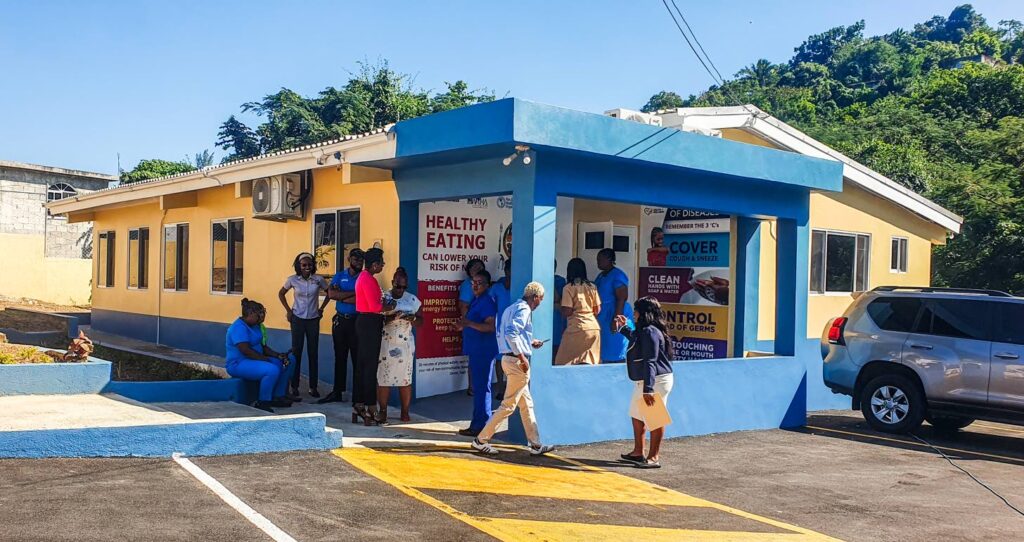
A groundbreaking report released on Monday by the World Bank and the Pan American Health Organisation (PAHO) has issued a stark warning: the lack of resilience in primary healthcare (PHC) systems across Latin America and the Caribbean (LAC) could result in catastrophic losses, both in human lives and economic stability. The report, titled “No Time to Wait: Resilience as the Cornerstone of Primary Health Care in Latin America and the Caribbean,” was unveiled during PAHO’s 62nd Directing Council, attended by health ministers and high-level delegates from the region. The study highlights that a 25–50 per cent reduction in PHC delivery due to a health emergency, such as a pandemic or natural disaster, could lead to up to 165,000 preventable deaths and economic losses ranging from US$7 to 37 billion over one to five years. Among the projected fatalities are 11,300 maternal deaths, 10,000 child deaths, and over 149,000 deaths from noncommunicable diseases (NCDs), alongside 14 million unintended pregnancies. Dr. Jarbas Barbosa, PAHO Director, emphasized that building robust PHC and resilience are inseparable. “Without resilient PHC, the next crisis will disproportionately affect the poorest and most marginalized communities,” he stated. The report defines resilience as the ability of health systems to maintain essential services equitably before, during, and after shocks, including pandemics, hurricanes, and floods. The COVID-19 pandemic exposed the region’s vulnerabilities, with LAC accounting for 30 per cent of global COVID-19 deaths despite representing only 8.5 per cent of the world’s population. Essential services like maternal care, childhood immunization, and chronic disease treatment plummeted by up to 50 per cent, with some countries experiencing gaps for over two years. The region, prone to hurricanes, floods, and vector-borne outbreaks, remains heavily reliant on hospital-centered, fragmented health systems with insufficient investment in PHC. Jaime Saavedra, World Bank’s Director of Human Development for LAC, stressed that strengthening PHC is one of the region’s greatest health challenges. The report outlines a five-point action plan to build resilience, including expanding equitable care models, embedding public health functions within PHC, and ensuring sustainable financing. PAHO urges health leaders to prioritize PHC resilience as a political and economic imperative.
-
OCHA reports increase in cholera cases in Haiti
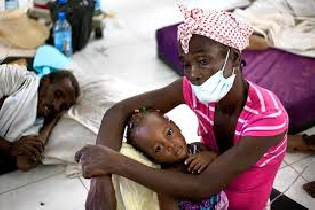
The United Nations Office for the Coordination of Humanitarian Affairs (OCHA) has raised alarms over a sharp increase in cholera cases in Haiti, particularly in the Port-au-Prince metropolitan area. Pétion-Ville, a key economic and educational center, has become a major hotspot for the disease. Farhan Haq, Deputy Spokesperson for UN Secretary-General Antonio Guterres, revealed that between September 21 and 25, 40 suspected cases and three deaths were reported in Pétion-Ville alone. This surge coincides with the imminent start of the new school year, heightening concerns about further transmission. In total, 66 suspected cases have been recorded in the capital and surrounding communes in recent days, marking a significant escalation compared to previous weeks. Young adults, who are highly mobile due to work and daily activities, constitute the majority of cases, raising fears of the disease spreading to other areas such as Delmas, Tabarre, and Carrefour. Nationwide, over 3,100 suspected cholera cases have been reported this year. In response, local health teams are conducting investigations, collecting samples, distributing water purification tablets, and launching awareness campaigns in affected neighborhoods like Brisetoux and Bobin. OCHA, in collaboration with Haitian authorities and partners, is intensifying efforts to monitor cases and mobilize health workers to curb the outbreak’s spread.
-
Troubling suicide pattern JCF reports mid-year spike in cases
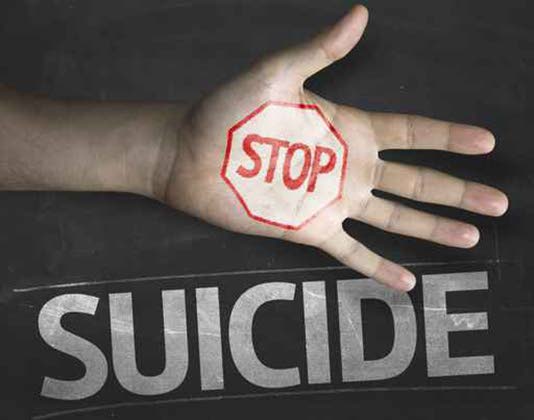
A recent report by the Jamaica Constabulary Force (JCF) has unveiled a concerning mid-year spike in suicide cases across the country, despite an overall decline in numbers for 2025. Between January and September, Jamaica recorded 44 suicides, marking a 16.9% decrease compared to the 53 cases reported during the same period in 2024. However, the JCF has cautioned against interpreting this as a positive trend, highlighting a worrying reversal in the latter half of the year. July 2025 saw eight suicides, a 33% increase over July 2024, while August and September experienced rises of 20% and 25%, respectively. Geographically, the data reveals a shift in hotspots, with St Catherine north emerging as a significant area of concern, recording four cases in July alone. The JCF emphasized that suicide is not a uniform national issue but often reflects localized socio-economic or community pressures. Gender remains a critical factor, with men constituting the majority of cases. However, there are signs of a potential increase in suicides among women, as highlighted by the recent suspected suicide of 26-year-old Tyra Spaulding, a former Miss Universe Jamaica contestant. The JCF has called for urgent, gender-sensitive interventions, recognizing suicide as a broader public health and social challenge. The police force has urged stakeholders, including mental health professionals, social workers, educators, and community leaders, to intensify efforts to address the issue. The JCF reiterated its commitment to supporting national partners in strengthening community resilience and providing essential counseling and support services. Individuals struggling with mental health challenges are encouraged to seek assistance through various channels, including the Mental Health and Suicide Prevention Helpline at 888-639-5433.
-
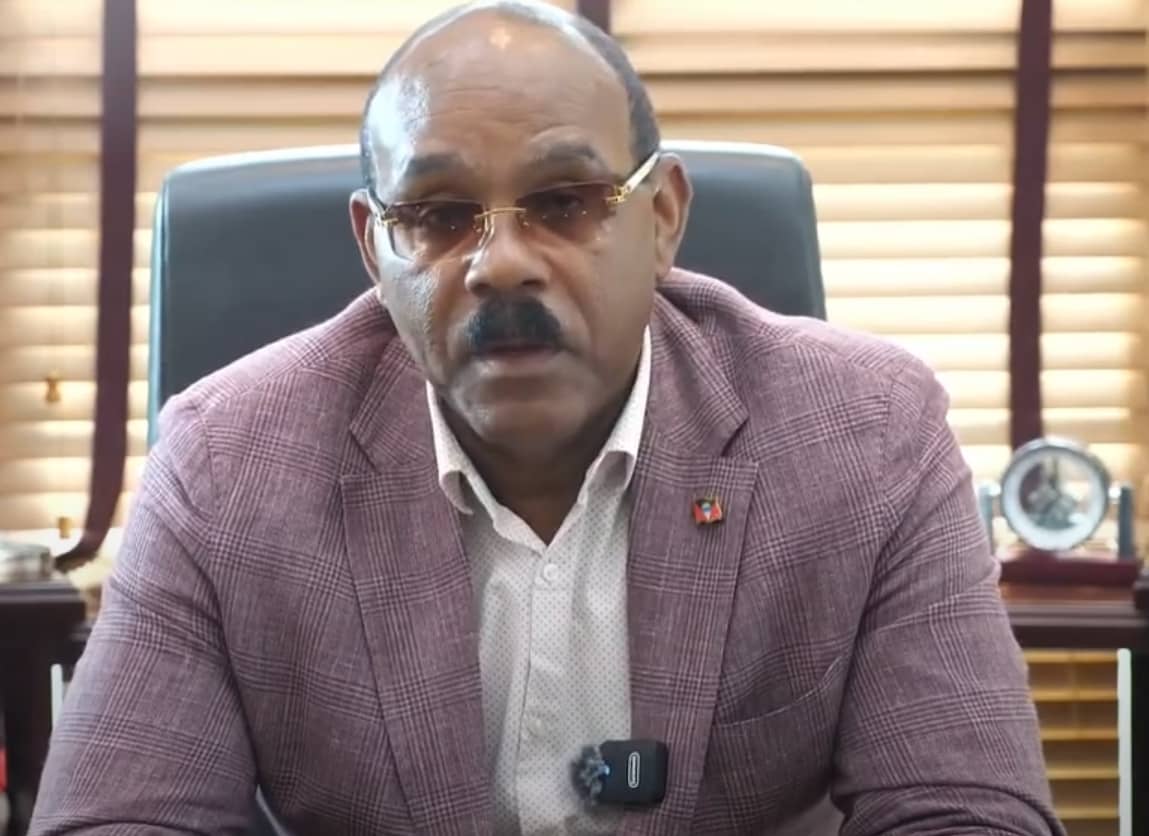
PM Gaston Browne Calls for Global Action to Put Mental Health at the Heart of Development
In a groundbreaking address, Prime Minister Gaston Browne of Antigua and Barbuda has called for a transformative global vision to prioritize mental health as a cornerstone of sustainable development. Highlighting mental illness as the ‘great invisible crisis of our time,’ Browne emphasized its pervasive impact on families, communities, and nations, often overshadowed by stigma and neglect. He argued that mental health is not merely a personal struggle but a universal challenge intertwined with human rights, social justice, and economic stability. Browne outlined three critical imperatives: normalizing mental wellness, ensuring universal access to care, and fostering global solidarity. He urged the international community to treat mental health with the same urgency and investment as physical health, leveraging innovation and collaboration to dismantle barriers to care. Antigua and Barbuda pledged to lead by example, sharing its experiences and advocating for mental health integration into global development policies. The Prime Minister concluded with a powerful call to action, declaring that true human progress is impossible without mental wellness, and urging the world to make this decade a turning point in the fight for mental health equity.
-

Hypertension, Diabetes and Cancer Drive 75% of Caribbean Deaths, PM Warns
Antigua and Barbuda’s Prime Minister Gaston Browne has issued a stark warning to global leaders, highlighting the escalating threat of non-communicable diseases (NCDs) in the Caribbean. Speaking at the United Nations General Assembly, Browne emphasized that NCDs—such as hypertension, diabetes, and cancer—are responsible for a staggering 75% of all deaths in the region. He described the situation as a “silent global health crisis” that demands immediate and coordinated international action. Browne stressed that NCDs are now the leading cause of mortality worldwide and should be prioritized with the same urgency as infectious diseases. He underscored the profound impact of these illnesses on families, economies, and healthcare systems, particularly in low- and middle-income countries, which bear a disproportionate burden. The Prime Minister called for increased investment in prevention, early detection, and equitable access to treatment, arguing that chronic illnesses divert critical resources from development initiatives. Browne also linked the NCD crisis to mental health, advocating for its recognition as a human right and an integral component of sustainable development. He urged governments to allocate more funding to mental wellness and NCD prevention, warning that without intervention, the social and economic costs will continue to escalate. His remarks underscored the Caribbean’s efforts to elevate health issues on the global agenda, as the region contends with aging populations, dietary changes, and limited capacity to address lifestyle-related diseases.
-
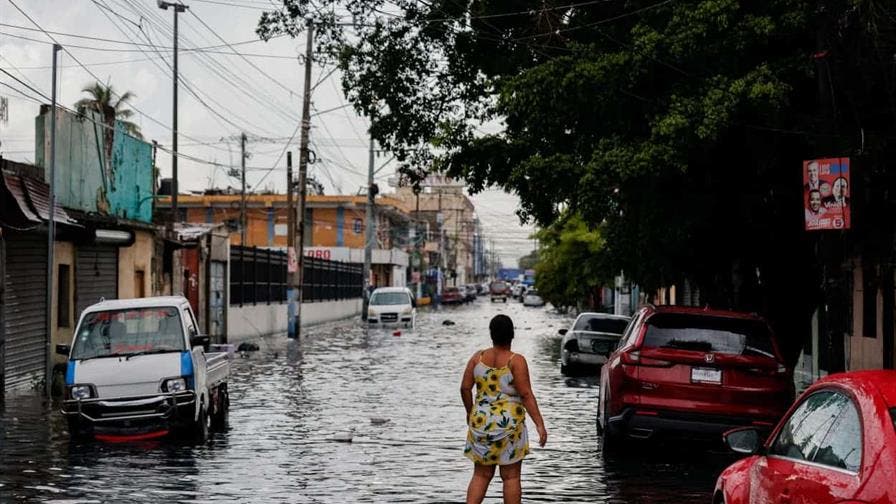
Public Health warns about health risks during the rains
In response to the recent heavy rains across the country, the Ministry of Health has issued a series of preventive guidelines to mitigate the risk of waterborne and respiratory illnesses. The accumulation of stagnant water and improper handling of food or consumption of contaminated water could lead to a surge in cases of dengue, leptospirosis, and acute diarrheal disease (ADD), among other health concerns. The Health Agency has highlighted that the rainy season often coincides with an increase in acute respiratory illnesses and epidemics, urging the public to adhere to local health recommendations for both prevention and treatment. Authorities have emphasized the importance of consuming only potable water. If safe drinking water is unavailable, they recommend purifying it by boiling, filtering, or adding five drops of chlorine per gallon and allowing it to sit for 30 minutes to eliminate contaminants. For domestic water storage, the Ministry advises applying chlorine evenly to the walls of water tanks using a clean cloth and keeping them covered to prevent the breeding of mosquito larvae, which can spread diseases like dengue. Additionally, the public is encouraged to maintain proper hygiene by washing kitchen utensils thoroughly, storing food safely, and washing fruits and vegetables before consumption. Avoiding contact with contaminated water or animal feces is also crucial to prevent leptospirosis. The Ministry stresses the importance of handwashing with soap and water for at least 20 seconds after using the bathroom, before eating, and before handling food. Using tissues when sneezing can help curb the spread of flu viruses. Proper waste disposal is another critical measure; garbage bags should not be left on sidewalks during rain but instead placed in containers or kept until garbage trucks arrive. The Health Agency strongly advises against self-medication. Individuals experiencing symptoms such as fever, diarrhea, vomiting, respiratory illness, or general malaise should seek immediate medical attention at the nearest health center, which is equipped to handle such cases. Special care should be taken with vulnerable groups, including the elderly, individuals with chronic diseases, mental health disorders, and disabilities. The Ministry urges the public to stay informed through official sources like the Dominican Institute of Meteorology (INDOMET) and the Emergency Operations Center (COE) and to adopt these preventive measures to safeguard their health.
-
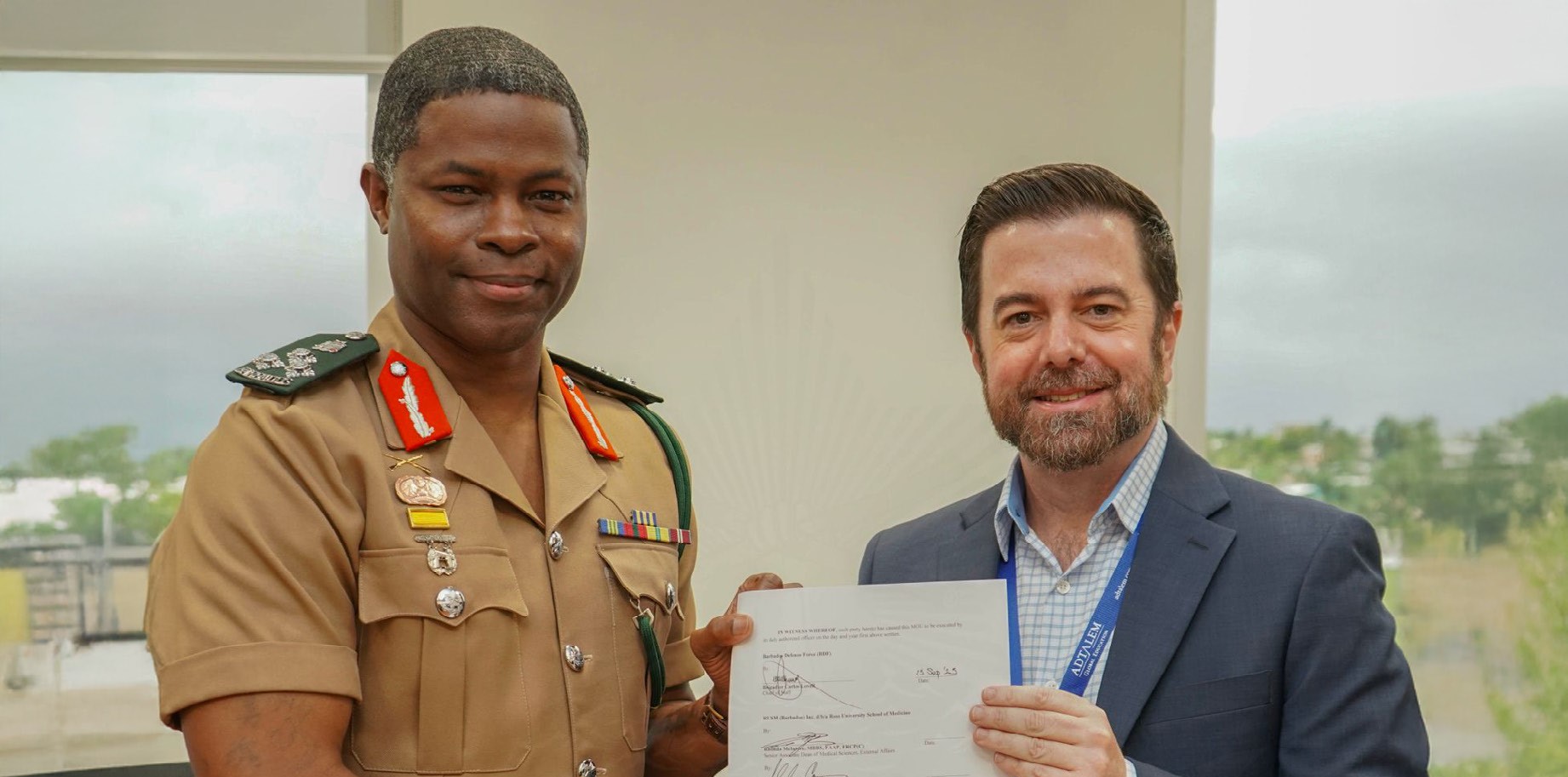
BDF, Ross University forge strategic medical partnership
The Barbados Defence Force (BDF) has taken a significant stride in enhancing its medical capabilities by entering into a strategic Memorandum of Understanding (MoU) with Ross University School of Medicine (RUSM). This landmark agreement aims to bolster training, capacity-building, and the overall medical experience for BDF personnel. The signing ceremony featured key representatives from both institutions, including Brigadier Carlos Lovell, BDF’s chief of staff; Alejandro Carrasco, interim dean of RUSM; and Dr. Rhonda McIntyre, senior associate dean for external affairs at RUSM. Carrasco highlighted the partnership as a pivotal move in RUSM’s mission to strengthen ties with the BDF, offering its students unparalleled learning opportunities. Brigadier Lovell expressed the BDF’s enthusiasm, emphasizing the collaboration’s potential to elevate medical standards for both practitioners and beneficiaries. He reiterated the BDF’s dual role as a military institution and a dedicated community partner, stating, ‘This partnership underscores our commitment to enhancing the health and wellness of our personnel.’ The collaboration is expected to deliver long-term benefits, including advanced clinical training, improved medical service delivery, and enhanced inter-institutional cooperation, thereby reinforcing the BDF’s mission readiness and holistic support for its members.
-
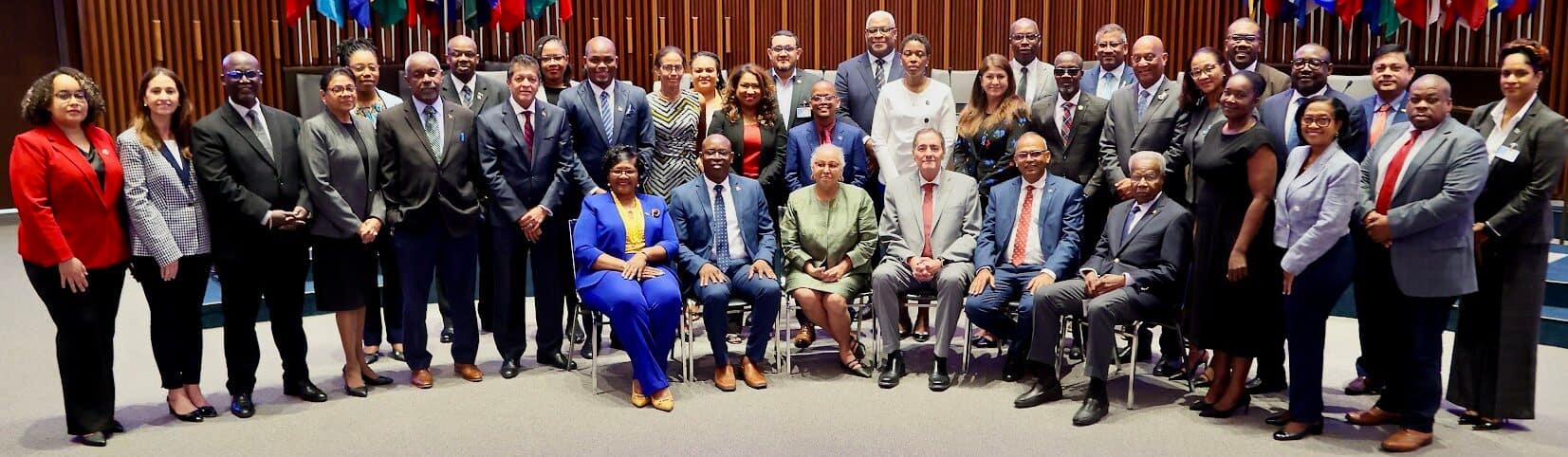
Caribbean Health Leaders Call for Urgent Action to Build Resilient Health Systems amidst Climate and Economic Threats
The 50th Meeting of the Council for Human and Social Development – Health (COHSOD-Health) convened in Washington, D.C., from September 26–27, 2025, bringing together CARICOM Ministers of Health, Permanent Secretaries, Chief Medical Officers, and representatives from regional and international institutions. The event, chaired by the Hon. Philip Telesford, Minister of Health, Wellness, and Religious Affairs of Grenada, underscored the urgent need to address pressing health challenges in the Caribbean region. Minister Telesford emphasized the dual social and economic implications of health threats, particularly Non-communicable Diseases (NCDs), which continue to strain productivity and national budgets. He highlighted that diseases not only impact individual well-being but also carry significant financial consequences, making health an economic imperative. CARICOM Assistant Secretary-General for Human and Social Development, Ms. Alison Drayton, reinforced the call for coordinated action, citing emerging communicable diseases, climate change, and rising crime rates as compounding factors. The meeting celebrated key milestones, including CARICOM’s endorsement of the Pandemic Agreement at the 78th World Health Assembly, the launch of the PAHO-CARICOM Joint Subregional Cooperation Strategy, and the signing of the CARICOM-HEDPAC Memorandum of Understanding. Efforts to combat antimicrobial resistance and address crime and violence as public health issues were also highlighted. The event reaffirmed CARICOM’s commitment to collaborative leadership and proactive responses to emerging health threats, ensuring the region’s health systems remain resilient in a rapidly evolving global landscape.
-

Shift focus from rectal exam for prostate cancer screening, says urologist
A prominent Jamaican urologist, Dr. Colette Antoine, is advocating for a significant shift in prostate cancer screening practices, urging a move away from the traditional digital rectal examination (DRE) towards the prostate-specific antigen (PSA) blood test. Dr. Antoine highlights the DRE’s limited sensitivity in detecting early-stage prostate cancer, emphasizing the PSA test’s superior ability to identify potential issues before symptoms manifest. Prostate cancer remains the leading cause of death among Jamaican men and the most prevalent cancer in the country. The PSA test measures levels of prostate-specific antigen in the blood, with elevated levels often indicating the presence of cancer. In contrast, the DRE involves a physical examination of the prostate through the rectum, which can miss cancers located on the front wall of the gland. Dr. Antoine’s stance aligns with the British Association of Urological Surgeons (BAUS), which recently criticized the DRE as an outdated and ineffective method. Historically, the DRE has been more widely promoted in Jamaica due to its cost-effectiveness compared to the PSA test, which is more expensive. However, Dr. Antoine stresses that combining both tests offers the most comprehensive screening approach. Despite the social stigma surrounding the DRE, particularly in Jamaica where homophobic attitudes are prevalent, urologist Dr. Dean Wong notes that many men privately consent to the exam without hesitation. Dr. Antoine observes that asymptomatic men are increasingly receptive to screening, partly due to her being a woman, while symptomatic men are more likely to agree due to the urgency of their condition. Younger men, in particular, are becoming more proactive, often opting for multiple screenings annually.