分类: health

  • “Uniting Science and Community” in HIV Push

    “Uniting Science and Community” in HIV Push

    In a groundbreaking public health gathering for Central America, health leaders, scientific experts, policymakers and cross-sector community representatives gathered in Belize City on April 29, 2026 for a landmark symposium hosted by the International AIDS Society (IAS) Educational Fund, aimed at stepping up the country’s fight against HIV.

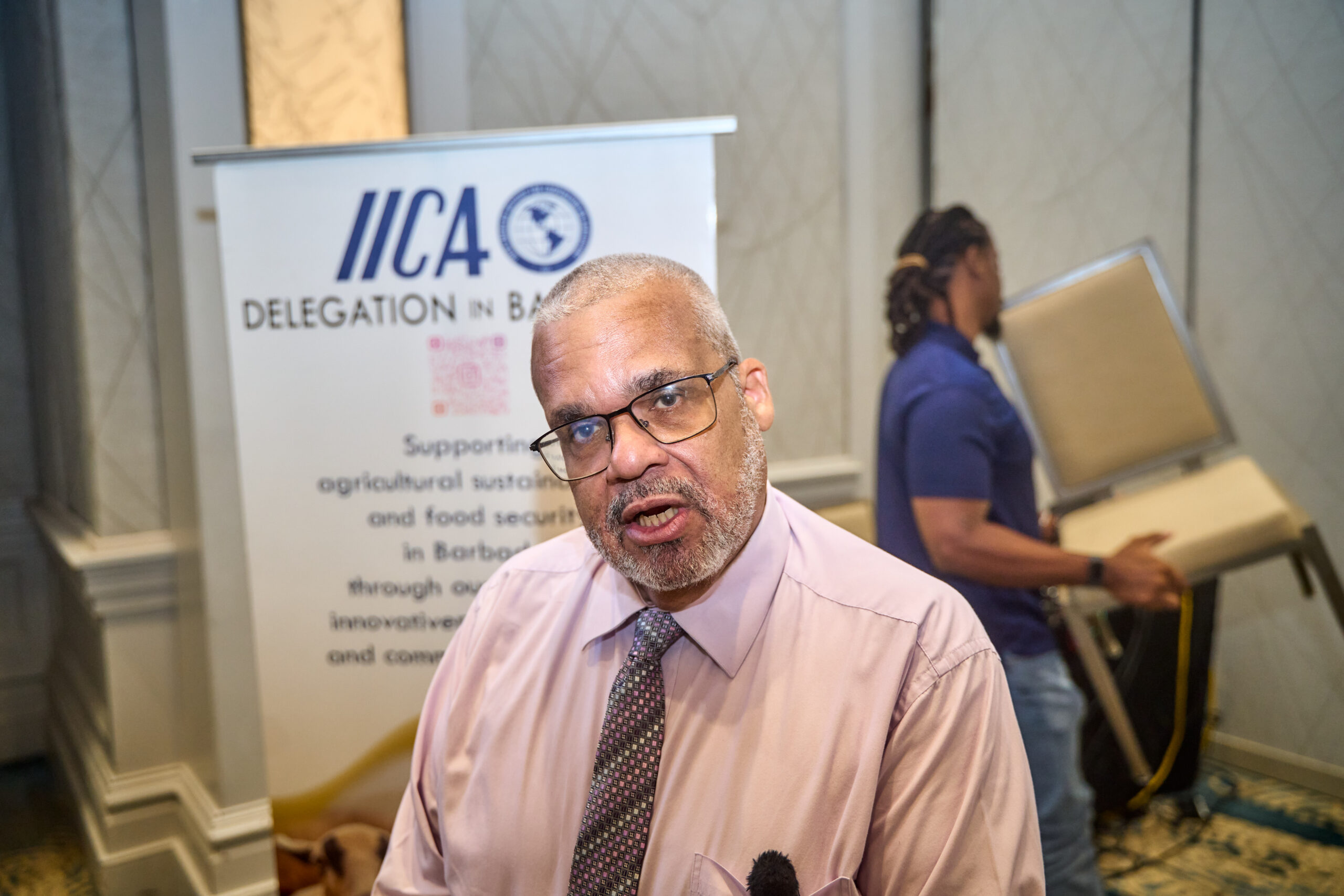
    Touted as the first event of its kind both in Belize and across the entire Central American region, the symposium carries the theme “Uniting science and community for an accelerated HIV response in Belize”, and was convened to address existing gaps in the country’s national HIV program. Dr. Joshua Canul, Assistant Deputy Director for HIV/TB & STIs at Belize’s Ministry of Health and Wellness, emphasized the historic significance of the convening, noting that while the national government currently covers approximately 80 percent of all funding for the country’s HIV response, progress has been held back by systemic delays that need urgent addressing.

    Unlike traditional public health gatherings that focus primarily on medical professionals, this symposium intentionally expanded participation beyond the health sector to include teachers, religious leaders, and representatives from a wide range of community organizations. This multi-stakeholder, community-centered approach is a core part of Belize’s strategy to reach the globally recognized 95-95-95 HIV treatment and prevention targets set by UNAIDS.

    Eva Burgos, Executive Director of GOJoven Belize, a leading local organization working on HIV response, highlighted that the IAS brings a wealth of cutting-edge, innovative approaches to HIV programming. She stressed that as a small nation working to curb its HIV epidemic, Belize must prioritize developing new, context-specific strategies to improve HIV prevention outcomes that meet the unique needs of its communities.

    According to event organizers, insights and agreements reached during the one-day symposium will directly inform ongoing national initiatives to close gaps in HIV treatment access, scale up effective prevention services, and keep Belize on track to meet its 2030 UNAIDS commitments to end AIDS as a public health threat.

  • Ministry of Health: ‘We Have Enough Condoms’

    Ministry of Health: ‘We Have Enough Condoms’

    As global condom markets face growing disruption and price increases tied to escalating geopolitical tensions between the United States and Iran, Belize’s health authorities have moved to reassure the public that the nation’s current supply of condoms remains sufficient to meet demand.

    Dr. Joshua Canul, a senior official with Belize’s Ministry of Health and Wellness, addressed widespread public concern over potential shortages in an official statement released April 29, 2026. The anxiety over condom access emerged earlier this month after local outlet News 5 reported that Karex, the world’s single largest condom producer, would implement price hikes of between 20% and 30% to offset rising costs stemming from US-Iran conflict-related supply chain breakdowns.

    Canul emphasized that modern geopolitical instability does not only impact global food markets, as many citizens assume – it sends ripples through every sector of the global supply chain, including public health commodities. He pointed to early indicators of this impact already visible in Belize, noting that freight costs for critical HIV and tuberculosis medications imported into the country have already jumped in recent months.

    On a global scale, the current condom market is facing overlapping pressures that have put global supply chains under extreme stress. Consumer demand for condoms has risen sharply in recent months, while average international delivery times have nearly doubled compared to pre-tension levels. This dynamic has created significant anxiety among low- and middle-income nations that rely almost entirely on imported condoms for their public health programs.

    Despite these worrying global trends, Canul stressed that Belize has managed to avoid immediate disruption. “At this point in time, we do have enough,” he stated, though he stopped short of ruling out future challenges. The health official acknowledged that sustained growth in demand could eventually strain the nation’s existing stockpiles if global instability continues.

    For Belizeans seeking access to condoms, Canul confirmed that free distribution through the country’s public health system remains fully operational. Condoms are currently available at no cost to residents at every government health facility across the nation. While the available stock may not include the branded options that many consumers prefer, Canul confirmed that functional, effective products are readily available for anyone who needs them.

    Belize’s Ministry of Health has long relied on proactive demand forecasting and strategic procurement planning to maintain stable public health commodity supplies while avoiding unnecessary waste. Even with this careful planning in place, however, officials warn that prolonged global geopolitical unrest could eventually trigger secondary impacts on Belize’s domestic supply. For the moment, though, Belize’s public condom stock remains steady, even as international market prices continue their upward climb.

  • Retired General Surgeon Dr. Ramamurthi Bekal Dies at 94

    Retired General Surgeon Dr. Ramamurthi Bekal Dies at 94

    The Medical Association of Antigua and Barbuda (MAAB) has issued an official statement mourning the passing of retired veteran general surgeon Dr. Ramamurthi Bekal, who died peacefully at his personal residence on Tuesday, April 28, 2026. He was 94 years old at the time of his death.

    On behalf of the entire national medical community, the MAAB extended its deepest condolences to Bekal’s family, close friends, and professional colleagues who worked alongside him throughout his decades-long career. A towering figure in Antigua and Barbuda’s local surgical landscape, Dr. Bekal dedicated more than 35 years of service to the island nation’s primary public healthcare facility, Holberton Hospital.

    Far beyond his role as a practicing clinician, Dr. Bekal stood as a foundational steward of Antigua and Barbuda’s institutional medical knowledge. Over his decades of practice, he served as a committed mentor to emerging medical talent, directly shaping the professional trajectories of multiple generations of local physicians who continue to serve the nation today.

    Colleagues and patients alike will remember Dr. Bekal most vividly for his calm, unassuming demeanor, unwavering compassion for those in his care, and lifelong dedication to patient advocacy. His signature patient-centered approach to care became a model for young clinicians, demonstrating that advanced surgical expertise achieves its greatest impact when paired with genuine empathy and a gentle, caring spirit.

    Today, his legacy endures both in the hundreds of lives he saved through his skilled work and in the community of medical professionals he trained, who continue to practice medicine with the same unwavering integrity and quiet grace that defined Dr. Bekal’s daily practice. The 2026–2028 MAAB Executive Team reaffirmed that the association holds the Bekal family in its thoughts and prayers as they navigate this period of loss, and offered a final tribute: may Dr. Ramamurthi Bekal rest in eternal peace.

  • Baltimore Says New Glanvilles Ambulance Will Strengthen Emergency Response in St Philip

    Baltimore Says New Glanvilles Ambulance Will Strengthen Emergency Response in St Philip

    A milestone improvement to local emergency medical care has arrived in eastern Antigua, as a brand-new ambulance has been officially deployed to the Glanvilles Polyclinic to strengthen response capabilities across the St Philip district and its surrounding communities. At the official handover ceremony held to mark the occasion, incumbent area Parliamentary Representative Randy Baltimore hailed the addition as a transformative, long-awaited win for residents of the island’s eastern corridor.

    Baltimore opened his remarks by extending public gratitude to the nation’s Ministry of Health for advancing the initiative that local communities had anticipated for years. Addressing a gathered audience of emergency medical personnel, nurses, and attending physicians, he emphasized that the new vehicle would fill a critical gap in the region’s emergency care infrastructure, directly supporting life-saving interventions when patients need urgent care.

    “Every second counts” when responding to medical emergencies, Baltimore stressed, a reminder of how reduced wait times can dramatically change patient outcomes in critical situations. He outlined that the enhanced emergency service will deliver tangible, direct benefits to communities across both St Philip’s North and South constituencies, as well as nearby neighboring villages, by expanding access to rapid on-demand medical assistance that was previously less accessible in the geographically distant eastern region.

    Turning to the emergency medical technicians and paramedics who will operate the new ambulance, Baltimore highlighted the irreplaceable value of their frontline work. He framed the vehicle itself as more than just medical equipment: “This is your office, and within it, you will make the difference between a crisis and a success story.”

    A key additional benefit of the permanent deployment, Baltimore explained, is that basing the ambulance in Glanvilles will cut the region’s reliance on ambulances that have historically had to travel all the way from St John’s to respond to calls in eastern Antigua. This shift will not only slash average response times for emergency calls in St Philip, but also ease operational pressure on the already stretched existing emergency medical services based in the capital.

    Following the formal handover ceremony, the new ambulance is scheduled to enter immediate service, becoming a core component of ongoing government efforts to expand and strengthen emergency medical coverage across eastern Antigua.

  • New Glanvilles Ambulance Features Built-In Oxygen System, Health Minister Says

    New Glanvilles Ambulance Features Built-In Oxygen System, Health Minister Says

    In a landmark upgrade to pre-hospital emergency medical services across Antigua and Barbuda, the nation’s first ambulance fitted with a permanent built-in oxygen system has been officially commissioned and deployed to Glanvilles Polyclinic, according to Health Minister Sir Molwyn Joseph.

    Speaking at the formal handover ceremony for the new vehicle, Joseph emphasized that the introduction of this specialized ambulance represents a transformative leap forward in the country’s emergency care infrastructure. He repeatedly stressed the milestone, noting it is the first public ambulance in the nation to include the integrated oxygen feature that will dramatically improve on-site and in-transit care for critical patients.

    Beyond its innovative oxygen system, the new ambulance is designed to accommodate a wider range of cutting-edge medical equipment. A key addition is a connected heart monitor that can transmit real-time patient vital data to receiving hospital clinical teams before the ambulance even arrives at the facility. This advance allows emergency department physicians to prepare fully for a patient’s arrival, eliminating critical delays in initiating targeted treatment and streamlining the entire emergency response chain, Joseph explained.

    The decision to station the new ambulance at Glanvilles Polyclinic addresses a longstanding gap in healthcare access for communities along the nation’s Eastern Corridor. For years, emergency calls in this region required ambulances to travel all the way from the capital city of St. John’s, resulting in dangerous, unacceptable delays that put local residents at disproportionate risk during life-threatening emergencies. With the dedicated ambulance now based locally, Joseph projected that response times will fall sharply, a change that can mean the difference between life and death for patients in crisis. “Every minute counts. Every second counts when you’re responding to an emergency,” he noted.

    Joseph credited Prime Minister Gaston Browne for prioritizing the investment by allocating the necessary funding to acquire the ambulance, even in the lead-up to a national election. He emphasized that the Ministry of Health has not paused its core work to expand and improve healthcare access, framing the deployment as a reflection of the government’s commitment to closing long-standing gaps in underserved communities. “To delay is to leave the people of these parts at greater risk,” he said, adding that the deployment is just the first step in a broader national initiative to modernize and expand emergency medical services across the entire country, starting with areas that have historically been underserved.

    The new deployment also comes alongside an upcoming operational restructuring at the Glanvilles facility that will further improve services. Services that have temporarily been hosted at Glanvilles are set to transition back to the All Saints medical facility, a shift that is almost complete. Once the transition is finalized, the Glanvilles Polyclinic will gain significant additional space, which will improve working conditions for clinical staff and expand capacity to serve patients more effectively.

    Following the formal handover ceremony, the ambulance entered immediate active service, bringing faster, more advanced emergency care to residents of Glanvilles, Willikies, and all surrounding communities across the Eastern Corridor.

  • Nurses stepping up action over wages, says Stuart

    Nurses stepping up action over wages, says Stuart

    Nurses across Trinidad and Tobago have entered a new stage of industrial action this week, rolling out a regulated one nurse-to-six-patients staffing ratio as pressure builds on the newly elected one-year-old government to resolve long-stalled wage negotiations. This announcement came directly from Idi Stuart, president of the Trinidad and Tobago National Nursing Association (TTNNA), during a live interview on i95.5 FM on Monday, April 28.

    Stuart explained that the industrial action strategy has been rolled out in three planned phases, with this week’s implementation of the standardized staffing ratio marking the second stage of pushback. The first phase, which drew thousands of participating nurses and other healthcare workers, saw a mass public protest march through the streets of Port of Spain in recent weeks. If the government continues to refuse to meet with the association to address nursing demands, Stuart confirmed a third phase – another large-scale mass protest – will be activated.

    “After the government declined our repeated requests for negotiations, our executive held a special general meeting and approved three key actions,” Stuart told reporters. “The first, effective April 28, is the rollout of total patient-centered nursing care aligned with international best practice, and that means sticking to this one-to-six staffing ratio. We’re calling it our anniversary gift to the Minister of Health.”

    Contrary to framing the action as a disruption to care, Stuart emphasized that the new staffing model is designed to improve the quality of care that patients receive. For years, he noted, nurses have been forced to take on far higher patient loads than international guidelines recommend, working extensive unpaid and unplanned overtime just to keep facilities operational. This overextension has come at a severe cost: nurses’ physical and mental health has declined, while the quality of care has been compromised.

    “To deliver care that is safe, efficient, patient-centered and effective, we have to work within our professional job specifications, the same standards that are recognized globally,” Stuart explained. “If we keep pushing ourselves beyond those limits like we have for years, patients end up suffering. Now, every patient will get the high-quality, focused care they deserve.”

    Stuart added that the new work rule will remain in place indefinitely, allowing nurses to step back from the unsustainable overwork that has become the norm across the public health system. “Nurses have harmed their own health overworking to keep these facilities running, but our sacrifice has been appreciated neither by patients who deal with overstretched care nor by the politicians who run the system,” he said.

    The dispute also centers on specific controversies at the North Central Regional Health Authority (NCRHA), where chairman Dr. Tim Gopeesingh has touted cuts to overtime pay as a major cost-saving measure. Stuart pushed back on that claim, arguing that NCRHA facilities simply cannot function without nurses working scheduled overtime, given the chronic severe understaffing that plagues the system.

    NCRHA nurses have been organizing around a slate of grievances beyond wage negotiations, including a freeze on payments for completed extra pool duties, an ongoing audit of what Gopeesingh has called an “overtime racket” – a claim the TTNNA vehemently denies – persistent staff shortages, poor hospital working conditions, and the fact that many nurses are still being paid on 2013 salary scales despite years of inflation and increased workload.

    As of Monday, multiple media attempts to reach Health Minister Lackram Bodoe and Dr. Gopeesingh for comment on the new staffing ratio protest were unsuccessful, with no response to calls or inquiries by press time.

  • TDC Home and Building Depot (Nevis) partners with Eyes First to offer Free Eye Screening Sessions

    TDC Home and Building Depot (Nevis) partners with Eyes First to offer Free Eye Screening Sessions

    In a targeted expansion of its ongoing community outreach commitments, TDC Home and Building Depot (Nevis) has partnered with local optometry provider Eyes First to deliver a day of no-cost eye health screenings that have already benefited more than 50 Nevis residents. Held on Friday, April 24, 2026, from 9 a.m. to 3 p.m. at the retailer’s Pinney’s Industrial Estate location, the event welcomed participants of all ages, including TDC’s own in-store staff, giving attendees access to professional vision testing, early screening for prevalent eye conditions, and personalized guidance on sustaining long-term eye health.

    The screenings were led by a team of fully certified, professionally trained optometry specialists from Eyes First. Beyond basic vision checks, the event prioritized public education on the critical role of early detection in preventing vision loss and managing chronic eye conditions, filling a gap in accessible preventive care for local residents.

    Colin Freeman, store manager at TDC Home and Building Depot (Nevis), highlighted that the initiative aligns with the company’s core mission to improve community quality of life beyond its core retail operations. “We are thrilled to partner with Eyes First to bring affordable, accessible eye care directly to the people of Nevis,” Freeman explained. “This project takes our work beyond the four walls of our store. Good vision is foundational to every part of daily life, so we wanted to give our patrons more than just building and home goods—we wanted to connect them to services that support long-term, healthy lifestyles.”

    Sharleen Pariall, office manager at Eyes First, echoed Freeman’s remarks, noting that many common sight-threatening eye conditions have no obvious early symptoms, making routine screening a critical public health priority. “By working together, we reinforced just how impactful regular eye exams are for long-term vision health,” Pariall said. “When eye conditions are caught early, they are far easier to manage effectively. This event gave TDC’s loyal customers and members of the general public a low-barrier chance to prioritize their eye health.”

    This screening marks the second iteration of the partnership’s community eye health initiative. The first event was held in February 2026 at TDC’s St. Kitts branch, as a core component of the brand’s annual company-wide Health and Wellness campaign, held this year under the overarching theme “The Heart of Every Home” with the secondary focus “Healthy Heart Happy Home.” Organizers have indicated that future screenings across other TDC locations in the region are under consideration, as the brand continues to expand its preventive health outreach to local communities.

  • FLASH : Malaria outbreak alarmingly resurgence in Haiti

    FLASH : Malaria outbreak alarmingly resurgence in Haiti

    A dangerous resurgence of malaria has been detected in Haiti, prompting urgent coordinated action from national public health leaders and international development partners to curb the spread of the preventable, life-threatening disease.

    Malaria, a parasitic infection spread to humans through bites from female Anopheles mosquitoes carrying the Plasmodium parasite, poses a particularly grave threat to vulnerable groups including young children and pregnant women. Without prompt, appropriate treatment, the infection can progress to severe neuro-malaria, which carries a high risk of fatal outcomes.

    Though full 2025 official statistics are still being compiled by global health authorities, trend data already confirms the severity of the outbreak. Haitian public health officials first raised the alarm in April 2025 after tracking a sharp upward spike in confirmed cases over the preceding 12 months. Official records show caseloads have more than doubled in just two years: jumping from 14,436 confirmed infections in 2023 to 38,591 recorded cases in 2024. Nearly all documented infections – 99 percent of the national total – are concentrated in four southern Haitian departments: Grand’Anse accounts for 54.3 percent of cases, followed by Sud at 33.8 percent, Nippes at 8.5 percent, and Sud-Est at 2.1 percent. Full-year 2026 data will be finalized and released jointly by Haiti’s Ministry of Public Health and Population (MSPP) and the World Health Organization in the coming months.

    This 2025 anti-malaria campaign has faced significant setbacks, as worsening nationwide insecurity and large-scale population displacement have severely disrupted intervention efforts. Even amid these obstacles, the national Malaria Elimination Action Plan remains in motion, with a core focus on expanding community-led screening to cut transmission rates dramatically.

    The United Nations Development Programme (UNDP) has partnered closely with MSPP to scale up the country’s national response, rolling out evidence-based prevention measures to slow the outbreak. Mass Distribution Campaigns (MDCs) for insecticide-treated bed nets – one of the most effective tools for preventing mosquito bites and new infections – have been a central pillar of the intervention. On the ground, outreach teams, the majority of whom are local women, have worked under extreme challenging conditions to deliver bed nets to at-risk communities. Many households are inaccessible by motorized vehicles, forcing teams to travel on foot or use non-traditional transport to reach the most vulnerable populations, demonstrating extraordinary commitment to the campaign’s goals.

    Working alongside a network of partner organizations, UNDP and MSPP share a long-term mission: to reduce malaria’s public health and socioeconomic impact across Haiti sustainably, while strengthening community-level resilience to future public health threats.

  • Consumers advised to return contaminated Pan Caribbean sugar to point of sale

    Consumers advised to return contaminated Pan Caribbean sugar to point of sale

    KINGSTON, Jamaica — Jamaica’s top consumer protection regulator has issued a public alert asking all customers who purchased packaged sugar from Pan-Caribbean Sugar Company Limited to return affected products to their original point of purchase for full compensation, following a formal product recall announcement from the manufacturer.

    The recall, initiated by Pan-Caribbean Sugar Company Limited, targets specific batches of packaged brown sugar produced across a two-week window in early 2026. Affected products come in three common retail sizes: 0.5-kilogram, 1.0-kilogram, and 2.0-kilogram packs, with manufacturing dates ranging from March 30 to April 12, 2026. To help customers identify at-risk products, the company has published a clear list of affected batch codes, spanning 01-2026 to 01-2028, 02-2026 to 02-2028, and 03-2026 to 03-2028.

    In an official statement released Wednesday, the Consumer Affairs Commission (CAC) clarified that under Jamaica’s Consumer Protection Act, shoppers are legally entitled to remedies when purchased goods are defective, unfit for their intended use, or do not align with the description provided at the time of sale. Depending on the specific circumstances of the purchase and the nature of the product defect, eligible remedies range from repair and replacement to full cash refunds.

    Citing unresolved health and safety hazards linked to the affected sugar batches, the CAC issued a strong warning for consumers to stop using the product immediately and complete the return process as quickly as possible. For consumers who have already consumed the recalled sugar and experienced adverse health effects, the agency advises seeking prompt medical care and retaining all medical documentation to support any future compensation claims.

    The CAC also reminded retail sellers and distributors of their legal obligation to uphold consumer rights, requiring them to respond to recall-related complaints quickly and fairly. Shoppers who encounter difficulties securing appropriate redress from the point of purchase are encouraged to reach out directly to the CAC for intervention and support.

    Customers can access additional information about the recall or file a formal complaint through multiple channels: by calling the CAC’s hotline at 876-619-4222, submitting a request through the regulator’s official website at cac.gov.jm, or sending an inquiry to the commission’s dedicated email address at info@cac.gov.jm.

  • SLBMC Launches ‘Project Bloom’ to Promote Early Prenatal Care Across Antigua and Barbuda

    SLBMC Launches ‘Project Bloom’ to Promote Early Prenatal Care Across Antigua and Barbuda

    Antigua & Barbuda’s leading public healthcare facility, the Sir Lester Bird Medical Centre (SLBMC), has formally introduced Project Bloom, an ambitious public education and community outreach campaign designed to shift maternal health outcomes across the twin-island nation. The initiative targets a growing public health challenge: a persistently high rate of pregnant women who delay routine prenatal care until late in their pregnancy, or forego professional care entirely until they enter labor.

    Project Bloom was developed to counter this trend through accessible, stigma-free messaging and actionable guidance that empowers expectant mothers to prioritize care from the earliest stages of pregnancy. At its core, the campaign centers on three straightforward, life-affirming principles: begin prenatal monitoring as soon as possible, leverage local community clinics and primary care providers for routine check-ups, and transition to hospital-based care for high-risk pregnancies and labor. A key, inclusive pillar of the campaign stresses that it is never too late to seek care, working to dismantle the shame that often keeps women from seeking support at any point during their pregnancy.

    Dr. Raymond Mansoor, Chair of Obstetrics and Gynecology at SLBMC, emphasized the transformative impact of early intervention in maternal health. “Early prenatal care is one of the most powerful protective tools we have to safeguard the well-being of both parent and child,” Mansoor explained. “We regularly treat patients who come to us late with preventable, manageable conditions such as gestational hypertension and syphilis—complications that can be mitigated or avoided entirely if caught early. Through Project Bloom, our goal is to help every expectant mother understand that early care lets us act early, laying the groundwork for safer pregnancies and healthier long-term outcomes.”

    Beyond clinical guidance, the campaign recognizes that access to consistent care depends on more than just service availability. Many pregnant women face unaddressed social, emotional and financial barriers that prevent them from seeking care early, and Project Bloom was designed to meet those needs with holistic, patient-centered support.

    Ann-Marie Browne-Isaac, SLBMC’s Departmental Nurse Manager for Maternity and the facility’s antenatal outpatient clinic, highlighted the on-the-ground difference early care makes for local families. “We see every single day how early intervention changes outcomes for mothers and babies,” Browne-Isaac said. “Our message is clear: start care early with your local community clinic or primary care provider. Most families come to this journey excited and hopeful, and our job is to help keep that positive experience going. Early care lets us monitor for risks, address concerns quickly, and support safer pregnancies, smoother deliveries, and the best possible outcomes for every family.”

    Chanier Moore, a social worker on SLBMC’s maternal health team, added that the campaign aims to wrap around women facing non-medical barriers to care. “A lot of the time, the hurdles aren’t clinical—they’re emotional stress, financial strain, or just not knowing how to navigate the healthcare system to get the care you need,” Moore noted. “We want every pregnant woman to know they don’t have to go through this alone. There is tailored support available, and even that first small step to reach out can make a world of difference for you and your baby.”

    By merging evidence-based health education, targeted community outreach, and compassionate, patient-first messaging, Project Bloom seeks to drive meaningful increases in early prenatal care engagement, reduce preventable maternal and infant complications, and ensure that more families across Antigua & Barbuda get the life-saving care they need when it matters most.

    SLBMC is urging all expectant mothers and their support systems to reach out to local community clinics or their regular healthcare provider to begin prenatal care as early as possible. For additional information about Project Bloom, available antenatal services, or upcoming maternal health education classes, interested parties can contact the SLBMC Outpatient Clinic at 484-2727.