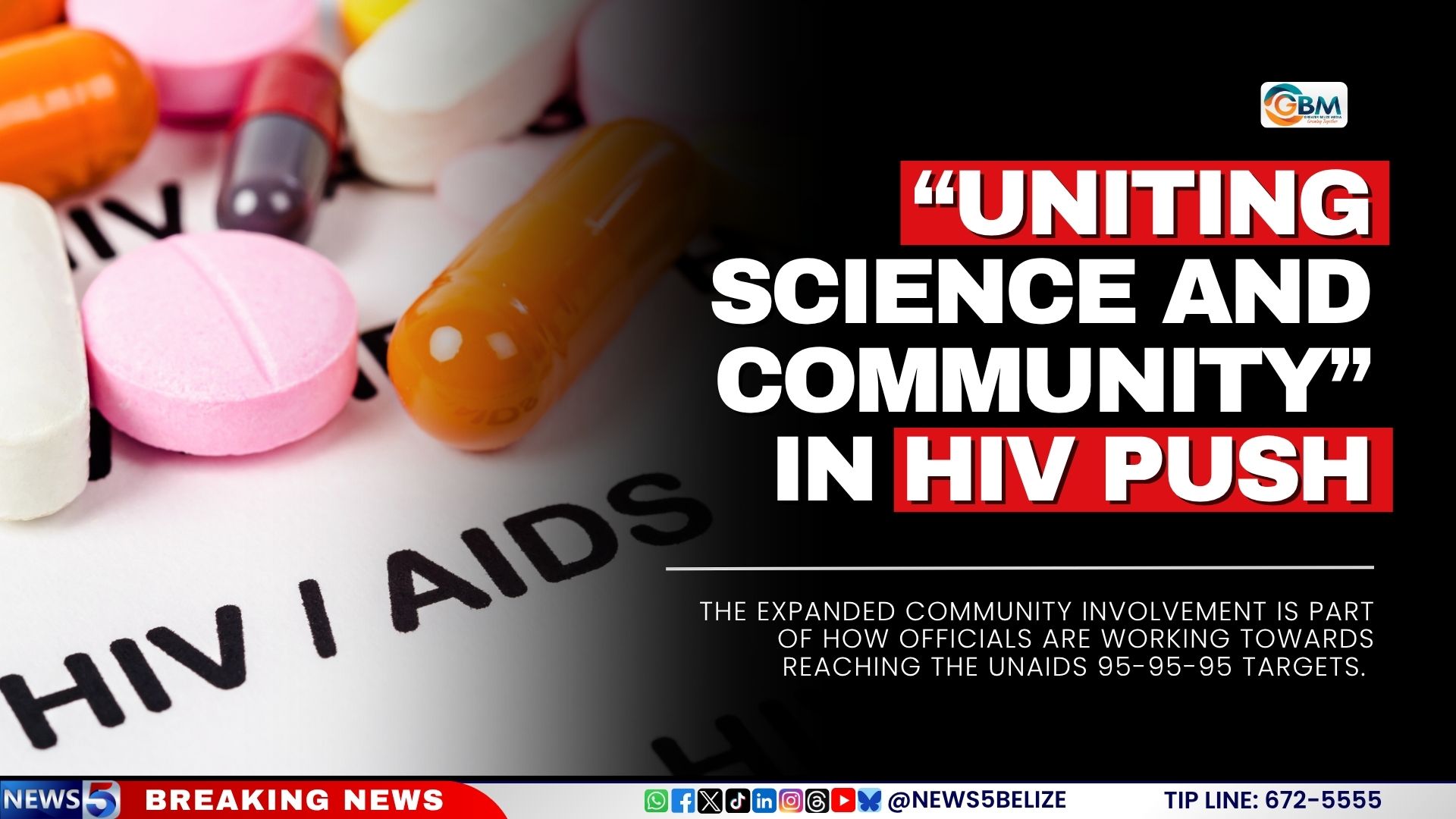
In a groundbreaking public health gathering for Central America, health leaders, scientific experts, policymakers and cross-sector community representatives gathered in Belize City on April 29, 2026 for a landmark symposium hosted by the International AIDS Society (IAS) Educational Fund, aimed at stepping up the country’s fight against HIV.
Touted as the first event of its kind both in Belize and across the entire Central American region, the symposium carries the theme “Uniting science and community for an accelerated HIV response in Belize”, and was convened to address existing gaps in the country’s national HIV program. Dr. Joshua Canul, Assistant Deputy Director for HIV/TB & STIs at Belize’s Ministry of Health and Wellness, emphasized the historic significance of the convening, noting that while the national government currently covers approximately 80 percent of all funding for the country’s HIV response, progress has been held back by systemic delays that need urgent addressing.
Unlike traditional public health gatherings that focus primarily on medical professionals, this symposium intentionally expanded participation beyond the health sector to include teachers, religious leaders, and representatives from a wide range of community organizations. This multi-stakeholder, community-centered approach is a core part of Belize’s strategy to reach the globally recognized 95-95-95 HIV treatment and prevention targets set by UNAIDS.
Eva Burgos, Executive Director of GOJoven Belize, a leading local organization working on HIV response, highlighted that the IAS brings a wealth of cutting-edge, innovative approaches to HIV programming. She stressed that as a small nation working to curb its HIV epidemic, Belize must prioritize developing new, context-specific strategies to improve HIV prevention outcomes that meet the unique needs of its communities.
According to event organizers, insights and agreements reached during the one-day symposium will directly inform ongoing national initiatives to close gaps in HIV treatment access, scale up effective prevention services, and keep Belize on track to meet its 2030 UNAIDS commitments to end AIDS as a public health threat.