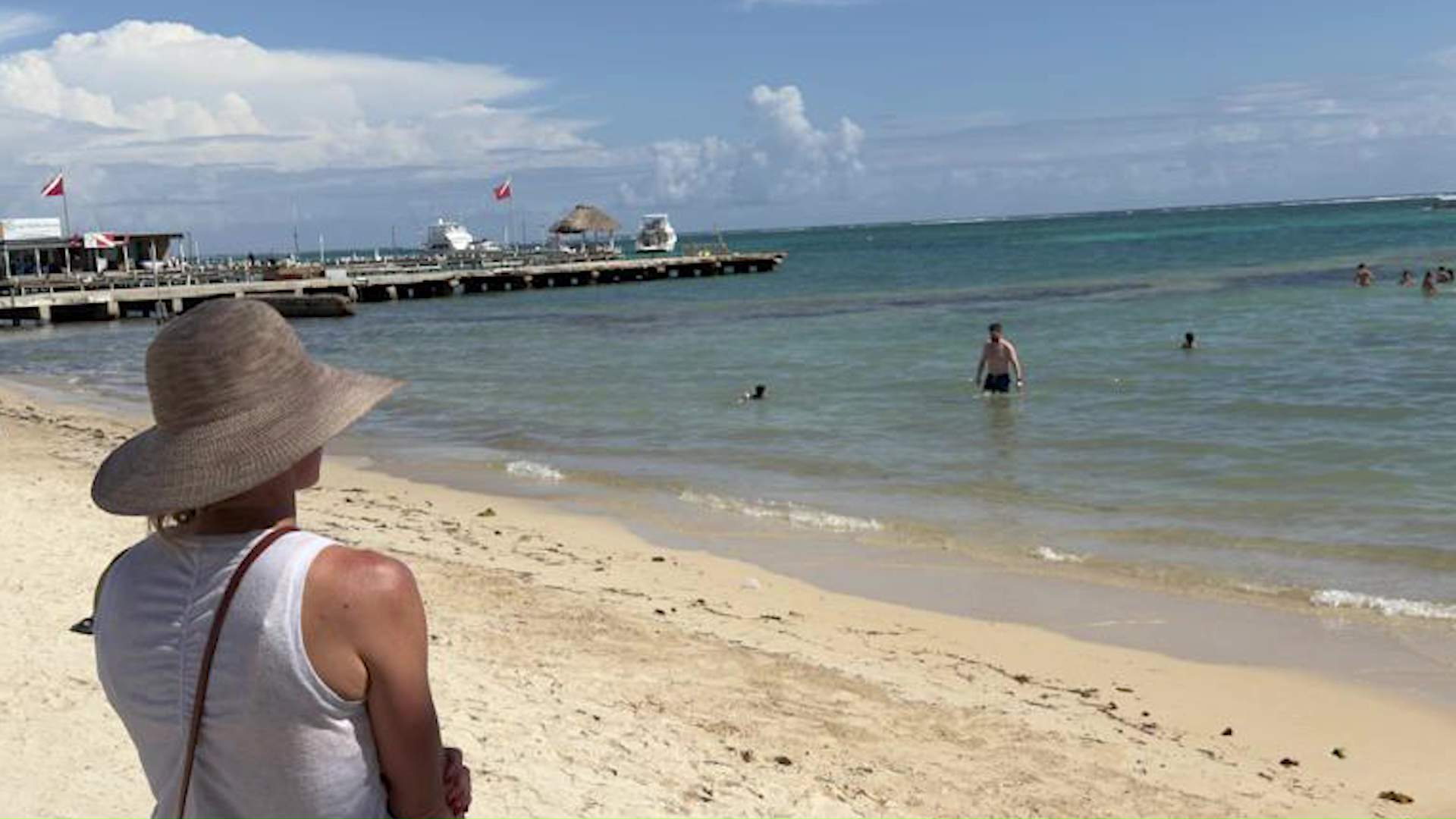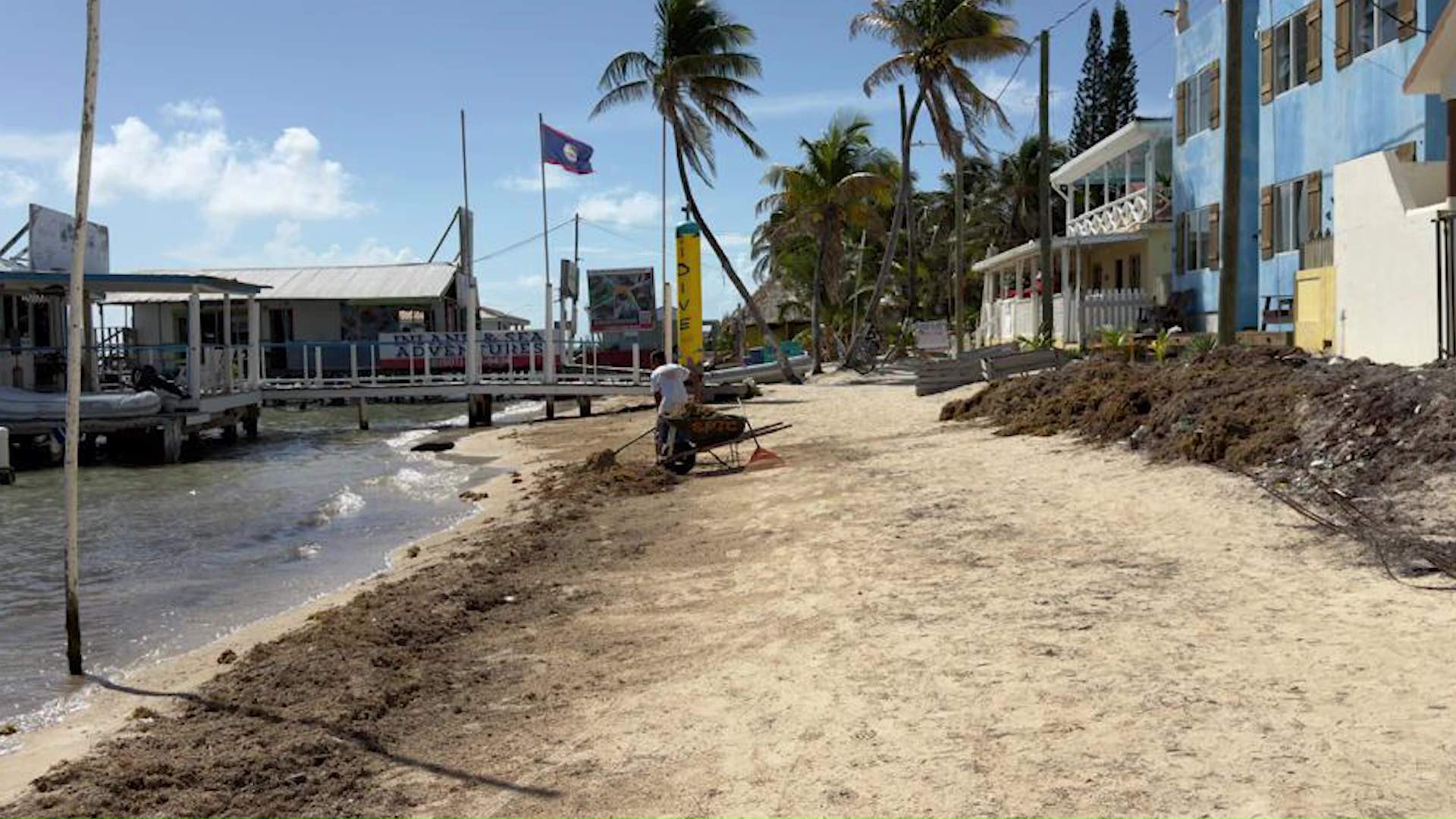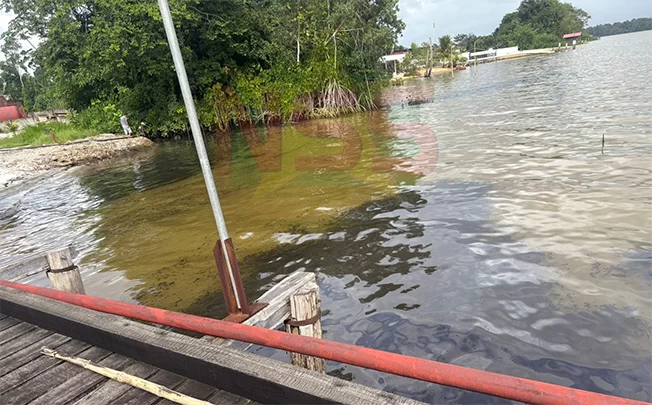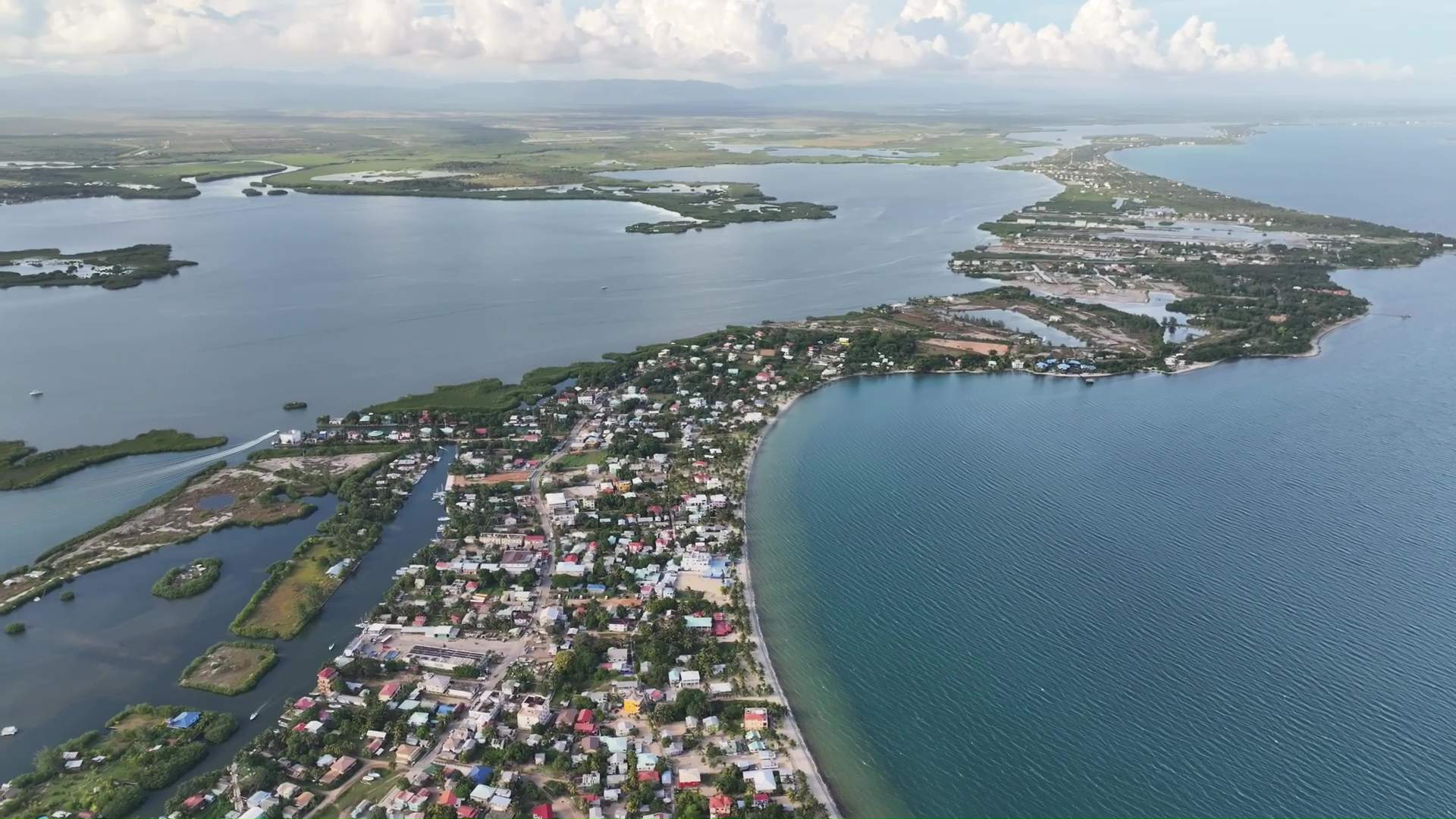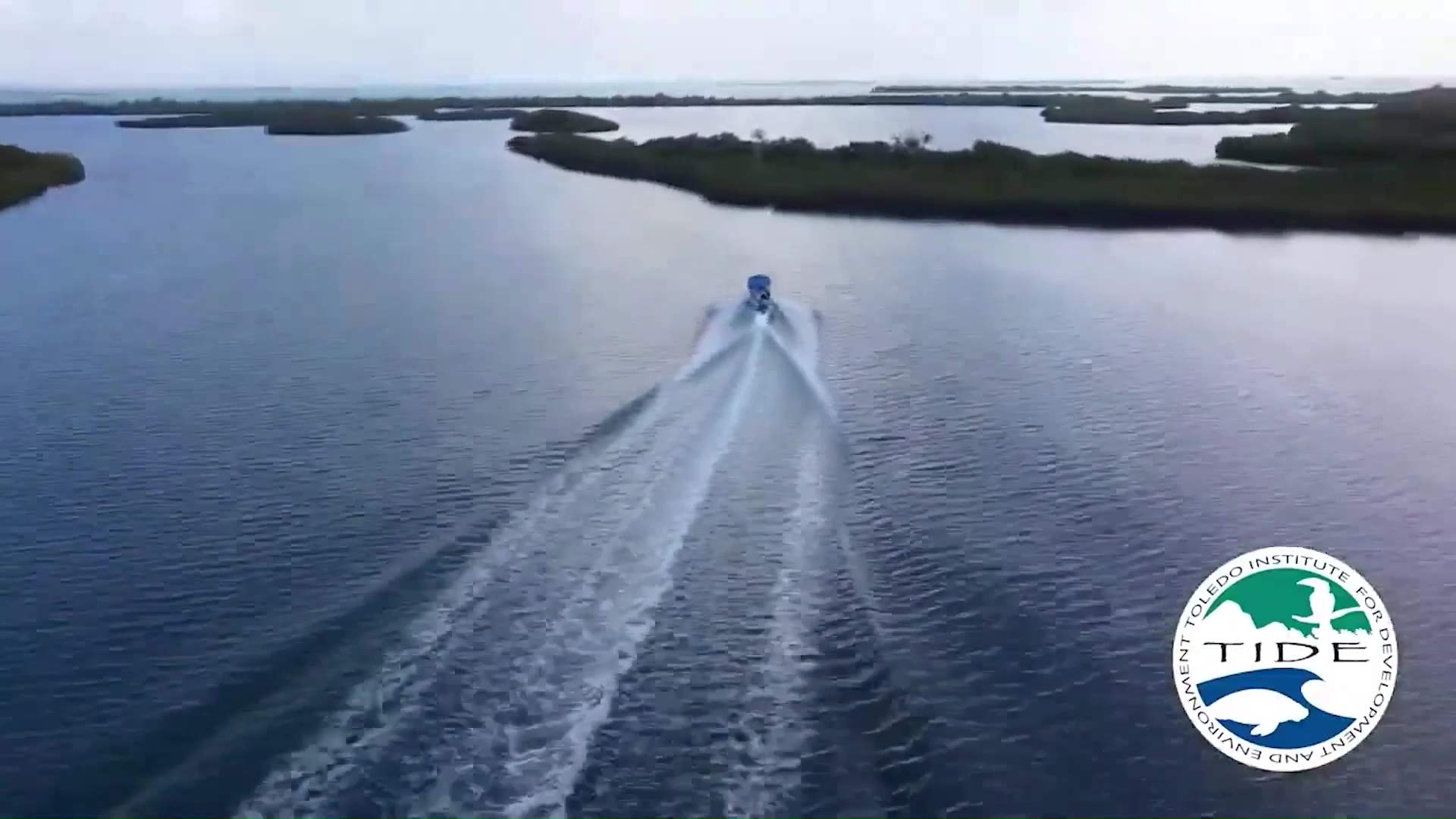
The fuel spill that caused alarm among Placencia residents over the weekend has now dissipated, according to the local fire department. However, the source of the spill remains unidentified, raising concerns about the potential for future incidents. Initial tests conducted by the Department of Environment (DOE) confirmed that the substance was gasoline, which spreads rapidly and evaporates more quickly than heavier fuels like oil. Officials estimate that the spill affected approximately 0.3 acres of water in the Placencia Channel. Residents first noticed a strong gasoline odor and a rainbow-like sheen on the water late Saturday evening. Many initially suspected a nearby gas station, but thorough inspections of its pipelines, dispensers, sumps, and tanks revealed no leaks. The DOE indicated that the gas station is located slightly south of the affected area and that the contamination likely originated from another source. Local residents have suggested other possible culprits, including an old crane stationed nearby and a sailboat that reportedly sank two to three months ago. Additionally, there is a boatyard in the vicinity, though officials confirmed no incidents occurred there. The DOE emphasized the need for further investigation to prevent future occurrences. While the immediate environmental threat has subsided, the search for answers continues.
分类: environment
-

Chief Meteorologist Urges Vigilance Despite Calm Forecast
As November progresses, many Belizeans are questioning whether the threat of hurricanes has finally subsided. Chief Meteorologist Ronald Gordon, however, emphasizes that vigilance remains crucial. While the recent passage of the first cold front last week is a positive indicator, Gordon reminds the public that the official hurricane season extends until November 30th, with the potential for storms forming even beyond that date. Currently, the weather outlook is calm, but Gordon stresses the importance of staying prepared. Reflecting on the possibility of a catastrophic storm like Hurricane Melissa impacting Belize, Gordon acknowledges the country’s vulnerability. Historically, Belize has endured severe hurricanes, with major storms recurring every 20 to 30 years. The last significant event was Hurricane Dean in 2007, which, although not making direct landfall, still affected the northern regions. Gordon’s message is clear: while the immediate forecast is reassuring, complacency is not an option in a region prone to such natural disasters.
-

$60K Boost for Early Warning Systems After Hurricane Melissa’s Devastation
In the wake of Hurricane Melissa’s catastrophic impact on the Caribbean, Belize is taking significant steps to bolster its early warning systems. The National Meteorological Service of Belize has received a $60,000 donation of advanced equipment from the Korea International Cooperation Agency (KOICA), aimed at enhancing the country’s disaster preparedness and response capabilities. This initiative is part of a broader project that began in July 2024 and is set to continue through December 2026, with additional funding from the United Nations Development Programme (UNDP) and the World Food Program. The donated equipment includes computers and communication tools that will be used to generate graphics, produce short forecasts, and collect critical climate data. Ronald Gordon, Chief Met Officer, emphasized the dual focus of the project: improving early warning capabilities to provide actionable information on approaching hazards and collecting long-term climate data to inform future planning and development. Minister of Public Service, Henry Charles Usher, highlighted the importance of training and capacity building for the National Met Service staff and disaster risk management teams across the country. This donation is a key component of the United Nations’ ‘Early Warnings for All’ initiative, which aims to protect everyone on Earth from hazardous weather, water, or climate events by the end of 2027.
-

DOE Investigates Reports of Fuel Leak in Placencia Lagoon
The Department of Environment (DOE) has launched a comprehensive investigation into reports of a fuel odor and a multicolored sheen observed in the Placencia Lagoon. The incident came to light late Saturday evening when local residents reported a strong gasoline smell and an oily film on the water’s surface. Concerned about a potential fuel leak, residents alerted authorities, pointing to a nearby gas station as a possible source. One resident described the situation as alarming, stating, ‘The smell of gasoline was overwhelming and persisted through the night, contaminating our lagoon.’
While the gas station in question conducted an internal review and found no discrepancies between fuel received and sold, the DOE has initiated a full inspection to ensure no leaks are overlooked. Preliminary findings from the DOE suggest that the sheen on the water indicates the presence of refined fuel, characterized by high evaporation rates and low viscosity. Officials are currently examining underground sumps and pressurizing fuel lines to rule out pipeline leaks. ‘No leaks have been detected so far,’ the DOE confirmed, but additional checks in surrounding areas are underway to identify any alternative sources of contamination.
-

Belize Aims to be Global Leader in Renewable Energy Transition
Belize is positioning itself as a frontrunner in the global shift toward renewable energy, as highlighted during the Belize International Partners Conference. Organized by the Ministry of Foreign Affairs and the Ministry of Economic Transformation, this two-day event brought together leaders and international allies to strategize on climate resilience and sustainable development. With the theme “Investing in the Green Transition,” the conference emphasized actionable solutions across energy innovation, e-mobility, sustainable infrastructure, and education. Belize, a small island developing state in the Caribbean, faces unique challenges but is determined to leverage its potential in the renewable energy sector. Minister of Foreign Affairs Francis Fonseca underscored the importance of collaboration in overcoming structural, regulatory, and financial hurdles. He revealed that ongoing green projects in Belize are valued at over $787 million, with an additional $1.8 billion worth of initiatives in the pipeline. The conference aims to pool expertise, experience, and funding to devise effective strategies tailored to Belize’s specific needs as a vulnerable yet ambitious nation.
-

Biodiverse Landscapes Initiative Transforms Belize’s Forests
Belize’s lush forests are undergoing a transformative revival, driven by the UK’s Biodiverse Landscapes Fund (BLF). This international initiative is fostering a harmonious balance between conservation and community resilience, showcasing a model of sustainable development. Recently, a UK delegation, including representatives from the British High Commission and the UK Foreign Office, embarked on a three-day tour to witness the tangible impacts of this partnership. They explored key BLF-supported sites such as the Chiquibul and Vaca Forest, as well as local communities like Selena and La Gracia. These areas are at the forefront of biodiversity protection and community empowerment, led by the Wildlife Conservation Society and its partners. The BLF is funding a range of innovative projects, from training fire brigades and equipping communities with drones and water harvesting systems to promoting climate-smart agricultural practices. Additionally, the initiative is enhancing land rights for 50 communities and creating sustainable income opportunities for over two thousand women. This collaboration is not only safeguarding Belize’s rich biodiversity but also fostering economic and social resilience in local populations.
-

Lawmakers Get Days to Read Coastal Bill
In a race against time to meet Belize’s Blue Bond commitments, the Senate has tentatively approved a new coastal management bill, though concerns over its rushed process and lack of stakeholder feedback have sparked debate. The legislation, designed to modernize Belize’s approach to coastal and ocean conservation, aims to align with international best practices and replace the outdated 1998 Coastal Zone Management Act. However, environmental groups and opposition senators have expressed frustration over the limited time given to review the bill. Senator Janelle Chanona highlighted that the final draft was shared just days before the Senate debate, despite over a year of consultations. Opposition Senator Patrick Faber praised the bill’s intent but criticized its execution, calling the rushed parliamentary process concerning. Senator Eamon Courtenay, Leader of Government Business, initially defended the extensive consultation process, citing 50 meetings with 400 participants across 17 coastal communities. However, after acknowledging the concerns raised, Courtenay agreed to a committee review of proposed amendments before final passage. The bill must be passed by November 4, 2025, to meet critical international milestones.
-

UNDP announces new round of climate action grants for Bahamas
NASSAU, Bahamas – In a significant move to bolster climate resilience, the United Nations Development Programme (UNDP) has announced that Bahamian organizations and academic institutions can now apply for climate action grants under the latest funding cycle of the Global Environment Facility (GEF) Small Grants Programme (SGP). Dr. Kishan Khoday, UNDP Resident Representative, revealed that this initiative marks the first time the GEF SGP has deepened its global partnership with the UNDP, which now serves as both the executing and implementing agency for the programme worldwide.
-

NEPA probes fish kill along Palisadoes strip
KINGSTON, Jamaica — Jamaican environmental authorities have initiated a comprehensive investigation following reports of a mass fish kill along sections of the Palisadoes strip on Monday. The National Environment and Planning Agency (NEPA) and the National Fisheries Authority (NFA) are leading the probe, with their respective CEOs, Leonard Francis and Dr. Gavin Bellamy, visiting the site early Monday to assess the situation. The investigation involves collaboration with multiple entities, including the Jamaica Defence Force Coast Guard and the Jamaica Constabulary Force Marine Police.
Initial findings, derived from on-site observations, interviews, technical assessments, and water and fish samples, suggest that the incident was localized and likely triggered by an external factor or eutrophication—a condition caused by excessive nutrient levels in water bodies. NEPA has emphasized its determination to address the issue and is exploring preventive measures, such as implementing real-time monitoring systems, deploying surveillance cameras, and fostering partnerships with law enforcement, local businesses, fishermen, and community members.
As a precautionary measure, the public has been advised to avoid fishing, collecting, or consuming marine life from the affected area until further notice. NEPA and the NFA have reaffirmed their commitment to safeguarding Jamaica’s coastal and marine ecosystems, pledging to monitor the situation closely and provide updates as new information emerges.
-

Much-anticipated Sperm Whale Reserve Bill passed in Parliament this week
The Commonwealth of Dominica has taken a monumental step in marine conservation with the recent passage of a bill to establish a Sperm Whale Reserve. This legislative move, approved by Parliament this week, builds on the government’s 2023 initiative to create a protected marine zone along the island’s western coastline, a region renowned for hosting one of the world’s few remaining resident populations of sperm whales. The newly enacted legislation introduces comprehensive management strategies, including specific navigation protocols and advanced monitoring systems, aimed at fostering responsible use and conservation within the reserve. Agriculture Minister Roland Royer hailed the bill as a historic milestone, emphasizing its role in formalizing the reserve and laying the groundwork for effective governance and protection. Royer underscored that the initiative is not merely a conservation effort but a testament to Dominica’s dedication to the long-term sustainability of its sperm whale population, a globally significant species that inhabits the island’s waters. The bill also aligns with the government’s broader vision of building a resilient and inclusive blue economy, where marine biodiversity protection is intertwined with sustainable livelihoods and national pride. Prime Minister Roosevelt Skerrit, during a June 2025 press conference, highlighted the reserve’s potential to elevate Dominica’s status as a premier eco-tourism destination. By promoting low-impact, high-value marine tourism activities such as whale watching, scientific research, and educational exchanges, the reserve is expected to generate economic opportunities for coastal communities while reinforcing Dominica’s reputation as the ‘Nature Isle of the Caribbean.’