Marva Williams, Chief Executive Officer of the Discover Dominica Authority (DDA), has hailed her team’s exceptional performance in delivering the 26th iteration of the iconic World Creole Music Festival (WCMF), a three-day musical extravaganza that lit up Windsor Park Sports Stadium from October 23 to 25. This year’s lineup boasted a star-studded roster of global and regional talent, including multi-platinum American R&B artist Ne-Yo (real name Shaffer Chimere Smith), Trinidadian soca legend Machel Montano, reggae icons Capleton and Maxi Priest, dancehall star Alkaline, beloved Dominican bouyon performer Asa Bantan, and Haitian compas band Klass, among many other celebrated acts.
In her post-event review, Williams highlighted notable operational improvements that directly addressed longstanding feedback from festival attendees, particularly the streamlined transitions between performances that had previously drawn complaints for lengthy delays. She noted that while the entire event was not without minor imperfections, the on-site entry experience had been nearly perfected, with zero formal complaints submitted by patrons regarding access processes this year.
Williams emphasized that the DDA operates on a continuous improvement cycle for the annual event, conducting full post-mortems after each edition to identify gaps, refine workflows, and elevate the overall attendee experience year over year. She underscored the rarity of the WCMF’s 26-year legacy, noting that the festival would have already marked its 30th anniversary if not for interruptions from natural disasters and the global COVID-19 pandemic. Unlike many other Caribbean regional festivals that have faced declining attendance, rebranding, or full revamps to stay viable, the WCMF has retained its unique core identity rooted in Creole cultural heritage, a distinct feature that sets it apart from competing events across the region.
Responding to circulating public concerns that the festival was drifting away from its Creole cultural origins, Williams firmly refuted the claims, explaining that new complementary elements added to the program are designed to expand the event’s reach, boost global visibility for Dominica as a tourism destination, and strengthen the festival’s long-term relevance, rather than dilute its foundational Creole identity.
Williams acknowledged that this year’s staging presented unprecedented operational hurdles, far different from the landmark 25th anniversary celebration held the previous year. She attributed the unusual challenges to widespread global external factors impacting events and travel worldwide, including growing public anxiety around international travel and sharp spikes in diesel and gasoline costs that have driven up airfare prices, limiting the number of regional and international attendees able to travel to Dominica for the event.
分类: entertainment
-

DDA CEO praises WCMF 2026 team, defends festival’s Creole identity
-

Jessie Woo calls Dominica a ‘Magical Land’ during festival visit
At a vibrant pre-event press conference ahead of Dominica’s iconic World Creole Music Festival (WCMF), celebrated Haitian-American content creator Jessie Woo delivered a glowing, heartfelt endorsement of the Caribbean island nation, framing it as an unmissable, almost magical destination for travelers and culture lovers alike.
This marked Woo’s third trip to Dominica, but her very first opportunity to attend the globally renowned creole music showcase. What made this visit even more meaningful, she shared, was that her mother joined her for the first time on the journey, turning a professional content creation trip into a deeply personal family memory. Even with persistent back and mobility challenges, Woo’s mother pushed herself to try kayaking for the first time and completed the scenic hike to the famous Emerald Pool natural site, a moment the content creator described as one of the most special parts of their entire stay.
Woo highlighted the unmatched warmth and genuine hospitality of local Dominican residents, noting that every interaction she and her mother had during their stay left a lasting positive impression. She also voiced palpable excitement to catch performances by beloved local Dominican artists at the festival, including TK International and Shelly from the popular Signal Band, and stated she intends to return to the island for extended visits whenever her schedule allows.
Woo was not the only international creative invited for the festival: she was part of a curated cohort of global content creators and social media influencers brought to Dominica by local tourism authorities to immerse themselves in the nation’s unique culture, share authentic on-the-ground experiences with their global audiences, and amplify the reach of the annual WCMF. During the same press gathering, Marva Williams, Chief Executive Officer of the Discover Dominica Authority (DDA), called on all the visiting digital creators to leverage their platforms to broadcast the festival’s vibrant energy, the island’s natural beauty, and the richness of Dominica’s creole heritage to viewers across every corner of the world. -
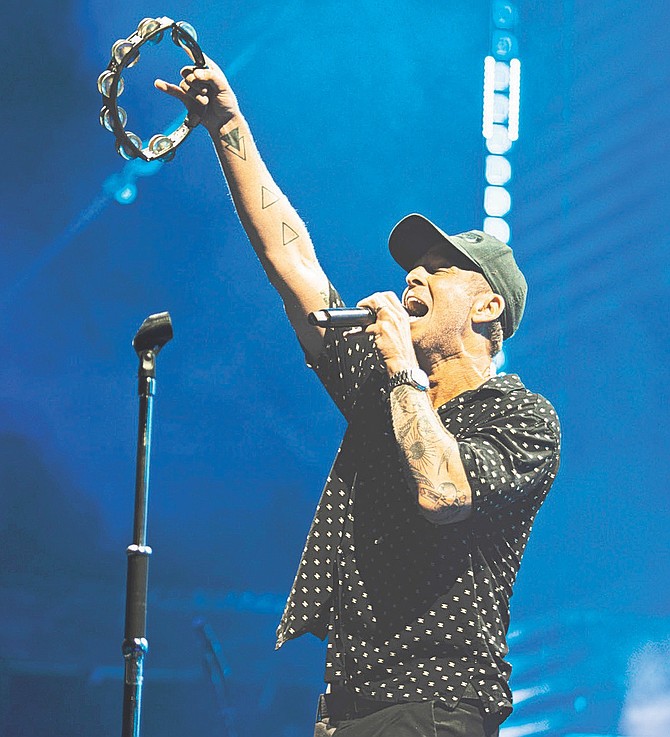
OneRepublic headlines Baha Mar festival kickoff with night of food and music
Hosted at the iconic Baha Mar resort in the Bahamas, the highly anticipated fifth iteration of the Bahamas Culinary & Arts Festival officially launched with a vibrant, high-energy kickoff celebration dubbed Taste of Baha Mar, drawing hundreds of local residents and international visitors for an evening of immersive gastronomy, live music and social connection. The air at the opening event hummed with the familiar chart-topping melodies of multi-platinum pop-rock band OneRepublic, mixed with the rich, fragrant aromas of gourmet dishes prepared by Baha Mar’s award-winning signature restaurant teams and the soft clink of artisanal cocktail glasses as attendees mingled across the sprawling event space.
Guests began their night wandering between curated food stations spread across the venue, sampling a diverse global spread that spanned multiple culinary traditions: savoury Italian eggplant parmesan, creamy farro and vegetable risotto, slow-cooked vidalia-braised short rib ragù, alongside authentic Asian offerings including crisp Peking duck served with delicate steamed pancakes, sweet and savoury char siu pork and mushroom pan-fried bao, and fluffy steamed scallion rolls. Between tasting portions, attendees posed for photos at whimsical themed booths, sipped handcrafted tropical cocktails and connected with fellow food and culture enthusiasts before making their way to the open-air concert grounds for the evening’s headline performance.
Before OneRepublic took the stage, local Bahamian singer-songwriter Stazzie delivered a warm, well-received opening set that celebrated homegrown Caribbean talent, setting a joyful tone for the rest of the live music lineup. When the American pop-rock group stepped up to the mic, they delivered a tight, 60-minute hit-packed set that included fan favourites *Good Life*, *Apologize* and *Counting Stars*, alongside crowd-pleasing covers of Beyoncé’s *Halo* and Adele’s *Rumour Has It* that had the entire audience singing in unison. Frontman Ryan Tedder playfully told the cheering crowd, “When I die, I want to come back as Lenny Kravitz,” referencing the festival’s 2023 headliner, before gushing about his deep affection for the Caribbean’s culture and warmth.
Parallel to the main Taste of Baha Mar festivities, Oscar-winning rapper and actor Common drew a packed crowd to Jon Batiste’s Jazz Club at the resort for a special intimate Thursday night performance that served as an additional anchor for the festival’s opening programming. Beyond the kickoff celebration, the full five-day event lineup includes hands-on interactive chef demonstrations, exclusive small-group culinary masterclasses, and the fourth annual FUZE Art Expo, a dedicated showcase that elevates emerging and established creative talent from across the Caribbean region. Now in its fifth year, the Bahamas Culinary & Arts Festival has cemented its status as a flagship annual signature experience for Baha Mar, blending world-class dining, A-list live entertainment and regional cultural celebration to draw tourists and support local creative industries.
-
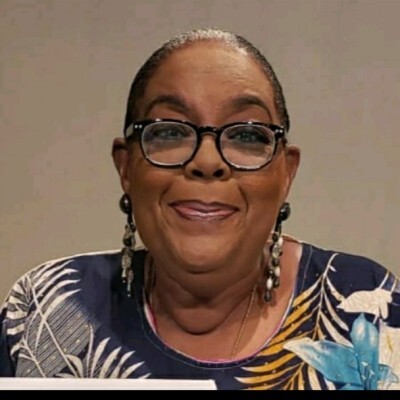
PM remembers Peta Alleyne’s wit, humour and legacy
Following the passing of beloved veteran Barbadian entertainer, broadcaster and creative icon Peta Alleyne at the age of 65, Prime Minister Mia Mottley has released a full, deeply personal public statement honoring Alleyne’s decades of transformative contributions to Barbados’ cultural landscape.
Mottley opened her tribute by framing Alleyne as one of the foundational, familiar voices that are stitched into the very fabric of Barbadian domestic life, a presence so ubiquitous that even citizens who never met her felt a deep personal connection to her work. The Prime Minister shared a warm, lighthearted personal anecdote, recalling that Alleyne’s legendary sharp wit, masterful comedic timing and uncanny ability to capture the tiny, specific mannerisms of everyday Barbadians could make Mottley laugh openly even when Alleyne was doing a playful impression of her, turning the joke on Mottley herself alongside the rest of the audience.
Alleyne spent 30 years as a core cast member of Barbados’ iconic long-running comedy series *Laff-it-Off*, where her most famous character, the sharp, endearingly relatable Wilhelmina Herassofat, became a household name across the island. Mottley emphasized that Alleyne’s comedy was never just superficial humor: her carefully crafted characters held a mirror up to the small quirks, shared habits and gentle contradictions of daily Barbadian life, letting audiences see their neighbors, their family members, and even their own unrecognized traits reflected back at them through laughter. Behind the scenes, Alleyne was a deeply dedicated craftsperson, who understood the power of a well-timed pause, a subtle shift in tone or a perfectly chosen facial expression to elevate a story, a level of meticulous detail that spoke to her profound respect for both her art and her audience.
Beyond her stage work, Alleyne brought that same commanding stage presence and vocal skill to generations of viewers and listeners during her tenure at the Caribbean Broadcasting Corporation (CBC), and left a lasting legacy across Barbadian theatre and independent film, with notable credits including *How Hard the Times*, *Enid*, and her original script for the celebrated production *Dem Come a Calling*. Even in her later career, she continued to nurture emerging young talent in the new *Laff-it-Off* cast, while creating new written and recorded performance works for local audiences.
Mottley noted that Alleyne’s passing carries particular poignancy as Barbados prepares to mark its 60th anniversary of national independence and its fifth year as a sovereign republic, a moment when the nation is increasingly honoring the cultural architects who helped define a distinct, shared Barbadian national identity. On behalf of the entire Government and population of Barbados, Mottley extended deepest, heartfelt condolences to Alleyne’s son Ade, her extended family, her colleagues at CBC and the *Laff-it-Off* troupe, and her wide network of fellow artists and fans. Mottley closed the tribute by affirming that while Alleyne’s physical voice will be deeply missed by the nation, the joy, shared stories and warm sense of belonging she cultivated through her work will remain a permanent part of Barbadian culture for generations to come, and wished the late performer eternal peace.
-

ECCO wins appeal against Neon Briggs and Government of Dominica
In a significant 20 October 2026 ruling from the Eastern Caribbean Supreme Court’s Court of Appeal, the Eastern Caribbean Collective Organisation for Music Rights (ECCO) has successfully overturned a prior dismissal of its copyright infringement lawsuit against event organizer Neon Briggs and the Attorney General of Dominica, sending the long-running dispute back to the High Court for further proceedings. The original claim stemmed from the 2024 PINKNIC Carnival fete, a public entertainment event hosted at the Roseau Botanical Gardens, a state-owned property, where no public performance licence had been secured from ECCO before multiple copyrighted soca tracks were played for attendees. The initial case had been thrown out by Master Cenac-Dantes on 20 December 2024, who ruled ECCO lacked sufficient legal standing to bring the infringement action, citing a prior judicial decision in the Mega-Plex case as precedent. A three-judge panel led by Chief Justice Margaret Price Findlay, alongside Justices of Appeal P. Nicola Byer and Acting Justice Gerard St C. Farara, unanimously disagreed with that earlier finding, ruling that the lower court official had improperly applied the Mega-Plex precedent, which never established a blanket ban on ECCO pursuing copyright enforcement actions across the region. The panel emphasized that disputed questions of copyright ownership and organizational standing could not be fairly resolved without a full trial, additional supporting evidence, and formal cross-examination of relevant witnesses. The ruling clarifies a critical nuance under Dominica’s 2003 Copyright Act: full assignment of specific standalone rights, including the public performance right, is legally permissible even when an organization does not hold full ownership of every copyright associated with a given musical work. The disputed tracks named in the original claim include popular regional hits such as *Bacchanal Rampage*, *Cho (Hot Head)*, *Balance Batty*, *Like It Like This/Like It Like That*, and *Bottle of Rum*. McCarthy Marie, ECCO’s local representative in Dominica, noted he had spent extensive time compiling all relevant assignment agreements and supporting documentation to verify ECCO’s legal ownership of the public performance rights for the listed works. “This ruling explicitly confirms that properly documented assignments of public performance rights create a solid legal basis to file infringement proceedings,” Marie stated. “We have always maintained ECCO is the legitimate legal owner of these public performance rights for the full catalogue of works named in our claim, and we now have clear legal standing to enforce those rights.” The case will now return to the High Court, where parties will either reach an out-of-court settlement or proceed toward a full trial. The Attorney General retains the right to advance a remaining argument that the original filed claim fails to state a valid cause of action against the Dominica government, though any hearing for that argument must be presided over by a different master or judge to avoid perceived bias. The Court of Appeal additionally ordered that ECCO be awarded full coverage of all legal costs incurred during the appeal process, with costs to be formally assessed if the two parties cannot reach a mutually agreeable sum within 21 days of the 2026 order date. Marie, who notes he has worked on no fewer than 64 prior copyright infringement cases across Dominica before this one, frames the ruling as a make-or-break milestone for the island nation’s fast-growing but still underdeveloped domestic music industry. He highlighted recent public comments from Prime Minister Roosevelt Skerrit announcing government plans to launch a dedicated industry development body to support local creators, noting that robust, clear copyright enforcement will form a critical foundational pillar for that upcoming initiative. The ECCO representative emphasized that the ruling has direct tangible economic benefits for working local songwriters and music publishers: legally enforceable public performance royalties create a steady, reliable stream of income for creators, and the ability to issue formal licences and pursue unauthorised use of works gives local Caribbean music measurable, sustainable commercial value. “If we truly want to build a thriving, long-term music industry here, the artists who write and produce our local music must be able to earn a fair living when their work is used publicly,” Marie explained. “Widespread respect for copyright rules and consistent, reliable royalty collection are non-negotiable if we want to turn music creation into a stable, viable career for the many talented creators across Dominica.”
-
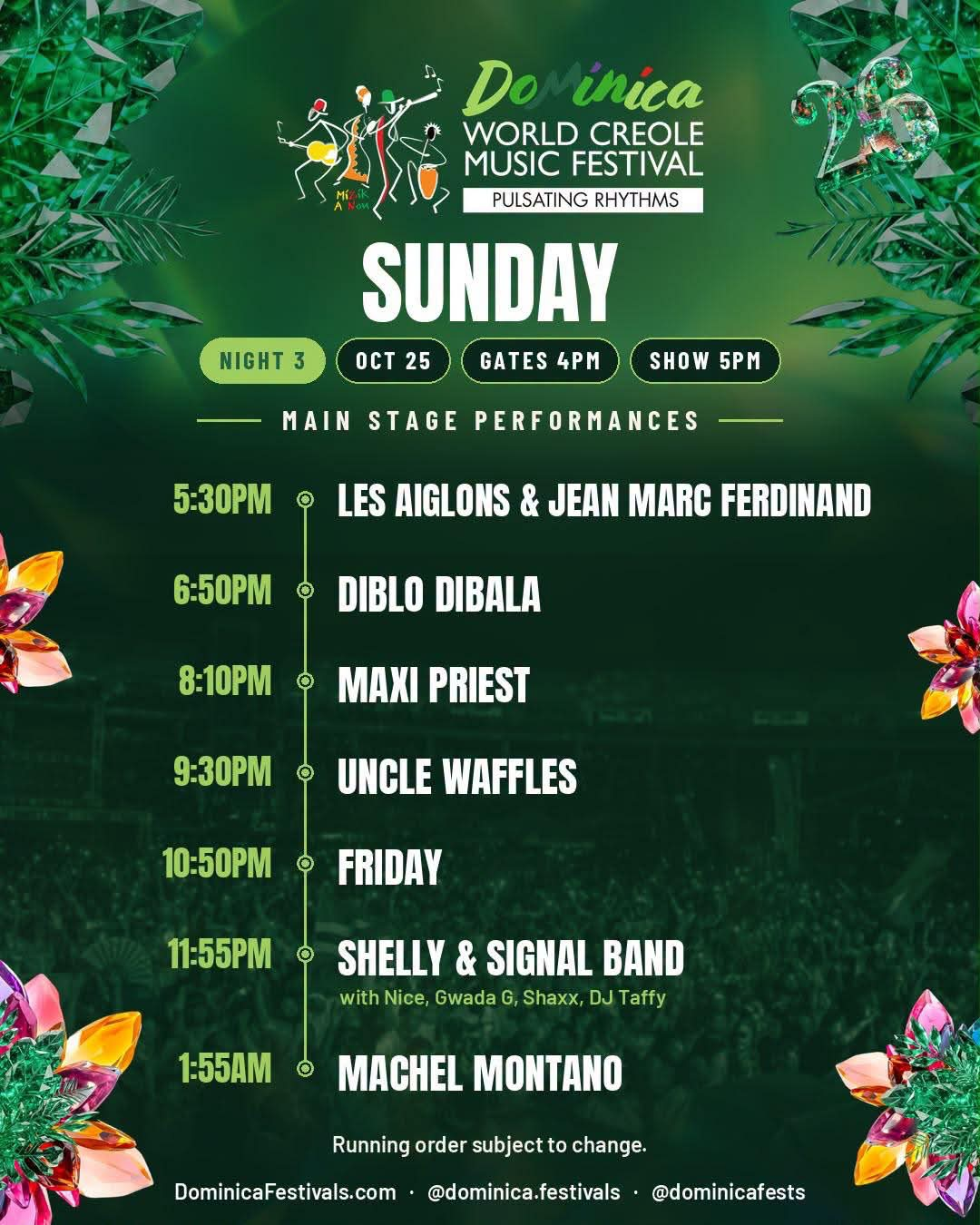
Taste of World Creole Music Festival Night 3 (video and photo highlights)
Dominica News Online has unveiled exclusive behind-the-scenes multimedia assets captured during a vibrant October 2026 weekend cultural gathering, centered around a star-studded Sunday event that brought together regional music icons and local creative talent. The published media package includes two raw, uncut WhatsApp video clips recorded on October 26, 2026, alongside a high-resolution event header photograph taken the same month. The first video features a full, unscripted sit-down interview with the beloved local Dominican Signal Band, where members discuss their latest upcoming discography, their creative process rooted in Caribbean folk and soca fusion, and their excitement to perform for hometown crowds at the weekend showcase. The second shorter clip delivers a rare, intimate interview segment with globally celebrated British reggae legend Maxi Priest, who was in Dominica for a special guest appearance at the event, where he shares his longstanding connection to Caribbean island music scenes and teases new collaborative tracks with local Dominican artists. The event also highlights the rising profile of fast-growing local Dominican creative Diablo Dibala, who is listed as a featured headline talent for the Sunday festivities, marking a key milestone in his burgeoning career on the regional entertainment circuit. All multimedia assets are hosted directly on the official Dominicanewsonline.com news platform, offering fans across the island and the global Caribbean diaspora unfiltered access to the event’s most memorable behind-the-scenes moments.
-
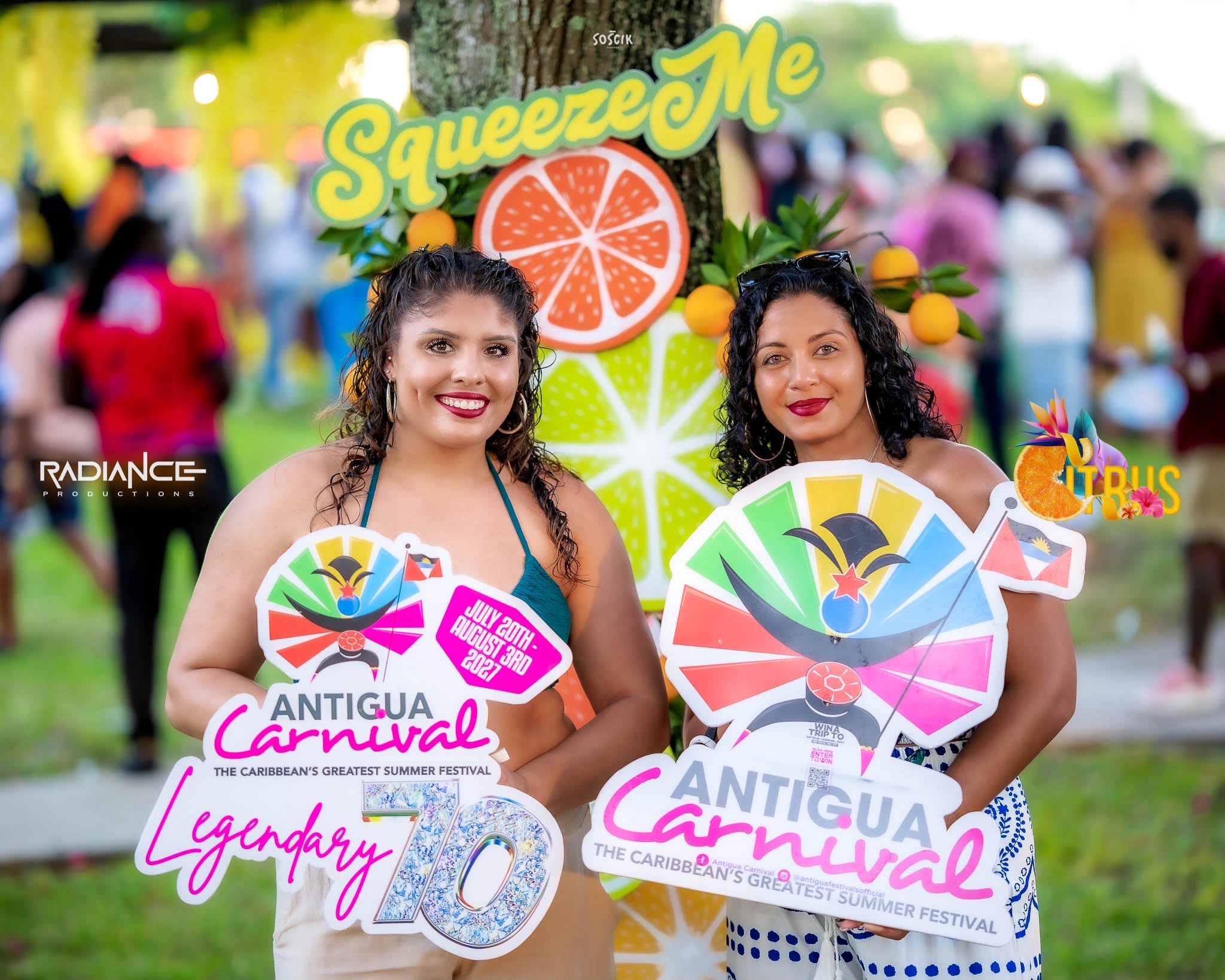
Antigua Carnival “Legendary 70” Takes Centre Stage at Miami Carnival 2026
In a landmark cross-regional cultural partnership announced by carnival leadership teams from both Antigua and Barbuda and South Florida, Antigua’s highly anticipated “Legendary 70” carnival iteration is set to take a prominent, headline spot at the 2026 Miami Carnival, one of the largest and most attended Caribbean cultural festivals in the United States. The milestone collaboration marks the 70th anniversary of Antigua’s world-famous carnival, a decades-old tradition that draws tens of thousands of visitors annually to the twin-island nation to experience vibrant masquerade parades, steelpan competitions, calypso and soca showcases, and local culinary heritage. Organizers note that the 2026 Miami Carnival platform will allow Antigua’s carnival stakeholders to share seven decades of evolving cultural legacy with the massive Caribbean diaspora audience based across Florida, while also driving greater international tourism interest for the island’s 2025-2026 home carnival celebrations. The featured “Legendary 70” segment at Miami Carnival will include dedicated Antigua mas band showcases, exclusive soca artist performances from the twin-island state, a heritage exhibit tracing the 70-year history of the festival, and dedicated zones for Antigua’s signature street food and craft vendors. Cultural officials from Antigua have emphasized that the partnership is designed to strengthen cross-border cultural ties between Caribbean nations and their diaspora communities, ensuring that generations of Caribbean people living abroad can engage directly with the authentic roots of the carnival traditions that shape their shared cultural identity.
-
Antigua’s Poison Dart returns to sound clash arena with victory over Blunt Posse
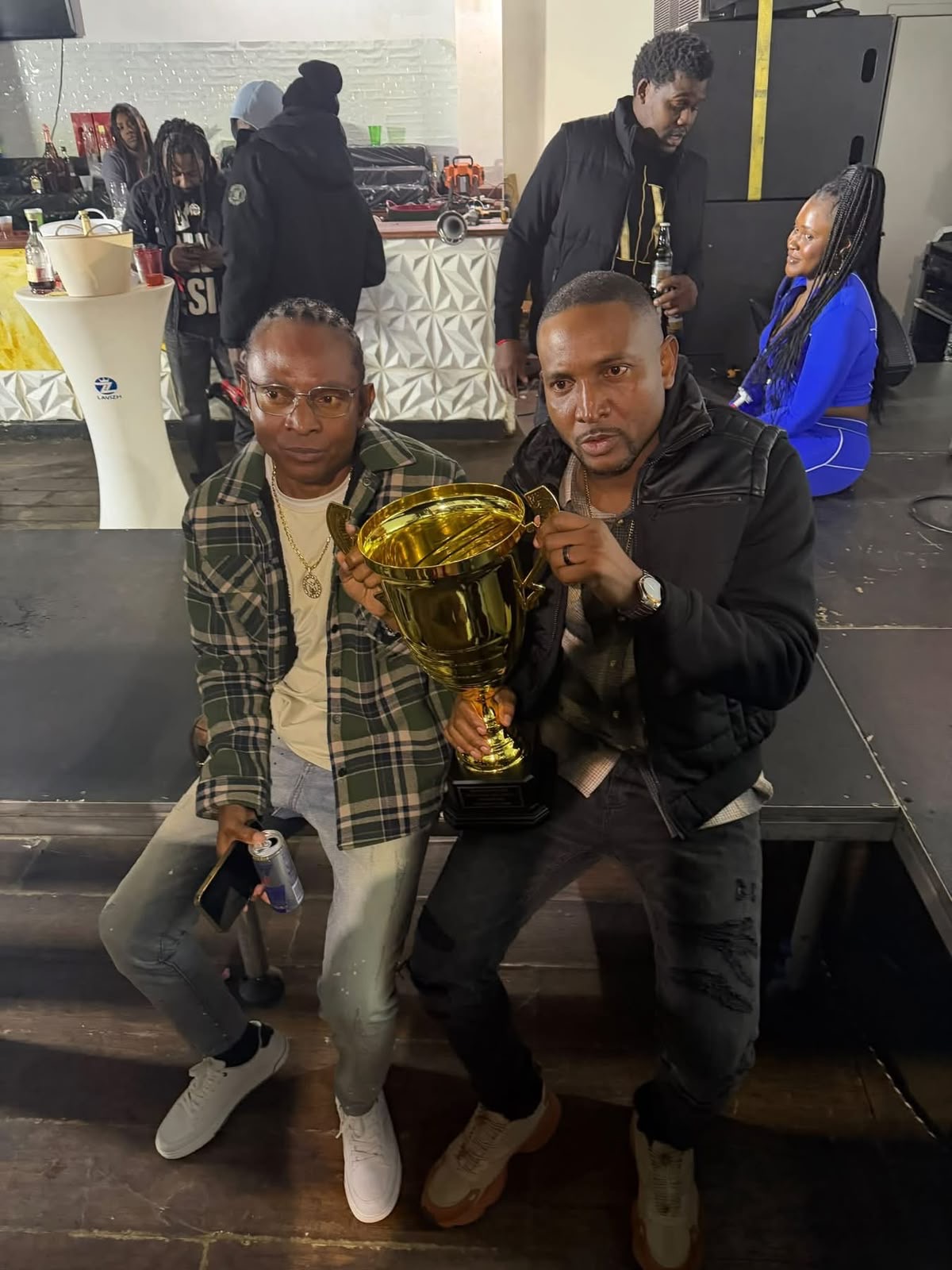
After stepping away from competitive sound clash circuits for half a decade, Antigua and Barbuda’s iconic veteran sound system Poison Dart has staged a triumphant, unblemished return to the local arena, sweeping three straight rounds against long-time rival Blunt Posse to claim a definitive “lock-off” victory that ended the contest before any further rounds could unfold. Founded in 1993, Poison Dart has spent more than 30 years cementing its status as one of the twin-island nation’s most decorated and globally respected sound clash ambassadors, with a storied track record of representing Antigua and Barbuda on some of the world’s biggest reggae and dancehall sound battle stages. Over its decades-long run, the collective has competed in three separate World Clash tournaments, including a hosted edition on home soil, plus overseas stops in New York and Canada, and a 2010 appearance at Germany’s prestigious Riddim Clash, alongside a string of other high-profile international showdowns. The group’s long-awaited return to competitive action was sparked by two key driving forces: years of relentless, passionate pleas from its loyal fan base begging to see the legendary crew back in the ring, and pointed public criticism from a competing outfit that dismissed Poison Dart’s members as “sound clash cowards” for their extended absence. The lopsided, three-round sweep against Blunt Posse not only erased any lingering narratives about the group’s competitive edge fading after years away, but also immediately opened the door to a new global opportunity. Poison Dart has formally accepted an official invitation to represent Antigua and Barbuda at the upcoming War Is In The Air 8 sound clash event, set to take place in the Bronx, New York. Crew members confirmed that the decision to sign on for the international fixture was heavily influenced by the flood of fan inquiries over the years asking when the iconic collective would make its return to global clash competition. Now, backed by 30 years of hard-earned legacy and fresh off a dominant comeback win, Poison Dart is deep in training to carry Antigua and Barbuda’s flag to the Bronx stage, proving beyond doubt that it remains a fearsome, unignorable force in global sound clash culture.
-

Backlash for Beenie
Iconic Jamaican dancehall legend Beenie Man, whose legal name is Moses Davis, has released a public video address to Trinidad and Tobago to defuse widespread online furor that erupted after a recent viral interview clip appeared to position Jamaica as the original birthplace of Caribbean Carnival, a claim that directly contradicts T&T’s long-documented centuries-old Carnival heritage. The controversial remarks first emerged last week during a sit-down with Shani Kulture, a Queens-based radio host on New York’s Hot 97 station. In the widely shared snippet, Kulture pressed the veteran artist for confirmation that Jamaica’s Carnival predated Trinidad and Tobago’s, asking “So just for clarity, Jamaica started Carnival before Trinidad? You’re standing on that?” Beenie Man immediately affirmed the assertion, attributing the milestone to the late legendary Jamaican producer and musician Byron Lee, widely celebrated as the “Father of Jamaican Carnival” for formally launching Jamaica’s national Carnival celebration on April 22, 1990, in downtown Kingston. “Remember Trinidad Carnival was junkanoo and all of them thing there. It wasn’t the big truck and them. Byron Lee started them thing there,” Beenie Man stated in the interview, adding that anyone who took the time to verify historical records would confirm his framing. The comments immediately ignited a firestorm across Trinidadian social media platforms, as generations of T&T residents pushed back fiercely against the narrative that erased their nation’s Carnival heritage, which traces its formal origins back to 1783 and stands as one of the most sacred cornerstones of Trinidad and Tobago’s national cultural identity. Thousands of users flooded feeds with playful but pointed memes mocking the star, including satirical “Beenie Man fact” posts that absurdly claimed fellow Jamaican dancehall icon Sean Paul had invented T&T’s beloved signature street food doubles, while some joked that the artist’s erroneous take stemmed from a past romantic heartbreak involving a Trinidadian woman of mixed descent. To add authoritative context to the debate, local media outlets reached out to Dr. Jerome Teelucksingh, a prominent historian at the University of the West Indies St Augustine Campus, who offered a measured, fact-based breakdown of Carnival’s cross-regional lineage. “Carnival has ancient roots stretching all the way back to Egypt and pre-modern civilizations, layered with deep French cultural influence and a uniquely Trinidadian interpretation that cannot be replicated, with iconic traditional mas elements such as Moko Jumbies that are entirely our own,” Teelucksingh explained. He further emphasized that Trinidad’s Carnival ranks among the earliest documented such festivals in the entire Caribbean, born when enslaved African communities under 19th century British colonial rule playfully subverted the elite French settler class’s private masked balls and public celebrations to create a distinct, people-centered cultural tradition. “Nearly all English-speaking Caribbean Carnival traditions share similar emancipation-era origins, for example Grenada’s festival grew directly out of 1834 Emancipation Day celebrations,” he added in a follow-up email statement, noting that unfounded viral claims like Beenie Man’s were unfortunate distractions that risked fostering unnecessary division across the Caribbean region. In his subsequent damage-control video address, Beenie Man moved quickly to walk back the widely misinterpreted remarks, stressing that he had never intended to challenge Trinidad and Tobago’s well-documented status as a Carnival pioneer. “Let me clear up this for you. I was only speaking about my personal experience with Carnival in Jamaica and the role that Byron Lee played, bringing the big parade trucks, road marches and street party energy to our local festival,” he stated. “I could never, ever come and steal away nothing from Trinidad. I don’t speak about Trinidad with anything but respect. I love Trinidad and Trinidad knows I love them and I know Trinidad loves me. All I was referencing was my own lived experience growing up here in Jamaica, watching Byron Lee build our local bashment-style Carnival from the ground up.” He concluded the address with a full affirmation of T&T’s cultural legacy: “Please don’t get me wrong. Trinidad Carnival is Trinidad Carnival. It started from way back when. There is no hatred to Trinidad. I love you all. Blessings, respect.” The high-profile cultural dispute marks the second time in as many years that Beenie Man has landed in hot water with Trinidadian audiences over viral comments about their national heritage. In February 2025, he drew widespread condemnation during an appearance on the Drink Champs podcast with hosts N.O.R.E. and DJ EFN, when he stated that he refused to eat doubles – T&T’s iconic curried chickpea-filled street snack – because even stray dogs would not consume the food, a remark that prompted a wave of backlash and a subsequent public apology video from the artist.
-
Rainieri Cultural Center inaugurated in Punta Cana as new cultural attraction
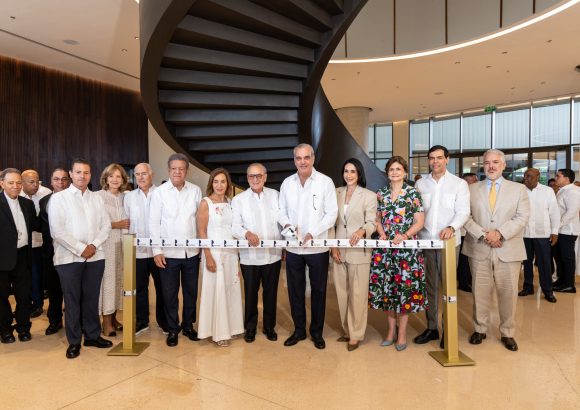
On a recent Friday, Dominican Republic President Luis Abinader formally cut the ribbon to open the Rainieri Cultural Center in Punta Cana, marking the launch of a landmark new cultural destination that will bring the nation’s rich historical narrative, time-honored traditions, and diverse creative arts to both local communities and the millions of international travelers who flock to the country’s eastern coast each year. The decades-long vision for the institution traces back nearly 30 years, when Grupo Puntacana founder Frank Rainieri and his wife Haydée Kuret de Rainieri first began brainstorming the concept after a series of dialogues with youth leaders and community representatives in the nearby city of Higüey, per official documentation from Arecoa. After years of incremental planning, the project gained fresh momentum in 2018 following a well-received Oscar de la Renta retrospective exhibition held at Centro León, and moved toward final concrete implementation in 2022 after the Rainieris toured Mexico’s iconic Soumaya Museum to gather design and curatorial inspiration. Over 20 years of deliberate development work by the Rainieris and a cross-national team of collaborators spanning the Dominican Republic, Colombia, Chile and Mexico transformed the long-held idea into a fully realized facility. Conceived as a lasting intergenerational legacy for the Punta Cana region, the center was designed by architect Juan Caro, whose structural blueprint draws creative inspiration from the distinctive communal nest of the palmchat – the Dominican Republic’s beloved national bird. The sprawling campus houses both permanent and rotating temporary exhibition halls, dedicated spaces for educational programming and hands-on creative workshops, sprawling outdoor public gathering areas, and a 282-seat auditorium purpose-built to host theater performances, live concerts, film screenings, scholarly lectures and a full calendar of other community-focused cultural events. Curatorial teams have structured the center’s displays to immerse visitors in all facets of Dominican life, from pre-colonial history to contemporary artistic expression, using a dynamic mix of historical artifacts, archival photography, and state-of-the-art interactive digital resources. Frank Rainieri emphasized during the inauguration that the center was built to address a longstanding gap in Punta Cana’s tourism ecosystem: the vast majority of the 7 million annual travelers who arrive via Punta Cana International Airport previously only experienced the region’s world-famous white-sand beaches and all-inclusive resort amenities, with little to no exposure to the cultural identity of the country they were visiting. Beyond serving international guests, the institution is also designed to nurture a stronger sense of collective identity and belonging for the more than 300,000 permanent residents who call the Punta Cana metropolitan area home. The Rainieri Cultural Center will open its doors to the general public on Wednesday, October 28. Tiered pricing structures have been established to ensure broad accessibility: Dominican adult residents will pay an admission fee of 500 Dominican pesos, while local children under 18 will be charged just 100 pesos. Non-resident foreign adult visitors will pay 10 U.S. dollars for entry, with foreign children under 18 eligible for a 5 U.S. dollar ticket. Additional discounted admission rates will be offered for enrolled students, organized school groups, and family groups visiting together.