分类: entertainment

  • Jamaica comeback

    Jamaica comeback

    Weeks after Jamaica faced widespread devastation from Category 5 Hurricane Melissa, the island’s annual Carnival Road March brought tens of thousands of revellers and international visitors to the streets over the weekend, with top tourism officials hailing the event as a powerful milestone in the country’s economic and social recovery. While some attendees and observers noted that 2026’s crowd sizes for individual festival bands did not reach the peaks seen in 2025’s staging, Jamaica’s Minister of Tourism Edmund Bartlett said he left Sunday’s celebrations deeply encouraged by the overall turnout and seamless event execution. In an exclusive interview with the Jamaica Observer, Bartlett framed the 2026 Carnival as more than a cultural celebration: it is a global signal that Jamaica is open for business, ready to welcome visitors back after last October’s storm caused billions in infrastructure damage and disrupted the island’s core tourism sector. Bartlett also acknowledged that the event was organized against a backdrop of persistent global economic headwinds, including volatile, elevated global fuel prices driven by ongoing conflict across the Middle East involving Israel, Iran, and the United States. For Jamaican communities still reeling from the trauma of Hurricane Melissa, the minister noted that the festival served a critical social purpose beyond economics, offering a much-needed outlet for collective joy and stress relief after months of recovery work. “It was a great opportunity for tension release and exhaling after that massive hurricane and all the trauma that it brought,” Bartlett told the Observer. “It is an excellent show. Jamaica is opened for business and we are back. The level of organisation and the management of it, trying to deal with numerous moving parts to put on a Carnival of this magnitude, is a real statement of the efficiency of the capacities that exist in the country to execute other large-scale projects.” The 2026 Carnival united attendees from every corner of the island, from downtown urban neighborhoods to uptown residential districts, alongside a substantial contingent of international tourists. Bartlett confirmed that official attendance and visitor numbers are still being compiled, but preliminary data suggests strong international turnout, a positive sign for the country’s broader tourism rebound. Last year’s Carnival generated an impressive $165.7 billion in total economic activity for Jamaica, a figure Bartlett called a high bar for the 2026 event. Even if this year’s festival hits just 60% of that total economic output, Bartlett said that result would be more than satisfactory, given the challenges the country has overcome in the months leading up to the event. The festival delivers outsize economic benefits for small and medium-sized local businesses, independent creative workers, and community stakeholders across the tourism and hospitality sectors, Bartlett explained, with widespread ripple effects that support livelihoods across the island. Organizers also made a concerted push this year to partner with hundreds of social media influencers from around the world, who shared live content of the celebrations with their global audiences to amplify the message that Jamaica is fully open for tourism. Organizing photos from the event captured jubilant revellers in colorful costumes dancing along Knutsford Boulevard, with even on-duty police officers joining in the lighthearted atmosphere of the day. In a closing statement, Bartlett expressed confidence that the successful 2026 Carnival would lay a strong foundation for sustained growth in Jamaica’s tourism sector through the rest of the year.

  • Husband-and-wife duo switch to GenXs and loved it

    Husband-and-wife duo switch to GenXs and loved it

    Under the warm Jamaican sun, thousands of costumed revellers took to the streets for the annual GenXs Carnival parade on Sunday, drawing first-time participants, long-time Carnival fans and international visitors united by a shared love of soca music, celebration and community. For many attendees, this year’s event carried far more meaning than just a day of dancing and revelry, serving as a powerful symbol of the island’s resilience following a devastating natural disaster one year prior.

    For married couple Latara and Nicholi Stevens, Sunday marked a meaningful new chapter in their years-long Carnival tradition. The pair had attended the annual celebration since they were dating, and for years before their wedding they had chosen to parade with a different competing band. This year, however, they made the deliberate decision to switch and join the GenXs procession – and neither had any regrets about their choice.

    “I am so excited to be here – this is my first time jumping with GenXs, and I could not be happier,” Latara Stevens told the Jamaica Observer in an on-site interview. “I have always loved Carnival and soca music. We have been coming to this festival every year since before we got married, and it is such a special joy to be able to share this experience with my husband right here, right now.”

    Nicholi Stevens echoed his wife’s enthusiasm, noting that the couple’s love for soca runs so deep that they walked down the aisle to a piano arrangement of *Hello*, a popular soca track from artist collective Kestheband. He added that the event fell just days after the couple’s third wedding anniversary, making their first GenXs experience an even more memorable celebration of their marriage and shared hobby. “We usually stick with another band, but this year we decided to shake things up, and the energy GenXs brings is incredible,” he explained. “It’s just such a wonderful feeling getting to enjoy Carnival with my wife. This is a tradition we’ve kept up every year for longer than we’ve been married, and I wouldn’t trade it for anything.”

    For Nickesha Roach, a professional chef and seasoned Carnival attendee, simply having the event go ahead this year was a victory in itself. Last October, Category 5 Hurricane Melissa tore across Jamaica, leaving widespread destruction across large swathes of the island and casting deep uncertainty over whether 2024’s Carnival could proceed as planned. For Roach, the packed streets and smiling faces on Sunday were a powerful testament to Jamaica’s resilience.

    Standing out in her vivid, handcrafted Carnival costume, Roach said she could not have been happier to see the festival move forward after a challenging year. “This is not my first Carnival, but this year feels different,” she shared. “After Hurricane Melissa hit, we weren’t even sure if anything like this could happen this year. Having Carnival go ahead gives us all hope – it shows the whole country is bouncing back strong. This event brings so many visitors to our island, it boosts our local economy, and that matters so much to all of us right now. The energy on the road is amazing, I love the music and all the beautiful costumes – it just doesn’t get better than this.”

    The draw of Jamaica’s unique Carnival vibe brought attendees from across the globe this year, including Rosa Salinas, an Australian national who currently resides in Manchester, England. Salinas had previously participated in Carnival celebrations in Trinidad and Tobago, but said she had dreamed of experiencing Jamaica’s take on the festival for years – and it exceeded every one of her expectations.

    “I’ve always wanted to do Carnival in Jamaica, and so far it’s the best Carnival I’ve ever been to,” Salinas said. “I love everything about it – the Jamaican food, the warm hospitality of the people here, the infectious soca music, even this gorgeous weather. I made a new friend here from Puerto Rico on this trip, and she’s loving every minute of it too.”

    For Lori Brown, a Jamaican-born participant who now lives in Connecticut in the United States, Sunday marked her very first Carnival experience at any event, and she jumped at the chance to check it off her bucket list when her friends invited her to join GenXs. “Costumes and all the associated fees do add up to quite a bit of money, but it’s totally worth it,” she explained. “I love trying new experiences, my friends really wanted to come, so here I am – and I’m loving every second.”

    Even for repeat GenXs participants like Dr. Rebecca Waugh, this year’s event delivered the same electrifying energy that keeps her coming back. Waugh, a mental health professional with a doctorate in healthcare administration who now lives abroad, returns to Jamaica every Easter specifically for Carnival, combining the festival with a visit to her father, who still lives in her hometown of St Mary. This year marked her third time parading with GenXs, and she said the band has never let her down.

    “Carnival is actually what brings me back to Jamaica every year,” Waugh explained. “GenXs is number one – they always bring incredible energy, and this year was no exception. I work in the mental health sector, so I know better than anyone how important it is to prioritize mental well-being. Your mental health impacts every part of your overall health, and taking time to do things that bring you joy is a critical form of self-care. Being here at Carnival with everyone? This is my self-care, and it doesn’t get better than this.”

    Across the parade route, stories of new adventures, long-held traditions and shared resilience echoed the overarching mood of this year’s GenXs Carnival: a celebration of joy, connection and the unbreakable spirit of Jamaica.

  • Campari Boulevard: Not just a location; a whole vibe

    Campari Boulevard: Not just a location; a whole vibe

    On Jamaica’s annual Carnival Road March Sunday, Trafalgar Road — the iconic route that every mas band parades along — played host to a standout off-route experience that reimagined how fans engage with the festival: Campari Boulevard. Nestled directly along the parade route, this purpose-built hub offered an unrivaled front-row vantage point, letting guests watch the full Carnival spectacle unfold in real time without needing to join a mas band.

    From the early hours of the morning, the space buzzed with palpable excitement, drawing hundreds of festival-goers. Many arrived without official parade wristbands, many without the elaborate custom costumes that define masquerade participation, but every guest brought unmatched enthusiasm and festive spirit. For anyone craving the energy of Carnival from the sidelines, there was no better spot to soak in the atmosphere.

    When the first parade trucks rumbled into view, the crowd’s anticipation snapped into electric celebration. What followed was a steady, hypnotic procession: a vast sea of masqueraders moving steadily down the road in vivid, intricately detailed costumes that glinted and shimmered under the midday Caribbean sun, their bodies moving in lockstep with the rhythmic beats booming from parade speakers and side stage setups. Even for spectators watching from Campari Boulevard, the power of the moment felt just as immersive as being on the route.

    More than just a viewing spot, Campari Boulevard carved out its own unique identity as a space that blended two of the Caribbean’s most beloved musical genres: soca and dancehall. Instead of spectators being passive onlookers, the hub turned every guest into a participant, keeping the high energy of the Road March contained and sustained long after the last mas band passed through. Campari Jamaica brand manager Jerome Walters summed up the mood of the day, noting: “The vibe at Campari Boulevard was simply amazing. It was non-stop vibes throughout the entire day. Soca buss inna wi head and it’s been amazing to see the genre’s growth in Jamaica. We have room for more growth, but this year has been phenomenal compared to last year. The crowd is better, the vibe is better, and the entertainment is definitely top-notch.”

    That high bar for entertainment was fully met by the day’s curated lineup. The intentional blend of continuous soca anthems transitioned seamlessly into hard-hitting dancehall tracks, creating a one-of-a-kind sonic experience that felt distinctly Jamaican while still embodying the broader shared spirit of Caribbean Carnival. This thoughtful fusion, Walters explained, was what kept the crowd engaged from open to close.

    Walters added that the activation aligned perfectly with Campari’s brand identity, saying: “Campari is all about what is cool, sensual, and passionate. That says it all, because that’s what Carnival is. Carnival is a time for everyone to experience what is culturally relevant. We did our research and we knew this is something Jamaica wants at Carnival.”

    The on-stage lineup brought that energy to life through dynamic performances. Rising stars Yung Bredda and Valiant set the crowd alight with back-to-back hit sets, Yung Bredda leaning into soca’s infectious energy and Valiant delivering signature dancehall heat. Every track was met with thunderous roars of approval and waves of movement from the packed audience. A short but electrifying guest set from D’Yani added extra depth to the day’s programming, with crowd-pleasing performances of fan favorites *Goddess* and *Birthday*.

    Beyond the big-name headline acts, the unsung backbone of Campari Boulevard’s magic was the lineup of skilled local selectors who kept the energy steady all day long. Top DJs including DJ Escobar, Shukkle Bus, Team Coppershot, and DJ Banka mastered the crowd’s mood, reading the room to adjust the energy, and ensuring every minute of the day felt electric and dynamic.

    What made the activation truly special was its commitment to inclusivity. While masqueraders paraded along the route, fully immersed in their band’s experience, Campari Boulevard created a parallel, equally joyful experience for guests who preferred not to march. Instead of making spectators feel like outsiders looking in, the hub wove them into the broader Carnival story.

    Explaining the core vision behind the project, Walters noted: “The truth is, not everyone will get to do the road experience and some persons just want to watch. So we give them the best of both worlds at Campari Boulevard — to watch and participate. And let’s not forget that you get the right amount of soca mixes and hard-hitting dancehall favourites… our expert line-up of DJs served up both in equal measure.”

    By the end of the day, Campari Boulevard stood as a powerful reminder that Carnival, at its core, is a celebration for everyone. Regardless of whether you’re marching in a full costume in a mas band or enjoying the show from a prime vantage point with a drink in hand, the joy of the festival is open to all who want to take part.

  • Harvey Weinstein rape retrial to start Tuesday

    Harvey Weinstein rape retrial to start Tuesday

    The long-running legal saga of disgraced Hollywood power broker Harvey Weinstein moves into a new chapter this week, as a fresh retrial over an unresolved rape charge gets underway in a Manhattan courtroom Tuesday. Even before jury selection begins, the outcome of this proceeding carries little practical change for the 74-year-old, who already remains locked behind bars on separate convictions from other sexual assault cases.

  • ‘Elevated and reimagined’ Miss SVG returns to Vincymas calendar

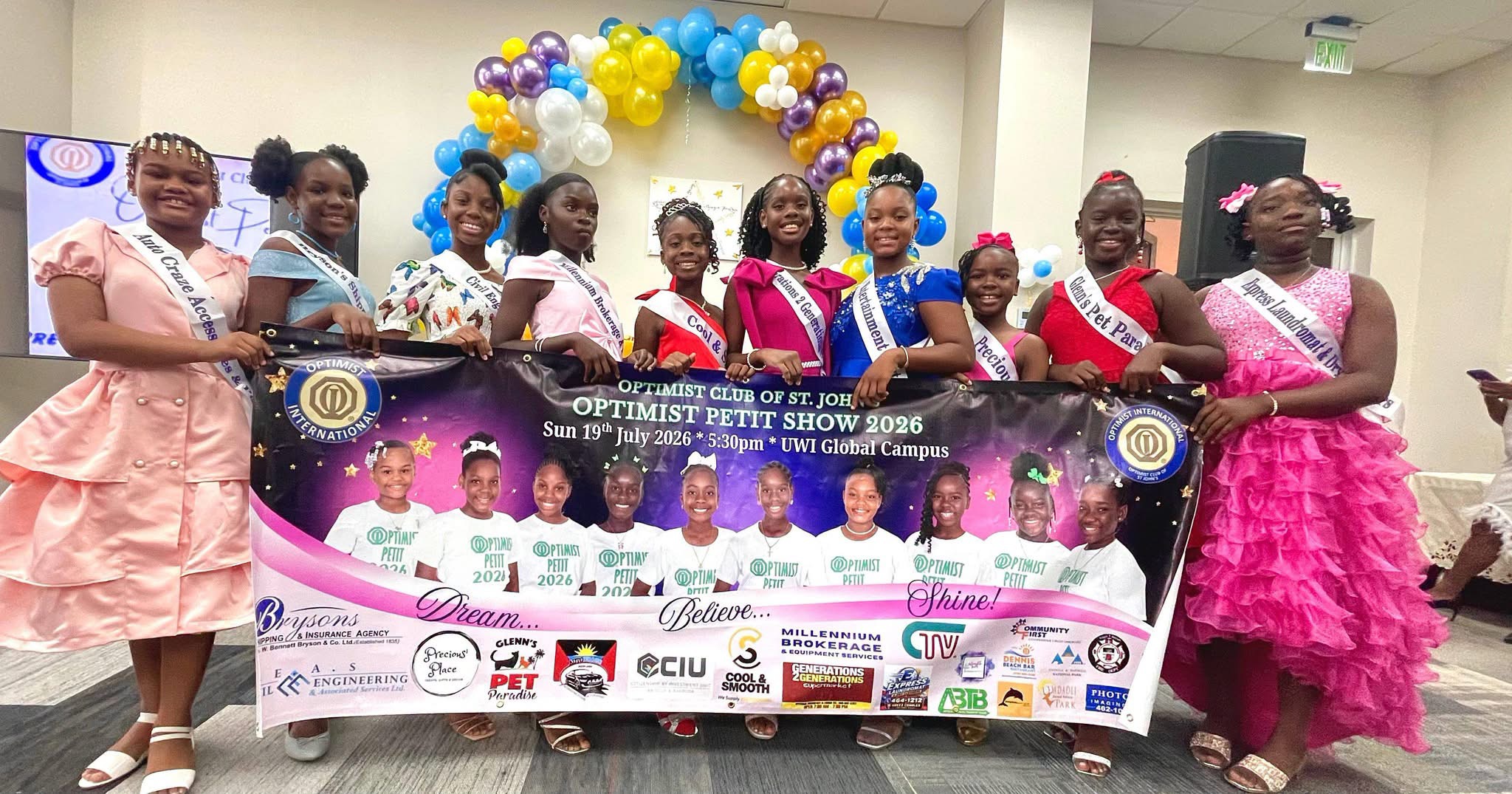
    ‘Elevated and reimagined’ Miss SVG returns to Vincymas calendar

    After a one-year hiatus, one of St. Vincent and the Grenadines’ most anticipated annual cultural events, the Miss SVG beauty pageant, is making a comeback — and this year, it is reclaiming its traditional spot as the official opening event of the Vincymas carnival season, scheduled to take place on May 30. This marks a shift from the pageant’s recent scheduling, when it was moved to October to align with the country’s annual Independence Day commemorations.

    Seven young contestants from communities across St. Vincent will compete for the coveted national crown and a package of top-tier prizes, headlined by an 80,000 Eastern Caribbean dollar university scholarship that offers a life-changing educational opportunity for the winner. The contestants, listed by their official performance order, are: 1. Charisma Charles, 22, representing sponsor Insta Cash from Peruvian Vale; 2. Enecia Clarke, representing Grenadine House from Layou; 3. 24-year-old N’Zinga Deroche, representing Republic Bank, also from Layou; 4. Elreka Gaymes, representing Executive Air Ltd.; 5. 26-year-old Lourie John, representing Darcheville Construction Equipment Sales Ld. from Redemption Sharpes; 6. Kayla Jordan, representing Lotto; and 7. Anaelia Williams, representing Lynch Caribbean Brokers Ltd. from Richland Park.

    Jamie Crick, a core member of the Carnival Development Corporation’s (CDC) Beauty Shows Committee, described this year’s class of contestants as a diverse “bouquet that reflects the very spirit of Vincymas”, noting that the months-long preparation journey leading up to the pageant makes the 2026 competition extra meaningful. Over nearly a year, Crick explained, the seven candidates have dedicated themselves to rigorous training, personal discipline, and intentional growth, evolving into polished, confident ambassadors prepared to represent their sponsors, home communities, and the country ahead of the carnival season. This year’s pageant operates under the overarching theme La Fleur Royale, or The Royal Flower.

    Beyond the main competition night on May 30, organizers have planned a full slate of accessible, community-focused pre-pageant events designed to bring the excitement of the contest directly to the Vincentian public. On May 3 and 10, contestants will participate in island-wide motorcades, with an additional motorcade route through the capital city of Kingstown scheduled for May 22. The motorcades will allow residents across every corner of the island to meet the contestants in person and engage with the Vincymas spirit ahead of the main event.

    On May 8, the pageant will host a unique public event titled “Meet me in the market”, framed as a casual, lively gathering where attendees can meet the delegates, take photos, learn more about their preparation journeys, and support local vendors across the island’s public markets. This event is one of several new, fresh additions organizers have introduced to this year’s revived pageant.

    Organizers have also reimagined the traditional pageant segments while retaining beloved core elements, with a focus on celebrating individuality and innovation this year. The popular swimwear segment will return with a cohesive unified color palette, but every candidate will wear a custom, uniquely designed piece that reflects her personal style. For the competitive interview round, each contestant will answer two questions: one pulled at random on stage, and one universal question asked to every competitor to create a fair comparative framework. The cultural wear segment will be themed “Once Upon A Village”, designed to highlight St. Vincent’s rich cultural heritage and local traditions, while audiences can also expect the timeless elegance of the evening wear portion and dynamic displays of creativity during the talent competition.

    Crick emphasized that despite the disruptions and patience required to bring the pageant back to its traditional Vincymas slot, the end result will be worth the effort. “Though the journey has required patience, we stand here confident that what lies ahead will be worth every painstaking moment, because with every moment that shapes us comes the opportunity to build something greater,” she said, noting that the return of the pageant to the carnival calendar brings a fresh, exciting energy to the start of the 2026 Vincymas season.

  • CDC promises ‘Great Escape’ as Vincymas 2026 launched

    CDC promises ‘Great Escape’ as Vincymas 2026 launched

    On Saturday, April 11, 2026, the official launch of Vincymas 2026 took place at the decommissioned ET Joshua Airport located in Arnos Vale, marking the official start of months of preparation for one of the Caribbean’s most vibrant cultural festivals. Speaking at the launch event held on the site’s tarmac, Ricardo Adams, chair of the Carnival Development Corporation (CDC), framed the annual celebration as far more than a seasonal public gathering — positioning it as a core pillar of national identity for Saint Vincent and the Grenadines.

    “Tonight, we start on the road to Vincymas, a journey where we celebrate the past, embrace the present and look eagerly to the future,” Adams told attendees. He expanded on the festival’s 2026 theme, “The Great Escape”, explaining that Vincymas serves as the cultural heartbeat of the nation, weaving together the rhythmic power of traditional drums, the imaginative artistry of masquerade, the infectious energy of local music, and the unbreakable collective spirit of the Vincentian people.

    Adams emphasized that the festival reinforces the country’s shared cultural unity, noting that 2026 will bring several exciting updates to the long-standing event calendar. Most notably, the beloved Miss SVG beauty pageant will return to the Vincymas lineup after a one-year hiatus. The pageant, which was canceled in 2025 amid a hotly contested national election that ended the Unity Labour Party’s 25-year run in office, has a long history as a core part of the festival. For decades, it served as the traditional opening event for Vincymas held each May, before organizers shifted it to October several years ago to tie into national independence celebrations. For 2026, it will once again take its place alongside the festival’s core programming.

    Alongside the return of Miss SVG, Adams confirmed that the popular AIA (Argyle International Airport) activations — community engagement events held at the country’s main international airport to welcome visiting travelers — will also make a comeback in 2026, building on the strong turnout and positive reception they received last year. A brand new addition to this year’s festival is a dedicated cultural village that will operate for the full 10-day run of Vincymas right at the Arnos Vale launch site. The village will center authentic Vincentian cuisine, a core cultural element that Adams noted is essential to the full carnival experience. Organizers are also bringing back the iconic monkey band, with plans to expand the popular traditional performance for a bigger, better showcase in 2026.

    The 2026 festival also kicks off the lead-up to a major historical milestone: in 2027, Vincymas will mark 50 years as a summer festival, following a 1977 shift that moved it from its historic roots as a pre-Lenten celebration. Adams announced that the CDC will officially launch the 50th anniversary commemorations during this year’s events. “For 50 years, this shift has shaped our identity, elevated our cultural expression, and positioned Vincymas as one of the most authentic and energy-filled carnivals in the Caribbean,” Adams said. He noted that the half-century milestone is far more than a celebration of the passage of time: it is a tribute to the nation’s resilience, generations of creative innovation, and enduring national pride.

    As the countdown to the 2026 festival begins, Adams urged all Vincentians to engage with the full range of pre-event activities, from smaller rural carnivals to calypso tent performances, mas camps, and pan yard gatherings. He called on locals to fully immerse themselves in the festival’s culture: “Immerse yourselves in the culture. Live it. Feel it. Support it.”

    Adams made a special appeal to young Vincentians, whom he described as the future of Vincymas. He encouraged youth to channel their creativity and energy into the festival’s core cultural spaces — including music, masquerade, dance, and visual art — leaning into the traditions that unite the nation rather than external influences that create division. “Your talent, your innovation and your energies are needed now more than ever,” he said.

    He also called on national policymakers to continue and expand investment in the country’s creative industries. “When we invest in culture, we invest in our people; when we empower our youth, we secure our future,” he emphasized.

    In closing, Adams highlighted Vincymas’ long-standing reputation as a safe, inclusive celebration for all attendees. He noted that maintaining this legacy is a shared responsibility for everyone involved, urging all participants to celebrate responsibly, treat one another with respect, and preserve a welcoming, secure environment for both local attendees and international visitors to experience the magic of Vincymas.

  • Bollywood-zangeres Asha Bhosle is niet meer

    Bollywood-zangeres Asha Bhosle is niet meer

    Legendary Bollywood playback singer and global cultural icon Asha Bhosle has passed away at the age of 92 in Mumbai, her son has confirmed. Bhosle, widely hailed as the undisputed queen of Indian playback singing, was hospitalized following a heart attack before her death, marking the close of one of the most influential careers in modern South Asian music.

    Spanning more than 80 years and encompassing over 12,000 recorded songs, Bhosle’s career redefined the sound of Bollywood for multiple generations of fans. Her instantly recognizable vocal range brought life to hundreds of hit film tracks, which actors lip-synced on screen and turned into anthems that got audiences across the world dancing and singing along for decades.

    Bhosle’s global fame extended far beyond Indian cinema: in 1997, British alternative band Cornershop paid homage to her legacy with the chart-topping hit “Brimful of Asha,” and she later collaborated with high-profile international artists including British pop icon Boy George and virtual alternative band Gorillaz on a 2026 release, one of her final recorded projects.

    In the hours after news of her death broke, tributes poured in from across the globe on social media from political leaders, fellow artists, and millions of fans. Indian Prime Minister Narendra Modi called Bhosle “one of the most iconic and versatile voices India has ever known,” praising her “extraordinary musical journey” that enriched India’s cultural heritage and touched “countless hearts across the world.”

    Veteran Indian actress and politician Hema Malini shared her grief, noting that Bhosle’s death hit “extra hard for me, because I shared an emotional bond with Ashaji – she made so many of my songs popular with her one-of-a-kind voice and style.” Acclaimed Indian composer and singer Shankar Mahadevan added that “every Indian is heartbroken today,” emphasizing that “her music will never die as long as humanity exists. She will live on forever, with her incredible voice resounding across the globe.”

    A unique musical legacy carved out from a legendary family

    Born into the iconic Mangeshkar musical family in Maharashtra in September 1933, Bhosle carved out a distinct artistic identity separate from her older sister, Lata Mangeshkar, another Bollywood legend who passed away in 2022. Where Mangeshkar became known for her signature classical elegance, Bhosle brought a bold, dynamic energy and genre-bending creativity to her performances.

    Her decades-long creative partnership – and later marriage – to legendary Bollywood composer RD Burman remains one of the most iconic collaborations in Indian film history. The pair produced dozens of chart-topping hits, experimenting with an eclectic sound that ranged from soulful, heartfelt ballads to high-energy dance tracks that revolutionized Bollywood’s musical identity.

    Bhosle’s versatility knew no bounds, spanning everything from the upbeat psychedelic classic “Dum Maro Dum” and the sultry “Piya Tu Ab To Aaja” to the devotional wedding staple “Mehndi Hai Rachnewali.” Her most memorable work anchored iconic films including *Teesri Manzil*, *Caravan*, *Yaadon Ki Baaraat*, *Ijaazat*, and *Saagar*, with her work on the 1981 film *Umrao Jaan*, scored by composer Khayyam, widely considered the creative peak of her career. Bhosle once noted that only Burman was able to unlock the full range of her vocal abilities and help her discover her own artistic potential.

    From humble early beginnings to global stardom

    Growing up in a household steeped in performance – her father was a classically trained singer and stage actor – Bhosle began singing at a young age. Her career took off in the 1950s and 1960s, as she quickly built a reputation for versatility across genres, recording not just film tracks but also ghazals, bhajans, qawwalis, and pop music. Early hits including “Aaiye Meherbaan”, “Parde Mein Rehne Do”, and “Dum Maro Dum” remain classics to this day, and her duets with legendary singers Mohammed Rafi, Kishore Kumar, and Manna Dey are considered timeless treasures of Indian music.

    Bhosle’s personal life was marked by significant challenges: she endured a difficult first marriage and raised three children as a single parent before marrying RD Burman, who passed away in 1994. Despite constant comparisons to her more widely celebrated sister early in her career, Bhosle never abandoned her distinct artistic vision, continuing to expand her creative horizons and win new fans across generations.

    A lasting cross-cultural legacy

    Long after she became a household name in India, Bhosle continued to break new ground. In 2020, she launched an online talent competition and a YouTube channel to share stories from her decades-long career with hundreds of thousands of young followers. In a 2023 interview, she reflected on her life and work, saying: “For me, music is my breath. I have lived my whole life with that thought. I have given so much to music, and I am glad I got through hard times. I often thought I would not survive, but I did.”

    One of Bhosle’s final recording projects was a collaboration with Gorillaz on the band’s 2026 album *The Mountain*, which explores themes of grief, mortality, and spiritual transition. The track “The Shadowy Light” paired Bhosle’s instantly recognizable voice with a multicultural ensemble, pairing her signature sound with modern production to create a haunting meditation on death and the afterlife. The collaboration served as a powerful final chapter to her career, reaffirming her timeless ability to transcend boundaries of genre, geography, and generation.

    Today, Asha Bhosle leaves an indelible mark on the global music industry, a legacy built on a voice that connected generations and crossed cultural divides. Her work continues to shape the sound of Bollywood and inspire artists across the world, and her music will live on for decades to come.

  • Vernal Sage believes in ‘Good over evil’

    Vernal Sage believes in ‘Good over evil’

    After stepping away from the music industry for more than a decade to pursue a corporate tech career, veteran Jamaican reggae performer Vernal Sage—pronounced Sajay—has returned to the spotlight with a purpose-driven new single aimed at sparking meaningful cultural shift. Titled *Good Over Evil*, the track grows out of Sage’s deep concern over eroding moral standards and fading empathy across global society, and he says he is confident the work can lift collective spirits and reframe public mindsets both in his native Jamaica and across the world.

    In explaining the core message behind his latest release, Sage pointed to growing social disconnectedness that has paved the way for a surge in destructive societal problems, from widespread scamming operations to rising violent criminality in Jamaica. Beyond local community issues, he extended his critique to global politics, noting that many world governments now operate without empathy or regard for the welfare of citizens in other nations, pointing to the ongoing crisis unfolding across the Middle East as a stark example.

    Sage emphasized that failing adult leadership has disproportionately harmed young people, who grow up without receiving the consistent care and loving example they need to thrive. “It’s turning into a harsher, more unkind world, and that has to be fixed,” he explained. “Good has to hold the balance to keep the world right. That’s why I sing of good triumphing over evil, and that’s what I pray for every day.”

    Since its release, *Good Over Evil* has earned broad, enthusiastic backing from Jamaican radio personalities. Top DJs including DJ Amber, Big A, Collision and DJ Bryan from the popular local station IRIE FM have added the track to regular rotation, alongside other prominent DJs Roderick Howell, Dalton Leith, and Richie B. Programming teams at Connection Radio and Captain Kirk of Island Gold Radio have also thrown their support behind the single. The track made its public debut at the iconic Kingston weekly street event Weddy Weddy, hosted by Dwayne Pow, and DJ Shawn 13 has been spinning the track consistently at local street events ever since. “The feedback and support we’ve gotten has been absolutely incredible,” Sage said of the early response.

    A native of Westmoreland, Jamaica, Sage grew up as the oldest of eight siblings, cutting his first musical teeth as a member of his high school choir at Glenmuir High School before relocating to Rocky Point, Clarendon, and completing his secondary education at Clarendon College. He cut his first three recorded tracks in the early 1990s under the stage name Green T, after graduating from the University of Technology. For years, he balanced a full-time career as an information technology specialist with his passion for music, even releasing multiple tracks through the legendary reggae label Greensleeves Records. Eventually, the heavy demands of his corporate role led him to step back from music, taking an extended sabbatical that lasted until 2010.

    Sage’s return to full-time music began through a personal and professional connection with iconic Jamaican performer Boris Gardiner. In 2020, he officially relaunched his recording career, teaming up with Gardiner and Donovan Downer, a core member of the beloved reggae group Fab Fifty. Since resuming his craft, he has poured consistent energy into refining his work, earning early commercial success with the 2020s single *One Night Stand*, which climbed the ethnic regional music charts across the United States.

  • ‘A Hit Mek’ charts journey of Jamaica’s music heritage

    ‘A Hit Mek’ charts journey of Jamaica’s music heritage

    Jamaica’s globally beloved musical tradition has long been celebrated around the world, but a groundbreaking new work by author Rohan Budhai argues that many critical chapters of this cultural legacy have remained hidden from mainstream documentation. Titled *A Hit Mek* — a clever reference to Desmond Dekker’s iconic 1967 track *007 (Shanty Town)* that unpacks the deeper cultural roots of the classic phrase “A it mek” — this 560-page volume offers the most sweeping examination of the island’s sonic and cultural evolution ever published, challenging long-held assumptions that Jamaican music history has already been fully mapped.

    In his foreword to the book, respected music consultant Clyde McKenzie praises Budhai’s unique approach, which ties pivotal moments in Jamaican social and political history directly to the emergence and transformation of the nation’s core musical genres. Unlike many earlier works that focus only on the global boom of reggae in the 20th century, *A Hit Mek* stretches its narrative back more than 500 years, opening with Christopher Columbus’s 15th-century arrival on the island and the Indigenous Taíno community whose rhythmic drumming, call-and-response vocal traditions, and handmade instruments carried the earliest echoes of African cultural influence that would shape all future Jamaican sound.

    Budhai weaves together a complex narrative that accounts for the layered impacts of Spanish and British colonial rule, the brutality of the transatlantic slave trade, and the irreplaceable cultural contributions of every community that shaped the island: Taínos, Maroons, enslaved Africans, and indentured laborers from across Asia and the Middle East. The book traces the step-by-step evolution of Jamaica’s most defining genres, from sacred traditional styles like Kumina to the first commercially recorded local sound Mento, through the mid-20th century explosion of Ska and Rocksteady, and on to the global dominance of Reggae and the contemporary energy of Dancehall. It also centers the underrecognized role of Jamaican sound system culture, a grassroots innovation that redefined live music and went on to reshape popular sound across the globe.

    A key strength of the work is its commitment to highlighting the contributions of diverse communities that have long been sidelined in official music histories, including Afro-Jamaican, Lebanese, Syrian, Chinese, and Indian Jamaican creators, alongside the bands, radio outlets, and entertainment organizations that nurtured local talent and expanded the reach of Jamaican sound. The book even addresses longstanding scholarly debates: for example, it notes that while Mento holds the title of Jamaica’s first widely recognized and electronically recorded local genre, cultural icons like Rex Nettleford long argued that it drew significant formative influence from Cuban musical traditions.

    The volume devotes special attention to reggae, Jamaica’s most globally impactful export, framing it as a dynamic fusion of West African ancestral traditions, American rhythm and blues, jazz, and soul. It maps reggae’s far-reaching legacy, from spawning iconic subgenres including dub and lovers rock to shaping everything from modern hip-hop to global electronic dance music, cementing Jamaica’s outsize influence on contemporary popular music worldwide.

    Budhai, who launched his career in music production before founding Howlers International Music, began the ambitious project in 2021, during the global COVID-19 pandemic, and brought it to completion in 2025. His years of research uncovered major gaps in existing historical accounts, with many key influences — including church music introduced during colonial rule, and cultural traditions dating back to pre-Columbian and enslaved African communities — having been largely overlooked in earlier works.

    Today, *A Hit Mek* is available for purchase globally through Amazon, with translated editions already published in Spanish, French, and Portuguese to make this comprehensive history accessible to audiences around the world. While Budhai describes the book as one of the most exhaustive works on Jamaican music history ever compiled, he emphasizes that the story of the island’s sound is far from finished. For him, Jamaican music has always been, and remains, a living narrative that reflects the struggles, extraordinary resilience, and unmistakeable cultural identity of the Jamaican people, with new chapters still being written every day.

  • Morning Maestro Machel

    Morning Maestro Machel

    Jamaica’s iconic Hope Gardens’ Wonderlands transformed into a vibrant carnival hub over the weekend, welcoming hundreds of eager party-goers to the much-anticipated annual Sunrise Breakfast Party. Organized by local event collective Sunnation Jamaica, the morning gathering has cemented its reputation as one of the can’t-miss staple events on the regional Caribbean Carnival calendar, drawing both local revelers and traveling carnival fans from across the globe this year. Attendees turned out in full force to sample local cuisine, enjoy interactive entertainment, and soak in the high-energy festive atmosphere that has become synonymous with the event. Headlining the morning lineup was soca legend Machel Montano, whose dynamic, crowd-leading performance turned the Saturday morning showdown into an unforgettable experience. The beloved soca maestro commanded the stage from the first note, drawing the entire audience into a collective, high-energy celebration that left the venue buzzing with unmatched positive energy. Photography by Garfield Robinson captured the electric vibe of the day’s festivities.