分类: education

  • Antiguan Schools Invited to Enter CARICOM Agriculture Video Competition

    Antiguan Schools Invited to Enter CARICOM Agriculture Video Competition

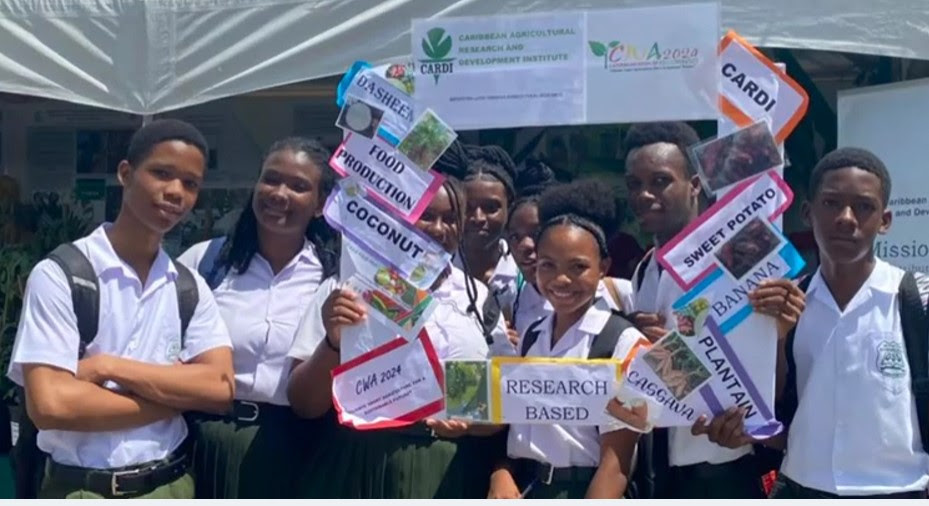
    Secondary schools across Antigua and Barbuda have been invited to participate in a region-wide agricultural video competition that offers significant cash rewards for winning teams, launched by the Caribbean Community (CARICOM).

    The CARICOM Regional High School Youth in Agriculture Video Competition requires participating institutions to craft an original, engaging one-minute video created by students. Entries must center on student-led agricultural production projects, and clearly articulate the critical role that agriculture plays in sustaining local communities, national economies, and the broader Caribbean regional ecosystem. For emerging winners, the rewards are structured as $1,700 for the first-place team, $1,300 for second place, and $1,000 for the third-place finisher.

    According to a statement from the CARICOM Secretariat, the competition serves multiple core strategic goals. Beyond celebrating high-performing agricultural education programs already operating at secondary schools across the region, organizers aim to raise awareness of sustainable farming practices and open young people’s eyes to agriculture as a viable, rewarding professional path and entrepreneurial opportunity. Too often framed as a declining industry, the competition seeks to reframe agriculture as an innovative, essential sector that welcomes young new talent.

    This initiative is not a solo effort by CARICOM: it is a collaborative project developed alongside the CARICOM Youth Advisory Body, the United Nations Food and Agriculture Organization (FAO), the Caribbean Agricultural Research and Development Institute, and the Inter-American Institute for Cooperation on Agriculture. This cross-organizational partnership brings together expertise in youth engagement, global agricultural development, regional research, and agricultural cooperation to support the competition’s mission.

    Aspiring participating schools have ample time to prepare their submissions, with a final entry deadline set for September 4, 2026. Full official competition guidelines and all required entry information are currently available for review directly through the CARICOM Secretariat for interested institutions.

  • Two Antiguan Students Selected for Prestigious Caribbean STEM Programme

    Two Antiguan Students Selected for Prestigious Caribbean STEM Programme

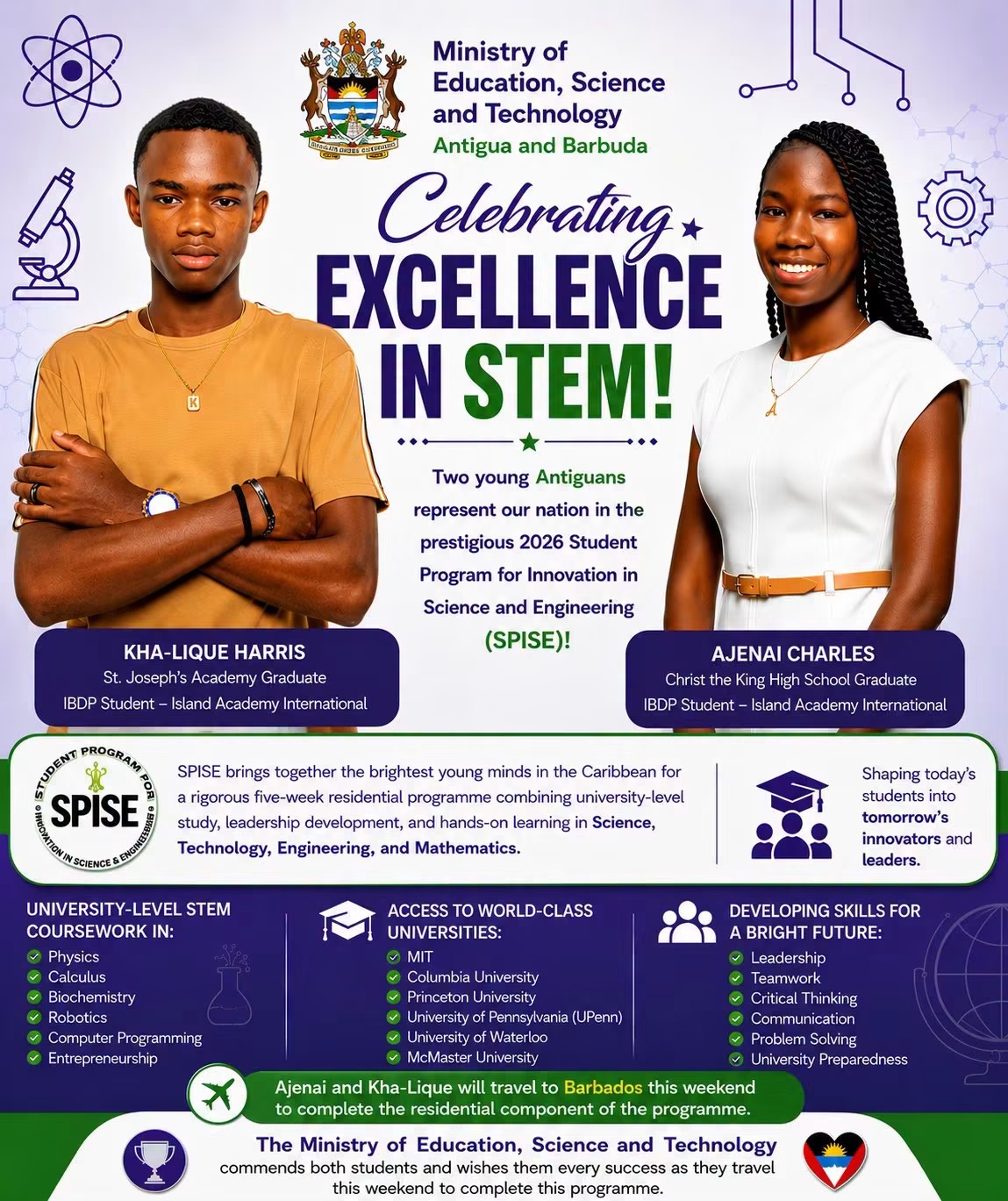
    Two outstanding young students from Antigua and Barbuda have secured coveted positions in the 2026 Student Programme for Innovation in Science and Engineering (SPISE), opening the door for them to collaborate and learn alongside the Caribbean’s most promising emerging STEM talents. The nation’s Ministry of Education, Science and Technology made the official announcement this Friday, confirming that Ajenai Charles and Kha-Lique Harris will depart this weekend for Barbados to complete the programme’s intensive residential learning segment. In an official statement released to the public, the ministry extended warm congratulations to the selected pair, praising them as extraordinary young representatives of Antigua and Barbuda who will carry their nation’s pride into an experience of advanced academic study and cross-regional collaborative problem-solving. “We wish them every success as they continue to represent Antigua and Barbuda with pride,” the statement read. SPISE is widely recognized as one of the Caribbean’s most competitive youth STEM initiatives, structured as an immersive, intensive program that integrates rigorous university-level coursework, targeted leadership skill building, and hands-on practical training across all STEM disciplines: science, technology, engineering and mathematics. The program was developed specifically to equip high-achieving secondary students from across the Caribbean with the foundational skills and networks needed to build successful long-term careers in fast-growing STEM sectors. Both selected students currently pursue the International Baccalaureate Diploma Programme (IBDP) at Island Academy International, with distinct academic backgrounds prior to their enrollment: Charles is a graduate of Christ the King High School, while Harris completed his earlier secondary education at St. Joseph’s Academy. Beyond celebrating the individual achievements of Charles and Harris, the ministry emphasized that their selection to the competitive program is a tangible reflection of Antigua and Barbuda’s sustained, long-term investment in advancing academic excellence and nurturing the next generation of homegrown innovators in STEM fields.

  • Maritime Scholarships : Call for Applications

    Maritime Scholarships : Call for Applications

    A new educational opportunity has opened up for young Haitians interested in building careers in the maritime industry, after a partnership between Haiti’s National Institute for Vocational Training (INFP) and Martinique’s Maritime and Aquaculture Vocational Training School (EFPMA) created a fully funded scholarship program for eligible candidates.

    The program, which is set to begin coursework at EFPMA’s Martinique campus in October 2026, will train selected participants to earn a Maritime Vocational Aptitude Certificate (CAPM), a recognized professional credential that opens doors to entry-level and mid-level careers in the global maritime sector. INFP, which is coordinating the application process on behalf of the partnership, has officially opened the call for applications, targeting young Haitian residents between the ages of 18 and 30.

    To be considered for the scholarship, candidates must meet three core prerequisites: existing basic navigational skills, professional proficiency in French, and completion of a Baccalaureate II degree or its recognized educational equivalent. Applicants are required to submit a complete application package that includes a detailed curriculum vitae with all relevant supporting educational and professional documents, a personal letter of motivation explaining their career goals in the maritime sector, a valid national tax identification number, and the Haitian National Unique Identification Card (CINU). The only required document that can be submitted after the initial application deadline is the official medical certificate, which must be issued by a licensed physician approved by Haiti’s SEMANAH authority.

    There are two accepted channels for submitting applications: candidates can send their complete package to the official INFP email address infp.alecoute@infp.gouv.ht, or drop off physical copies in person at the INFP Human Resources office, located at 3 rue Saint Surin, Impasse Fremont, Pétion-Ville, along Route de Canapé-Vert in Haiti. All applicants submitting materials via email are required to include the phrase *Application for the EFPMA scholarship* in the subject line of their message to ensure their application is routed correctly for review.

    Following the closing of the application period, INFP and EFPMA program coordinators will review all submitted materials and select a shortlist of candidates for further screening and evaluation. Only shortlisted applicants will be contacted via phone or mail to complete the next steps in the selection process. The firm deadline for all initial application submissions is August 15, 2026. More detailed information about EFPMA, its training programs, and the CAPM credential can be found on the school’s official website at https://www.efpma-martinique.com/.

  • Four Belizeans Receive Free Education from St. John’s Credit Union

    Four Belizeans Receive Free Education from St. John’s Credit Union

    In celebration of its 80th year of service to communities across Belize, St. John’s Credit Union (SJCU) has launched a landmark expansion of its education support program, awarding four-year full high school scholarships to a record-breaking group of four local students—the largest cohort of recipients in the initiative’s history.

    The multi-year scholarships are designed to remove financial barriers for talented young learners who demonstrate strong academic potential, significant unmet financial need, and clear commitment to advancing their long-term personal and career goals. Unlike many one-time education grants, this program covers all costs associated with four years of high school, extending far beyond basic tuition to ensure recipients have every resource needed to thrive.

    Shanelle Reneau, Chief Executive Officer of SJCU, explained the expanded scope of the 2024 scholarship program in a recent broadcast interview. “This year, we increased the total number of awards significantly,” Reneau said. “Each student receives $1,700 that is paid directly to their high school to cover full tuition. On top of that, we provide all required school supplies, and add targeted academic support when it’s needed. If a recipient struggles with any subject, we arrange free tutoring to help them get back on track. Our whole goal is to set these students up for the highest possible chance of success throughout their entire high school journey.”

    For the awardees, the scholarship represents a life-changing opportunity to pursue their ambitions without financial strain. Prince Perez, one of the 2026 recipients, shared his excitement and gratitude for the award, saying, “I am really happy and really grateful for getting this award. I hope I get to make my parents, myself, and everyone proud.” When asked about his future career aspirations, Perez explained he plans to build a career working with Belize’s iconic marine environment, following in the footsteps of his family. “I like science and IT. And in the future I wanted to be a marine tour guide. I saw a lot of my family members do it, like my grandfather, my uncles, and some of my aunties. But I like to be like them ’cause I love the ocean and marine life.”

    Fellow recipient Ivan Mendez noted that the award has already shaped his approach to his education, pushing him to maintain high academic standards and engage more deeply with his learning. “It has helped me mold myself into always keeping those grades and involving myself more in my education,” Mendez said. For future applicants considering applying for the program next year, Mendez offered simple, encouraging advice: “Just keep your grades up and apply to any scholarship that is available to you. No matter what all you need to do, just apply and maybe just believe that you will be accepted.”

    SJCU officials emphasized that the expanded scholarship program aligns with the credit union’s core mission, which has centered on supporting members and strengthening local communities through access to opportunity since its founding 80 years ago. Recipients were reminded that the award is both a valuable opportunity and a responsibility to continue striving for academic and personal excellence throughout their high school careers.

    The scholarship initiative is just one part of SJCU’s 80th anniversary celebrations, which will take place this November. The organization has planned a full slate of community-focused events to mark the milestone, alongside highlighting its new facility, upgraded member services, and ongoing commitment to growing its impact and serving the Belizean community more effectively in the decades ahead.

    This report is adapted from a transcript of an evening television news broadcast.

  • Ghanaian student gains first UWI Cave Hill’s BSc Preclinical Sciences degree

    Ghanaian student gains first UWI Cave Hill’s BSc Preclinical Sciences degree

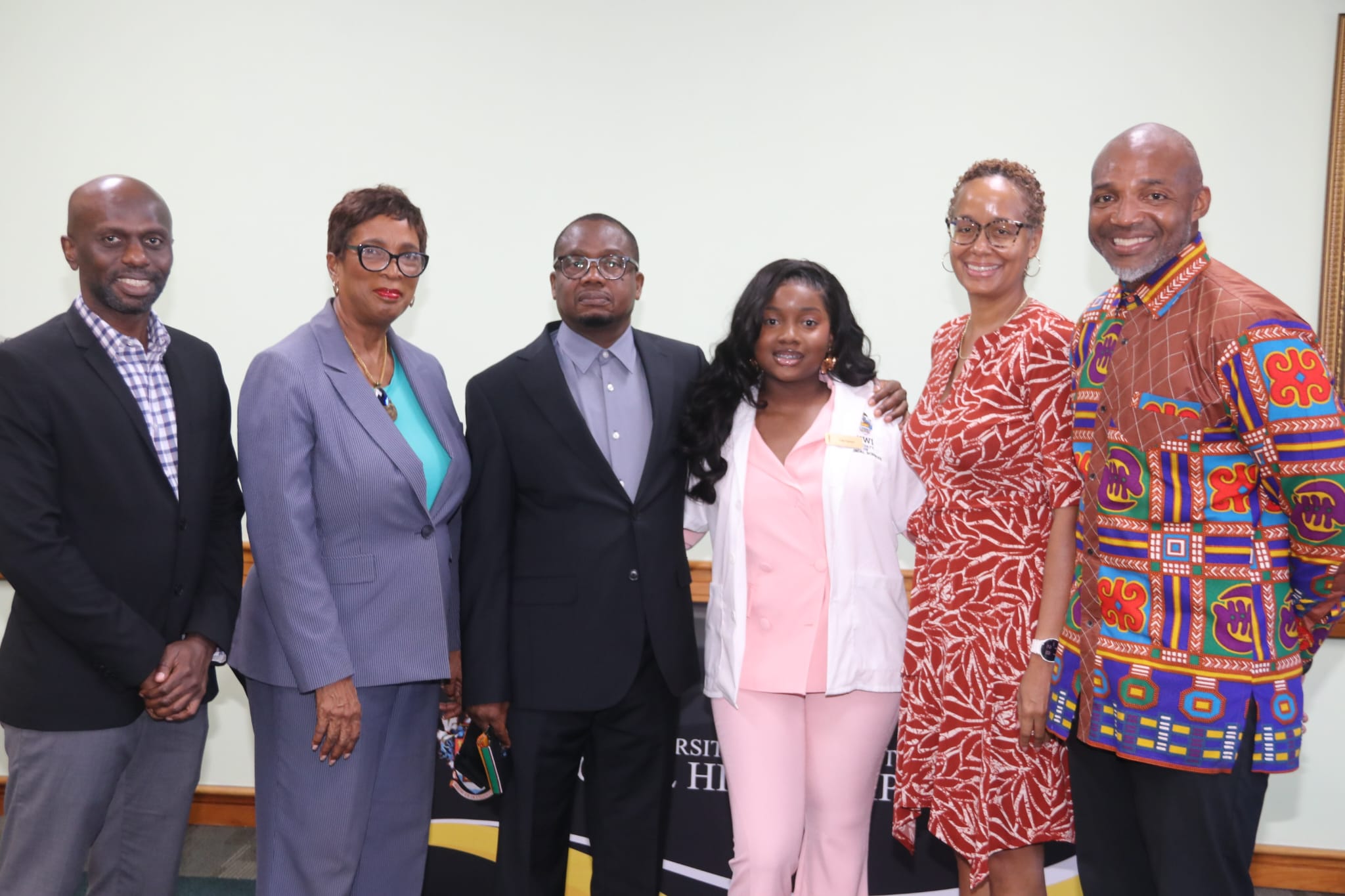
    On a historic Friday at the University of the West Indies (UWI) Cave Hill Campus in Barbados, a new milestone was reached for both global medical education and bilateral ties between Barbados and Ghana, as Fafa Hanson, a young Ghanaian medical scholar, became the inaugural graduate of the joint Bachelor of Science in Preclinical Sciences programme. Upon completing her preclinical training at the Cave Hill campus, Hanson will return to Ghana to finish the remaining clinical phase of her medical degree, marking the first successful completion of the collaborative initiative between UWI Cave Hill and the University of Ghana.

    During a formal ceremony held in the Jacqueline Wade Conference Room of the Hilary McDonald Beckles Administration Complex, Hanson received her official academic pin and white medical coat, symbols that formally recognize her completion of the programme’s foundational preclinical stage. University leaders used the occasion to reflect on the far-reaching implications of both Hanson’s achievement and the cross-institutional partnership that made her studies possible.

    Dr. Damian Cohall, Dean of UWI Cave Hill’s Faculty of Medical Sciences, framed Hanson’s graduation as just the first of many success stories expected to emerge from the bilateral programme. In his remarks to the graduate, he encouraged her to embrace cutting-edge digital and artificial intelligence tools as supports for her future practice, while emphasizing that human-centric medical values will remain at the core of the profession. “AI and digital platforms will never replace the critical thinking and empathy that define good medicine,” Cohall noted. “These tools exist to assist us, not to take the place of the human connection that is at the heart of patient care.” He urged Hanson to center her career on improving community well-being and holding fast to empathetic care alongside her pursuit of academic excellence.

    Deputy Principal Professor Winston Moore echoed this sentiment, highlighting the unique weight of Hanson’s status as the programme’s pioneer. Unlike subsequent cohorts who will benefit from established guidance and past student insights, Hanson navigated an entirely uncharted academic path with no precedent to rely on. “Every challenge she overcame, every insight she gained, has directly shaped how this programme will be run for all future students,” Moore explained. Beyond the academic structure, Moore tied the partnership to UWI Cave Hill’s broader strategic goals of expanding its international footprint and contributing to Barbados’ economy. As a globally traded service, international higher education brings direct economic benefits through tuition fees and increased utilization of campus infrastructure, he noted, adding that Hanson’s choice to study at UWI Cave Hill over leading institutions in Accra, the United Kingdom, and North America speaks volumes about the campus’s growing international reputation.

    Moore also placed Hanson’s journey in a sweeping historical context, noting that for centuries, involuntary movement across the Atlantic connected West Africa and the Caribbean through the transatlantic slave trade. “Today, we see a young Ghanaian woman cross that same ocean of her own free will, to pursue education that will benefit both her home country and her host nation,” he said. “This is a small but meaningful correction to a centuries-long history of forced displacement.”

    Sandra Husbands, Barbados’ Minister of Technological and Vocational Training, described the ceremony as just the first step in a much broader vision of interconnectedness between Barbados and Ghana. Citing the proverb that small beginnings should never be dismissed, Husbands noted that Hanson’s graduation is the source of a growing partnership that will expand far beyond medical education. “Barbados is committed to deepening ties with Ghana across every sector: culture, trade, joint governance, and foreign policy, in addition to education and research,” she explained. The partnership aligns with Barbados’ broader commitment to equitable South-South cooperation, and could eventually lead to joint research initiatives focused on addressing chronic and infectious diseases that disproportionately impact communities of African descent around the world.

    Dr. Jeanese Badenock, Dean of the Faculty of Science and Technology at UWI Cave Hill, congratulated Hanson on her achievement and recognized the years of collaborative work that went into building the programme from its inception. “We are incredibly proud of what we have built together, and even more proud of Fafa’s accomplishment as our first graduate,” she said, noting that the faculty is already preparing to welcome the next cohort of Ghanaian students to the programme.

    In an emotional closing address, Hanson reflected on the transformative impact of her time studying in Barbados, saying the experience pushed her to embrace new challenges and expand her own sense of what she could achieve. “Every obstacle I overcame revealed a new layer of strength I didn’t know I had,” she shared. “I used to shy away from unfamiliarity, but now I embrace it as an opportunity to grow beyond the limits I once set for myself.” She credited her faith and persistence for carrying her through the most challenging moments of the programme, noting that while hard work brings reward, timing and opportunity also play a critical role in every success story.

    As UWI leaders prepare to welcome future cohorts of Ghanaian students to the programme, Hanson’s graduation stands as a testament to the power of cross-border educational collaboration to transform individual lives, deepen historical reconciliation, and strengthen ties between nations of the Global South.
  • CDB, Belize government advance education projects in Orange Walk District

    CDB, Belize government advance education projects in Orange Walk District

    Hundreds of primary and pre-primary students in Belize’s northern Orange Walk District will soon access upgraded, climate-resilient learning spaces, as two new school construction projects break ground and a major classroom rehabilitation reaches completion under the Caribbean Development Bank (CDB)-supported Belize Education Sector Reform Programme II (BESRP II).

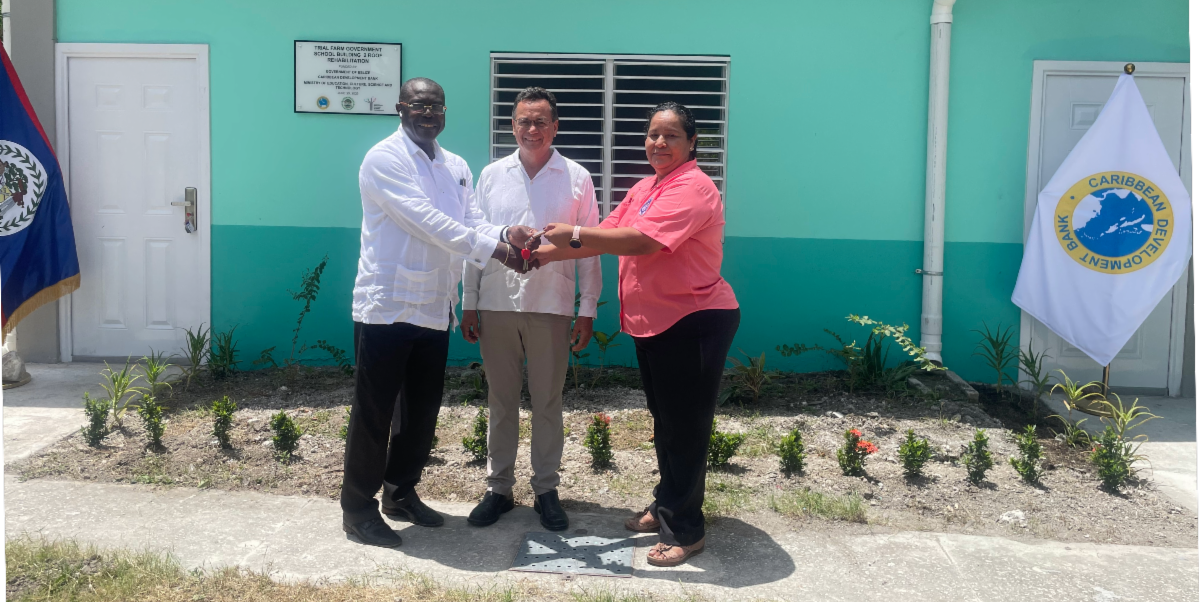
    The milestone was marked this week with dual groundbreaking ceremonies for the new Indian Church Primary School and a combined pre-primary and primary campus in Blackwater, Trial Farm Village, alongside an official handover event for the rehabilitated classroom block at Trial Farm Government School. At the handover, CDB Vice-President (Operations) Dr. Isaac Solomon and Belize’s Minister of State for Education, Culture, Science and Technology Honourable Ramon Cervantes formally passed the facility keys to a local educator, signaling the start of improved learning for students at the upgraded campus.

    These three projects are part of the broader BESRP II initiative, which will deliver 35 fully constructed and outfitted school infrastructure projects across Belize by its conclusion.

    The new Indian Church Primary School, built at a total cost of roughly US$1.3 million (equivalent to BZ$2.31 million), is designed to serve 96 students across four classrooms, with additional space for administrative offices, staff amenities, modern sanitation infrastructure, and supporting utility systems. The facility is built to meet modern building codes, with integrated hurricane-resistant design, dedicated water storage, improved drainage, and comprehensive fire safety protocols to protect students and staff.

    The completed rehabilitation of the Trial Farm Government School classroom block carried a price tag of approximately US$120,000 (BZ$0.24 million), while construction of the new Blackwater combined pre-primary and primary campus is now underway at a cost of US$1.51 million (BZ$3.02 million). Across the three projects, education officials project that hundreds of local students will gain access to safer, higher-quality learning environments, while expanded enrollment capacity will improve overall access to education across the district.

    Speaking at the milestone events, Dr. Solomon emphasized that the CDB’s investment extends far beyond constructing new physical infrastructure. “Our commitment goes beyond building infrastructure—we are supporting a stronger and more resilient education system that equips students with the knowledge and skills they need for the future, while contributing to broader social and economic development,” he said. “Indian Church Primary and the Belize Education Sector Programme as a whole, is pivotal in advancing educational excellence—an ambition that resonates deeply with my Bank’s refocused vision, anchored in the pillars of Innovate, Transform, and Thrive.”

    CDB officials note that the projects reflect the shared priority of the regional development bank and the Government of Belize to deliver modern, inclusive, climate-resilient educational infrastructure that meets local community needs, while strengthening Belize’s national human capital. The investments also align with CDB’s 10-year Strategic Plan 2026-2035, which targets expanded social resilience and increased access to quality education for young people across the Caribbean, as well as the bank’s new Rebirth Vision that prioritizes expanded investment in resilient infrastructure throughout the region.

  • ECTEL extends deadline for Pearl Allison Lake Scholarship applications

    ECTEL extends deadline for Pearl Allison Lake Scholarship applications

    For students across the Eastern Caribbean gearing up to apply for the prestigious Pearl Allison Lake (P.A.L.) Scholarship Fund, a last-minute extension has granted extra time to finalize their submissions. The Eastern Caribbean Telecommunications Authority (ECTEL), the managing body behind the award, recently made an official announcement pushing the new application deadline to 10:00 a.m. Atlantic Standard Time on Monday, July 27, 2026.

    This extension comes as a welcome reprieve for prospective candidates from ECTEL’s five Contracting States, which includes Dominica alongside other regional territories. ECTEL has issued a formal reminder to all eligible students to thoroughly review the full list of scholarship eligibility criteria and confirm that every required supporting document is included in their submission ahead of the cut-off. The authority stressed in its official press release that neither incomplete application packages nor materials received after the new deadline will be accepted for review.

    Notably, students who have already successfully submitted their completed applications do not need to reapply or take any further action at this time. Any candidates seeking additional information, including full application guidelines, a breakdown of required documentation, and access to the official online application portal, are directed to the dedicated scholarship pages on ECTEL’s official website.

    The application process for the 2026 cohort of the P.A.L. Scholarship requires two core documents: a completed student application form, and a referee form that must be filled out by a staff member from the applicant’s primary school.

    Established as a lasting tribute, the P.A.L. Scholarship Fund honors the legacy of Pearl Allison Lake, a long-serving member of the ECTEL Directorate who dedicated 20 years of her career to the organization before her passing in June 2024. Per ECTEL’s mission for the fund, the scholarship was created to celebrate Lake’s lifelong commitment to education and her deeply held conviction that learning is a transformative force that can open new life-changing opportunities for children across the region.

  • 27 July deadline for applications to Pearl Allison Lake Scholarship Fund

    27 July deadline for applications to Pearl Allison Lake Scholarship Fund

    The Eastern Caribbean Telecommunications Authority (ECTEL) has announced a key update for aspiring scholarship applicants: the submission deadline for the 2026 Pearl Allison Lake (PAL) Scholarship Fund has been pushed back to 10 a.m. Atlantic Standard Time on Monday, July 27, 2026. This decision comes as a benefit to prospective candidates, granting them extra weeks to finalize their application materials, resolve any outstanding requirements, and submit complete packages for consideration.

    ECTEL officials have urged eligible students hailing from all ECTEL Contracting States to take advantage of this extended window to thoroughly review the scholarship’s eligibility criteria and compile all mandatory supporting documentation before the new cutoff date. Important notes for applicants: submissions that arrive after the deadline, or applications that are missing required information or documentation, will not be reviewed by the selection committee. For students who have already successfully submitted their complete applications, no further action is required – their materials will remain under consideration as scheduled.

    Full details on the PAL Scholarship Fund, including official application guidelines, eligibility rules, and access to required forms, are hosted on ECTEL’s digital platforms. Eligible applicants can access the 2026 cohort online application form directly, while the separate referee form, which must be completed by a staff member from the applicant’s primary school, is also available for download and submission through the authority’s official channels.

    Beyond the application update, the PAL Scholarship Fund carries deep institutional meaning for ECTEL. It was established to honor the legacy of Pearl Allison Lake, a beloved and long-serving member of the ECTEL Directorate who dedicated 20 years of her career to the organization before her passing in June 2024. Lake was widely recognized for her unwavering commitment to expanding educational opportunities for children, and she consistently advocated for the transformative power that access to learning can bring to young lives. The scholarship fund stands as a permanent tribute to her values and service, carrying forward her mission of supporting the next generation of learners across the Eastern Caribbean.

  • Farm school grads urged to turn skills into wealth

    Farm school grads urged to turn skills into wealth

    On a momentous Thursday at the St. Lucy campus of the Hope Agricultural Training Institute (HATI), more than 40 trailblazing graduates from the institute’s inaugural Farming and Fishing Gateway Initiative cohort crossed the stage after completing 10 weeks of intensive hands-on training. The milestone event carried more than just celebratory weight: it marked the launch of a national push to redefine agriculture in Barbados from a subsistence practice to a profitable, innovation-led entrepreneurial sector. The call for this paradigm shift came from Dr. Chelston Brathwaite, a veteran agricultural leader and HATI consultant, who addressed the newly minted graduates with a clear, ambitious vision for their futures.

    Brathwaite, who previously served decades as the head of the Inter-American Institute for Cooperation on Agriculture (IICA), emphasized that the training program was not designed to prepare participants for small-scale, hand-to-mouth farming. Instead, it is a foundational stepping stone for a new generation of Barbadian agri-entrepreneurs equipped to leverage modern technology to build scalable, wealth-generating businesses. “We are not here to teach people to eke out a living,” Brathwaite told the assembly. “Our goal is to cultivate a new cohort of informed, skilled Barbadians who can use cutting-edge agricultural technologies to build lasting wealth for themselves and our nation.”

    A core pillar of Brathwaite’s message was the urgent need to move beyond traditional raw commodity production and unlock the massive potential of value-added agriculture. He reminded attendees of a vision he first articulated more than 10 years ago: transforming breadfruit from a simple staple crop into the center of a full-fledged domestic industry. Rather than just exporting or selling whole unprocessed breadfruit, Brathwaite argued, Barbados could build a market for value-added breadfruit products ranging from chips, flour, and pancake mix to wine and baked goods. This approach, he said, creates far greater economic value than raw production alone.

    “Only 30 percent of the total value of any agricultural product exists in the initial growing stage,” Brathwaite explained. “Seventy percent of the value comes after production: in processing, marketing, transportation, cold storage, and distribution. When you harvest a raw crop, that is just the starting line, not the finish line. Your job is to add that value and capture those economic gains for yourself.”

    He also stressed the importance of aligning product development with evolving modern consumer preferences, noting that convenience, nutrition, and organic certification have become non-negotiable priorities for today’s buyers. “Convenience is the new watchword in global food markets,” Brathwaite said. “Consumers do not want to put in hours of preparation; they want safe, nutrient-dense, organic options that are ready to use. As you build your businesses, you must prioritize what the market demands, not just what you are able to produce. That customer focus is what will drive your success.”

    In addition to his advice for graduates, Brathwaite framed the shift to value-added agribusiness as a critical opportunity for Barbados to diversify its national economy, which has long leaned heavily on tourism and international services. A robust, innovative agricultural sector, he argued, can create new jobs, reduce food import dependency, and open new export markets for Barbadian goods.

    Liesel Daisley, project manager for the Farming and Fishing Gateway Training Initiative, echoed Brathwaite’s encouragement while highlighting additional support systems available to graduates. Daisley reminded the cohort that the government-funded Gateway Initiative offers a range of free training programs across other high-demand sectors, including construction and hospitality, all of which include stipends for participants, job placement attachments, and starter toolkits. “These free opportunities will not be available permanently,” Daisley said. “I urge every graduate to continue building your skills by taking advantage of every resource offered to you.” She also encouraged new business owners to stay connected to their HATI instructors for ongoing guidance and to embrace resilience as they navigate the early stages of launching their ventures. “Our goal was to give you a springboard for success,” Daisley told the graduates. “We do not just want to see you build successful businesses in Barbados – we want to see you become change-makers for sustainable agriculture across the entire Caribbean region.”

    Subject instructors shared their own targeted hopes for the graduates’ work. Bernard Thompson, who taught apiculture (beekeeping) to the cohort, said he looks forward to the day when Barbados shifts from being a net importer of honey to a leading exporter of high-quality local Barbadian honey, a goal he said graduates are well-positioned to achieve. Christina Adams, the program’s aquaponics instructor who worked directly with 21 students in the fish farming track, said she expects many of her students will quickly launch their own commercial aquaponics operations. She noted that fish farming can serve multiple purposes, from improving household food security for part-time producers to serving as a full-time profitable commercial venture. “Whether you are growing to feed your own family, earn supplementary income alongside a full-time job, or build a large commercial enterprise, this training has given you the foundation to succeed,” Adams said. “I hope you all maintain that passion for agriculture and strengthening Barbados’ food security that you showed throughout this program.”

  • VACANCY: Clerical Assistant – Lifelong Learning Unit

    VACANCY: Clerical Assistant – Lifelong Learning Unit

    One of the Caribbean’s most prestigious higher education institutions, The University of the West Indies Five Islands Campus (UWI FIC), has announced an open vacancy for a full-time Clerical Assistant position within its Lifelong Learning Unit, inviting applications from all suitably qualified candidates across the region and beyond.

    The successful applicant will take on a diverse range of core administrative responsibilities critical to the smooth operation of the unit. Key duties include the systematic upkeep of institutional records, physical files, and digital information systems; timely retrieval of key documentation such as student mark sheets and admission application forms; systematic receipt and initial processing of documents submitted by current and prospective students and other external stakeholders; collation, sorting, and distribution of institutional correspondence and materials; coordination of office supply requests to maintain steady departmental operations; dissemination of accurate, up-to-date information to customers and stakeholders in a timely manner; logistical and administrative support for the preparation of unit-hosted seminars, academic conferences, and university award ceremonies; management of incoming telephone calls and responses to routine public enquiries; and support for travel bookings and itinerary arrangement for departmental staff and visitors as required.

    To be considered for the role, candidates must meet a set of mandatory qualification and experience requirements. A minimum of five passing grades in CXC or GCE O’ Level examinations is required, with passes in both Mathematics and English Language as non-negotiable prerequisites. Applicants must also have at least three years of full-time work experience in a similar clerical or administrative role. Additional core competencies include advanced proficiency in common computer software, internet-based administrative tools, and strong interpersonal skills, with a proven ability to communicate clearly and effectively in a fast-paced, customer-centric workplace.

    All interested candidates must submit a complete application package, which includes a filled-out official UWI employment application form, a detailed curriculum vitae outlining all relevant qualifications and professional experience, contact information (full names and mailing addresses) for three professional references (with at least one reference from the applicant’s current employer), and certified copies of all academic qualifications listed in the application. Completed application packages must be submitted via email to the institution, addressed to the Manager of the Employee Success Department within the Office of the Campus Registrar at UWI Five Islands Campus, located in Five Islands, St. John’s, Antigua.

    The institution has set a firm application deadline of July 31, 2026. The candidate selected for the role will be required to begin their official duties at the Antigua-based campus on September 1, 2026. The posted salary range for the position falls between 27,099.51 Eastern Caribbean dollars and 33,843.73 Eastern Caribbean dollars per year.

    UWI FIC notes that while the university appreciates interest from all applicants, only shortlisted candidates will be contacted for further screening and interviews. For additional information about the campus or the role, interested parties can contact the institution at (268) 484-3900 or visit the official UWI Five Islands Campus website at www.fiveislands.uwi.edu.