分类: education

  • Staatsolie vernieuwt AdeKUS-faciliteiten voor technisch onderwijs

    Staatsolie vernieuwt AdeKUS-faciliteiten voor technisch onderwijs

    In a major push to upgrade technical higher education in Suriname, state-owned energy firm Staatsolie has committed to fully funding the renovation of two long-neglected campus buildings at the Anton de Kom University of Suriname (AdeKUS), aiming to deliver improved learning and practical training facilities for roughly 200 engineering students by the end of 2025.

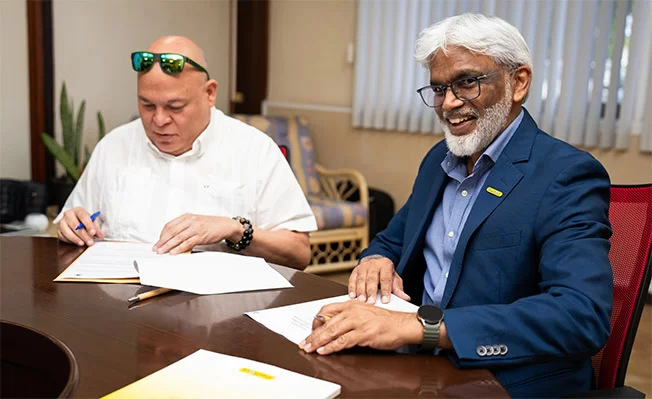
    The official partnership agreement was signed by Patrick Peneux on behalf of AdeKUS, and Annand Jagesar, CEO of Staatsolie, who also carried out the symbolic groundbreaking ceremony to mark the start of construction on August 13. The two facilities targeted for upgrades are the university’s aging wood workshop and mechanical engineering hall, both of which have fallen into severe disrepair over decades of use. The wood workshop has sat unused for years due to its unsafe, dilapidated condition; following renovation, it will be repurposed into new lecture space for electrical and mechanical engineering students. The existing mechanical engineering lecture and practical training halls, which have also deteriorated over time, will undergo a full overhaul as well.

    When construction wraps up by the end of the year, the upgraded facilities will provide approximately 200 students from AdeKUS’ Faculty of Technological Sciences (FTeW) with a safer, more functional environment for both theoretical coursework and hands-on practical training, addressing longstanding infrastructure gaps at the public university.

    This renovation project forms part of Staatsolie’s series of social and community development initiatives launched to celebrate the company’s 45th anniversary, which was commemorated in December 2024. All anniversary projects operate under the core motto “Empowering communities and institutions”.

    For Staatsolie, the education investment is far more than a corporate social responsibility project: it is a strategic response to the rapidly growing demand for skilled technical workers driven by Suriname’s emerging offshore oil and gas sector. As new energy operations expand across the country’s offshore waters, company leaders project that demand for well-trained technical professionals and specialized engineering expertise will continue to climb sharply in the coming years. This investment directly aligns with long-term efforts to build a local talent pipeline that can support the sector’s growth.

    This is not the first time Staatsolie has prioritized investment in technical and vocational education across Suriname. The company previously spearheaded the creation of the NATIN Oil and Gas Training Program, and has continuously invested in modernizing technical curricula and practical training facilities across the country. It also supports vocational training programs — including certified welding courses — through the Foundation for Labor Mobilization and Development. Additionally, through the SURICAP program, Staatsolie partners with multinational energy firms, the Surinamese government, local educational institutions and the private sector to strengthen the overall quality of technical and vocational education across the nation.
  • CARICOM-ministers van Onderwijs starten tweedaagse vergadering in Guyana

    CARICOM-ministers van Onderwijs starten tweedaagse vergadering in Guyana

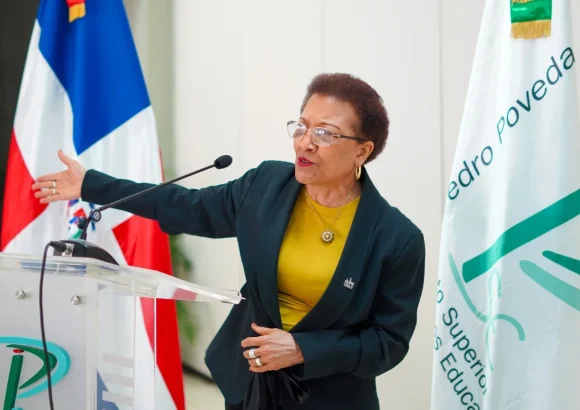
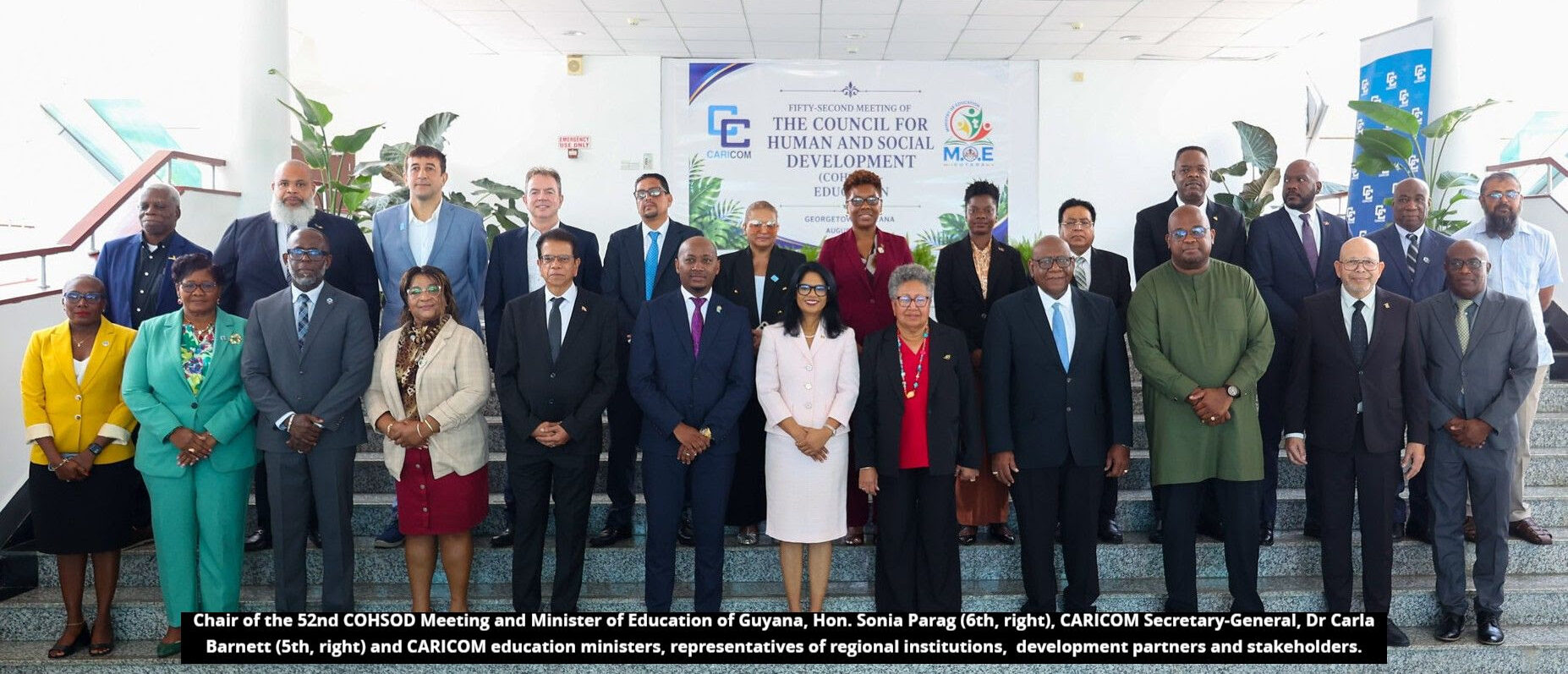
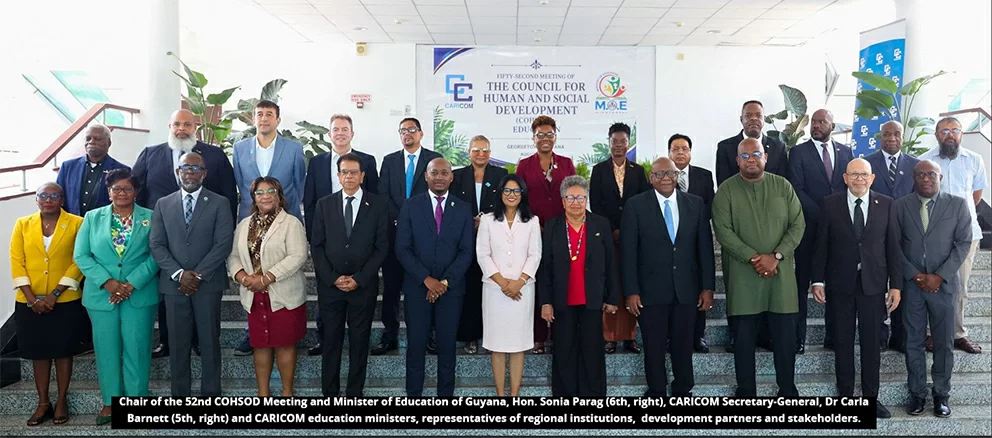
    On Wednesday, education ministers from across the Caribbean Community (CARICOM) convened in Georgetown, Guyana, for the opening of the 52nd meeting of the Council for Human and Social Development – Education, a two-day gathering that coincides with the annual International Youth Day to amplify focus on youth opportunity across the region. Dirk Currie, Minister of Education, Science and Culture, is among the high-level delegates participating in the meeting, which is chaired by Guyana’s own Minister of Education Sonia Parag.

    This year’s summit centers on the unifying theme “Educating for Life, Purpose and Caribbean Progress.” During the opening plenary session, Parag pushed back against the narrow framing of education as mere knowledge transfer and exam preparation, arguing that 21st-century schooling must prioritize equipping learners with transferable critical thinking skills, adaptive capacity to navigate a rapidly shifting global landscape, and the tools to contribute meaningfully to their local and national communities.

    In addition to cabinet-level education ministers from CARICOM member states, the gathering brings together representatives from regional educational bodies, international partner organizations, and a wide range of education sector stakeholders. Key topics on the meeting’s working agenda include the expansion of micro-credentialing programs across the region, the development of standardized regional education assessments, strengthening primary and secondary mathematics curricula, and expanding structured professional development opportunities for in-service teachers throughout CARICOM member nations.

    CARICOM Secretary-General Carla Barnett used her opening address to shine a spotlight on Technical and Vocational Education and Training (TVET), a sector she framed as increasingly critical to the bloc’s economic resilience and employment outcomes. Barnett emphasized that technical, vocational, and digital literacy skills are growing in demand across every sector of the Caribbean economy, linking widespread access to high-quality TVET directly to improved job placement and long-term economic stability for member states. “TVET is recognized as a strategic investment in the resilience and competitiveness of the entire region,” Barnett stated in her remarks.

    Barnett shared her optimism that the two-day meeting will deliver actionable policy frameworks to strengthen national education systems across the bloc, and advance a shared regional vision for education: an inclusive learning environment that values every student, fosters cross-border and cross-institutional collaboration, and prepares all Caribbean citizens to thrive in an increasingly interconnected, dynamic global economy.

    The timing of the summit, which overlaps with International Youth Day, underscores the urgent priority CARICOM places on expanding accessible, inclusive education, mental health support, and economic opportunity for young people across the region. Ultimately, the meeting forms a key part of CARICOM’s ongoing effort to refine regional education policy, with the core goal of equipping young Caribbean people with the skills and knowledge they need to flourish amid global change and drive long-term sustainable development across the Caribbean bloc.

  • FundAccess, UWI CAGRI celebrate graduates

    FundAccess, UWI CAGRI celebrate graduates

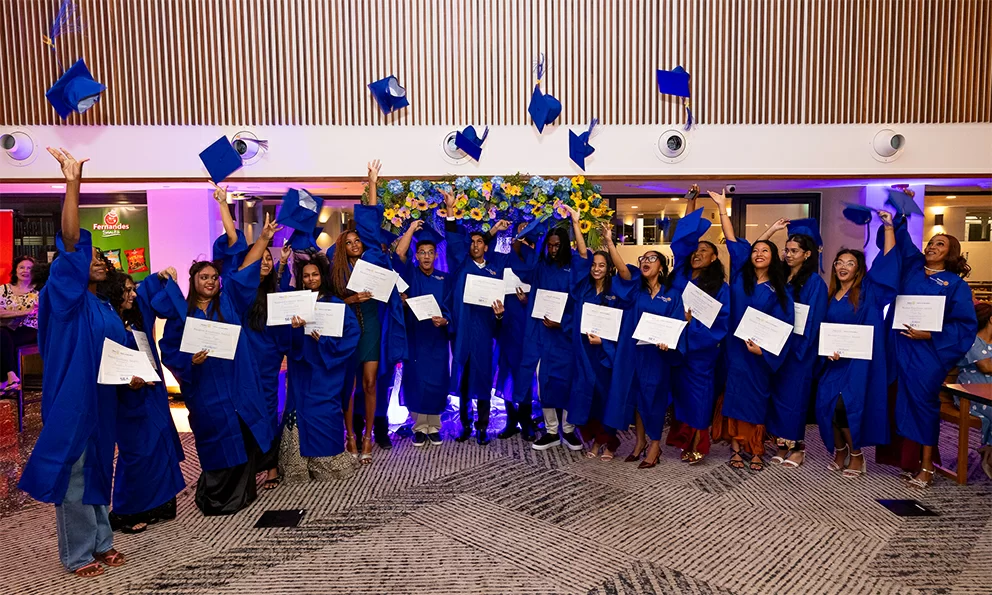
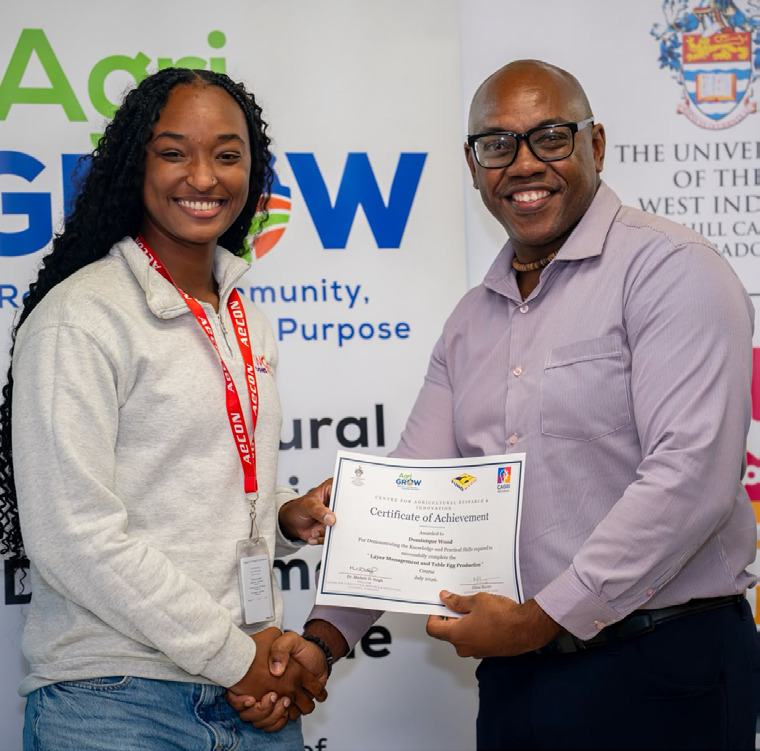
    A collaborative agricultural development effort between a regional development financial body and a leading Caribbean academic institution has marked a key milestone, with the successful completion of specialized training for emerging agri-entrepreneurs. FundAccess, a Barbados-based enterprise development and financing organization, has partnered with The University of the West Indies’ Centre for Agricultural Research and Innovation (UWI CAGRI) to wrap up the Broiler and Layer Management Workshops, a core component of the organizations’ joint Agri-Grow Enterprise Development Programme. A formal closing ceremony to honor participating trainees was hosted recently at UWI’s Cave Hill Campus, where all 22 program graduates received Certificates of Achievement in recognition of their full participation and successful completion of the rigorous training curriculum.

    Kicking off in June 2026, the workshops were purpose-built to address a critical gap in Caribbean agricultural development: equipping both aspiring and current farming entrepreneurs with the full spectrum of capabilities needed to launch and sustain profitable poultry operations. Unlike generic agricultural training programs, the curriculum blended hands-on technical skill-building, academic expertise, and core business acumen to prepare participants for long-term success. Under the guidance of lead instructor Dr. Michele Singh, trainees mastered core poultry production topics including broiler and layer flock management, sustainable housing design, optimized nutrition and feeding protocols, production cycle planning, proactive animal health management, and biosecurity best practices. To bridge the gap between theory and practice, the program incorporated interactive practical exercises, such as a collaborative battery cage construction project, that let participants apply classroom learning while building critical teamwork and adaptive problem-solving skills.

    Program organizers recognized that technical proficiency alone is rarely enough to build a successful agricultural enterprise, so the curriculum also included dedicated training in core agri-business fundamentals. Sessions covered essential topics such as standardized financial record-keeping, market positioning and preparation, regulatory compliance, and enterprise governance. Led by Jonathan Seecharan of Caribbean Export, these business-focused modules pushed participants to reframe farming not as a small-scale subsistence activity, but as a formal, market-driven, and sustainable business venture.

    During the closing ceremony, FundAccess Project Development Officer Tristan Lowe walked attendees through the full range of the organization’s offerings, highlighting the financing products, targeted technical assistance, and ongoing business development support available to entrepreneurs looking to launch new agricultural ventures or scale existing ones. Jillisia Mayers, FundAccess Business Development Officer and lead for the Agri-Grow project, emphasized the transformative vision behind the initiative in her remarks. “Agri-Grow was developed not simply to train farmers but to help develop agricultural entrepreneurs,” Mayers explained. “By combining technical instruction with practical experience, sound business principles and information on financing, participants are better positioned to transform agricultural opportunities into viable and sustainable enterprises.”

    The successful completion of the poultry workshops highlights the power of cross-sector collaboration: the program leverages UWI CAGRI’s decades of specialized agricultural research and training expertise, paired with FundAccess’ deep experience in enterprise development and access to financing for small and medium businesses, to create a holistic support pathway for agri-entrepreneurs. While this round of training has concluded, the broader Agri-Grow Programme will continue rolling out new specialized modules throughout the rest of 2026. Upcoming workshops include a Crop Production session launching August 13, followed by a Sheep Production program starting September 15, and a Pig Production training kicking off October 21.

    Through this ongoing series of workshops, FundAccess and UWI CAGRI are investing in long-term economic and food security progress for Barbados. By supporting the growth of competitive, locally rooted agricultural small businesses, the initiative aims to generate new local employment opportunities, reduce reliance on imported food, strengthen domestic food production capacity, and drive inclusive, sustainable economic growth across the country.

  • He wanted to be an engineer. Teaching became his life’s work

    He wanted to be an engineer. Teaching became his life’s work

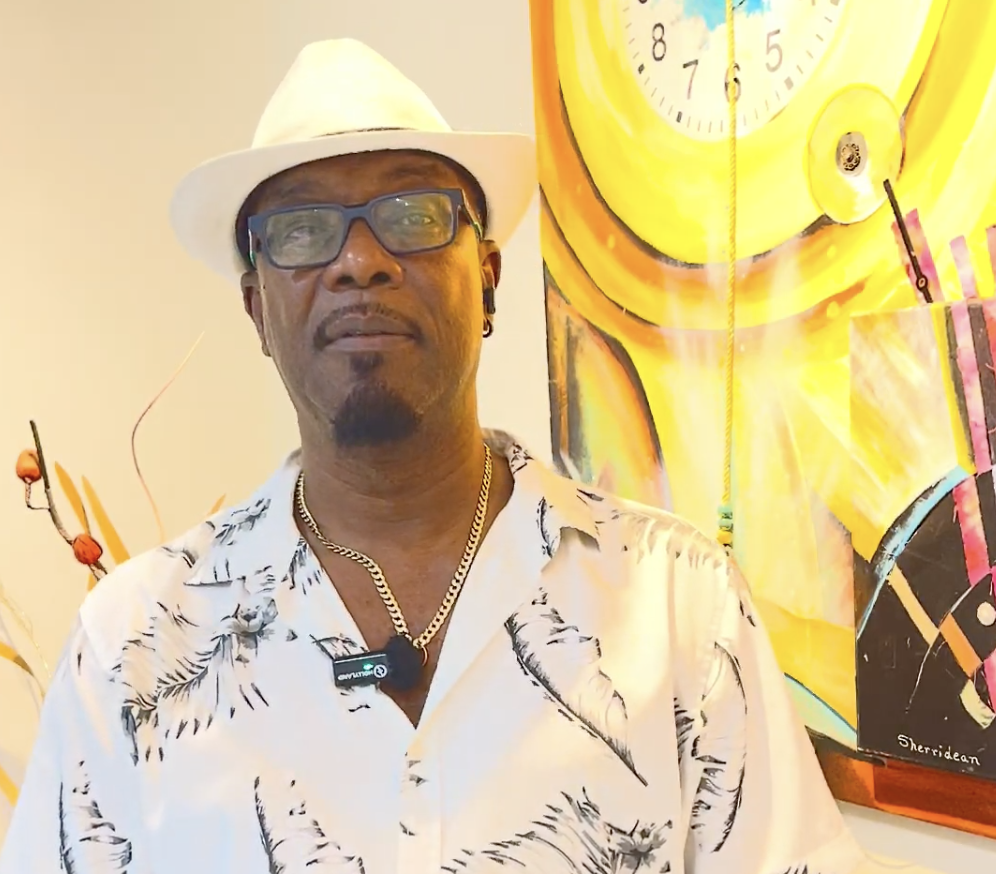
    Three decades ago, George Cox never mapped out a career in education. As a young boy growing up, his sights were firmly set on engineering, drawn by his lifelong love of designing and building new things. That early curiosity, which would one day steer him toward a career in art education, first emerged when he began taking apart his father’s belongings — including an old family television — to understand how they worked. When his father ordered him to have the set working upon his return from a trip, Cox managed to get it running despite having extra parts and screws left over, a small early win that hinted at his knack for problem-solving.

    After finishing secondary school, Cox enrolled at Barbados Community College, where he opted to study subjects he felt naturally drawn to: English, history, and art. Before long, art became his primary focus, and his first teaching role soon followed: a part-time position at St Leonard’s School, which he remembers fondly for its tight-knit staff and welcoming environment. As a young educator entering the field without an official mentor, Cox drew on the lessons he learned from his own past teachers, particularly a man named Mr. Jones, who left an indelible mark on his approach to teaching. Cox blended the strongest qualities of the teachers who shaped him to build his own unique educational philosophy, one rooted in the idea that every student learns differently.

    For Cox, teaching is far from a one-size-fits-all lecture. It is an inherently personal practice, shaped by the unique personalities and needs of each learner in the classroom — a belief that also extends to his perspective on art education. He is a vocal advocate for expanding art’s role in early K-12 education, arguing that the subject fosters independent thinking in a way that rote memorization-heavy curricula cannot. Unlike core subjects that often focus on recalling pre-determined information, art asks students to form their own ideas, visualize three-dimensional space, and explore their understanding of the world around them, alongside other creative subjects like English, theater, and music.

    After 30 years in the classroom, Cox has witnessed profound shifts in how students engage with learning, and few changes have been as impactful as the rise of digital technology and social media. While he acknowledges that access to computers and digital tools offers clear benefits for students, he warns that attention-driven platforms like TikTok and Instagram have created new obstacles for independent thought. Most students can navigate these platforms for casual use, he notes, but few have learned to leverage them for practical purposes, like generating income or researching relevant information. Instead, most gravitate toward low-effort, superficial content: gossip, provocative imagery, and self-portrait content. Over time, Cox says, constant exposure to this curated, algorithm-driven content has left many of his students struggling to develop and articulate their own original ideas.

    Even after decades of shaping young minds, Cox says he continues to learn and grow alongside his students. For new and veteran teachers alike, his core advice is simple: practice patience. Teaching, he emphasizes, is a lifelong calling, not just a job. For anyone considering entering the profession, he offers a playful yet revealing warning: “Don’t do it.” The joke comes with a caveat, though — once you enter education, it is nearly impossible to leave. The work is deeply personal, he explains, and even addictive: getting to interact with hundreds of distinct young personalities and watch them grow is a one-of-a-kind privilege.

    For Cox, the most rewarding part of a career in education is watching former students go on to build their own lives and careers. He still recalls one former student who now has a family of his own, and the profound impact Cox had on his trajectory. Moments like that, when he sees the long-term ripple effect of his work, make the long days and occasional frustrations of teaching entirely worthwhile. When asked to sum up his teaching philosophy in just a few words, Cox lists four core values: patience, genuineness, communication, and forgiveness. Forgiveness, he explains, applies both to students who make mistakes and to teachers themselves — acknowledging that no educator is perfect, and everyone has room to grow.

    Though he never ended up designing and building the physical structures he dreamed of as an aspiring engineer, Cox has spent 30 years building something far more enduring: the confidence in young people to think independently, create freely, and find their own path in the world.

  • Executive decree appoints Dinorah García Romero to lead ISFODOSU

    Executive decree appoints Dinorah García Romero to lead ISFODOSU

    SANTO DOMINGO – In an official administrative move signed into effect via Presidential Decree 517-26, Dominican Republic President Luis Abinader has named seasoned education leader Dinorah García Romero as the new rector of the Salomé Ureña Higher Institute of Teacher Training (ISFODOSU), the country’s preeminent public institution for preparing K-12 educators. The appointment went into immediate effect following the decree’s issuance on July 30, 2026.

    As part of the executive order, Abinader formally revoked the prior appointment of Nurys María del Carmen González Durán, who had served as ISFODOSU’s rector since taking office in March 2021. The leadership transition follows a structured, formal candidate selection process overseen independently by ISFODOSU’s Board of Directors. Per the presidential decree, the board vetted applicants and finalized a shortlist of qualified candidates through its official Resolution JD-03-2026-01. The board’s nominee proposal was then submitted to the Executive Branch on July 14, 2026, by Luis Miguel De Camps García, who serves dual roles as Dominican Minister of Education and president of the ISFODOSU Board of Directors.

    The decree anchors the leadership change in the Dominican government’s core legal mandate: upholding the state’s obligation to guarantee all citizens access to a high-quality public education system. The official document outlines the institution’s core mission as advancing “the comprehensive development of citizens with critical thinking, creative capacity, and a commitment to democratic principles, equity, social justice, and the sustainable development of the Nation.” It further emphasizes that all public administration appointments must meet strict standards of full transparency, legal accountability, and alignment with the broader public interest.

    García Romero brings to the role more than three decades of hands-on experience across pedagogy, academic research, and higher education leadership in the Dominican Republic. She built her academic foundation at the Pedro Henríquez Ureña National University (UNPHU), where she earned her undergraduate degree in Education. She went on to complete a master’s degree in Higher Education Center Management through a joint program between the Pontificia Universidad Católica Madre y Maestra (PUCMM) and the University of Barcelona, followed by a second master’s degree in Applied Linguistics from the Instituto Tecnológico de Santo Domingo (INTEC). She also completed doctoral-level studies in Education at the University of Murcia in Spain.

    Prior to her appointment at ISFODOSU, García Romero held a series of prominent leadership roles across Dominican education, including a nine-year tenure leading the Higher Institute for Specialized Studies (ISESP) from 2016 to 2025, a period marked by significant institutional growth and consolidation for that center. She has also previously served as director of the Poveda Center and as a sitting member of the Dominican National Council of Education. Her decades of specialized work in teacher training and national curriculum development leave her uniquely positioned to lead the country’s leading university focused exclusively on training the next generation of Dominican educators.

  • Megan Lee wint 40e editie Rotary VOS Student Excellence Award

    Megan Lee wint 40e editie Rotary VOS Student Excellence Award

    On Tuesday evening, the Rotary Club of Paramaribo Central (RCPC) marked a major milestone for one of Suriname’s most prestigious youth recognition programs, hosting the 40th anniversary edition of the Rotary VOS Student Excellence Award (SEA) at Paramaribo’s Radisson Hotel. The annual award, designed to elevate and encourage emerging young talent across the country, crowned Megan Lee, a graduate of A.A. Hoogendoorn Atheneum, as this year’s winner.

    Lee captured the jury’s attention not only with her exceptional academic record but also with her deeply personal story of motivation and demonstrated commitment to community service. She shared that her mother’s ongoing illness became a driving force that pushed her to exceed expectations in every area of her life. Beyond her academic work, Lee has actively volunteered for World Cleanup Day to advance environmental action in her community, and balances her advocacy with competitive participation in basketball and kickboxing. Now, Lee has relocated to the Netherlands to pursue a bachelor’s degree in Biomedical Sciences, guided by a powerful life motto: “If I can improve even one life, my work has been worth it.”

    The 2026 competition saw 22 emerging student leaders from across Suriname participate. All candidates delivered five-minute virtual presentations to a panel of Rotarian judges on July 25, where they showcased their academic achievements and community impact. Shanya Ramsewaksing from Kangoeroe Community School took second place, while D’Angelo Trusfull of Miranda Lyceum secured third position.

    Dirk Currie, Suriname’s Minister of Education, Science and Culture, attended the anniversary ceremony and extended public recognition to every participating student. He emphasized that the dedication, resilience, and achievement demonstrated by the award candidates form the critical foundation for Suriname’s future social and economic progress.

    First launched during the 1986-1987 academic year, the SEA program was created by RCPC specifically to honor young Surinamese students who excel both in the classroom and in community engagement. In an expansion of the program’s impact, RCPC added motivational workshops for final-year VWO and HAVO students across multiple districts starting in 2025, extending support to young learners throughout the entire academic year, not just during competition cycles.

    Looking back on four decades of the program, RCPC leadership expressed pride in its lasting legacy. Over 40 years, the SEA has recognized and motivated hundreds of young Surinamese people, equipping them to take on meaningful, active roles in national development and community life.

  • NCCU encourages scholarship recipients to make the most of educational opportunities

    NCCU encourages scholarship recipients to make the most of educational opportunities

    On the Caribbean island of Dominica, the National Co-operative Credit Union (NCCU) has reaffirmed its long-standing commitment to accessible secondary education during its 2026 annual scholarship ceremony, held at the Dominica Public Service Union building in the capital city of Roseau.

    At the event, Delix St. Hilaire, NCCU’s Human Resources Assistant and a former scholarship recipient himself, addressed this year’s award winners, urging them to seize every opportunity created by the organization’s Secondary Scholarship Programme. St. Hilaire encouraged students to maintain consistent focus and pursue academic excellence throughout their secondary school careers, noting that the financial aid provided through the initiative has meaningfully reduced the educational cost burden that weighs on most parents and guardians across the island.

    What many attendees may not know is that NCCU’s investment in Dominican youth extends more than 16 years back. Since launching the programme, the credit union has awarded approximately 240 scholarships to deserving students across the country. For the 2025/2026 academic year alone, the institution allocated just over $136,000 to fund its scholarship sponsorship efforts, demonstrating its ongoing dedication to growing educational access for local communities.

    Today, the programme supports secondary students across all grade levels, with a longstanding naming tradition that dates back to 2011. Each scholarship is named in honor of an individual who made extraordinary contributions to the growth and development of Dominica’s credit union movement, preserving the legacies of key community leaders while supporting the next generation.

    St. Hilaire’s personal connection to the programme added a deeply personal touch to this year’s ceremony. Back in 2012, he was himself an NCCU Secondary Scholarship recipient. After receiving the financial support he needed to complete his secondary education, he went on to pursue higher education, and ultimately returned to work for the very institution that helped him achieve his academic and professional goals.

    His full-circle journey is held up by NCCU as a powerful example of how targeted educational support can empower young people to pursue their personal and professional ambitions, and in many cases, create opportunities for them to give back to their local communities through skilled, purpose-driven work. As the credit union continues to expand its programme year over year, it remains focused on its core mission of lifting up Dominican families and investing in the island’s future through education.

  • CARICOM education ministers focus on skills, innovation and preparing Caribbean youth for the future

    CARICOM education ministers focus on skills, innovation and preparing Caribbean youth for the future

    In a pivotal gathering focused on transforming regional learning outcomes, Caribbean education ministers and key regional stakeholders have convened in Georgetown, Guyana, for the 52nd Meeting of the CARICOM Council for Human and Social Development (COHSOD) focused on the education sector. The event, hosted under the overarching theme “Educating for life, purpose and Caribbean progress”, marks a collective shift away from the traditional model of education that centers primarily on examination performance, toward a more holistic approach that prepares learners for long-term success in a rapidly evolving global landscape. Chaired by Guyana’s Minister of Education Hon. Sonia Parag, the meeting brings together senior education officials from across CARICOM member states, representatives of leading regional educational institutions, international development partners, and community stakeholders to address pressing gaps in the regional education system.

    In her opening address to delegates, Parag emphasized that the meeting’s theme pushes regional education leaders to re-evaluate core assumptions about what education should deliver. Rather than framing education as a linear process of knowledge memorization focused solely on passing standardized tests, Parag argued that systems must be redesigned to equip every learner with transferable foundational competencies. These include critical thinking skills, the confidence to challenge outdated norms, and the adaptive capacity to navigate constant economic, technological and social change. She further highlighted that non-academic learning pathways – including technical and vocational education and training (TVET), work-based apprenticeships, industry-aligned training programs, and targeted talent development initiatives – are critical components of a modern, inclusive education ecosystem that serves the diverse needs of all Caribbean learners.

    CARICOM Secretary-General Dr. Carla Barnett echoed these priorities, drawing a direct connection between updated skills frameworks and the Caribbean region’s ability to address overlapping economic and environmental challenges. As Caribbean economies adapt to rapid technological advancement, persistent global economic uncertainty, and escalating climate-related pressures, Barnett noted that demand for technical, vocational, and digital skills has grown sharply across every sector. She framed this growing demand as a unique opportunity to close the persistent gap between education outcomes and employment needs, strengthening the link between learning, skills development, and accessible, decent work for Caribbean youth.

    Barnett explained that expanding access to high-quality TVET delivers multiple interconnected benefits for the region: it equips young people with job-ready practical skills, boosts the overall resilience and global competitiveness of Caribbean economies, supports ongoing digital transformation, facilitates the transition to a green, climate-resilient economy, and drives innovation and productivity across sectors. Beyond economic gains, expanded TVET creates clear, accessible pathways to formal employment, entrepreneurship, and greater economic participation for groups that have historically been underserved by traditional academic education systems. She also noted that the region already has a strong foundational framework for skills development, including the widely recognized Caribbean Vocational Qualifications (CVQs), regional cross-border qualifications frameworks, and ongoing work by the Caribbean Association of National Training Agencies (CANTA). Leading regional educational institutions have already begun aligning their programming with this vision: the Caribbean Examinations Council has expanded its footprint in technical and vocational education, while The University of the West Indies has increasingly prioritized professional certification and deep industry engagement to better serve learner and employer needs.

    Against the backdrop of the annual observance of International Youth Day, Barnett also emphasized that education alone is not enough to empower young Caribbean people to thrive. To build productive lives and take on leadership roles stewarding the region’s future, young people also need expanded access to decent work opportunities, accessible financing for entrepreneurial ventures, and integrated mental health support services that address the unique pressures facing the region’s youth population.

    Over the course of the meeting, delegates are scheduled to deliberate on a range of high-priority policy topics, including the expansion of micro-credentialing programs to support lifelong learning, coordinated regional assessment frameworks to align standards across member states, targeted improvements to primary and secondary mathematics education, and evidence-based strategies to strengthen the teaching profession, support educator well-being, and elevate the status of teaching across the region. At the close of the gathering, CARICOM officials expressed optimism that the meeting will yield actionable, collaborative policies that strengthen national education systems while advancing a shared regional vision for inclusive learning. This vision centers on valuing every learner, fostering collaboration across students, teachers, and families, recognizing multiple equal pathways to success, deepening regional integration, and equipping all Caribbean citizens to succeed in a fast-changing world.

  • Teens Trade a School Project for a Paint Session on Mental Health

    Teens Trade a School Project for a Paint Session on Mental Health

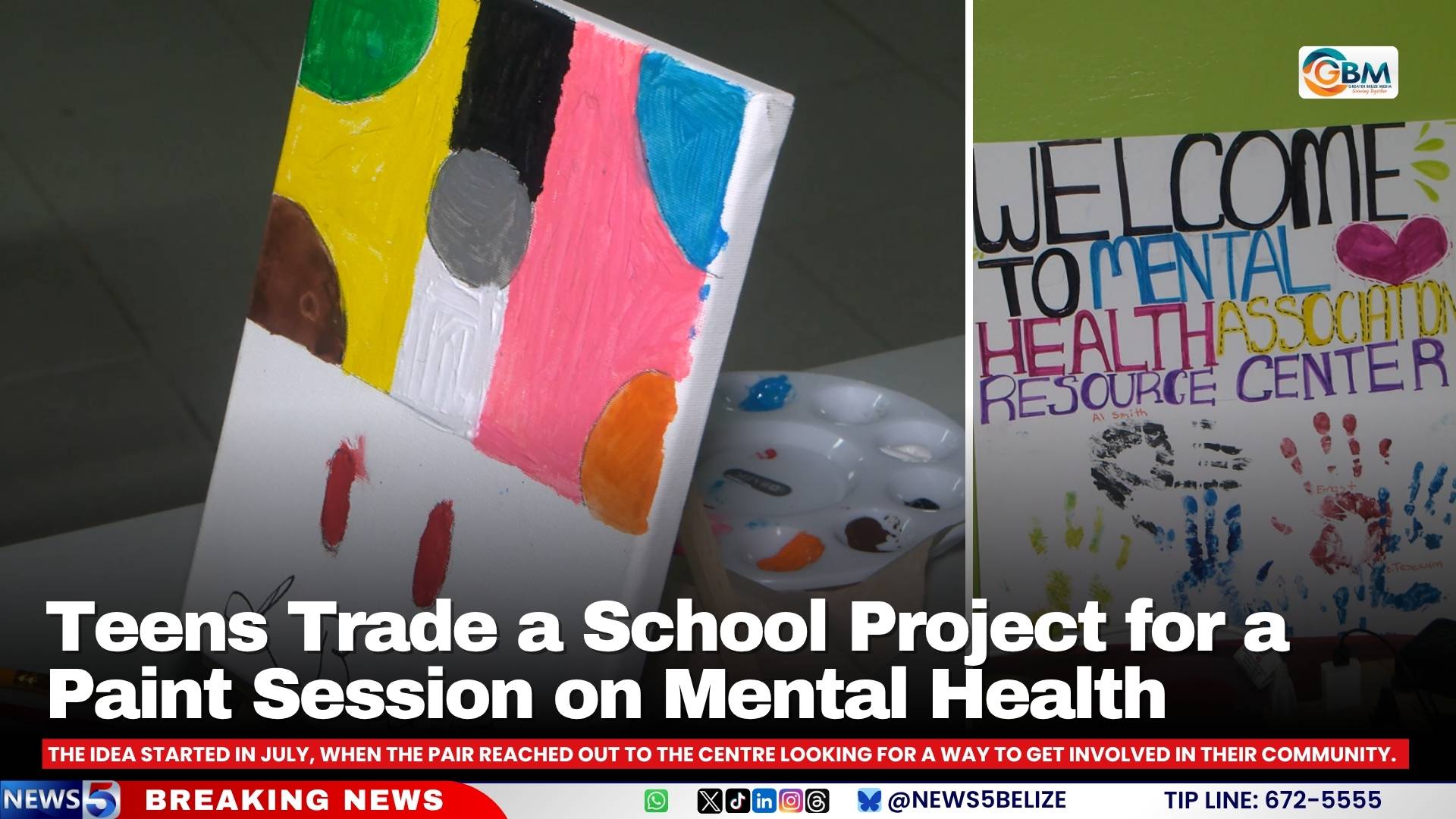
    On a August morning in 2026, an unusual creative gathering unfolded inside Belize City’s Welcome Resource Center. What looked on the surface like a standard paint-and-sip workshop carried a far more special origin story: the entire event was conceived and organized by two high school students, who set aside a traditional classroom assignment to build a community space for open conversation about mental health.

    Thirteen-year-old Arianna Grant and 14-year-old Jahmia Lodge, both currently enrolled at Saint Catherine Academy, launched their initiative under the name “Every Mind Matters.” The core of their concept was deceptively simple: create a low-pressure environment where adults could pause their daily routines, create a piece of art with their own hands, and speak openly about their mental well-being without judgment. Beyond organizing the art session, the pair also arranged for donated food and hygiene products to distribute to guests of the center, adding a practical layer of community support to the day’s activities.

    The project first took root in July, when the two teens reached out to the Welcome Resource Center seeking a way to contribute to local community life. As they learned more about the population the center serves, the focus on mental health through art emerged naturally, according to center administrator Beatrice Vernon.

    Vernon noted that the event brought a completely new type of experience for the center’s guests, most of whom are between 35 and 65 years old. “It was a surprise, and it’s another form of activity outside of what they’re used to,” she explained. “So for them, I know that it was an excitement for something like this happening here today with them, not only just painting but also with getting a little treat at the end of the session.”

    For many participants, the experience carried unexpected emotional weight. One guest mid-session summed up the feeling simply: “I feel like I’m young again.” Vernon expanded on that reaction, explaining that the activity was far more than just a fun afternoon out. For many attendees, picking up a paintbrush allowed them to reconnect with creative joys they had set aside in childhood, and offered a rare unhurried moment to focus on themselves amid daily life stresses.

    For the center’s leadership, the initiative represented a striking example of young people stepping up to address gaps in community support. “It was truly a blessing when they first came to me with the idea of being a part of the centre, bringing awareness to the community,” Vernon said. “And as young people, it was truly, truly grateful on our part that these young people saw and took the initiative of bringing awareness. They were able to bridge the gap between those that we at the centre were unable to reach.”

    Vernon says she now holds out hope that the teen-led project is just the start. She expects it will inspire more young Belizeans to engage in local community action, while also helping chip away at persistent stigma and misconceptions surrounding mental health in the country. A full, in-depth look at the “Every Mind Matters” launch event will air this evening on News 5 Live at 6 o’clock.

  • Saint Lucia Cruise Port awards two undergraduate scholarships

    Saint Lucia Cruise Port awards two undergraduate scholarships

    In a continued push to invest in Saint Lucia’s next generation of leaders, Saint Lucia Cruise Port (SLCP) has awarded two full, multi-year undergraduate scholarships to exceptional local students, marking the second cycle of its impact-driven youth education initiative.

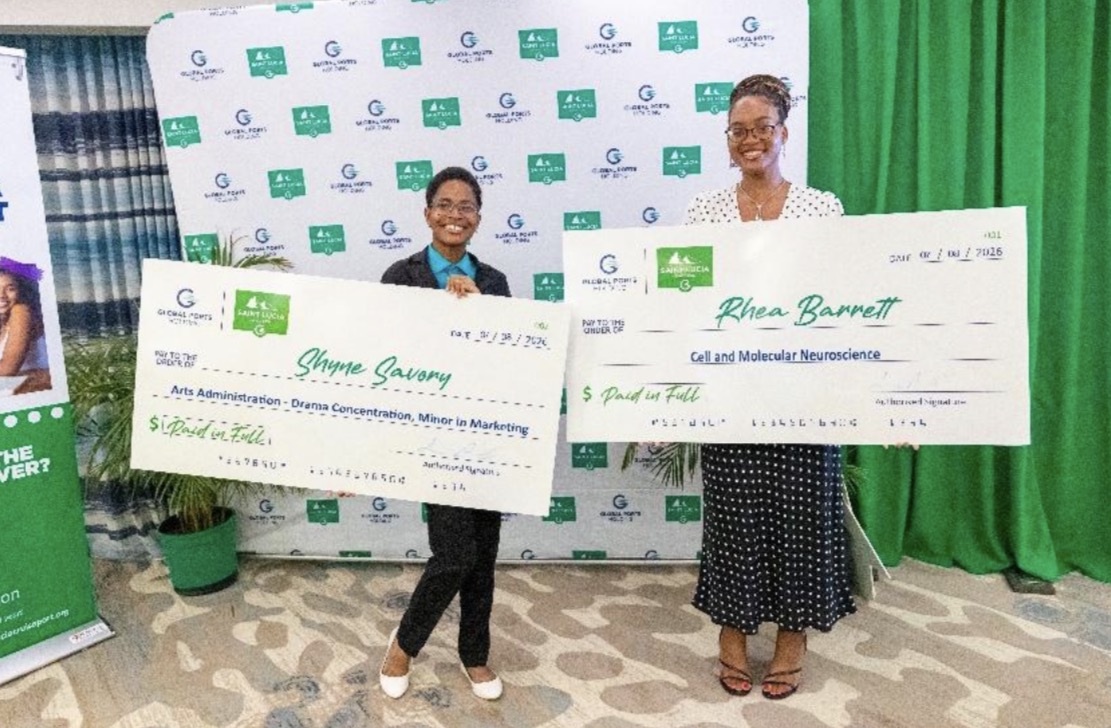
    The formal award ceremony took place on August 7, where the 2026 scholarships were presented to recipients Shyne Savory and Rhea Barrett, who will pursue their higher education at accredited post-secondary institutions in North America. Savory will enroll at Bishop’s University in Canada, where she will major in Arts Administration with a concentration in Drama and a minor in Marketing. Barrett, meanwhile, will move to the United States to attend Florida State University, working toward a degree in Cell and Molecular Neuroscience.

    Unlike partial scholarships that only cover a portion of study costs, SLCP’s full award covers all core academic and living expenses for up to four years of undergraduate study. This comprehensive package includes tuition fees, on-campus accommodation, course materials, meal plans, and round-trip airfare between Saint Lucia and the student’s host country. Eligible study destinations include accredited universities across the United States, Canada, the United Kingdom, and all campuses of the University of the West Indies, giving recipients flexibility to choose programs that align with their career goals.

    Launched in 2025, the scholarship program supported four inaugural students pursuing degrees in engineering and medicine in its first year. For the 2026 selection cycle, SLCP adjusted its focus to intentionally support both STEM and non-STEM academic pathways that align with Saint Lucia’s long-term workforce development and national economic priorities.

    A total of 93 qualified local students submitted applications for the 2026 awards, all demonstrating strong academic track records, active community engagement, and diverse personal and professional interests. To streamline the selection process, SLCP implemented a new centralized online application system that manages submissions and completes an initial automated screening of eligibility criteria. After the first round, an independent scholarship committee reviewed shortlisted applications through a blind review process, removing applicants’ names to reduce implicit bias. Committee members evaluated candidates based on three core criteria: past academic performance, demonstrated leadership potential, and alignment of the applicant’s chosen field with national development priorities.

    Speaking at the award presentation, Bernice Marcellin, Director of the Human Resource Development Unit within Saint Lucia’s Ministry of Education, emphasized the critical role of targeted investment in education to build a skilled, diverse professional workforce that drives inclusive national growth. John Paul Estephane, Minister in the Ministry of Tourism and Commerce, also praised the initiative, highlighting how private sector entities can complement government efforts to empower young people and advance national development goals.

    Lancelot Arnold, Director of GPH Eastern Caribbean and General Manager of Saint Lucia Cruise Port, noted that the scholarship program is a core reflection of SLCP’s long-standing organizational commitment to investing in people. Arnold added that the inaugural cohort of 2025 scholars is already performing strongly in their programs, and that SLCP remains committed to providing ongoing support to all recipients throughout their academic journeys and as they transition into professional careers.

    With the addition of Savory and Barrett to the growing cohort of SLCP scholars, the organization has reaffirmed its commitment to continued investment in Saint Lucia’s youth, with a goal of nurturing the next generation of skilled professionals and leaders across both STEM and creative, arts-focused fields.