分类: education

  • MP tells 11‑Plus students to think past school labels

    MP tells 11‑Plus students to think past school labels

    As thousands of recent 11-Plus exam takers across Barbados prepare to start their secondary education journeys, a senior government official is pushing back against the common pressure tied to school assignment results, reminding young learners that their personal qualities, not their institution, will shape their long-term success.

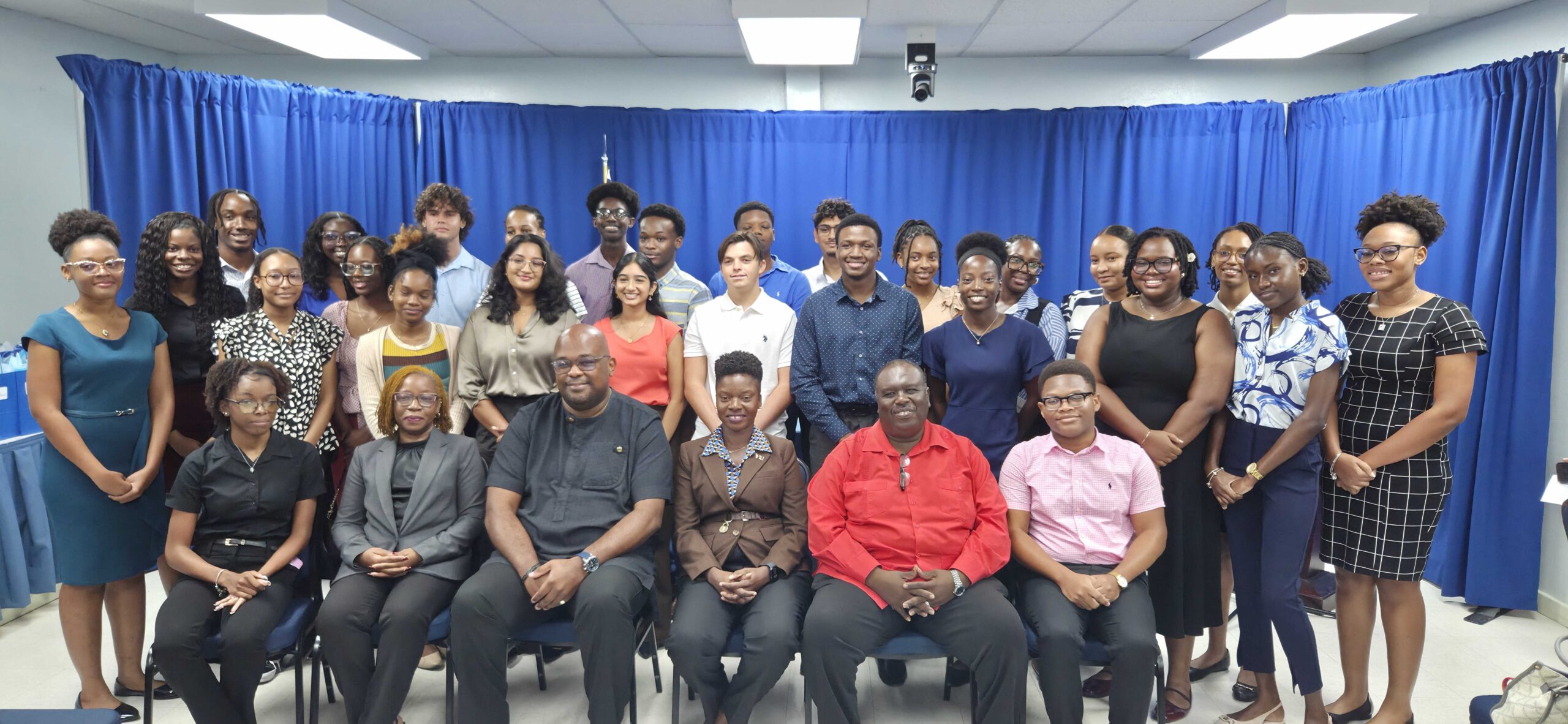
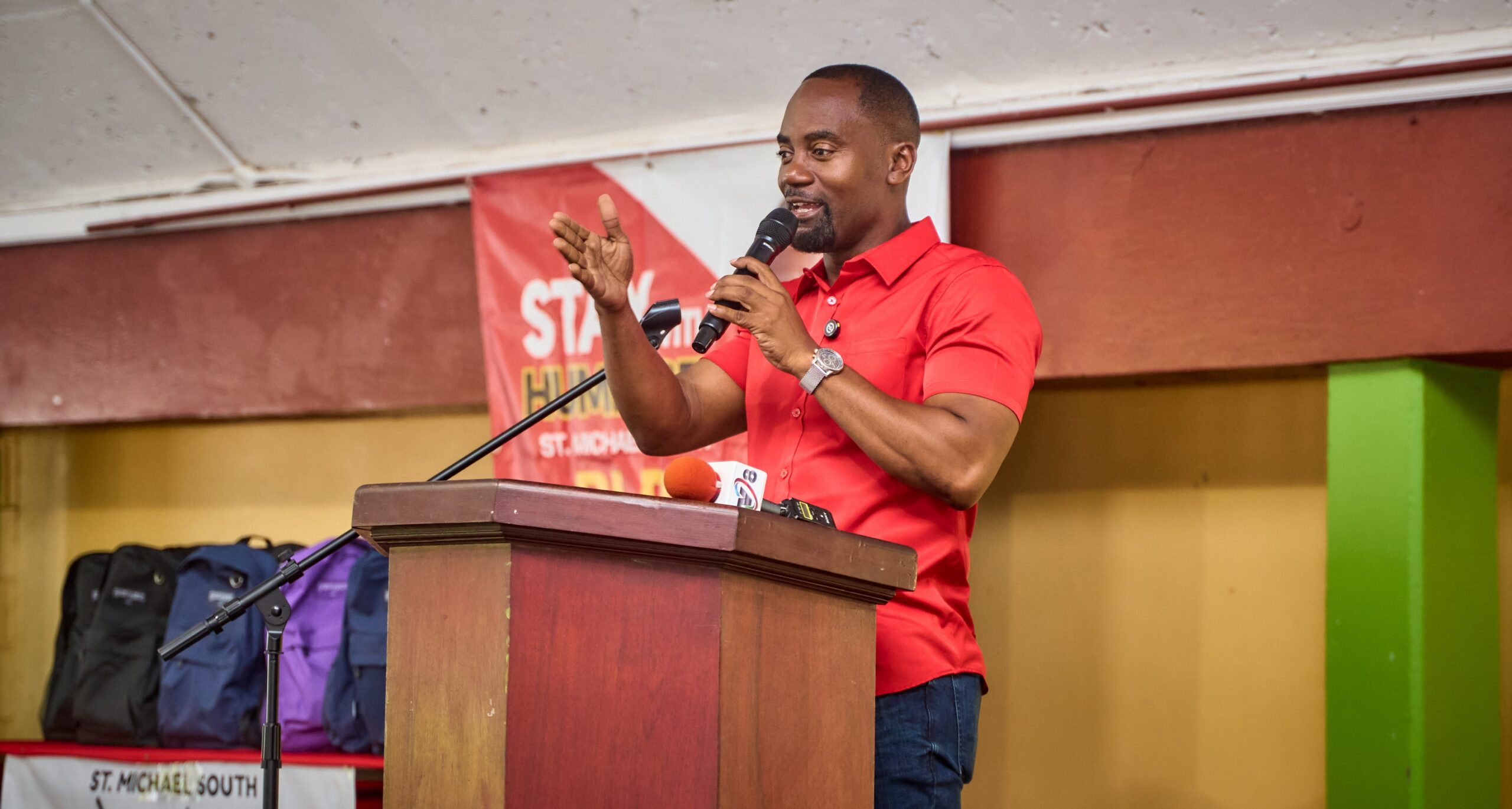
    Kirk Humphrey, who serves as the country’s Minister of Transport and Works and the Member of Parliament for the St Michael South constituency, delivered this message during a back-to-school community event held Saturday at Graydon Sealy Secondary School. The gathering marked the latest iteration of Humphrey’s annual initiative, which this year distributed free backpacks and essential school supplies to nearly 40 local students from the constituency ahead of the new academic term.

    Opening his address, Humphrey first extended congratulations to the students for crossing this key milestone in their educational careers, recognizing the hard work they put into preparing for the high-stakes 1-Plus examination. He then challenged the widespread cultural narrative that places outsized importance on gaining admission to the country’s most elite secondary schools.

    “The school does not determine your future,” Humphrey emphasized. “Where you’re born doesn’t determine your future. There are good people everywhere, no matter where you live, no matter where you come from.”

    While he acknowledged that the donated school supplies would ease the financial burden on local families and help students show up ready to learn on the first day of class, Humphrey stressed that internal growth matters far more than material resources or institutional prestige. “What’s in the bag is not always important; it is what is in the children’s head and in their heart and in their character. That is what’s important,” he explained.

    The MP added that the annual program was never intended to only reward high academic performers or students who earned spots at top-ranked schools. Instead, the core purpose of the initiative is to create space for meaningful, supportive dialogue between elected leaders and the constituency’s young people. “For me, the conversations that we have with the children are even more important than what we present at the end of the day,” Humphrey said. To reinforce his point about the value of all educational institutions in the country, he added, “Any school in Barbados is a good school.”

    Beyond addressing the students and their families, Humphrey used the public event to announce a renewed commitment to expanding community-focused youth programs across the St Michael South constituency in the coming months, aiming to create more consistent support systems for local young people outside of the classroom.

  • Rehan earns ten CAPE Grade Ones

    Rehan earns ten CAPE Grade Ones

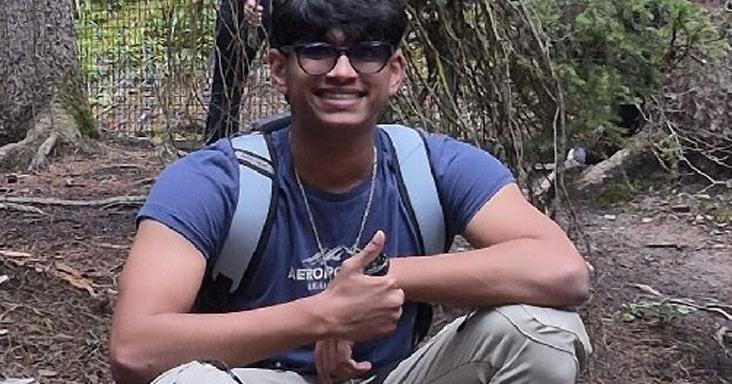
    For 18-year-old Rehan Ali, an extraordinary academic feat of earning ten top grades in the Caribbean Advanced Proficiency Examination (CAPE) was not born solely from cramming or endless study marathons. Instead, the recent Naparima College graduate, who is set to pursue his lifelong dream of becoming a doctor at The University of the West Indies (UWI) St. Augustine this September, credits his success to a deliberate combination of intellectual curiosity, consistent discipline, and intentional strategies to avoid academic burnout.

    Over his two years in Form Six, Ali sat for ten CAPE examinations and walked away with all-A profiles in nine subjects, spanning a diverse range of disciplines from Biology, Chemistry, and Physics to Building and Mechanical Engineering Drawing (BMED), Caribbean Studies, and Communication Studies. In an exclusive interview with local outlet Express on Thursday, he opened up about the structured, intentional preparation routine that carried him to this outstanding outcome.

    Rather than overwhelming himself by attempting to master every subject at once, Ali adopted a paced approach: he focused on one subject per day, working steadily through the official syllabus before supplementing his in-class learning with additional resources. These included advanced textbooks, educational YouTube tutorials, modern artificial intelligence study tools, and one-on-one guidance from his experienced teachers. Ali emphasized that setting small, achievable daily goals was the foundation of his consistent progress, rather than relying on last-minute cramming ahead of exams. He also urged future CAPE candidates to center conceptual understanding over rote memorization, a habit he cultivated by constantly asking “why” whenever he learned new material to deepen his grasp of core ideas.

    Ali did not shy away from sharing the challenges he faced along the way. The jump in academic workload from the Caribbean Secondary Education Certificate (CSEC) to CAPE was far steeper than many students expect, and during his first CAPE unit, Ali came dangerously close to full mental burnout. It was his inherent passion for the natural sciences that pulled him through the slump, he explained. “My passion for the natural sciences made learning less of a chore and genuinely interesting, and I’d definitely advise students to choose subjects they enjoy,” he noted. “If it wasn’t for that sense of curiosity and interest, studying consistently would have become extremely difficult.”

    Even with his love of science, two subjects stood out as particularly grueling: BMED and Caribbean Studies. Ali recalled that these two courses demanded far more time and dedication than any of his other subjects, bringing moments of frustration and self-doubt along the way. Of all his accomplishments, he says achieving a distinction in Caribbean Studies means the most to him, as the high-volume, conceptually distinct subject pushed him further than he expected. The reward of a top grade after months of hard work made the effort all the more fulfilling.

    Determined not to repeat the burnout risk he faced in Unit One, Ali redesigned his approach for Unit Two to prioritize work-life balance over nonstop studying. He remained an active member of multiple school clubs, competed on Naparima College’s badminton and swimming teams, and carved out regular time for family, friends, video games, and casual social gatherings to recharge outside of academics. Even with these healthy outlets, exam season still brought moments of overwhelm, but Ali stayed motivated by two core goals: making his family proud and advancing toward his medical career. Ultimately, he says his greatest drive came from an internal desire to test his own limits and see what he could achieve with his full effort.

    To hit that goal, Ali made intentional sacrifices, cutting back on time spent gaming and scrolling through social media to free up space for his studies. He also developed a simple mindset trick to manage pre-exam anxiety: before every test, he reminded himself that once he had prepared as thoroughly as possible, he could not ask any more of himself. “I told myself that if I felt that I prepared as best as I could, there was nothing more that I could do, as I cannot do better than my best,” he explained. This perspective kept exam-night anxiety in check and eliminated post-test regret, letting him move forward to his next exam with clarity.

    Looking back on his seven years at Naparima College, Ali says the institution shaped him far beyond his academic transcript. Beyond classroom learning, the school taught him the value of community service, collaborative teamwork, and intentional time management, and connected him with lifelong friends who pushed him to aim higher. “I cannot select a single favourite memory, but I will miss the fun, interactive classes, the teachers, the clubs and the sports teams that I was a part of during my seven years at Naparima College,” he said.

    Ali was quick to credit his support network for making his success possible. He singled out his parents, Hafiz and Laura Ali, and his sister Saheli, who made significant personal sacrifices to support his academic journey, helping him stay focused while recognizing when he needed rest and emotional support. He also expressed deep gratitude to his teachers, who dedicated extra time and effort to support his learning beyond their required duties. “I attribute a large portion of my success to them, as well as my teachers and my school,” he said.

    In a joint statement, Hafiz and Laura Ali said they beamed with pride not just for their son’s academic achievements, but for the person he has become. “We are so very proud of Rehan, and by that I mean not only his achievements but, more importantly, the person,” they said. “His determination to succeed is nothing short of remarkable. He has always been a very curious child, always wanting to know ‘why’ and challenging every answer. It is a blessing and a joy to witness his determination, growth, development and commitment to achieving his goals, while remaining caring, humble and always offering to help and support those near and dear to him.”
  • 34 students earn national academic awards

    34 students earn national academic awards

    Thirty-four outstanding young scholars across Barbados have been awarded the country’s highest national academic distinctions for 2026, following exceptional performance across regional secondary examinations and post-secondary associate degree programs. The cohort includes 12 recipients of the prestigious Barbados Scholarship, 21 winners of the Barbados Exhibition, and one student honored with the exclusive Award of Excellence.

    Leading the pack of scholarship recipients, Queen’s College secured seven of the 12 available awards, with the seven honorees named as Azani Blades, Ethan Dear, Chaya Griffith, Kaela Hinds, Joshua Jemmott, Amaris Nicholls and Arrielle Thompson. Two additional scholarships went to Accalia Ince and Asia Inniss of Harrison College, while Abiygayil Wiggins from The St Michael School and two Barbados Community College (BCC) students, Maliqua Cherubin and Kamani Holder, rounded out the scholarship cohort.

    In the Exhibition category, BCC dominated the results, claiming 13 of the 21 available honors. The college’s winning students are Diamond Anthony, Leila Archer, Tremaine Bynoe, Paige Corbin, Krystiana Depeiza, Adannah Farley, Dominic Garner, Nyeka Gibson, Cherisse Mallett, Aziz Mehter, Decara Prescod, Savannah Small and Zyanna Waithe-Marshall. Two Harrison College students, Narisha Ashwanauth and Benjamin King, three from The St Michael School — Kamari Cummings, Sariah Mc Lean and Kaylee Lynch-Proverbs — and three Queen’s College scholars, Anaya Moore, Brandon Squires and Daniel Wickham, also secured Exhibition awards. Salena Rudder is the only recipient of this cycle’s Award of Excellence.

    The results were formally announced by the Ministry of Education Transformation, with Chief Education Officer Dr. Ramona Archer-Bradshaw extending official congratulations to all honorees during the announcement. She framed the recognition as a powerful reminder of why education stands as one of the most critical investments a nation can make in its future. “At this moment, Barbados honours a remarkable group of young people whose performance in the 2026 Caribbean Advanced Proficiency Examination, the Barbados Community College’s Associate Degree programme, and in the Caribbean Secondary Education Certificate has earned them the nation’s highest academic awards,” Dr. Archer-Bradshaw stated.

    Addressing the award-winning students, she emphasized that their success was no accidental outcome, but the direct result of consistent hard work and deliberate sacrifice. “Behind every grade one, every exceptional GPA, and every scholarship qualification lies a story that very few people see,” she explained. “It is a story of very early mornings and very late nights, of balancing internal assessments with examinations, of choosing commitment over convenience… Today your names are being called because your hard work spoke louder than your obstacles.”

    In an inclusive gesture, Dr. Archer-Bradshaw also took time to recognize students who did not walk away with top national honors, but still achieved meaningful personal academic growth. “Additionally, I acknowledge those students who did not receive grade ones but whose dedication and perseverance were no less,” she said. “Your performance in the exam was your best performance to date. You put your best foot forward and achieved what you thought was not possible. We are proud of you too.”

    Dr. Archer-Bradshaw also stressed that student achievements are never the product of individual effort alone, and highlighted the critical contributions of educators, school leaders, and family members. She extended gratitude to teachers for the long hours invested in lesson planning, assignment grading, practical skill training, and consistent encouragement that helps students believe excellence is within reach. She also celebrated parents and guardians, noting their quiet sacrifices to fund educational opportunities, steady support during periods of uncertainty, and ongoing reminders to stay focused have been foundational to shaping the young scholars honored across the country.

  • CAPE Success, CSEC gains highlight local CXC results

    CAPE Success, CSEC gains highlight local CXC results

    Barbados has delivered strong academic results in the 2026 round of regional Caribbean examinations, posting a near-94% overall pass rate for the Caribbean Advanced Proficiency Examination (CAPE) while recording consistent improvement in key core subjects for secondary-level assessments. The outcomes were officially announced by Chief Education Officer Dr. Ramona Archer-Bradshaw during a ceremony at the Ministry of Education Transformation, where the country’s top Scholarship and Exhibition award winners were also honored.

    Breaking down the 2026 CAPE data, Dr. Archer-Bradshaw noted that candidate registrations grew slightly year-over-year, rising from 4,999 in 2025 to 5,196 this year. Of that cohort, 5,022 candidates completed their scheduled subject sittings, with 4,710 earning passing marks to bring the national overall pass rate to 93.8%. Female candidates made up 55.4% of test-takers, while males accounted for the remaining 44.6%.

    Performance across the two CAPE units remained uniformly strong: Unit 1 recorded a 93.1% pass rate, while Unit 2 hit 95.1%. Female students posted a 94.3% overall pass rate, edging out their male peers who logged a 93.2% pass rate. Seventeen Unit 1 subjects achieved a perfect 100% pass rate, spanning disciplines from French, History, and Literatures in English to technical and innovative fields including Information Technology, Green Engineering, Animation and Gaming Design, and Building and Mechanical Engineering Drawing. For Unit 2, perfect pass rates were recorded for subjects including Art and Design, Food and Nutrition, Geography, Sociology, and Spanish. An additional 23 subjects across both units posted pass rates between 90% and 99%.

    Dr. Archer-Bradshaw emphasized that the achievements of this year’s scholarship and exhibition recipients carry extra weight against the backdrop of the nation’s strong overall CAPE performance. She congratulated all awardees, noting that their success was the product of consistent, often unseen effort: “Your accomplishments did not happen by chance. Behind every grade one, every exceptional GPA, and every scholarship qualification lies a story that very few people see. It is a story of very early mornings and very late nights, of balancing internal assessments with examinations, of choosing commitment over convenience… Today your names are being called because your hard work spoke louder than your obstacles.” She also extended recognition to students who did not earn top honors but pushed through challenges to deliver their best possible performance, saying the education community is equally proud of their perseverance.

    Alongside the CAPE outcomes, Dr. Archer-Bradshaw shared results for the 2026 Caribbean Secondary Education Certificate (CSEC), the region’s secondary-level graduation assessment. A total of 22,967 candidates registered for the exams across 42 test centers, including 21 public secondary schools and 20 private institutions, with 21,047 completing their assessments. The national pass rate for grades one to three stood at 69.9%, just slightly below the regional average of 72.18%. For CSEC, male students recorded a 70.9% pass rate, a narrow lead over the 69.2% pass rate for female candidates.

    Notably, Barbadian students outperformed regional averages in all core CSEC subjects, building on three consecutive years of progress. The national CSEC Mathematics pass rate rose to 47% this year, five full percentage points above the regional benchmark of 42.15%. Dr. Archer-Bradshaw highlighted that Barbados has now held a regional lead in mathematics pass rates for three straight years of consistent growth. CSEC English A posted an 82% pass rate, exceeding the regional average of 80% and marking a clear improvement from 2025’s lower result, while English B hit a 60% pass rate, a 1.2% increase year-over-year.

    Several public secondary schools delivered dramatic turnarounds in core subject pass rates, earning official praise from the Chief Education Officer. St. George Secondary School recorded an extraordinary 61.8% jump in its mathematics pass rate compared to 2025, while other schools posting double-digit mathematics gains included Coleridge and Parris School (up 23.6%), Parkinson Memorial Secondary School (up 22.8%), The Alexandra School (up 13.1%), and Christ Church Foundation School (up 10.7%). In English, Darryl Jordan Secondary School stood out with a 48.7% increase in its pass rate, a result Dr. Archer-Bradshaw called truly outstanding.

    The 2026 exam cycle also marked a historic milestone for regional assessment, with the launch of the pilot for the Caribbean Examinations Council’s new Caribbean Targeted Examination Certificate, a modular approach to CSEC certification. The pilot launched with Module One for CSEC mathematics, enrolling 589 students from six Barbadian secondary schools. Of that group, 493 completed the assessment, and 358 earned passing marks for an overall 72.6% pass rate. Female candidates posted a 76.6% pass rate in the pilot, compared to 68% for male candidates. Dr. Archer-Bradshaw added that education officials are optimistic the next phase of the pilot will deliver even stronger outcomes.

    Closing the announcement, Dr. Archer-Bradshaw credited collective effort across Barbados’ education ecosystem for the year’s strong results, emphasizing that no student succeeds alone. She thanked teachers for their countless hours of lesson preparation, assignment grading, practical training, and encouragement that helps students pursue excellence. She also recognized principals and school leaders for building high-expectation learning environments rooted in strong leadership and positive school culture. Gratitude was also extended to parents and guardians for their sacrifices, encouragement, and unwavering support, as well as to Ministry of Education Transformation staff for their ongoing work to reform and strengthen the national education system, so every student can reach their full potential. Echoing a core theme of the event, Dr. Archer-Bradshaw reaffirmed that education remains one of the most valuable investments any nation can make in its future.

  • FLASH : 2025/2026 State Exam Results (Part 1)

    FLASH : 2025/2026 State Exam Results (Part 1)

    On August 21, 2026, Haiti’s Ministry of National Education and Vocational Training (MENFP) unveiled the first batch of official results for the 2025-2026 national state examinations, covering three key assessment levels across a subset of the country’s 10 administrative departments. This release marks a key milestone for tens of thousands of Haitian students who have waited for their academic outcomes after months of preparation.

    For the 9th year of fundamental education, results have been published for 8 of Haiti’s 10 departments, with Artibonite and Northwest departments set to release their findings in the coming weeks. Data compiled by the National Bureau of State Examinations (BUNEXE) shows mixed shifts in pass rates compared to the 2024-2025 academic cycle. The Centre department recorded a 0.34 percentage point increase in pass rate, reaching 86.24% with 10,404 successful candidates out of 12,064 total participants. Grand’Anse saw the sharpest drop, falling from 93.74% last year to 85.99% this cycle, with 6,125 passes from 7,123 test-takers. Nippes recorded a small 3.01 percentage point gain to hit 75.50%, while the North department slipped 3.09 points to 93.45% with 17,945 successful candidates out of 19,203 entrants.

    Northeast department posted a 4.38 percentage point increase, bringing its pass rate to 91.73% with 7,410 passes from 8,078 participants. The West department, which had the largest pool of 9th year candidates at 67,811, saw a small decline from 95.16% to 91.90%, with 62,319 students advancing. South department recorded a minimal 0.23 percentage point increase to reach 91.45%, and Southeast slipped 4.13 points to 80.34% with 7,721 successful test-takers.

    Partial results have also been released for the new NS-IV Baccalaureate, Haiti’s secondary school leaving examination, with only the West and Nippes departments published in this first round. All remaining eight departments will announce their results at a later date. Both reporting departments saw significant drops in pass rates compared to the previous academic year. In West, which had 40,996 Baccalaureate candidates, just 18,746 passed for a 45.73% pass rate, down sharply from 95.16% last cycle. Nippes recorded a 40.36% pass rate, with 1,649 successful candidates out of 4,086 participants, representing a 34.64 percentage point decline from 2024-2025.

    In addition to the fundamental and secondary exams, full national results were released for the 2025-2026 graduating class of the École Normale Institute des Instituteurs et Jardin d’Enfants (ENIJE), Haiti’s primary training institution for preschool and elementary school teachers. Of the 2,510 total candidates across both preschool and elementary education tracks, 1,759 passed their final examinations, resulting in an overall national success rate of 70.08%.

    Following the publication of this first batch of results, MENFP has issued guidance for schools and candidates. The ministry has called on all school principals to collect their institution’s full result rosters from their local departmental education directorate (DDE) as soon as possible. Education Minister Vijonet Déméro confirmed that official candidate certificates and academic transcripts will be available for pickup starting at the end of August 2026 at local DDE offices. Candidates will only need to present their payment receipt from the General Directorate of Taxes (DGI) to collect their documents with no additional barriers.

  • Ancillary workers receive August salaries for first time

    Ancillary workers receive August salaries for first time

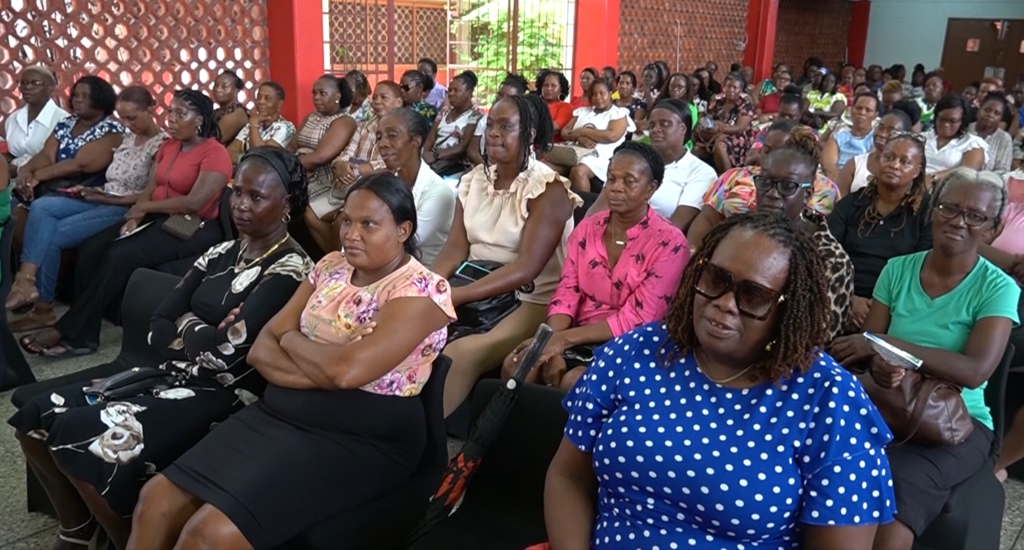
    A decades-long inequity in compensation for support staff across Saint Lucia’s public education system has been formally resolved, marking a historic win for thousands of low-wage workers who for generations went without pay during the annual August school break. For the first time this year, eligible workers including cafeteria cooks, campus janitors, facility cleaners, and early childhood development center staff have received their full August salaries, a policy change approved as part of the 2024 national budget that was celebrated at an official ceremony Thursday at Castries Comprehensive Secondary School, where workers gathered alongside senior government officials to mark the milestone.

    Speaking at the event, Prime Minister Philip J. Pierre emphasized that the new policy corrects a longstanding injustice that forced ancillary employees to forgo a full month of pay, even as many are required to report back to campus ahead of the new academic year to prepare facilities for returning students. “You worked your entire life, and those before you worked their entire life, cleaning as janitors, as cooks, as early childhood educators, and for the month of August they had to make a sacrifice,” Pierre told attendees.

    The Prime Minister openly acknowledged that the wages currently paid to many of these frontline workers still do not match the critical value of their contributions to the education system. “We can never pay you enough for cleaning the washrooms, never,” he said. “We’re not paying enough. We need to pay you more, but we can only pay you what a country can afford.”

    Pierre stressed that the August salary provision is a deliberate policy commitment of his administration, and that all eligible workers will receive the benefit regardless of their political affiliation. “Everybody gets the salary,” he said. “When you vote is your business. But the very fact is you get your salary, and that’s what’s important.”

    Education Minister Kenson Casimir, who noted his own grandmother worked as a school janitor for more than 30 years, framed the pay change as a long-overdue recognition of the essential role ancillary staff play in keeping schools running and supporting student success. He highlighted that the extra August income comes at a particularly critical time for working families, who face rising back-to-school costs ahead of the new academic year. “When you work in this country, you must be treated fairly,” Casimir said, adding that the government plans to make the August salary provision a permanent policy moving forward.

    Thursday’s ceremony also gave Casimir a platform to outline a suite of additional new education initiatives rolling out for the upcoming school year. Among these are $500 bursaries for all first-year secondary school students, with funds already disbursed. Laptops designated for Form One students have already arrived in the country and are scheduled to be distributed to learners during the first week of classes.

    The government has also allocated funding to hire 10 new school counsellors and two additional social workers to expand mental health and student support services across the education system. For early childhood development centers, each facility will receive $3,000 in new operational funding at the start of the term, plus an extra $100 per enrolled child to offset program costs. Casimir also reported that nearly 90% of public schools have completed targeted maintenance and upgrades through the national summer works program, putting campuses in good order for the return of students.

  • 91 years on, Caribbean Union of Teachers says the fight continues

    91 years on, Caribbean Union of Teachers says the fight continues

    Ninety-one years after a collective of regional educators joined forces to amplify their shared professional voice, the Caribbean Union of Teachers (CUT) is celebrating more than nine decades of relentless advocacy for teaching professionals across the Caribbean, while continuing to push forward on its unaddressed priorities.

    Founded on August 21, 1935, under its original name the West Indies Teachers Association, the organization’s 91st anniversary offers a pivotal moment to honor the sacrifices of early leaders who laid the groundwork for better working conditions for Caribbean educators, according to current CUT President Sharon Kelsick.

    Kelsick emphasized that the modern gains educators benefit from did not come without significant hardship for the trailblazers who came before. “For us at CUT, we do not take the 91 years lightly, because we know we stand on the shoulders of educators and union leaders who have fought, who have gone hungry, educators who have been arrested, and who have experienced the hardships that we are able to enjoy the fruits of their labours,” she shared in an interview with St Lucia Times.

    Nine decades on, representing Caribbean teaching professionals brings a distinct set of modern challenges. Kelsick notes that today’s complex industrial relations landscape creates unprecedented headwinds for all labor organizations, including the CUT, making the union’s century-spanning longevity a meaningful milestone on its own. “The CUT continues to exist, and that in and of itself is a milestone, because the complex landscape of industrial relations right now is very challenging for every union, including the CUT,” she explained.

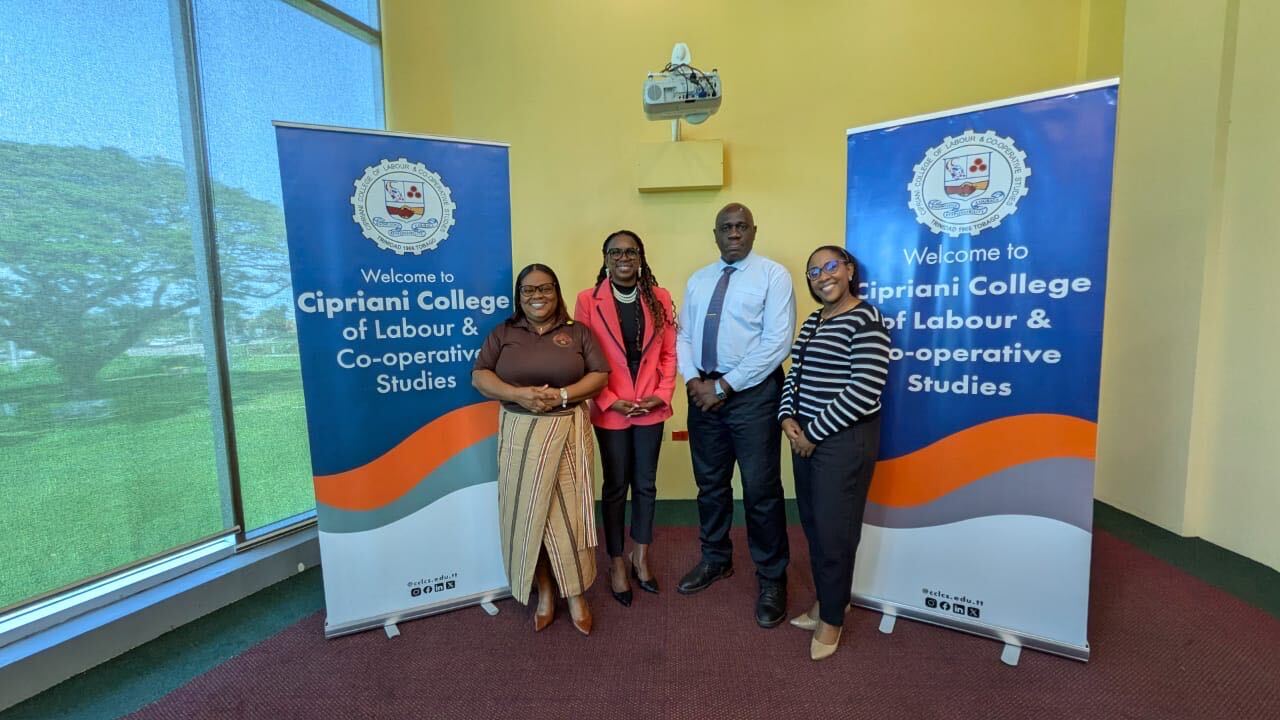
    Among the most notable progress the organization has achieved over the past year is a new collaborative partnership with the Cipriani College of Labour and Co-operative Studies, a relationship designed to expand specialized training opportunities for union leadership and support targeted research to strengthen the CUT’s advocacy work.

    “With this partnership, we were able to bring trade union courses. Our executives can be trained; we will do research with the college that will help us to better advocate for our people,” Kelsick said of the agreement. This focus on cross-organizational collaboration sits at the center of Kelsick’s broader strategic vision for the CUT. She has pushed for deeper, more productive relationships with national education ministries, local member unions, and other stakeholder groups, arguing that isolated advocacy cannot deliver meaningful change. “We cannot exist within a vacuum,” she noted. “We have to cooperate, we have to work together in order to push education, not just for our individual member units, but for us as a Caribbean society.”

    Even as the union celebrates the progress it has made over 91 years, many of the core issues that drove its founding remain urgent priorities for today’s leadership. Kelsick reaffirmed that the fight for equitable working conditions, professional respect, workplace dignity, and competitive compensation for educators is ongoing, and the CUT will never cease its advocacy on these fronts.

    As the CUT enters its 92nd year of operation, Kelsick’s message echoes the unifying principle that brought the region’s educators together more than nine decades ago: collective action creates lasting power. “We are the CUT. We are committed. We stand united. And our impact is transgenerational. Long live the CUT!”

  • St. Anthony’s Secondary School Records 90.4 Per Cent CAPE Pass Rate

    St. Anthony’s Secondary School Records 90.4 Per Cent CAPE Pass Rate

    Preliminary results published by Antigua and Barbuda’s Ministry of Education have revealed strong performance across the country’s two Caribbean Advanced Proficiency Examination (CAPE) testing centers for 2026, with St. Anthony’s Secondary School securing the top spot with an impressive 90.4 percent overall pass rate.

    The results put St. Anthony’s narrowly ahead of the ABICE Alister Francis Campus, the nation’s second CAPE center, which posted a strong 88.8 percent pass rate — a 1.6 percentage point gap between the two top performing institutions.

    CXC Local Registrar Maritza West shared the official performance figures during a public discussion focused on national examination outcomes hosted by ABS Presents. In her remarks, West praised both facilities for their strong results, noting that both pass rates represent excellent outcomes for secondary and post-secondary advanced learners across Antigua and Barbuda.
    “For the Alister Francis Campus, we have 88.8 per cent pass — excellent,” West told attendees of the discussion. “And for the St. Anthony’s Secondary School, we have 90.4 per cent pass — excellent.”
    Beyond performance data, officials also confirmed that a routine administrative update will be required in the Caribbean Examinations Council (CXC)’s official records. The ABICE Alister Francis Campus was formerly known as Antigua State College, a name that still appears in CXC’s internal systems. West confirmed that the records will be updated to reflect the institution’s current official branding in the near term.
    “ We will definitely have to make a change in the CXC system because it’s still reflecting Antigua State College,” West added.
    The 2026 results mark a milestone for both institutions, with both centers delivering overall pass rates that either approach or exceed the 90 percent threshold, signaling strong academic preparation for advanced learners across the country.

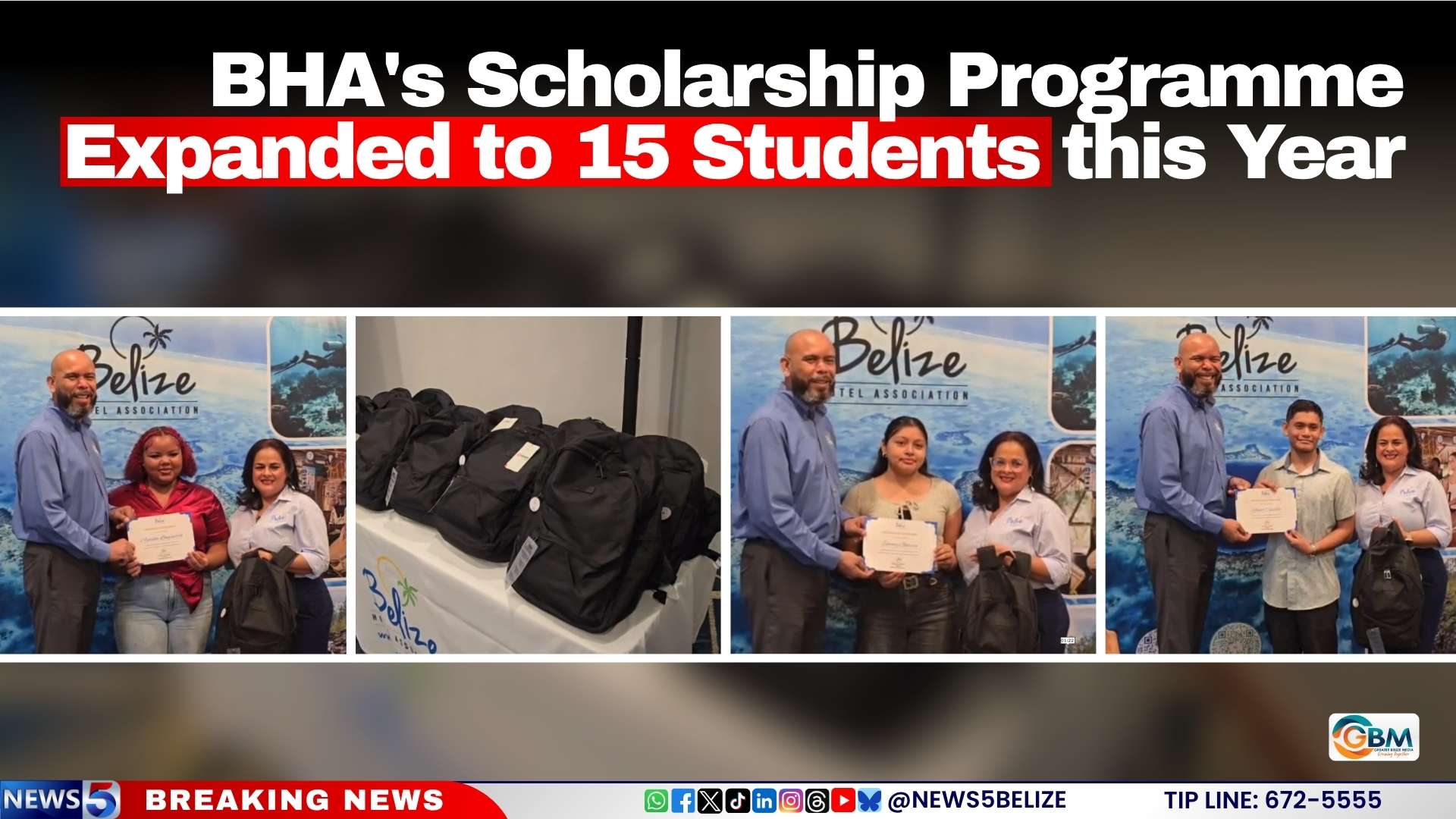
  • BHA’s Scholarship Programme Expanded to 15 Students this Year

    BHA’s Scholarship Programme Expanded to 15 Students this Year

    For over 20 years, the Belize Hotel Association (BHA) has lifted financial barriers for young learners from families connected to Belize’s tourism and hospitality sector, and this 2026-2027 school year, the industry-led initiative is growing to support more students than ever before. In an announcement made on August 21, BHA confirmed it will award education grants to 15 deserving students this term — a threefold increase in participation from 2022, when current BHA President Reynaldo Malik first joined the organization’s board.

    When Malik first became involved with the program, only five students received support annually. Today, the expansion not only brings more students into the fold but also revises core program rules to make aid more accessible and flexible for Belizean families. Previously structured as tuition-only scholarships, the awards have been reworked into versatile, multi-purpose grants that can cover a wide range of education-related costs beyond tuition. Eligible expenses include textbooks, school uniforms, daily transportation to campus, and other essential supplies that many low-income families struggle to afford.

    The program also updated its eligibility requirements to align with Belize’s common extended family structures. Where dependent eligibility was once limited to immediate children of BHA member employees, the revised criteria now includes dependents in non-traditional care arrangements, such as minor siblings raised by an older brother or sister. This change ensures no qualifying student is excluded from aid due to non-standard family arrangements that are widespread across the country.

    Unlike many other association programs, the Partners in Education initiative operates entirely independent of BHA’s general operating budget. Every dollar awarded comes from voluntary donations from BHA member businesses and funds raised through the association’s annual charity auction. This year’s auction alone generated more than $23,000 for the scholarship fund, demonstrating the tourism industry’s collective commitment to investing in the next generation of Belizeans.

    Notably, BHA does not restrict scholarships to students pursuing degrees or training in tourism and hospitality, despite the program being funded entirely by sector members. Leadership says the open eligibility policy recognizes that a broad range of local industries contribute to the success of Belize’s tourism ecosystem and the national economy as a whole, and all young Belizeans deserve the opportunity to advance their education regardless of their planned career path.

    Malik called the Partners in Education program one of the BHA’s most significant and proud achievements, framing the expansion as part of the tourism sector’s commitment to “pay it forward” to local communities that have supported the industry’s growth. “To whom much is given, much is expected,” he noted in an interview with local outlet News 5, emphasizing that the industry has a responsibility to invest in opportunities for Belize’s youth.

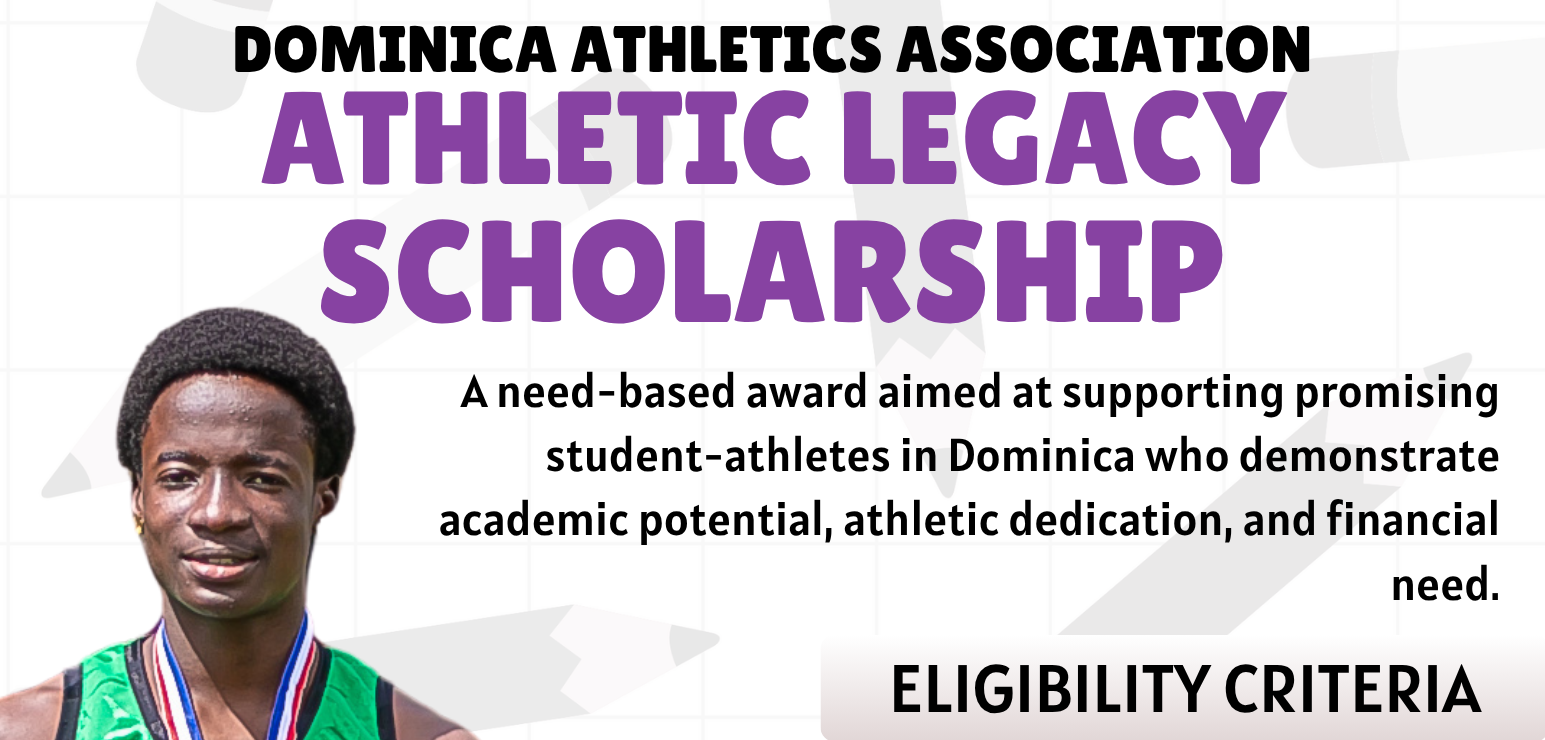
  • DAA opens applications for 2026 Athletic Legacy Scholarship

    DAA opens applications for 2026 Athletic Legacy Scholarship

    Young Dominican student-athletes balancing academic pursuits and athletic training now have new financial support to help them thrive, as the Dominica Athletics Association Inc. (DAA) has officially opened applications for its 2026 Athletic Legacy Scholarship. Launched last year as a core community initiative of the association, the program is designed to remove financial barriers that often prevent promising young athletes from advancing both in their studies and their sporting careers.

    Unlike many general academic scholarships, this initiative is tailored specifically to emerging athletic talent. The need-based award provides one-time funding of EC$1,000, which can be put toward a range of core educational expenses, from tuition fees and textbooks to school uniforms and required classroom supplies. Since its founding in 2025, the scholarship program has aligned with the DAA’s broader mission to nurture well-rounded young people who excel both in the classroom and on the track, field, and other competitive sporting venues.

    To be eligible for the 2026 award, applicants must meet several clear criteria set by the DAA. First, candidates must hold citizenship of the Commonwealth of Dominica, and be confirmed as enrolled students at a government-recognized secondary school across the country for the 2026–2027 academic year. Additionally, applicants must prove their active commitment to competitive athletics by having participated in no fewer than three official athletic competitions during the 2025–2026 athletic season, and must demonstrate verifiable financial need that would otherwise hinder their ability to cover educational costs.

    The DAA has structured the application process to be accessible for students across the island, offering two convenient submission pathways. Digital-native applicants can complete and send their applications entirely online via the DAA’s official Facebook Page or Instagram account, making the process fast and remote for those with access to social media. For students who prefer or require physical forms, applications can be collected and returned in-person at the Dominica Olympic Committee (DOC) Office located in Bath Estate. The office accepts forms during standard business hours, 9:00 AM to 5:00 PM, Monday through Friday.

    All eligible candidates must note the strict application deadline: all submissions must be received no later than Friday, September 4, 2026. In a public statement, the DAA urged all qualifying student-athletes to take advantage of this targeted opportunity to invest in their dual goals of academic advancement and athletic development. For applicants who have questions about eligibility, the form, or the submission process, the DAA can be reached directly via email at [email protected], or through telephone and WhatsApp at 767-285-3206.