分类: education

  • Queen’s College celebrates ten national awardees

    Queen’s College celebrates ten national awardees

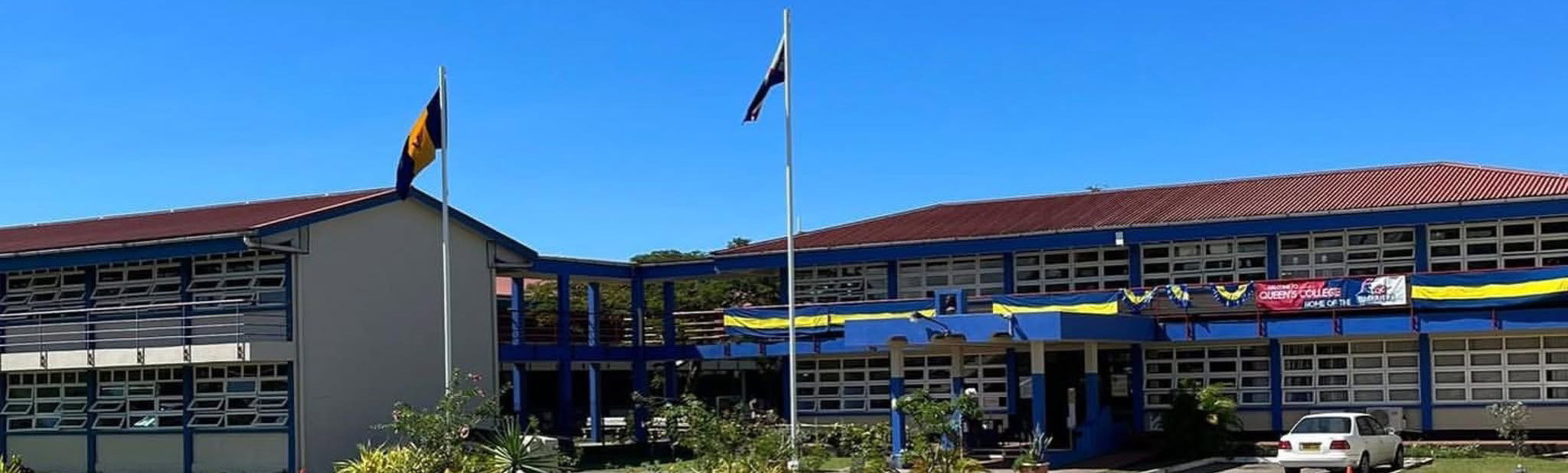
    In a standout showing for secondary education across Barbados, Queen’s College has claimed an extraordinary share of the country’s most prestigious 2026 national academic awards, cementing its reputation as a leading institution for student excellence. Of the 12 highly competitive Barbados Scholarships awarded nationwide for the upcoming academic cycle, seven went to students from Queen’s College, alongside three of the 21 available Barbados Exhibitions. The institution finished with a total of 10 national award recipients, a result that principal Mitchelle Maxwell says has filled the entire school community with immense pride.

    The seven Queen’s College students awarded Barbados Scholarships are Azani Blades, Ethan Dear, Chaya Griffith, Kaela Hinds, Joshua Jemmott, Amaris Nicholls and Arrielle Thompson. The school’s three Barbados Exhibition winners are Anaya Moore, Brandon Squires and Daniel Wickham. In an interview with local outlet Barbados TODAY, Maxwell emphasized that this exceptional outcome is not the victory of students alone, but the product of coordinated effort from educators, family members, and the entire school network.

    “Based on what has been made public, we recognize this has been an exceptional year for our school, with these seven scholarships and three exhibition placements,” Maxwell said. “This is a tremendous feat, and it brings a tremendous sense of pride to see what our students and our entire school community have been able to accomplish.”

    She went on to credit the consistent, dedicated work of teaching staff, who have long prioritized student growth at the institution. “Our teachers have worked exceptionally hard, and we are so grateful for the commitment they bring, alongside the support from parents and guardians every step of the way,” Maxwell explained. She added that the award-winning students themselves demonstrated unwavering commitment to their studies throughout their secondary careers. “We are exceptionally proud of our students and their accomplishments, and we recognize that this is the result of dedication, persistence, and commitment on their part.”

    Across Barbados, a total of 34 students received national academic awards for 2026: 12 Barbados Scholarships, 21 Barbados Exhibitions, and one Award of Excellence. Barbados Community College led the count for Barbados Exhibitions with 13 winners, while The St Michael School earned three, and Harrison College took two. When asked if this year’s seven scholarships marked a historic high for Queen’s College, Maxwell declined to confirm, noting that the institution has “always done exceptionally well” in these annual awards, and a full review of past records would be needed to confirm the milestone. Even so, she affirmed that 2026 stands out as a standout year for the school.

    Maxwell shared that school leadership entered this year’s award cycle with quiet confidence, having already seen strong potential in the cohort from their prior academic performance. “We did have a good sense of what was possible,” she said, explaining that students who delivered strong results during their Lower Six studies were identified early as potential contenders for top awards. From that point, the entire school community rallied around the students to support them as they worked toward their goals.

    Reiterating the critical role of educators, Maxwell praised teaching staff for their consistent devotion to student success. “They continue to apply themselves to their task. Every year they give yeoman service to pedagogy, working closely with students to help them reach their full potential,” she said. For younger students at the school who aspire to earn similar recognition in future years, Maxwell shared a clear message of encouragement rooted in the achievements of this year’s awardees.

    “Continue to apply yourself, continue to be committed to excellence,” she advised. “It’s going to require, as it always does, hard work, commitment, dedication. You must remain focused, be intentional, and be purposeful. And of course we always rely on God for steadfastness in everything that we do as a school community.”

    The 2026 national academic awards were officially announced by the Ministry of Education Transformation at a ceremony held Friday, where Chief Education Officer Dr Ramona Archer-Bradshaw offered formal congratulations to all award recipients across the country, and recognized the collective work of students, teachers, parents, and guardians in supporting student achievement.
  • DOMLEC scholarship programme marks 40 years with four new recipients

    DOMLEC scholarship programme marks 40 years with four new recipients

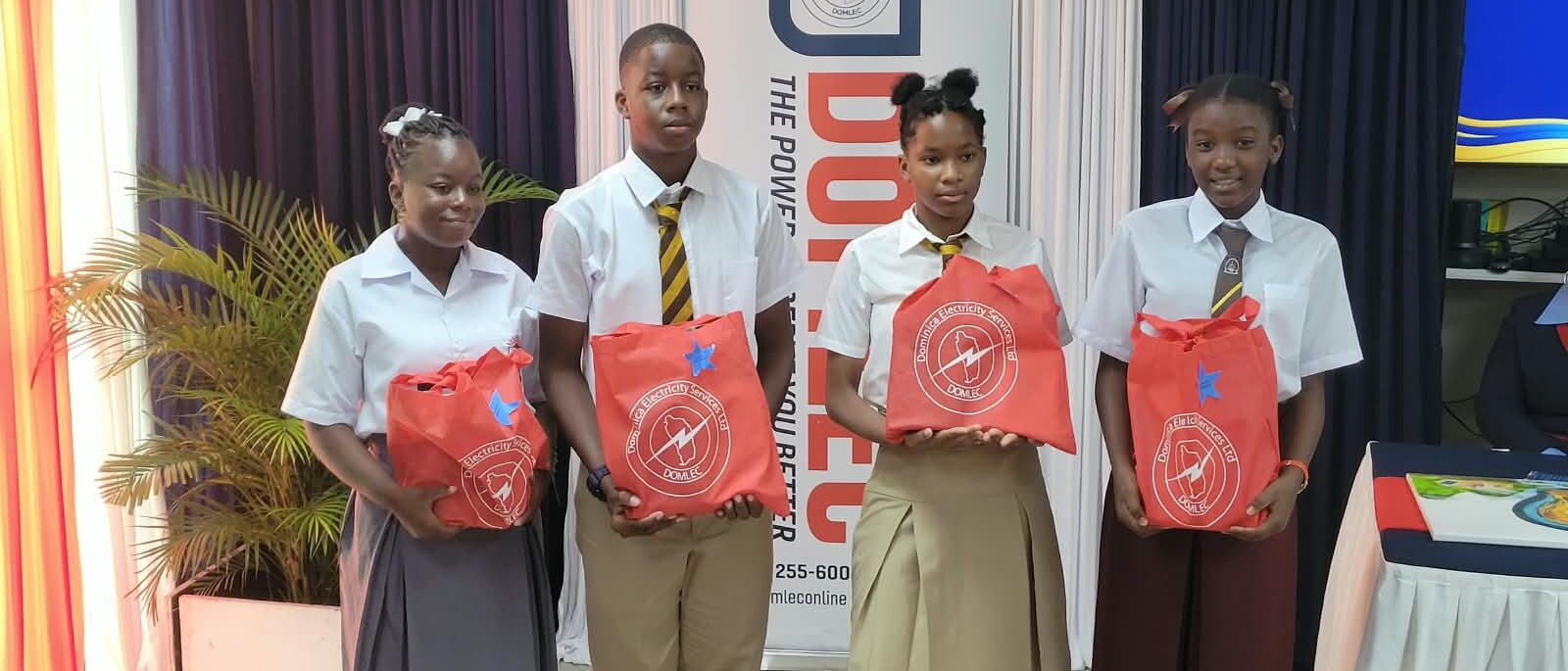
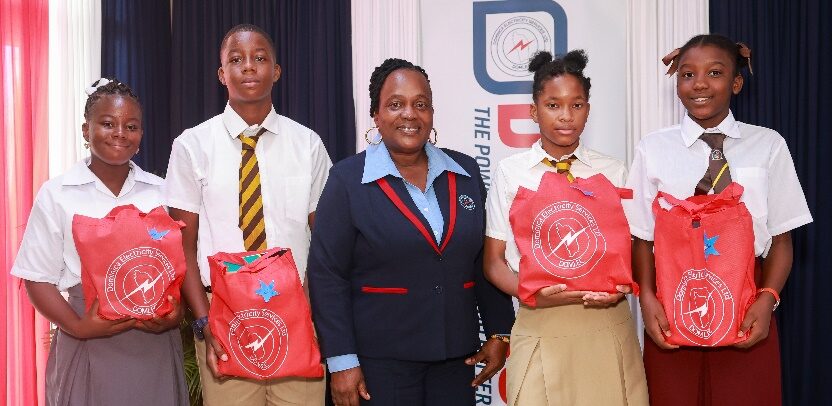
    Dominica’s primary electricity utility, Dominica Electricity Services Ltd. (DOMLEC), has celebrated a major milestone for its flagship community education initiative — 40 years of supporting secondary school students — by awarding four new five-year scholarships to incoming students across the island.

    The 2026 scholarship presentation ceremony took place on Thursday, August 27, at DOMLEC’s conference room located within its Engineering, Transmission and Distribution complex in Fond Colé, bringing together company leadership, new recipients and a former beneficiary to mark the occasion. This year’s awardees are four students from the general public of Dominica: Merjhana Guiste, who will enroll at Portsmouth Secondary School; Daville Alexander and Kira Bertrand, both set to attend Dominica Grammar School; and Kaley Fabien, who will pursue studies at Arthur Waldron SDA Academy. In a heartfelt symbolic gesture, Fabien gifted DOMLEC an original piece of artwork illustrating her vision for a renewable energy-powered future for the country.

    Unlike one-off education grants, DOMLEC’s scholarship programme provides sustained financial support for up to five years of secondary education, contingent on recipients maintaining solid academic performance, avoiding grade retention and submitting end-of-term report cards each academic year. Each year, scholars must also return their program-provided textbooks in good condition at the close of the school year. The assistance covers core secondary education expenses including textbooks, school supplies, examination fees and daily transportation, easing the financial burden on recipient families.

    From its launch four decades ago, the programme has extended support to two groups: children of DOMLEC employees and qualifying students from the wider Dominican community. This year marks a rare cycle where all four available awards went to community candidates outside of the company’s employee network.

    Speaking at the award ceremony, DOMLEC Human Resources and Administration Manager Claudia Brumant emphasized that the programme’s 40-year milestone stands as a tangible testament to the utility’s long-term commitment to advancing education in Dominica. Brumant offered words of encouragement to the new students, reminding them that secondary education would bring unforeseen obstacles, and that success depends on consistent dedication and resilience. “The choices we make today create the lives we live tomorrow,” she said. “In the five years of secondary school there will be days when the lessons are difficult, when hours are long and when you face challenges you don’t expect. Those moments call for a new level of dedication, commitment and perseverance.”

    DOMLEC Public Relations Officer Ayeola George explained that the programme’s financial support frees up household resources that families can redirect to other areas of child development or toward covering education costs for other siblings. George also highlighted the long-term ripple effect of the initiative, noting that a former beneficiary returned to the ceremony this year to share his journey and inspire the new cohort. “Today we had a past beneficiary return to not just share his experience but inspire a new generation of scholars,” she said. “He advised attendees that he wants to also give back and contribute positively to other youth. This most certainly is an example of the wide-reaching impact of this award.”

    That former beneficiary, LynD Letang — the son of a current DOMLEC employee who himself received support through the programme decades ago — echoed that sentiment, sharing that his experience motivated him to pay the opportunity forward by supporting other young Dominicans in their education journeys.

  • Saint Lucia posts six-year CSEC high, but more than half fail Maths

    Saint Lucia posts six-year CSEC high, but more than half fail Maths

    On Thursday, Saint Lucia’s Ministry of Education officially released 2026 results for two key regional secondary education assessments — the Caribbean Secondary Education Certificate (CSEC) and the Caribbean Advanced Proficiency Examination (CAPE) — revealing a mixed picture of educational progress that balances historic gains against ongoing systemic challenges.

    For the CSEC, the standardized exam taken by secondary school students across the Caribbean region, Saint Lucia posted its strongest overall performance in six years. The nation logged 12,218 total subject entries this year, with an overall pass rate of 78.93% — a full 6.75 percentage points above the 72.18% regional average, marking a clear step forward for the island nation’s secondary education sector.

    Multiple subject areas delivered standout results that underscore strengths in vocational, technical and humanities education. Every single candidate who sat Agricultural Science (Double Award), Industrial Technology (Mechanical), Physical Education and Sport, and Religious Education earned a passing grade. An additional eight subjects — Food, Nutrition and Health; Theatre Arts; Industrial Technology (Electrical); Technical Drawing; Biology; Industrial Technology (Building); Agricultural Science (Single Award); and Additional Mathematics — all posted pass rates between 90% and 99%, highlighting consistent strong performance in these specialized fields.

    Despite these broad gains, the results are not uniformly positive. Performance declined in 14 individual subject areas, with Music, Caribbean History and Additional Mathematics recording the steepest drops in pass rates from 2025. Most notably, Mathematics remains the most persistent and pressing obstacle for Saint Lucian CSEC candidates. Even with a 4.66 percentage point improvement in pass rates year-over-year, only 46.81% of test-takers earned a passing grade in 2026 — meaning more than half of all candidates failed the core subject. The Ministry of Education has formally identified Mathematics as “the single largest concern” in this year’s results, noting the subject accounted for more failing grades than any other assessment in 2026.

    Results for the CAPE, the advanced secondary credential for students pursuing post-secondary education, painted a far more positive picture overall. A total of 351 candidates across just two institutions — Sir Arthur Lewis Community College (SALCC) and Vieux Fort Comprehensive Secondary School Campus B (VFCSS) — sat CAPE exams this year, and Saint Lucia notched an overall national pass rate of 96.82%. Between the two participating schools, VFCSS maintained a slight edge over SALCC with a 97.34% pass rate, though that figure represents a small dip from VFCSS’s 98.89% pass rate in 2025. By contrast, SALCC improved on its 2025 performance, lifting its pass rate from 94.77% to 96.34% this year.

    A notable shift also occurred in gender-based performance at the CAPE level. Last year, male candidates outperformed their female peers, but that dynamic flipped in 2026: female candidates posted an overall pass rate of 97%, surpassing the 95% pass rate recorded by male candidates.

    When aggregated, the 2026 results confirm that Saint Lucia has made measurable progress in secondary education over the past half-decade, with the nation now outperforming the Caribbean regional average in the vast majority of tested subjects. Education officials will now turn their attention to addressing the persistent underperformance in Mathematics, while building on the strong results recorded in technical, vocational and advanced placement programs across the country.

  • IMA Grenada celebrates students at back-to-school trivia prizegiving

    IMA Grenada celebrates students at back-to-school trivia prizegiving

    The Investment Migration Agency (IMA) of Grenada has recently concluded its third annual Back-to-School Trivia competition, culminating in a celebratory prizegiving ceremony that recognized eight standout student participants spanning from primary school to higher education. This community-focused initiative, which operated throughout the summer months of July and August, was crafted to combine engagement, learning, and practical support for local families gearing up for the new academic term.

    Unlike typical summer leisure activities, the trivia competition challenged participants to test their knowledge across four key domains: Grenada’s local history, national cultural heritage, ongoing national development projects, and the strategic public-facing programs run by IMA Grenada. From its launch, the initiative has been anchored in the agency’s long-standing commitment to advancing youth development, strengthening educational outcomes, and driving positive impact across Grenadian communities.

    This year’s awardees walked away with tangible, practical rewards to support their academic journeys. Each of the eight winners received a EC$500 gift voucher that can be redeemed at local retailers for essential back-to-school supplies, covering everything from notebooks and writing tools to textbooks and uniforms. One exceptional participant also took home the competition’s grand prize: a brand-new Samsung tablet, a tool designed to enhance remote research, facilitate digital assignment completion, and extend learning opportunities beyond the traditional classroom walls.

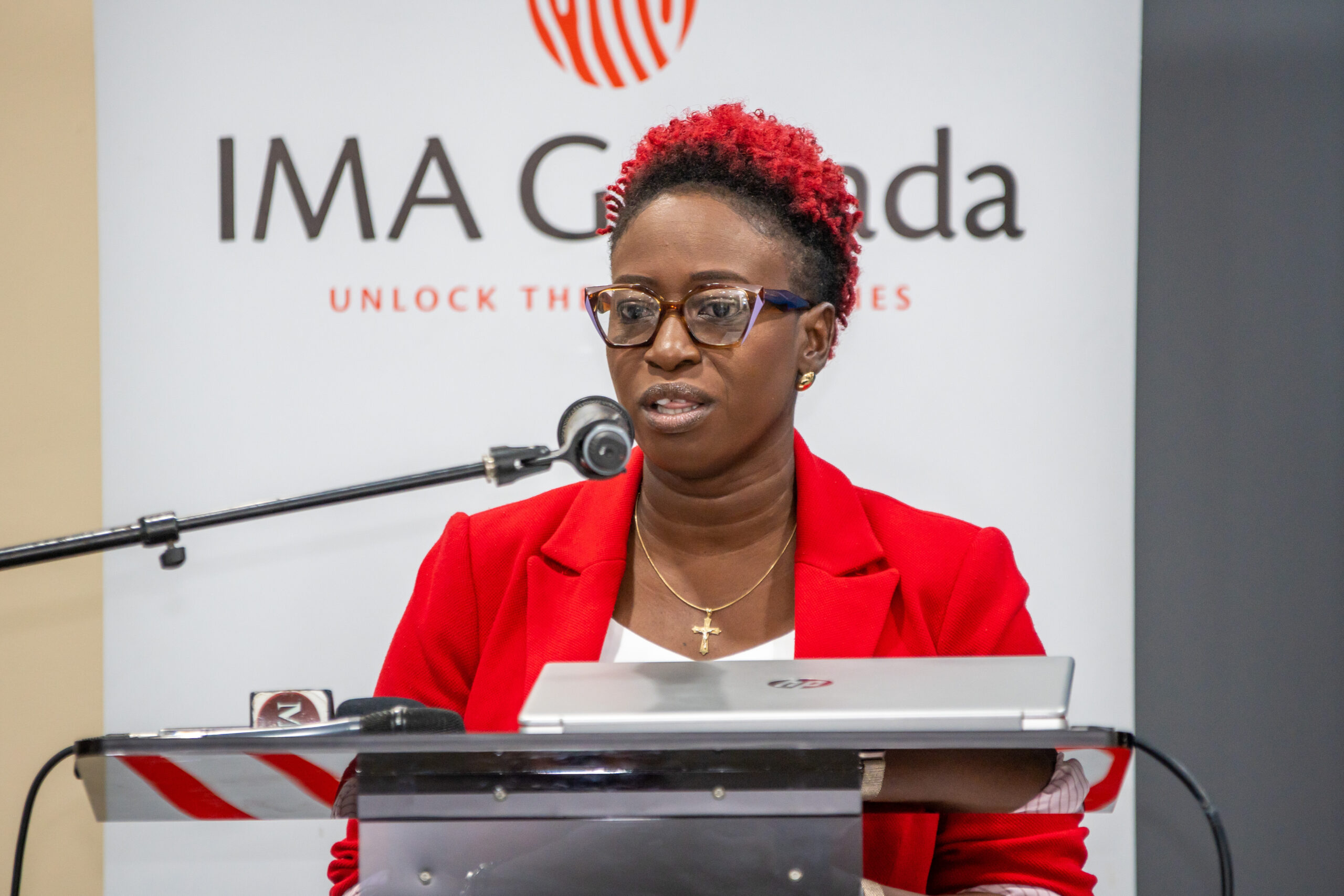
    Karline Purcell, Deputy Chief Executive Officer of IMA Grenada, highlighted the core mission behind the annual initiative in her remarks at the ceremony. “The concept behind this project is simple but carries deep meaning,” Purcell explained. “We wanted to give students a productive, engaging activity to fill their summer break that was both educational and rewarding. By encouraging young people to dive into research, practice critical thinking, and deepen their understanding of Grenada’s unique history, culture and ongoing development, we are helping foster lifelong curiosity, build personal confidence, and nurture a strong sense of national awareness.”

    Purcell also emphasized that the gift voucher prizes address a very real financial burden many local families face ahead of each school year. “By providing these vouchers, we are able to offer support that is both timely and directly useful to households across the country,” she added.

    The Back-to-School Trivia initiative aligns with IMA Grenada’s core organizational belief: that strategic investment in the country’s young generation is equivalent to investing in a stronger, more prosperous future for Grenada as a whole. Following the ceremony, agency representatives extended warm congratulations to all eight award winners, and offered sincere gratitude to parents, guardians, and every participating student who took part in this year’s competition.

    Disclaimer: This content was contributed by IMA Grenada, and NOW Grenada does not take responsibility for the opinions, statements, or media shared by third-party contributors. Users may report any content that violates community guidelines through the official reporting channel on the platform.

  • Four students receive DOMLEC scholarships for secondary school

    Four students receive DOMLEC scholarships for secondary school

    In a formal ceremony held on Wednesday morning, Dominica Electricity Services (DOMLEC) has awarded full secondary education scholarships to four outstanding local students, reaffirming the energy provider’s longstanding commitment to investing in the island nation’s youth and educational development.

    The event was attended by senior members of DOMLEC’s executive management team, who formally presented the awards to the four recipients. Each scholarship will cover the students’ educational costs over the next five years of their secondary schooling, removing financial barriers that could otherwise hinder their academic progress.

    Addressing the new scholarship holders during the ceremony, DOMLEC Customer Service Clerk Alex Honore-Thomas shared practical and motivational guidance as the students prepare to embark on this critical phase of their academic journeys. Honore-Thomas urged the recipients to approach their secondary studies with intentional commitment, clear purpose, and a proactive mindset, encouraging them to seize every learning and growth opportunity available to them during their secondary school years.

    The four awardees represent four different secondary institutions across Dominica. Merjhana Guiste will attend Portsmouth Secondary School, while Daville Alexander and Kira Bertrand will enroll at Dominica Grammar School. The fourth recipient, Kaley Fabien, will pursue studies at Author Waldron SDA Academy.

    This scholarship initiative is not a one-off effort, but part of DOMLEC’s ongoing corporate commitment to supporting local student advancement. Company leaders framed the program as a strategic investment in education, noting that strong educational outcomes for young Dominicans form the foundational building blocks for long-term collective and individual success across the island.

  • ECCB Generative AI and Python Summer Camp

    ECCB Generative AI and Python Summer Camp

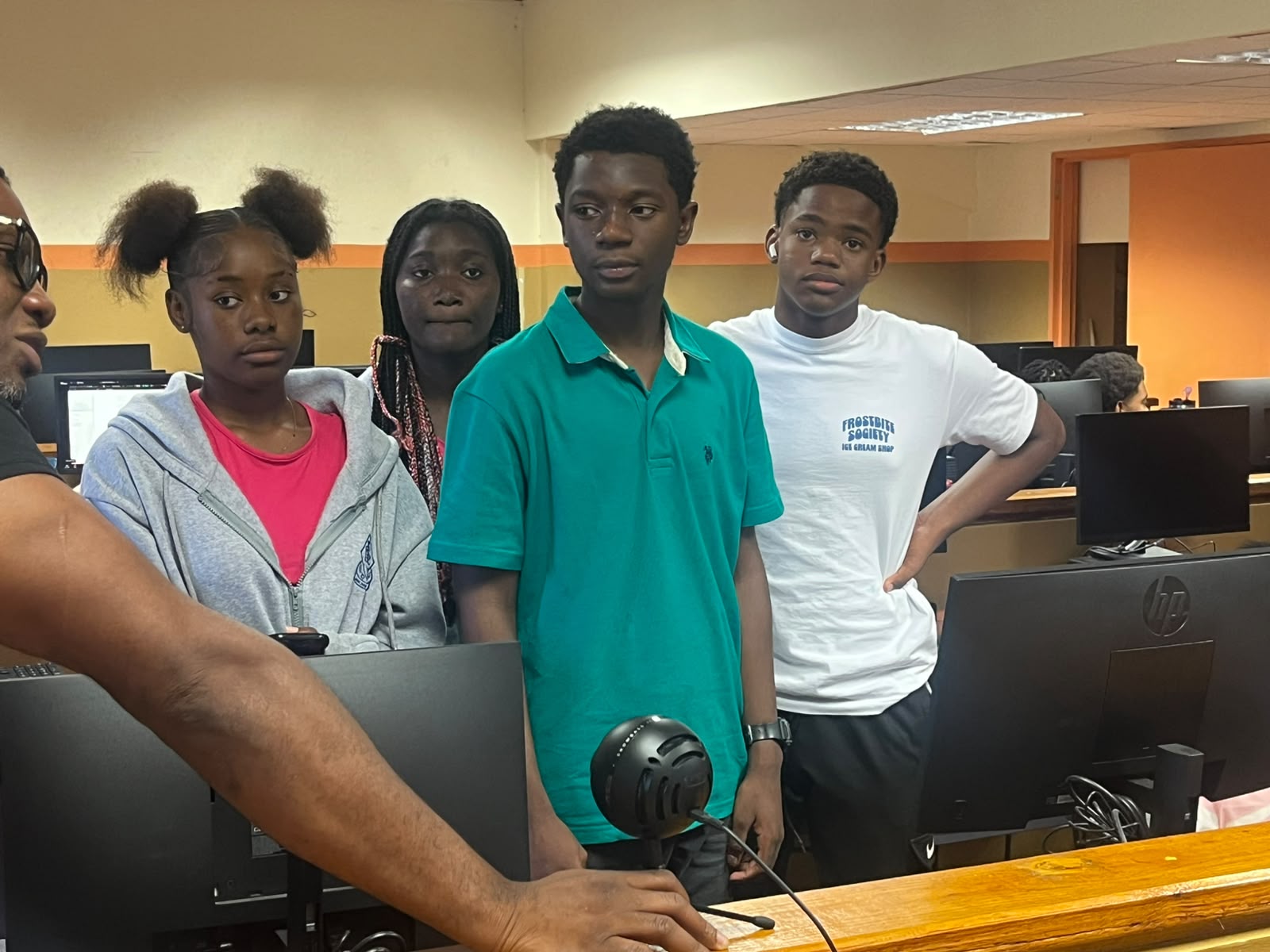
    Against a backdrop of rapid global digital transformation, regional economic bodies are stepping up efforts to equip young workforces with future-ready technical skills. The Eastern Caribbean Central Bank (ECCB), backed by funding from the Taiwan International Cooperation and Development Fund, has launched the third iteration of its Generative AI and Python Summer Camp, a groundbreaking initiative designed to ready young people across the Eastern Caribbean Currency Union (ECCU) for the competitive demands of the modern digital economy.

    Unlike previous editions that centered on simulated learning projects, the 2026 camp introduces a game-changing new component: direct, hands-on collaboration with real enterprise and public-sector clients to tackle tangible, on-the-ground challenges. For the ECCB, this training program is far more than a seasonal youth activity — it forms a core pillar of the bank’s broader strategy to drive regional economic transformation and build a competitive, future-ready local workforce.

    “What the camp does is that it arms our youth to be able to have the competencies to compete at a global level in the digital space. And this is what it’s all about,” explained Sybil Welsh, ECCB Project Manager and Senior Project Specialist. This year’s move beyond simulated projects places participants directly in authentic work environments, where they are tasked with identifying client pain points and co-developing innovative, practical solutions. Welsh emphasized that this immersive model pushes young learners to exceed their own perceived limits: “When you have a real client, what you do is immerse our young people in real-life skills, a real innovation lab. You have real clients, you have real projects, and now you really inspire our young people to do all that they need to do, to dig deep, to go beyond what they thought was possible, to meet and I would say even surpass the expectations of clients.”

    Telly Onu, the camp’s Lead Trainer, Instructional Design Specialist and Chatbot Edition Hub Coordinator, noted that the real-client model fosters holistic professional growth alongside technical coding proficiency. Beyond mastering generative AI and Python, participants build soft skills that are critical for long-term career success. “The key skills that they really learn, number one, is really problem solving. They all had several meetings with their clients. So obviously they learn how to now do consultative engagements. They build their confidence in that way so they can conduct client interviews, do requirements collection. So basically, each team, we train them on how a real development team actually works,” Onu said.

    For the young participants hailing from across ECCU member states, the experience has already delivered transformative personal and professional growth, with many highlighting the unique value of working on live projects. Nia Jack, a 16-year-old participant from St Kitts and Nevis, helped build a custom chatbot for the ASPIRE Programme, a government financial literacy initiative that teaches young people about saving and investing from an early age. “It’s been really fulfilling. I, as a 16-year-old, having the honour of working with the Aspire Programme,” Jack shared.

    Simlet Pierre, a participant from St Vincent and the Grenadines, credited the camp with helping him develop critical leadership and collaboration skills he had previously struggled with. “A lot of persons used to tell me that I’m a bit self-centred, so I’ve worked …in large groups. Now I am leading a group of 20 members, to be exact,” Pierre said.

    Emma Morris, another St Kitts and Nevis participant, described the experience as equal parts challenging and rewarding. “It was stressful at times for sure because, you know, these are real clients and real people with real needs and having to meet their needs and make sure you make a product that is good enough to not only satisfy them, but satisfy their customer engagement,” Morris said. “So it was challenging, but once we got it done, it felt really nice.”

    Alisha Gordon of Grenada called the program transformative, highlighting how it has built foundational skills that will serve her throughout her future career. “It was an incredible and transformative experience. We worked as a team, and we built up a foundation in coding, and I feel like I developed my presentation skills and communication skills,” Gordon said. “The camp has given me the opportunity to learn skills that I know I can use in the future. Working with a real client was especially valuable because we had to listen to their needs, understand the problem and then work together to find a solution.”

    Program facilitators echoed participants’ positive assessments, noting that the camp moves far beyond passive technology education to active problem-solving. Kelvin Pompey, an Assistant Facilitator from St Vincent and the Grenadines, highlighted the shift participants have made in understanding the power of collaborative work: “They realised for themselves what they can do together as a group and as a team.”

    Eugine Whint, an Assistant Facilitator from Grenada, emphasized that the camp places young Eastern Caribbean learners at the cutting edge of global technological development, giving them a years-long head start on in-demand skills. “This programme is really advanced. What (the campers) are doing are things that, to be honest, people in 5 years’ time will be like, wow, why didn’t I do that before? They are at the forefront of technology,” Whint said.

    Co-sponsored by the ECCB and the Republic of China (Taiwan), the 2026 camp also operates in partnership with education ministries across all ECCU member states and specialized delivery partners. The program will conclude on 28 August 2026 with a public showcase, where participating teams will present their completed AI and Python projects to clients, stakeholders and the public, demonstrating the skills and solutions they have built over the course of the camp.

    Through initiatives like this Generative AI and Python Summer Camp, the ECCB continues to invest in building a new generation of digitally skilled young leaders who are prepared not only to participate in the evolving global digital economy, but to shape the future growth of the Eastern Caribbean region.

  • ‘Major discrepancies’ at 2 schools causing delay of CXC results press release

    ‘Major discrepancies’ at 2 schools causing delay of CXC results press release

    A planned public release of the annual national aggregate results for this year’s Caribbean Secondary Education Certificate (CSEC) examinations has been put on hold by education officials, after two major grading inconsistencies were uncovered affecting multiple subject areas at two separate institutions, Education Minister Phillip Jackson confirmed to Parliament this Thursday.

    The announcement comes more than a week after individual test-takers gained access to their personal grades via the Caribbean Examinations Council (CXC)’s online student portal on August 18. According to Jackson, the delay is limited exclusively to the compilation and publication of the broad national performance breakdown that compares outcomes across schools; it has not impacted any student’s ability to view, share or use their personal results for post-secondary enrollment processes.

    “Two major discrepancies were identified for a number of subjects across two schools. We flagged the issue internally first, then immediately notified the CXC, which is currently working to correct the errors,” Jackson explained to legislators. “We made the call to hold off on releasing the full national dataset because publishing it with these inconsistencies intact would have been premature. It could have skewed inter-school performance rankings and distorted the overall national picture, which would have been unfair to institutions and students alike.”

    Jackson emphasized that the disruption has not derailed the academic progression of the vast majority of CSEC candidates. Almost all test-takers have already accessed their individual grades and submitted them to support college admissions, with many having already secured enrollment for upcoming terms. The minister even offered a personal example, noting that his own son had passed all of his CSEC subjects and had completed his college registration already.

    “For over a week, every candidate has held their own results. Parents have been fully informed of their children’s performance, and the entire education system is continuing to operate as normal, with no interruptions to student progression,” Jackson said. “This delay only affects the aggregated public data report, not the individual outcomes students rely on for their next academic steps.”

    Officials from the Ministry of Education are continuing to work closely with the CXC to resolve the grading anomalies, Jackson confirmed. Once all corrections are finalized and the accuracy of the national dataset is verified, the ministry will publish the full performance summary via an official public statement. “We are working assiduously alongside the CXC to sort out this issue as quickly as possible, and we will release the full results as soon as that process is complete,” he added.

    In a closing note to candidates, Jackson reminded students who did not achieve the scores they had targeted that a second chance is already scheduled. Those wishing to improve their results will be able to resit their affected CSEC examinations this coming January. While the minister declined to share specific details on the nature of the identified discrepancies or name the two impacted institutions, he framed the delay as a necessary precaution to safeguard the integrity of school performance rankings and guarantee the accuracy of the national CSEC results report.

  • SJPI students urged to make most of opportunity

    SJPI students urged to make most of opportunity

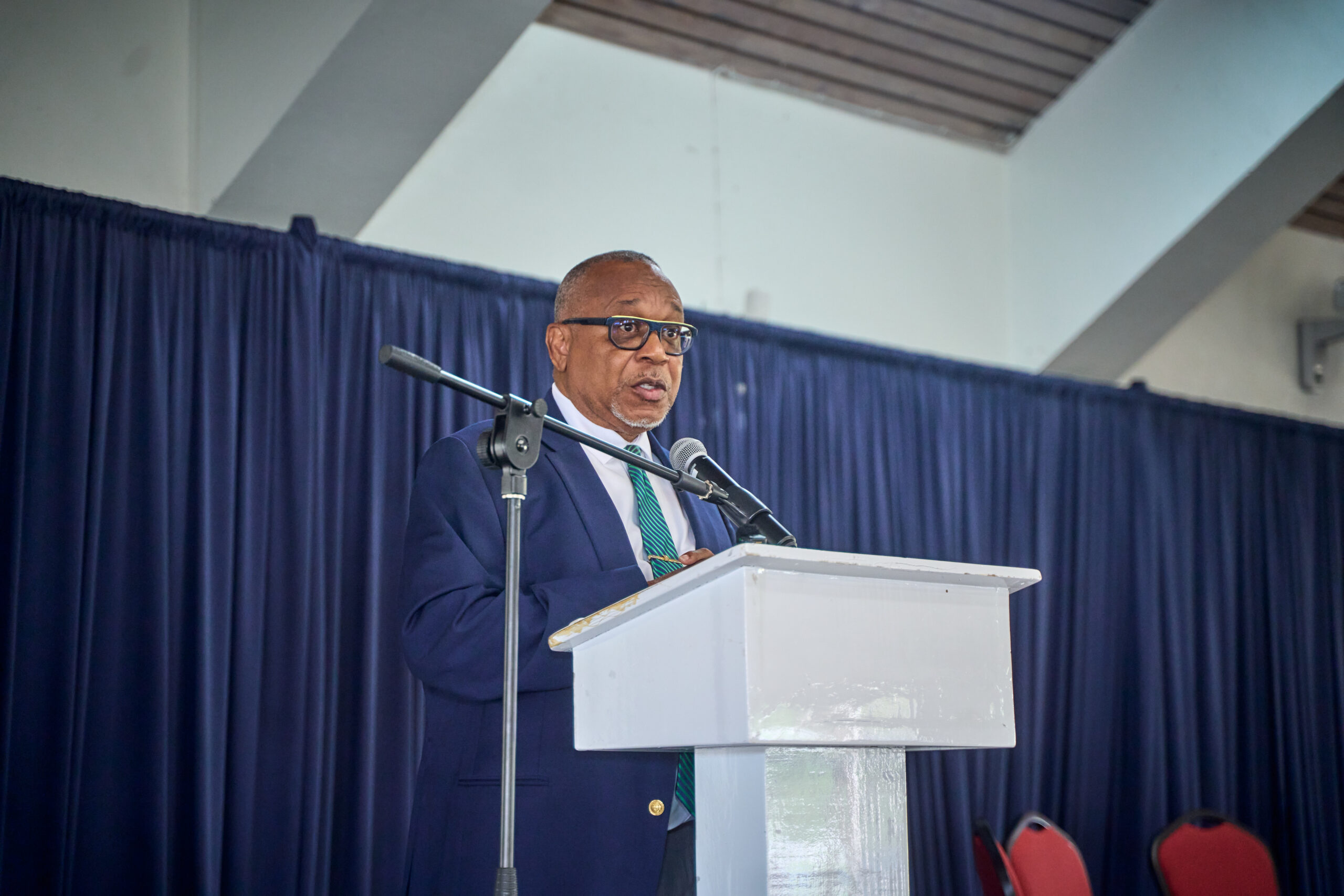
    As 600 new students embarked on their technical and vocational training journeys at the Samuel Jackman Prescod Institute of Technology (SJPI) this academic year, institute principal Ian Drakes used the annual orientation ceremony to lay out clear expectations, drawing a firm line against criminal and anti-social activity on campus.

    Opening the orientation event, Drakes framed access to technical and vocational education at SJPI as a privilege that comes with corresponding personal and civic responsibilities. He acknowledged the growing independence of young adult learners, noting that the institute’s role is not to micromanage every aspect of student life but to provide thoughtful, experienced guidance that meets students where they are.

    “We recognize that as young adults, you will navigate personal matters that don’t require institutional involvement,” Drakes told the assembled incoming cohort. “We’re here to offer adult guidance — we’ve all been in your shoes, so we understand what this transitional period feels like. But we also share a common understanding that every right to an education is paired with accountability. Respecting your peers and instructors, and actively engaging with the knowledge our faculty offers, that’s core to your responsibility as a student here.”

    Drakes left no room for ambiguity when addressing the issue of harmful behavior, announcing the institute’s uncompromising zero-tolerance policy for bringing criminal activity, disruptive anti-social conduct, weapons, or illicit substances onto campus. “You did not come here to waste time,” he emphasized. “If you want to idle, smoke or carry weapons, you can do that anywhere else across Barbados’ 166 square miles — not here. You enrolled to gain career-focused technical training, so leave those harmful activities off campus. We will not tolerate them.”

    Beyond setting boundaries, Drakes encouraged new students to recognize the unique value of the opportunity they’ve earned. He pointed out that countless aspiring learners across the country would jump at the chance to study at SJPI, a respected institution that has long shaped Barbados’ skilled workforce and national development. Drakes urged students to approach their studies with a purpose-driven, positive mindset, reminding them that the skills they gain here will empower them to build stable, fulfilling lives for themselves and their families.

    “This is a pristine institution that has contributed enormously to our country’s progress,” he said. “When you leave here with your training, we want you to grab hold of your future with both hands. Build a life that can sustain your family — that’s how you’ll one day be the one standing here, guiding the next generation of students.”

    Closing his address, Drakes warned incoming students against falling prey to peer pressure and negative social influences, urging them to cultivate independent critical thinking. “Don’t go astray. Don’t fall into the herd mentality that ignores red flags just to fit in,” he cautioned. “Stop and ask yourself if a choice makes sense for your future. You’ve earned an incredible opportunity, and lost chances never come back. Make the most of every day you have here.”

  • Understanding CTEC Modular Assessment: Standards, Grading and Certification

    Understanding CTEC Modular Assessment: Standards, Grading and Certification

    In recent weeks, public discourse across the Caribbean has centered on the Caribbean Targeted Education Certificate (CTEC), with widespread questions emerging about academic rigor, grading protocols, and the role of CTEC modular assessments in the award of the final Caribbean Secondary Education Certificate (CSEC) qualification. In a detailed explanatory piece, Wayne Wesley, PhD, Registrar and Chief Executive Officer of the Caribbean Examinations Council (CXC), addresses these concerns head-on to clarify how the new modular framework operates and reinforce the integrity of regional education qualifications.

    Wesley opens with a core assertion that has been a point of contention in public debate: CTEC does not lower established Caribbean academic standards. The modular assessment model only alters the structure of how learning is measured and credited, not the core knowledge, skills, and competencies that students are required to master to earn a CSEC qualification.

    One of the most persistent misconceptions about CTEC, Wesley notes, is that modular assessments are inherently easier than the traditional single-sitting CSEC examinations. This claim is unfounded, he explains. All CTEC modular assessments are drawn from the same official syllabuses, aligned to the identical learning outcomes, and developed following the exact same assessment specifications that underpin the long-standing traditional CSEC exams. Module questions are identical to those that appear in full traditional CSEC assessments, meaning students must demonstrate the exact same level of knowledge and skill as their peers testing through the traditional pathway. Furthermore, all modular assessments are graded using the same rigorous quality assurance infrastructure, including examiner moderation, standardized psychometric analysis, and consistent grading procedures that have preserved the credibility of CXC qualifications for decades. The level of rigor, objectivity, and fairness remains entirely unchanged. The only meaningful difference is that CTEC allows students to demonstrate their proficiency in incremental, manageable stages, rather than relying on a single high-stakes examination sitting that can create unnecessary stress and barriers for learners.

    When it comes to grading, the CTEC framework relies on a system already familiar to all regional education stakeholders, from students and parents to employers and tertiary institutions. Caribbean education systems have long used modular performance reporting for CAPE subjects, and CSEC has for decades reported results in two formats: overall subject grades (I to VI) and profile grades (A to F). CTEC adapts this widely recognized A-F scale to report performance on individual modules, making it simple for stakeholders to track student progress through the qualification pathway. Under CTEC rules, grades A, B, C, and D are considered acceptable passing marks for a module, while grades E and F indicate that a student needs additional learning support before meeting the expected module standard. Each grade has a clear public descriptor: A denotes excellent mastery of module content, B indicates good grasp, C is fairly good grasp, D is moderate mastery, E reflects limited understanding, and F marks very limited mastery of required concepts and skills. These detailed descriptors provide actionable feedback for both students and teachers, highlighting specific areas for growth and enabling targeted instructional interventions to improve outcomes.

    A key point of public confusion has been the relationship between individual module grades and the final CSEC certification. Wesley clarifies that individual module grades are not standalone full qualifications. Instead, they function as micro-credentials that document a student’s achievement in specific segments of a subject, and all required module grades are aggregated to calculate the final overall CSEC subject grade. A passing grade in a single module does not equate to completion of the full subject; students must successfully complete all required modules for a subject before a final CSEC grade can be awarded. The traditional, widely recognized overall CSEC grade remains the official final certification for the subject, with the modular CTEC pathway simply providing a structured, incremental route for students to accumulate demonstrated achievement toward that end goal.

    To preserve the integrity of the top CSEC grades, CXC has put in place clear rules that emphasize the importance of consistent performance across all modules. Because the final grade is built from all module results, a student who earns even a D in any required module cannot be awarded a top overall Grade I in the final CSEC qualification. This policy reinforces the core principle that overall excellence in a subject requires strong performance across all its components, and ensures that a Grade I continues to represent truly outstanding achievement — maintaining the confidence of employers, tertiary institutions, and other stakeholders in the value of CXC qualifications.

    Unlike the traditional single-sitting model, CTEC also brings important flexibility that supports student success. Students who are unsatisfied with their grade on a specific module can retake that module alone, following CXC standard registration procedures, before their final CSEC grade is calculated. This allows learners to target gaps in their knowledge, strengthen their skills in specific areas, and improve their overall final result without having to retake the entire subject. This flexibility expands opportunity for students without compromising the rigorous academic standards that CXC is known for.

    Wesley concludes that the introduction of CTEC modular assessment reflects CXC’s long-standing commitment to addressing a key regional education challenge: expanding access to certification for more Caribbean students while upholding the rigorous standards that have earned CXC regional and international respect. The modular model does not make qualifications easier, reduce required learning outcomes, or lower academic expectations. Instead, it offers a more flexible pathway that allows students to demonstrate mastery of the same syllabus objectives, meet the same performance standards, and earn the same globally recognized CSEC qualification. In short, the core standards that underpin CXC credentials remain fully intact; only the process through which students demonstrate their achievement has evolved. CTEC thus strikes a intentional balance between educational innovation and qualification integrity, preserving the rigor and credibility of Caribbean secondary education qualifications while opening new pathways to support greater student success and expanded educational attainment across the region.

  • Cuba with its heart in the center of its chest

    Cuba with its heart in the center of its chest

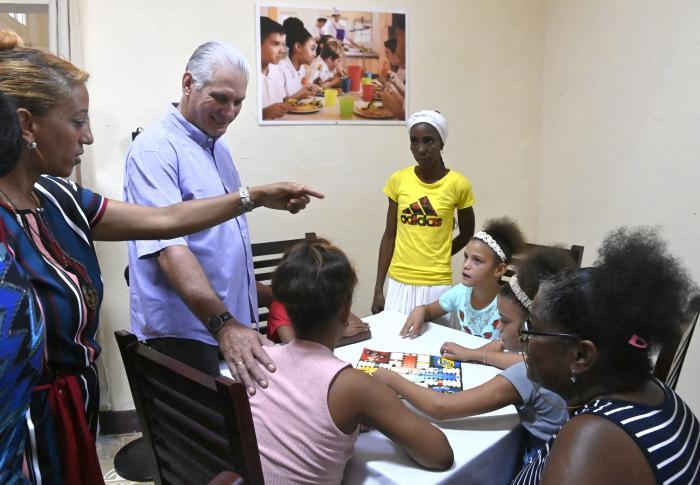
    As Cuba gears up for the start of the 2026-2027 general education school year on September 1st, top government and party officials have toured educational and child welfare facilities in Havana to verify final preparations and reaffirm the nation’s commitment to leaving no young learner behind.

    On Wednesday, August 27, Miguel Díaz-Canel Bermúdez, First Secretary of the Central Committee of the Communist Party of Cuba and President of the Republic, led an inspection tour through sites under the Víbora People’s Council in Havana’s Diez de Octubre municipality. Accompanied by Deputy Prime Minister Eduardo Martínez Díaz, Education Minister Naima Ariatne Trujillo Barreto, and other senior officials, the tour began at residential care facilities for children and adolescents without parental guardianship before moving to local schools and the country’s new emergency shelter model for at-risk youth.

    Speaking to the presidential press corps during the visit, Minister Trujillo Barreto confirmed that roughly 1.5 million children and adolescents across Cuba are expected to return to classrooms when the new academic term kicks off next week. She noted that preparation work actually started earlier this month, with education professionals cutting short their vacation periods to retrofit campuses, update learning materials, and finalize enrollment plans ahead of the first day of classes.

    “Every school is ready to welcome both new and returning students, alongside their family members,” the minister stated. This year’s curriculum framework is designed to incorporate input from all social and economic sectors across the country, with a strong focus on flexible scheduling, individualized learner support, and complementary out-of-class programming that complements core institutional and group learning objectives.

    Against Cuba’s current national context, Trujillo Barreto explained that differentiated support will be tailored to the specific needs of each educational level, regional community, classroom cohort, and individual student. To accommodate enrollment demands, many schools will operate double session scheduling where local infrastructure allows. Beyond traditional classroom instruction, the new school year will roll out innovative complementary training projects led by local youth and education professionals, designed to expand learning opportunities outside core lesson times.

    As examples of these innovative initiatives, the minister highlighted partnerships with university students specializing in computer science and artificial intelligence, as well as new extracurricular programs focused on arts, music, and sports. She emphasized that local education authorities will retain autonomy to design programming that aligns with their community’s unique resources and needs, ensuring programs remain practical and sustainable over the full academic term.

    Trujillo Barreto added that early inspections across the island have already revealed high levels of commitment from education professionals at all levels, as well as strong engagement from cross-sector partners. Moving forward, rigorous ongoing monitoring will be prioritized, particularly to support students who have been disconnected from formal education and require targeted, personalized interventions to re-engage with learning.

    The tour through the Víbora community carried deep symbolic meaning, as the area hosts a network of child protection institutions established under Cuba’s recently implemented Children, Adolescents, and Youth Code. After visiting the Víbora II residential home for youth without parental care, where Díaz-Canel asked detailed questions about daily operations, community partnerships, and the children’s academic and recreational schedules, the delegation traveled to the Víbora I Infant Home. There, the president praised the facility’s 10-person staff, noting that their work caring for vulnerable young children requires extraordinary empathy and selfless dedication.

    The final stop on the tour was the new Urgent Shelter, a transitional care space designed to provide immediate, safe housing for children and adolescents facing extreme vulnerability, while child protection specialists develop long-term personalized care plans. From the shelter, youth can transition to foster care, live with biological family members prepared to assume guardianship, or move to long-term residential care, depending on what arrangement best serves the child’s needs.

    As the new school year approaches, new backpacks and learning supplies already wait in classrooms across the community. During the tour, Díaz-Canel reaffirmed a core principle of Cuba’s revolutionary education system: that every child, regardless of their family background or personal circumstances, deserves access to quality education and protection. The visit underscored the government’s ongoing commitment to upholding this promise, ensuring no young Cuban is left without support as the new academic year begins.