分类: business

  • CLAMPING DOWN

    CLAMPING DOWN

    The Bank of Jamaica (BOJ) is introducing comprehensive minimum standards to regulate how financial institutions handle customer grievances, addressing longstanding inconsistencies and delays in dispute resolution processes. This regulatory intervention comes as a direct response to the absence of industry-wide standards that has resulted in uneven treatment of consumer complaints across deposit-taking institutions (DTIs).

    According to the central bank’s 2025 annual report, the newly developed framework mandates that all DTIs establish robust governance and accountability mechanisms to ensure complaints are addressed with fairness, transparency, and promptness. This initiative represents a critical component of Jamaica’s broader transition toward a Twin Peaks regulatory model, which will separate prudential oversight from consumer protection functions.

    Recent data reveals persistent challenges within the banking sector. The Office of Consumer Complaints (OCC), which handles cases escalated beyond individual banks, received 443 complaints in 2025—a slight decrease from 463 the previous year. Nearly half (206 cases) involved account-related issues, particularly concerning electronic banking channels and automated banking machines (ABMs), indicating significant customer difficulties in accessing funds and resolving routine banking problems.

    While complaint resolution rates showed remarkable improvement—jumping to 84% in 2025 from 57.4% in 2024—the BOJ emphasized that underlying systemic issues necessitate stronger regulatory action. The absence of uniform standards has created inconsistent complaint handling practices across institutions, prompting enhanced regulatory scrutiny.

    The central bank completed development of the new standard in 2025 and plans to issue a consultation paper to the banking industry this quarter before finalizing the regulations. Beyond account-related disputes, the OCC also addressed complaints concerning fraud, loan practices, fee structures, and fund accessibility issues.

    Notably, the BOJ reported a temporary surge in complaints related to the Real Time Gross Settlement (RTGS) system during December 2025, attributed to operational challenges during the JamClear®-RTGS transition to ISO 20022 standards. The institution also acknowledged that previous standards implemented for ABMs in 2024 have already yielded improvements in system uptime and recovery durations.

    As part of this regulatory overhaul, the BOJ will introduce a structured online complaints intake mechanism requiring customers to submit grievances through a dedicated web-based form rather than written correspondence. This platform will initially be hosted on the BOJ’s website before transitioning to the Financial Services Commission under the Twin Peaks framework.

    The OCC’s role is expected to expand significantly beyond complaint resolution to encompass broader market conduct supervision, including a thematic review of financial offerings initiated in October 2025. These developments reflect Jamaica’s comprehensive approach to strengthening consumer protection mechanisms and enhancing financial sector resilience.

  • GK delivers on solar savings despite Melissa disruptions

    GK delivers on solar savings despite Melissa disruptions

    Jamaican conglomerate GraceKennedy Limited is reporting exceptional performance from its renewable energy initiatives, achieving greater-than-anticipated financial savings despite significant infrastructure damage from Hurricane Melissa. The corporation’s solar power transition program has yielded over US$700,000 in energy savings for 2025, substantially exceeding its initial target of US$600,000 and advancing toward its ambitious goal of US$1 million in annual savings by 2026.

    Group CEO Frank James revealed during a recent investor briefing that the savings would have been even more substantial had Hurricane Melissa not destroyed the solar installation at the company’s meat processing facility. The catastrophic Category 5 hurricane—the most intense storm ever recorded in Jamaican history—caused extensive operational disruptions across the conglomerate’s network.

    The renewable energy program, launched in 2022 under former CEO Don Wehby, represented a US$3 million investment to convert multiple operations to solar power. The initiative had already demonstrated its viability with approximately US$400,000 in savings during 2024 as the program began scaling across the organization.

    James emphasized the company’s commitment to rebuilding stronger solar infrastructure despite the hurricane’s impact: ‘We continue to see the savings from solar, so we’re not daunted and we’ll be rebuilding bigger and better.’

    The hurricane’s devastation extended beyond energy infrastructure, particularly affecting the Savanna-la-Mar meat processing plant (Grace Food Processors Meats), which sustained substantial damage requiring temporary closure. The facility, described by James as a profitable operation, resumed production by December’s end following repairs, restoring key product lines including Vienna sausages and frankfurters to supermarket shelves.

    Financially, the hurricane generated approximately J$1.4 billion in one-time profit impacts primarily from business interruptions and increased insurance claims. This marked the first instance where a majority of GraceKennedy’s profits originated from international operations rather than domestic markets, as Jamaican operations absorbed the storm’s consequences.

    Additional hurricane-related challenges included inaccessibility to one of the company’s three spring water sources in the Blue Mountains’ Newcastle area due to road damage. James confirmed that despite this setback, the company has maintained uninterrupted supply through its two remaining sources, ensuring continued availability of spring water products while awaiting road repairs.

  • Food price swings mask underlying pressures as inflation dips

    Food price swings mask underlying pressures as inflation dips

    Jamaica experienced a significant downturn in inflation during February, with official statistics revealing a 0.9% monthly contraction in the All-Jamaica Consumer Price Index. This substantial decline was predominantly propelled by a dramatic 11.3% collapse in vegetable prices alongside reductions in tubers, plantains, and pulses, culminating in a 2.5% decrease within the food and non-alcoholic beverages category. Superficially, these figures position annual inflation at 3.9%—comfortably within the Bank of Jamaica’s target corridor of 4-6%—suggesting economic stability.

    However, beneath this apparent tranquility lies a more complex economic narrative. Despite the dramatic monthly food price correction, annualized food inflation persists at 5.1%, maintaining its position as the primary driver of overall price increases. Concurrently, housing utilities and fuels recorded 5% inflation while personal care services rose 4.1%, indicating sustained pressure across essential expenditure categories.

    The February data reveals critical sectoral divergences: while agricultural products experienced deflationary trends, housing-related costs including electricity advanced 0.2% alongside similar increases in transportation fueled by rising petrol prices. This dichotomy underscores Jamaica’s fundamental inflation characteristic—volatile food prices creating optical illusions that mask structural cost increases in energy-dependent sectors.

    This presents policymakers with a formidable challenge, as monetary tools designed to combat demand-driven inflation remain largely ineffective against supply-side volatility in agricultural production. The current stability thus appears contingent upon unpredictable factors including harvest yields and global energy markets, creating a fragile equilibrium that could rapidly reverse.

    For Jamaican households, the statistical decline offers limited relief as reduced grocery expenses are offset by mounting utility and transportation costs, maintaining constant pressure on household budgets. The economy consequently demonstrates superficially controlled inflation while remaining vulnerable to sudden shifts in commodity markets and energy pricing.

  • Everyday Value Jamaica Ltd is the exclusive distributor of Britannia products

    Everyday Value Jamaica Ltd is the exclusive distributor of Britannia products

    KINGSTON, Jamaica — A landmark distribution agreement has been finalized between Everyday Value Jamaica Limited and Britannia Industries Limited, India’s premier biscuit and dairy products manufacturer. This exclusive partnership signifies Britannia’s official market entry into Jamaica, with Everyday Value Jamaica appointed as the sole distributor for its extensive product portfolio.

    The strategic alliance represents a mutual commitment to market expansion and consumer accessibility. Zhen Tang, Managing Director of Everyday Value Jamaica, emphasized the significance of this collaboration, stating, ‘This partnership aligns with the steady progress and trust we have cultivated as an organization. Our five decades of expertise in distribution have prepared us for such high-caliber alliances, which serve as testaments to our operational resilience and growth trajectory.’

    Shanice Nation, Senior Marketing and Business Development Manager, expressed enthusiasm about the collaboration: ‘We are honored to be selected as the distribution partner for this multinational conglomerate. Facilitating Britannia’s debut in Jamaica reinforces our dedication to forging enduring partnerships and driving mutual commercial success.’

    The distribution framework will encompass nationwide logistics, marketing campaigns, and customer support services for Britannia’s diverse biscuit range. Jamaican consumers will gain direct access to popular brands including Marie Gold, Tiger, Treat, Milk Biskis, 50/50, Little Hearts, Jim Jam, Good Day, Bour Bon, Pure Magic Choco, Nutro, and NiceTime.

    To catalyze market penetration, Britannia will launch its ‘Biscuits-BUY THE DOZEN’ promotional campaign featuring two months of intensive marketing activities. The initiative will include trade incentives for retailers and wholesalers, complemented by in-store product sampling events and consumer giveaways at major retail chains including John R Wong, General Foods, Sampars/Select Grocers, Sovereign, and Loshusan.

  • Jamaica Broilers cuts losses but weak US unit still drags results

    Jamaica Broilers cuts losses but weak US unit still drags results

    Jamaica Broilers Group Limited has achieved a remarkable financial turnaround during the nine-month period ending January, substantially narrowing losses through strengthened domestic operations that have helped stabilize the poultry conglomerate following last year’s accounting crisis. While the company’s challenging US division continues to negatively impact overall performance, the Jamaican operations have emerged as the primary engine driving the group’s recovery.

    The third-quarter interim financial report reveals a net loss of approximately $1 billion, representing a dramatic improvement from the $3.5 billion deficit recorded during the same period last year. This significant recovery stems from a complete reversal in operating performance, with the company posting an operating profit of about $2 billion compared to an operating loss of $1.2 billion in the previous year.

    Revenue for the nine-month timeframe reached $73.6 billion, accompanied by a 22% surge in gross profit to $13.5 billion, indicating substantially improved margins despite modest revenue growth. Company management credited this margin enhancement to refined operational execution across all business units, emphasizing their continued focus on efficiency measures and disciplined implementation strategies.

    The financial resurgence occurs against the backdrop of Jamaica Broilers’ ongoing efforts to stabilize its financial position after accounting irregularities discovered in its US operations prompted a massive $46 billion restatement of financial statements. This development led to the planned transition from long-standing auditor PricewaterhouseCoopers to Ernst & Young.

    Currently, the company is negotiating the resolution of approximately $120 million in debt associated with its US operations, while a $24 billion refinancing arrangement with local banks has provided essential liquidity during balance sheet restructuring. Despite these challenges, Jamaica Broilers maintains its commitment to enhancing operational efficiency and strengthening performance across all business segments as it works toward restoring sustained profitability.

  • Beslag van €5 miljoen komt vrij na schikking DSB in geldzendingzaak

    Beslag van €5 miljoen komt vrij na schikking DSB in geldzendingzaak

    The Surinaamsche Bank N.V. (DSB) has successfully concluded a protracted legal dispute with the Dutch Public Prosecutor’s Office through a €124,500 settlement agreement, resulting in the release of approximately €5 million in previously frozen funds. The resolution, announced on March 17, 2026, stems from a contentious money transfer incident that occurred in April 2018.

    Following six months of intensive negotiations described by the bank as ‘productive,’ both parties reached an out-of-court settlement that DSB considers an appropriate resolution to the long-standing case. The Dutch banking institution confirmed the arrangement with reference to an official statement from the Netherlands Public Prosecution Service.

    The primary motivation for DSB’s acceptance of the settlement was the termination of an extended and financially draining legal battle, coupled with the recovery of seized assets. Upon payment of the agreed €124,500 penalty, the bank will regain access to the full €5 million that had been under seizure.

    In an official statement, DSB emphasized its ongoing commitment to regulatory compliance, stating: ‘From our societal responsibility perspective, we remain unwavering in our dedication to strict adherence to national and international compliance laws and regulations, thereby promoting an integrity-based financial system.’

    The settlement represents a significant development in cross-border financial regulation enforcement, demonstrating how international banking institutions can resolve compliance disputes through negotiated settlements rather than prolonged litigation.

  • Banken betalen boetes in geldtransportzaak uit 2018

    Banken betalen boetes in geldtransportzaak uit 2018

    Three major Surinamese financial institutions—Finabank, De Surinaamsche Bank, and Hakrinbank—have formally concluded a longstanding investigation into cross-border currency transports dating back to 2018. The resolution comes after the banks collectively paid substantial fines to the Dutch Public Prosecutor’s Office, facilitating the release of previously seized funds.

    The case originated from logistical cash transfers arranged by the Central Bank of Suriname that transited through Dutch territory in 2018. Following coordinated investigations into the movement of physical currency across borders, Dutch authorities have now closed the matter without establishing any procedural irregularities or misconduct.

    Financial settlements were structured differently among the institutions: Finabank and De Surinaamsche Bank each paid €124,500, while Hakrinbank settled for €166,000. These payments trigger the release of confiscated funds in accordance with the resolution agreements.

    In an official statement, Finabank emphasized its commitment to operating within established legal and compliance frameworks, acknowledging the critical role financial institutions play in maintaining systemic integrity and stability. The bank highlighted its continuous efforts to enhance governance structures and compliance protocols in alignment with evolving international regulatory expectations.

    The resolution occurs against the backdrop of Suriname’s strengthened anti-money laundering and counter-terrorism financing framework. The Caribbean Financial Action Task Force (CFATF) recognized measurable progress in its 2022 assessment, reflecting coordinated efforts between public authorities and financial institutions.

    Notably, the settlement does not impact the banks’ operational capabilities or their collaborative relationships with regulatory bodies and international partners. Finabank reaffirmed its dedication to responsible banking practices, transparency, and ongoing alignment with international standards as part of its long-term contribution to confidence in Suriname’s financial system.

  • Golfstaten onder zware druk door oorlog met Iran: recessierisico groeit

    Golfstaten onder zware druk door oorlog met Iran: recessierisico groeit

    The ongoing military confrontation between the United States, Israel, and Iran is inflicting severe economic damage across Gulf Cooperation Council (GCC) states, with analysts warning of potential recessionary pressures comparable to the 1990-1991 Gulf War. Since hostilities erupted on February 28th, Iran’s persistent attacks on military bases throughout the region have created catastrophic disruptions to energy production, tourism, and transportation networks.

    According to aviation analytics firm Cirium, approximately 37,000 flights were canceled between February 28 and March 8 alone due to airspace closures and restrictions. Dubai International Airport, typically the world’s busiest international hub, suspended operations following a drone strike on nearby fuel storage facilities. While Qatar Airways has gradually resumed limited special flights, no Gulf carrier has restored pre-conflict flight capacity.

    The energy sector has suffered particularly dramatic losses. Rystad Energy data indicates Middle Eastern oil production plummeted from 21 million to 14 million barrels per day within little over a week. In worst-case scenarios where commercial vessels continue avoiding the Strait of Hormuz due to Iranian threats, production could crash to just 6 million barrels daily.

    Despite former President Donald Trump’s claims that multiple nations would help secure the vital waterway, no government has confirmed participation in military operations, with some explicitly rejecting involvement in maritime coalitions.

    Goldman Sachs estimates suggest Qatar and Kuwait could experience 14% GDP contractions if the conflict persists through April, while the UAE and Saudi Arabia would face 5% and 3% declines respectively. Capital Economics projects regional economic shrinkage of 10-15% should the conflict extend at least three months with lasting energy infrastructure damage.

    The tourism sector, representing approximately 11% of GCC GDP, faces devastating losses. The World Travel & Tourism Council calculates the region is losing $600 million daily in international tourist expenditures. Emilie Rutledge of The Open University emphasizes that cancellations of tourist bookings, conferences, and sporting events are creating massive repercussions for hospitality industries.

    Iraq, though not a GCC member, suffers equally severe consequences. Wood Mackenzie analyst Peter Martin estimates the Iraqi government is losing roughly $3 billion daily in revenue from approximately 70% reduced oil production. A 10% annual production decline could trigger 3.5% GDP contraction for Iraq in 2026.

    Khaled Almezaini, political scientist at Zayed University in Dubai, notes that combined disruptions to aviation, tourism, shipping routes, and energy exports—coupled with rising insurance premiums and transport costs—could cost the region hundreds of millions in daily economic activity. However, he anticipates no full-scale regional recession due to substantial financial reserves that can buffer short-term shocks.

    “The most probable outcome remains growth deceleration and delayed recovery, particularly in larger economies like the UAE and Saudi Arabia,” Almezaini stated. “Should tensions de-escalate rapidly, the region remains well-positioned for faster recovery than many anticipate.”

  • Abinader tours La Milagrosa Farm to strengthen tobacco technology

    Abinader tours La Milagrosa Farm to strengthen tobacco technology

    MONTE PLATA – In a significant move to bolster the national tobacco sector, President Luis Abinader conducted a high-profile inspection of the state-of-the-art ‘La Milagrosa’ tobacco plantation, a flagship operation managed by the renowned Arturo Fuente company. The presidential visit served as a strategic assessment of the advanced agricultural model that the government now seeks to replicate across other tobacco-producing regions in the Dominican Republic.

    During the tour, President Abinader received detailed briefings from Arturo Fuente executives Ciro Cascella and Carlos Fuente, who elaborated on the farm’s substantial technological investments and its transformative effect on the production of premium cigars for the global market. The executives credited the sector’s robust expansion to the government’s business-friendly policies and supportive regulatory environment.

    The sprawling 1,000-acre agricultural complex represents a capital investment surpassing RD$350 million and stands as a paradigm of modern farming. It integrates cutting-edge infrastructure, including automated irrigation networks, precision fertilization systems, solar energy installations, and high-capacity curing barns designed for optimal efficiency. Beyond its technological prowess, the project serves as a critical economic engine for the Monte Plata province, creating approximately 400 direct employment opportunities and stimulating local development.

    Citing data from the Tobacco Institute of the Dominican Republic, the visit underscored the crop’s paramount role as the nation’s leading agricultural export. The industry generates an estimated $1.38 billion in revenue and sustains nearly 40,000 jobs within associated free trade zones, with a notably high rate of female workforce participation.

    In addition to its commercial success, the Fuente family highlighted the profound social dividends of their operations through their dedicated foundation. This philanthropic arm has significantly broadened access to quality education, enhanced healthcare services, and funded community development initiatives, substantially improving living standards in tobacco-growing communities.

  • Measures facilitating participation of Cubans abroad in the national economy

    Measures facilitating participation of Cubans abroad in the national economy

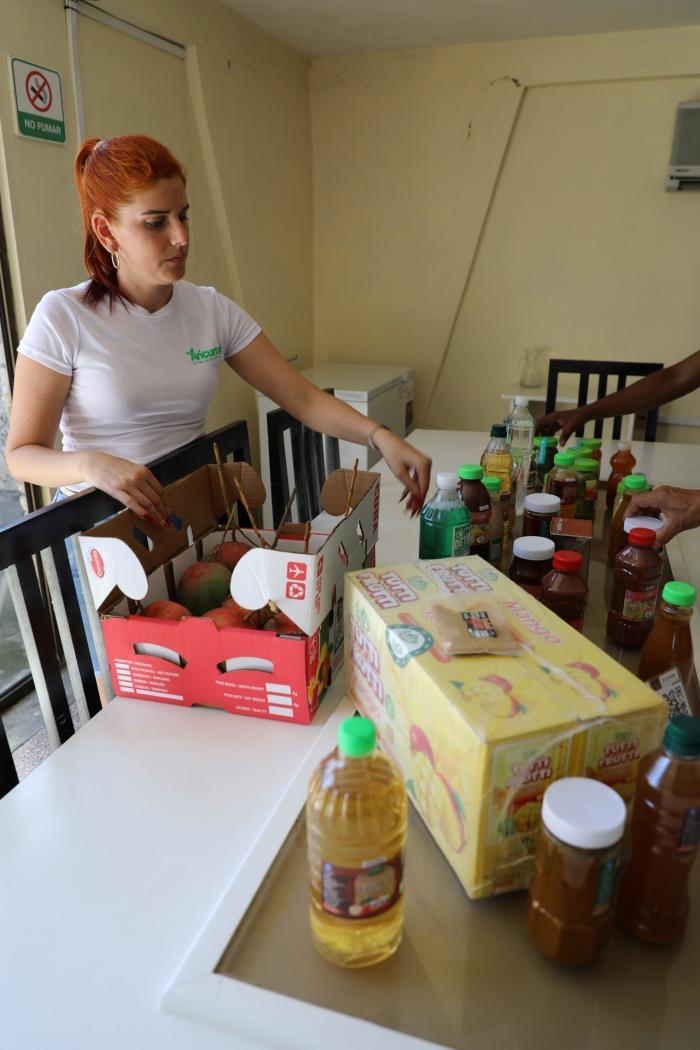
    In a landmark economic reform, Cuba has eliminated longstanding restrictions that previously limited domestic investment exclusively to permanent residents. The new provisions now empower Cubans residing abroad to invest directly in private enterprises and form partnerships with Cuban private economic actors under the Foreign Investment Law.

    Deputy Prime Minister and Minister of Foreign Trade and Foreign Investment, Oscar Pérez-Oliva Fraga, announced these transformative measures as part of Cuba’s comprehensive strategy to update its economic model. These changes reflect ongoing dialogues with the Cuban diaspora and demonstrate the government’s commitment to strengthening ties with global citizens who wish to contribute to national development.

    The reforms represent a significant decentralization effort aimed at increasing foreign capital participation and diversifying private sector involvement across economic sectors. The most notable change removes the permanent residency requirement that previously barred diaspora investment, while simultaneously opening banking sector opportunities and establishing new cooperation and investment funds.

    Under the new framework, expatriate Cubans can now establish partnerships with private companies through overseas-registered entities—a privilege previously reserved for state-owned enterprises. The financial sector reforms authorize diaspora participation in creating non-bank financial institutions and investment banks, subject to Central Bank approval, including opportunities in virtual asset services.

    To facilitate operations, diaspora investors will enjoy equal banking rights as domestic residents, including foreign currency account access. The government is also creating specialized funds to streamline cooperation efforts and maximize impact in priority areas.

    Food production receives particular emphasis, with the government encouraging agricultural investment at municipal levels. The Deputy Prime Minister cited successful Vietnamese rice production ventures as potential models for diaspora engagement through land usufruct arrangements.

    Despite these openings, officials acknowledge the persistent challenges posed by the US economic blockade, which restricts access to capital markets and financing. The humanitarian consequences include disrupted medical treatments, food production limitations, and widespread energy deficiencies affecting water access.

    The government is concurrently improving administrative mechanisms to ensure efficient processing of investment proposals, with enhanced business opportunity portfolios and reduced bureaucratic delays. These measures collectively represent Cuba’s strategic commitment to engaging its global diaspora in building a prosperous and sustainable economy grounded in social justice principles.