分类: business

  • Sunrise Airways : Historic direct connection between Cap-Haïtien and Boston

    Sunrise Airways : Historic direct connection between Cap-Haïtien and Boston

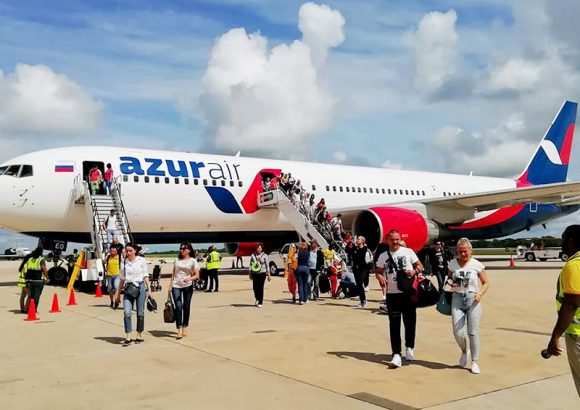
    In a landmark development for Caribbean aviation, Haiti’s Sunrise Airways has inaugurated a pioneering direct air route connecting Cap-Haïtien (CAP) and Boston (BOS). This service establishes the first-ever direct flight connection between northern Haiti and the United States, representing a transformative moment for both aviation infrastructure and diaspora connectivity.

    The newly launched route serves as a strategic corridor linking one of Haiti’s key cultural centers with the substantial Haitian community residing in the Northeastern United States. Greater Boston and surrounding regions are home to hundreds of thousands of Haitian Americans who have historically faced limited direct access to their northern homeland.

    According to Gary Stone, Chief Executive Officer of Sunrise Airways, this initiative transcends conventional airline routing. “This inaugural flight represents more than just a new route—it constitutes a vital bridge. A bridge connecting Cap-Haïtien with the diaspora community that has sustained Haiti’s spirit abroad. Our airline takes immense pride in facilitating this meaningful connection,” Stone stated.

    The operational structure will feature weekly flights utilizing a 180-seat Airbus A320 aircraft. Outbound journeys from Cap-Haïtien to Boston will operate on Tuesdays, with return flights scheduled for Wednesdays. This schedule eliminates previous necessity for time-consuming connections through Port-au-Prince or other intermediary hubs.

    This aviation milestone forms part of Sunrise Airways’ broader expansion strategy to enhance connectivity between Haiti and its international diaspora communities across North America. The airline continues to develop its network connecting Haiti to strategic markets including Miami, Fort Lauderdale, Newark, and multiple Caribbean destinations.

    The route inauguration signals significant potential for economic development in northern Haiti while providing unprecedented convenience for diaspora travelers seeking direct access to Haiti’s cultural heartland beyond the capital region.

  • Editorial: Celebrating Innovation – Why Avelyn Joseph Deserves the GIMIES People’s Choice Award

    Editorial: Celebrating Innovation – Why Avelyn Joseph Deserves the GIMIES People’s Choice Award

    Avelyn Joseph has emerged as a transformative figure in Saint Lucia’s tourism sector, demonstrating how entrepreneurial innovation can enhance the island’s appeal as a family-friendly destination. The communications professional turned entrepreneur founded The Happy Nest Baby Gear Rental Service, addressing a previously overlooked niche in the travel market.

    Joseph’s business provides traveling families with access to premium, safety-certified baby equipment during their Saint Lucian vacations. This practical solution eliminates the logistical challenges parents face when transporting essential childcare items, allowing them to travel lighter while ensuring their children’s comfort and safety. The service significantly improves the visitor experience while supporting the broader hospitality industry.

    The impact of Joseph’s innovative approach has garnered significant recognition within the tourism sector. She has received two nominations for the prestigious GIMIES Tourism Innovation Award, highlighting her success in developing creative solutions that strengthen Saint Lucia’s tourism offerings. Her business model represents a case study in identifying market gaps and developing services that benefit both visitors and local tourism stakeholders.

    Joseph’s journey exemplifies determination and visionary thinking, demonstrating how young professionals can shape industry evolution through entrepreneurial initiative. By creating opportunities where none previously existed, she has enhanced Saint Lucia’s competitive positioning in the family travel market.

    The tourism community is now rallying support for Joseph’s nomination for the GIMIES People’s Choice Award, recognizing her trailblazing contributions to making Saint Lucia more accessible and welcoming for international families. Voting is available through the official GIMIES social media channels.

  • Duurzame cacao-boost geeft nieuw leven aan Surinaamse cacaosector

    Duurzame cacao-boost geeft nieuw leven aan Surinaamse cacaosector

    Suriname’s agricultural landscape is undergoing a significant transformation following an intensive field training program in sustainable cocoa cultivation. The three-day workshop, conducted in Tijgerkreek as part of the groundbreaking ‘No Bean Left Behind’ project, has equipped local farmers with advanced techniques to enhance production quality while promoting environmental conservation.

    The comprehensive training initiative represents a collaborative effort between CELOS (Center for Agricultural Research in Suriname), TAN BUN Skrati, and the Inter-American Development Bank (IDB). This strategic partnership focuses on inclusive development and structural reinforcement of local agricultural communities through targeted knowledge transfer and capacity building.

    Farmers from Brokopondo, Tijgerkreek, and Witagron participated in the rigorous Good Agricultural Practices (GAP) training that blended theoretical knowledge with hands-on field application. Scientific staff from CELOS delivered sessions covering critical aspects including soil health management, agroforestry systems, plant maintenance, disease control, and internationally standardized production techniques.

    During the closing ceremony in Saramacca district, participants received formal certification acknowledging their successful completion of the program. The certificates were presented by CELOS Director Soedeshchand Jairam alongside TAN BUN Skrati CEO Ellen Ligteringen, who emphasized the crucial relationship between cultivation quality and final product excellence.

    The initiative emerged from practical necessity, with many farmers reporting significant yield fluctuations in recent years. This identified knowledge gap prompted the development of ‘No Bean Left Behind’ through grant applications and collaborations with international partners and local stakeholders like the Muller family.

    CELOS is pioneering an innovative agroforestry system that integrates agricultural production with tree conservation, simultaneously enhancing productivity while preserving natural resources. Current research focuses on structurally embedding cocoa cultivation within this sustainable framework, aiming to create more resilient and ecologically balanced production systems.

    Participants praised the training’s practical approach and immediately applicable knowledge, anticipating substantial contributions to both professionalization and sustainability within Suriname’s cocoa value chain. This intervention marks a critical step toward establishing Suriname as a leader in sustainable cocoa production while strengthening local economic resilience.

  • Elite Island Resorts Launches ‘Love Letter to Antigua’ Campaign

    Elite Island Resorts Launches ‘Love Letter to Antigua’ Campaign

    In a strategic move to rejuvenate tourism and celebrate national heritage, Elite Island Resorts has inaugurated its ‘Love Letter to Antigua’ marketing campaign. This initiative transcends conventional promotional strategies by weaving a narrative that highlights the island’s profound cultural legacy, pristine natural landscapes, and the genuine warmth of its people.

    The campaign is structured around a multi-platform approach, utilizing compelling visual storytelling across social media, digital advertising, and partnerships with travel influencers. Content focuses on immersive experiences, from exploring historical sites like Nelson’s Dockyard to indulging in the local cuisine and vibrant festivals. The resort group aims to position Antigua not merely as a destination, but as an emotional journey for travelers seeking authentic connections.

    Behind the creative launch lies a significant economic impetus. The initiative is designed to stimulate post-pandemic travel recovery, drive occupancy rates at the group’s Antiguan properties—which include renowned names like Galley Bay and St. James’s Club—and bolster the wider local tourism economy. By championing ‘voluntourism’ opportunities and collaborations with local artisans and guides, the campaign ensures that economic benefits permeate the community, fostering sustainable tourism practices.

    This endeavor also serves as a response to the evolving preferences of modern travelers, who increasingly prioritize meaningful and culturally rich vacations over standard resort stays. Early industry reactions have been positive, with travel analysts noting the campaign’s potential to set a new benchmark for destination marketing that balances commercial objectives with authentic destination advocacy.

  • SVL expanding remittance network

    SVL expanding remittance network

    Jamaican gaming conglomerate Supreme Ventures Limited (SVL) is aggressively expanding its footprint in the financial services sector through a rapid scaling of its remittance operations. Executive Chairman Gary Peart announced the company’s strategic plan to grow its network from the current 22 locations to approximately 80 by year-end, representing a significant diversification beyond its core gaming business.

    The expansion leverages SVL’s existing infrastructure of nearly 1,200 retail locations across Jamaica, many operated by third-party agents at community outlets and gas stations. According to Peart, this network provides a natural advantage for remittance services as these locations already handle substantial cash flows from gaming operations. The integration allows agents to disburse and circulate cash more efficiently, reducing operational costs for both operators and the company.

    SVL re-entered the remittance market through subsidiary Supreme Ventures Fintech Limited (SVFL), which received Bank of Jamaica approval as a primary agent in late 2023 with Ria Money Transfer as its international partner. This marks a return to the sector after SVL previously sold its Moneygram operations to Lasco Financial Services Limited in 2011 for $38 million.

    The expansion occurs amid a transformative period in Jamaica’s remittance landscape where traditional cash-based models face increasing competition from digital channels. Industry data reveals that while digital transactions surpassed cash transfers globally for the first time in 2025, physical locations remain strategically important despite a 10% reduction in outlets to 442 nationwide.

    Remittance inflows showed remarkable resilience following Hurricane Melissa, bouncing back to $334.9 million in December after a temporary slowdown. SVL’s expansion positions the company to capture market share during this period of industry transformation while creating synergies with its existing gaming operations.

  • Renewables can’t carry grid during hurricanes, JPS warns

    Renewables can’t carry grid during hurricanes, JPS warns

    Jamaica’s ambitious transition to renewable energy is confronting a harsh climatic reality, as extreme weather events reveal critical vulnerabilities in solar and wind infrastructure. The Jamaica Public Service Company (JPS), the nation’s sole grid operator, has issued a stark warning that renewable systems coupled with battery storage cannot maintain grid stability during hurricanes, forcing renewed dependence on traditional thermal generation during crises.

    The limitations became dramatically apparent during Hurricane Melissa’s Category 5 assault, when renewable sources failed completely—solar panels produced no power days before, during, and after the storm, while wind turbines were secured for safety. Acting JPS President and CEO Hugh Grant revealed that only 23% of customers maintained electricity post-hurricane, exclusively through fossil fuel resources. “When storms hit, the power system depends heavily on traditional, dispatchable generation,” Grant stated during a utilities regulation forum in Kingston.

    This reality creates significant tension within Jamaica’s energy policy, which targets 50% renewable penetration by 2030. While supporting renewables as part of Jamaica’s long-term strategy, Grant emphasized that battery technology remains insufficient for prolonged outages, with utility-scale storage currently limited to approximately eight hours duration—inadequate for multi-day hurricane recovery periods.

    In response to these challenges, JPS has implemented substantial grid-hardening measures including enhanced vegetation management, reinforced utility poles, reduced span distances for improved load-bearing capacity, and strategic circuit re-routing. The company is exploring underground infrastructure despite prohibitive costs—15 times higher than overhead systems—requiring targeted implementation and cross-sector cost sharing.

    The hurricane exposed not only physical infrastructure limitations but also critical financing gaps. Government intervention through a $150 million loan covered less than half the $350 million estimated reconstruction costs, highlighting inadequate disaster funding mechanisms. Energy Minister Daryl Vaz clarified the government’s role is not to bail out utilities but to establish financial frameworks enabling rapid restoration while protecting consumers and the economy.

    Jamaica Stock Exchange CEO Livingstone Morrison suggested utilities might need more aggressive capital market engagement to fund resilience projects. Meanwhile, policymakers face the complex challenge of balancing renewable expansion with maintaining reliable power through increasingly severe weather events, ensuring energy transition doesn’t compromise grid stability during critical periods.

  • Online seminar on new tax system

    Online seminar on new tax system

    The Ministry of Tourism, Creative Economy and Culture has announced a comprehensive educational initiative designed to support Micro, Small and Medium Enterprises (MSMEs) and Community-Based Tourism Groups in navigating the complexities of the recently implemented taxation framework.

    Scheduled for Tuesday, March 24, 2026, at 9:00 AM, the ministry will conduct a specialized online seminar to provide crucial guidance on fiscal responsibilities. This virtual workshop will offer detailed explanations of both rights and obligations under the new tax structure, ensuring participants gain a thorough understanding of regulatory requirements.

    Expert facilitators will deliver practical instruction on avoiding common compliance pitfalls and will provide step-by-step assistance regarding the registration process for obtaining a Tax Identification Number. The ministry emphasizes the importance of proper tax registration for all tourism sector operators.

    Interested parties from the tourism and creative economy sectors are encouraged to secure their participation by registering through the official portal: https://forms.gle/yiKAKArcHxUMVwuC8. This initiative represents part of the ministry’s broader commitment to fostering sustainable growth and regulatory compliance within Grenada’s vital tourism industry.

  • Vrachtkosten stijgen: extra toeslagen raken Surinaamse exportsectoren

    Vrachtkosten stijgen: extra toeslagen raken Surinaamse exportsectoren

    Rising geopolitical instability in the Middle East has catalyzed a chain reaction across global logistics networks, with maritime and air freight carriers implementing emergency surcharges that threaten export-dependent economies. Suriname’s seafood industry now faces the materialization of its worst-case scenario as transportation costs escalate dramatically.

    International logistics corporations are rapidly deploying new financial mechanisms to offset operational risks. Air France KLM Martinair Cargo has announced a War Risk Other Charge, scheduled for further increases by late March. This surcharge directly responds to diverted flight paths, soaring fuel prices, and heightened operational expenditures.

    Simultaneously, cargo carrier Amerijet instituted a Fuel Escalation Fee effective March 23rd, adding $0.04 per kilogram for standard shipments and $0.02 for perishables. This levy supplements existing fuel charges and applies specifically to shipments originating from the Caribbean and South America.

    The maritime sector mirrors these developments, with shipping companies passing along additional costs driven by volatile fuel markets and intensified international uncertainty.

    Udo Karg, President of the Suriname Seafood Association, confirms the industry’s fears have become reality. ‘What the fisheries sector feared has already begun this week. First the shipping companies, and now aviation,’ Karg told Starnieuws. He emphasized the disproportionate impact on smaller economies: ‘Major nations like Japan and EU states maintain reserves to buffer such developments, but countries like ours must improvise coping strategies.’

    While transport firms characterize these measures as temporary and contingent on global developments, Surinamese entrepreneurs anticipate severe consequences for their export competitiveness. The fisheries sector—a critical component of the nation’s economy—faces particular vulnerability to these logistics cost inflations that could reshape trade dynamics in the region.

  • Agriculture Boost as Belize Eyes El Salvador Market

    Agriculture Boost as Belize Eyes El Salvador Market

    In a significant development for regional trade integration, Belize has successfully negotiated enhanced transit arrangements through Guatemala to access the Salvadoran market. A high-level delegation led by Agriculture Minister Rodwell Ferguson convened with Guatemalan counterparts this week to establish streamlined protocols for agricultural shipments.

    The technical discussions focused specifically on creating seamless transit corridors for sealed containers carrying Belizean produce destined for El Salvador. This breakthrough represents a critical implementation phase of the forthcoming partial scope trade agreement between Belize and El Salvador, which aims to create new export channels for local producers.

    Minister Ferguson’s delegation included senior officials from the Belize Agricultural Health Authority (BAHA) and the International Regional Organization for Agricultural Health (OIRSA). The productive negotiations yielded consensus on operational frameworks for cross-border agricultural transportation, with a formal Memorandum of Understanding expected to be finalized by late April.

    This trade facilitation initiative addresses a fundamental challenge for landlocked Belizean exporters seeking access to Central American markets. Currently dependent on maritime routes, Belizean farmers stand to gain substantially from overland access to El Salvador’s substantial food import market. The agreement establishes clear parameters for eligible products and standardized phytosanitary certification processes.

    The successful negotiations mark a strategic advancement in Belize’s ongoing efforts to diversify agricultural export destinations and reduce dependency on traditional markets. Government officials characterize the agreement as a win for regional economic integration that will directly benefit agricultural communities and export-oriented businesses throughout Belize.

  • ECAB to Close Jolly Harbour ATM from March 26

    ECAB to Close Jolly Harbour ATM from March 26

    In a strategic move impacting local financial services, the Eastern Caribbean Amalgamated Bank (ECAB) has officially declared the permanent discontinuation of its Automated Teller Machine (ATM) operations at its Jolly Harbour location. This cessation of services is scheduled to take effect from Tuesday, March 26, 2024.

    The decision forms part of the bank’s broader operational review and network optimization strategy. ECAB has indicated that this measure is aimed at enhancing overall service efficiency and reallocating resources to channels with higher customer utilization rates. The bank’s internal analysis of transaction volumes and customer footfall at the Jolly Harbour terminal reportedly influenced the final verdict to decommission the facility.

    Financial patrons who regularly utilized the Jolly Harbour ATM are advised to transition to alternative service points. ECAB has confirmed that its nearest banking facilities, including full-service branches and other ATMs, remain fully operational in the surrounding vicinities. Customers can continue to access cash withdrawal, deposit, and account inquiry services at these locations without interruption.

    Furthermore, the bank emphasizes its commitment to expanding its digital banking portfolio, encouraging clients to adopt online and mobile banking solutions for routine transactions. This shift towards digitalization reflects a wider industry trend, reducing reliance on physical infrastructure while offering customers greater convenience and 24/7 access to their finances.

    ECAB has committed to ensuring a seamless transition for affected customers and has pledged to provide clear signage and customer communication in the lead-up to the closure date to minimize potential inconvenience.