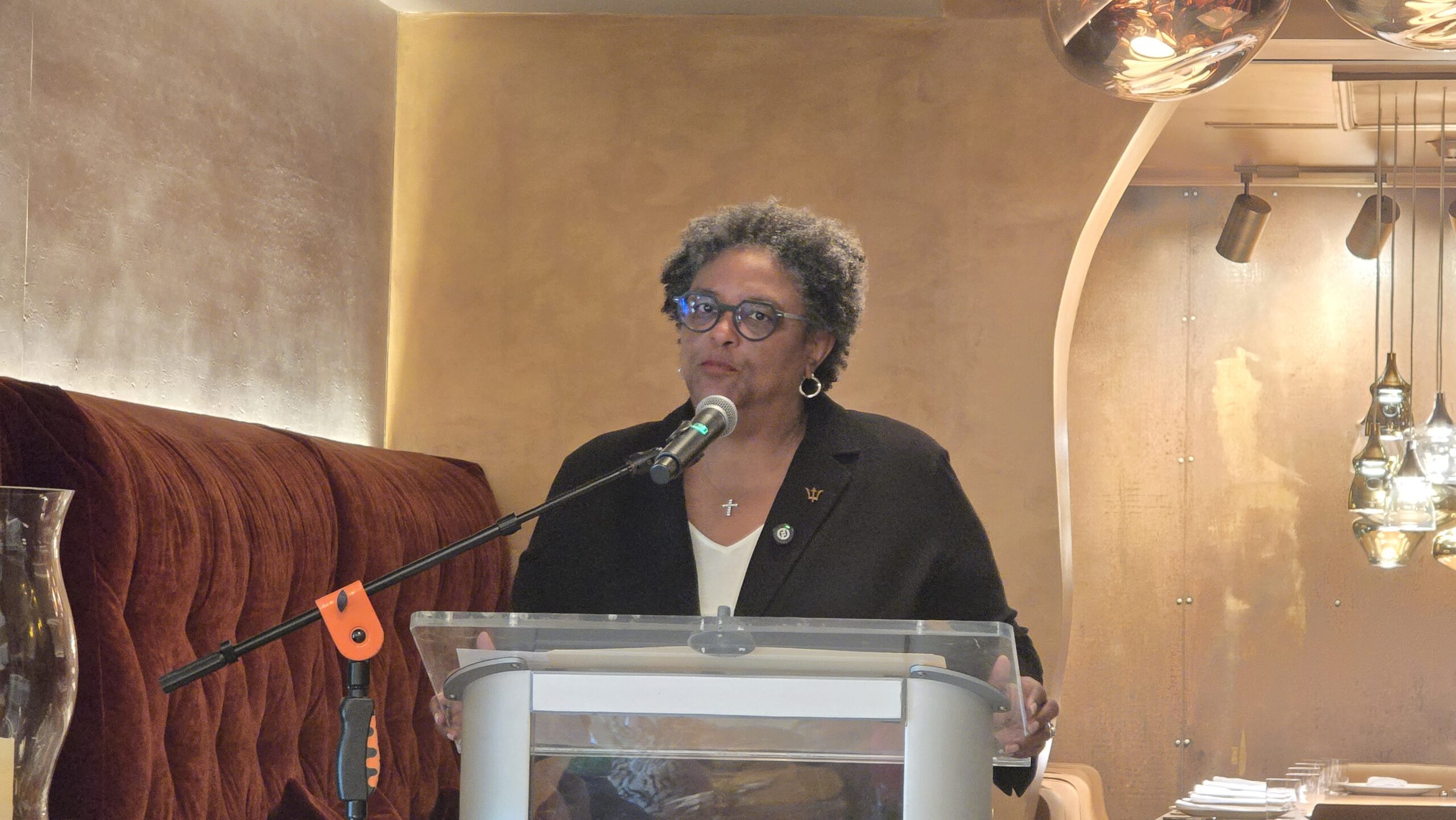
On a sunny Monday in Paynes Bay, St. James, Barbadian Prime Minister Mia Mottley took the stage to open the brand-new Blue Monkey Hotel and Beach Club, using the occasion to lay out her vision for the future of the island nation’s most critical economic pillar: tourism. In her address, Mottley emphasized that a robust, future-proof visitor economy does not depend solely on scenic coastlines or luxury accommodation — it relies on consistent, high-quality service and the seamless integration of business and leisure experiences that keep travelers coming back.
分类: business
-
Blue Monkey hotel opens in St James with 100 jobs expected
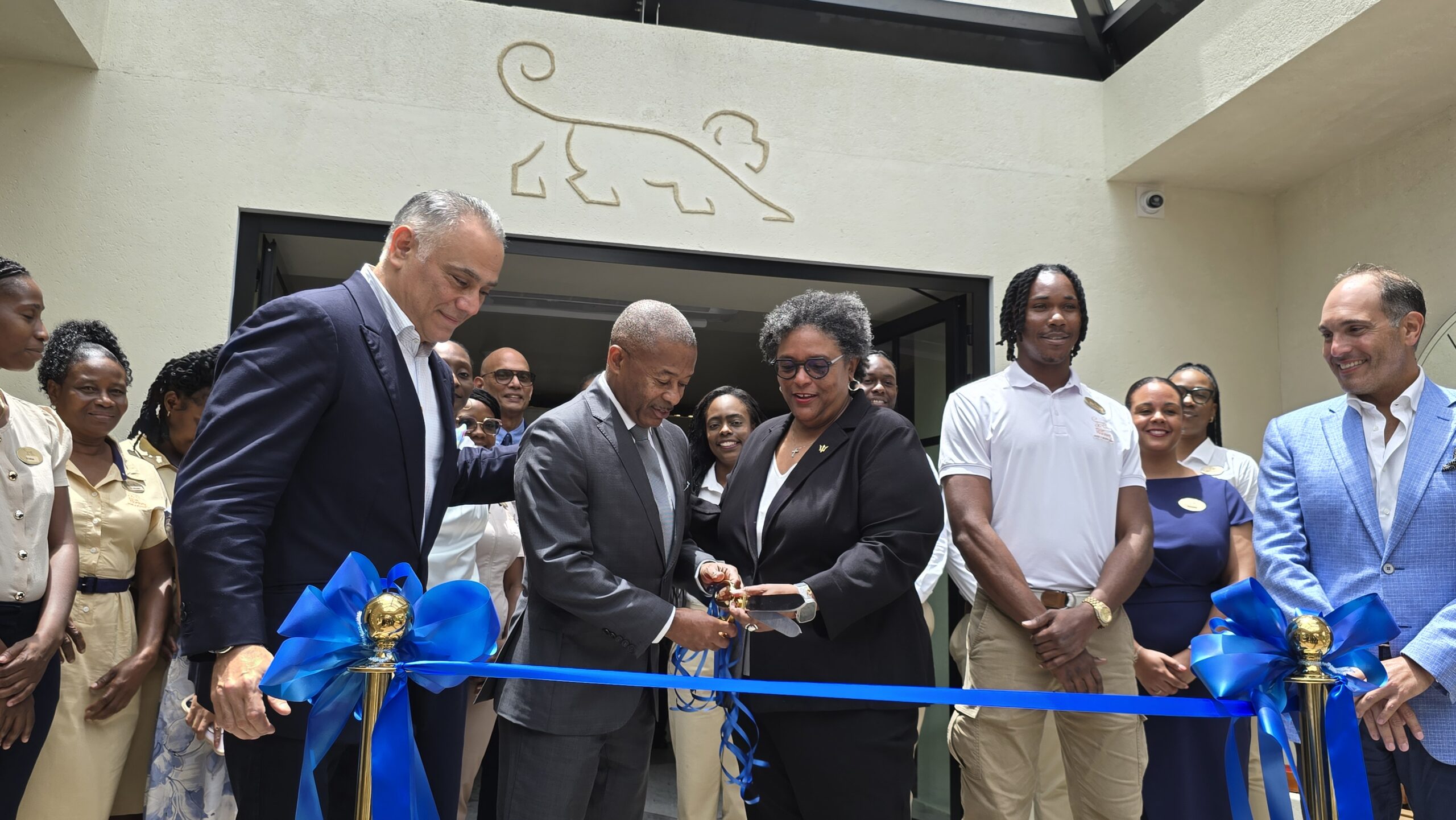
Barbados’ burgeoning luxury tourism sector has gained a transformative new addition, with the official opening of Blue Monkey Hotel and Beach Club in the scenic Paynes Bay area of the island’s west coast. This project, which marks a major expansion of foreign investor presence in Barbados’ travel and hospitality industry, is projected to generate approximately 100 new employment opportunities for local workers.
Two years in the making, the development has breathed new life into a long-abandoned three-star motel, reimagining the derelict property as an intimate 28-room luxury boutique hotel packed with premium amenities. Visitors can now access the oceanfront Blue Monkey Beach Club, the on-site Amara Restaurant, signature Blue Bar, and the dedicated Spa Blue Monkey for a full high-end resort experience.
At the opening ceremony held in St James, C.J. Sabga, chairman of Blue Monkey Hotel and Beach Club, extended gratitude to every stakeholder that contributed to bringing the vision to fruition, from in-house management and frontline staff to local contractors, independent consultants, and regional suppliers. Sabga emphasized the project’s deep commitment to local employment, noting that more than 90 percent of the construction team was made up of Barbadian nationals. Moving forward, over 95 percent of the hotel’s permanent full-time workforce will be drawn from local talent, adding 100 new roles to the more than 600 Barbadians already employed by the investor group’s existing businesses across the island.
In a notable milestone for the Barbados tourism industry, Blue Monkey is only one of two hotels in the country to gain membership in Leading Hotels of the World, the prestigious New York-based international marketing collective that curates more than 400 independent luxury properties across over 80 countries. “This commitment to excellence is why we are especially proud to join the prestigious Leading Hotels of the World collection, one of only two hotels in Barbados that fly the flag, bringing further international recognition to the shores of Barbados,” Sabga said.
Brian Tatem, the hotel’s general manager, commended the ownership group for its forward-thinking vision to build a destination that highlights the unique warmth of Barbadian hospitality, while prioritizing investment in ongoing staff training and service quality. “They have invested in our team because they understand outstanding service begins with outstanding people. Through training, encouragement, and a commitment to excellence, they have empowered our staff to deliver memorable experiences with warm professionalism and genuine Barbadian hospitality,” Tatem explained. He added that the entire team is aligned on a core promise: to deliver exceptional service that exceeds guest expectations, regardless of whether visitors are staying overnight, dining at Amara, or enjoying a cocktail at the oceanfront Blue Bar.
Peter George, a hotel shareholder and owner of both Amara Restaurant and Blue Bar, noted that the new boutique property aligns perfectly with the national government’s ambitions to position Barbados as a top-tier luxury tourism destination. “It’s a distinct pleasure and with a real sense of excitement, not just for the commercial opportunity, but for the opportunity to bring something truly special to Barbados. We’ve assembled a great team, put together a great product, albeit boutique. That we think is commensurate with the goals and the huge strides that Barbados has made under this prime minister and her government,” George said.
Barbados Prime Minister Mia Mottley joined the ceremony to celebrate the opening, framing the project as a prime example of the nation’s new Tourism 3.0 strategy, which focuses on repurposing existing underused tourism assets to drive sustainable growth. Mottley pointed out that Blue Monkey is the second repurposed hotel she has opened in recent weeks, demonstrating the success of this approach to renewing Barbados’ mature tourism industry, one of the Caribbean’s most established.
“Tourism 3.0 is not simply as critical as this is about the rebuilding and repurposing of existing assets, but it is also about the rebuilding and the repurposing of the industry and our love affair with this industry,” Mottley said. The prime minister emphasized that getting the Tourism 3.0 transition right is critical to the long-term prosperity of the entire island, noting that a strong tourism sector lifts a wide range of connected local industries, from manufacturing and agriculture to retail and distribution. She thanked the Blue Monkey investors for their confidence in Barbados and expressed optimism that the sector will continue to grow and benefit all Barbadians if the nation maintains its commitment to excellence.
-

Olieprijzen dalen door pauze in Amerikaanse aanvallen op Iran
Global crude oil markets suffered a sharp downward correction on Monday, as a surprise temporary ceasefire between the United States and Iran eased fears of disrupted energy supplies through the world’s most critical chokepoints for oil shipping. The sudden shift toward diplomacy came after 13 consecutive days of escalating military exchanges that had pushed benchmark Brent crude prices above the $100 per barrel threshold just last week.
The de-escalation began over the weekend, when Washington halted its series of airstrikes on Iranian targets, a move the U.S. ambassador to the United Nations said was intended to “create space” for diplomatic negotiations to resolve tensions. In a reciprocal gesture that calmed markets, Iran’s military announced it would pause retaliatory attacks targeting regional actors, a decision that brought immediate relief to commercial shipping operations in the Persian Gulf and the broader oil industry.
The latest cycle of violence erupted earlier this month, when Iran attacked commercial vessels transiting Omani waters in the Strait of Hormuz – the route through which roughly 20% of the world’s daily oil supplies pass – breaking a fragile ceasefire that had held since April. For 13 straight nights ending Friday, the U.S. carried out consistent airstrikes, marking the largest resumption of hostilities in months, before the unilateral pause in attacks Friday through Sunday.
Even as the two main belligerents move toward talks, risk remains in other critical shipping corridors. Iranian-aligned Houthi rebels in Yemen have launched new attacks on commercial shipping in the Bab el-Mandeb Strait, the key entry point to the Red Sea that handles roughly 12% of global trade. That escalation had been a core driver of oil’s price surge through last week, before reports of continued shipping activity through the strait tempered gains Friday.
Additional optimism emerged from Oman-mediated talks between Tehran and global stakeholders, focused on establishing agreed frameworks and operational rules to guarantee safe passage for all vessels through the Strait of Hormuz, while upholding the sovereign rights of all bordering nations. Esmaeil Baqaei, spokesperson for Iran’s foreign ministry, confirmed progress on these discussions Monday. Separately, diplomatic sources indicate Pakistan is weighing a proposal to restart as a neutral mediator for U.S.-Iran talks, following an initiative put forward by China.
By the close of trading Monday, the price drop left major oil benchmarks far below last week’s multi-month highs. Brent crude fell more than 7% at its intra-day low, dipping briefly below $90 per barrel before settling at $91.89 per barrel. U.S. West Texas Intermediate crude fell 5% to close at $84.64 per barrel.
Sally Auld, chief economist at National Australia Bank, noted that the weekend’s positive trajectory in the Middle East validates market expectations that triple-digit oil prices would incentivize both sides to pull back from open conflict. “It appears that developments in the Middle East moved in a positive direction this weekend, which gives credibility to the idea that oil prices above $100 per barrel can encourage de-escalation from both sides,” Auld wrote in a market note Monday.
The easing of energy price risks also rippled through global equity markets, reducing investor fears of a resurgence in global inflation that could force central banks to implement new interest rate hikes. Most major stock indices posted gains on the news, even as lingering concerns over unsustainable valuation growth in the artificial intelligence sector continued to put downward pressure on large technology and semiconductor stocks.
South Korea’s KOSPI led regional losses, falling more than 1% on Monday, with major chipmakers SK hynix and Samsung once again bearing the brunt of the sell-off. Other indices in Taipei, Singapore, and Jakarta also closed lower; Indonesia’s benchmark fell after the unexpected resignation of central bank governor Perry Warjiyo for personal reasons. Bucking the regional tech-driven downtrend, Tokyo’s Nikkei posted small gains even as major chip equipment and memory firms including Advantest, Kioxia, and Tokyo Electron saw heavy selling. Hong Kong, Shanghai, Sydney, Wellington, and Manila all closed the trading day in positive territory.
-
NIA, Federal Government Resolve Outstanding Issues to Advance Destiny SSZ Project
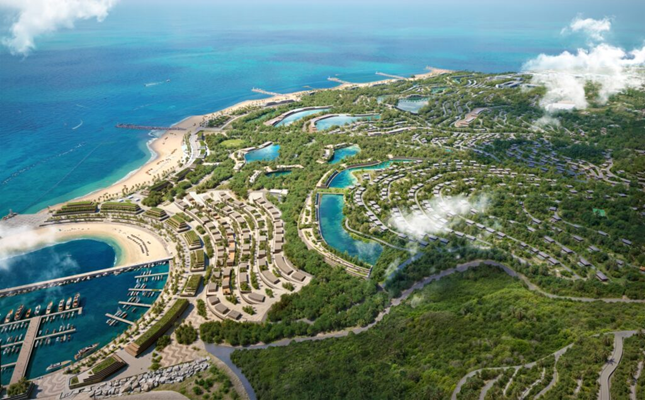
CHARLESTOWN, NEVIS – July 27, 2026 – Following a marathon high-level negotiating session held at the Four Seasons Resort Nevis, all remaining outstanding disagreements between the Nevis Island Administration (NIA), the Federal Government of St. Kitts and Nevis, and private developers behind the proposed Destiny Special Sustainable Zone (SSZ) have been resolved, clearing a critical path forward for the transformative island development project. Nevis Premier Mark Brantley announced the breakthrough during his monthly press briefing on July 23, confirming that all four concerns identified by the federal cabinet following its internal review have been fully addressed during the cross-stakeholder talks.
Before the meeting, Prime Minister Dr. Terrance Drew had formally notified Brantley of the four outstanding issues that had delayed the project’s progression through the required legislative approval process. With those hurdles now removed, the proposal can advance to the next phase of the multi-step regulatory review outlined under existing SSZ legislation.
Brantley used the press conference to address growing public curiosity and some agitation around the project, walking stakeholders through the full legal approval framework to reinforce transparency and constitutional safeguards. Under the SSZ Act, any large-scale development seeking designation as a special sustainable zone must follow a structured four-stage review process: the proposal first receives review and approval from the NIA Cabinet, before moving to the Federal Cabinet for consideration, then passage by the Nevis Island Assembly, and final approval by the National Assembly of St. Kitts and Nevis.
“This is a deliberate, multi-layered process designed to ensure every stakeholder has a voice, and every check on power is enforced before a project of this scale moves forward,” Brantley explained. “We are still in the very early stages of this review, and I have consistently emphasized to Nevisians that the law requires full public disclosure before any final vote takes place. There will be multiple opportunities for residents to weigh in, not just on the Destiny SSZ specifically, but on what kind of development the people of Nevis want to see on our south coast, and what shape that development should take.”
The Premier also moved to ease public concerns that the project would compromise constitutional authority in key areas of governance. He confirmed that both he and Prime Minister Drew have prioritized upholding constitutional safeguards throughout negotiations, with core government powers – including the Director of Public Prosecutions’ authority over criminal justice matters, the Police Commissioner’s control over policing and national security, and the constitutional mandates of Customs and Immigration agencies – remaining fully intact under the project framework.
Consistent with SSZ legislation, the finalized project agreement will be released to the full public before it is tabled for a vote in the Nevis Island Assembly, giving residents ample time to review terms, ask questions, and share feedback with their elected representatives. Brantley urged Nevisians to allow the legislatively prescribed process to unfold, noting that premature release of incomplete draft agreements would only create unnecessary confusion.
“It would be irresponsible for governments to release multiple iterations of a working agreement while negotiations are still ongoing,” Brantley said. “We are not hiding anything – this is just how a deliberate, accountable legislative process works. Once the NIA and Federal Government have agreed on a final proposed version, we will bring it to parliament, and that is the version the public will be able to review and debate thoroughly.”
If approved, the Destiny SSZ Project, earmarked for Nevis’ underdeveloped south coast, is positioned to become a landmark economic catalyst for the island. Projections indicate the project will deliver widespread, long-term benefits for Nevisians, including large-scale foreign direct investment, hundreds of new local employment opportunities, expanded tourism product offerings that will extend Nevis’ competitive edge in the Caribbean market, major upgrades to core public infrastructure, and sustained, inclusive economic growth for generations.
-

A Birthday Celebration With Serious Security Questions
On a weekend marked by celebration and scrutiny, the Corozal Free Zone, one of northern Belize’s most critical economic hubs, marked 31 years of operation. The anniversary event, which honored long-standing investors and highlighted the zone’s decades-long contribution to job creation and national economic growth, was quickly overshadowed by unconfirmed allegations of cartel ties to the celebration that spread widely across social media platforms.
While these claims have not been backed by any formal evidence, the new leadership of the zone’s oversight portfolio has moved quickly to address public concerns, reaffirming ongoing security cooperation with neighboring Mexican authorities. Henry Charles Usher, Belize’s newly appointed Minister of Enterprise who holds responsibility for the free zone, emphasized that the area remains an irreplaceable economic driver for the northern region and the country as a whole, pushing back against unsubstantiated claims that overshadow the zone’s positive contributions.
“Yesterday marked 31 years of the free zone’s operations, and we gathered to honor investors who have built their businesses here and recognize what this zone means for our economy,” Usher stated in an on-the-record interview. “It is a vital part of the northern economy, and for Belize’s entire economic landscape, so supporting its growth and expanding job creation is a core priority for our government. Right now, more than 3,000 Belizeans are employed across 333 active businesses operating within the zone. That is the impact we focused on celebrating yesterday.”
When pressed by reporters about long-standing public concerns over smuggling activity and allegations of official complicity allowing illegal activity to persist, Usher pushed back on the unsubstantiated claims of official interference while outlining existing security protocols. “You are making unsubstantiated allegations here, and I cannot speak to where you are getting that information,” he said. “But when it comes to any illegal activity within the zone, we have permanent police presence, dedicated security personnel, and regular patrols operating around the area. We also maintain ongoing, close coordination with our Mexican counterparts to address cross-border criminal activity. The zone remains open, active, and a vital pillar of our northern economy.”
For years, the Corozal Free Zone, located on Belize’s northern border with Mexico, has faced persistent reports of bad actors operating within its bounds, particularly unregulated cash-based trade in contraband tobacco products. Despite these long-standing challenges, government officials continue to frame the zone as a net positive for the local economy, while committing to continued cross-border cooperation to root out criminal activity.
-

Producers ‘struggle to sell’ as storage limits, imports bite
Barbados’ leading agricultural advocacy organization has ratcheted up public pressure on the island nation’s government over its role in enabling increased poultry and pork imports, arguing that cheap incoming shipments are undercutting domestic production and pushing small-scale livestock farmers toward permanent closure, Barbados TODAY can exclusively report.
James Paul, chief executive of the Barbados Agricultural Society (BAS), the nation’s main farmers’ representative body, launched sharp criticism of the state-owned Barbados Agricultural Management Company (BAMC), accusing the entity of facilitating large-scale imports of both meat products even as domestic poultry and pork sectors have expanded output and operations with public support.
In an interview with Barbados TODAY, Paul outlined the dual concerns driving the organization’s frustration. “We have seen deliberate expansion of the local poultry industry, with government providing support through the BAS to help producers grow their operations. Today, there is more local poultry on the Barbadian market than ever before, with even large-scale producers ramping up output. Yet at the same time, the government is enabling more poultry imports from both regional and extra-regional markets,” Paul explained.
He warned that the flood of imported product has already left small-scale poultry producers unable to move their stock, a crisis compounded by tightening cold storage capacity at BICO, the island’s major cold storage facility. BICO recently announced it was operating near full capacity, and ongoing ownership changes at the company have amplified fears among small farmers, who have historically relied on BICO to store unsold chicken.
Paul explained that holding unsold poultry in cold storage cuts directly into already thin profit margins for small producers, who must pay storage fees even as they wait to sell their product. “Small producers are fighting for survival. Every dollar they spend on storage eats into their profits, and it pushes them closer to going out of business entirely. This dynamic actually benefits large domestic producers, and when you add the flood of imported meat into the mix, the deck is completely stacked against small operations,” he said.
The BAS chief confirmed that BAMC has facilitated recent dark meat poultry imports for a major local buyer, even as domestic output grows. “We have expanded local production, we have government-supported growth, and we are still bringing in more imported meat. Something is very wrong with this picture,” Paul emphasized.
He said the exact same imbalance plagues Barbados’ pork sector, noting that the industry has seen major expansion in recent years, with many small producers growing into medium-sized operations and millions of dollars invested in modern processing facilities. “We have expanded domestic pork production from the ground up, but we still allow large-scale imports of the same products. That is hypocrisy, plain and simple,” Paul argued.
Paul also pushed back on growing calls from some industry observers for local producers to cut their prices to compete with imports, calling the suggestion unfair and out of touch. “These are working people, small producers who rely on poultry farming to feed their own families. You are asking them to slash their already low incomes? That makes no sense when Barbadian consumers are willing to pay exorbitant prices for all kinds of other imported goods. They will even pay more for imported poultry than they do for local product. We are dealing with a clear double standard here.”
The BAS has been pressing the government to close existing tariff loopholes that benefit importers at the expense of small domestic producers. Paul added that BAMC, which holds the legal monopoly on poultry imports into Barbados from both Caribbean and international sources, needs to hit pause on new imports of turkey products and other poultry to protect domestic producers.
For the pork sector, Paul noted that reduced duties on specific imported pork cuts have led to a surge in incoming shipments, even after local producers invested more than $500,000 in expanding and upgrading their production facilities to deliver consistent, high-quality pork at competitive prices. “You cannot ask local producers to invest hundreds of thousands of dollars to grow their industry, then undercut them with cheap imported product through lowered tariffs,” he said.
Paul added that domestic pork processors are now unable to get popular cuts like loins and spare ribs onto supermarket and hotel shelves, even though imported options are often more expensive. Institutional buyers consistently choose imported product over local, he said, putting domestic producers at an unfair disadvantage. Newer pork processing entrants to the market face no requirement to source local pork, while long-standing local processor HIPAC is required to buy local product, creating an uneven playing field. Paul urged Barbadian consumers to continue supporting HIPAC products, as it is one of the only processors that guarantees a fair deal for local farmers.
In response to the growing controversy, the Ministry of Agriculture has scheduled a press conference for Tuesday to address the ongoing disputes in the poultry industry.
-

DAIC hosts networking event to strengthen business connections and growth opportunities
DOMINICA — The Dominica Association of Industry and Commerce (DAIC) has launched a new era of private sector collaboration, bringing hundreds of local business leaders together for its flagship Networking & Nibbles event on July 24. The gathering marks the first large-scale member engagement initiative led by newly elected DAIC President Olive Strachan MBE and the organization’s incoming Board of Directors, setting the foundation for a renewed strategic vision focused on interconnected growth for Dominica’s business community.
Held in a relaxed, informal setting, the event offered more than just casual relationship-building. It gave attending members and guests the chance to connect with the new leadership team, gain clarity on DAIC’s strategic priorities for the coming term, and form cross-industry partnerships that can drive long-term business expansion. DAIC has publicly thanked primary event hosts Fort Young Hotel and Archipelago Trading Ltd, whose logistical and financial support made the gathering possible.
Speaking to attendees during the event, President Strachan outlined DAIC’s core commitment under her leadership: to deliver tangible, increased value to members by strengthening ties across the private sector and rolling out targeted support for local business growth.
“Our vision is to build a stronger, more connected business community,” Strachan said. “Networking & Nibbles was more than just an event—it was the beginning of a renewed commitment to collaboration, innovation and supporting businesses across Dominica.”
The evening’s agenda also included a dedicated segment for event sponsors, where representatives from supporting organizations shared their insights on the critical role of cross-sector partnerships in driving national economic progress. Speakers included Cedric Charles, Deputy Managing Director of the National Bank of Dominica; Tyrella Alexander, Sales & Marketing Manager of Springfield Trading Ltd; and Natasha Yeeloy Labad, Chief Executive Officer of Outsource Development Services. All three speakers underscored the mutually beneficial relationship between the private sector and DAIC, and reaffirmed their organizations’ ongoing commitment to fostering a vibrant, growing business ecosystem across Dominica. DAIC formally recognized all supporting sponsors, including Springfield Trading Ltd, National Bank of Dominica Ltd., Archipelago Trading Ltd and Outsource Development Services, for their contributions to the event’s success.
Beyond networking, the gathering served as a platform to introduce DAIC members to a suite of new and existing initiatives designed to unlock new growth opportunities for local businesses. Members received a comprehensive update on the KARULINK Project, a regional development resourcing initiative funded by Interreg Caribbean that counts DAIC as a core partner. The update covered the project’s core objectives, current implementation progress, and the tangible benefits it can deliver to small and medium enterprises across Dominica and the broader Caribbean region.
DAIC also highlighted its ongoing partnership with the OECS Finance Readiness Programme, a capacity-building initiative tailored to help local businesses strengthen their financial management capabilities, navigate the requirements of formal lending institutions, and improve their access to capital for sustainable expansion.
In one of the event’s key announcements, Strachan revealed a new upcoming partnership with Digicel Dominica focused on advancing digital transformation and cyber security capacity for local businesses. Loren Challenger, Digicel Dominica’s Corporate Account Manager, delivered a preview of the upcoming program, emphasizing that in an increasingly digital business landscape, local firms must embrace innovative digital tools while also putting robust protections in place to counter growing cyber threats.
Looking ahead to the coming months, DAIC has announced a full slate of upcoming activities to advance its renewed member engagement strategy. These include the annual Eggs & Issues Breakfast Forum scheduled for September, the Chamber’s first ever black-tie fundraising and networking gala, and the launch of a new monthly member newsletter that will highlight member achievements, share open business opportunities, circulate official DAIC updates, and distribute key information relevant to local business operators.
As part of its refreshed approach to member outreach, DAIC plans to continue rolling out a diverse portfolio of engagement activities: regular networking mixers, skills-building training workshops, policy-focused breakfast briefings, public-private policy discussions, site visits for business leaders, member spotlight features, and consistent, transparent communications with the business community.
Chamber leadership emphasized that all these initiatives are part of a long-term effort to amplify the private sector’s voice in national policy and contribute to inclusive, sustainable economic development across Dominica.
“This is only the beginning,” Strachan said. “We are committed to creating more opportunities for businesses to connect, learn and grow together, and we look forward to welcoming even more businesses to future Chamber events.”
DAIC’s official press release notes that any local business interested in joining the organization as a member is invited to contact DAIC directly to learn more about membership benefits, upcoming programming, and engagement opportunities.
-

Dominica looks to build on record cruise season with stakeholders meeting
A three-day gathering focused on advancing Dominica’s cruise tourism sector, the Business Cruise Stakeholders Symposium, kicked off on Monday at the Goodwill Parish Hall, bringing together local industry players and leading global cruise sector experts. Hosted jointly by the Discover Dominica Authority (DDA) and the island nation’s Ministry of Tourism, the event will run daily from 10 a.m. to 3:30 p.m. through Wednesday, July 29, 2026.
The symposium comes on the heels of Dominica’s most successful cruise season in history, a milestone that delivered impressive growth for the country’s key tourism sector. Monelle Alexis, the DDA’s communication and public relations specialist, shared that the just-concluded season drew nearly 410,000 passengers across 250 vessels calling at the island’s ports, a figure that set a new benchmark for Dominica’s cruise industry.
Against this backdrop of historic success, local tourism leaders organized the symposium to translate this momentum into long-term, sustainable growth for the sector. Alexis noted that the event intentionally brings together a diverse mix of participants: local on-the-ground tourism operators, regional tourism bodies, and top international cruise industry analysts and strategists. Over the three days, attendees will engage in structured discussions on three core priority areas: rapidly shifting global cruise trends, evolving demands and expectations of modern cruise visitors, and actionable strategies to solidify and expand Dominica’s competitive standing in the fast-growing Caribbean cruise tourism market.
Organizers have explicitly called on all local stakeholders that interact with cruise visitors to participate in the event, including tour operators, taxi service providers, local goods vendors, managers of tourist attractions, and any other business partners that contribute to the cruise visitor experience. The inclusive approach to participation is designed to ensure that all segments of Dominica’s tourism ecosystem align on shared goals to boost visitor satisfaction and drive greater economic returns from cruise tourism.
-
TDC Mourns the Passing of Mr. Charles L. A. Wilkin, KC Former Director and Legal Counsel
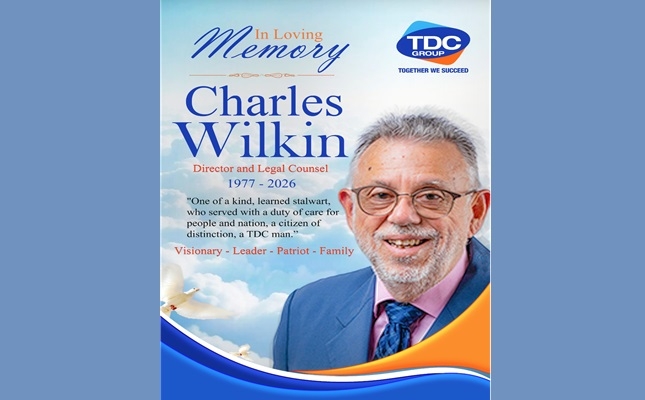
One of the most enduring and influential figures in the leadership of St. Kitts Nevis Anguilla Trading and Development Company Limited (TDC), Charles L. A. Wilkin, KC, has passed away, prompting an outpouring of grief and tribute from the company’s board, leadership team, and entire workforce. In an official press release issued July 27, 2026, TDC confirmed the death of its former director and legal counsel, describing Wilkin as a distinguished attorney, respected business leader, and a foundational member of the TDC corporate family.
Wilkin’s decades-long tenure with TDC began in 1977, and he remained committed to the organization’s mission and growth from that start through the final days of his life. Over the course of nearly 50 years of service, he delivered consistently trusted legal guidance, thoughtful strategic direction, and steady leadership that shaped the company’s corporate governance framework, fueled its sustained expansion, and laid the groundwork for its long-term market success.
Throughout his career at TDC, Wilkin earned widespread respect and admiration from colleagues, fellow board members, employees, and corporate stakeholders alike. His professional reputation was built on uncompromising integrity, sharp institutional wisdom, meticulous professionalism, and an unwavering dedication to upholding the highest standards of excellence. He played a central, instrumental role in steering TDC through dozens of major corporate milestones and high-stakes strategic decisions, bringing calm perspective and thoughtful guidance to the table during periods of both rapid growth and unforeseen challenge.
Beyond his specialized legal expertise, Wilkin emerged as one of the company’s most trusted strategic advisors, whose insight, sound judgment, and relentless commitment contributed immeasurably to TDC’s overall strength and long-term stability. His impact stretched far beyond the walls of the company’s boardroom, leaving behind a lasting legacy of dedicated service, institutional accountability, and principled leadership that continues to define the organization’s culture.
TDC’s statement emphasized that the entire corporate community holds deep gratitude for Wilkin’s transformative contributions to both the company’s development and the broader business ecosystem of the region. Company leadership noted that his professional example will remain a touchstone of inspiration for future generations of TDC leaders and business professionals across St. Kitts and Nevis.
On behalf of the full TDC community, the company extended its deepest and most heartfelt condolences to Wilkin’s immediate family, close friends, professional colleagues, and all those who had the privilege of working alongside him over his decades-long career. TDC also formally recognized Wilkin’s far-reaching contributions to the regional legal profession, global standards of corporate governance, and the broader economic development of St. Kitts and Nevis, acknowledging the profound, lasting impact he built through his distinguished decades of service. The statement closed with a final tribute: May he rest in eternal peace.
-
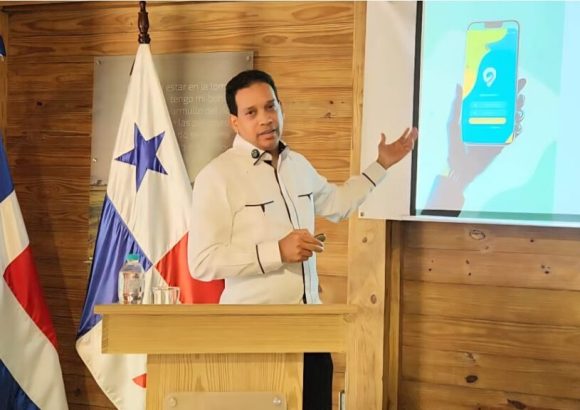
Tourism app aims to transform visitor experience in the Dominican Republic
SANTIAGO RODRÍGUEZ, Dominican Republic — How technology is reshaping modern tourism took the spotlight at a recent industry networking breakfast co-hosted by two leading local economic development organizations: the Foundation for the Development of Santiago Rodríguez Province (FUNDESER) and the Santiago Rodríguez Chamber of Commerce and Production. The gathering brought together tourism operators, business leaders, and local policymakers to discuss how digital adaptation can unlock new growth for the region’s travel sector. Headlining the event was a keynote presentation from seasoned technology specialist Francisco de León, whose talk titled “Maximizing the Tourist Experience in the Mobile Era” broke down the rapidly growing role of digital tools in every stage of the modern traveler’s journey. De León’s presentation unpacked key industry data showing just how transformative mobile technology has become for global and domestic tourism. He noted that more than 70% of all travel planning decisions are now driven by content and features accessed through mobile applications, and a matching share of core tourism interactions — from pre-trip accommodation bookings to on-the-go route navigation — are completed via smartphones. The most striking finding from his analysis: the overall digital tourism sector has expanded by more than 87% over the last 12 months alone, a growth rate that far outpaces the overall expansion of the traditional tourism industry. A core announcement from De León’s talk was the official introduction of KnowMe RD, a new homegrown Dominican tourism application built to bridge the gap between international and domestic visitors and vetted local service providers. Unlike generic travel platforms, the app is purpose-built for travel across the Dominican Republic, connecting users directly with verified local tour guides, small businesses, and licensed hospitality and activity providers. Its full suite of features includes customized travel recommendations based on user preferences, AI-powered adaptive itineraries, geolocation-tagged guides to hidden and popular attractions, one-tap access to emergency support, real-time public and private transportation updates, and curated listings covering everything from accommodations and coastal destinations to museums, cultural events, and local gastronomic experiences. According to De León, the app’s central mission is to remove common barriers to travel across the Dominican Republic while making every visitor’s trip more tailored to their individual interests. By leveraging real-time location data to send relevant alerts and hyper-local recommendations, the platform is designed to help travelers discover authentic local experiences that are often missed on generic travel itineraries, while also driving more business to small and medium-sized local tourism operators. Event organizers noted that the focus on digital innovation comes as the Dominican Republic works to boost tourism in less visited regional destinations like Santiago Rodríguez, with digital tools seen as a low-cost, high-impact way to attract more visitors and support inclusive local economic growth.