
The Development Bank of Latin America and the Caribbean (CAF) has announced that over 205 international purchasing organizations from the United States, Europe, Asia, and Latin America have registered for its upcoming Business Matchmaking Forum. Titled ‘Latin America and Caribbean Business Matchmaking Forum: Connection to the Global Market,’ the event is set to take place on January 29-30, 2026, at the Panama Convention Centre in Panama City. Exporters from the Caribbean region are encouraged to participate, with registration open until December 22, 2025. This forum is a key component of CAF’s International Economic Forum – Latin America and the Caribbean 2026, which aims to bring together over 2,500 leaders from various sectors, including business, investment, government, and international development agencies. The event seeks to analyze the region’s economic prospects, identify strategic opportunities, and enhance Latin America and the Caribbean’s global geopolitical standing. Confirmed delegations of buyers include representatives from countries such as Germany, Argentina, Brazil, Canada, the United States, and Mexico, among others. These buyers are actively seeking suppliers across industries like agrifood, textiles, chemicals, manufacturing, cosmetics, software, and construction materials. CAF anticipates facilitating over 4,000 targeted meetings between buyers and approximately 300 Latin American and Caribbean exporters. Each participating business will have between 16 and 28 pre-arranged meetings, streamlining what would typically take weeks of travel and individual outreach into just a day and a half. Sergio Díaz-Granados, Executive President of CAF, emphasized the forum’s significance, stating, ‘This Business Roundtable is a concrete opportunity for entrepreneurs from Latin America and the Caribbean to establish commercial and business partnerships with buyers actively seeking products and services from our region.’ The forum’s agenda will cover critical topics such as trade and investment flows, air connectivity, tourism, artificial intelligence, clean energy, sustainable mining, and the energy transition. Participation in the Business Matchmaking Forum is free for all entrepreneurs, with registered exporters gaining access to professional matchmaking services, special discounts on airfare and hotel stays, and dedicated follow-up support to maximize commercial opportunities. Exporting firms from the Caribbean and Latin America are invited to register at www.matchmaking-forum-caf.com until December 22, 2025, as spaces are limited.
分类: business
-

Cher-Mere makes Guyana debut at GuyExpo 2025
The renowned Caribbean beauty brand, Cher-Mere, marked its debut in Guyana at the prestigious Guyana Expo 2025 (GuyExpo), held from November 13-17 in Georgetown. The event, Guyana’s longest-standing trade exposition, attracted over 270 exhibitors from across the Caribbean and globally, alongside more than 100,000 visitors. Cher-Mere showcased its signature natural beauty and hair care products, including its premium hair oils such as Organic Black Castor Oil, Pure Batana Oil, and a blend of Batana, Rosemary, and Tea Tree Oil, all crafted by The Herbarium Ltd. in Trinidad and Tobago. The brand also featured Bigen Hair Care products, distributed through Merle’s Hairdressing Supplies Ltd. The Cher-Mere team, led by promotions manager Janelle Wiltshire, spa operations manager Khadine Knights-Benjamin, and retail manager Khadine Hinds, engaged visitors with product demonstrations, giveaways, and educational sessions on their wellness-focused offerings. Cheryl Bowles, biochemist and founder of Cher-Mere, expressed her enthusiasm for entering Guyana’s dynamic market, emphasizing the brand’s alignment with consumer demand for sustainable, authentic, and science-based beauty products. Founded over 40 years ago in Trinidad and Tobago, Cher-Mere has evolved from a local hair-care brand to an internationally recognized name in natural beauty and self-care. The company’s participation in GuyExpo 2025 underscores its strategic expansion into the Caribbean region, aiming to forge partnerships with distributors, salons, and wellness retailers while connecting directly with consumers. Notable visitors to the Cher-Mere booth included Guyana’s Minister of Tourism, Industry and Commerce, Susan Rodrigues, and Trinidad and Tobago’s High Commissioner to Guyana, Candice Shade, among other dignitaries.
-

TTSEC warns investment scams on the rise
The Trinidad and Tobago Securities and Exchange Commission (TTSEC) has issued a critical public advisory regarding an alarming proliferation of sophisticated investment scams. In an official statement released November 27, the financial regulatory authority detailed how fraudsters are deploying increasingly advanced tactics, including artificial intelligence-generated content, to deceive potential victims.
According to the TTSEC, modern investment scams employ a multi-faceted approach to gain victims’ trust. Fraudsters create convincing fake social media profiles using stolen imagery and minimal personal information. These operations frequently promise unrealistic financial returns, such as generating $30,150 from a $2,000 investment within mere hours, to entice victims with impossible guarantees.
The commission highlighted that scammers typically migrate conversations to private messaging platforms like WhatsApp or Telegram after initial contact. There, impersonators posing as legitimate investment representatives provide false assurances using fabricated documentation. The TTSEC specifically warned about scammers’ growing use of AI technology to create convincing fake documents, profiles of high-ranking officials, and even counterfeit video messages featuring supposed institutional leaders.
Other red flags include urgent deposit requests to ‘secure limited spots,’ false claims about fee-free investments, and completely fabricated investment platforms that display exaggerated account balances to simulate profitable returns. Victims often face subsequent demands for substantial withdrawal fees exceeding $1,000, followed by additional payment requests.
The advisory further cautioned against sharing sensitive personal information, including ID card images, credit card details, passwords, or bank PINs with unknown individuals. Scammers may also request funds through third-party money transfer services, potentially implicating victims in money laundering schemes.
The TTSEC emphasized that these operations frequently employ fake testimonials and staged social media content to create false social proof. They maintain persistent pressure through multiple communication channels and typically cease all contact when victims express doubts or request refunds.
The commission urges the public to exercise extreme skepticism toward unsolicited investment opportunities, particularly those promoted through social media or messaging applications. Verification of registration status for any individual or entity can be conducted through the TTSEC’s official website at https://www.ttsec.org.tt/registration/registered-companies-individuals-and-securities/
Suspicious activities should be reported immediately to marketcomplaints@ttsec.org.tt.
-

Why China’s social media policy will never work in Trinidad and Tobago
In a recent statement, Trinidad and Tobago’s Minister of Homeland Security, Roger Alexander, suggested that the country should consider adopting China’s social media policies. This proposal highlights two critical points: first, the recognition of the growing dangers in the online space, and second, a fundamental misunderstanding of China’s digital governance system. As someone based in Asia, it is clear that China’s model is unique and cannot be replicated by Western nations, Caribbean countries, or Trinidad and Tobago. To understand why, it is essential to examine the pillars of China’s digital architecture and the cultural and political context that makes it effective. China’s digital system is not merely a set of policies but a comprehensive framework built over two decades. It includes the Great Firewall, which blocks foreign platforms and monitors traffic; mandatory real-name digital identity, ensuring anonymity is nonexistent; domestic platforms like WeChat and Alipay, which are fully regulated by the state; data localization, keeping all citizen data within China; and a robust enforcement system overseen by the Cyberspace Administration of China. This model thrives in China due to its collectivist society, high trust in the central government, one-party political structure, and a population large enough to sustain its own tech ecosystem. However, Trinidad and Tobago lacks the resources, technical capacity, political structure, and cultural acceptance to implement such a system. The country faces significant challenges in its online space, including toxic behavior, misinformation, and threats to public safety. Instead of looking to China, Trinidad and Tobago should consider Singapore’s balanced approach, which includes the Protection from Online Falsehoods and Manipulation Act (POFMA). This legislation allows for correction notices to be added to false posts without censorship, protecting free speech while limiting harm. Moving forward, Trinidad and Tobago needs updated cybercrime laws, a clear distinction between protected speech and criminal threats, and improved digital literacy. Adopting a model aligned with its culture, constitution, and realities, such as Singapore’s, is the practical solution.
-
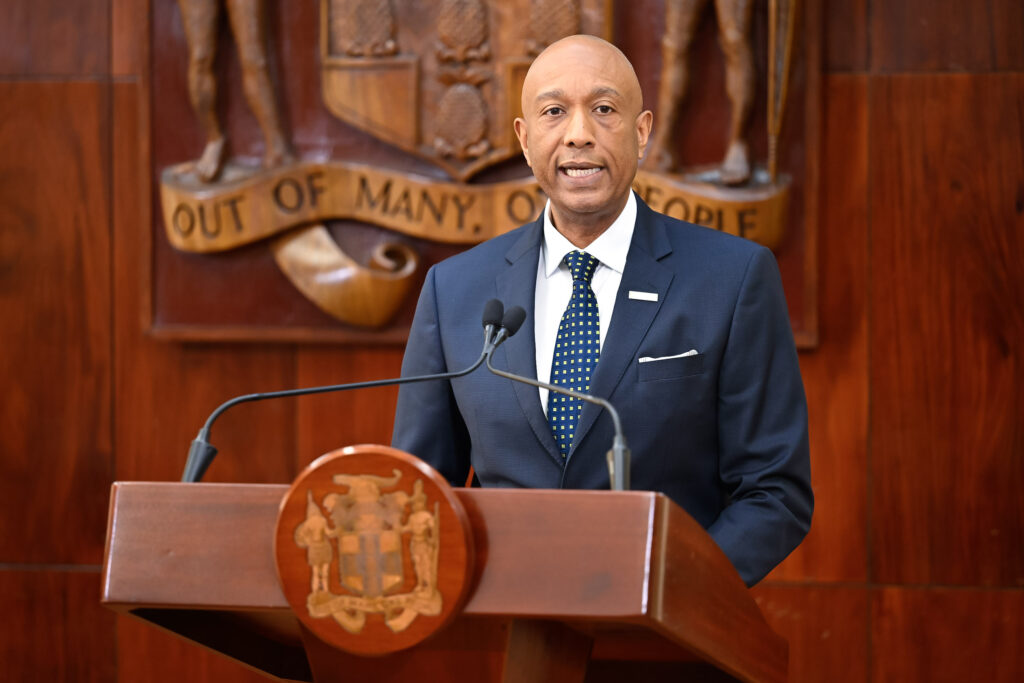
DBJ launches $10-b business recovery programme
KINGSTON, Jamaica — In a decisive response to Hurricane Melissa’s devastation, the Development Bank of Jamaica (DBJ) has unveiled a comprehensive $10-billion Jamaican dollar (approximately $64 million USD) business recovery initiative. The M5 Business Recovery Programme, announced by DBJ Managing Director Dr. David Lowe at a November 26 Jamaica House briefing, targets enterprises across agriculture, manufacturing, distribution, and tourism sectors that suffered operational disruptions from the Category Five storm.
The program establishes a tiered support system through DBJ’s network of approved financial institutions (AFIs) and microfinance institutions (MFIs), offering qualified businesses access to financing ranging from $20 million to $50 million Jamaican dollars. Dr. Lowe outlined three distinct recovery pathways: a refinance window for existing borrowers needing term adjustments, a reboot window for addressing immediate operational needs, and a rebuild window for enterprises requiring comprehensive reconstruction.
‘Our most critical intervention is the rebuild window for businesses that have been totally disrupted,’ emphasized Dr. Lowe, noting that the program incorporates innovative features including grant components to encourage resilience-building innovations and credit collateral support covering up to 80% of security requirements where traditional collateral became unavailable post-hurricane.
The funding structure operates in phased deployments: an immediate $1 billion allocation from DBJ’s current balance sheet, a recently cabinet-approved $3 billion secondary phase, and a further $7 billion commitment for sector-wide rebuilding efforts. The program design emerged from extensive consultations with financial institutions, business associations, and existing borrowers following the hurricane’s passage, ensuring tailored solutions to address Jamaica’s post-disaster economic challenges.
-
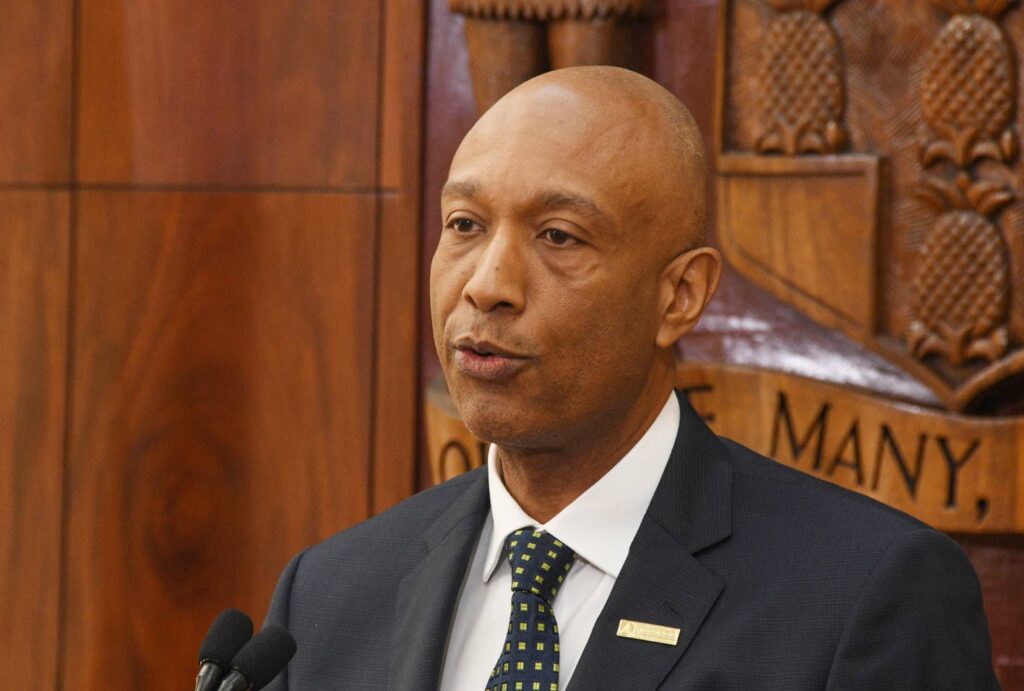
DBJ offers $10-b lifeline for Melissa-hit businesses
In the wake of Hurricane Melissa’s devastating impact on Jamaican businesses, the Development Bank of Jamaica (DBJ) has stepped in with a substantial $10 billion recovery package. This initiative aims to assist affected enterprises in regaining their operational footing. Eligible businesses can access between $20 million and $50 million through approved financial institutions (AFIs) and microfinance institutions (MFIs).
DBJ Managing Director David Lowe unveiled the M5 Business Recovery Programme during a media briefing at Jamaica House. The programme is structured into three phases: an immediate $1 billion allocation to AFIs and MFIs for onlending, a subsequent $3 billion for additional support, and a $7 billion fund earmarked for sectoral and supply chain rebuilding.
Lowe emphasized that the DBJ has engaged in extensive consultations with stakeholders, including local banks, microfinance institutions, and business associations, to understand the challenges faced by businesses. The bank identified critical gaps in financial access and tailored its support to address both direct and indirect impacts of the hurricane.
The recovery framework includes three product windows: refinancing for indirectly affected businesses, a reboot window for short-term needs and infrastructure repair, and a rebuilding window for long-term recovery of severely disrupted enterprises. Lowe highlighted the focus on key sectors such as agriculture, manufacturing, distribution, and tourism, with targeted support for small and micro businesses.
In addition to the recovery programme, DBJ will introduce a grant initiative to foster innovation and a collateral cash support scheme offering up to 80% coverage for damaged or destroyed loan-secured properties. Lowe stressed the importance of resilience and recovery in the face of future catastrophes, underscoring the DBJ’s commitment to sustainable business support.
-

Public servants and the 10% dance
Since the announcement of Davendranath Tancoo’s October 13 budget, the focus has shifted from whether the government will honor its promise of a 10% pay increase for Public Services Association (PSA) workers to the specifics of how and when this commitment will be fulfilled. The ongoing negotiations between PSA President Felisha Thomas and officials from the Office of the Chief Personnel Officer (CPO) have been marked by tension and uncertainty. On November 10, Thomas expressed frustration, accusing the CPO of delaying the process and issuing an ultimatum: ‘Ten per cent and nothing else.’ CPO’s Dr. Daryl Dindial defended the need for a comprehensive understanding of the economic challenges, emphasizing the importance of due process. By November 21, the PSA received a formal letter outlining a 10% offer for specific periods, but details remain undisclosed. Acting CPO Wendy Barton reiterated the significance of economic context in public service negotiations. Meanwhile, Tancoo hinted at a multifaceted approach to addressing pay arrears, estimated at $730 million, with additional annual costs of $214 million. The prolonged negotiations may provide fiscal flexibility amid a projected $3.9 billion deficit, highlighting the delicate balance between fulfilling promises and managing economic constraints.
-
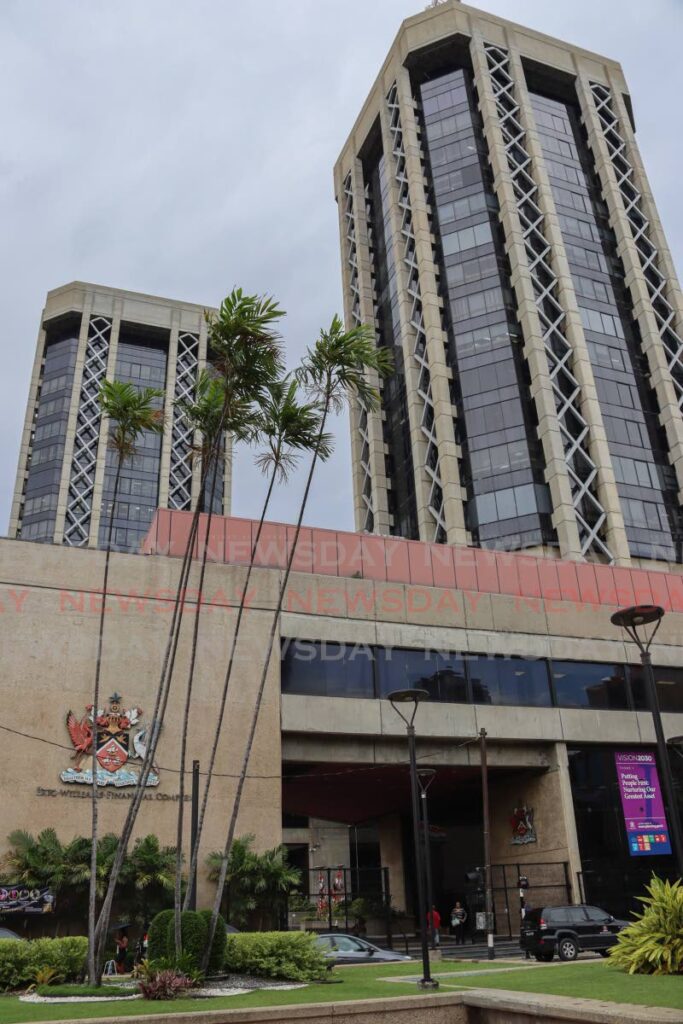
IDB: Trinidad and Tobago had lowest remittances in Caribbean in 2025
A recent analytical report by the Inter-American Development Bank (IDB) has revealed that Trinidad and Tobago (TT) experienced the slowest remittance growth in the Caribbean in 2025, lagging significantly behind its regional counterparts. Remittances, which refer to funds sent by individuals working or living abroad to their families back home, serve as a crucial financial lifeline for households across the region. These transfers are particularly vital in low- and middle-income countries, helping families manage living expenses and providing economic stability during challenging times. According to the IDB’s ‘Remittances to Latin America and the Caribbean in 2025’ report, TT saw a mere 1.3% increase in remittance inflows, the lowest among all Caribbean nations analyzed. In contrast, the broader Caribbean region recorded a 9.2% growth, driven by strong inflows to the Dominican Republic, Haiti, and Jamaica. TT’s minimal improvement starkly contrasts with the region’s overall momentum. The Caribbean collectively received $20.883 billion in remittances in 2025, accounting for 12% of all transfers to Latin America and the Caribbean. While the report did not provide a specific figure for TT, it identified the country as one of the smaller recipients in the subregion. The study highlighted general factors influencing Caribbean remittance trends, such as labor market participation in the U.S. and the financial strategies of migrant households, but did not pinpoint specific reasons for TT’s weak performance. Instead, TT was grouped with economies where remittance inflows remain modest and have shown limited growth in recent years. The IDB emphasized that remittances continue to play a stabilizing role in household income across the region, particularly in countries with growing diaspora communities that maintain strong financial ties with their families. For many households, these transfers represent essential monthly contributions from relatives working abroad, quietly but significantly impacting daily expenses. The report is part of the IDB’s ongoing efforts to monitor cross-border family transfers, which are essential for understanding consumption patterns, vulnerability, and the financial behavior of migrant populations.
-
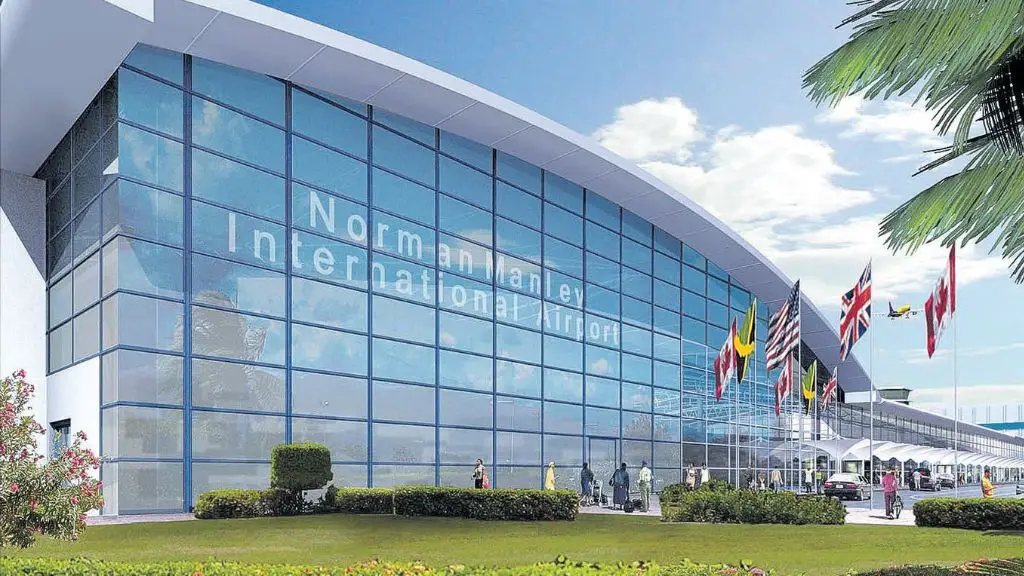
NMIA to temporarily close runway for RESA and electrical upgrade work
KINGSTON, Jamaica — Norman Manley International Airport (NMIA) will implement a precisely timed runway closure this Thursday evening to advance its landmark $11.5 billion (US$72 million) infrastructure modernization initiative. The temporary shutdown, scheduled from 7:00 pm on November 27, 2025, through 4:00 am the following morning, enables critical safety enhancements including runway threshold relocation and electrical system upgrades.
Airport operator PAC Kingston Airport Limited (PACKAL) confirmed the maintenance window was strategically selected following coordination with aviation stakeholders, with no passenger flights affected during the nine-hour closure. The airport will suspend operations after the last scheduled flight and resume normal service upon work completion.
The nighttime work constitutes a pivotal phase in the Runway End Safety Area (RESA) Implementation Project, which will ultimately extend the runway by 300 meters to meet international safety standards. While increased ground activity may be visible to nearby communities, PACKAL emphasizes the project remains on schedule for July 2027 completion.
This infrastructure investment represents the most significant safety enhancement in NMIA’s history, aligning with Jamaica’s Civil Aviation Act of 2012 and International Civil Aviation Organization (ICAO) regulations. The expanded safety areas will provide additional buffer zones for aircraft operations and emergency scenarios, substantially elevating the airport’s safety protocols.
-
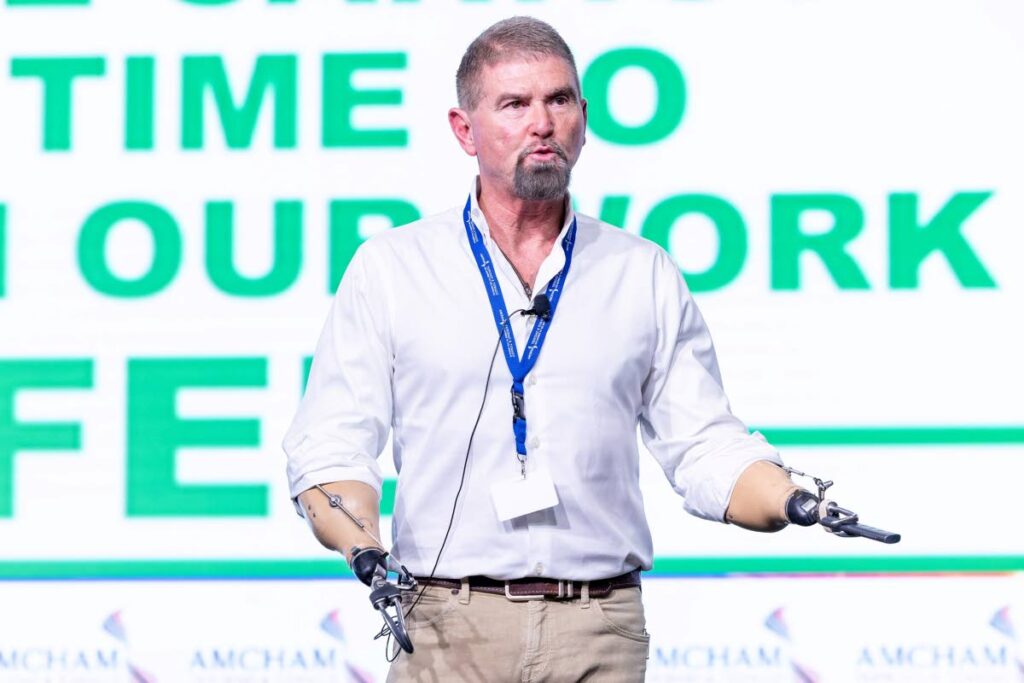
The hidden dangers of routine: a warning on workplace safety gaps
At the American Chamber of Commerce of TT’s HSSE Conference and Exhibition 2025, held at the Hyatt Regency Trinidad in Port of Spain on November 12, American safety speaker Lee Shelby delivered a compelling presentation on workplace safety. Shelby, a survivor of a life-altering electrical accident, emphasized the dangers of complacency and overconfidence in the workplace. He shared his personal story of losing both arms in a 1991 accident, which he attributed to a series of small, avoidable mistakes and a mindset that dismissed risk. Shelby warned that most serious incidents stem from ordinary tasks and the normalization of unsafe behaviors, such as rushing, distraction, and procedural shortcuts. He urged business leaders and safety professionals to foster a culture of intervention, respectful communication, and vigilance. Shelby’s message was clear: safety is a personal responsibility that impacts not only the individual but also their colleagues, family, and community. His presentation underscored the importance of behavioral safety, leadership accountability, and proactive measures to prevent workplace accidents.