分类: business

  • Renewables can’t carry grid during hurricanes, JPS warns

    Renewables can’t carry grid during hurricanes, JPS warns

    Jamaica’s ambitious transition to renewable energy is confronting a harsh climatic reality, as extreme weather events reveal critical vulnerabilities in solar and wind infrastructure. The Jamaica Public Service Company (JPS), the nation’s sole grid operator, has issued a stark warning that renewable systems coupled with battery storage cannot maintain grid stability during hurricanes, forcing renewed dependence on traditional thermal generation during crises.

    The limitations became dramatically apparent during Hurricane Melissa’s Category 5 assault, when renewable sources failed completely—solar panels produced no power days before, during, and after the storm, while wind turbines were secured for safety. Acting JPS President and CEO Hugh Grant revealed that only 23% of customers maintained electricity post-hurricane, exclusively through fossil fuel resources. “When storms hit, the power system depends heavily on traditional, dispatchable generation,” Grant stated during a utilities regulation forum in Kingston.

    This reality creates significant tension within Jamaica’s energy policy, which targets 50% renewable penetration by 2030. While supporting renewables as part of Jamaica’s long-term strategy, Grant emphasized that battery technology remains insufficient for prolonged outages, with utility-scale storage currently limited to approximately eight hours duration—inadequate for multi-day hurricane recovery periods.

    In response to these challenges, JPS has implemented substantial grid-hardening measures including enhanced vegetation management, reinforced utility poles, reduced span distances for improved load-bearing capacity, and strategic circuit re-routing. The company is exploring underground infrastructure despite prohibitive costs—15 times higher than overhead systems—requiring targeted implementation and cross-sector cost sharing.

    The hurricane exposed not only physical infrastructure limitations but also critical financing gaps. Government intervention through a $150 million loan covered less than half the $350 million estimated reconstruction costs, highlighting inadequate disaster funding mechanisms. Energy Minister Daryl Vaz clarified the government’s role is not to bail out utilities but to establish financial frameworks enabling rapid restoration while protecting consumers and the economy.

    Jamaica Stock Exchange CEO Livingstone Morrison suggested utilities might need more aggressive capital market engagement to fund resilience projects. Meanwhile, policymakers face the complex challenge of balancing renewable expansion with maintaining reliable power through increasingly severe weather events, ensuring energy transition doesn’t compromise grid stability during critical periods.

  • Online seminar on new tax system

    Online seminar on new tax system

    The Ministry of Tourism, Creative Economy and Culture has announced a comprehensive educational initiative designed to support Micro, Small and Medium Enterprises (MSMEs) and Community-Based Tourism Groups in navigating the complexities of the recently implemented taxation framework.

    Scheduled for Tuesday, March 24, 2026, at 9:00 AM, the ministry will conduct a specialized online seminar to provide crucial guidance on fiscal responsibilities. This virtual workshop will offer detailed explanations of both rights and obligations under the new tax structure, ensuring participants gain a thorough understanding of regulatory requirements.

    Expert facilitators will deliver practical instruction on avoiding common compliance pitfalls and will provide step-by-step assistance regarding the registration process for obtaining a Tax Identification Number. The ministry emphasizes the importance of proper tax registration for all tourism sector operators.

    Interested parties from the tourism and creative economy sectors are encouraged to secure their participation by registering through the official portal: https://forms.gle/yiKAKArcHxUMVwuC8. This initiative represents part of the ministry’s broader commitment to fostering sustainable growth and regulatory compliance within Grenada’s vital tourism industry.

  • Vrachtkosten stijgen: extra toeslagen raken Surinaamse exportsectoren

    Vrachtkosten stijgen: extra toeslagen raken Surinaamse exportsectoren

    Rising geopolitical instability in the Middle East has catalyzed a chain reaction across global logistics networks, with maritime and air freight carriers implementing emergency surcharges that threaten export-dependent economies. Suriname’s seafood industry now faces the materialization of its worst-case scenario as transportation costs escalate dramatically.

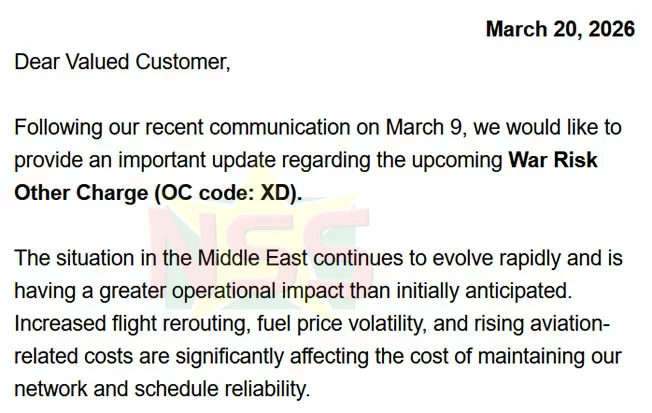
    International logistics corporations are rapidly deploying new financial mechanisms to offset operational risks. Air France KLM Martinair Cargo has announced a War Risk Other Charge, scheduled for further increases by late March. This surcharge directly responds to diverted flight paths, soaring fuel prices, and heightened operational expenditures.

    Simultaneously, cargo carrier Amerijet instituted a Fuel Escalation Fee effective March 23rd, adding $0.04 per kilogram for standard shipments and $0.02 for perishables. This levy supplements existing fuel charges and applies specifically to shipments originating from the Caribbean and South America.

    The maritime sector mirrors these developments, with shipping companies passing along additional costs driven by volatile fuel markets and intensified international uncertainty.

    Udo Karg, President of the Suriname Seafood Association, confirms the industry’s fears have become reality. ‘What the fisheries sector feared has already begun this week. First the shipping companies, and now aviation,’ Karg told Starnieuws. He emphasized the disproportionate impact on smaller economies: ‘Major nations like Japan and EU states maintain reserves to buffer such developments, but countries like ours must improvise coping strategies.’

    While transport firms characterize these measures as temporary and contingent on global developments, Surinamese entrepreneurs anticipate severe consequences for their export competitiveness. The fisheries sector—a critical component of the nation’s economy—faces particular vulnerability to these logistics cost inflations that could reshape trade dynamics in the region.

  • Agriculture Boost as Belize Eyes El Salvador Market

    Agriculture Boost as Belize Eyes El Salvador Market

    In a significant development for regional trade integration, Belize has successfully negotiated enhanced transit arrangements through Guatemala to access the Salvadoran market. A high-level delegation led by Agriculture Minister Rodwell Ferguson convened with Guatemalan counterparts this week to establish streamlined protocols for agricultural shipments.

    The technical discussions focused specifically on creating seamless transit corridors for sealed containers carrying Belizean produce destined for El Salvador. This breakthrough represents a critical implementation phase of the forthcoming partial scope trade agreement between Belize and El Salvador, which aims to create new export channels for local producers.

    Minister Ferguson’s delegation included senior officials from the Belize Agricultural Health Authority (BAHA) and the International Regional Organization for Agricultural Health (OIRSA). The productive negotiations yielded consensus on operational frameworks for cross-border agricultural transportation, with a formal Memorandum of Understanding expected to be finalized by late April.

    This trade facilitation initiative addresses a fundamental challenge for landlocked Belizean exporters seeking access to Central American markets. Currently dependent on maritime routes, Belizean farmers stand to gain substantially from overland access to El Salvador’s substantial food import market. The agreement establishes clear parameters for eligible products and standardized phytosanitary certification processes.

    The successful negotiations mark a strategic advancement in Belize’s ongoing efforts to diversify agricultural export destinations and reduce dependency on traditional markets. Government officials characterize the agreement as a win for regional economic integration that will directly benefit agricultural communities and export-oriented businesses throughout Belize.

  • ECAB to Close Jolly Harbour ATM from March 26

    ECAB to Close Jolly Harbour ATM from March 26

    In a strategic move impacting local financial services, the Eastern Caribbean Amalgamated Bank (ECAB) has officially declared the permanent discontinuation of its Automated Teller Machine (ATM) operations at its Jolly Harbour location. This cessation of services is scheduled to take effect from Tuesday, March 26, 2024.

    The decision forms part of the bank’s broader operational review and network optimization strategy. ECAB has indicated that this measure is aimed at enhancing overall service efficiency and reallocating resources to channels with higher customer utilization rates. The bank’s internal analysis of transaction volumes and customer footfall at the Jolly Harbour terminal reportedly influenced the final verdict to decommission the facility.

    Financial patrons who regularly utilized the Jolly Harbour ATM are advised to transition to alternative service points. ECAB has confirmed that its nearest banking facilities, including full-service branches and other ATMs, remain fully operational in the surrounding vicinities. Customers can continue to access cash withdrawal, deposit, and account inquiry services at these locations without interruption.

    Furthermore, the bank emphasizes its commitment to expanding its digital banking portfolio, encouraging clients to adopt online and mobile banking solutions for routine transactions. This shift towards digitalization reflects a wider industry trend, reducing reliance on physical infrastructure while offering customers greater convenience and 24/7 access to their finances.

    ECAB has committed to ensuring a seamless transition for affected customers and has pledged to provide clear signage and customer communication in the lead-up to the closure date to minimize potential inconvenience.

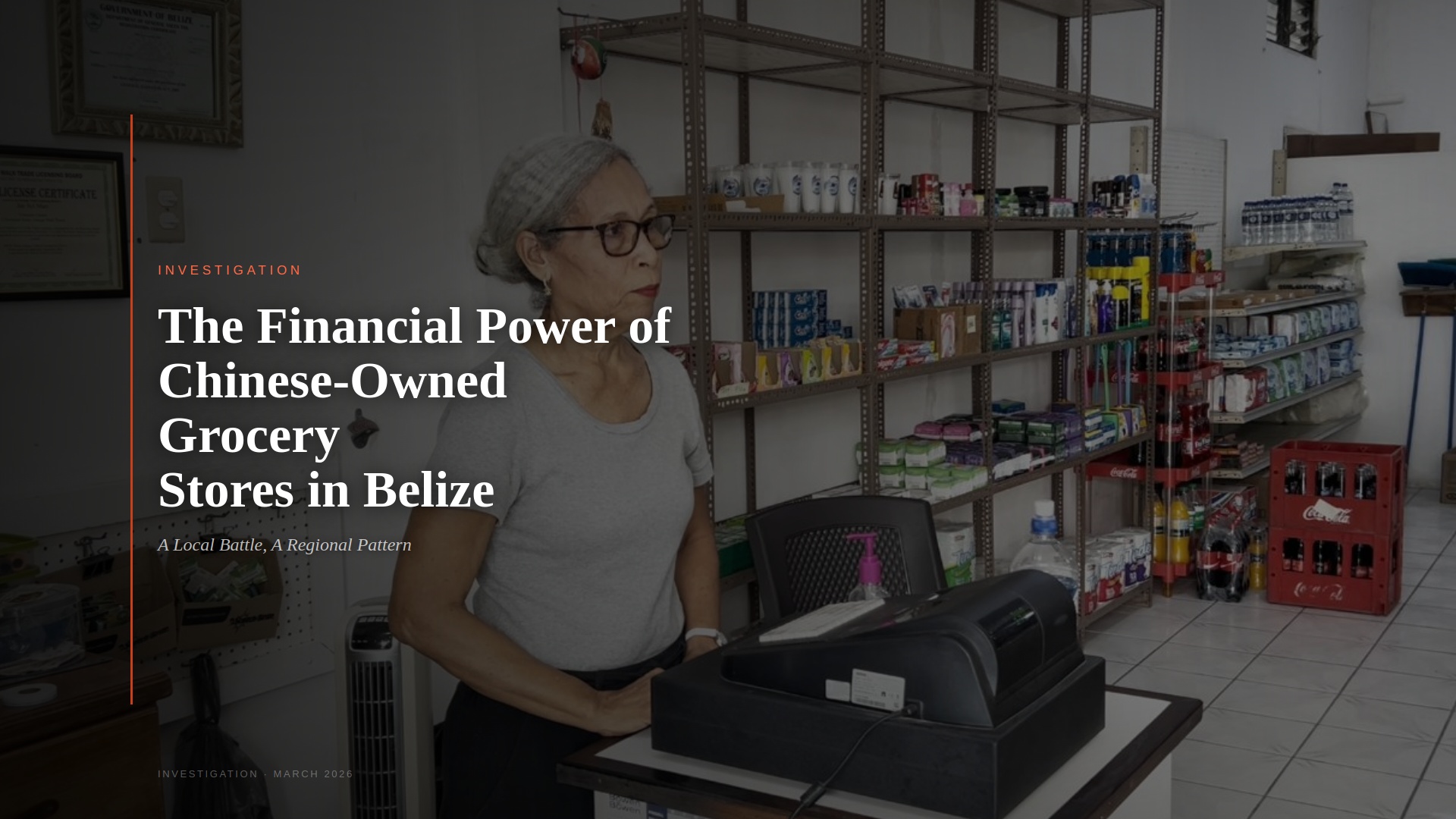
  • The Financial Power of Chinese-Owned Grocery Stores in Belize

    The Financial Power of Chinese-Owned Grocery Stores in Belize

    A profound transformation is underway in Belize’s retail grocery sector, where Chinese-owned supermarkets have established competitive dominance through radical cost control measures and informal financial networks. This shift has created intense pressure on traditional neighborhood stores that have long operated on personal relationships and community trust.

    In Orange Walk Town, 67-year-old Consuelo Catzim represents the struggling traditional model. Her store, Jansyl Mart, has served the community since 1999, operating on personal knowledge of customers and occasional credit extensions. “I started this because I had to survive,” Catzim recalls, having invested her retirement payout to support her children. Despite building deep community connections, her sales dropped sharply as customers migrated to Chinese-owned stores offering lower prices.

    The competitive gap stems from fundamentally different business models. A 2015 University of Belize study of 60 Chinese businesses revealed extraordinary operational discipline: 56.7% operate 12+ hours daily, 53.3% work all seven days weekly, and 58.3% maintain monthly expenses below BZD $9,000 despite 30% reporting monthly sales exceeding $50,000. Startup capital primarily came from family networks (45%) rather than bank loans (5%).

    This financial advantage is compounded by supply chain dynamics. Small retailers like Catzim pay significantly higher wholesale prices—sometimes $3 more per case than bulk buyers—forcing them to charge retail prices that cannot compete. “That five cents is what kills us,” Catzim explains, referencing the marginal price differences that determine shopping decisions.

    New enforcement data reveals additional competitive distortions. Belize’s Supplies Control Unit documented 136 establishments violating price control regulations for essential goods like rice, bread, and cooking oil. Violations included failure to display prices and selling above mandated maximums, with Chinese-owned stores disproportionately represented on violation lists.

    The expansion is fueled by sophisticated informal financing systems documented by University of Calgary researchers. Chinese entrepreneurs typically access capital through family networks, rotating credit associations, and overseas remittances rather than formal banking. This allows rapid deployment of capital despite higher effective interest rates.

    Dr. Osmond Martinez, Minister of State in Economic Transformation, views the competition as educational: “The reason why they have survived is because they have managed to capitalize on the finance that they have, the finance mechanism, and the network that they do have.” He encourages Belizean entrepreneurs to adopt similar collaborative approaches.

    The pattern extends beyond Belize. Nicaragua experienced an influx of 400 Chinese retail businesses following its 2024 Free Trade Agreement with China, while Guyana has seen similar market transformations. This regional trend highlights how informal entrepreneurial networks can reshape entire retail sectors through disciplined cost control and alternative financing mechanisms.

    As traditional shops decline—Orange Walk saw 27% closure in five years—the question remains whether Belize can preserve the community-oriented commerce represented by operators like Catzim while adapting to new competitive realities.

  • Guyana hopes to stop importing bottled water

    Guyana hopes to stop importing bottled water

    In a significant move toward economic self-reliance, Guyana has launched an ambitious initiative to achieve complete domestic production of bottled water, potentially saving the nation approximately GY$150 million in annual import costs. The strategic plan emerged from high-level discussions between the Guyana Manufacturing and Services Association (GMSA), Public Utilities Minister Deodat Indar, and representatives from Guyana Water Inc.

    The initiative received presidential endorsement from President Irfaan Ali, who has championed the goal of 100 percent locally produced bottled water. This national strategy represents a transformative approach to reducing dependency on foreign bottled water products while stimulating domestic manufacturing capabilities.

    According to the GMSA, the comprehensive meeting held on March 18 addressed critical aspects of water manufacturing, including production challenges, distribution logistics, policy frameworks, investment incentives, and quality assurance protocols. Minister Indar engaged extensively with private water producers and distributors to establish collaborative pathways toward achieving this national objective.

    The manufacturing association emphasized that success hinges on a unified approach among all stakeholders and regulatory bodies to maintain consistent quality standards while expanding production capacity. The GMSA has committed to ongoing collaboration with government agencies and industry partners to enhance the local bottled water sector’s quality standards and global competitiveness.

    This import substitution strategy aligns with broader economic diversification efforts in Guyana, potentially creating new employment opportunities while retaining significant capital within the national economy. The estimated GY$150 million in import savings represents a substantial economic benefit for the developing nation.

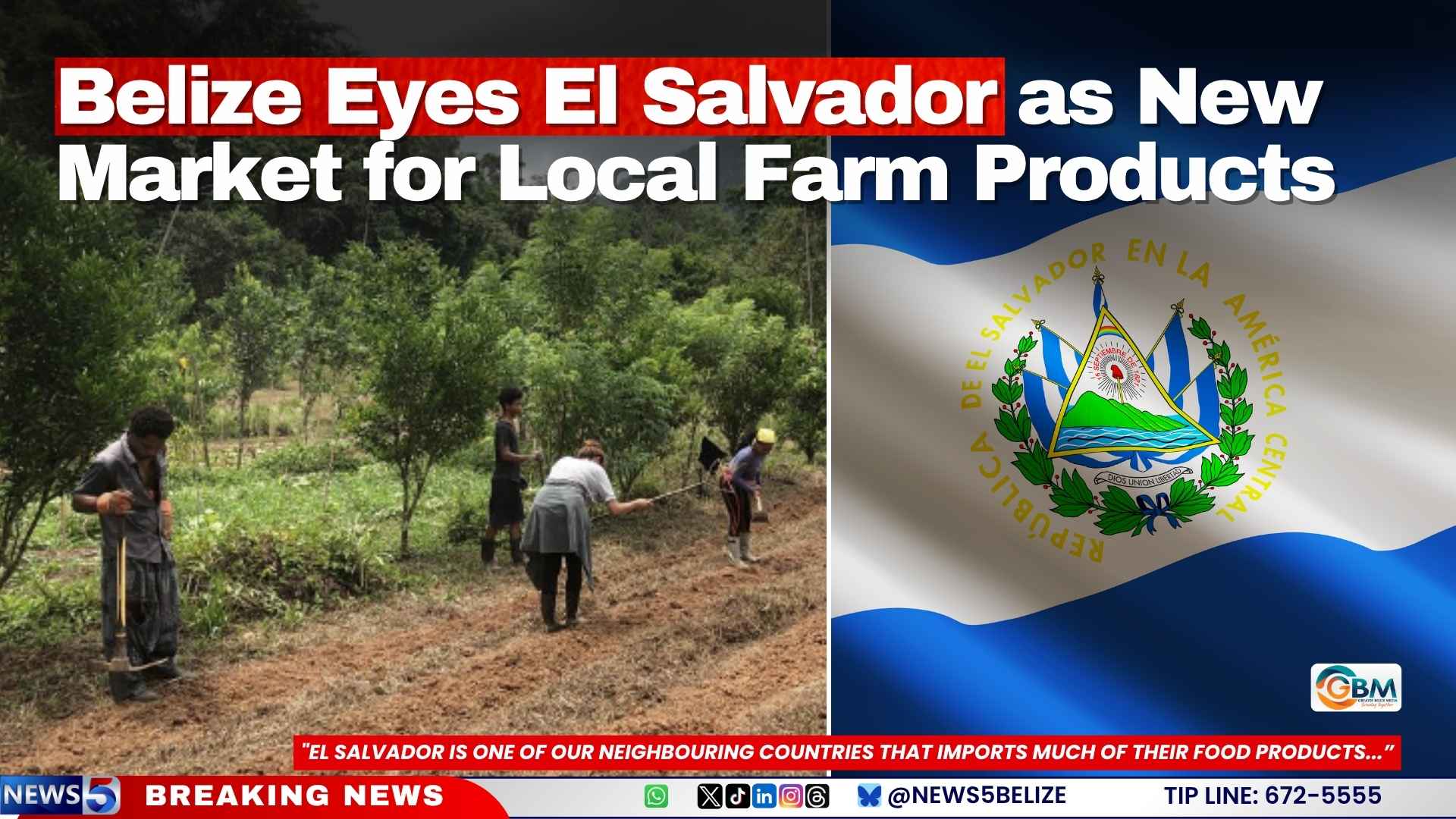
  • Belize Eyes El Salvador as New Market for Local Farm Products

    Belize Eyes El Salvador as New Market for Local Farm Products

    Belize is establishing a groundbreaking agricultural trade pathway that will transport domestic farm products through Guatemala to reach markets in El Salvador. This strategic initiative follows successful diplomatic negotiations between high-ranking officials from the participating nations.

    Agriculture Minister Rodwell Ferguson recently convened with Guatemalan counterparts to finalize logistical arrangements for the seamless transit of Belizean commodity containers through Guatemalan territory. Both parties characterized the discussions as exceptionally constructive, marking a significant milestone toward operationalizing this new trade artery.

    A formal bilateral agreement between Belize’s Ministry of Agriculture and El Salvador, facilitated through its diplomatic representative in Belize, is slated for signing before April’s conclusion. This pact will explicitly outline the specific agricultural products designated for export under the arrangement.

    The Ministry of Agriculture, Food Security and New Growth Industries emphasized in an official communiqué that this endeavor constitutes a pivotal component of its comprehensive strategy to identify and develop fresh market opportunities for Belizean agricultural producers. “El Salvador represents a neighboring nation that currently imports substantial quantities of food products,” the ministry noted. “Our market access dialogues with Salvadoran authorities have yielded particularly promising outcomes to date.”

  • Salary gains, fiscal pain

    Salary gains, fiscal pain

    Jamaica’s ambitious public sector wage reform has achieved its primary objective of elevating government worker compensation, yet Prime Minister Andrew Holness now confronts an unforeseen fiscal challenge that threatens the nation’s economic equilibrium. During his pivotal address in the 2026/27 Budget Debate, Holness revealed that the comprehensive compensation overhaul has dramatically altered Jamaica’s financial landscape, compelling a strategic pivot toward productivity-anchored earnings.

    The three-year reform initiative successfully rectified historical pay disparities between public and private sectors that had hampered talent acquisition and retention. The restructuring established transparent, simplified compensation frameworks across government entities. However, this achievement carries substantial fiscal consequences: the national wage bill has surged by approximately 3.7% of GDP, now consuming 13.8% of economic output compared to the previous 9% target. More strikingly, nearly half of every tax dollar (49 cents) now funds public sector compensation, up from 36 cents pre-reform.

    Holness emphasized that these figures represent more than statistical changes—they signify a structural transformation constraining governmental capacity to invest in critical infrastructure, healthcare, and development initiatives. This fiscal pressure intensifies amid ongoing hurricane recovery efforts, creating dual demands on limited national resources.

    The Prime Minister articulated a fundamental policy shift, declaring that future wage negotiations must transcend traditional inflation-indexed adjustments. Instead, compensation increases must correlate directly with measurable productivity gains and GDP growth. Holness warned that disconnecting wages from economic performance would inevitably trigger inflationary cycles, eroding purchasing power and undermining intended living standard improvements.

    This transition toward productivity-linked compensation acknowledges potential contention, particularly as workers navigate persistent cost-of-living challenges. Nevertheless, Holness positioned this approach as essential to preserving Jamaica’s hard-won macroeconomic stability—a stability that proved crucial during Hurricane Melissa’s devastation in October 2025. The administration seeks collaborative engagement with trade unions to develop sustainable wage frameworks aligned with fiscal realities, emphasizing that long-term income growth ultimately depends on strengthening nationwide productivity rather than merely managing compensation expenditures.

  • One in eight ABMs still down months after hurricane — BOJ data

    One in eight ABMs still down months after hurricane — BOJ data

    Five months after Hurricane Melissa devastated Jamaica’s southwestern region, the nation’s Automated Banking Machine (ABM) network continues to operate below pre-storm capacity according to latest central bank data. The Bank of Jamaica’s Thursday report reveals approximately 12% of the country’s ABM infrastructure remains inoperative, creating significant financial access disparities between urban and rural communities.

    The Category 4 hurricane made landfall on October 28, 2025, particularly impacting southwestern parishes with destructive winds and flooding. While national ABM availability has reached 88% of pre-hurricane levels, this aggregate figure masks concerning regional discrepancies. The parishes of St. Elizabeth, Westmoreland and St. James demonstrate notably slower recovery rates, with functional ABM rates languishing between 70-78% – substantially below the national average.

    This geographical disparity has created a two-tier financial recovery system. Metropolitan Kingston has not only restored full operational capacity but occasionally exceeds pre-Melissa service levels during peak periods. Meanwhile, rural communities face persistent cash access challenges due to combination of infrastructure damage, unreliable power grids, and logistical complications in equipment repair and replacement.

    Financial analysts note the recovery pattern reflects broader infrastructure trends, with commercial hubs and high-traffic urban areas receiving priority restoration. This concentration of functioning ABMs in economic centers has raised concerns about financial inclusion and equitable access to banking services across socioeconomic and geographic divides.

    The prolonged recovery timeline highlights the vulnerability of financial infrastructure to climate events and the complex challenges of restoring services in remote areas. Banking institutions continue to address technical and operational hurdles while working toward comprehensive network restoration, though no definitive timeline has been established for full recovery.