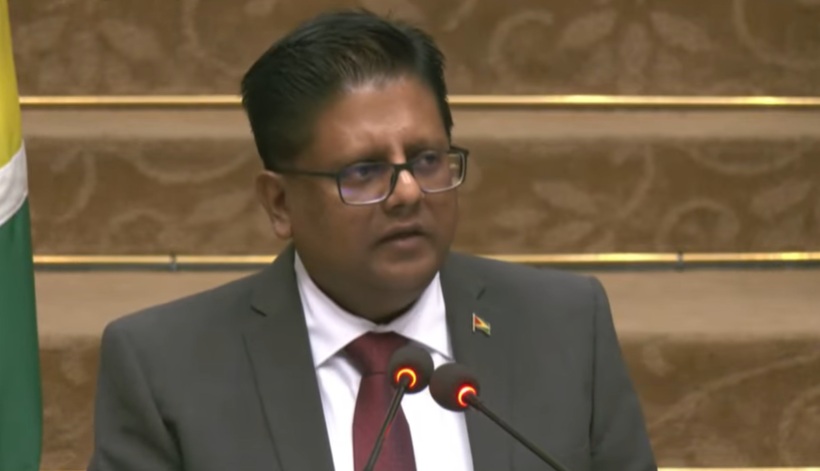
In a significant economic policy shift, Guyana’s Finance Minister Dr. Ashni Singh unveiled substantial tax reductions and eliminations across multiple vehicle categories and marine propulsion systems on Monday, January 26, 2026. The comprehensive fiscal reforms introduce a simplified tax structure for double-cab pickup trucks, with a flat levy of GY$2 million applied to models under 2,000 CC regardless of age, while units between 2,000 CC and 2,500 CC will attract a GY$3 million charge. The government has further eliminated Value Added Tax (VAT) on conventional vehicles below 1,500 CC that are less than four years old, extending similar VAT exemptions to hybrid vehicles under 2,000 CC. In a move to boost recreational and industrial mobility, all import duties and taxes have been abolished for All-Terrain Vehicles (ATVs) without usage restrictions. Additionally, marine operators will benefit from complete tax removal on outboard engines with capacities up to 150 Horsepower, signaling support for Guyana’s maritime and fishing industries. These measures represent a strategic recalibration of the nation’s fiscal policy aimed at stimulating transportation sectors and reducing operational costs for businesses and consumers alike.
分类: business
-
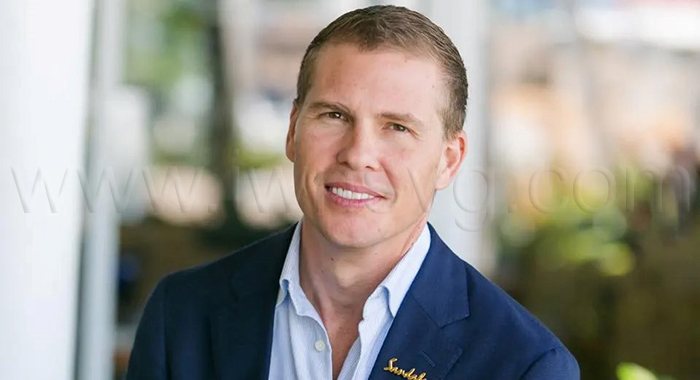
Sandals’ Adam Stewart named CNW’S philanthropist of the year
Adam Stewart, Executive Chairman of Sandals Resorts International, has received the distinguished Businessman/Philanthropist of the Year award for 2025 from Caribbean National Weekly (CNW), recognizing his exceptional leadership during a period of both remarkable achievements and significant regional challenges.
The regional publication highlighted Stewart’s multifaceted contributions across hospitality leadership, strategic tourism investments, and crisis management excellence. Beyond steering his luxury resort empire through turbulent times, Stewart was credited with playing a pivotal role in shaping Jamaica’s economic recovery and establishing foundations for future regional growth.
2025 marked a year of industry acclaim for Stewart, featuring prestigious invitations to join the Wall Street Journal CEO Council and announcements of multimillion-dollar developments across Sandals’ all-inclusive luxury resort portfolio. However, his most defining leadership moment emerged during Hurricane Melissa’s devastating impact on Jamaica’s tourism infrastructure in late October.
Stewart implemented unprecedented crisis response measures, including transparent communication protocols with global travel partners and a landmark commitment to maintain full payroll and Christmas bonuses for all Sandals and Beaches employees—even at properties requiring temporary closure for restoration. The company allocated over US$3 million in direct staff recovery assistance to support families affected by the catastrophic storm.
Under Stewart’s guidance, the Sandals Foundation achieved record levels of community engagement, delivering targeted disaster recovery support across healthcare, livelihood restoration, and environmental conservation initiatives throughout the Caribbean region.
In accepting the honor, Stewart expressed profound humility, emphasizing that the recognition reflects collective effort rather than individual achievement. “This award demonstrates that business can be a powerful force for good when people show up daily for their communities,” stated Stewart. “It belongs to the extraordinary teams advancing our shared vision, particularly the Sandals Foundation whose work creates lasting change in education, healthcare, disaster relief, and environmental stewardship.”
-

BTL Buyout Already Decided? BCCI Demands Halt
The Belize Chamber of Commerce and Industry (BCCI) has formally called upon the Government of Belize to immediately suspend the impending acquisition of Speednet Communications (SMART) by Belize Telemedia Limited (BTL). This urgent intervention comes amid revelations that BTL’s board plans to conduct a decisive vote on the merger agreement as early as Tuesday, January 26, 2026.
In an official statement released today, the BCCI emphasized that the government, serving as BTL’s controlling shareholder, possesses both the authority and responsibility to halt any binding board decisions until comprehensive stakeholder consultations are conducted. The Chamber has secured a scheduled meeting with BTL representatives for Wednesday, but strongly cautioned that any pre-meeting decision would render the engagement meaningless and demonstrate “profound disregard” for legitimate business community concerns.
BCCI President Giacomo Sanchez expressed deep concern about indications that early approval might be pursued without proper dialogue. “We align with the concerns raised by our social partners and reiterate that decisions of this magnitude—particularly those with implications for competition, public funds, and consumers—must be informed, transparent, inclusive, and not rushed,” Sanchez stated in his official communication to News Five.
The Chamber’s intervention significantly amplifies growing opposition to the telecommunications merger, joining previously vocalized objections from labor unions and civil society organizations. Sanchez further warned that proceeding without appropriate stakeholder engagement risks eroding public confidence and violating fundamental principles of good corporate governance. This development marks a critical juncture in one of Belize’s most significant potential telecommunications industry consolidations, with implications for market competition, consumer choice, and national economic policy.
-

NTUCB Demands Pause on Telecom Merger
BELIZE CITY – In a significant development for Belize’s telecommunications landscape, the National Trade Union Congress of Belize (NTUCB) has formally opposed the acquisition of Speednet (SMART) by Belize Telemedia Limited (BTL). The labor union’s decisive vote against the merger follows extensive consultations with stakeholders and raises substantial concerns about market competition, financial transparency, and public interest.
NTUCB President Ella Waight emphasized the deliberative nature of the union’s position, stating the decision emerged from weeks of comprehensive engagement with various entities including the Belize Chamber of Commerce and Industry, social partners, opposition groups, and media representatives. The union’s General Council, comprising delegates from 11 affiliated unions, concluded its assessment with a Saturday meeting that resulted in a firm rejection of the proposed transaction.
Central to the union’s objections are multiple risk factors: potential devaluation of Social Security Board investments (which holds 33% ownership in BTL), possible job losses, taxpayer implications, and consumer impact. The reported $80 million acquisition price has drawn particular scrutiny, with Waight characterizing the figure as ‘difficult to swallow’ given numerous unresolved questions about the valuation methodology.
Transparency deficiencies form a critical component of the union’s opposition. The NTUCB highlights that SMART’s valuation was conducted by a firm with existing connections to BTL’s board and compensated by BTL itself—arrangements that potentially compromise assessment objectivity. The labor organization insists an independent, accredited valuation firm should evaluate both financial assets and customer base value to ensure fairness.
Waight indicated the union’s position remains conditional, noting ‘We’re not saying no forever; we’re saying no for now.’ The NTUCB maintains openness to reconsideration provided sufficient information emerges through proper public consultation processes. The union leader criticized the accelerated timeline of the merger proceedings, urging stakeholders to ‘slow down’ and allow adequate public disclosure and discussion.
The potential return to monopoly conditions represents another fundamental concern. With BTL already dominating the telecommunications market, absorbing SMART would essentially eliminate meaningful competition—a scenario that potentially violates Belize’s Telecommunications Act provisions prohibiting mergers that substantially lessen competition. The union notes no compelling evidence has been presented demonstrating public benefit from the consolidation.
-

GOCA launches upgraded website and Creative Business Directory
In a significant digital advancement for the Caribbean creative sector, the Grenada Office of Creative Affairs (GOCA) has officially launched its comprehensive upgraded website and innovative Creative Business Directory on January 22, 2026. This strategic initiative represents a major milestone in GOCA’s ongoing mission to enhance the visibility, growth, and sustainability of Grenada’s cultural and creative industries (CCIs).
The revitalized digital platform serves as a dynamic showcase for Grenada’s creative economy, featuring detailed information about key programs including the CCI Business Development Fund, Concessions for Creatives, and CCI Scholarships. A central component of the upgrade is the Creative Portal—an exclusive online community designed for registered creative professionals that facilitates access to essential services and promotes professional development opportunities.
Simultaneously launched, the Creative Business Directory functions as a publicly accessible marketplace connecting creative talent with potential clients and collaborators. This user-friendly digital directory simplifies the process of locating and engaging Grenada’s diverse creative professionals, from filmmakers and designers to artisans and performers.
Orlando Romain, GOCA’s Advisor for the Creative Economy, emphasized the strategic importance of this digital transformation: ‘Our approach has always been intentional. Since our 2023 launch through the Unleash Conference, we’ve maintained a clear roadmap focusing on capacity building, financing, and market access. This digital tool specifically addresses market access challenges while celebrating our abundant local and diaspora creative talent.’
The initiative has garnered enthusiastic support from Grenada’s creative community. André Hayes of MindzEye Films praised the directory’s potential to reduce marketing burdens, noting ‘This allows us to focus more on creating rather than constantly promoting our services.’ Kisha Miller, founder of Living Essentials and Luxurious Scents, highlighted the directory’s efficiency: ‘It minimizes the back-and-forth of finding talent through connections by putting everything at our fingertips.’
The platform is now live at https://creativeaffairs.gov.gd, offering both public access to creative services and registration opportunities for unregistered creatives seeking to join the growing GOCA community.
-

Kelly Fontenelle named Caribbean Tourism Executive of the Year
Kelly Fontenelle, the Saint Lucian-born Chief Executive Officer of the St. Kitts Tourism Authority, has received the prestigious Tourism Executive of the Year award from Caribbean Journal. The recognition highlights her exceptional leadership in driving the federation’s tourism sector to new heights through innovative strategies and targeted promotional efforts.
Caribbean Journal specifically commended Fontenelle for her relentless pursuit of growth through strategic travel initiatives, targeted promotion, and a remarkable campaign to position St. Kitts as a premier destination within the global travel industry. The publication emphasized her success in keeping the destination ‘top of mind for the global travel trade.’
In an exclusive interview with St. Lucia Times, Fontenelle expressed humility and credited her entire team for the achievement. ‘This was a really nice honour and this is not just an honour for me, because it has been a team effort,’ she stated. ‘Behind me there is a fantastic team… the Minister for Tourism Marsha Henderson who is very influential in what we do and we have a wonderful board of directors. So the entire team is part of this honour.’
When questioned about the key factors behind St. Kitts’ tourism success in 2025, Fontenelle identified three critical elements: enhanced destination visibility through expanded advertising in previously untapped markets, a strategic partnership with English football star Cole Palmer that significantly boosted brand recognition, and increased engagement with travel advisors. These coordinated efforts collectively propelled the destination’s tourism performance beyond previous benchmarks.
Fontenelle, who hails from southern Saint Lucia, assumed her role as CEO in 2024 after serving as Director of Marketing for the Saint Lucia Tourism Authority in the USA. During her tenure there, she played a fundamental role in developing the Saint Lucia Expert (SLEx) loyalty program, which generated substantial growth for brand agents within five years. She is also credited with creating the Romance Specialist Programme for Saint Lucia and was instrumental in establishing the diaspora program. Additionally, Fontenelle founded Travel Advisors Selling the Caribbean, now recognized as the region’s foremost travel advisory company.
The Caribbean Travel Awards, established by Caribbean Journal in 2014, represent the world’s premier celebration of Caribbean travel excellence, honoring exceptional destinations, accommodations, culinary experiences, and the dedicated professionals who contribute to making the region a world-class tourism destination.
-

How taxes impact air connectivity in the Caribbean
The Caribbean aviation sector faces mounting pressure as airlines and industry leaders decry exorbitant taxation rates that threaten regional connectivity. Windward Islands Airways International NV (Winair) has launched cautious twice-weekly service between Trinidad and Sint Maarten, with CEO Hans van de Velde acknowledging the challenging economic landscape. ‘Operating an airline in this region is inherently expensive,’ van de Velde stated, revealing that approximately 50% of their introductory $200 one-way fare consists of government taxes.
This taxation crisis isn’t new. Since at least 2018, when CaribSKY alliance members first raised concerns, regional carriers have struggled with escalating fees. LIAT 1974 documented a startling 56% increase in taxes between 2009-2016 while base fares rose merely 3%. The consequences are stark: annual passenger numbers plummeted from one million to 750,000, with taxes identified as the primary deterrent.
The International Air Transport Association (IATA) has issued stern warnings, noting Caribbean destinations risk pricing themselves out of the global market. While global taxes average 15% of ticket prices, Caribbean routes endure 30-50% taxation—significantly higher than competing destinations like Cancun (23%). IATA’s Peter Cerdá emphasized that modern travelers prioritize total cost, making the Caribbean increasingly uncompetitive.
At the recent State of the Tourism Industry Conference in Barbados, the tax dilemma dominated discussions. Barbados Tourism Minister Lisa Cummins defended the fees as necessary for infrastructure funding, acknowledging the challenge of reducing taxes without compromising service quality. Meanwhile, LIAT Air CEO Hafsah Abdulsalam stressed the urgent need for efficiency improvements and tax reform to enable regional expansion plans, including future routes to South America and Africa.
A Caribbean Development Bank working paper from 2018 remains critically relevant, recommending reductions in both aviation taxes and airport charges to stimulate connectivity. The report highlighted that high costs particularly distort intra-regional travel markets, where demand proves highly price-sensitive. Without intervention, the Caribbean’s aviation ecosystem risks further contraction, potentially isolating islands and undermining tourism recovery efforts.
-

TikTok star Khaby Lame sells company in US$900m deal
In a groundbreaking business transaction reshaping the digital influencer economy, TikTok’s most-followed creator Khaby Lame has finalized a monumental all-stock agreement valued at over $900 million with Hong Kong-based financial firm Rich Sparkle Holdings. The deal, formally announced Tuesday through corporate filings and industry reports, involves the sale of a significant stake in Lame’s corporate entity, Step Distinctive Limited.
Under the meticulously structured 36-month arrangement, Rich Sparkle Holdings obtains exclusive global licensing rights to commercially leverage Lame’s personal brand across key markets including the United States, Middle East, and Southeast Asia. The partnership’s most innovative aspect involves developing an artificial intelligence replica of Lame—meticulously capturing his facial expressions, vocal patterns, and behavioral mannerisms—to generate automated social content and enable simultaneous multi-timezone engagement.
The strategic acquisition extends beyond digital presence to encompass comprehensive commercial rights including Lame’s TikTok Shop operations, livestream commerce programming, brand endorsement management, and short-video monetization strategies. The Senegalese-Italian content creator, born Khabane Serigne Lame in 2000, achieved global recognition through his signature reaction videos and life-hack content, amassing 160 million TikTok followers and 77 million Instagram devotees.
Corporate projections indicate anticipated sales exceeding $4 billion during the partnership term, leveraging Lame’s combined social media reach of 360 million followers worldwide. The agreement establishes region-specific pricing models aligned with local consumer purchasing power, with independent profit accounting mechanisms for each operational zone. Notably, Lame transitions into a controlling shareholder position within the newly structured corporate framework.
-

TCL warns: Price hike coming
Trinidad Cement Ltd (TCL) has issued a formal notification to its customers regarding impending price adjustments for cement products, directly linking the potential increase to the proposed natural gas price hike currently under consideration. The company’s general manager, Gonzalo Rueda Castillo, emphasized in a January 26 statement that natural gas serves as a fundamental component in cement manufacturing processes, making the proposed energy cost increase particularly impactful.
The National Gas Company’s anticipated decision on January 31 regarding natural gas pricing will determine the extent of necessary adjustments. Castillo clarified that should the gas price increase receive approval, TCL would be compelled to implement corresponding price revisions to maintain operational sustainability. The company highlighted that recent months have witnessed substantial cost escalations across multiple production aspects, including raw materials, packaging, and general inflationary pressures.
Despite expressing opposition to the proposed energy cost increase and ongoing engagement with relevant stakeholders, TCL acknowledges the unavoidable financial implications. The cement manufacturer emphasized its commitment to maintaining reliable supply chains and supporting Trinidad and Tobago’s construction sector while navigating these economic challenges.
In response to the announcement, former Energy Minister Stuart Young launched criticism against the current administration, characterizing the situation as evidence of governmental incompetence. Young’s social media statements warned citizens to anticipate broader economic repercussions, including potential increases in food prices and negative impacts on employment and foreign exchange stability.
-

Not drilling for oil yet
Jamaica has embarked on a critical scientific data-gathering initiative to evaluate its offshore hydrocarbon prospects, with energy officials emphasizing this represents a preliminary research phase rather than active oil drilling operations. United Oil and Gas, a UK-based energy company, is preparing to launch a comprehensive surface geochemical exploration program in Jamaican waters under a production-sharing agreement with the government.
The multi-week survey will utilize the specialized research vessel RV Gyre to conduct seabed mapping, heat flow measurements, and sediment sample collection at approximately 41 carefully selected locations in deep waters exceeding 450 meters. Company CEO Brian Larkin clarified that the operation focuses exclusively on gathering scientific evidence to determine whether geological conditions conducive to petroleum formation exist beneath Jamaica’s maritime territory.
“This is data collection, arguably the final piece of the jigsaw before moving towards potential exploration drilling,” Larkin stated during a media tour of the research vessel at Port Royal Cruise Terminal. “We are not drilling a well. The purpose is to help us understand whether there’s an active petroleum system offshore Jamaica.”
Energy Minister Daryl Vaz characterized the initiative as part of Jamaica’s broader strategy to strengthen energy security while maintaining environmental responsibility. He stressed that the current authorization only permits data gathering and does not allow for drilling or production activities.
The operation has received all required approvals from Jamaica’s National Environment and Planning Agency (NEPA) and the National Fisheries Authority. Environmental safeguards include having agency representatives and marine observers onboard throughout the operation to ensure compliance with standards. Larkin noted the company has engaged with fishing communities and implemented soft-start procedures to minimize disturbance, with piston coring causing only temporary, minimal seabed impact.
Minister Vaz tempered expectations about immediate oil discovery, stating: “The survey represents due diligence, not destiny. People get excited and basically think that we have struck the magic oil. We have not.” He emphasized that while Jamaica continues investing in renewable energy, the country has a responsibility to examine all potential domestic energy resources transparently.
Preliminary results from the survey are expected within one to two months, with comprehensive analysis anticipated by mid-year after laboratory examination of samples. The initiative represents Jamaica’s measured approach to energy exploration as it seeks to follow other Caribbean nations that have successfully developed hydrocarbon resources.