分类: business

  • Over 7,500 cruise passengers expected in Antigua and Barbuda today

    Over 7,500 cruise passengers expected in Antigua and Barbuda today

    Antigua and Barbuda experienced a substantial economic windfall today as two major cruise vessels disembarked over 7,500 passengers at Heritage Quay. The Norwegian Epic and AIDAperla delivered a combined total of 7,673 visitors alongside approximately 2,500 crew members, creating unprecedented activity along the capital’s waterfront.

    The massive influx of visitors generated immediate commercial benefits as passengers dispersed to duty-free shopping outlets, organized tours, taxi services, and local restaurants. Tourism officials characterized the economic impact as particularly valuable for small and medium-sized enterprises that rely heavily on visitor spending.

    Adding to the day’s cruise sector activity, the luxury sailing vessel Royal Clipper is scheduled to arrive later at Falmouth Harbour with an additional 227 passengers. Industry stakeholders emphasize that such large-scale arrivals demonstrate the critical importance of cruise tourism to the dual-island nation’s economy.

    Tourism authorities noted that these coordinated arrivals create mutually beneficial scenarios: visitors gain memorable vacation experiences while local communities receive meaningful economic stimulation. The successful docking operations and passenger management highlight Antigua and Barbuda’s growing reputation as a premier Caribbean cruise destination capable of handling substantial tourist volumes while delivering quality visitor experiences.

  • Two New Abattoirs to Be Operational Within 18 Months, PM Says

    Two New Abattoirs to Be Operational Within 18 Months, PM Says

    Prime Minister Gaston Browne announced a significant advancement in national food security infrastructure this Saturday, revealing that two state-of-the-art abattoirs are slated to become operational within the next 12 to 18 months. The declaration was made during his appearance on Pointe FM’s ‘Browne and Browne’ programme, marking a pivotal step in the government’s strategy to bolster domestic agricultural capabilities.

    Critical equipment for the new processing facilities has already been dispatched, and funding for the necessary civil engineering projects has been formally approved. This development is a core component of a comprehensive agricultural expansion initiative designed to modernize the nation’s entire food supply chain. The programme encompasses a multi-faceted approach, including the procurement of heavy-duty farming machinery, enhancements to water storage systems, and the implementation of climate-resilient practices such as night farming to mitigate the impacts of rising temperatures.

    Prime Minister Browne emphasized that this strategic investment is directly tied to empowering local farmers and scaling up domestic livestock production. The modern abattoirs are engineered to safely and efficiently process increased agricultural output, thereby creating a more resilient and self-sufficient market. By upgrading this critical infrastructure, the government aims to dramatically curtail the nation’s dependency on imported food products, which is a persistent vulnerability.

    Furthermore, the initiative is projected to elevate national food safety protocols and stimulate economic growth within the agricultural sector. The Prime Minister directly linked the project to the broader, urgent goal of combating food insecurity, positioning these facilities as foundational infrastructure for a more secure and sustainable food future for Antigua and Barbuda.

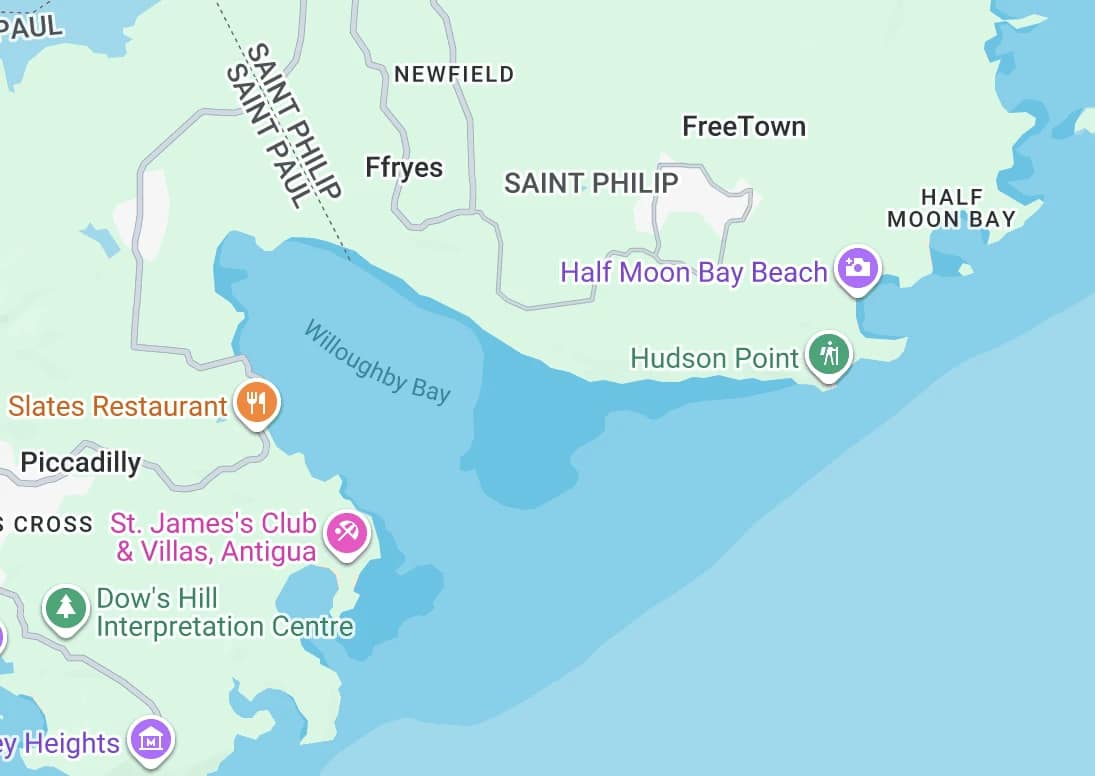
  • Willoughby Bay Next for Airbnb Investment After Pensioners Beach Sell-Out

    Willoughby Bay Next for Airbnb Investment After Pensioners Beach Sell-Out

    Antigua and Barbuda’s government is advancing plans to replicate its successful locally-owned Airbnb investment model at Willoughby Bay, Prime Minister Gaston Browne announced during his weekly radio appearance on Pointe FM’s ‘Browne and Browne’ programme. This expansion initiative follows the complete sell-out of investment lots at the pioneering Pensioners Beach development.

    The Prime Minister revealed that overwhelming domestic interest has exhausted all available parcels at Pensioners Beach, demonstrating robust demand among Antiguans and Barbudans seeking entry into the short-term rental market. ‘The Pensioners Beach lots are fully sold out,’ Browne stated, characterizing the response as evidence of widespread public enthusiasm for tourism investment opportunities.

    This innovative approach represents a strategic shift in tourism development policy, prioritizing citizen participation through land development initiatives and targeted concessions. The model deliberately facilitates broader economic inclusion by enabling ordinary citizens to own income-generating tourism assets, rather than concentrating investment opportunities among large external operators.

    Browne emphasized that expanding local ownership in tourism constitutes a fundamental component of the government’s economic empowerment agenda. The Willoughby Bay project will mirror Pensioners Beach’s framework, utilizing similar mechanisms to encourage community-level investment in hospitality infrastructure.

    The Prime Minister directly linked this initiative to the burgeoning significance of Airbnb accommodations within the broader tourism sector, noting that platform-based rentals offer relatively accessible entry points for local investors seeking to benefit from the nation’s tourism economy.

  • Chinese Zijin Gold breidt wereldwijd uit met overname van Canadese Allied Gold

    Chinese Zijin Gold breidt wereldwijd uit met overname van Canadese Allied Gold

    Chinese mining giant Zijin Mining Group has unveiled plans to acquire Canadian miner Allied Gold Corporation in a landmark cash transaction valued at approximately C$5.5 billion (US$4.02 billion). The strategic move signals Zijin’s continued global expansion efforts, strategically timed during a period of unprecedented gold prices that have significantly enhanced profitability across the mining sector.

    The acquisition comes as gold prices maintain record-breaking levels driven by global economic uncertainties and increased demand for safe-haven investments. These market conditions have made gold mining companies particularly attractive to investors while accelerating industry consolidation trends.

    Under the agreement terms, Zijin will pay C$44 per share, representing a 5.4% premium over Allied Gold’s recent closing price. The announcement immediately triggered a nearly 4% surge in Allied’s premarket trading activity in U.S. markets. Allied Gold CEO Peter Marrone emphasized that the transaction delivers “significant value for shareholders” while highlighting the scale of the company’s African gold portfolio.

    The transaction, expected to finalize by late April 2026, occurs against the backdrop of improving Canada-China trade relations. Both nations recently reached preliminary agreements to reduce import tariffs on electric vehicles and canola oil while committing to further diminish trade barriers and enhance strategic cooperation.

    Zijin, ranking among the world’s largest gold producers with operations across nine countries, demonstrated strong market performance following its Hong Kong listing last year, bolstered by the sustained gold price rally. The company maintains significant presence in Suriname through its ownership of Rosebel Gold Mines, one of the country’s largest gold operations that plays vital role in the Surinamese economy.

    The acquisition agreement includes a termination clause requiring Allied to pay Zijin C$220 million if the deal fails under specified conditions. This move exemplifies broader industry trends where major producers expand their portfolios through strategic acquisitions of long-life assets rather than exclusively investing in new mine development.

  • Finance Ministry proposes licensing requirement for cruise ship casinos

    Finance Ministry proposes licensing requirement for cruise ship casinos

    The Dominican government has initiated a groundbreaking regulatory move targeting the cruise tourism sector by introducing comprehensive licensing requirements for vessel-based casinos. The Ministry of Finance and Economy has unveiled a draft resolution mandating that first-class cruise ships featuring gambling facilities must obtain official authorization to operate within Dominican territorial waters for durations exceeding six hours.

    This pioneering regulatory framework comes in response to the substantial growth in cruise tourism, with official statistics revealing 788 cruise vessels transporting over 2.8 million passengers visited the Caribbean nation in 2025. The proposed legislation specifically addresses vessels with passenger capacities exceeding 2,000 individuals, subjecting them to identical regulatory standards applied to land-based casinos in premium hotels. The initiative primarily aims to combat potential financial crimes, including money laundering operations and terrorist financing activities that could originate from maritime gambling establishments.

    Under the proposed regulatory structure, cruise ship casino operators must secure licenses through the Directorate of Casinos and Gambling, supported by a substantial performance bond equivalent to RD$20 million. The licensing fee structure operates on a tiered system: vessels accommodating 2,000-3,499 passengers face a RD$1 million fee, while those with 3,500+ passenger capacity require RD$1.5 million. Each license permits exclusively one gaming facility per vessel, remains non-transferable between operators, and maintains validity for five-year terms. License renewal costs are established at 50% of the original fee amount.

    Supplementary operational provisions include annual fees ranging from RD$600,000 to RD$800,000, determined by the quantity of active gaming tables. The regulation further restricts vessels to 15 annual entries into Dominican waters, imposing an additional RD$15,000 charge for each extra entry. All financial obligations will be directed to the National Treasury, with annual adjustments reflecting Consumer Price Index fluctuations. The draft resolution currently remains open for public consultation, inviting stakeholder feedback before final implementation.

  • AIRD calls on CAASD to halt water rate adjustment citing disproportionate hike

    AIRD calls on CAASD to halt water rate adjustment citing disproportionate hike

    SANTO DOMINGO – The Association of Industries of the Dominican Republic (AIRD) has issued a formal demand for the immediate suspension of a drastic water and sewerage tariff adjustment implemented by the Santo Domingo Water and Sewerage Corporation (CAASD). The industrial group has condemned the measure as both disproportionate and unjustified, citing staggering increases of up to 400% imposed on the industrial sector without prior consultation.

    In an official statement, the AIRD voiced profound concern regarding the detrimental economic impact of the escalated fees. The association is urgently appealing to authorities to undertake a comprehensive review of the decision, insisting that any such policy must adhere to fundamental principles of legality, transparency, and inclusive public dialogue with all affected productive sectors. The organization leveled strong criticism at the CAASD for its failure to engage in preliminary discussions and for proceeding in the absence of published technical studies to rationally justify the substantial hike.

    Mario Pujols, Executive Vice President of the AIRD, articulated the association’s readiness to collaborate with officials in developing equitable and balanced solutions. However, he emphasized that any modifications to utility tariffs must be predictable, implemented gradually, and firmly grounded in sound legal and technical analysis. Pujols highlighted a critical operational concern: the abrupt enforcement of the new rates, devoid of any transitional period, severely disrupts the financial planning and budgetary frameworks of companies. This timing is particularly problematic as numerous businesses had already finalized and approved their financial budgets for the upcoming year, 2026.

    Furthermore, Pujols raised a significant alarm over the creation of a substantial pricing disparity between domestic industries and companies operating within free trade zones. He argued that this discrepancy severely undermines the competitiveness of local manufacturers and establishes a regime of discriminatory treatment. Concluding his remarks, the executive called for enhanced transparency and the application of consistent, fair criteria in water and sewerage tariff policies across the nation, warning that the ultimate burden of such measures is inevitably passed on to industrial costs and, consequently, consumer prices.

  • WIOC to Increase Refundable Deposits on New LPG Cylinders from Feb. 1

    WIOC to Increase Refundable Deposits on New LPG Cylinders from Feb. 1

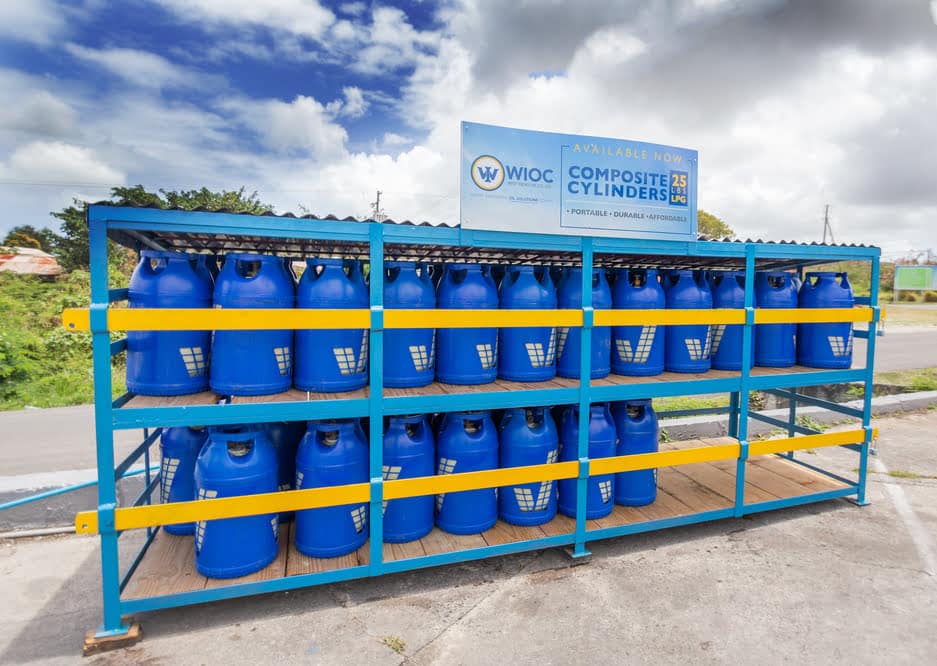
    Effective February 1, 2026, The West Indies Oil Company Ltd. (WIOC) will implement increased refundable deposits for new liquefied petroleum gas (LPG) cylinders, attributing the adjustment to inflationary pressures affecting supplier costs. The company clarified that this change exclusively impacts new cylinder acquisitions while maintaining current refill pricing structures.

    In an official communication, WIOC detailed how escalating manufacturing, procurement, and international shipping expenses have necessitated this financial adjustment. The revised deposit framework maintains the 20-pound cylinder deposit at $100 with a $32 refill charge, keeping the total new cylinder cost at $142. However, 25-pound composite cylinder deposits will rise from $125 to $150, coupled with a $40 refill fee, creating a new total of $190. The most significant change affects 100-pound cylinders, where deposits increase from $250 to $275 alongside a $155 refill cost, resulting in a $430 total investment.

    Crucially, WIOC emphasized that existing customers remain unaffected unless they purchase additional cylinders. The company’s Friars Hill Road facility and authorized distributors will implement these changes uniformly. WIOC expressed appreciation for public understanding while reaffirming its dedication to delivering safe, reliable, and economically viable LPG services throughout the region.

  • Rising Opposition as BTL Moves Toward Speednet Acquisition Vote

    Rising Opposition as BTL Moves Toward Speednet Acquisition Vote

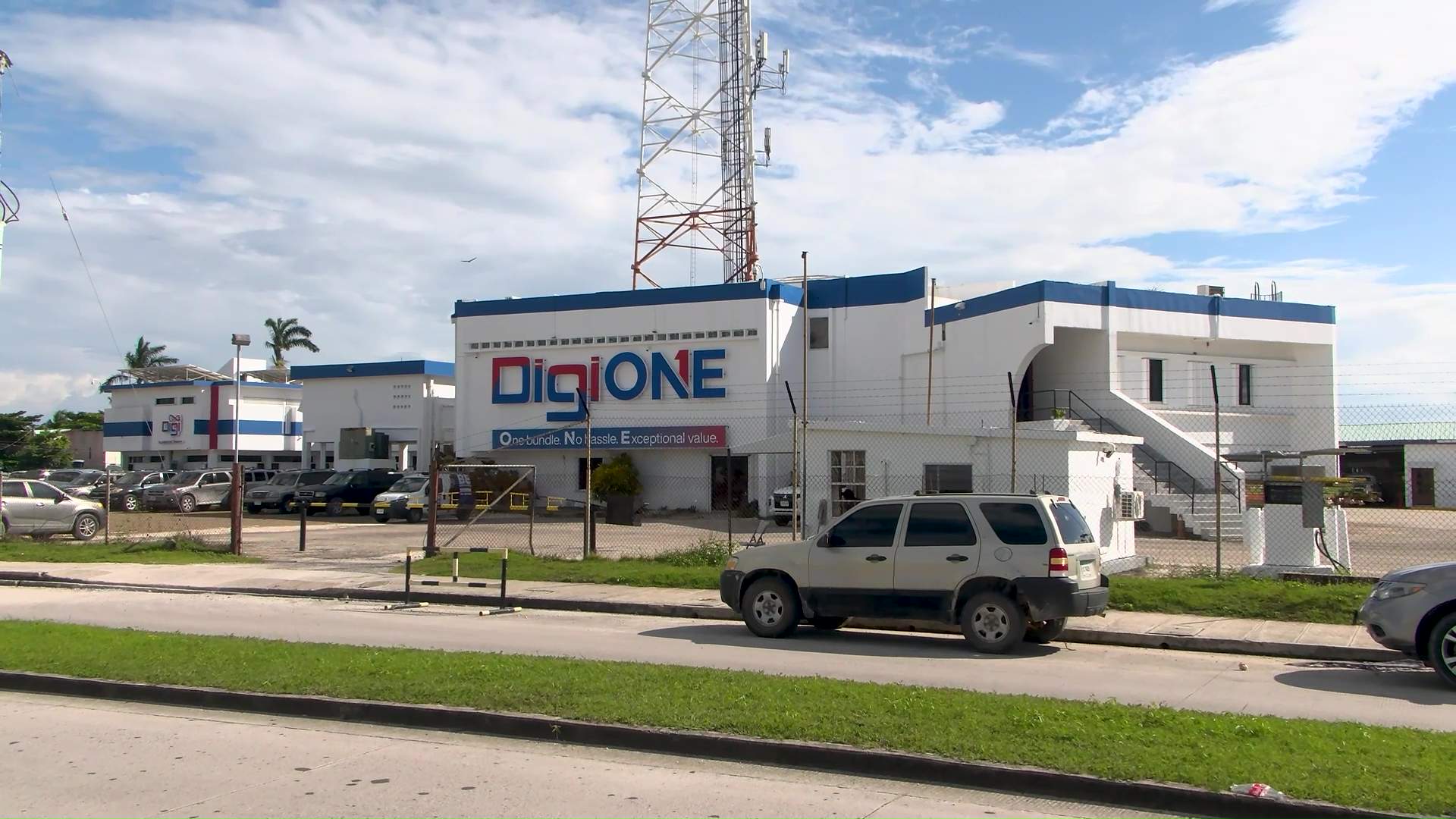
    BELIZE CITY – A major corporate acquisition faces mounting opposition as Belize Telemedia Limited (BTL) moves toward a decisive vote on its proposed takeover of Speednet. With the board reportedly preparing to decide as early as Tuesday, January 27th, 2026, the Belize Chamber of Commerce and Industry (BCCI) has issued a formal demand for government intervention.

    The Chamber’s strongly-worded statement calls on the government, which holds controlling interest in BTL, to halt any binding decisions until comprehensive stakeholder consultations occur. BCCI representatives have secured a meeting with BTL management scheduled for Wednesday, but express deep concern that a board vote preceding this dialogue would render their engagement merely ceremonial.

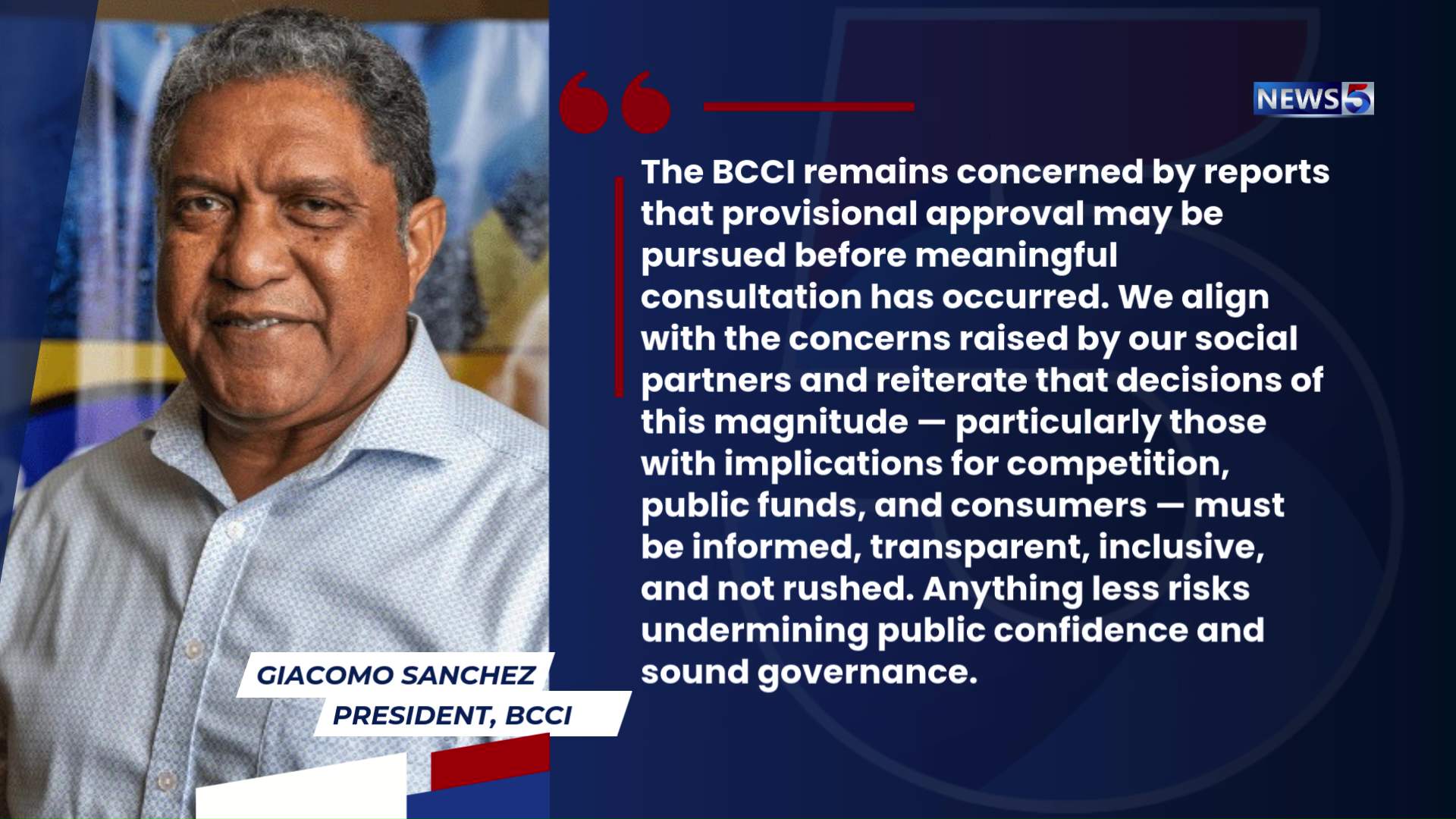
    BCCI President Giacomo Sanchez conveyed the business community’s apprehension in exclusive comments to News Five, stating that reports of provisional approval being advanced without proper discourse remain deeply troubling. Sanchez emphasized that transactions of this magnitude, carrying significant implications for market competition, public expenditure, and consumer welfare, demand absolute transparency and inclusive decision-making processes.

    The escalating controversy highlights fundamental questions about corporate governance and public accountability. Sanchez warned that proceeding without genuine consultation risks eroding public trust and established governance standards, potentially setting concerning precedents for future state-involved business transactions.

  • NTUCB Members Reject BTL–Speednet Deal

    NTUCB Members Reject BTL–Speednet Deal

    In a significant development within Belize’s telecommunications sector, the National Trade Union Congress of Belize (NTUCB) has formally declared its opposition to the proposed acquisition of Speednet by Belize Telemedia Limited (BTL). The union’s position comes with a clear mandate from its membership, following a decisive vote during recent consultations with affiliate organizations.

    NTUCB President Ella Waight confirmed that the membership vote resulted in a strong rejection of the merger proposal, with the union now demanding an immediate suspension of the acquisition process. The organization warns that proceeding without comprehensive regulatory approval and an independent business valuation could jeopardize Belize’s entire telecommunications infrastructure and create dangerous market concentration.

    According to Waight, the vote against the acquisition was based on multiple critical concerns raised during membership consultations. Primary among these was the potential risk to Social Security Board dividends, given the board’s substantial 33% ownership stake in BTL. Members also expressed apprehension about how market consolidation would affect customers of both BTL and Smart services, alongside broader implications for Belizean taxpayers and telecommunications workers.

    The union president highlighted additional concerns about media freedom, noting that telecommunications monopolies could potentially compromise independent journalism through controlled access to communication channels. Waight particularly emphasized the questionable $80 million price tag associated with the acquisition, describing it as difficult to justify without transparent financial documentation.

    The NTUCB’s position emerged from what Waight characterized as insufficient information and unsatisfactory responses to stakeholder questions during consultation processes. The organization now calls for a deliberate slowdown of the acquisition process to allow for proper public disclosure and thorough regulatory examination, arguing that Belize cannot afford to gamble with such crucial national infrastructure.

  • RUSAL returning to Guyana

    RUSAL returning to Guyana

    In a significant development for Guyana’s mining sector, Russian aluminum giant RUSAL has finalized arrangements to restart bauxite mining operations in the Upper Berbice region after a six-year absence prompted by a severe industrial dispute. The announcement came during Finance Minister Dr. Ashni Singh’s 2026 national budget presentation, where he revealed that the government had reached an agreement with the company “a few days ago” to commence preparatory works this year.

    Minister Singh stated that throughout 2026, the operator will progress work to restore all critical systems to enable safe and reliable production resumption. Natural Resources Minister Vickram Bharrat corroborated the news, confirming to Demerara Waves Online News that the returning company is indeed RUSAL, which had previously withdrawn its machinery and equipment from Aroaima following violent labor unrest.

    The original dispute erupted when RUSAL dismissed over 100 workers after failing to obtain duty-free concessions on fuel, sparking strikes that escalated into boat blockades and property destruction. The Guyana Bauxite and General Workers Union (GBG&WU) had initially advocated for RUSAL’s complete departure from Guyana rather than continued operation amid alleged workers’ rights violations.

    The company’s 2020 closure had ripple effects across the supply chain, including the withdrawal of German shipping firm Oldendorff, which had been responsible for transshipping bauxite to stockpile vessels near the Atlantic Ocean for loading onto international cargo ships. The return of RUSAL signals potential economic reactivation for the region’s mining-dependent communities, though it remains to be seen how labor relations will evolve following the previous contentious departure.