分类: business

  • Over 18,000 Cruise Passengers and Crew Arrive in St John’s Harbour in Single Day

    Over 18,000 Cruise Passengers and Crew Arrive in St John’s Harbour in Single Day

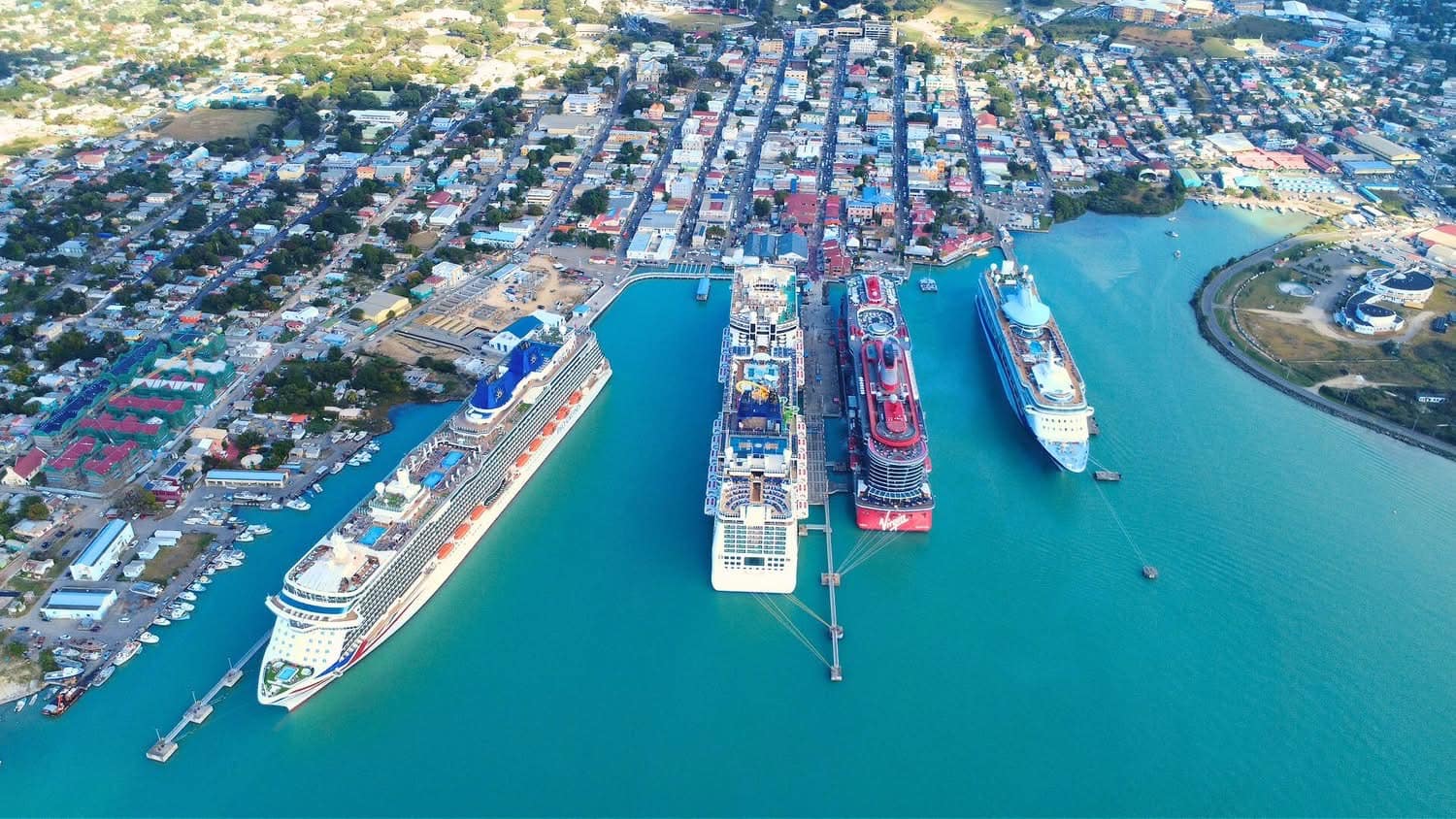
    Antigua’s tourism sector demonstrated robust performance as St. John’s Harbour witnessed an exceptional surge in maritime activity with five cruise vessels simultaneously docking, bringing a substantial influx of 18,399 visitors and crew members to the island nation. The remarkable event highlighted the Caribbean destination’s growing appeal within the global cruise industry landscape.

    According to data released by Antigua Cruise Port, the arrival breakdown comprised 13,229 passengers and 5,170 crew members across the five vessels. The Norwegian Epic led the fleet with the largest contingent of 4,484 passengers complemented by 1,571 crew, followed closely by Britannia transporting 3,629 passengers and 1,351 crew members. The Celebrity Ascent contributed significantly with 3,181 passengers and 1,430 crew, while Marella Discovery 2 added 1,835 passengers and 743 crew. The luxury yacht Emerald Sakara completed the fleet with 100 passengers and 75 crew members.

    Port authorities emphasized that these substantial arrivals represent more than isolated events, noting that many vessels are making repeat visits to Antigua’s shores. This consistent weekly traffic pattern generates stable economic opportunities for local stakeholders including tour operators, retail establishments, and transportation services. The recurring nature of these visits indicates strong relationship building with major cruise lines and satisfaction with port facilities and services.

    The current 2025/2026 cruise season continues to demonstrate sustained growth and operational resilience for Antigua and Barbuda’s maritime infrastructure. Industry officials confirmed that additional vessel calls are scheduled in the coming weeks, signaling continued confidence in the destination’s appeal and the port’s capability to handle high-volume maritime traffic while maintaining service excellence.

  • Fort James Targeted for Development as Cruise Passenger Numbers Climb

    Fort James Targeted for Development as Cruise Passenger Numbers Climb

    Antigua is embarking on a strategic expansion of its tourism infrastructure beyond the immediate port area to accommodate a surge in cruise passenger arrivals, with the historic Fort James emerging as a key development focus. This initiative is a direct response to the mounting pressure on popular beaches near St. John’s, driven by a consistent increase in visitor numbers that is projected to reach nearly one million passengers this year.

    Gaspar George, General Manager of Antigua Cruise Port and Regional Director for Global Ports Holding, confirmed that collaborative discussions are advancing with the national government and local stakeholders. The objective is to develop Fort James, an area located just north of the capital, which has been historically underutilized despite its significant potential as a combined heritage and beach destination.

    The development strategy is designed not to replace but to complement the island’s existing attractions, effectively dispersing tourist traffic and alleviating congestion at currently overburdened sites. A significant contributor to the increased footfall is the rise in home-porting activities, which results in visitors spending more extended periods in and around St. John’s, thereby creating a pressing demand for a wider array of recreational and touristic options.

    The overarching goal of this public-private partnership is to systematically elevate the overall quality of the visitor experience. By investing in new tourism avenues beyond the port gates, Antigua aims to enhance guest satisfaction, manage its growth sustainably, and solidify its position as a premier cruise destination in the Caribbean.

  • Antigua Cruise Port to Modernize Taxi Dispatch and Ground Transportation System

    Antigua Cruise Port to Modernize Taxi Dispatch and Ground Transportation System

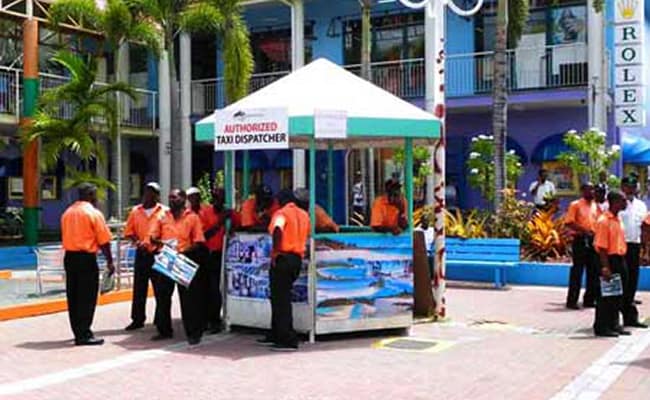
    Antigua Cruise Port has announced a comprehensive modernization initiative aimed at revolutionizing its taxi dispatch and ground transportation infrastructure. This strategic overhaul is designed to significantly enhance the visitor experience for the growing number of cruise passengers arriving on the island.

    The project focuses on implementing a structured, technology-driven system to replace existing informal operations. Key components include the introduction of a centralized dispatch mechanism, standardized fare structures, and advanced queue management solutions. The port authority is collaborating with local taxi associations and tour operators to ensure the new framework meets international standards while supporting local livelihoods.

    This modernization effort directly addresses common passenger concerns regarding transportation efficiency, pricing transparency, and overall service quality. By reducing wait times and clarifying costs, Antigua aims to boost its competitive position within the lucrative Caribbean cruise market. The upgraded system is expected to facilitate smoother passenger flow from ship to shore, encouraging higher spending on island excursions and local commerce.

    Industry analysts view this infrastructure investment as a critical step in sustainable tourism development. The initiative balances economic considerations with visitor satisfaction, creating a more organized and reliable first impression for tourists. Implementation will occur in phases, with full operational capability targeted for the upcoming peak cruise season.

  • Nevis cruise season intensifies as 19 vessels scheduled to arrive between February-April 2026 – WIC News

    Nevis cruise season intensifies as 19 vessels scheduled to arrive between February-April 2026 – WIC News

    The Caribbean island of Nevis is poised for a significant economic boost as its tourism ministry reveals an intensive cruise schedule for the latter half of the 2025-2026 season. Between February 24 and April 19, 2026, the island will welcome 19 cruise vessels carrying thousands of visitors, marking a substantial increase from the season’s first phase that ran from November 2025 through February 2026.

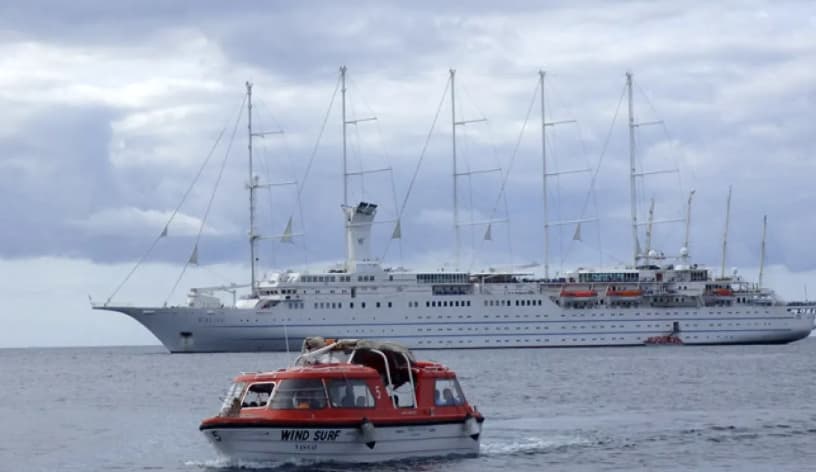
    The influx begins with Le Ponant’s arrival on February 24, followed closely by Sea Dream I and Club Med II in subsequent days. The schedule features multiple return visits from prominent cruise lines including Wind Surf, Emerald Sakara, and repeated calls from Club Med II throughout March and April.

    This cruise tourism expansion underscores Nevis’s growing reputation as a premier Caribbean destination, offering diverse attractions from the golden sands of Pinney’s Beach with its iconic Sunshine’s beach bar to the serene hiking trails of Nevis Peak. Cultural and historical sites including Alexander Hamilton’s birthplace and the island’s botanical gardens provide additional draws for visitors.

    Local businesses across the tourism sector—including tour operators, restaurateurs, retail vendors, hoteliers, and transportation services—stand to benefit significantly from the increased visitor numbers. The concentrated arrival pattern demonstrates cruise lines’ confidence in Nevis’s infrastructure and appeal as a destination capable of handling multiple ship calls within short timeframes.

    The scheduled arrivals represent a strategic achievement for Nevis’s tourism authorities, who have successfully positioned the island as an attractive port of call despite competition from larger Caribbean destinations.

  • St. Kitts-Nevis-Anguilla National Bank Limited Celebrates 55 Years of Banking Under the Theme: “55 Years Together- Your Vision, Our Purpose”

    St. Kitts-Nevis-Anguilla National Bank Limited Celebrates 55 Years of Banking Under the Theme: “55 Years Together- Your Vision, Our Purpose”

    BASSETERRE, St. Kitts – February 16, 2026 marks a significant milestone for St. Kitts-Nevis-Anguilla National Bank Limited as it commemorates 55 years of dedicated financial service under the unifying theme “55 Years Together – Your Vision, Our Purpose.” Since its establishment in 1971, the institution has transformed from a visionary project into the Eastern Caribbean’s premier locally owned financial entity, fundamentally supporting the region’s economic and social advancement.

    The Bank’s 55th anniversary celebration honors decades of sustained progress and strategic growth. By harmonizing customer aspirations with corporate objectives, National Bank has solidified its position as an indispensable partner in the nation’s financial ecosystem, consistently reinforcing its operational foundations to maintain stakeholder and public confidence.

    A comprehensive series of events has been organized to celebrate this landmark achievement:

    • A Thanksgiving Church Service initiated the celebrations on February 8, 2026, at Rivers of Living Water Christian Centre, setting a tone of gratitude and reflection

    • Customer Appreciation Day will feature special tokens of gratitude distributed across all branches in St. Kitts and Nevis, acknowledging longstanding client support

    • The Sir Edmund Lawrence Scholarship Program launches as a flagship educational initiative honoring the Bank’s founding visionary, designed to foster youth development through academic support

    • A Community Beautification Project aims to enhance one of Basseterre’s most historically significant landmarks, demonstrating the Bank’s commitment to environmental preservation

    • A Banquet and Awards Ceremony will recognize exemplary employees and stakeholders whose contributions have shaped the Bank’s success story since its inception

    With assets exceeding $3 billion, deposits surpassing $2 billion, and a loan portfolio over $1 billion, National Bank reaffirms its commitment to St. Kitts and Nevis’ sustainable development. Publicly traded on the Eastern Caribbean Securities Exchange with over 5,000 shareholders—including the Government of St. Kitts and Nevis as majority stakeholder—the institution continues to provide comprehensive financial solutions supporting personal aspirations, business expansion, and community progress.

  • Dominican Republic ranks second in Latin America for tourist arrivals in 2025

    Dominican Republic ranks second in Latin America for tourist arrivals in 2025

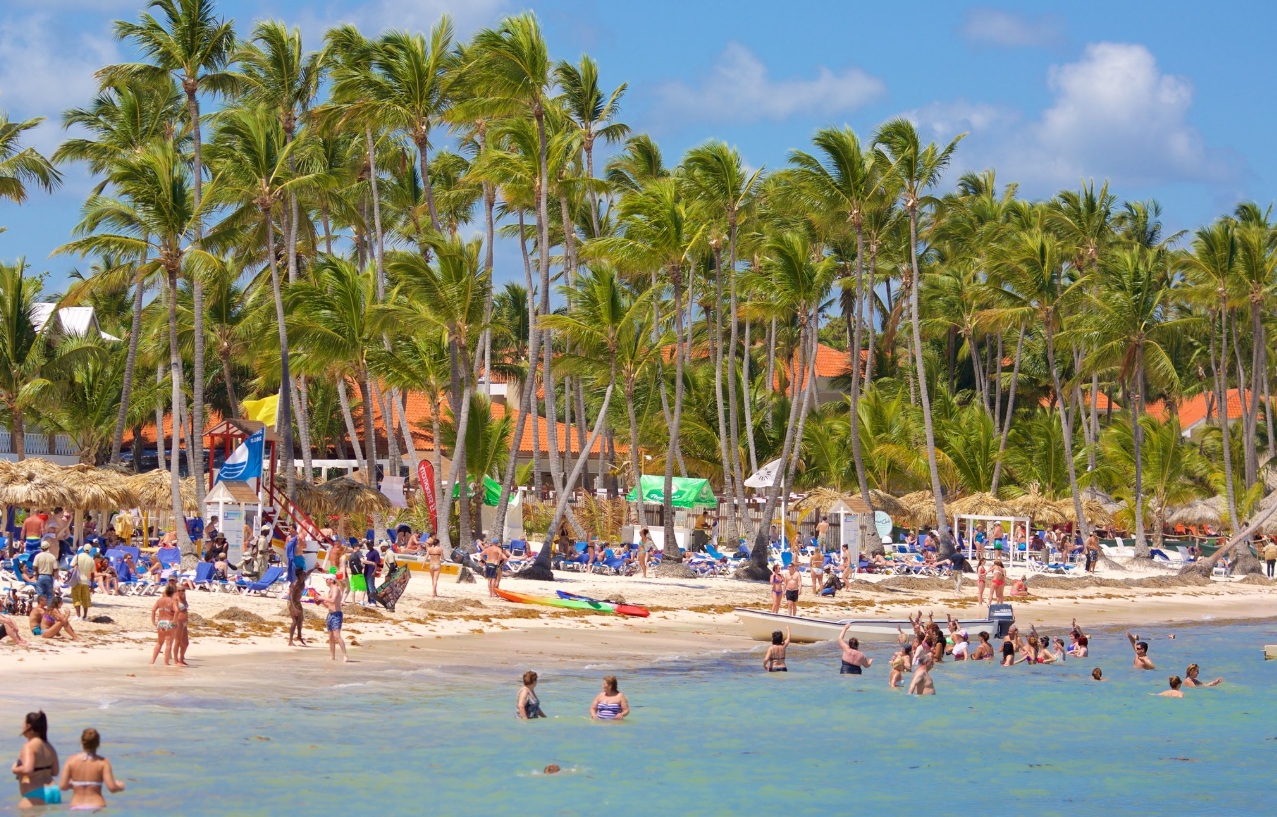
    The Dominican Republic has solidified its status as a tourism powerhouse, achieving the position of Latin America’s second most visited destination in 2025 according to the latest UN Tourism rankings. With an impressive 11.6 million international visitors recorded throughout the year, the Caribbean nation trails only Mexico in regional tourism popularity.

    UN Tourism data reveals that Latin America experienced robust recovery and growth in international arrivals throughout 2025, outperforming many other global regions. This resurgence underscores tourism’s critical function as an economic catalyst across Latin American nations, fueled by exceptional natural landscapes, rich cultural heritage, diverse culinary offerings, and continuously developing tourism infrastructure.

    The Dominican Republic’s tourism sector serves as a fundamental component of national economic strategy, driving substantial foreign exchange earnings and supporting widespread employment. The country’s consistent performance highlights its successful positioning within the competitive global tourism market.

    The regional ranking for 2025 places Mexico at the forefront, followed by the Dominican Republic, Brazil, Colombia, Chile, Argentina, Peru, Guatemala, Costa Rica, and Panama. This distinguished list demonstrates Latin America’s ascending prominence within international tourism circuits, with these ten nations collectively attracting millions of visitors and significantly contributing to regional economic development.

  • Belize Modernizes Transport with Unified Bus System

    Belize Modernizes Transport with Unified Bus System

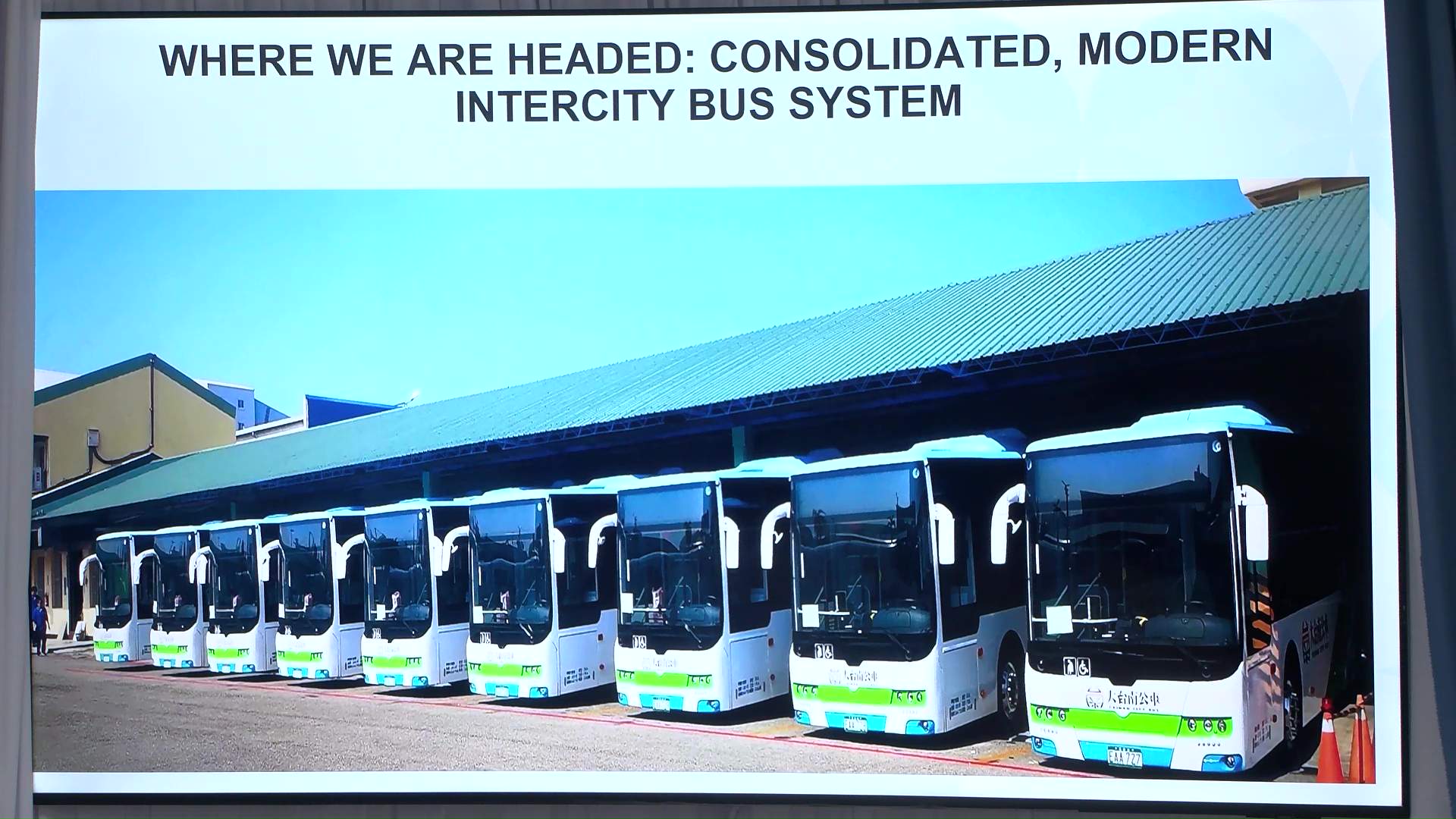
    In a landmark move to transform its outdated public transit network, Belize has officially launched the National Bus Company—a comprehensive $49.7 million modernization initiative that unifies private operators, government agencies, and international partners under a single, consolidated system.

    The ambitious project, announced Monday by the Ministry of Transport, represents the most significant overhaul of Belize’s transportation infrastructure in decades. For years, commuters have endured overcrowded buses, aging fleets, and safety concerns stemming from fragmented operations among 31 independent bus companies that dominated routes since the 1980s.

    Transport Minister Dr. Louis Zabaneh spearheaded the consolidation effort, presenting a vision to stakeholders that addresses perennial issues including mechanical failures, dilapidated vehicles, and dangerous highway racing between competing operators. ‘The relief mentioned this morning is that we won’t have to race again like we did before,’ Zabaneh noted, highlighting how the new system will rationalize routes and eliminate competitive pressures that compromised safety.

    The equity structure positions the Government of Belize with 45.76% ownership ($22.7 million in terminal assets), while 17 participating operators contribute 39.15% ($19.4 million) in shares. The remaining equity involves international partnerships.

    A cornerstone of the modernization includes transitioning to electric buses starting September, with each unit costing between $325,000-$400,000. The initiative also features newly designed terminals in Belize City and Orange Walk Town that promise enhanced passenger comfort and operational efficiency.

    Dr. Gilroy Middleton of the implementation committee emphasized the human impact: ‘People are tired of riding preschool buses where your feet don’t fit. We’re looking at reliability, comfort, and raising standards.’

    The transformation follows extensive consultations beginning May 2025, overcoming initial skepticism through what CEO Chester Williams described as ‘building trust’ with operators who had expressed dissatisfaction with previous administration attempts.

  • Belize’s Transit Overhaul Gains Momentum with Tighter Legal Framework

    Belize’s Transit Overhaul Gains Momentum with Tighter Legal Framework

    Belize’s ambitious public transportation modernization initiative reaches a critical milestone as the government establishes comprehensive legal protections for the newly formed National Bus Company. This strategic move aims to transform decades of fragmented and inefficient service into a unified, reliable network through a carefully structured public-private partnership.

    The Ministry of Transport has engaged prominent legal firm Courtenay Coye LLP to draft the foundational documents, including articles of incorporation and memorandum of association, with the company officially incorporated last week. The legal framework extends beyond formation documents to include a detailed PPP Agreement between the company and Belizean government, plus forthcoming National Bus Company Act legislation that will provide statutory protection against future political interference.

    Transport CEO Chester Williams emphasized the preventive nature of these measures: “To ensure there is not a repeat of what happened [in previous failed consolidations], we have engaged Courtenay and Coye Law Firm to develop the legal framework for us. All operators who agreed to be part of this venture signed agreements not to compete with the National Bus Company.”

    Transport Minister Dr. Louis Zabaneh highlighted lessons learned from past experiences: “What the Novelo company did not have is legislation to protect them. We’re implementing provisions that clearly outline how road service permits under the National Bus Company are to be preserved and how future permits will be issued.” The ministry anticipates that potential legal costs and widespread public support from extensive consultations will create additional barriers against future attempts to dismantle the system, ensuring long-term stability regardless of political changes.

  • Economy : All the details on the digitized Professional Identity Card (CIP)

    Economy : All the details on the digitized Professional Identity Card (CIP)

    In a significant move to formalize its predominantly informal economy, Haiti has launched a digitized Professional Identity Card (CIP) system through the Ministry of Commerce and Industry. This initiative, supported by the Inter-American Development Bank, represents a pragmatic approach to addressing administrative challenges that have long hampered economic development.

    The digital CIP platform (guichet.mci.ht/cip) specifically targets individual entrepreneurs and sole proprietorships—the backbone of Haiti’s economy where over 80% of employment remains informal according to UNDP 2021 data. These micro-entrepreneurs, who regularly buy, sell, and provide services, now have a streamlined process for obtaining professional certification.

    The application process involves five key steps: creating an online account, uploading required documents (including national ID and tax number), digital payment via mobile money services MonCash or NatCash, online tracking with QR code verification, and final physical card collection from ministry offices.

    While currently excluding corporate entities, the system delivers tangible benefits including reduced processing times, decreased physical travel to government offices, enhanced payment traceability, and improved accessibility for unbanked entrepreneurs. These advantages are particularly valuable in a context where mobility constraints and administrative delays have traditionally discouraged formalization.

    However, the reform faces structural challenges including limited scope for complex business structures, underdeveloped data protection frameworks, restricted payment options, and need for better integration with other registration systems. The initiative also highlights the important distinction between the CIP (economic formalization tool) and Haiti’s National Identification Card (civil and political identity document).

    This digital transformation represents a gradual but meaningful step toward bringing Haiti’s significant informal sector—estimated to constitute over 50% of GDP—into the formal economy while adapting to local realities and constraints.

  • Natural gas development offshore Guyana depends on “pace” of govt’s systems, rules- ExxonMobil

    Natural gas development offshore Guyana depends on “pace” of govt’s systems, rules- ExxonMobil

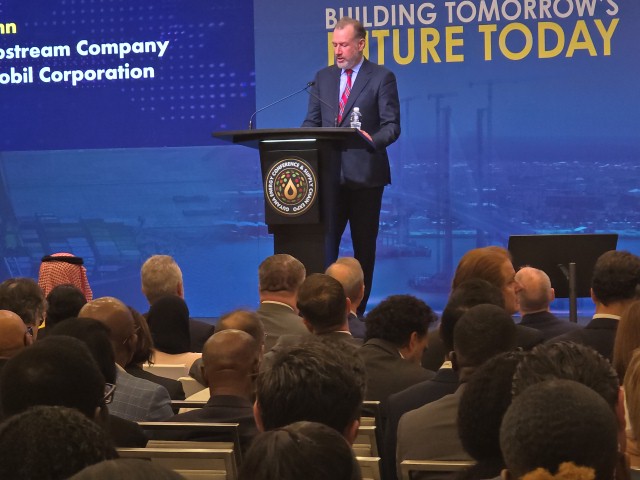
    ExxonMobil has articulated that the timeline for developing Guyana’s substantial offshore natural gas reserves is contingent upon the efficiency of the nation’s regulatory frameworks and bureaucratic processes. Dan Ammann, President of ExxonMobil Upstream Company and Vice President of ExxonMobil Corporation, delivered this message as a keynote at the 2026 Guyana Energy Conference.

    Ammann emphasized that the successful model employed for Guyana’s rapid oil development—characterized by transparent roles, shared standards, and disciplined execution—must be replicated and intensified for the more complex gas sector. He outlined that gas development necessitates an integrated value chain, including specialized infrastructure for processing, compression, pipelines, and power systems, which requires synchronization across upstream, midstream, and downstream sectors.

    The energy giant’s commitment is to move in ‘lockstep’ with the government. Ammann stated that ExxonMobil’s investment and project advancement are directly tied to the pace of governmental permitting, environmental reviews, market framework establishment, and final investment decisions. The readiness of the entire system, not just one company, dictates the development speed.

    As a specific example, Ammann highlighted the planned $6.8 billion Hammerhead project. Designed to produce up to 95 billion cubic feet of gas daily, it is conceived as an integrated project from inception, with a pipeline to shore. The gas allocation strategy is flexible: a portion will power the operational FPSO vessel, while the remainder will fuel the national gas-to-energy project, support future domestic industry, or be re-injected to optimize oil recovery, thereby maximizing overall resource value.

    Concurrently, Guyanese President Irfaan Ali announced progress on a separate, collaborative venture. He revealed that discussions with neighboring Suriname are ‘on target’ for a joint development of cross-border gas resources. This partnership aims to amalgamate gas supplies to transform a potential medium-scale project into a larger-scale initiative, enhancing economic benefits for both nations and the wider region. President Ali noted that investors are poised, awaiting these critical bilateral decisions.