分类: business

  • OECS Sees Tourism as Key Growth Driver Amid Push for Greater Resilience

    OECS Sees Tourism as Key Growth Driver Amid Push for Greater Resilience

    BASSETERRE, St. Kitts — Against a backdrop of mounting geopolitical tensions and evolving worldwide economic dynamics, authorities within the Organisation of Eastern Caribbean States (OECS) are reaffirming their conviction in tourism’s pivotal role as an engine for sustainable prosperity.

    As small island nations grapple with an increasingly fragmented international environment, regional governance is concentrating efforts on reinforcing economic foundations across five critical development pillars—with tourism occupying a prominent position in this strategic framework.

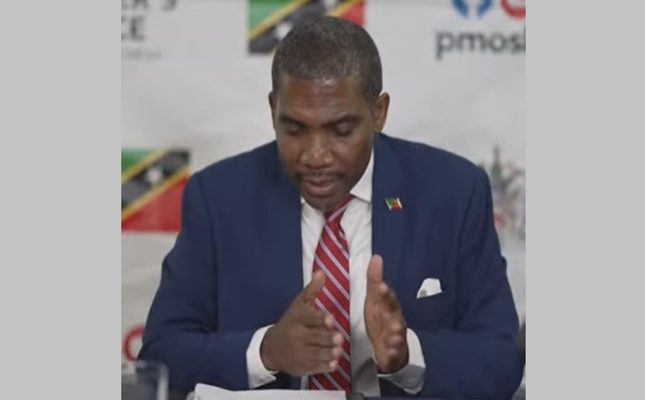
    During the recent 112th Meeting of the Monetary Council, St. Kitts and Nevis Prime Minister Dr. Terrance Drew responded to press inquiries regarding the sector’s trajectory, particularly concerning geopolitical realignments in the United States—the region’s primary tourism source market.

    While acknowledging potential vulnerabilities stemming from fluctuations in the U.S. employment landscape, Dr. Drew highlighted the industry’s demonstrated robustness through recent performance metrics. “With arrival figures reaching 3.3 million visitors contributing billions to our economies, the sector has proven its durability,” the Prime Minister stated. “Despite evolving conditions, we anticipate continued economic expansion in the United States, which bodes well for our tourism ecosystem.”

    This optimism finds support in International Monetary Fund projections forecasting approximately 2.4 percent growth for the U.S. economy this year. Regional data further substantiates this positive outlook, with Caribbean destinations including St. Kitts and Nevis recording increased visitor numbers throughout the previous year.

    Nevertheless, OECS leadership emphasizes that quantitative growth alone remains insufficient. Current priorities center on enhancing sectoral resilience and building capacity to withstand external disruptions. “Our objective transcends mere expansion—we must cultivate a more robust tourism architecture capable of delivering sustained benefits while advancing to new developmental stages,” Dr. Drew explained.

    Domestically, St. Kitts and Nevis has observed encouraging patterns, particularly during the recent Christmas carnival season which yielded significant arrival increases. As global uncertainties persist, regional authorities express confidence that through strategic planning and sustainability-focused initiatives, tourism will maintain its status as an economic cornerstone throughout the OECS member states.

    The Prime Minister concluded: “Our unified strategy will foster both growth and resilience within the tourism sector, ensuring not only recovery but substantial expansion opportunities in the coming years.”


  • President Abinader inaugurates Procigar Festival 2026

    President Abinader inaugurates Procigar Festival 2026

    SANTIAGO DE LOS CABALLEROS – President Luis Abinader formally commenced the XVIII Procigar Festival 2026 on Wednesday, marking a pivotal moment for the Dominican Republic’s premium cigar sector. This prestigious gathering, recognized as the premier international exhibition for Dominican cigars, has drawn producers, master blenders, distributors, and enthusiasts from over 40 nations, significantly enhancing the global stature of Dominican tobacco and underscoring its substantial economic impact.

    President Abinader’s presence at the inaugural ceremony emphasized his administration’s dedication to an industry deemed strategically vital for generating employment, boosting exports, and fostering development in free trade zones and tobacco-growing communities. His participation served to reinforce the sector’s reputation as a worldwide emblem of Dominican excellence and its crucial role in the socioeconomic advancement of the Cibao region—a hub where ancestral traditions converge with modern investment, innovation, and production expertise.

    Litto Gómez, President of Procigar and founder of La Flor Dominicana, expressed gratitude for the presidential endorsement and highlighted the industry’s consistent expansion, attributing much of this success to effective public-private partnerships. Procigar, which represents the nation’s foremost premium cigar manufacturers, organizes the festival to provide an immersive experience that blends cigar craftsmanship with high-end entertainment and product showcases.

    Festival attendees are treated to guided tours of local tobacco fields and manufacturing facilities, offering an intimate glimpse into the transformation of raw leaves into internationally acclaimed cigars. The agenda further incorporates cultural activities and exploratory tours that bridge industrial heritage with tourism, celebrating the Dominican Republic’s diverse attractions. Each evening culminates in a gala dinner attended by nearly a thousand domestic and international guests.

    The welcome dinner, centered thematically on cacao through its cuisine, desserts, liqueurs, and décor, officially launched the festival’s social itinerary. It symbolized both the annual reunion of cigar aficionados in Santiago and the inclusion of new participants.

    With this inauguration, the Procigar Festival 2026 not only amplifies its international influence but also solidifies the Dominican Republic’s position as a leading global authority in premium cigar production, backed by the highest levels of institutional support.

  • The UK is open for business

    The UK is open for business

    As Grenada prepared for its Independence Day celebrations, British Commissioner Victor Clark highlighted the United Kingdom’s deepening economic partnership with the Caribbean nation despite challenging global trade conditions. The recent visit of UK Trade Policy Head for the Caribbean Lorcan O’Brien, followed by delegations from Cambridge University and the Commonwealth Secretariat, underscored Britain’s commitment to supporting Grenadian businesses through hands-on assistance and investment networking.

    The global trading landscape faces significant pressures from geopolitical tensions, slowing economic growth, and rising protectionism. These factors have fragmented supply chains, increased operational costs, and created widespread uncertainty for international commerce. However, the UK has maintained its dedication to rules-based trade, particularly through the comprehensive UK-Caribbean Economic Partnership Agreement (EPA). This arrangement provides Grenada with tariff-free, quota-free access to British markets for all goods except military equipment, offering a substantial competitive advantage over nations without similar agreements.

    Grenadian exporters benefit from established logistics networks, including multiple weekly flights operated by British Airways and Virgin Atlantic, alongside direct weekly shipping routes via Geest Line—all with available capacity. The UK’s support extends beyond market access to addressing critical challenges faced by Grenada’s small and medium-sized enterprises (SMEs), which form the backbone of the country’s private sector.

    Through the Commonwealth Investment Network, established with UK funding, three Grenadian businesses specializing in sargassum utilization, renewable energy, sustainable feeds, and agro-tourism received expert guidance and will pitch to potential British investors later this year. This initiative complements longstanding programs like Compete Caribbean, which has enhanced the competitiveness of Grenadian firms across fisheries, floriculture, and tourism sectors. Recent support through this program has been extended to the Simply Pure Agro-processing cluster.

    Recognizing the vulnerability of Caribbean businesses to climate change, the UK has invested in climate-resilient infrastructure, including healthcare facility retrofits, water projects, and renewable energy exploration. The development of parametric insurance products, partially underwritten by Britain, has already provided crucial payouts to SMEs, farmers, and fishers following Hurricane Beryl, while supporting broader infrastructure recovery.

    The UK’s partnership approach extends to empowering women entrepreneurs through the SheTrades Caribbean Hub, facilitating their expansion into regional and international markets. At a time when global economic fragmentation threatens prosperity, Britain remains committed to open trade, collaboration, and shared growth with Grenada, providing the tools and support necessary for Caribbean businesses to thrive internationally.

  • Central Bank targets 2027 for removal of British monarch from EC Currency

    Central Bank targets 2027 for removal of British monarch from EC Currency

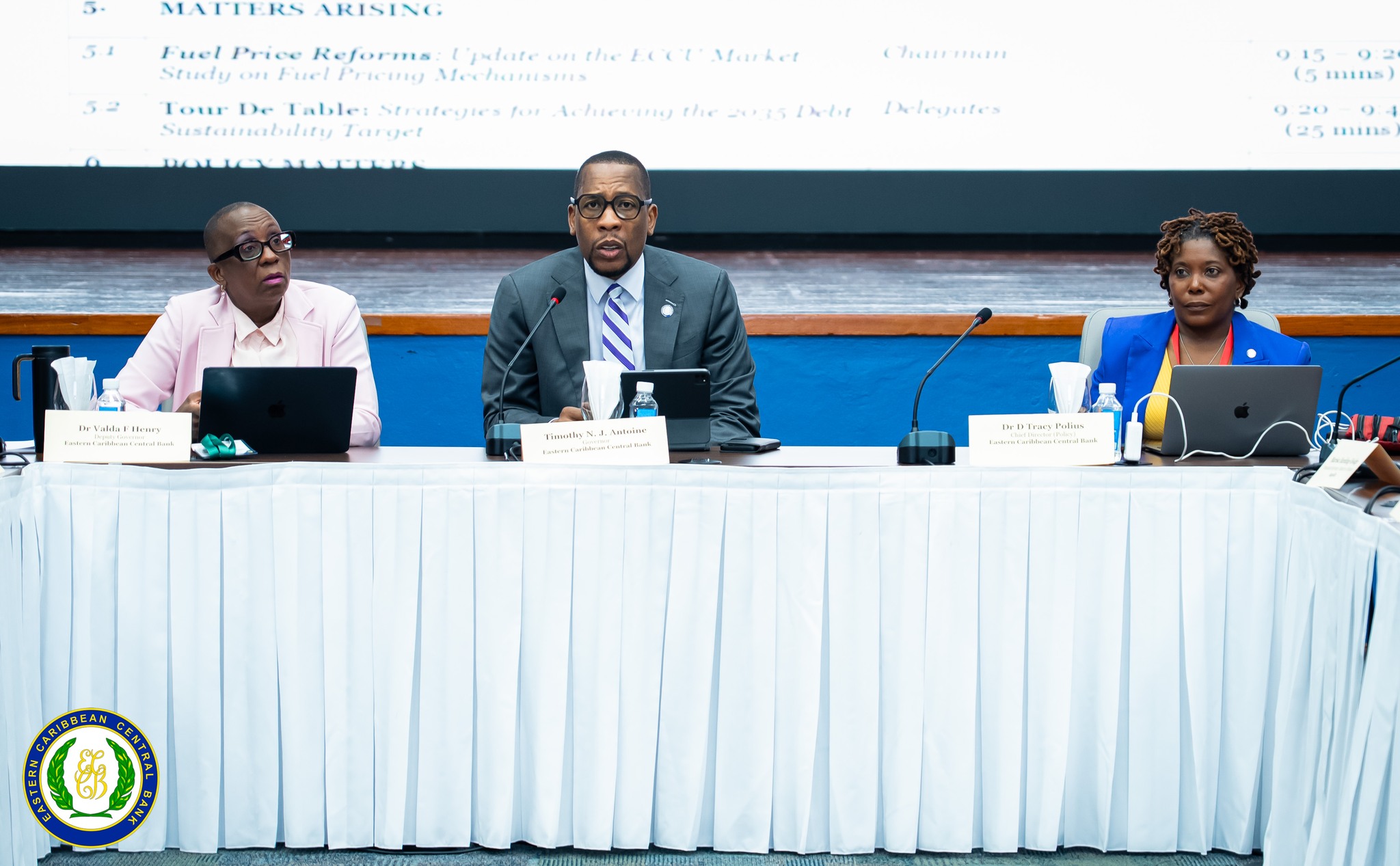
    The Eastern Caribbean Central Bank (ECCB) has confirmed its progressive approach to replacing the British monarch’s portrait with regional figures on EC currency notes. Governor Timothy N.J. Antoine revealed during the 112th Meeting of the ECCB Monetary Council that the transformation will occur incrementally rather than through immediate wholesale replacement.

    Antoine projected that the inaugural series of redesigned banknotes will likely debut in 2027, marking a significant milestone in the currency’s evolution. For generations, the late Queen Elizabeth II’s likeness has graced denominations ranging from EC$5 to EC$100, symbolizing the region’s historical connections to Britain within the Commonwealth framework.

    The transition initiative gained formal approval during the ECCB Monetary Council’s 105th meeting in St Vincent and the Grenadines in 2023. The council endorsed replacing monarchical imagery with the Eastern Caribbean Currency Union (ECCU) emblem, pending comprehensive public consultation processes.

    Governor Antoine hinted at potential preliminary unveilings coinciding with the 50th anniversary of the currency peg this July, suggesting the possibility of a ‘big reveal’ event. Importantly, the central bank clarified that existing currency will remain legal tender and will be gradually phased out through natural circulation attrition rather than forced withdrawal. The new notes featuring regional heroes and culturally significant imagery will enter circulation as worn notes are systematically retired from service.

  • Entrepreneurs operating informally urged to get regularised

    Entrepreneurs operating informally urged to get regularised

    KINGSTON, Jamaica — The Jamaican government is intensifying its campaign to integrate informal entrepreneurs into the formal economy, emphasizing the substantial advantages of business regularization. Delano Seiveright, State Minister in the Ministry of Industry, Investment and Commerce, is leading this initiative, urging informal business operators to formalize their ventures to unlock comprehensive government support mechanisms.

    Minister Seiveright articulated a critical shift in mindset that the government is advocating: a transition from a ‘hustle mentality’ to structured, long-term business operations. He highlighted that while many Jamaicans are actively engaged in commercial activities, the lack of formal structure limits their growth potential and access to vital resources. Formal registration, he insists, is the gateway to a broader spectrum of opportunities and a more sustainable business model.

    To facilitate this transition, the government has undertaken a significant digital transformation of its business services. The central hub for this effort is the official ministry website (miic.gov.jm), which integrates all key support agencies into a single, seamless digital ecosystem. This portal provides entrepreneurs with direct access to:
    – The Companies Office of Jamaica (COJ) for business registration.
    – Jamaica Promotions Corporation (JAMPRO) for trade and investment facilitation.
    – Jamaica Special Economic Zone Authority (JSEZA) for specialized economic zone activities.
    – Jamaica Business Development Corporation (JBDC) for micro and small enterprise support.

    Beyond this, the government offers a suite of sophisticated digital platforms designed to simplify regulatory compliance and market expansion. The Jamaica Business Gateway (JBG) streamlines business-to-government services, offering guidance on starting a business, accessing incentives, and securing permits and licenses. For international trade, the Jamaica Single Window for Trade (JSWIFT) portal centralizes applications for import/export licenses, while the Jamaica Trade Information Portal demystifies export-import regulations.

    A cornerstone of the capacity-building effort is the Export Academy, a collaborative digital platform run by JAMPRO and the Trade Board. This academy equips Jamaican entrepreneurs with the essential tools, knowledge, and international connections required to successfully navigate and compete in global markets.

    Minister Seiveright reaffirmed the government’s commitment to maintaining relevant, fit-for-purpose online platforms, ensuring that all entrepreneurs have the necessary information and mechanisms to build structured, resilient, and expanding businesses.

  • Mitchell blasts banks over cheque delays and ‘poor’ service

    Mitchell blasts banks over cheque delays and ‘poor’ service

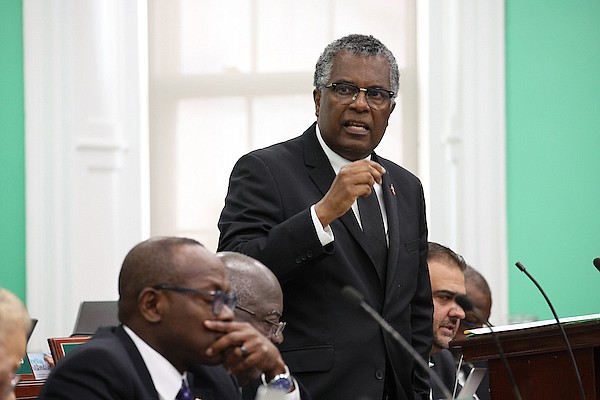
    Bahamian banking services are facing severe criticism from Progressive Liberal Party (PLP) chairman Fred Mitchell, who has called for immediate Central Bank intervention to address extensive check clearing delays affecting customers nationwide. The Fox Hill MP issued a forceful condemnation through a widely circulated voice note on Wednesday, revealing that constituents are experiencing what he characterized as “unacceptable” service quality within the financial sector. Mitchell’s concerns emerged after investigating a specific case where a customer endured a nine-day waiting period for a check to clear, with subsequent reports revealing similar patterns of systemic inefficiency. The parliamentarian emphasized that modern banking systems should process checks within 24 hours, attributing current delays to insufficient technological investment and outdated infrastructure. He provided striking international comparisons, noting that United States banking customers can deposit checks instantly through mobile applications, while African nations utilize SMS-based transaction systems that function with cash-like efficiency. Mitchell further accused financial institutions of deliberately steering customers toward digital services while simultaneously reducing in-person banking options and increasing service fees. He warned that governmental and corporate rhetoric regarding digital transformation and artificial intelligence remains meaningless without substantial infrastructure improvements. Expanding his critique beyond banking, Mitchell also targeted telecommunications services, connecting current deficiencies to the Free National Movement’s historical decision to privatize the Bahamas Telecommunications Company. The PLP chairman suggested his party would require additional governance terms to comprehensively address these lingering infrastructural challenges. This represents Mitchell’s latest intervention in ongoing banking sector controversies, following previous criticisms regarding account opening delays, escalating fees, and what he perceives as a premature transition away from cash-based transactions. He has indicated that legislative measures imposing stricter regulations on commercial banks might become necessary. Banking accessibility concerns have found resonance across political lines, with Free National Movement leader Michael Pintard having raised similar issues in Parliament during May 2025. Pintard highlighted the withdrawal of banking services from multiple Family Islands and advocated for stronger governmental oversight, referencing his party’s 2024 reform proposals that included restoring services to underserved communities and increasing Bahamian ownership within the financial sector.

  • Newly minted PSOJ president focused on achieving economic growth

    Newly minted PSOJ president focused on achieving economic growth

    KINGSTON, Jamaica — In a significant development for Jamaica’s economic landscape, the newly appointed president of the Private Sector Organisation of Jamaica (PSOJ), Patrick Hylton, has identified accelerated economic growth as the central priority for his administration. This strategic focus aims to propel the nation toward unprecedented levels of economic prosperity.

    During a recent high-level meeting with Prime Minister Andrew Holness, Hylton emphasized the critical importance of collaborative partnerships spanning government agencies, opposition parties, and civil society organizations to realize this ambitious objective. “A fundamental priority from my standpoint is inspiring Jamaicans to elevate their aspirations and redefine our national achievement targets,” stated the PSOJ president.

    Hylton outlined a visionary strategy centered on enabling domestic companies to scale beyond local markets and achieve regional dominance. His plan specifically targets expansion across the Caribbean’s English and Spanish-speaking territories, with subsequent growth into North American markets. “We must empower our businesses to transcend geographical limitations, exporting goods and services across diverse industries throughout the region and beyond,” he elaborated.

    Prime Minister Holness endorsed this growth-oriented vision, recognizing the private sector as the embodiment of Jamaica’s entrepreneurial dynamism. “The private sector represents the consolidated innovative energy of our nation. They serve as the primary implementers of government policies through strategic investments and development of new products and opportunities,” Holness affirmed, acknowledging their indispensable role in the Enterprise Jamaica initiative.

    The meeting also addressed fiscal policy concerns, particularly regarding asset tax reforms. Prime Minister Holness acknowledged these concerns while explaining current limitations: “Given Jamaica’s present economic circumstances, compounded by recovering from the third most powerful hurricane in recorded history to strike our island, implementing such changes remains fiscally unfeasible at this juncture.”

    Despite tax policy constraints, both leaders reaffirmed their commitment to strengthening public-private collaboration to advance national economic objectives, signaling a new chapter of coordinated economic development strategy.

  • JACRA to launch farmer education campaign to detail pricing of coffee

    JACRA to launch farmer education campaign to detail pricing of coffee

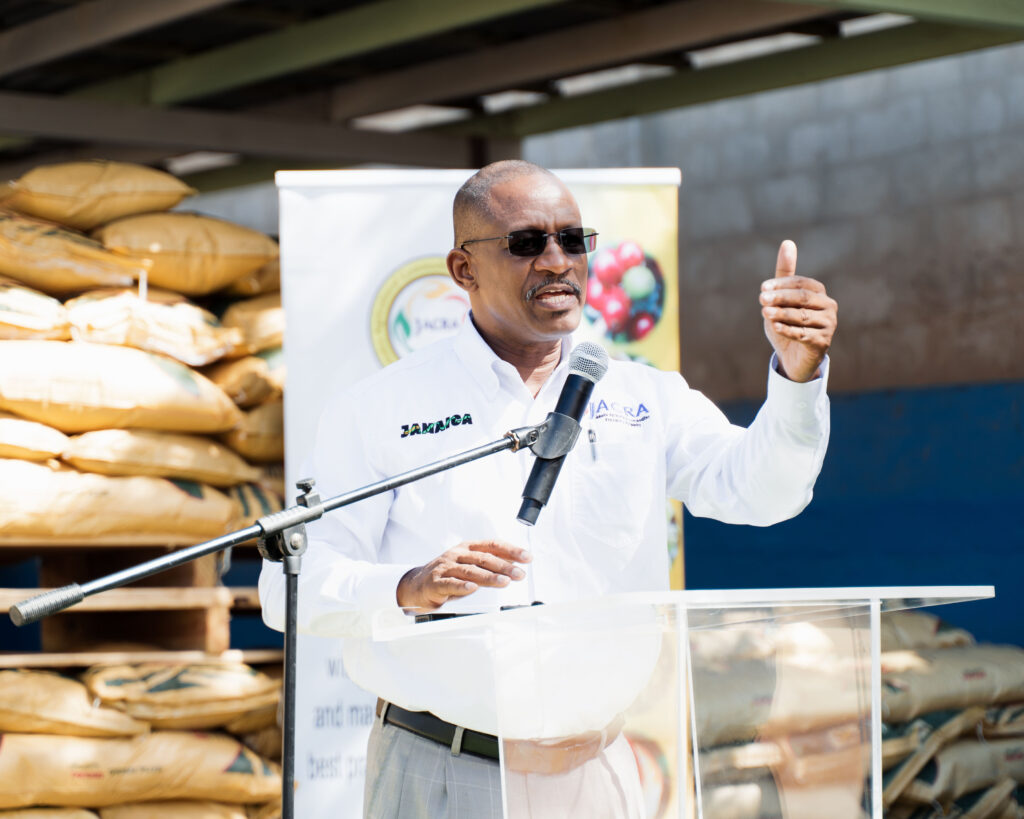
    KINGSTON, Jamaica—In response to mounting concerns from local coffee growers, the Jamaica Agricultural Commodities Regulatory Authority (JACRA) has announced an ambitious national education initiative designed to clarify the complex economic factors determining coffee box prices.

    The decision follows persistent expressions of dissatisfaction from agricultural producers regarding compensation levels for their harvests. JACRA Director General Wayne Hunter acknowledged the farmers’ frustrations while emphasizing the organization’s limited influence over market dynamics. “Neither JACRA nor any government minister possesses authority to establish coffee prices,” Hunter stated. “These are determined exclusively by market forces incorporating global benchmarks, quality specifications, and supply-demand equilibrium.”

    The comprehensive awareness campaign will elucidate multiple aspects of coffee economics, including international benchmark price mechanisms, the distinction between farmgate and export valuations, and detailed cost structures throughout the production chain. Additionally, it will provide guidance on enhancing profitability through advanced agricultural techniques and post-harvest processing methods that maximize quality premiums.

    Hunter stressed the program’s foundational philosophy: “Empowering farmers with complete comprehension of pricing derivation—from worldwide market fluctuations to processing and export expenses—represents our primary objective. Knowledge translates to operational advantage as we simultaneously educate and regulate.”

    The regulatory body reaffirmed its dedication to industry transparency, competitive practices, and long-term sustainability. JACRA, the Ministry of Agriculture, Fisheries and Mining, and the Jamaican government collectively maintain that coffee pricing remains market-driven, subject to intricate local and international variables including commodity exchange trends, quality parameters (bean dimensions, defect rates, moisture levels), processing overheads, currency exchange volatility, and production input costs.

  • Carnival holiday boosted tourism in Ecuador

    Carnival holiday boosted tourism in Ecuador

    Ecuador’s tourism industry has demonstrated remarkable growth during the recent Carnival celebrations, according to official data released by Minister of Production, Foreign Trade, Investment, and Fisheries Luis Alberto Jaramillo. National hotel occupancy rates reached 49.6 percent, marking a significant five percentage point increase compared to the same period in 2015.

    The domestic travel sector experienced substantial expansion with over 1.284 million trips recorded nationwide, representing a six percent surge from previous years. This increased mobility translated into considerable economic benefits, with total tourism expenditure reaching $81.9 million—a notable 12 percent rise compared to 2015 figures.

    Tourist spending encompassed multiple sectors including accommodation, transportation, food services, recreation, and local commerce. Geographical analysis revealed distinct travel patterns, with the highest occupancy concentrations occurring in the provinces of Bolivar and Tungurahua, regions traditionally known for their vibrant Carnival festivities.

    Coastal attractions proved equally popular, with significant visitor numbers heading to Santa Elena and the ecologically unique Galapagos Islands. Meanwhile, Pastaza province in the Amazon rainforest emerged as the fifth most visited destination, drawing nature enthusiasts with its exceptional biodiversity and natural wonders.

    Minister Jaramillo characterized these findings as evidence of a positive trajectory for Ecuador’s tourism model, noting that the sector is successfully contributing to national economic development while promoting income distribution across diverse regions of the country.

  • Jamaican Farmers to receive support through matching grant scheme backed by CDB

    Jamaican Farmers to receive support through matching grant scheme backed by CDB

    Jamaican agricultural producers are set to receive substantial financial empowerment through an innovative Matching Grant Scheme (MGS) introduced through a strategic partnership between the Jamaican government and the Caribbean Development Bank (CDB). This groundbreaking initiative, formally launched recently, represents a significant advancement in supporting the growth and modernization of Jamaica’s farming sector.

    The MGS operates as a key component within the broader Southern Plains Agricultural Development Project (SPFDP), which benefits from substantial funding amounting to £16.7 million provided through the United Kingdom Caribbean Infrastructure Programme (UKCIF) and administered by CDB. The scheme specifically addresses the critical financial constraints that have historically impeded small and medium-scale farmers from expanding their agricultural operations.

    Stephen Lawrence, Projects Department Advisor at CDB, emphasized the transformative potential of the program, noting that it fundamentally aims to empower agricultural producers to invest directly in their own development. Through cost-sharing arrangements for essential production and post-harvest infrastructure, the scheme effectively reduces financial barriers that have traditionally limited business expansion within the agricultural sector.

    The initiative aligns perfectly with SPADP’s comprehensive objectives to enhance farming conditions across 795 hectares in the Parnassus and Amity Hall regions. Beyond physical infrastructure improvements including advanced irrigation systems, drainage solutions, farm road networks, and support facilities, the project tackles persistent challenges such as climate variability, water scarcity, escalating input expenses, and restricted market accessibility.

    Jamaica’s Minister of Agriculture, Fisheries and Mining, Honourable Floyd Green, underscored the government’s unwavering commitment to developing a contemporary, resilient agricultural industry. He characterized the program as transcending mere supply distribution, instead focusing on equipping farmers with essential tools, knowledge, and confidence to function as competitive agribusiness entrepreneurs. Minister Green highlighted how such initiatives strengthen national food security, expand rural economic opportunities, and enhance Jamaica’s agricultural competitiveness in both domestic and international markets.

    During project planning phases, CDB identified that infrastructure development alone would insufficiently guarantee success. The bank recognized the crucial need to support informal farmers and vulnerable households lacking secure land tenure or modernization capital. Consequently, the MGS was strategically incorporated to bridge this gap, enabling resource-constrained farmers to formalize operations and maximize benefits from newly developed infrastructure.

    Vivion Scully, Chief Executive Officer of Agro-Investment Corporation (AIC), outlined the scheme’s focus on developing sustainable livelihoods and long-term agricultural growth. He explained that the support enables farmers’ transition from subsistence-based operations to structured, commercially viable production models. Through comprehensive provision of irrigation infrastructure, production inputs, specialized training, and business development guidance, the program invests directly in farmers’ capacity to increase yields, access new markets, and establish multigenerational sustainable operations.

    The MGS promotes adoption of climate-resilient technologies and enhanced post-harvest management practices, advancing Jamaica’s strategic objectives of increased productivity, reduced losses, and improved market competitiveness domestically and internationally. The scheme additionally enhances market readiness by assisting producers in meeting contemporary quality standards while fostering stronger commercial buyer relationships.

    Andrew Bowden, the UK’s Development Representative for Jamaica and Caribbean Regional Counsellor, highlighted how the scheme expands access to vital resources for traditionally underserved groups including women, youth, and vulnerable populations. By facilitating investments in modern irrigation, agricultural technologies, and agribusiness ventures, the program ensures farmers possess necessary tools, financing, and support mechanisms to fully utilize new Southern Plains infrastructure.

    The AIC will assume management responsibility for the MGS, with a Selection Committee chaired by Mr. Scully and comprising representatives from private sector organizations and the Ministry of Agriculture, Fisheries and Mining. To ensure equitable participation, the project will develop a comprehensive Operations Manual with specific guidelines promoting involvement from vulnerable groups, supplemented by targeted communication strategies and technical assistance for investment plan development.

    This initiative reflects CDB’s strategic commitment to sustainable agriculture, rural development, and climate resilience through promotion of climate-smart practices that enhance food security and economic empowerment within rural communities. It further reinforces the bank’s dedication to inclusive growth by ensuring broad-based access to development benefits and economic opportunities throughout the region.