分类: business

  • ‘AI amplifies human intelligence’, says expert

    ‘AI amplifies human intelligence’, says expert

    KINGSTON, Jamaica — Amid growing concerns about artificial intelligence (AI) replacing human roles, Adrian Dunkley, founder and CEO of Star Apple AI, reassured human resource professionals that AI’s true potential lies in enhancing human intelligence, not replacing it. Dunkley’s remarks were delivered during the Human Resource Management Association of Jamaica’s (HRMAJ) launch of HRM Week 2025, held from October 5 to 10 under the theme, ‘Transforming Work: Human-Centered Leadership in the Age of AI.’

    Speaking at the HRMAJ webinar titled ‘Empowering People with AI,’ Dunkley emphasized that AI serves as a tool to amplify human capabilities rather than diminish them. ‘AI didn’t replace human intelligence; it amplified it,’ he stated. He highlighted the transformative potential of AI in freeing employees from routine tasks, enabling them to focus on creativity, innovation, and meaningful connections. ‘The real opportunity lies in using AI to make work more human,’ he added.

    Dunkley also shared insights from Caribbean organizations already leveraging AI, noting an average weekly time savings of five hours per employee. He underscored the importance of leadership in fostering trust and collaboration, stating, ‘When leaders help employees understand and experiment safely with AI, confidence and collaboration grow.’

    Dr. Cassida Jones Johnson, President of HRMAJ, echoed these sentiments, emphasizing the rise of emotional intelligence as a critical leadership skill in the AI era. ‘As AI takes over routine and analytical tasks, emotional intelligence is fast becoming the defining skill of successful leaders,’ she said. Dr. Jones Johnson also stressed the irreplaceable value of human insight, emotion, and connection, asserting that the most effective leaders combine intelligence with empathy and ethics.

    HRMAJ further highlighted the growing importance of empathy, creativity, adaptability, and ethical decision-making in leadership, citing World Economic Forum predictions that these skills will be in high demand by 2030. The association also emphasized the significance of neurodiversity, psychological safety, and inclusive leadership in building resilient and innovative workplaces.

    HRM Week 2025 set the stage for HRMAJ’s annual conference, scheduled for November 12–13, 2025, at the Pegasus Hotel in New Kingston. The conference will explore the theme ‘From Strategy to Impact: Mastering Leadership Excellence Through HR,’ further delving into the intersection of AI and human-centered leadership.


  • Mystic India Opens in Panama

    Mystic India Opens in Panama

    What started as a celebrated wedding catering service has now evolved into Panama’s first fine dining Indian restaurant. Mystic India, after nearly a decade of creating unforgettable culinary experiences at grand Indian weddings across Panama, has officially launched its permanent establishment. This new venture offers residents and visitors a unique blend of authentic Indian flavors, artistic presentation, and exceptional hospitality. Since 2014, the Mystic India team has been traveling annually to Panama to cater lavish Indian weddings, earning a reputation for consistency, quality, and unmatched flavor. Their dedication has secured the trust of numerous Indian families who repeatedly invite them to celebrate their most cherished occasions. ‘We’ve had the honour of being invited to cater weddings in Panama for over a decade,’ a spokesperson for Mystic India shared. ‘Each year, our team travels to Panama to create unforgettable culinary experiences. Guests would often ask, ‘Why don’t you open a restaurant in Panama?’’ That opportunity recently arose, and the team seized it, transforming their years of passion and expertise into a permanent culinary landmark. The result is Mystic India, a stunning new restaurant that redefines the perception of Indian cuisine in Panama. With elegant décor, warm service, and an inventive menu, Mystic India has quickly captivated food lovers across the city. The restaurant’s soft opening was met with overwhelming enthusiasm, with a fully booked first night and steady reservations ever since. The buzz continues to grow as the team prepares for its grand opening on October 18, marking a new era for fine dining in Panama City. ‘Mystic India isn’t just about food — it’s about sharing culture, celebration, and connection,’ shared founder Karina Mahbubani. ‘Panama has always welcomed us with open arms during weddings and special events, and now, we’re honoured to make it our home.’ With its blend of traditional recipes, modern presentation, and impeccable consistency, Mystic India promises to be a destination where every meal feels like a celebration.

  • Jamaica Observer, Gleaner move to sign joint venture agreement

    Jamaica Observer, Gleaner move to sign joint venture agreement

    In a landmark move for Jamaica’s media industry, Jamaica Observer Limited (JOL) and Gleaner Company Media Limited (GCML) have announced their decision to form a formal joint venture (JV) by the end of the calendar year. This strategic collaboration, initiated through a memorandum of understanding (MOU) signed in early August, aims to explore operational efficiencies by outsourcing shared printing and distribution logistics services, print production, and distribution networks. Following a comprehensive fact-finding period, the two independent entities have agreed to establish a JV focused on creating a unified logistics model for print production and distribution. The partnership is expected to yield significant cost savings, improved delivery timelines, and enhanced consumer service. Anthony Smith, CEO of the RJRGleaner Communications Group, emphasized that the JV discussions have meticulously outlined the coordination and efficient logistics required to ensure the stability and integrity of both operations. Dominic Beaubrun, Managing Director of JOL, highlighted the transformative potential of this collaboration, noting its practical and forward-thinking approach to preserving the industry. Despite the joint venture, both companies will retain their independence, with separate ownership, operations, and editorial control, ensuring continued high-quality journalism and service to their respective audiences. The Gleaner, established in 1834, and the Observer, founded in 1993, bring decades of experience to this innovative partnership.

  • Replacing VAT with sales tax requires care

    Replacing VAT with sales tax requires care

    In a groundbreaking move, Trinidad and Tobago’s Finance Minister Davendranath Tancoo has announced a review of the Value Added Tax (VAT) regime, with plans to potentially replace it with a sales tax. This marks a significant departure from the fiscal landscape, where VAT has been a cornerstone since its introduction in 1989. The proposed shift aims to simplify the tax system, ensure revenue preservation, and promote equity, particularly for low-income households. However, the transition requires meticulous planning, including legal amendments, administrative restructuring, and IT reconfiguration, which will take considerable time. The budget also includes measures to make certain food items zero-rated, acknowledging that VAT will remain in place for the foreseeable future. The current VAT system has been a major revenue generator, contributing $6.6 billion in 2023, $9.5 billion in 2024, and an estimated $8.3 billion in 2025. These figures highlight the importance of careful implementation to avoid replacing one set of challenges with another. The idea of a sales tax is not new; it was first considered in the 1980s but was shelved due to administrative complexities. While businesses historically favored VAT, the proposed review signals a recognition of the need to address systemic inefficiencies, such as delayed VAT refunds and audit inefficiencies. A sales tax, applicable only at the point of transaction, could simplify the process and shift focus from what is being purchased to who is purchasing it.

  • Another CL Financial probe

    Another CL Financial probe

    In a renewed twist to the long-standing saga of CL Financial (CLF), a High Court judge has halted the sale of a key asset of the defunct conglomerate, prompting Commissioner of Police Allister Guevarro to direct the Anti-Corruption Investigation Bureau (ACIB) to probe the transaction. This development, reported on October 13, marks another chapter in the tumultuous history of CLF, which collapsed in 2009, leading to a $28 billion state bailout. The ACIB’s investigation comes over a decade after it first launched a criminal probe into former CLF executives for their role in the company’s downfall. This time, the bureau is examining allegations of irregularities in the sale of group assets, including the Trincity Mall, which was sold for $505 million in 2024. Shareholders and creditors have raised “grave concerns” about these transactions, which occurred even after the Central Bank relinquished control of Clico, CLF’s former insurance arm, in 2022. The public’s demand for transparency grows as questions linger about the ACIB’s recent transfer from the police to the Office of the Attorney General. Past investigations, such as the Colman Enquiry initiated by former Prime Minister Kamla Persad-Bissessar, have yielded little accountability, with key figures like CLF’s Lawrence Duprey passing away before justice could be served. As Ms. Persad-Bissessar returns to power, there is hope that the findings of the Colman Enquiry will finally be published, though concerns remain that this latest probe may follow the same inconclusive path as its predecessors.

  • Strengthening industrial resilience

    Strengthening industrial resilience

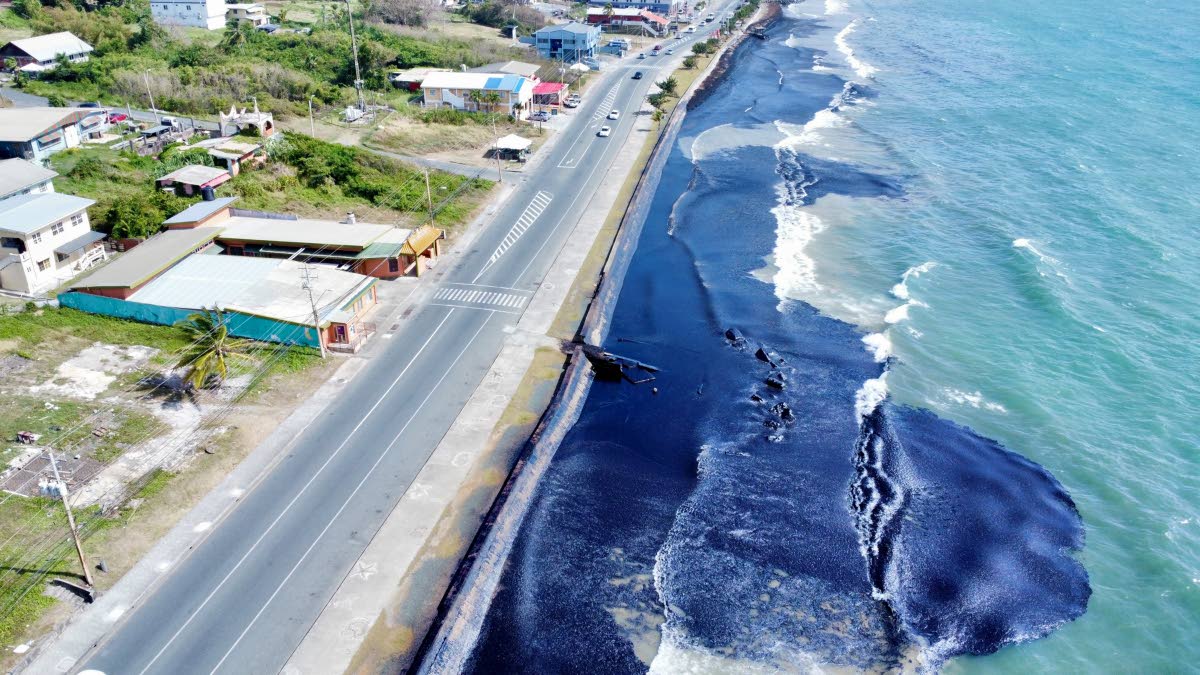
    As Trinidad and Tobago (TT) marks the International Day for Disaster Risk Reduction on October 13, the nation confronts a pivotal juncture in safeguarding its industrial and energy sectors. These sectors, the backbone of TT’s economy, are grappling with aging infrastructure, climate vulnerabilities, and inadequate emergency response capabilities. While natural disasters like hurricanes and floods often dominate risk discussions, the threat of industrial disasters looms equally large. TT’s reliance on oil and gas—spanning upstream, midstream, and downstream operations—has left it exposed to systemic risks as critical assets, including pipelines, tanks, and flare systems, operate beyond their intended lifespans. Without sustained reinvestment, these once-cutting-edge systems have become national liabilities. Industrial emergencies, such as the 2013 oil spill and the 2024 barge disaster off Tobago’s coast, underscore the cascading impacts of such incidents, which disrupt livelihoods, ecosystems, and economic stability. The region’s history of pipeline failures, chemical spills, and oil leaks highlights the urgent need for robust emergency preparedness. However, TT faces significant gaps in both equipment and responder competency. Outdated fire suppression systems, gas detectors, and spill containment gear, coupled with insufficient training, hinder effective crisis management. To address these challenges, TT must elevate its standards, ensuring that emergency responders meet internationally recognized benchmarks. Certifications aligned with global best practices, modern technologies, and methodologies are essential to fostering credibility, confidence, and international collaboration. Industrial resilience is not merely a technical necessity but a strategic imperative for sustaining foreign investment, infrastructure development, and economic diversification. As climate change amplifies the risk of natural disasters triggering industrial failures, TT must prioritize a culture of competence, transparency, and accountability. The nation’s ability to thrive in a new energy era hinges on its capacity to manage industrial risks effectively. Investments in training, certification, and equipment are investments in resilience, safeguarding people, communities, and economic continuity. TT stands at a crossroads: it can either react to disasters or build a system capable of preventing them. The choice will shape the nation’s safety, reputation, and prosperity for generations to come.

  • ‘Glad it’s off our plate’: Cable concedes over $3.358m tax dispute

    ‘Glad it’s off our plate’: Cable concedes over $3.358m tax dispute

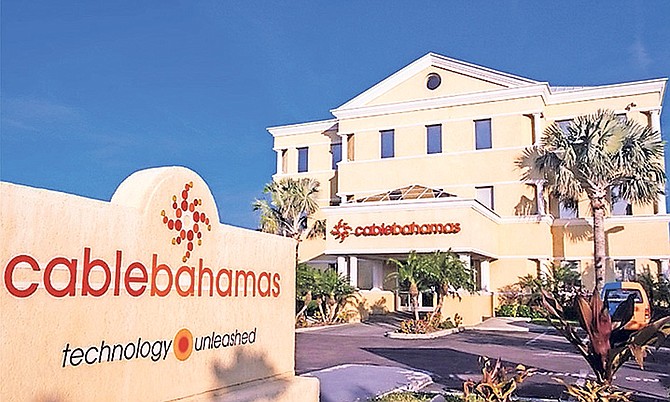
    Cable Bahamas, a leading communications provider listed on the Bahamas International Securities Exchange (BISX), has resolved its prolonged tax dispute with the Bahamian government by paying a total of $3.538 million. The settlement, announced by the company’s president and CEO, Franklyn Butler, marks the end of a contentious battle over unpaid Value-Added Tax (VAT) and Business Licence fees. The decision to settle was driven by legal advice indicating that the Department of Inland Revenue (DIR) was likely to prevail in the dispute. The payment includes $2.313 million, which was initially deposited as part of the appeal process, and an additional $1.225 million to ensure compliance post-settlement. Butler emphasized the company’s commitment to being a responsible corporate partner, stating, ‘We’re glad to get that off our plate. The Government is a partner of ours, and we want to pay our fair share of taxes.’ The dispute primarily revolved around VAT on international inbound roaming and call charges, as well as insurance proceeds. Cable Bahamas’ share of the payment amounted to $1.039 million, while its subsidiary, Aliv, accounted for the majority of the settlement at nearly $2.5 million. The company’s financial statements for the year ending June 2025 reflect the settlement, with government and regulatory fees increasing by over $4.45 million year-over-year to $19.197 million. In addition to the tax dispute, Cable Bahamas is negotiating with the Utilities Competition and Regulation Authority (URCA) over a fine related to non-compliance with quality standards for its pay-TV service in 2021. The company has also renewed its operating licenses for its subsidiary, Cable Freeport, for a 15-year period, though its legal battle with URCA over regulatory authority in Freeport continues.

  • Average Pension Payments could reach EC$3,000 within a few years

    Average Pension Payments could reach EC$3,000 within a few years

    In a remarkable development, average pension payments in Antigua and Barbuda have more than doubled in recent years, soaring from approximately EC$1,000 to around EC$2,100. According to David Mathias, Executive Director of the Social Security Board, this upward trajectory could see pensions reaching EC$3,000 within the next few years. This surge is attributed to higher contribution levels and the increasing longevity of retirees, which has placed greater strain on the fund’s resources. Mathias emphasized that each new retiree is contributing at higher rates but also drawing more from the system due to longer lifespans. While short-term contribution income remains stable, long-term liabilities are outpacing inflows, raising concerns about the fund’s sustainability. Traditional solutions, such as increasing contribution rates or raising the pensionable age, have been met with public resistance. To address this, the Social Security Board has pivoted toward generating income through strategic investments. A key initiative is the government-backed redevelopment of the Jolly Beach Resort, which will be financed by the government and later transferred to the Social Security Board as equity. This innovative approach allows the fund to benefit from dividends and hotel revenues without directly utilizing contributors’ money. Transparency is ensured through monthly and quarterly reporting to Cabinet, and an expanded investment committee comprising banking and valuation experts will oversee the process. The ultimate goal is to bolster the fund’s cash flow, build a sustainable reserve, and ensure timely pension payments even during economic downturns. This forward-thinking strategy aims to secure the financial stability of Antigua and Barbuda’s social security system for future generations.

  • LIAT to Launch Santo Domingo Route in December

    LIAT to Launch Santo Domingo Route in December

    LIAT Air has announced the launch of a new route to Santo Domingo, the capital of the Dominican Republic, starting December 12. This expansion is part of the airline’s broader strategy to revive its regional network and enhance connectivity across the Caribbean. The new service will provide a direct link between Antigua and Santo Domingo, with one-way fares beginning at US$348, inclusive of taxes. In a social media post on Monday, LIAT described Santo Domingo as a ‘vibrant cultural hub’ and urged travelers to secure their bookings early via the airline’s website or customer service line. The introduction of this route represents a significant milestone for LIAT 2020 as it continues to re-establish key regional connections and strengthen its presence in the Caribbean market. This move is expected to boost tourism and economic ties between the two destinations, offering travelers more options for exploring the region.

  • Brewery president highlights over RD$17 billion invested since 2021

    Brewery president highlights over RD$17 billion invested since 2021

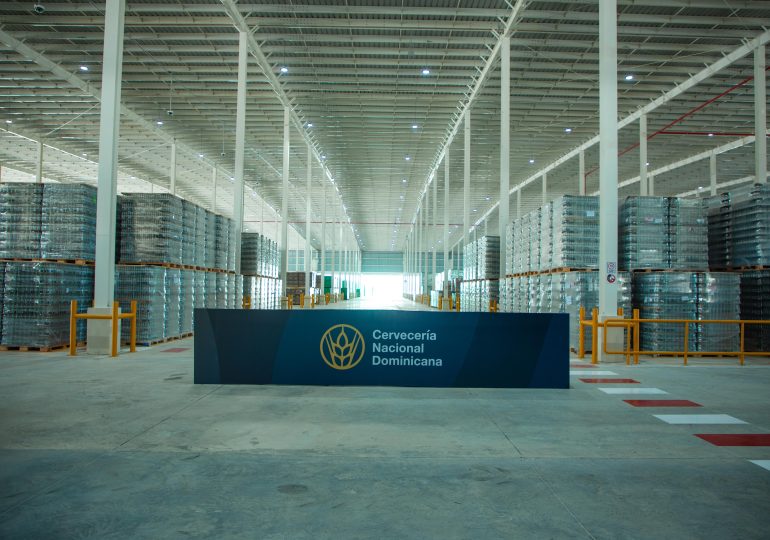
    Santo Domingo – Fabián Suárez, President of the Dominican National Brewery (CND), revealed that the company has invested over RD$17.64 billion since 2021, a strategic move driven by the Dominican Republic’s economic stability and its attractiveness to foreign investors. Suárez emphasized that the cornerstone of AB InBev’s sustained investment in the country is the exceptional talent of the Dominican workforce, which has positioned the nation as a leading market in the Caribbean and beyond. His comments were made during the inauguration of the company’s new Logistics Transformation Hub, an event graced by President Luis Abinader. The state-of-the-art logistics center, a key component of CND’s 2021–2026 investment plan, spans 145,000 square meters on the Santo Domingo Beltway and represents an investment exceeding RD$2.9 billion. Designed for maximum operational efficiency, the facility can store 115 million beers, equivalent to 25 days of national demand, and is expected to create over 500 direct and indirect jobs. This project complements the 44,000 jobs already supported by the beer industry nationwide, aiming to enhance production capacity, streamline distribution, and advance sustainability efforts to bolster national development. Víctor “Ito” Bisonó, Minister of Industry and Commerce, hailed the new hub as a testament to investor confidence in the Dominican economy, citing the country’s stable economic climate and record-breaking foreign direct investment, which reached US$4.523 billion in 2024 and is projected to hit US$5 billion by year-end. He also commended CND’s achievements in operating entirely on renewable energy, producing its own glass bottles, and maintaining a fully integrated supply chain.