
A senior energy official has announced significant advancements in the nation’s grid modernization efforts, revealing ambitious plans for large-scale battery storage systems and innovative pilot projects designed to enhance reliability and encourage public involvement in the energy transition. Bryan Haynes, Director of Renewable Energy, provided these updates during Friday’s House Estimates debate, outlining a comprehensive strategy to strengthen the country’s electricity infrastructure. The government’s Integrated Resource and Resilience Planning framework has identified a critical need for approximately 370 megawatts of energy storage capacity to support the national grid. This substantial storage capability will primarily serve to stabilize the grid against fluctuations inherent in variable renewable energy sources, particularly wind and solar power, ensuring consistent electricity delivery as the country increases its dependence on green energy alternatives. In a groundbreaking development, officials have begun designing a virtual power plant pilot project that combines renewable energy systems with advanced storage technologies to create an additional support layer for the grid infrastructure. This initiative explores innovative approaches including vehicle-to-grid technology, which would enable electric vehicle owners to supply stored electricity back to the national network with appropriate compensation mechanisms. The pilot phase will focus on studying consumer behavior patterns and establishing proper regulatory frameworks before broader implementation. Utility companies, partners, and the Fair Trading Commission are collaborating to ensure the development of an effective regulatory environment. Meanwhile, the application process for participation in energy storage programs officially launched in November last year, already generating substantial interest with 96 submissions currently undergoing validation procedures.
分类: business
-

Can Belize Grow Its Cacao Industry Into a Major Export Sector?
Belize has embarked on an ambitious agricultural initiative with the establishment of the National Cacao Committee, a strategic body designed to elevate the nation’s cacao sector into a significant export-oriented industry. The committee convened its inaugural session this week, uniting government representatives, agricultural producers, and export specialists to formulate a comprehensive development strategy.
Berisford Codd, Senior Trade Economist, emphasized the distinctive socioeconomic dimension of Belize’s cacao production. “This crop possesses unique characteristics as it’s predominantly cultivated by small-scale farmers. Approximately one thousand agricultural producers stand to gain substantially from targeted sector investments,” Codd stated during the committee’s foundational meeting.
Although not currently a dominant export commodity, cacao already generates between $3-12 million annually for Belize’s economy, with the Toledo District serving as the primary production hub. This region’s cacao cultivation functions as an economic cornerstone for rural and indigenous communities.
Industry stakeholders identify considerable expansion potential, particularly given escalating international demand for premium-quality cocoa products. Codd highlighted the competitive advantages of Belizean cacao: “Market demand exists unequivocally, our production narrative is compelling, and the flavor characteristics are truly exceptional.”
The committee has established multiple strategic priorities for immediate implementation, including production scale enhancement, processing infrastructure modernization, and digital transformation through national farmer registries and geospatial farm mapping. Additional focus areas encompass rural transportation infrastructure improvement and regulatory framework modernization to attract investment.
Legislative reform emerged as a critical discussion point, potentially enabling strengthened oversight mechanisms and industry-wide certification standards. Codd explained, “Appropriate legislation would facilitate registry development and create conditions for governmental support initiatives, including comprehensive certification programs.”
The tri-ministerial leadership structure comprises the Foreign Affairs and Foreign Trade Ministry, Agriculture Ministry, and Rural Transformation Ministry, collaborating with industry representatives from the Toledo Cacao Growers Association, Belize Cacao, and Maya Mountain Cacao – the nation’s predominant exporter.
-

Caribbean Association of Banks joins partners to launch pioneering nature reporting forum to advance sustainable finance
In a landmark move for sustainable finance, Caribbean financial institutions have launched the region’s first comprehensive framework for nature-related risk assessment and reporting. The Nature Reporting Preparer Forum, established through a collaborative effort between the Caribbean Association of Banks (CAB), UN Environment Programme Finance Initiative (UNEP FI), and Global Caribbean Blue Carbon (GCBC), represents a transformative approach to environmental stewardship in the banking sector.
The initiative, which commenced its inaugural session on March 4, 2026, addresses the growing need for financial institutions to integrate nature-related considerations into their risk management frameworks and strategic planning. CAB CEO Wendy Delmar emphasized during her opening address that environmental accountability has become an essential component of regional financial governance, noting that protecting the Caribbean’s unique ecosystems requires concerted action across the banking industry.
The comprehensive program introduces participants to critical frameworks including the Taskforce on Nature-related Financial Disclosures (TNFD) guidelines, the complex relationship between climate change and biodiversity loss, and international biodiversity agreements that shape nature-related actions. The curriculum specifically addresses systemic risks that environmental degradation poses to financial stability and economic resilience in the Caribbean context.
Over the coming months, the initiative will deliver hybrid technical training sessions, practical workshops, and regional case studies designed to build capacity among Caribbean financial institutions. The program emphasizes peer learning and knowledge sharing, creating a collaborative ecosystem for developing nature-positive financial practices.
This pioneering effort positions the Caribbean as an emerging leader in sustainable finance, demonstrating how regional banking sectors can proactively address environmental challenges while maintaining economic competitiveness. The initiative marks a significant advancement in aligning financial systems with ecological preservation, potentially serving as a model for other regions facing similar environmental vulnerabilities.
-

State agencies moving into Morant Bay Urban Centre
In a strategic move to counter criticisms and accelerate occupancy, the Jamaican Government has secured a pivotal agreement with 13 state agencies to establish operations at the $6-billion Morant Bay Urban Centre in St Thomas. This development marks a significant turnaround for the complex, which faced opposition claims of being incomplete and inaccessible nearly a year after its inauguration.
The signing ceremony, held Thursday at the Ministry of Economic Growth and Infrastructure Development’s New Kingston conference room, featured commitments from agencies including the South East Regional Authority (SERHA), Tax Administration of Jamaica, National Water Commission, and HEART/NSTA Trust. Robert Montague, minister without portfolio, emphasized that state entities will occupy over 50% of the centre’s 88 units, creating a critical mass to attract private investment.
Montague articulated the government’s vision: ‘This creates jobs, investment opportunities, and educational prospects through potential HEART/NSTA training programs and tertiary institution expansion. The public sector’s presence signals viability to private enterprises concerned about customer traffic.’
FCJ Chairman Lyttleton ‘Tanny’ Shirley clarified that agencies are entering a ‘buildout phase’ requiring 2-4 months for interior development, including electrical installations, partitioning, and furniture placement. He defended last May’s ribbon-cutting as essential marketing strategy for the 500,000-square-foot facility, dismissing utility absence claims as ‘mythology’ exacerbated by hurricane-related delays to Jamaica Public Service Company and NWC timelines.
Despite current operations limited to a KFC outlet, Shirley projected multiple businesses would commence operations by month’s end pending JPS connections. Full occupancy is anticipated to generate over 3,000 jobs, transforming the centre into the largest modern urban investment in Jamaica’s history.
-

Another Regional News Organisation Shuts Down
The Caribbean media sector is experiencing significant transformation as established news organizations confront mounting operational challenges. This trend has manifested through recent closures and corporate consolidations across the region.
In the Cayman Islands, independent digital publication IEyeNews ceased operations in January after nearly 14 years of service. Founder Colin Wilson attributed the shutdown to financial constraints, specifically the inability of hosting provider Rackspace Technology to extend further credit. Wilson expressed concern that the outlet’s extensive 14-year archive faces permanent deletion unless acquired by new ownership, with the entire operation offered for $15,000.
Jamaica’s media landscape is undergoing parallel changes as Radio Jamaica Limited (RJL) received regulatory approval for comprehensive restructuring. The consolidation will merge Multimedia Jamaica Limited, Independent Radio Company Limited, Gleaner Online Limited, Reggae Entertainment Television Limited, and Jamaica News Network Limited under the RJL umbrella. Concurrently, the company requested temporary suspension of broadcast licenses for Power 106 FM and HITZ 92 FM to address transmission infrastructure damaged by Hurricane Melissa. RJL will prioritize strengthening coverage at its flagship stations Radio Jamaica 94FM and FAME 95FM while evaluating potential divestment of the suspended stations.
This restructuring follows earlier regional media contractions, including telecommunications provider Digicel’s termination of its Loop News digital platform and SportsMax regional sports broadcaster. Guyana’s Stabroek News, established in the 1960s, announced it will halt print operations by March 15, 2026, characterizing the decision as profoundly difficult. These developments follow the recent closure of Trinidad and Tobago’s Newsday after 32 years of circulation.
Industry analysts identify common pressures affecting Caribbean media viability, including escalating operational expenditures, diminishing advertising revenue, and intensified competition from global digital platforms like Google and Facebook.
-

Eastern Caribbean Home Mortgage Bank celebrates its 30th anniversary with line-up of events
ECHMB Capital, formally known as the Eastern Caribbean Home Mortgage Bank, is poised to commemorate its 30th anniversary on April 22, 2026. The institution has announced an extensive, year-long celebration under the theme “a proven history, a promising tomorrow,” designed to honor its legacy and chart its future course.
Established in April 1996 through a multilateral agreement, the bank represents a unique collaboration between the governments of eight Eastern Caribbean nations: Dominica, Anguilla, Antigua and Barbuda, Grenada, Montserrat, Saint Kitts and Nevis, Saint Lucia, and Saint Vincent and the Grenadines. Additional ownership stakes are held by the Eastern Caribbean Central Bank and various regional financial entities.
For three decades, ECHMB Capital has played a pivotal role in strengthening the secondary mortgage market throughout the Eastern Caribbean Currency Union (ECCU). Its core mission has centered on providing essential liquidity support to primary mortgage lenders while simultaneously driving the advancement of local money and capital markets.
The anniversary festivities, scheduled to run from March 2026 through February 2027, will feature a diverse array of events and initiatives. The program will commence with a Media Launch and Mixer on March 20, 2026, bringing together journalists, key partners, and the ECHMB team to showcase institutional achievements.
A commemorative church service is planned for April 19, 2026, offering employees, partners, and clients an opportunity for collective reflection on the bank’s community impact. In a forward-looking initiative, ECHMB will launch an App Design Competition for secondary school students across the ECCU, challenging young innovators to develop concepts for streamlined trading platforms.
Starting July 2026, the bank will debut its “Home Ownership Series”—an educational collection of short videos featuring financial institutions, builders, and engineers explaining the sequential process of home construction in the region.
The anniversary calendar will feature an October gala convening prominent regional stakeholders in an elegant celebration of institutional legacy. The year-long observance will conclude in February 2027 with a special lecture gathering industry experts, policymakers, and thought leaders to discuss future prospects for regional financial development.
-
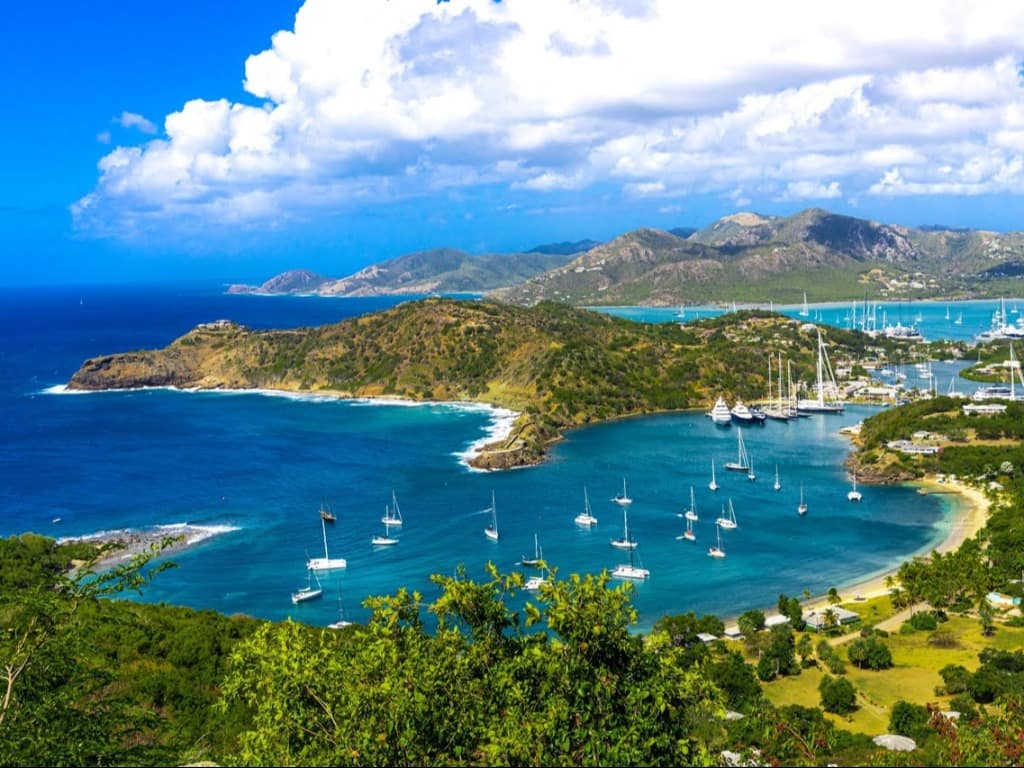
Antigua and Barbuda Tourism Authority strengthens presence in Quebec, Ottawa markets
The Antigua and Barbuda Tourism Authority has initiated a significant strategic expansion within key Canadian markets, specifically targeting Quebec and the national capital region of Ottawa. This calculated move is designed to substantially increase the twin-island nation’s visibility and appeal among Canadian travelers, a crucial demographic for the Caribbean tourism sector.
This enhanced market presence involves a multi-faceted approach, incorporating targeted marketing campaigns, strengthened partnerships with Canadian travel trade operators, and a series of high-profile engagement events. The strategy is meticulously crafted to resonate with the unique cultural and linguistic nuances of Quebec, while simultaneously leveraging Ottawa’s status as a hub for both government and corporate travel.
The initiative is a direct response to the robust recovery and growing demand in post-pandemic travel from Canada to warm-weather destinations. By deepening its roots in these specific urban centers, Antigua and Barbuda aims to position itself as a premier choice for discerning Canadian tourists seeking luxury, adventure, and distinct Caribbean experiences. The authority’s efforts underscore a commitment to not only recapture but also exceed pre-2020 visitor arrival numbers from this vital market, contributing significantly to the islands’ economic revitalization.
-

Republic Bank to close two southern branches, move into former Scotiabank Rockley
Republic Bank (Barbados) Limited has announced a strategic consolidation of its south coast operations, merging its Worthing and Wildey branches into a newly established facility at Coconut Walk in Rockley. The move, which utilizes the premises previously occupied by Scotiabank, is positioned by the bank as a strategic initiative to enhance operational efficiency while safeguarding customer service quality and preserving employment.
Carlene Seudat, Managing Director and Chief Executive Officer, confirmed the operational timeline: the Worthing branch will cease operations at the end of this month, followed by the closure of the Wildey location on April 30. The new flagship branch at Coconut Walk is slated to open its doors on May 4, 2024.
The consolidation will impact an estimated 15,000 customers previously served by the two closing branches. However, bank officials emphasize that full banking services will remain accessible across the institution’s entire network. Customers are being assured of a seamless transition with no changes to their account terms or conditions.
To modernize the customer experience, the new branch will feature a significantly upgraded technological infrastructure. The design includes a more open, digitally-focused layout equipped with four Automated Teller Machines (ATMs)—three attached to the building and one drive-through facility. This expansion in self-service options contrasts with the planned removal of ATMs from the closing Worthing and Wildey locations.
In addressing workforce concerns, Ms. Seudat provided explicit assurances that the operational merger would not result in staff redundancies. Through extensive engagement with both employees and union representatives that began last year, the bank has developed a redeployment strategy. All affected staff members from the closing branches will be absorbed into the new Rockley facility or transferred to the bank’s five other remaining branches across the island.
The bank is concurrently encouraging customers to adopt its digital banking platforms and expanded ATM network, reflecting evolving consumer preferences toward remote banking solutions. This consolidation represents Republic Bank’s broader strategic shift toward modernized banking environments that prioritize digital accessibility and operational efficiency.
-
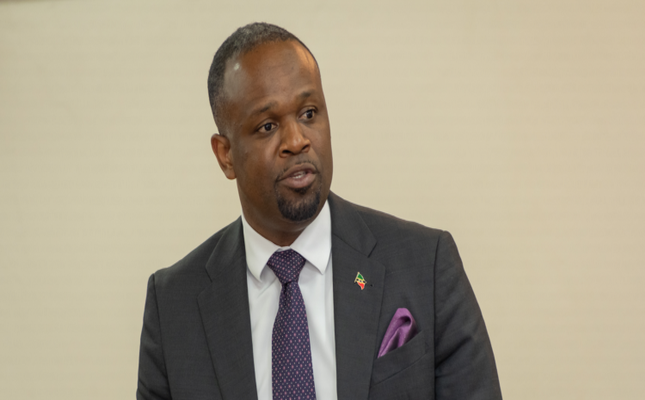
Geothermal in Nevis and solar in St. Kitts key to energy transition, minister says
The Federation of St. Kitts and Nevis is making substantial strides in its renewable energy transformation, with significant developments in both geothermal and solar power infrastructure. Energy Minister Konris Maynard confirmed the nation’s progress during recent statements made at the 50th CARICOM Heads of Government Meeting in Basseterre.
Central to the energy transition is the long-awaited geothermal project on Nevis. The Nevis Island Administration is poised to announce the selected contractor for drilling operations, which will involve five specialized wells—three for energy production and two for reinjection purposes. This geothermal initiative alone could generate approximately 30 megawatts of clean electricity, representing a substantial portion of the islands’ 40-megawatt baseline energy requirements.
Concurrently, St. Kitts is advancing a major solar energy project. Authorities are preparing to issue a Request for Proposals for a 50-megawatt solar power plant complemented by a 35-megawatt energy storage system. The innovative project is planned for the Basseterre Valley Aquifer area, where solar panels can be installed without disrupting the protected environmental zone.
Minister Maynard emphasized the government’s comprehensive strategy: “Our objective is to maximize the renewable resources available to our Federation—specifically our abundant solar and geothermal potential.” While acknowledging previous explorations into St. Kitts’ geothermal capabilities, the minister explained the current focus remains on Nevis due to its more advanced development readiness and previously conducted studies.
The government’s coordinated approach demonstrates a committed transition toward sustainable energy independence, leveraging the unique geographical advantages of both islands within the Federation.
-
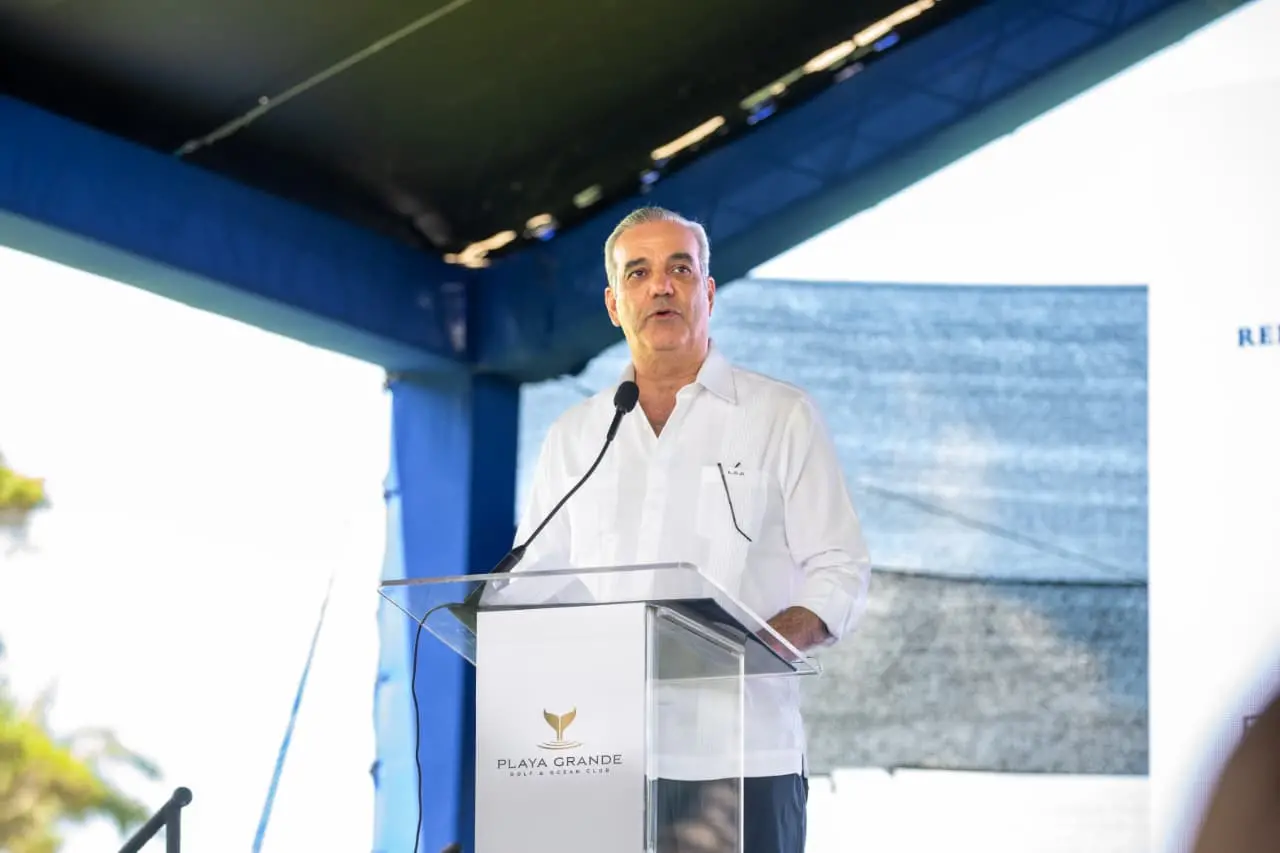
Abinader announces Playa Grande International Airport project
The Dominican Republic has unveiled a landmark infrastructure project that promises to transform its northern coastline’s economic landscape. President Luis Abinader, alongside executives from Discovery Land Company, Aman Group, and Third Point, has announced the development of the Playa Grande International Airport—a private aviation facility designed to provide direct international access to the region.
The announcement ceremony at Playa Grande was attended by Tourism Minister David Collado and prominent investors, including Third Point founder Daniel Loeb, hospitality visionary Mike Meldman, and former MLB superstar Alex Rodriguez. The airport initiative forms part of a comprehensive expansion strategy for the Playa Grande Golf & Ocean Club, with projected investments exceeding US$1 billion in residential and tourism development.
President Abinader emphasized the government’s commitment to institutional integrity, stating that the project advanced through proper legal channels while maintaining regulatory compliance. He acknowledged investor confidence in the Dominican Republic’s economy, which attracted approximately $5 billion in foreign investment last year, and highlighted the private sector’s crucial role in driving national economic growth.
Minister Collado revealed that previous administrations had repeatedly stalled the airport initiative. The breakthrough came when Collado directly engaged President Abinader, who subsequently endorsed the project through presidential decree authority after assuring investors of governmental support.
Developers anticipate the airport will serve as a gateway for thousands of families connected to Discovery Land Company’s global communities. The enhanced connectivity is expected to position Playa Grande among the Caribbean’s most exclusive destinations while unlocking substantial residential development opportunities.
Situated along 11 kilometers of protected Atlantic coastline in Río San Juan, Playa Grande Golf & Ocean Club features luxury residences, the renowned Amanera resort, and a championship golf course originally designed by Robert Trent Jones Sr. and refined by Rees Jones. The new airport infrastructure will strategically connect the destination to key markets across North America, Europe, and Latin America, catalyzing the next phase of premium tourism and real estate growth in the region.