分类: business

  • Ariza Credit Union showcases and supports local businesses

    Ariza Credit Union showcases and supports local businesses

    In celebration of Grenada’s 52nd Independence Anniversary themed ‘Anchored in Faith. Guided by Purpose,’ Ariza Credit Union has launched a comprehensive Local Vendor Exhibition and Sales Initiative at its Bruce Street branch. This community-focused financial institution is reinforcing its dedication to national development by creating tangible opportunities for small businesses to showcase and sell their products to the public.

    From February 2-6, the credit union will host an on-site exhibition featuring a diverse array of Grenadian-made products including culinary specialties, handcrafted goods, fresh agricultural produce, body care products, household items, and Independence-themed apparel. The final day will specifically highlight the nation’s rich culinary heritage with a special emphasis on traditional local dishes.

    This initiative builds upon the successful ‘Taste & See Tuesday’ program conducted during the Christmas season, which received overwhelming positive feedback from both vendors and customers. The previous program demonstrated significant commercial benefits for participating businesses while creating a vibrant community gathering space.

    CEO Mervyn Lord emphasized the institution’s philosophical commitment: ‘Supporting local enterprise is fundamental to our identity at Ariza. As we celebrate Grenada’s Independence, we are intentional about ensuring small businesses receive platforms to grow, thrive, and gain visibility. This represents our practical investment in the people and communities that form the foundation of our nation’s strength.’

    The exhibition underscores Ariza Credit Union’s ongoing strategy to support community empowerment and sustainable local development through actionable business initiatives rather than symbolic gestures. As Grenada marks 52 years of nationhood, this program demonstrates how financial institutions can actively participate in nation-building while stimulating economic activity at the grassroots level.

  • St Kitts welcomes over 12,200 cruise passengers in just two days, boosting tourism and local economy – WIC News

    St Kitts welcomes over 12,200 cruise passengers in just two days, boosting tourism and local economy – WIC News

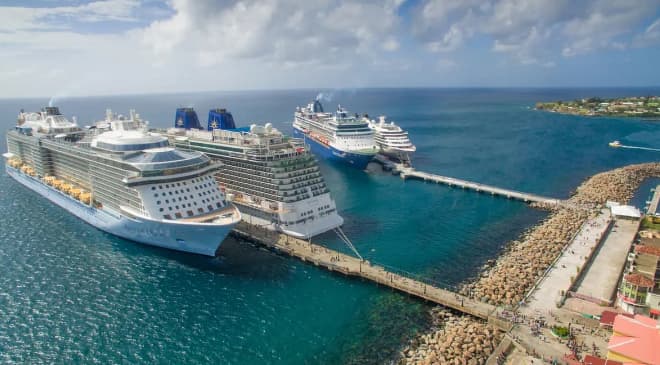
    The Caribbean nation of St Kitts and Nevis has experienced an extraordinary tourism boom, welcoming a remarkable 12,254 cruise passengers during a two-day period in February 2026. This substantial influx represents one of the most significant tourism events in recent history for the twin-island federation, further cementing its status as a premier Caribbean cruise destination.

    On February 8th, Port Zante received three major vessels: Norwegian Getaway (4,654 passengers), Norwegian Gem (2,273 passengers), and Star Seeker (218 passengers), collectively bringing 6,545 visitors to the island on a single day. The following day witnessed the arrival of three additional ships: Seaborne Ovation (577 passengers), Koningsdam (2,535 passengers), and Valiant Lady (2,597 passengers), pushing the two-day total beyond 12,200 arrivals.

    This massive tourist presence has generated substantial economic benefits across multiple sectors. Local entrepreneurs including tour operators, transportation services, hospitality providers, retail establishments, and culinary venues have all reported significant revenue increases. Visitors typically explore cultural landmarks such as the historic Brimstone Hill Fortress and Fairview Great House & Botanical Gardens, while also engaging in recreational activities including snorkeling expeditions, sailing tours to Nevis, and beach relaxation at popular coastal areas like Cockleshell Bay and South Friars Bay.

    The tourism momentum continues with two additional ships—Viking Sea and AIDAblu—scheduled to arrive on February 10th. Further vessels including MSC Virtuosa, Grand Princess, Norwegian Sky, Silver Ray, Costa Fascinosa, and Wind Spirit are expected throughout the remainder of the week, indicating sustained tourism growth for the destination.

  • New taxes coming, Gov’t confirms

    New taxes coming, Gov’t confirms

    KINGSTON, Jamaica – In a significant fiscal policy shift, Finance Minister Fayval Williams declared Wednesday that Jamaica will implement new taxation measures as part of its forthcoming national budget. This decision responds to the catastrophic economic impact of Hurricane Melissa, which caused devastation equivalent to approximately 41% of the nation’s gross domestic product.

    The hurricane resulted in an estimated US$8.8 billion in damages, creating unprecedented reconstruction needs and increased public service demands while simultaneously reducing government revenue streams due to widespread economic disruption across multiple sectors.

    Williams emphasized that the government faces a critical balancing act between addressing immediate disaster recovery requirements and maintaining Jamaica’s hard-won fiscal discipline. Independent analysts confirm that the magnitude of this fiscal crisis makes new taxation inevitable after nearly ten years without such measures.

    “We recognize the resulting fiscal gap cannot be ignored,” Williams stated, confirming “measured steps” would be taken, including necessary tax initiatives within the budget framework.

    The Finance Minister explicitly rejected financing the entire deficit through borrowing, referencing Jamaica’s painful history with debt traps characterized by decades of high indebtedness, crippling interest payments, and constrained fiscal flexibility. “We have lived through the debt trap before,” Williams noted, adding that the government remains committed to preserving the fiscal progress achieved in recent years.

    While borrowing will continue to play a strategic role, Williams clarified it would be specifically targeted toward capital investments in infrastructure, agriculture, logistics, and digital systems designed to enhance productive capacity and strengthen economic resilience.

    Drawing a clear distinction between recurrent expenses and growth-oriented investment, Williams asserted: “As far as possible, recurrent expenses must be financed by taxation revenue.

    The government simultaneously offered reassurances that equity principles would guide tax design, with officials currently reviewing systemic anomalies to ensure fair burden distribution and protection for vulnerable populations.

    This budget represents a pivotal moment for Jamaica’s long-term economic stewardship, coming after more than a decade of fiscal credibility restoration through debt reduction and sustained primary surpluses following repeated economic crises. Williams framed the current decisions as determinative for whether future generations inherit an economy constrained by unsustainable debt or strengthened through resilience and opportunity.

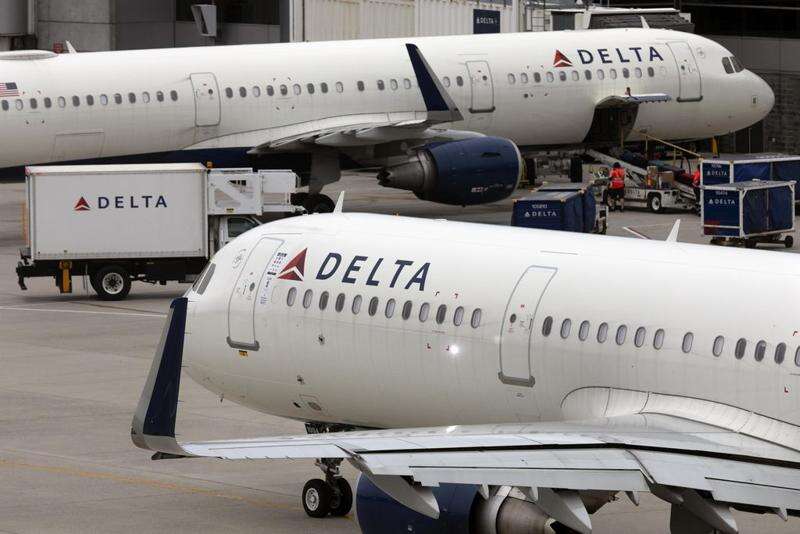
  • Delta Airlines CEO says World Cup tourists welcome in US

    Delta Airlines CEO says World Cup tourists welcome in US

    MILAN, Italy — Delta Air Lines Chief Executive Ed Bastian delivered a robust defense of the United States as a premier tourism destination during an interview with AFP on Wednesday. His comments come amid growing international apprehension about U.S. immigration policies under the Trump administration, which some fear could deter visitors for major events like the 2026 FIFA World Cup.

    Bastian emphatically distinguished between immigration enforcement and tourism, stating, ‘The U.S. has a focus on immigration. This is not immigration. This is tourism.’ He assured potential visitors that those arriving with proper documentation would encounter ‘no issues’ entering the country.

    The CEO’s reassurances are strategically timed as the United States, alongside co-hosts Canada and Mexico, prepares to welcome a massive influx of international travelers for the month-long football championship starting June 11, 2026. Bastian expressed optimism that the tournament would attract substantial European and international visitors, providing a significant boost to the U.S. travel market.

    Simultaneously, Bastian revealed Delta’s strong financial outlook, projecting first-quarter 2026 revenue growth between 5-7%, driven by sustained demand from premium consumers. The airline’s sponsorship of Team USA at the Winter Olympic Games underscores its commitment to global sporting partnerships.

    In a significant fleet development, Delta announced its January order for 30 Boeing 787 Dreamliner aircraft, with options for 30 additional planes. This move marks a strategic diversification for the carrier, which has historically been a major Airbus customer. Bastian addressed Boeing’s recent challenges, including the 737 MAX groundings following fatal crashes in 2018 and 2019, expressing confidence in the manufacturer’s recovery. ‘Boeing is doing a good job of stabilizing the situation,’ he noted, praising the company’s progress under new leadership.

    The CEO emphasized the necessity of maintaining relationships with both major aircraft manufacturers: ‘As one of the largest global airlines in the world, you can’t rely only on Airbus. You must work with both suppliers.’ He concluded with measured optimism regarding Boeing’s trajectory: ‘We’re now at a point where we’re confident Boeing is on the good side of recovery.’

  • US investor gets green light for $35M cay revival

    US investor gets green light for $35M cay revival

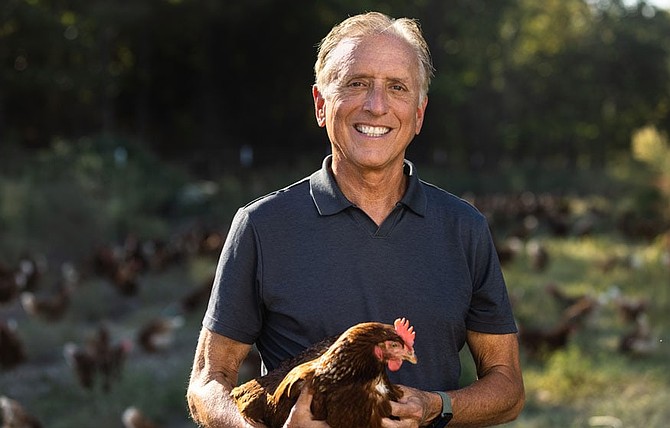
    The Bahamian government has granted full regulatory approvals for US investor Matt O’Hayer’s $35 million acquisition of Great Harbour Cay’s resort infrastructure, ending 50 years of economic stagnation in the Berry Islands. Through his company Vital Shores LLC, O’Hayer will acquire the resort, marina, golf course, water utility, and fuel concession from the Fender family, who have maintained ownership since the early 1990s with minimal development.

    O’Hayer, founder of Vital Farms and owner of three adjacent cays, expressed profound gratitude for the government’s cooperation, stating: “I feel like it’s a real privilege and honour, and I am one of the luckiest guys on the planet to work with the island community.” While development plans remain confidential pending transaction closure, the investor has already demonstrated commitment through local initiatives.

    The economic revitalization effort marks a dramatic turnaround for a destination that never recovered from the 1973 oil crisis and the subsequent withdrawal of original developer Louis Chesler in 1975. The Fender family’s acquisition in the 1990s—supported by tax concessions and Crown grants from the Ingraham administration—failed to produce promised development, leading to agreement revocation in the late 1990s.

    O’Hayer’s preliminary investments include:
    – Nature tours on Lignum Vitae Cay for Royal Caribbean passengers launching this week
    – Partnership with fully Bahamian-owned Bahama Island Group for operations
    – Local employment for tour guides and signage production by Berry Islands students
    – Acquisition of emergency response equipment including fire engines and amphibious rescue trucks
    – Foundation-funded infrastructure improvements already underway

    North Andros and Berry Islands MP Leonardo Lightbourne confirmed the transaction’s advanced stage, noting: “He’s not just talking but putting his money into action. He has a lot of persons employed on the various infrastructure and things he has going on.” Some title transfer complications regarding the government’s compulsory airport acquisition may require tax offsets, but stakeholders widely view the investment as transformative for the long-neglected region.

  • Difficult choices in the upcoming budget

    Difficult choices in the upcoming budget

    Jamaica’s Finance Minister Fayval Williams has articulated a bold vision for economic management, advocating for increased private sector control over national assets where efficiency gains can benefit citizens. Speaking at the 2026 Jamaica Stock Exchange 21st Regional Investments and Capital Markets Conference, Minister Williams faced internal resistance to her position that government should relinquish control of assets when private enterprise can manage them more effectively.

    The minister pointed to successful privatization initiatives including TransJamaica Highway Limited and Wigton Windfarm Limited through initial public offerings, along with revenue securitization from Kingston and Montego Bay airports. These examples build upon Jamaica’s historical precedent of hotel privatizations in the 1980s that ultimately catalyzed the country’s tourism boom.

    Williams identified significant untapped potential within Jamaica’s capital markets, noting that approximately $60 billion could be mobilized from the existing $1.2 trillion in pension and life insurance assets through a modest 5 percent reallocation. This private equity could powerfully complement the $2.4 billion international financial institution support package designated for private sector investments.

    The finance minister outlined plans for developing public-private partnership pipelines potentially encompassing hospitals and schools, while emphasizing the importance of operationalizing a micro stock market initiative by the second quarter of 2026 to complement the existing Junior Market.

    These developments occur against the challenging backdrop of Hurricane Melissa’s aftermath, which has prompted the government to suspend its Fiscal Responsibility Framework for two years. The original debt target of 60 percent debt-to-GDP ratio by FY 2027/28 has been postponed to FY 2029/30, with current projections showing debt rising to 68.2 percent in FY 2025/26 before declining slightly to 67 percent by FY 2028/29.

    A critical challenge emerges in wage expenditure management, with salaries and wages now projected to consume 56 percent of tax revenues in FY 2025/26—a dramatic increase from 36.1 percent in 2021/2022. The Independent Fiscal Commission warns this trend risks crowding out other essential spending and complicates budget planning through protracted wage negotiations.

    Despite these challenges, Jamaica’s credit ratings have improved following the hurricane, reflecting international confidence in the country’s commitment to fiscal discipline. However, maintaining this discipline requires containing a wage bill that has more than doubled over four years while addressing potential revenue shortfalls. The National Reconstruction and Resilience Authority assumes critical importance given the high probability of further economic shocks in the coming years.

  • RA Williams expands into clinical skincare

    RA Williams expands into clinical skincare

    In a strategic pivot toward wellness-oriented distribution, Jamaican pharmaceutical distributor RA Williams has announced a significant partnership with dermatologist Dr. Romario Thomas and his clinically formulated skincare brand, Absolut Skin. This collaboration signifies a deliberate expansion beyond traditional pharmaceuticals into the burgeoning preventive care and self-care market, reflecting evolving consumer preferences for scientifically validated wellness solutions.

    CEO Audley Reid emphasized that the move represents more than a mere product line extension, characterizing it as a strategic alignment with values-driven brands that reinforce the company’s long-term vision. “We build partnerships with people and brands that share our standards and our vision for health and wellness,” Reid stated, noting the skincare category’s emergence as a natural evolution for the business.

    The expansion occurs amid RA Williams’ ongoing growth phase following its Junior Market listing. While recent quarterly revenue grew 7.6% to $417 million, driven partly by new portfolio additions, the company reported a modest net loss due to increased operational costs associated with expansion efforts. Despite short-term profitability pressures, management continues to signal confidence in long-term demand for health-adjacent categories.

    Kimroy Williamson, General Sales Manager, positioned skincare within the company’s health care framework rather than traditional cosmetics: “Skincare has become a core part of everyday health care conversations. Consumers are asking informed questions about ingredients, results, and credibility.”

    Absolut Skin, founded by Dr. Thomas, features medical-grade formulations specifically designed for melanin-rich skin, addressing concerns through four targeted treatment lines: brightening, sensitive skin, anti-ageing, and anti-acne. The products incorporate clinically active ingredients including kojic acid, niacinamide, and azelaic acid while excluding parabens, hydroquinone, and harmful bleaching agents.

    Beyond physical products, the brand incorporates digital health technology through an AI-powered mobile platform that provides skin analysis, personalized recommendations, and access to dermatological consultations, emphasizing education and consistent routines.

    Dr. Thomas noted the partnership would dramatically expand his brand’s reach: “This allows us to bring dermatologist-guided products and education to far more people than we could alone.”

    The rollout will leverage RA Williams’ established pharmacy and healthcare distribution network, potentially granting the locally developed brand national penetration while further establishing the distributor within Jamaica’s evolving wellness economy.

  • ‘Don’t chicken out’

    ‘Don’t chicken out’

    Amid the global upheaval of the COVID-19 pandemic in 2021, Nekeisha Graham made a life-altering decision to redirect her educational funds toward entrepreneurial ambitions, establishing Niki’s Yolk poultry operation. The 38-year-old Jamaican entrepreneur has navigated a complex business landscape over five years, transforming challenges into opportunities while building a thriving agricultural enterprise.

    Graham’s inspiration emerged from dual sources: a poultry-farming coworker whose daily egg deliveries captured her imagination, and her father’s agricultural background. When pandemic conditions forced educational institutions online and left her tuition unpaid, she strategically repurposed these resources to launch her business with approximately $1 million initial investment.

    The venture faced unconventional startup hurdles, with labor shortages and bird sourcing proving more problematic than capital acquisition. Graham established operations in her native St. Ann parish, relying on family support systems when commercial labor proved scarce. Her mother assumed daily management responsibilities while Graham coordinated logistics from Kingston, transporting essential supplies weekly and participating hands-on during visits.

    While the pandemic era provided relative stability, subsequent environmental challenges tested the business’s resilience. After relocating operations to Kingston in April 2024, Hurricane Beryl’s July arrival caused production disruptions through bird trauma and laying cessation. The compounding impact of Hurricane Melissa in October 2025 further damaged infrastructure, particularly at the St. Ann location, while power outages crippled egg production cycles dependent on nightly electrical access.

    Global market forces introduced additional complexity, with avian flu outbreaks in the United States creating regional bird shortages that constrained restocking efforts. Despite these multidimensional challenges, Graham maintains determined recovery efforts, noting: “We have managed to slowly build back… with the little that we have we are trying to maintain them.”

    Although profitable, the business has delayed Graham’s academic ambitions. Rather than resuming graduate studies, she has reinvested earnings into additional business ventures. Holding an undergraduate degree in tourism, hospitality and entertainment management, she now contemplates legal or business administration education to enhance her entrepreneurial capabilities.

    As a female industry pioneer, Graham describes overwhelmingly positive reception, crediting social media engagement for expanding her reach to nearly 200,000 TikTok followers (@nekeishagraham/Niki’s Yolk), including substantial African audiences offering encouragement and support. Current priorities include securing land ownership through governmental channels like the Rural Agricultural Development Authority (RADA) to transition from leased properties to self-owned operational bases.

    Her advice to aspiring poultry farmers emphasizes determined incremental progress: “Don’t let anything stop you. It’s a good business to go in to. Just be focused… You don’t need to start big, start small… Go for it, it will work.”

  • Costs and disruption shape LASCO affiliates’ Q3 results

    Costs and disruption shape LASCO affiliates’ Q3 results

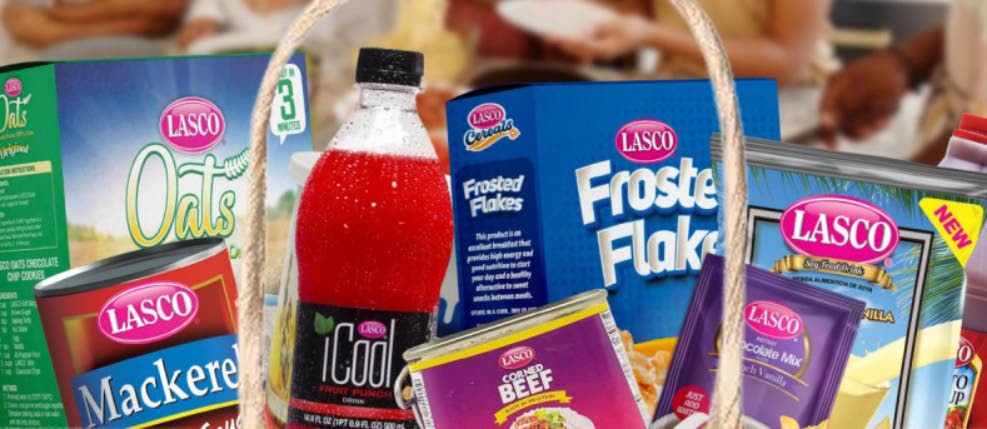
    Two sister companies under the LASCO umbrella presented contrasting financial outcomes for the third quarter, with LASCO Distributors experiencing robust sales growth undermined by rising costs, while LASCO Manufacturing contended with operational disruptions caused by Hurricane Melissa.

    LASCO Distributors announced an 8.1% revenue increase during the December quarter, driven by consistent demand across its primary product categories and ongoing market development. Despite this top-line expansion, the company’s profitability faced compression due to escalating operational and financial expenditures. Managing Director John De Silva identified increased staff-related expenses, amplified marketing investments, and heightened security costs as primary contributors to the margin squeeze. Additionally, rising financing expenses further impacted the bottom line.

    De Silva emphasized that the company’s fundamental business operations remain strong, noting that growth acceleration validates the effectiveness of current demand-generation initiatives. Significant infrastructure investments nearing completion are expected to become operational in the final quarter, potentially enhancing future performance. The company has been actively expanding its distribution network, intensifying marketing efforts, and developing logistics and warehouse capabilities. These strategic moves have begun yielding results, with export operations and pharmaceutical ventures now constituting approximately 20% of total revenue.

    Conversely, LASCO Manufacturing faced distinct challenges during the quarter. Managing Director James Rawle reported that Hurricane Melissa forced a week-long suspension of manufacturing operations, resulting in production delays and diminished sales volume. Consequently, the company recorded decreased revenue and compressed gross margins for the December quarter. Despite these setbacks, LASCO Manufacturing achieved a slight improvement in net profit compared to the same period last year. Over the nine-month timeframe, operating profit and earnings demonstrated gradual stabilization despite revenue trailing behind previous year levels.

    Both companies expressed optimism regarding their future trajectories. LASCO Distributors anticipates that ongoing demand-building initiatives and infrastructure enhancements will bolster performance, with exports and pharmaceutical products expected to drive growth. LASCO Manufacturing remains focused on achieving annual targets, expressing confidence in operational stabilization following hurricane-related interruptions. Rawle reaffirmed the company’s commitment to delivering sustained value growth for all stakeholders.

  • Red Stripe, ‘Jamaica Moves’ and ‘Wanted Wednesdays’ for BrandCamp 2026

    Red Stripe, ‘Jamaica Moves’ and ‘Wanted Wednesdays’ for BrandCamp 2026

    KINGSTON, Jamaica—The Caribbean School of Media and Communication (CARIMAC) at the University of the West Indies Mona Campus will host BrandCamp 2026 on March 25, creating a pivotal gathering for marketing professionals, creative minds, strategic thinkers, and students. Scheduled to commence at 2:00 PM, this forum builds upon its successful predecessor that featured industry giants like Flow, Yello Media, and Sagicor Group Jamaica, establishing the event as Jamaica’s premier marketing conversation platform.

    Burchell Gordon, co-founder of lead organizer Chaynge Co, emphasized the event’s unique mission: “BrandCamp exists to document the thinking behind the work, not just the work itself. This year’s lineup demonstrates that exceptional brand storytelling transcends sectors, emerging wherever clarity, courage and culture converge.”

    CARIMAC continues as the intellectual anchor for the initiative, strengthening its bridge between academic theory and practical application. Dr. Patrick Prendergast, CARIMAC’s director, noted: “BrandCamp naturally aligns with our mission to examine how communication shapes society. The 2026 edition showcases how commercial and public brands can influence behavior, build trust, and reflect our identity as creative people.”

    Kalando Wilmoth, fellow Chaynge Co co-founder, described this year’s intentionally focused programming: “This isn’t about historical case studies preserved in time. It’s about contemporary relevance—understanding what worked, why it worked, and what today’s brand stewards can ethically adapt with boldness.”

    The 2026 event will feature groundbreaking brand narratives across culture, public service and national identity. Highlights include Red Stripe’s presentation, the Jamaica Constabulary Force’s examination of their human-centered social media strategy featuring the viral “Wanted Wednesdays” bulletins that redefined public-sector communication, and the Ministry of Health and Wellness’s reflection on the transformative Jamaica Moves campaign that converted public health messaging into a participatory lifestyle movement.