
The recent closure of Standard Distributors, a longstanding business at the corner of Western Main Road and Calcutta Street in St James, Trinidad and Tobago, after nearly 80 years of operation, underscores the severe economic and financial challenges the country is currently facing. This event serves as a stark reminder of the broader issues plaguing the nation, including a sharp decline in foreign exchange reserves, rising unemployment rates, and an increase in crime. These factors collectively signal a critical juncture for Trinidad and Tobago, necessitating immediate and innovative interventions to prevent further deterioration. To address these challenges, the country must diversify its economic strategies beyond traditional exports. This includes revitalizing local manufacturing sectors, encouraging investments in emerging industries, and leveraging innovative financial solutions such as regional tourism, fintech, and value-added agriculture. Additionally, the return of ExxonMobil and the potential exploitation of Venezuela’s oil reserves near Trinidad and Tobago’s waters could significantly impact the economy if negotiations lead to productive collaborations. Exploring offshore gas opportunities and positioning Trinidad and Tobago as a regional energy hub are also crucial steps. To attract foreign direct investment, promote eco-tourism, and develop human capital, the government must implement proactive policies and foster regional partnerships. Time is of the essence; delaying action in hopes of perfect conditions could be detrimental. The government must act decisively, embracing creative solutions to rebuild confidence, restore stability, and secure a prosperous future for Trinidad and Tobago.
分类: business
-

Returning to Grenada?
For Grenadians who have spent significant time in the United Kingdom, returning home is often a source of pride and accomplishment. However, the transition can be fraught with unexpected challenges, particularly for those maintaining strong ties to the UK, such as property, pensions, or healthcare routines. A common misconception is that spending most of the year outside the UK automatically grants non-resident status for tax and healthcare purposes. In reality, the rules are far more nuanced, and missteps can lead to significant financial consequences.
The UK’s Statutory Residence Test (SRT) is the cornerstone for determining tax residency. This framework evaluates three key elements: day-count rules, ties to the UK, and automatic overseas tests. Spending 183 days or more in the UK in a tax year automatically classifies an individual as a resident. However, fewer days do not guarantee non-residency, as factors like family connections, available accommodation, and past residency also play a role. Even retirees or those with flexible work arrangements may find themselves inadvertently reclassified as residents if they maintain substantial UK ties.
Healthcare residency is another critical area. Many Grenadians assume they can continue using the National Health Service (NHS) as before. However, NHS access is contingent on being ‘ordinarily resident,’ meaning living lawfully and habitually in the UK. Claiming non-residence for tax purposes while using the NHS can trigger scrutiny, potentially leading to charges for treatment and a review of tax status. Simple actions like maintaining a UK GP or scheduling regular check-ups can signal ongoing UK ties, making it essential to align healthcare behavior with declared residency.
From April 2025, the UK will implement significant reforms to its Inheritance Tax (IHT) regime. Under the new rules, individuals previously domiciled in the UK may face IHT on worldwide assets, not just those in Britain. For Grenadians with longstanding UK connections, this could mean assets in Grenada remain subject to UK taxation. To mitigate risks, it is crucial to review domicile status, seek updated guidance, and establish Grenadian domicile where appropriate.
Practical steps to protect non-resident status include reviewing UK ties, limiting unnecessary visits, updating paperwork with Grenadian addresses, documenting life in Grenada, and conducting annual reviews of travel and ties. Seeking professional guidance is also advisable before making significant financial or lifestyle changes.
A cautionary example is the James family, who returned to Grenada after decades in London but kept their UK house, remained on NHS records, and visited their children at university. Despite living in Grenada most of the year, HMRC ruled they were still UK-resident, resulting in unexpected tax liabilities and NHS charges. Simple measures like reducing UK visits and deregistering from the NHS could have prevented these issues.
Establishing non-residence requires consistent alignment across paperwork, habits, and lifestyle. Annual self-checks and conscious decision-making can safeguard finances and peace of mind. Dr. Clifford Frank, a Grenadian tax and legal professional, emphasizes the importance of understanding these complexities for Grenadians living abroad or returning home.
-

Barbados Rum’s ambition needs more thought, action
Richard Seale, a revered figure in the rum industry, has sparked a crucial debate about the future of Barbados’ rum exports. With generations of rum-making expertise and a steadfast commitment to preserving the integrity of Barbados’ most iconic export, Seale’s voice carries significant weight. At The Barbados Rum Experience, he openly criticized recent projections that the island’s rum exports could reach $1 billion by 2030, calling them “both ridiculous and absurd.” His candid remarks, though blunt, underscore the challenges facing the industry.
-

Olieblokken 9 en 10 mogelijk voordeliger dan Granmorgu
Suriname has taken a significant step forward in its oil and gas sector by signing production-sharing contracts with global energy giants Chevron, QatarEnergy, and Petronas. The agreements, finalized on Wednesday, focus on oil blocks 9 and 10, which are expected to yield substantial benefits for the country and its state-owned oil company, Staatsolie. Unlike the Granmorgu area in Block 58, which holds vast deep-water reserves but requires high development costs, Blocks 9 and 10 are located closer to the coast in shallow waters of just 50 meters, significantly reducing expenses. Staatsolie’s CEO, Annand Jagesar, emphasized that Suriname will not bear any production costs but will earn revenue once oil production begins. The blocks are estimated to contain around 300 million barrels of oil, making them a profitable venture despite their smaller scale compared to Granmorgu’s 750 million barrels. The contracts stipulate that Suriname will benefit from tax revenues, profit oil, royalties, and income generated through Staatsolie’s subsidiary, Paradise Oil, which holds a 30% stake in Block 9 and 10% in Block 10. Additionally, the deals are expected to boost local employment and expertise. The partners are required to study existing geological data within the first three years and proceed with drilling in the second phase. Failure to meet these obligations will result in contract termination.
-

Former BTL Workers Win Landmark Severance Case
In a landmark decision on November 6, 2025, the Caribbean Court of Justice (CCJ) ruled in favor of ten former employees of Belize Telemedia Limited (BTL), affirming their entitlement to severance pay under the Belize Labor Act. This ruling overturned a previous decision by the Court of Appeal, marking a significant victory for labor rights in Belize. The case has sparked widespread discussion about its implications for both the public and private sectors, particularly regarding compliance with labor laws. Valentino Shal, CEO of the Ministry of Labor, emphasized the importance of the ruling, stating that it is currently under review to assess its broader impact on Belize’s labor market. Shal highlighted the need for careful examination to ensure compliance across all sectors, including those transitioning from severance schemes to pension plans. The decision is expected to set a precedent for future labor disputes and reinforce the enforcement of workers’ rights in Belize.
-

CCJ Ruling on BTL Still Being Examined by Ministry of Labor
The Ministry of Labor in Belize is currently examining a landmark ruling by the Caribbean Court of Justice (CCJ) regarding severance payments for retired employees of Belize Telemedia Limited (BTL). The CCJ’s decision, issued on November 6, 2025, mandates BTL to comply with Belize’s Labor Act by compensating ten former employees. This ruling has sparked nationwide discussions on its implications for workers’ rights and employer obligations. Section 183 of the Labor Act stipulates that employees with five years of continuous service are entitled to one week’s wages per year of service, while those with over ten years of service are owed two weeks’ wages per year. Valentino Shal, CEO of the Ministry of Labor, emphasized the ruling’s significance, stating that it sets a precedent and will be integrated into labor advisories and collective bargaining agreements (CBAs) to safeguard workers’ rights. Shal also noted that the ruling supersedes any contractual attempts to waive severance rights, even in union-regulated agreements. The Ministry is conducting a comprehensive review of labor laws to ensure compliance with the CCJ’s decision.
-
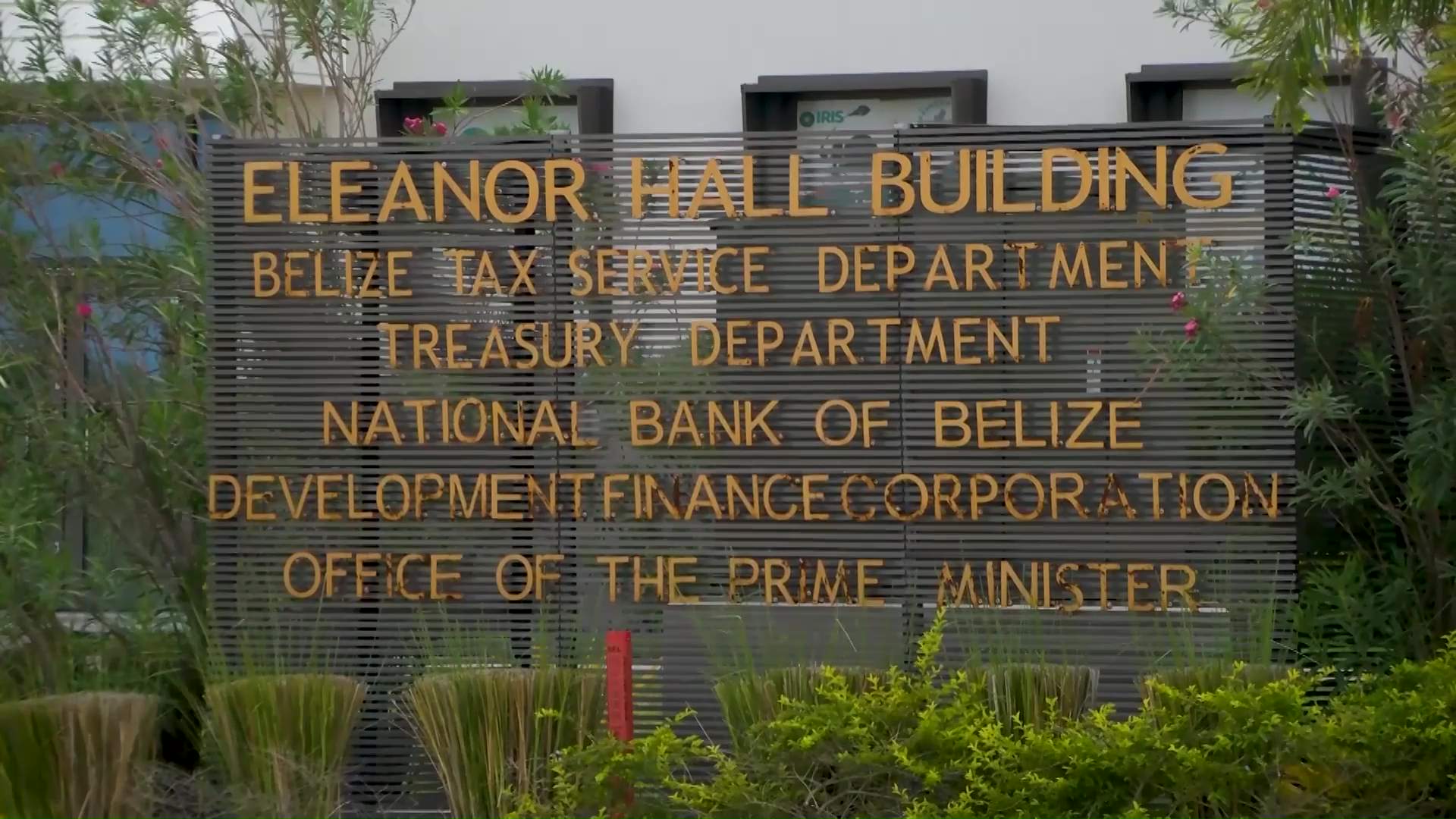
PSU Officially Declares Trade Dispute Over Impend SARA Transition
The Public Service Union (PSU) has officially declared a trade dispute with the Government of Belize over its plan to transition the Belize Tax Services Department into a semi-autonomous revenue authority (SARA). This escalation follows weeks of growing concerns voiced by the union. On Wednesday, the PSU delivered a formal 21-day notice, signaling its intent to initiate industrial action. Valentino Shal, CEO of the Ministry of Labour, confirmed the receipt of the notice and stated that the government is preparing a response. The move underscores the union’s dissatisfaction with the proposed changes, which could significantly impact public officers and taxpayers. Shal emphasized that internal discussions are underway to address the matter, but the PSU’s decision to escalate the issue highlights the deepening tensions between the union and the government. This development raises questions about the future of Belize’s tax administration and the potential for broader labor unrest.
-

Burrell Boom Investment Dispute Escalates
A heated investment dispute in Burrell Boom Village, Belize, has escalated between two Belizean business partners, Kenny and Shanna Williams, and three American investors, including Dr. Sade Thompson. The investors allege they were overcharged for constructing three luxury wooden structures, a wooden deck pool, and other amenities, with costs doubling from an estimated $250,000 to $500,000. The Williams deny these claims, asserting the investors received value beyond their payments. The investors now seek to relocate the structures to Georgetown, Belize, but the Williams oppose this, citing potential losses due to construction noise during the tourist season. Consultant Jazmynn Tillett, representing the investors, has been barred from the property, further complicating matters. Landowner Dr. Erika Paterson supports the Williams, stating the investors lack evidence to substantiate their claims. Legal tensions are rising, with attorneys from both sides preparing for potential litigation. The dispute also highlights issues with the lease agreement, including the lack of land surveying and subdivision, as required by Belize’s Land Utilization Act. Both parties are urged to formalize their arrangement through a limited liability company to avoid future conflicts. The situation remains unresolved, with both sides entrenched in their positions.
-
Tourism Stakeholders Hopeful Amid Grave Uncertainty
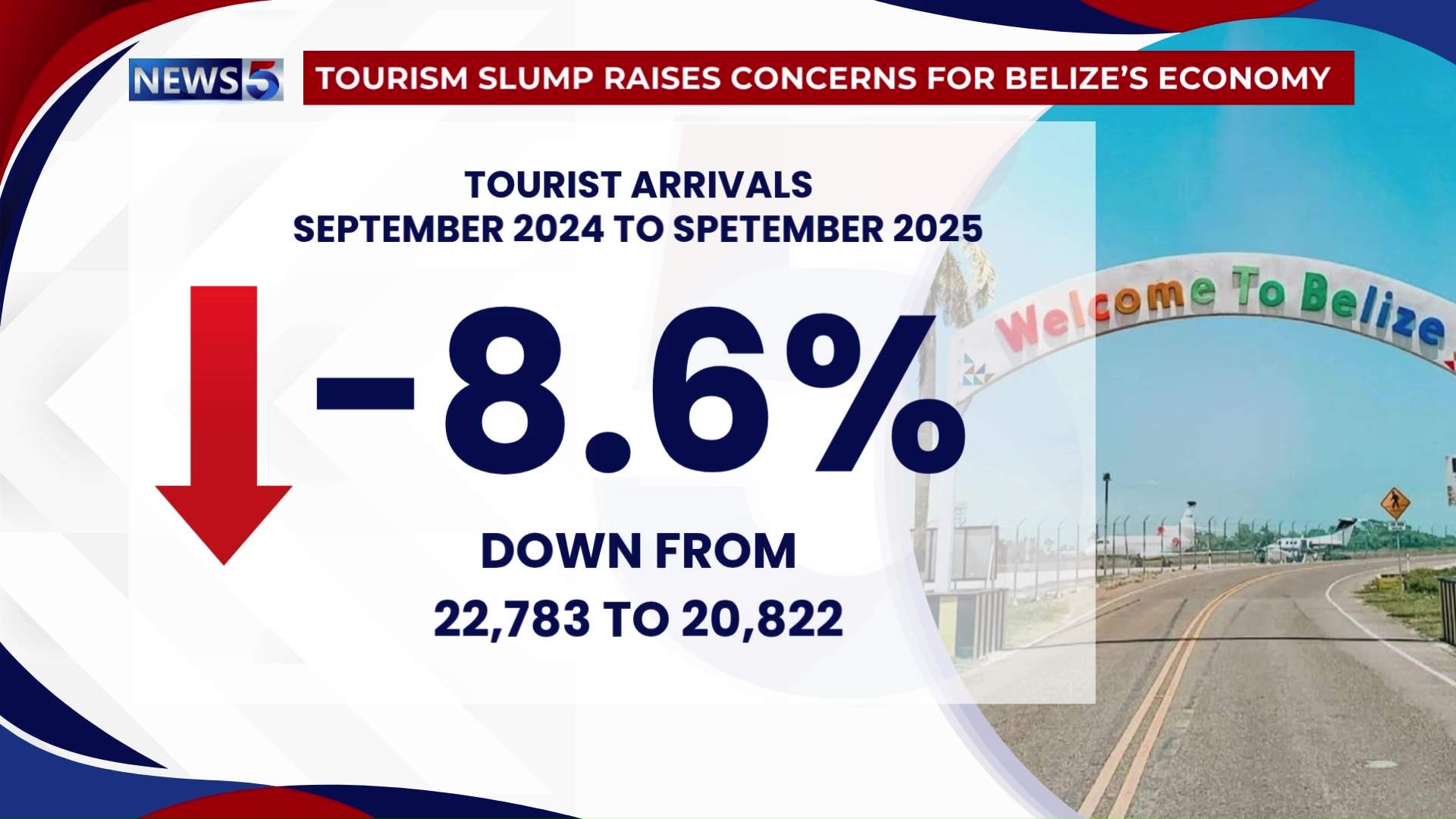
Belize’s tourism sector is navigating a complex landscape marked by both resilience and uncertainty. While the industry remains steady, it is not immune to the economic challenges emanating from the United States, its primary market. Recent data reveals a 22-year high in U.S. job losses, coupled with a prolonged federal shutdown, which has significantly impacted discretionary spending. This downturn has had a ripple effect on Belize, with overnight tourist arrivals in September declining by 8.6%. Despite these setbacks, industry leaders remain cautiously optimistic. Reynaldo Malik Jr., President of the Belize Hotel Association, emphasizes the lessons learned from the COVID-19 pandemic, noting that stakeholders are now better prepared to weather economic storms. Malik draws a vivid analogy, stating, ‘If North America sneezes, we’re going to catch a cold. Right now, our cold has edged up into a little bit of a serious flu.’ He highlights the uncertainties in the U.S. market, particularly the record-high job losses and the federal shutdown, which have constrained consumer spending. However, there is hope on the horizon. Malik points to signs that the U.S. federal shutdown may soon end, potentially triggering a surge in travel plans. He remains hopeful that Belize will be a top destination for travelers, much like the post-COVID rebound. The industry’s resilience and strategic preparedness offer a glimmer of optimism amid the prevailing economic headwinds.
-
Airport Infrastructure Issues Could Stall Tourism Rebound
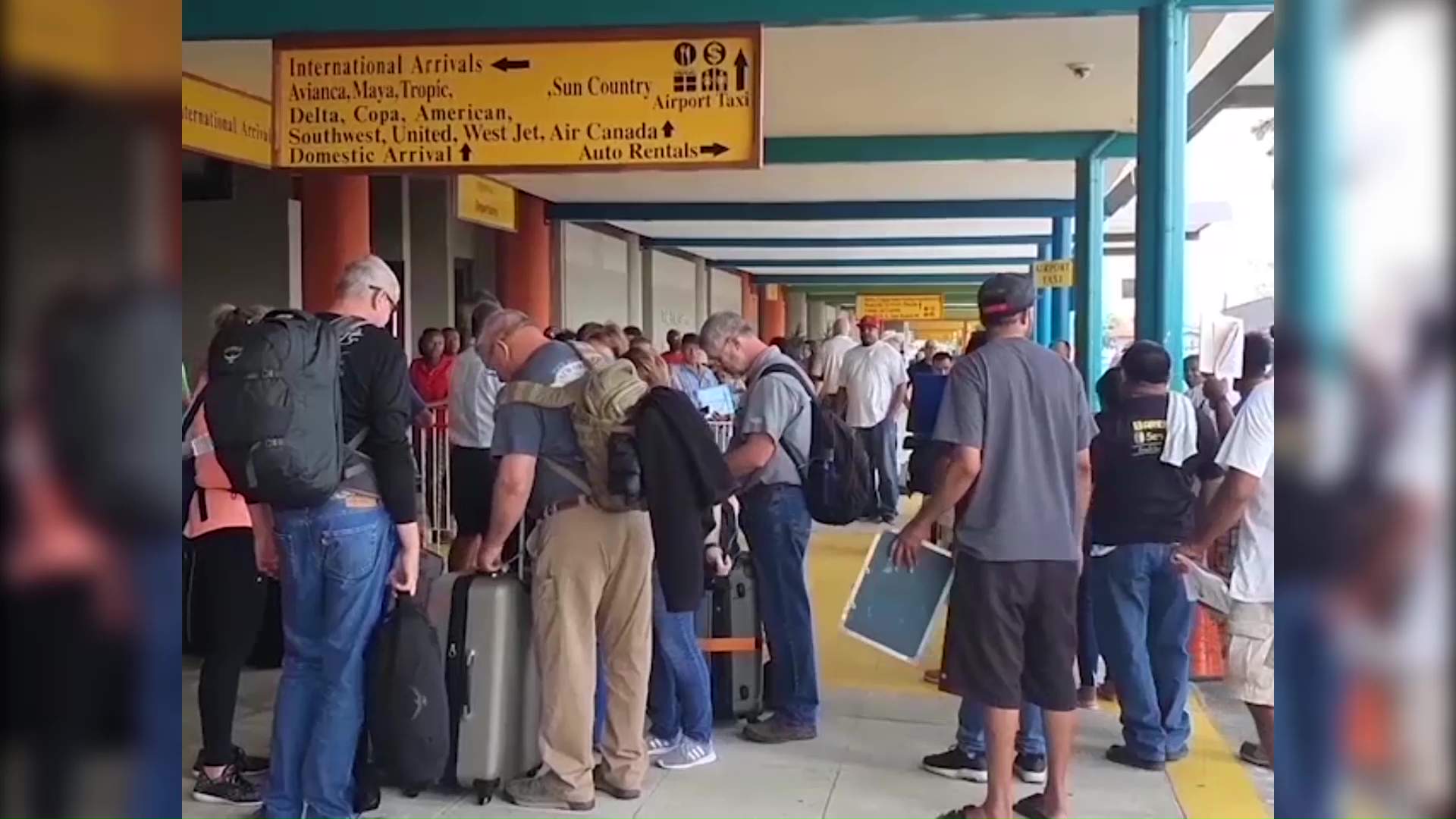
As Belize anticipates a surge in tourism following the resolution of the U.S. federal government shutdown, persistent air traffic control shortages and equipment failures at major U.S. airports are casting a shadow over this optimism. These issues, which predate the shutdown, are expected to persist even after government services resume, potentially hindering the recovery of Belize’s tourism sector. Reynaldo Malik Jr., President of the Belize Hotel Association, emphasized that the air traffic controller shortage and equipment malfunctions have been ongoing for the past six months. He cautioned against assuming that the end of the federal shutdown would immediately resolve these challenges, drawing parallels to the long-term impacts of COVID-19 on Belize’s tourism workforce. Malik noted that some air traffic controllers may not return to their jobs, leading to potential reductions in regional flights. The Belize Tourism Board is actively engaging with airlines to assess the impact of the Federal Aviation Administration’s (FAA) planned flight reductions. B.T.B. Director Evan Tillett highlighted a positive sign from United Airlines, which has indicated that international flights to Belize will remain unaffected.