分类: business

  • Chamber survey highlights business concerns over rising costs

    Chamber survey highlights business concerns over rising costs

    Against a backdrop of ongoing global economic volatility, the Grenada Chamber of Industry & Commerce (GCIC) has recently released findings from a member survey designed to measure how shifting international conditions are rippling through the Caribbean nation’s local business ecosystem. The survey specifically focused on three key pressure points: international shipping expenses, prices for imported goods, and the general operating climate for domestic enterprises.

    The results paint a clear picture of mounting strain across Grenada’s business community. A large share of responding firms reported that they are already facing sharp increases in the cost of imported inputs and finished goods, which has compressed profit margins across multiple sectors. Beyond immediate financial pressure, businesses have also voiced deepening anxiety about further price hikes in the months ahead. Top concerns raised by participants include spiraling fuel and energy costs, broad-based inflation, persistent global supply chain disruptions, and an expected pullback in consumer discretionary spending as household budgets tighten.

    Following the survey’s identification of shipping costs as a primary pain point, GCIC leadership initiated direct discussions with shipping companies that service Grenada. Those conversations confirmed that carriers already implemented an approximate 8.5% rate increase in March, and a second additional hike is scheduled for April. Chamber analysts note, however, that some of the overall cost increases reported by local businesses may stem from other intermediate points along the supply chain, not just carrier rate hikes. These additional contributing factors include price increases from overseas suppliers, elevated fuel and logistics fees, higher insurance premiums, and other international operational charges.

    GCIC has emphasized that the survey accurately captures the on-the-ground perceptions and lived experiences of local businesses, as well as the projected shipping rate increases that have been confirmed for the coming month. Crucially, the Chamber stresses that the concerns raised by the business community are not abstract: they directly tie to the rising overall cost of doing business in Grenada, which in turn drives upward pressure on the country’s cost of living for ordinary households.

    Moving forward, GCIC says it will maintain close monitoring of the evolving situation, maintaining ongoing dialogue with member businesses, shipping agents, and other key industry stakeholders. The organization also plans to engage the Government of Grenada to discuss potential policy interventions that could mitigate cost pressures for both businesses and consumers. GCIC reaffirmed its longstanding commitment to collaborating across the public and private sectors to address emerging economic challenges in a timely, constructive manner that protects the interests of local enterprises and households alike.

  • Did Belize Become “The Spot” for Easter?

    Did Belize Become “The Spot” for Easter?

    As travelers across the globe plan their Easter getaways, Belize has emerged as a fast-growing destination, official new data from 2026 confirms. The Central American nation has recorded a notable uptick in holiday visitor arrivals, with figures released by the Ministry of Immigration, Governance and Labour revealing shifting patterns in how tourists enter the country.

    Total inbound arrivals for the 2026 Easter period hit 24,520, marking a 5.5% increase compared to the 23,240 visitors recorded in 2025, according to the ministry’s official report. Among all entry routes, air travel posted the most dramatic growth, signaling a broader shift in Belize’s tourism landscape. Philip Goldson International Airport, the country’s main air gateway, welcomed 8,735 arrivals this year, up from 6,366 in the same holiday period last year – a 37% year-over-year surge. The ministry noted that this sharp jump reflects broader strengthening of tourism inflows to Belize, alongside a growing reliance on air access for international and regional visitors.

    Trends at Belize’s land border crossings, however, showed mixed outcomes across different checkpoints. Crossings at the western Benque Viejo del Carmen checkpoint, which connects Belize to Guatemala, saw a robust 28.4% increase in arrivals over the Easter holiday. In contrast, entries through the northern Corozal checkpoint bordering Mexico dropped sharply by 23.7%. When combining all land border entry points, the overall volume of arrivals dipped only slightly compared to 2025.

    Beyond the overall arrival numbers, tourist-specific arrivals climbed by 24.6% year-over-year, underscoring Belize’s growing appeal as a top Easter holiday destination. The ministry’s analysis tied the shifting land border trends to changing regional travel patterns. It explained that the data points to a clear shift, with fewer northern crossings from Mexico and increased visitor traffic crossing over from Guatemala during this year’s Easter holiday period. Industry analysts expect this growing momentum for Belize’s Easter tourism to drive further investment in air infrastructure and hospitality services in the coming years.

  • Gas tax under fire

    Gas tax under fire

    A sustained surge in global crude oil prices, driven by regional disruption in the Middle East’s Strait of Hormuz, has triggered a cumulative $21 to $22.50 increase in fuel prices at Jamaica’s state-owned sole refinery Petrojam over just five weeks, pushing industry leaders and top business figures to pressure the Jamaican government for an immediate cut to the special consumption tax (SCT) on petroleum products.

    Data from Petrojam’s April 1 pricing breakdown shows that for a gallon of 87 octane gasoline priced at $172.3828, SCT charges account for more than 31 percent of the final pump price, with $37.7761 in base SCT and an additional $15.6712 in ad valorem SCT applied to the ex-refinery base price of $118.9355. This disproportionate tax burden has drawn sharp criticism from Christopher Berry, Executive Chairman of leading investment firm Mayberry Group, who argues that skyrocketing energy costs are squeezing household budgets and eroding competitiveness across every sector of the Jamaican economy.

    Berry made the call during an April 2 virtual investor briefing hosted by Mayberry Investments, noting that the heavy SCT levy ripples through daily life for Jamaican consumers, appearing in higher electricity bills as well as direct fuel costs, with low- and middle-income families unable to absorb the extra expenses. His appeal comes as Jamaica navigates its second major external economic shock in just six months: after Hurricane Melissa caused extensive damage to western Jamaica and disrupted the key winter tourism season, the Middle East supply disruption has sent shockwaves through global commodity markets.

    Beyond transportation fuel, the spike in oil derivatives has driven up costs for critical agricultural inputs, most notably fertilizer, where a third of global seaborne fertilizer trade has been cut off by the crisis. For the manufacturing sector, higher fuel prices deliver a dual blow: rising liquified natural gas (LNG) and electricity costs push up production expenses, while higher diesel prices increase the cost of transporting finished goods to market. Richard Pandohie, CEO of Seprod Limited, one of Jamaica’s largest manufacturing and distribution conglomerates, warned in a recent Television Jamaica interview that while overall food availability will remain stable, widespread affordability will become a major challenge as price hikes filter through to grocery shelves.

    As of the most recent Monday trading session, global crude benchmarks have seen dramatic double-digit gains: Brent crude has risen 82 percent to $113.19, while West Texas Intermediate (WTI) has climbed 99 percent to $115.52. The unusual inversion of WTI trading above Brent, a reversal of the typical market dynamic where Brent carries a premium due to water transportation costs, signals that markets are pricing in persistent supply delivery risks. Other emerging economies across the Indo-Pacific have already moved to address the energy crisis: India and Vietnam have cut fuel taxes and excise duties on petrol and diesel to cushion consumer impact, while Bangladesh, Nepal, and Sri Lanka have implemented emergency measures including reduced business operating hours and national holidays to conserve energy.

    Jamaica has a recent precedent for targeted intervention during energy price shocks: in 2022, then Finance Minister Dr. Nigel Clarke rolled out a $2 billion targeted support package for vulnerable households, alongside a 20 percent electricity subsidy for Jamaica Public Service (JPS) customers using up to 200 kilowatt-hours per month between April and July. Berry argues that in the current crisis, cutting SCT is a necessary step to prevent broad economic damage, even with the near-term impact on government revenue. “Although the higher SCT on increased fuel prices offsets some of the government’s negative cash flows, the damage to the overall economy far outweighs that revenue gain,” Berry said, urging policymakers to immediately reduce fuel taxes to avoid long-term harm.

    Under Petrojam’s current pricing framework, the refinery adjusts product prices every Wednesday to align with changes in the US Gulf Coast reference price, which has risen 67 percent between February 27 and March 27 to hit $3.043 per gallon. A built-in cap limits weekly price movements to a maximum $4.50 increase or decrease, meaning the refinery must absorb excess costs when global prices spike sharply. Up to the week of March 27, Minister of Information and Technology Daryl Vaz confirmed that Petrojam has already absorbed $795 million (US$5 million) in unabsorbed price increases, and warned that the government may need to draw on the consolidated fund or net international reserves (NIR) to cover these costs. The refinery already posted a US$28.66 million net loss in the 2025 fiscal year ending March, and is projected to record a US$9.63 million net loss for the 2027 fiscal year.

    Vaz told Nationwide News Network that he has already briefed Finance Minister Fayval Williams on the situation, and that the government’s top priority is minimizing disruption to the broader economy. On the supply side, Vaz emphasized that while Petrojam sources most crude from Brazil, Ecuador, and Colombia, and purchases finished products on the open market primarily from the United States, the refinery holds four weeks of stock on hand and has secured written commitments from all suppliers guaranteeing no disruptions to deliveries, eliminating near-term supply shortage risks.

    Despite the clear benefits for consumers, a cut to SCT carries significant fiscal risks for the Jamaican government. Fuel SCT collected through Petrojam is a major revenue stream for the government, generating $45.3 billion in annual revenue. For the 2025 fiscal year, Petrojam collected US$225.82 million in SCT, with projections of US$247.49 million for 2026 and US$284.63 million for 2027, based on an average crude acquisition price of US$80.19 per barrel. The government is already projecting a $134.6 billion deficit for the 2026 fiscal year and a $190.7 billion deficit for the current fiscal year, with Williams’ 2027 budget including $18.04 billion in new taxes for the upcoming fiscal year and an additional $15.6 billion for the following year, a reflection of lingering fiscal damage from Hurricane Melissa.

    For ordinary Jamaicans, the pressure is already mounting: JPS customers have already seen higher fuel surcharges added to their monthly electricity bills, while businesses are preparing to implement a higher minimum wage starting June 1. Combined with broader economic slowdown pressures, the latest fuel price hikes are set to push household and business costs even higher in the coming months, leaving the Jamaican government caught between the urgent need to relieve consumer strain and the risk of exacerbating already wide fiscal deficits.

  • Market rises but participation weakens

    Market rises but participation weakens

    The first quarter of 202X closed with positive headline returns for Jamaica’s main stock market, but beneath the surface, the rally is losing foundational strength as upward momentum becomes concentrated in an increasingly narrow group of assets and investor risk appetite pulls back.

    For the three-month period ending March 31, the Main Market index logged an overall 8.83% gain, built on strong upward movement from the earlier months of the quarter. That overall gain, however, obscured a softening trend that intensified through March: the benchmark slipped 0.18% during the final month of the quarter, erasing a portion of earlier gains and signaling the broad rally was running out of steam by quarter-end.

    Market breadth shifted sharply negative in March, underscoring the uneven nature of recent gains. Only 14 stocks posted advances, while 38 closed lower, a marked deterioration from February’s 21 gains and 32 declines. The trend confirms that market participation has steadily weakened as the quarter progressed, meaning a shrinking share of listed companies are contributing to the index’s overall growth.

    Put plainly, the headline index has moved higher, but that growth is being driven by fewer and fewer names. This narrow leadership pattern was clearly visible in the performance of the market’s top outperformers: Kingston Properties and Sagicor Real Estate X Fund notched robust double-digit gains that propped up the broader index, while the majority of other listed assets lagged far behind.

    At the same time, several widely held large-cap stocks, including Caribbean Producers, Mayberry Jamaican Equities and JMMB Group, all trended downward, highlighting how fractured investor confidence is across different segments of the market. For the full quarter, the gap between top and bottom performers widened dramatically: TransJamaican Highway and Kingston Properties led the market with gains of roughly 50%, while dozens of other stocks posted double-digit losses.

    This growing divergence between a small cohort of strong winners and a much larger group of declining stocks signals a clear shift in investor strategy: the market is becoming far more selective, with market participants concentrating capital in a handful of targeted opportunities rather than spreading investments broadly across the benchmark.

    Trading data further reinforces the trend of rising investor caution. In March, the total number of transactions climbed 17% year-over-year to 27,101, but total trading volume plummeted 70% to 321.84 million units. The aggregate value of all trades also fell sharply, dropping to $4.11 billion from $24.51 billion in the same period a year earlier.

    This data points to a clear shift in investor positioning: while more trades are being executed, investors are committing far less capital per transaction, a clear signal of growing risk aversion and a shift toward shorter-term trading strategies. The pattern also suggests many market participants are testing the waters with small, tactical positions rather than making large, long-term commitments to equities.

    The junior market segment mirrored the main market’s weak underlying performance, even with more muted overall movement. The junior market index gained 1.04% in March and posted a meager 0.21% gain for the full first quarter, showing almost no net upward momentum for the period. Within the segment, performance was similarly uneven: Jetcon Corporation and Future Energy Source Company posted gains, while Kintyre Holdings and IronRock Insurance closed lower, echoing the main market’s pattern of narrow, uneven growth.

    Taken together, the data paints a clear picture of a stock market that still shows positive headline gains, but lacks broad underlying support. This dynamic matters for future performance: narrow rallies driven by a small handful of stocks and declining average trade values are notoriously difficult to sustain over the long term, particularly if broader investor confidence fails to improve in coming months. If the current trend of weakening breadth and declining capital commitment continues, the market will likely struggle to build on its strong early-quarter gains, even if benchmark headline indices remain in positive territory.

  • Mayberry Investments seeking $3 billion from bond market

    Mayberry Investments seeking $3 billion from bond market

    Jamaica-based leading securities dealer Mayberry Investments Limited (MIL) has announced a new secured bond issuance, seeking to raise between $2 billion and $3 billion from global and local investors to refinance a recently matured debt obligation and advance its ongoing corporate transformation strategy.

    On March 19, MIL fully redeemed its outstanding Tranche II bond, which carried a 10.75% interest rate and had a total face value of $2.06 billion. To replace this matured debt, the firm is launching a new 18-month bond tranche priced at a lower 10.50% interest rate, with an initial issuance target matching the size of the redeemed bond. In a positive sign of market accessibility, MIL chairman Gary Peart noted in the offering prospectus that the new issuance fills a gap in the market for small investors seeking stable, competitive fixed-income returns for their savings.

    To accommodate strong investor demand, MIL reserves the right to upsize the offering to a maximum of $3 billion. The new bond is backed by a fixed charge over MIL’s secured loan book pool, which is valued at $12.5 billion, underpinned by underlying assets worth $29.58 billion. To protect investor interests, MIL has agreed to binding financial covenants: its debt-to-equity leverage ratio will not exceed 4x, and it will maintain a minimum current ratio of 1.2x.

    Following the closure of the offering, MIL plans to apply to list the new tranche on the Jamaica Stock Exchange (JSE) Bond Market. Total transaction expenses are capped at $61.1 million, per the offering terms. This issuance marks the latest in a series of regular debt raisings by MIL and its sister subsidiary Mayberry Jamaican Equities Limited (MJE) on the JSE Bond Market, a trend that has continued annually since 2023. Currently, the two firms collectively have five listed securities worth $7.33 billion on the exchange. MIL previously redeemed its $1.98 billion Tranche IV bond in January 2025, while MJE faces $1.23 billion in combined bond maturities in August and October 2026. Both entities are core subsidiaries of the publicly traded Mayberry Group Limited.

    As of the latest market data, the JSE Bond Market hosts 15 listed securities with a total face value of $19.01 billion, alongside three USD-denominated bonds worth $32 million on the JSE USD Bond Market. MIL most recently served as lead broker and arranger for Dolla Financial Services Limited’s $1.5 billion dual-tranche bond listing, which closed on March 31.

    For the upcoming offering, the minimum subscription amount is set at $20,000, with additional increments available in multiples of $10,000 to accommodate different investor sizes. The offer opens for subscriptions on April 13 and is scheduled to close on May 11. Existing Mayberry clients can complete their subscriptions via the dedicated portal https://ipo.mayberryinv.com/mi-ipo, while new and non-client investors can apply through designated selling agent Sagicor Investments Jamaica Limited.

    The bond issuance comes on the heels of a landmark financial turnaround for MIL in 2025, which saw the 40-year-old broker swing from a pre-tax loss of $380.06 million in the prior year to a pre-tax profit of $377.61 million, representing a net $757.67 million improvement in profitability. The strong performance stemmed from a combination of aggressive cost-cutting initiatives and robust growth in the company’s core business lines, under the leadership of CEO Patrick Bataille in his first full year at the helm.

    Operating expenses fell 12% year-over-year, from $2.26 billion to $1.99 billion, a $275.63 million reduction. The largest single improvement came from a collapse in operational losses, which shrank from $255.49 million to just $1.87 million, driven by tighter operational oversight. The company also reversed $5.32 million in prior credit loss provisions, compared to a $148.13 million credit loss expense in the prior year. Bataille explained that the adjustment followed a comprehensive review of MIL’s loan book, which confirmed that existing collateral coverage was sufficient for all outstanding loans, eliminating the need for excess loss provisions.

    “What we did do in 2025, we reviewed everything that we’re provisioning. We identified where there were scenarios where we may have been over provisioning for things where we had enough collateral to cover it,” Bataille told attendees during a virtual investor briefing on Friday.

    Interest income for the year climbed 11% ($281.38 million) to $2.73 billion, fueled by a 20% expansion in the company’s loan and receivables book to $11.94 billion, alongside higher yields on repurchase agreements, promissory notes, and investment securities. While interest expense also rose 11% to $2.01 billion, MIL still posted $724.04 million in net interest income. Total full-year revenue grew 26% to $2.36 billion, lifted by higher consulting and commission fees, foreign exchange gains, and unrealized valuation gains on investment properties.

    Currently, 42% of MIL’s total revenue comes from fee-based consulting and commission income, and the company has set ambitious targets to grow this share over time: 50% in the near term, and 75% in the longer term. The strategic shift will see MIL reduce its reliance on balance sheet lending and reorient the business toward recurring fee income, a mandate Bataille received from the company’s board of directors.

    “Our goal is to really transform the business into a fee income generating business. That’s the mandate I got from my board,” the CEO said.

    As part of this transformation, MIL plans to de-risk its balance sheet through the use of structured financing vehicles to manage its lending portfolio more efficiently, alongside a planned sale of non-core assets to free up capital for its core advisory and wealth management lines. The company is also expanding its investment banking division, led by bankers Dan Theoc and Rachel Kirlew, and has multiple deals in the pipeline. Chairman Peart confirmed that the firm is on track to complete at least one initial public offering (IPO) within the next three months.

    Thanks to the strong full-year performance and the utilization of deferred tax credits, MIL’s net profit surged 358% year-over-year, from $139.28 million to $637.92 million. Total assets grew 7% to $44.25 billion, driven by the expanded loan book and $5.44 billion in net cash holdings. Total liabilities also rose 7% to $37.37 billion, with total outstanding loans standing at $13.21 billion and accounts payable growing 26% due to higher client payables. Shareholders’ equity improved 6% to $6.87 billion, translating to a book value of $5.72 per share. MIL’s capital adequacy ratio hit 18.16% at year-end, far exceeding the Jamaican regulatory minimum of 10%.

    “I’m very focused on our liquidity mix, what we’re borrowing at, what we’re lending at and identifying ways to become more efficient, particularly controlling our interest expense and getting a better balance of liquidity. We’re looking at more creative ways of managing that balance sheet,” Bataille said in closing.


  • BOOT Jamaica named business of the year at St Ann Chamber awards

    BOOT Jamaica named business of the year at St Ann Chamber awards

    RUNAWAY BAY, St Ann — The St Ann Chamber of Commerce’s annual awards ceremony, one of the most prestigious business events in the region, crowned BOOT Jamaica as its 2026 Business of the Year on March 29, capping off a night of celebration for outstanding enterprise across the parish. Held at the Cardiff Hall Hotel in Runaway Bay, the gathering drew a cross-section of attendees, from local business owners and chamber leadership to national government representatives and cross-sector stakeholders invested in St Ann’s economic growth.

    As the highest accolade of the night, the Business of the Year award was presented by Jamaica’s Prime Minister Andrew Holness, who also delivered the event’s keynote address focused on driving private sector growth across the country’s northern parishes. Founder and Executive Director Wayne Boothe alongside Chief Operating Officer Alexcia Boothe accepted the award on the company’s behalf, marking a major milestone in BOOT Jamaica’s years-long trajectory of expansion and innovation across Jamaica.

    In his acceptance remarks, Wayne Boothe framed the recognition as a milestone that comes as the company enters a new era of strategic growth. “This award comes at a defining moment for BOOT Jamaica. As we expand through developments such as BOOT 2 and planned growth in parishes, including St James and Trelawny, we are reimagining what convenience and service look like across Jamaica,” he said. “We are honoured by this recognition and remain committed to sustained investment, innovation, and excellence in St Ann and beyond.” Boothe also extended gratitude to his company’s team, community partners, and loyal customers, reaffirming the organization’s core mission of delivering exceptional customer service while driving inclusive economic growth and sustainable community development across the island.

    Beyond its commercial success, BOOT Jamaica’s commitment to community emergency preparedness also earned special recognition during the ceremony. Custos of St Ann Joseph Issa highlighted the work of the Custos Commandos, a volunteer emergency response initiative, in strengthening local disaster response systems across the parish. Alexcia Boothe was separately honored for leading a parish-wide shelter support initiative launched in the wake of Hurricane Melissa. The program delivered 2,000 sleeping bags and soup kits to vulnerable communities, while also funding critical infrastructure upgrades to shelters that improved access to reliable power during emergencies and boosted overall response efficiency in post-storm recovery efforts.

    The St Ann Chamber of Commerce’s annual awards were created to celebrate outstanding business performance and measurable contributions to local economic development across the parish. For the 2026 iteration, organizers awarded 12 honors across diverse categories, including social responsibility and community impact, education excellence, and small business of the year, with Business of the Year standing as the pinnacle of achievement for local enterprises. BOOT Jamaica claimed the top prize from a competitive pool of high-profile nominees that included Pure Chocolate Jamaica and the Jamaica Public Service Company. Judges and peer industry voters highlighted the company’s aggressive, forward-thinking expansion strategy as the key deciding factor in its selection, pointing specifically to the 2025 groundbreaking of the highly anticipated BOOT 2 development as evidence of the company’s outsized impact on the parish’s economic outlook.

  • First ships cross through Strait of Hormuz since ceasefire—monitor

    First ships cross through Strait of Hormuz since ceasefire—monitor

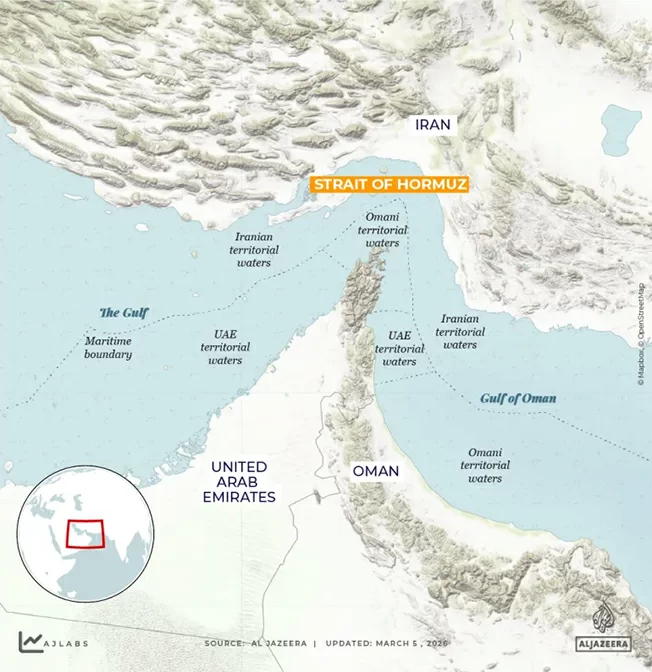
    PARIS, France (AFP) — Just hours after a fragile truce between the United States and Iran was meant to reopen one of the world’s most critical energy chokepoints, shipping activity through the Strait of Hormuz remained severely constrained Wednesday, offering little immediate relief to global energy markets grappling with months of disrupted trade.

    Only three vessels — all bulk carrier cargo ships — had either completed or were nearing completion of their transits of the 21-mile waterway by Wednesday afternoon, according to real-time tracking data from global maritime intelligence service MarineTraffic. The count only accounts for vessels that kept their navigation transponders active, leaving open the possibility that additional unreported crossings occurred with signals turned off.

    The first two crossings were completed early Wednesday, mere hours after the ceasefire agreement was made public. The Liberia-flagged Daytona Beach, which departed the Iranian port of Bandar Abbas at 05:28 UTC, crossed the strait at 06:59 UTC, while Greek-owned bulk carrier NJ Earth completed its passage at 08:44 UTC. A third vessel, the Chinese-owned, Botswana-flagged Hai Long 1 — also departing from Iran — was approaching the end of its transit by mid-afternoon Wednesday.

    Notably, the NJ Earth had already crossed into the Gulf of Oman between Monday and Tuesday before returning through the strait again on Wednesday. Ana Subasic, an analyst with commodities data firm Kpler — which owns MarineTraffic — told AFP that this single transit is an encouraging early signal, but it remains too early to confirm whether it marks the start of a full, ceasefire-driven reopening of the waterway, or merely a one-off exception approved by Iranian authorities before the truce took effect.

    Both the NJ Earth and Daytona Beach used the Iran-approved transit corridor near Larak Island, the only route most vessels have been allowed to use for the past three weeks amid Iran’s access restrictions. While the Daytona Beach listed the United Arab Emirates’ Fujairah port as its destination on its transponder, AFP was unable to immediately confirm the NJ Earth’s final destination. By 16:00 GMT Wednesday, several additional cargo vessels were observed heading toward the same approved corridor for transit.

    The slow resumption of activity comes as shipping industry reports confirm that hundreds of vessels remain stuck in the Gulf region. Shipping industry publication Lloyd’s List reported Wednesday that some shipowners and charterers have begun preparations to move the hundreds of vessels stranded since restrictions took effect, with the outlet estimating that roughly 800 ships are currently held in the Gulf.

    Iran implemented the severe restrictions on access to the strait in late February as a retaliatory measure following coordinated US and Israeli strikes on Iranian assets in the region. Data from Kpler shows that between March 1 and April 7, just 307 commodity-carrying vessels completed crossings of the strait — a 95% drop from pre-restriction traffic levels.

    The strait carries outsized importance for global energy security: in peacetime, roughly 20% of the world’s total daily crude oil and liquefied natural gas supplies pass through the waterway, making even minor disruptions to traffic enough to shift global energy prices and threaten supply chains worldwide.

  • HIRING: Bartenders and Cooks

    HIRING: Bartenders and Cooks

    The food and beverage sector continues to show signs of steady recovery, as one local hospitality business has recently posted open positions for two key front- and back-of-house roles: bartenders and cooks.

    As consumer demand for dining and social experiences out of the home continues to climb following years of industry disruption, venues across the country are working to rebuild their teams to match rising customer foot traffic. The open bartender role will be responsible for crafting beverage menus, mixing classic and signature drinks, interacting with guests to deliver a welcoming venue experience, and managing bar stock to keep service running smoothly. Ideal candidates will bring prior hospitality experience, a deep understanding of safe alcohol service protocols, and strong interpersonal skills to connect with patrons.

    For the open cook position, the business is seeking professionals who can maintain consistent food quality, work efficiently in a fast-paced kitchen environment, adhere to strict food safety and sanitation standards, and collaborate with front-of-house staff to coordinate timely order delivery. Relevant culinary experience, the ability to multitapse during peak service hours, and a commitment to delivering high-quality dishes are listed as key qualifications for the role.

    Industry analysts note that ongoing hiring activity in frontline hospitality roles signals growing confidence among small business owners in the sustained strength of consumer spending on leisure and dining experiences. Many venues are currently offering competitive hourly wages, flexible scheduling, and in some cases tips and performance-based bonuses to attract qualified workers to fill these critical positions.

  • IMPORTANT CLOSURE NOTICE: Rhudd & Associates

    IMPORTANT CLOSURE NOTICE: Rhudd & Associates

    A significant announcement has been made this week regarding the permanent closure of Rhudd & Associates, a long-standing entity that has operated in its respective industry for an extended period. The formal closure notice, issued directly by firm leadership, confirms that the organization will wind down all business activities and cease client services completely in the coming weeks.

    While specific details surrounding the exact catalysts for the closure have not been fully disclosed to the public, industry observers note that the decision comes amid a shifting economic landscape that has impacted many similar firms across the sector. Stakeholders, including current clients, employees and partners, have already begun receiving individual notifications to assist with the transition process, including the transfer of ongoing projects and closure of outstanding accounts.

    For long-time clients who have relied on Rhudd & Associates for specialized services, the closure marks the end of a trusted professional partnership. The firm’s leadership has stated that they are committed to making the wind-down process as orderly and transparent as possible, to minimize disruptions for all parties involved. As the firm completes its final operational procedures, industry groups are already noting the gap that will be left by Rhudd & Associates’ exit from the market.

  • Sluiting Straat van Hormuz verdeelt olie-inkomsten Midden-Oosten: winnaars en verliezers

    Sluiting Straat van Hormuz verdeelt olie-inkomsten Midden-Oosten: winnaars en verliezers

    Since late February, one of the world’s most critical energy chokepoints, the Strait of Hormuz, has been effectively closed by Iranian authorities, sending shockwaves through global energy markets and creating a stark divide in financial outcomes for oil-producing nations across the Middle East, a new Reuters analysis finds. Roughly 20% of the world’s daily oil and liquefied natural gas flows pass through this narrow waterway, making its disruption a major global economic flashpoint.

    The closure followed escalating regional tensions after the United States and Israel launched airstrikes on Iranian targets. While Iran later relaxed restrictions to allow vessels with no American or Israeli links to transit, keeping a small number of tankers moving through the strait, global energy markets have remained extremely volatile. Brent crude prices recorded a historic 60% jump in March alone, a surge that has reshaped revenue calculations for every major producer in the region.

    The uneven impact of the crisis boils down to one key factor: geography. Nations that control the strait or have pre-built alternative export routes are reaping massive financial windfalls from sky-high prices, while countries dependent entirely on Hormuz access are facing catastrophic revenue losses.

    Iran, which controls access to the strait, has seen its oil revenue climb 37% compared to last year. Oman and Saudi Arabia have also posted gains: Omani revenue rose 26% year-on-year in March, while Saudi Arabia recorded a 4.3% increase. The United Arab Emirates (UAE) saw a modest 2.6% dip in revenue, as higher global prices offset most of the losses from reduced export volumes.

    Saudi Arabia’s ability to weather the crisis stems from a key infrastructure investment made decades ago. During the 1980s Iran-Iraq War, the kingdom built the 1,200-kilometer East-West Pipeline, which connects its eastern oilfields directly to the Red Sea port of Yanbu, bypassing the Strait of Hormuz entirely. Since the closure, the pipeline has been operating at full capacity of 7 million barrels per day. Even though Saudi Arabia’s total crude export volume dropped 26% in March, the record-high oil prices pushed the total value of its exports up by more than $550 million compared to typical monthly levels. Exports through Yanbu have operated near maximum capacity despite recent attacks on the port, though the kingdom remains vulnerable to further strikes on its energy infrastructure and the nearby Bab el-Mandeb shipping lane from Iran and its Houthi allies in Yemen.

    For nations without alternative export routes, the picture is far grimmer. Iraq and Kuwait have been hit hardest, with year-on-year revenue drops of 76% and 73% respectively in March. Iraq’s total oil revenue for the month fell to just $1.73 billion, while Kuwait’s dropped to $864 million. Iraq saw limited support from cargoes that departed just before the escalation of tensions, but analysts warn April revenue will likely be even lower. Qatar has also suffered steep losses due to its lack of alternative export infrastructure for both oil and gas.

    The UAE, which operates the Habshan-Fujairah pipeline that can bypass Hormuz with capacity between 1.5 million and 1.8 million barrels per day, still saw its total revenue fall by more than $174 million in March after attacks targeted the Fujairah port, disrupting operations.

    Looking ahead, most Gulf states appear to have the financial buffer to absorb this short-term shock, according to Adriana Alvarado, vice president at ratings firm Morningstar DBRS. With the exception of Bahrain, most regional governments hold enough reserve savings and maintain public debt levels below 45% of GDP, giving them room to borrow or draw down savings to offset temporary revenue losses.

    In the longer term, the crisis has reignited global debates over energy security. Some Western oil companies and political leaders are calling for increased investment in fossil fuel production to avoid future supply disruptions, but many energy analysts argue that accelerating the transition to renewable energy is the only durable protection against future geopolitical price shocks. A recent high-profile example of this transition push came earlier this year, when French energy giant TotalEnergies and UAE-backed renewable firm Masdar announced a $2.2 billion joint venture to rapidly scale up renewable energy development across nine Asian nations.

    As the standoff over the strait continues, with U.S. President Donald Trump threatening severe retaliation against Iran if the waterway is not reopened by Tuesday, the global energy industry remains on edge, waiting to see how the crisis will reshape long-term energy policy and market dynamics.