
Against the backdrop of an escalating Gulf crisis that has roiled global commodity markets and supply chains since late February, the African Export-Import Bank (Afreximbank) has launched a landmark $10 billion Gulf Crisis Response Programme (GCRP) to buffer vulnerable African and Caribbean economies, financial institutions and businesses from the fallout of the ongoing regional turmoil. The Gulf region stands as one of the world’s most critical hubs for core global commodities: it is a leading supplier of crude oil, liquefied natural gas (LNG) and agricultural fertilizers, while the Strait of Hormuz—one of the busiest and most strategically vital shipping chokepoints on the planet—carries nearly a fifth of the world’s daily oil consumption. When the crisis escalated, it sent immediate shockwaves across global trade and pricing systems, with developing economies in Africa and the CARICOM bloc disproportionately bearing the brunt of the disruption. The most severe impacts have fallen on nations that depend heavily on imports of fuel, food and fertilizers, as well as those whose trade routes rely on Gulf shipping corridors. Beyond commodity markets, the crisis has also upended foreign direct investment flows, crippled regional tourism sectors and cut off critical remittance inflows that millions of households rely on. Designed to address these overlapping vulnerabilities, the GCRP targets four core priorities to deliver immediate relief and build long-term stability. First, the program will provide urgently needed short-term foreign exchange and liquidity support to vulnerable member states, ensuring they can maintain uninterrupted imports of essential goods including fuel, LNG, food, fertilizers and pharmaceuticals. Second, it will empower African energy and mineral exporters to leverage shifting trade patterns and elevated commodity prices by expanding productive capacity for strategic raw materials, offering pre-export financing, working capital support and inventory financing to help market participants adapt to new trade routes. Third, the program delivers targeted short-term relief to member states whose tourism and aviation sectors have suffered steep losses from the crisis, helping these industries avoid permanent damage and maintain operations through the period of volatility. Finally, the GCRP includes a medium- to long-term resilience-building component, focused on expanding productive capacity for energy and mineral producers and exporters, while accelerating work on key energy, port and logistics infrastructure projects that were delayed by the crisis. Speaking on the program’s official launch on March 31, George Elombi, President and Chairman of Afreximbank’s Board of Directors, emphasized that targeted crisis response is core to the bank’s institutional mission. “We understand how our economies work and the pain points associated with these transitory crises,” Elombi noted. He added that the program will not only help African and Caribbean nations adjust smoothly to the current upheaval, but also strengthen their ability to withstand future shocks by supporting structural transformation of local economies. The GCRP is the latest in a series of timely emergency interventions rolled out by Afreximbank over the past decade. Previous initiatives have successfully helped cushion regional economies from the impact of major global shocks including the 2015/16 commodity price crash, the 2020/2021 COVID-19 pandemic, and the 2023/24 Ukraine crisis, building on the bank’s established track record of rapid, targeted support for developing economies in times of global instability.
分类: business
-

Tancoo, Young clash over business closures
A growing wave of business closures is sweeping across Trinidad and Tobago, triggering a bitter political blame game between the current United National Congress (UNC) administration and the former People’s National Movement (PNM) government over who is responsible for the country’s deep economic distress. Over the past three weeks alone, multiple well-established local businesses have announced permanent shutdowns or major restructuring, marking one of the sharper downturns for the private sector in recent memory. Among the latest closures is Bick’s Auto, a long-running auto parts supplier in Penal, which announced it would shut its Penal branch and hold a liquidation sale, even giving away bulk steel components for free to clear inventory ahead of closing. Kristina’s, a beloved local shoe retailer that has operated on Port of Spain’s Frederick Street for more than 30 years, also confirmed it would close that location at the end of April. In an emotional social media announcement, the brand framed the Frederick Street outlet as more than a store, noting it had been a community hub where generations of customers built relationships and made memories. While the chain’s nine other locations will remain open, the closure of the flagship branch has been felt deeply by local shoppers. Undercover Garden Centre, a popular Santa Cruz plant and gardening retailer, is also leaving its current location to prepare for relocation, though its weekly farmers’ market will continue operation under new management. Soapmakers Paradise, a Tacarigua-based craft supply business, announced its permanent closure after more than a year of attempting to stay open amid persistent operational challenges. The company explained that repeated struggles to access sufficient foreign exchange – a long-running pain point for local import-reliant businesses – ultimately forced the decision to shut down permanently, after the business had already extended operations for a year in response to customer requests. As the closure trend accelerates, the country’s top political figures have traded sharp accusations over which administration created the crisis. Current Finance Minister Davendranath Tancoo placed full blame on the previous PNM government, arguing that the outgoing administration’s flawed economic policies left the current government with an economy that had contracted by 20% when the UNC took power nearly a year ago. When asked directly for a message to struggling small business owners fighting to stay open, Tancoo declined to comment directly on their plight, instead hitting out at local media for failing to hold the prior PNM administration accountable for its economic mismanagement. He pushed back against critical coverage of the current government’s performance, claiming that the UNC has already rolled out a series of pro-growth policies that will drive a future economic resurgence, and argued that media outlets continue to ignore the lasting damage of 10 years of PNM rule. Former prime minister Stuart Young, representing the opposition PNM, rejected Tancoo’s claims and turned the blame back on the current UNC administration led by Prime Minister Kamla Persad-Bissessar. Young argued that the UNC’s own policy decisions have devastated the economy: he pointed to the government’s decision to lay off more than 40,000 public sector workers and sweeping tax increases implemented in the administration’s first national budget, which have left households with less disposable income and driven sharp increases in the cost of living. Young noted that small businesses are not just struggling, but closing at record rates, with bars and restaurants hit particularly hard by what he described as “inhumane” new tax policies. He also condemned Tancoo for hosting a celebratory government event amid widespread economic hardship, calling it a slap in the face to tens of thousands of struggling families who face food insecurity. Independent economic analysis has framed the current wave of closures as an expected growing pain amid a long, slow transition period for Trinidad and Tobago’s energy-reliant economy. Leading local economist Dr. Roger Hosein explained that persistent foreign exchange shortages, a core challenge that has forced multiple businesses to close, are a temporary issue tied to the country’s current energy production cycle. Hosein noted that while the next two and a half years will remain difficult for businesses, a gradual economic recovery is expected starting in 2027, when the new Manatee gas field and other small natural gas projects come online. The International Monetary Fund, which recently completed an official visit to the country, has also projected a gradual growth pickup between 2027 and 2030, which should ease foreign exchange constraints as energy export revenues rise. Hosein added that if proposed cross-border energy projects, including the Dragon gas field and development of Venezuelan gas reserves for processing in Trinidad and Tobago, move forward, the recovery will be even stronger. In the near term, he advised struggling businesses to prioritize survival strategies, including targeted cost cutting, expanded marketing and networking to boost sales, and hold on until improved economic conditions arrive.
-
Digital Nomad Summit Santo Domingo boosts DR’s global profile with new speakers and cross-border initiatives
The Dominican Republic’s ambitions to claim the title of a leading regional hub for remote work, innovation, and cross-border commerce took a major step forward this week, as organizers of the Digital Nomad Summit Santo Domingo (DNS) announced key updates to its upcoming 2026 program, confirmed high-profile speakers, and expanded institutional and strategic partnerships.
Organized by Successment, Latin America’s top specialist firm for innovation and revenue operations focused on emerging market ecosystems, the DNS has grown into the premier global gathering connecting entrepreneurs, investors, policymakers, and global digital talent across the Caribbean and Latin America corridor. This year’s event builds on that momentum with new programming designed to turn conversation into tangible commercial and collaborative action.
Three leading figures from the Dominican public and private sectors have been confirmed as keynote speakers, each bringing unique perspective to the country’s growing innovation competitiveness. Arlette Palacio, who leads the Sustainability Committee at the American Chamber of Commerce in the Dominican Republic (AMCHAMDR) and serves as founder and CEO of education innovator Educology, will explore how sustainable practices, intentional talent development, and private-sector leadership combine to build world-class competitive innovation ecosystems. Armando J. Manzueta Peña, Vice Minister of Innovation & Technology at the country’s Ministry of Public Administration (MAP), will deliver insights on public service modernization, the expansion of digital government infrastructure, and building citizen-centric economic frameworks that support long-term productive growth. Rounding out the confirmed speaker lineup is Biviana Riveiro, Executive Director of ProDominicana, who will outline the Dominican Republic’s national strategy to grow services exports, boost global competitiveness, and cement the country’s position as the go-to regional hub for cross-border innovation.
Beyond keynote programming, DNS is rolling out two new core initiatives designed to foster real-time business connections. The first is a dedicated startup track, headlined by a national and regional pitch competition being developed in partnership with leading Dominican institutions, with final sponsorship backing from groups including Eurocámara RD currently in the final stages of confirmation. This track is explicitly designed to elevate emerging homegrown and regional founders, turning the summit itself into an active deal-making environment for early-stage investment and partnership. The 2026 edition will also expand cross-border innovation collaboration, connecting Dominican public and private institutions with global and regional peers across key sectors aligned with digital nomad and remote work growth: real estate, tourism, technology, policy, foreign investment, and diaspora capital mobilization.
Organizers have also confirmed a new Digital Nomad Influencer Roundtable, featuring a roster of creators with deep established reach among U.S. audiences and digital nomad communities: Nicole (@itsnickiiabreu), Rosalyn (@smartcaribbean), Julio & Anthony (@dominicanbridge), and Jay (@iamjayabroad). The roundtable will focus on elevating the Dominican Republic’s profile as an attractive destination for global remote workers and location-independent professionals. Confirmed media partners for the event include leading local online outlet Dominican Today and leading business publication Periódico elDinero, while discussions are ongoing with a slate of high-profile potential sponsors including Arajet, ProDominicana, Google, SoftBank, Mastercard, Visa, the Dominican Ministry of Tourism, ADOEXPO, BanReservas, Asociación Cibao, UNIBE, and PUCMM. Organizers project total attendance will surpass 300 regional and international business and policy leaders.
Two exclusive global debuts are also scheduled for the 2026 summit. DNS will host the worldwide launch of the *Dominican Innovation & Transnational Export Report 2026 (DITER 2026)*, endorsed by leading Dominican academic institution INTEC and small business development body Promipymes. The report will deliver granular, up-to-date data on the current state of the Dominican Republic’s innovation economy and its export competitiveness for global stakeholders. Successment will also publicly launch ZARI Mobility, the Dominican Republic’s first fintech platform focused on risk modeling, built to expand financial inclusion and support data-driven decision-making for businesses and investors operating in emerging markets.
In a statement shared alongside the program announcement, Jonathan Joel Mentor, Principal and CEO of Successment and founder of the Digital Nomad Summit Santo Domingo, framed the event as a turning point for the region’s innovation ecosystem. “The Dominican Republic is no longer talking about innovation—we’re executing it. The Digital Nomad Summit is where global and local actors come together to build real commercial relationships across borders. Our goal is simple: create a deal-room environment where the Dominican Republic stands as the Japan of the Caribbean—disciplined, competitive, and open for global business. This Summit is an inflection point for the region’s innovation economy.”
Now established as the Caribbean-LATAM Corridor’s leading event at the intersection of innovation, remote work mobility, and cross-border commerce, DNS brings together public sector leaders, global investors, international digital talent, and private-sector innovators to reimagine competitiveness for emerging market economies. More information about the event, registration, and updates can be found on the official summit website at www.digitalnomadsummit.co.
-
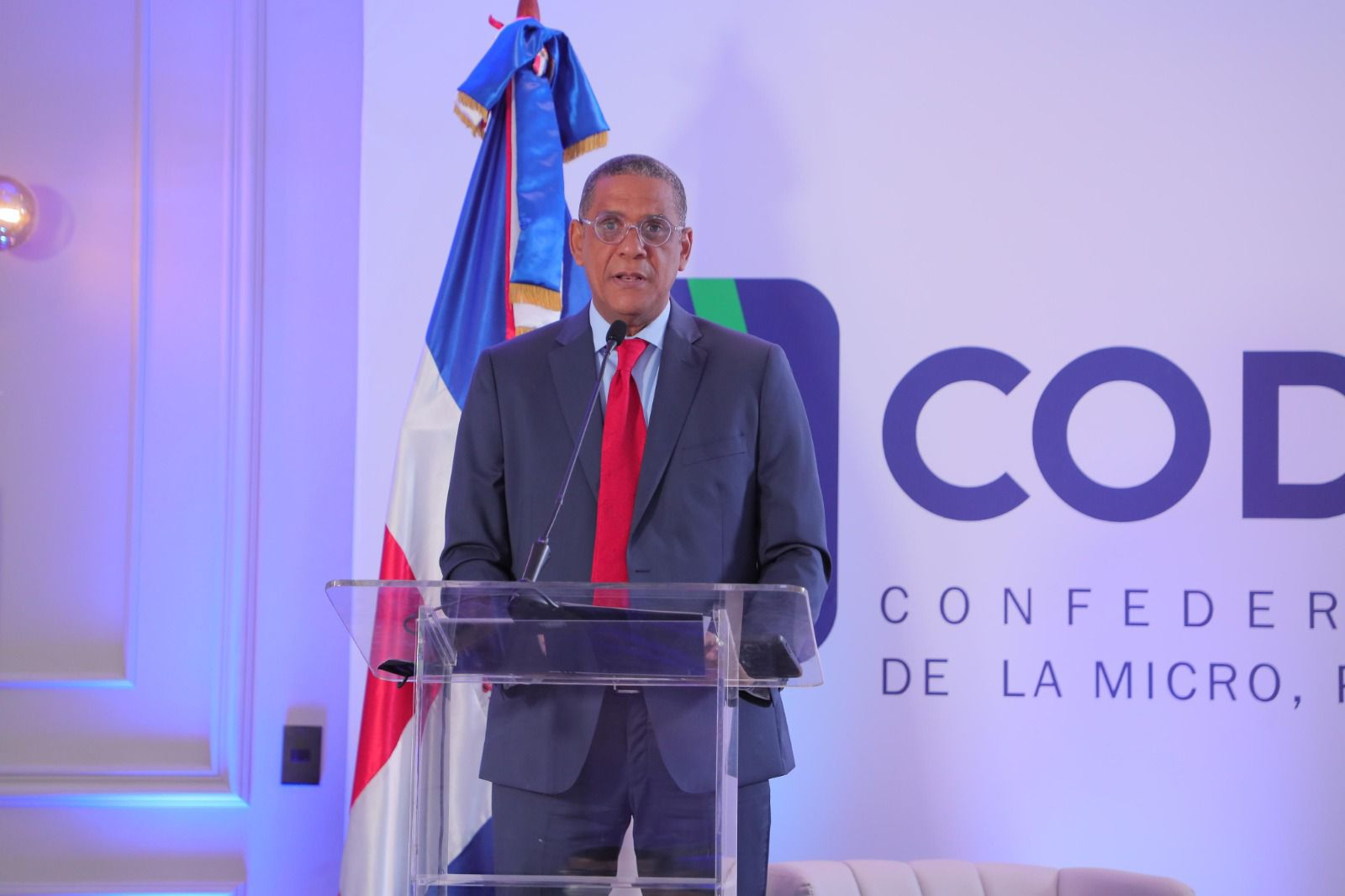
Codopyme urges delay of solid waste law over SME impact
Leading small business advocates in the Dominican Republic are pushing for major adjustments to a landmark environmental regulation, warning that its current structure threatens the survival of the country’s most vital economic segment. The Dominican Confederation of Micro, Small and Medium Enterprises (Codopyme) has formally called on national authorities to pause the planned rollout of Law 225-20 and launch a broad, inclusive revision process to address the legislation’s outsized impact on small and medium-sized business owners.
Enacted in 2020, Law 225-20 sets out the Dominican Republic’s first comprehensive regulatory framework for coordinated solid waste management across all sectors of the economy. The law establishes binding rules for waste reduction, mandatory recycling targets, and standardized disposal protocols, alongside the creation of a national financing system that requires all registered companies to contribute monetary funds to support municipal waste collection and broader environmental stewardship initiatives.
In a formal statement outlining the organization’s position, Codopyme president Fernando Pinales warned that full implementation of the law as currently written would drive a sharp increase in production costs for micro, small and medium enterprises, a group that accounts for more than 98% of all business entities operating in the Dominican Republic. These increased costs, Pinales argued, would almost certainly be passed on to end consumers in the form of higher goods and services prices, running directly counter to ongoing government efforts to curb sky-high national inflation and protect the purchasing power of working-class households.
The confederation stressed that it does not oppose the law’s core environmental goals: its leaders repeatedly affirmed that Dominican SMEs are fully committed to upholding environmental responsibility and advancing sustainable waste management practices. What small business owners cannot accept, the group says, is a one-size-fits-all framework that imposes disproportionate cost burdens on small operations and creates structural conditions that favor large, multinational corporations with far deeper financial resources.
Beyond cost concerns, Codopyme has also raised pointed questions about transparency and accountability in the new regulatory system. The organization says it has identified significant risks of potential conflicts of interest in the oversight and management of the new industry-financed waste management fund, calling into question whether current governance mechanisms for the fund meet minimum standards for transparency and public accountability.
To address these gaps, Codopyme has put forward a clear set of policy demands: a full delay of the law’s enforcement timeline, a collaborative technical review process that includes formal representation from SME sector leaders, sweeping reforms to the law’s oversight and fund management mechanisms, and the redesign of the financing system to create a graduated, fair structure that aligns contribution requirements with a company’s size and operational capacity. The group closed its statement by reaffirming its willingness to engage in constructive, good-faith dialogue with government officials, while emphasizing that it will continue to defend the long-term sustainability and global competitiveness of the Dominican Republic’s SME sector.
-

Mónika Infante to lead Manzanillo Gas & Power: a new chapter for Dominican energy infrastructure
In a move that signals more than just routine leadership change, the appointment of Mónika Infante Henríquez as General Manager of Manzanillo Gas & Power has launched a new strategic chapter for the Dominican Republic’s evolving energy sector. This hire is far from a standard administrative reshuffle: it brings a decorated, high-stakes executive to a critical project at the exact moment it shifts from years of preliminary planning to the high-pressure work of scaling large-scale energy operations.
Infante’s arrival aligns perfectly with a defining turning point in the Dominican Republic’s efforts to diversify its national energy matrix. The sprawling Manzanillo energy complex, which integrates a new natural gas import terminal and a state-of-the-art combined-cycle power plant, was developed to deliver long-term reliability and stability to the country’s national power grid. For a major infrastructure project of this scope, Infante’s unique combination of legal expertise and decades of experience delivering public-private partnership projects positions her uniquely to navigate the tangled regulatory and technical challenges that are common across the global energy industry.
A Career Built on Delivering Large-Scale Infrastructure Success
Before stepping into this new energy leadership role, Infante spent years leading Aeropuertos Dominicanos Siglo XXI, better known as AERODOM, a subsidiary of VINCI Airports. Her tenure at the helm of the Dominican airport operator was marked by a string of transformative achievements: she successfully negotiated extended infrastructure concessions, structured complex, bankable financial frameworks to fund nationwide airport modernization, and delivered upgraded public assets that drove tourism and economic growth across the country. This proven track record of managing critical public infrastructure through a model that combines public accountability with private sector efficiency is exactly what the Manzanillo Gas & Power consortium aims to replicate with the energy project.Beyond the immediate impact on the Manzanillo complex, Infante’s appointment highlights a growing, encouraging trend across the Latin American and Caribbean region: the increasing advancement of women into top leadership roles in heavy industrial sectors that have long been male-dominated. By tapping a professional with Infante’s established reputation for results, Manzanillo Gas & Power has gained a leader with a proven ability to build alignment and consensus across a diverse range of stakeholders, from government regulators to private investors and local community groups. Her management approach, which centers on radical transparency and continuous process optimization, is widely expected to establish a new benchmark for corporate governance across the Dominican energy sector.
The strategic value of this appointment stems from Infante’s proven ability to deliver projects on strict technical timelines without sacrificing fiscal responsibility or operational integrity. Her deep mastery of large-scale logistics and complex contract management gives the Manzanillo consortium an immediate competitive advantage as it moves into operations. The end goal of the project is clear: to turn the Manzanillo complex into a regional benchmark for responsible energy infrastructure development that will drive inclusive economic growth across the entire northwestern region of the Dominican Republic.
Ultimately, placing a seasoned, results-driven executive at the head of such a critical national energy hub reflects the growing institutional maturity of the Dominican Republic’s energy sector. As Manzanillo Gas & Power enters its full operational phase, market analysts and industry stakeholders broadly view Infante’s leadership as a strong guarantee of long-term project stability. Her career track record makes clear that the Manzanillo complex will benefit from the same analytical precision, uncompromising professional rigor and commitment to delivery that have defined Infante’s decades-long career in infrastructure leadership.
-

Olmberg: Zonder bundeling mist private sector kansen in olie-economie
As Suriname stands on the cusp of an unprecedented economic boom driven by new upstream oil and gas projects, the head of the country’s leading energy industry body is issuing a urgent call for domestic private sector players to unite and organize, warning that fragmentation could leave the vast majority of potential economic benefits off the table for local businesses.
Orlando Olmberg, president of the Suriname Energy Chamber (SEC), laid out his stark warning in a recent address, arguing that coordinated collective action from private domestic enterprises is the only way to ensure the country maximizes gains from the rapidly emerging sector. While international oil companies operating in the country have confirmed that the capabilities and quality of local Surinamese entrepreneurs meet global industry standards, Olmberg says the critical gap lies in the sector’s ability to organize at scale to match the size and pace of coming development.
Major projects including the Blok 58 development, followed by the future Blok 52 project, are set to unlock billions in new economic activity for the small South American nation. For Olmberg, the core question facing the country is not whether transformative economic opportunity exists, but whether local stakeholders are positioned to capture that opportunity for businesses of all sizes, from small local suppliers to large domestic enterprises.
A key point of emphasis from Olmberg is reframing the widespread conversation around local content requirements. Too often, local content rules are treated as merely a regulatory compliance obligation for international operators, he argues, when the concept’s real impact depends on local organizational capacity, cross-sector collaboration, and proactive preparation. Without this foundational strength, he says, local content policies will remain nothing more than empty ambitions written into policy documents.
While the Surinamese government carries an important role in enabling the sector’s growth through establishing clear legislation, structuring development contracts, and managing public revenue from resource extraction, Olmberg stressed that policy alone cannot guarantee inclusive economic growth. Without a robust, well-organized domestic private sector prepared to participate in large-scale project supply chains and operations, the bulk of new value created by the oil and gas boom will flow to foreign firms rather than circulating through the Surinamese economy, he warned.
Fragmentation among domestic private enterprises stands as the single largest bottleneck to capturing this value, according to Olmberg. When businesses operate independently in siloed individual strategies, they lack the collective market and negotiating power to shape the sector’s development to prioritize local participation. That means the responsibility to drive change rests squarely on the private sector itself, he argued.
Olmberg closed with a urgent call to action for Surinamese entrepreneurs: the time for waiting on others or pursuing disconnected individual strategies is over. Local businesses must organize now, align around a shared long-term strategic vision, and take collective ownership of the sustainable development of Suriname’s new oil and gas industry – and this action cannot wait, he emphasized.
-

‘Road to destruction’
Against the backdrop of a heated debate over extended tariff waivers for imported eggs, the head of Jamaica’s leading egg farming advocacy group has issued a stark warning about the long-term economic dangers of excessive dependence on foreign agricultural imports, calling for intentional, values-aligned collaboration to strengthen local food production.
Mark Campbell, president of the Jamaica Egg Farmers’ Association (JEFA), delivered his remarks at the 2025/2026 University of Technology (UTech) Western Campus Seminar hosted at Montego Bay’s Sea Gardens Beach Resort. The event, centered on the theme “Bridging Minds, Building Futures: Igniting Innovation through Collaboration”, featured Campbell’s analysis of how collective action can advance Jamaica’s agricultural sector, titled “Feeding the Nation Together: The Role of Collaboration in Advancing Jamaica’s Agricultural Sector”.
In unflinching remarks, Campbell argued that the allure of cheap imported food masks devastating long-term consequences for developing economies like Jamaica. “I fundamentally and without apology submit that the road of importation is broad, beautiful and enticing but it is the road that leads to destruction for a nation,” he told attendees. He explained that excessive importation funnels wealth to foreign producers, trapping local farmers in low-income subsistence operations that perpetuate poverty. This dynamic, he added, is a core driver of the persistent economic gap between wealthy developed nations and lower-income developing countries.
While Campbell acknowledged that collaboration is theoretically critical to agricultural progress, he pushed back against the hollow, profit-first collaboration that dominates Jamaica’s current market. He called out local intermediaries who prioritize cheap imports over supporting domestic producers, noting that many middlemen operate with a single-minded focus on profit, disregarding national food security and the livelihoods of local farming communities. “With whom shall producers collaborate? Shall we collaborate with those whose sole interest is hinged unto that ‘profit motive’ which says, ‘As long as I can make a profit by importing, I do not care about the local producer or concepts such as food security?’ And that, I tell you, is the mentality of many of the margin gatherers in Jamaica,” he said.
Campbell went on to outline a clear roadmap for purpose-driven collaboration that centers national food security. He recommended that local farmers build trust-based partnerships with domestic financial institutions to expand access to capital; work closely with academic research centers and regional farmer collectives to share data and boost output; integrate digital and agricultural technology to cut operational costs, improve communication, and boost efficiency; engage with public and private sector stakeholders to unlock new market opportunities; upgrade core infrastructure for quality control, logistics, packaging and cold storage; partner with educational institutions to train farmers in high-value skills like negotiation and business management; and align with climate science organizations to advance climate-resilient, sustainable farming practices.
Campbell’s broader critique of over-reliance on imports grows out of recent tensions in Jamaica’s domestic egg market. JEFA has publicly opposed the Jamaican government’s plan to extend a duty waiver for imported eggs through the end of May 2026, arguing the policy would undercut local producers still working to rebuild after back-to-back major hurricanes. The tariff exemption was originally set to expire on February 28, 2026, but the Ministry of Agriculture, Fisheries and Mining has moved to extend it, citing ongoing supply disruptions following consecutive major storms.
When Hurricane Melissa, a Category 5 storm, made landfall on October 28, 2025, Jamaica’s egg industry was still recovering from Hurricane Beryl, which hit in 2024. The ministry noted that after Beryl, JEFA projected production would return to pre-storm levels within six months, but that recovery never materialized, leaving persistent supply gaps. Though Campbell did not address the waiver proposal directly during his seminar address to final-year UTech business students, he clarified his position to Jamaica Observer in a post-presentation interview, confirming that local egg production has rebounded substantially in the months after Melissa hit.
-

Eleuthera project to be ‘game changer’
A US-based hospitality and real estate developer has unveiled full details of a transformative $650 million integrated resort and residential development set to reshape central Eleuthera, Bahamas, marking what could become the largest tourist-focused investment in the region’s history. Jeff Jacobs, chairman and CEO of Jacobs Investments — a firm with decades of large-scale resort, gaming and real estate experience across the United States — first shared the broad outlines of his J Resort Eleuthera proposal with local media earlier this year, but new details of the project’s scope, evolving design and long-term vision have only just been made public.
The planned development spans 600 acres of prime coastal land stretching from the Atlantic Ocean to the Caribbean Sea, positioned directly adjacent to the existing French Leave hotel near Governor’s Harbour. Under the original vision shared in a December 2025 strategic presentation, the project would combine a phased hospitality investment of more than $200 million with over $450 million in projected third-party residential real estate sales across five resort-linked neighborhoods, totaling more than 350 high-end vacation homes. To date, Jacobs has already poured $40 million into land assembly to secure the parcels required for the development, with additional acquisitions planned to reach the full 600-acre footprint.
The original proposal included a diverse range of amenities: a boutique oceanfront hotel, a mega yacht marina capable of accommodating the largest private vessels cruising Florida and Bahamian waters, multiple waterfront dining venues, a public outdoor sculpture garden showcasing regional artists, an 18-hole “sea-to-sea” golf course, a boutique casino, and a connected network of community pathways linking Governor’s Harbour to the iconic French Leave Beach. The developer also committed to permanent public beach access for Bahamian residents and pathway expansions along major local thoroughfares as core components of the project.
However, Jacobs confirmed that the development plan has evolved significantly since the 2025 presentation. Most notably, plans for the 177-acre 18-hole golf course near Governor’s Harbour airport have been paused indefinitely, citing a combination of economic headwinds, environmental protection concerns, and competitive market dynamics. Instead of pursuing a single large resort development, Jacobs is adopting a “master developer” model that will set aside three to four parcels within the 600-acre footprint for independent developers to build their own boutique resorts, a model that has proven successful across the Bahamas’ Family Islands. This phased approach is designed to deliver a steady pipeline of construction and permanent full-time jobs for local residents over the next 20 to 30 years.
In a move to address long-standing local infrastructure gaps, Jacobs also revealed he is in early discussions with global US engineering and utility firm Kimley Horn to develop a self-contained, reliable power solution for central Eleuthera, with plans to also explore improvements to local water infrastructure. Responding to community concerns about the scale of the development and the proposed casino, Jacobs emphasized that the gaming space will be a small, boutique “James Bond-style gaming salon” roughly the size of a standard restaurant, far smaller than the large casino complexes at Nassau’s Atlantis and Baha Mar. The amenity is designed to attract high-net-worth visitors to Governor’s Harbour, rather than become a large-scale standalone gaming destination.
To date, the project has not yet entered the formal government permitting and regulatory approval process, with Jacobs noting there is still substantial preparatory work to complete. Local consultant Janeen Bullard, principal of JSS Consulting, has already been engaged to lead the preparation of an Environmental Impact Assessment (EIA), and the first public community consultation meetings are scheduled to begin this summer to gather input from local residents. This public outreach comes as local residents and environmental activists have already raised concerns about the project’s potential strain on Eleuthera’s already overburdened power and water infrastructure, risks to the local environment, and the possibility that the development would rely on imported labor rather than local workers.
Jacobs, whose portfolio includes major long-term developments such as the multi-decade redevelopment of Cleveland’s riverfront and the ongoing $1 billion transformation of downtown Reno, Nevada, pushed back against concerns, framing the project as a decades-long commitment to Governor’s Harbour rather than a short-term speculative investment. He noted that his firm has a 40-year track record of delivering community-focused large-scale developments that generate lasting social and economic benefits, positioning J Resort Eleuthera as a project that will create a transformative, lasting positive impact for both residents and visitors while opening central Eleuthera to a new market of high-net-worth mega yacht tourists that have previously not accessed the region.
-

Kintyre shareholders say NYSE plans unaffected by VM legal dispute
KINGSTON, JAMAICA – Amid ongoing legal proceedings tied to collateral shares involving VM Investments Limited, the controlling shareholder group of Kintyre Holdings (JA) Limited has publicly clarified that its proposed international corporate restructuring and pursuit of a New York Stock Exchange (NYSE) listing remain fully on track.
In an official statement released on April 2, the group emphasized that it is not a named party to any litigation against VM Investments, even though the current dispute centers on share pledges held by entities connected to the controlling shareholder bloc. The proposed restructuring, the group explained, is limited exclusively to rearranging ownership stakes within the controlling group, and does not alter the operational or corporate structure of Kintyre Holdings (JA) Limited itself.
To date, the shareholder group has not provided clear guidance on how existing debt obligations tied to the pledged shares will be addressed as part of the proposed reorganization. The statement explicitly carved out VM Investments’ holdings from the restructuring plan, noting that any shares held by VM are bound by separate existing contractual arrangements, outstanding security charges, and the ongoing court dispute – none of which are included in the new international holding structure or the reorganization effort.
The clarification comes as Kintyre Holdings grapples with a massive $504.58 million outstanding debt, secured by share pledges that were valued far higher when the loan was originated. Currently, Kintyre’s stock trades at roughly $0.35 per share, a steep drop from the valuation that backed the collateral. This sharp decline has created a major gap between the current market value of the pledged shares and the outstanding loan balance, leaving market observers uncertain how much of the total debt will ultimately be recoverable by creditors.
The shareholder group said the clarification was necessary after recent public comments connected to the legal dispute created widespread confusion about the group’s intentions and role in the process. It added that legal counsel has already been engaged to review recent statements and evaluate potential legal action against parties spreading misleading information.
Despite the ongoing uncertainty surrounding the share dispute, the controlling bloc reaffirmed its long-term commitment to building a global investment holding firm with a operational footprint across the Caribbean and Latin America. To back up its confidence in the business, the group pointed to strong recent operating results: the company now holds total assets in excess of $15 million, and posted record-breaking profitability in 2025, marking a solid upward growth trajectory. The group also made clear it will aggressively push back against any attempts to disrupt or mischaracterize its restructuring and listing plans.
-
OPEC+ gaat olieproductie licht verhogen ondanks risico voor trage marktgroei
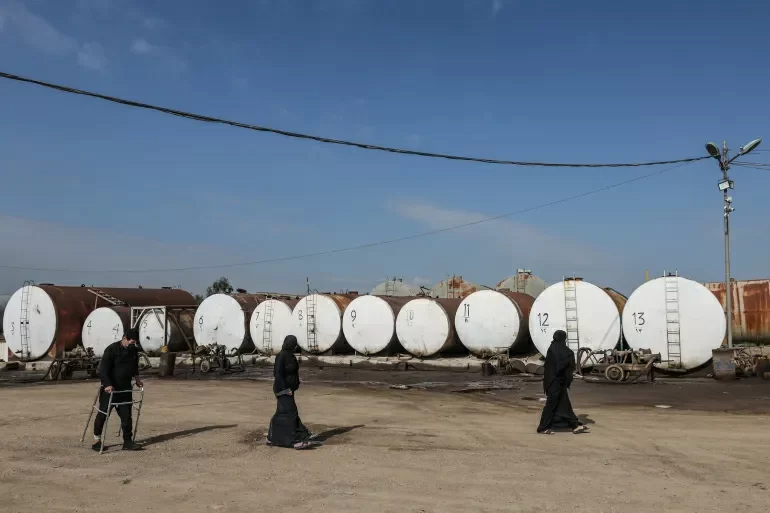
On a fuel market in Erbil, Iraq, vendors and shoppers move past stacked barrels of heating oil and vehicle fuel, a daily reminder of the uncertainty gripping global energy markets. Against this backdrop, the Organization of the Petroleum Exporting Countries (OPEC) and its partner producers, collectively known as OPEC+, announced a 206,000 barrel per day increase to crude oil production quotas for May, a move widely characterized as largely symbolic given the current geopolitical disruption.
Since late February, the Strait of Hormuz — the world’s most critical chokepoint for global oil trade, responsible for moving roughly 15% of the world’s total daily crude supply — has been effectively closed to most commercial shipping amid escalating conflict between the United States, Israel, and Iran. This prolonged closure has already choked off oil exports from major OPEC+ producers including Saudi Arabia, the United Arab Emirates, Kuwait, and Iraq. Current estimates indicate the blockade has removed between 12 and 15 million barrels of daily crude from global markets, a devastating supply cut that has sent prices skyrocketing.
In a joint statement released Sunday, signed by eight core OPEC+ members including Saudi Arabia, Russia, Iraq, the UAE, Kuwait, Kazakhstan, Algeria, and Oman, the coalition reaffirmed its commitment to closely monitoring market conditions and maintaining long-term stability in global energy markets. The participating nations also issued a joint statement expressing deep concern over recent targeted attacks on regional energy infrastructure. Industry analysts note that repairing damaged energy facilities requires extensive time and massive capital investment, which further tightens already constrained global crude supplies.
While the 206,000 barrel per day production increase for May amounts to less than 2% of the total supply lost to the Hormuz blockade, industry observers say the move sends a clear signal that OPEC+ stands ready to ramp up output as soon as the strait reopens to safe commercial navigation. This planned May increase matches the quota adjustment that the group agreed to implement in April, a consistency held despite the expanding disruptions to global oil trade.
Geopolitical tensions have already pushed global crude oil prices to a four-year high, with benchmark crude trading near $120 per barrel as of early April. This sharp price increase has directly translated to higher costs for transport fuel for consumers and businesses worldwide. Leading financial services firm JPMorgan has warned that if the Strait of Hormuz blockade continues through mid-May, global benchmark prices could climb above $150 per barrel — a new all-time record for crude.
In a small sign of potential de-escalation, Iran has granted limited exemptions to allow a small number of regional nations to use the strategic waterway. Iraq is among the countries granted permission to resume limited transit through the strait, and shipping tracking data confirmed an Iraqi crude oil tanker transited the waterway on Monday morning.
Diplomatic efforts to resolve the blockade are already underway. On Sunday, Oman’s Ministry of Foreign Affairs announced that deputy-level ministerial talks with Iranian officials are being held to explore pathways to restore unimpeded transit for all commercial vessels through the strait. However, diplomatic progress is being overshadowed by rising geopolitical rhetoric: former U.S. President Donald Trump issued a new threat over the weekend, warning that the U.S. will escalate military strikes against Iran, including targeting civilian infrastructure such as bridges and energy power plants, if the strait is not reopened to full traffic by Monday.