分类: business

  • Court Hears $9M Fairtrade Premium Dispute Between BSCFA and Tate & Lyle

    Court Hears $9M Fairtrade Premium Dispute Between BSCFA and Tate & Lyle

    A high-stakes legal battle over $9 million in unpaid Fairtrade sugar premiums moved to the Belize Court of Appeal on April 13, 2026, pitting the Belize Sugar Cane Farmers Association (BSCFA) against global sugar processing giant Tate & Lyle Sugars Limited (TLS). The dispute, which has already stretched more than two years through lower courts, centers on conflicting claims over eligibility for premium payments for two sugar crop cycles: 2021/2022 and 2022/2023.

    Tuesday’s appellate hearing stretched nearly four hours, with legal teams for both sides laying out their core arguments in front of the court. The appeal itself was filed by TLS, which is challenging a 2025 Belize High Court ruling that rejected the firm’s bid to dismiss the BSCFA’s original claim entirely. The BSCFA first launched its lawsuit in March 2024, naming both Belize Sugar Industries (BSI) — the local processor that holds a long-term contract to supply Fairtrade-certified sugar to TLS — and TLS as defendants.

    Per the BSCFA’s core argument, the association’s farmer members grew and supplied fully Fairtrade-certified sugar cane throughout the two disputed crop years. Because those harvests were sold to TLS as Fairtrade-eligible product, the farmers are legally entitled to collect the corresponding Fairtrade premiums, which are added payments intended to support community development and producer welfare under Fairtrade labeling rules. The association is seeking the full $9 million in unpaid premiums, plus accumulated interest, and is also pressing claims of damages for alleged unlawful conspiracy and violation of global Fairtrade operating standards.

    TLS, for its part, has pushed back on every element of the BSCFA’s claim. The company maintains that payment of Fairtrade premiums is only required when the producer association signs a formal Letter of Enhancement (LOE), a binding document that outlines the terms of premium distribution and dispute resolution. According to TLS, no valid LOE was signed by the BSCFA for the two crop years in question, disqualifying the farmers from collecting the premiums.

    Additionally, TLS has argued that the 2021 LOE — which was in place for the 2020/2021 crop cycle — included a binding arbitration clause requiring all related disputes to be heard in London, not in domestic Belizean courts. The firm has repeatedly called for the dispute to be moved to international arbitration rather than adjudicated locally.

    The BSCFA has directly refuted this position, countering that the 2021 LOE was explicitly written to cover only the 2020/2021 harvest, and expired fully before the start of the 2021/2022 crop cycle. With no new LOE agreed upon for the disputed period, the expired agreement’s arbitration clause cannot apply to the current conflict, the association’s legal team argues. The BSCFA further alleges that TLS and BSI intentionally withheld the new LOE for the 2021/2022 and 2022/2023 cycles specifically to cut farmers off from the millions in premium payments they were owed.

    All three parties presented senior legal counsel for the appellate hearing: Magali Marin-Young and Allister Jenkins argued on behalf of the BSCFA, while Eamon Courtenay and Iliana Swift represented TLS. Though BSI is not an official party to the appeal, the court granted the firm permission to submit its own arguments, delivered by Senior Counsel Godfrey Smith, Hector Guerra, and Edgar Lord. Both TLS and BSI have denied all allegations of wrongdoing, asserting that global Fairtrade rules explicitly require a signed contractual agreement between buyers and producer associations before premium payments can be issued.

    The appellate hearing marks a key turning point in a dispute that has major implications for Fairtrade labeling practices, smallholder farmer rights, and contract enforcement in global agricultural commodity supply chains, with a ruling expected to set a precedent for future premium disputes in the region.

  • DHTA AGM 2026 underscores innovation and strategic vision for Dominica’s tourism future

    DHTA AGM 2026 underscores innovation and strategic vision for Dominica’s tourism future

    On April 9, 2026, key players across Dominica’s booming tourism sector gathered for the Dominica Hotel & Tourism Association (DHTA) Annual General Meeting, an event designed to reflect on 12 months of progress and lay out a bold strategic roadmap for the industry’s future. Held under the theme “Innovation & Impact Driven Tourism – Shaping the Future of the Industry,” the meeting featured opening remarks from two senior tourism leaders, as outlined in an official media release published by the DHTA following the event.

    Claudius Lestrade, Permanent Secretary for Dominica’s Ministry of Tourism, International Transport and Maritime Initiatives, and Marva Williams, CEO and Director of Tourism at the Discover Dominica Authority, both took the stage to address attendees. In their addresses, the pair drew attention to the consistent, steady expansion Dominica’s tourism sector has recorded in recent years, while underlining that sustained growth and transformative innovation can only be achieved through deeper, more intentional cooperation between government and private industry stakeholders.

    DHTA President Kitwani Ferreira delivered a comprehensive year-in-review address, walking attendees through the association’s key accomplishments and member support initiatives rolled out over the previous 12 months. Ferreira also laid out the organization’s formal strategic agenda for the 2026–2027 term, centering five core priorities: building a clear, purpose-driven framework for balanced tourism development, deepening productive public-private sector partnerships, securing long-term sustainable financing for tourism projects, addressing critical energy infrastructure needs to support industry operations, and boosting the global competitiveness of Dominica as a premium travel destination.

    One of the most anticipated moments of the gathering was the official introduction of the DHTA’s newly seated Board of Directors for the 2026–2027 term. The full leadership roster includes returning President Kitwani Ferreira, Vice President Gregor Nassief, Director of Accommodation Avril Coipel, Director of Finance & Fundraising Delwin James, Director of Membership Hubert Winston, Director of Public Relations Jael Joseph, Director of Tourism Services Michael Eugene, Director of Related Services Alice James, and ex-officio board member Marva Williams, who serves concurrently as CEO and Director of Tourism at the Discover Dominica Authority.

    Closing out the meeting, the DHTA reaffirmed its long-standing core commitment to building a tourism ecosystem that is resilient to external shocks, rooted in innovative practices, and aligned with global sustainable development standards. The association emphasized that its ultimate goal is to ensure the tourism sector delivers tangible, widespread economic benefits and meaningful social progress across the island nation of Dominica.

  • US Treasury chief says IMF, World Bank on right track after criticism

    US Treasury chief says IMF, World Bank on right track after criticism

    One year after publicly leveling harsh criticism at the International Monetary Fund and the World Bank, United States Treasury Secretary Scott Bessent has offered a positive assessment, saying both global financial institutions are now moving forward in a productive, constructive direction.

    Bessent shared his updated views during remarks delivered Tuesday on the sidelines of this year’s IMF and World Bank spring meetings, a high-profile annual gathering that draws hundreds of global finance ministry officials and financial leaders to Washington, D.C. Speaking at an event hosted by the Institute of International Finance alongside the main meetings, Bessent offered public congratulations to the leadership of both institutions for the shifts they have made over the past 12 months.

    Highlighting work at the IMF, Bessent noted the fund is currently taking steps to reintegrate Venezuela into the global financial framework to support the country’s return to a functional, normalized economy, adding that he expects the institution to play a critical, meaningful role in that process. Turning to the World Bank, the Treasury Secretary stated the institution has regained strong momentum in its core work expanding energy access, unlocking development resources, and building economic stability for the world’s lowest-income nations.

    Last year at the same spring gathering, Bessent made waves by arguing that both the IMF and World Bank had strayed from their core mandates, claiming they should prioritize expanding global economic growth rather than devoting significant resources to social policy issues. At the time, he specifically called out the IMF for allocating what he called “disproportionate time” to high-profile social and environmental topics including climate change and gender equity. For the World Bank, he argued the institution should refocus its efforts on its foundational missions: helping developing nations grow their economies, cut extreme poverty, and attract greater cross-border investment.

    On Tuesday, Bessent acknowledged meaningful progress, saying the World Bank has successfully made a positive policy shift, particularly around nuclear energy development. The bank previously announced last year it would re-enter nuclear energy financing for the first time in nearly 30 years, a change designed to help meeting rapidly growing electricity demand across developing economies. Today, Bessent said the World Bank now holds a far more supportive stance toward expanding “energy abundance” and has refocused on its founding mission of lifting vulnerable communities out of poverty. He reiterated his long-held criticism, noting that an overemphasis on social and climate issues amounts to what he calls “luxury beliefs” that distract from the institutions’ core work.

  • Lisa Hanna unveils premium skincare line

    Lisa Hanna unveils premium skincare line

    After nearly two decades in Jamaican politics and a decades-long legacy as a globally recognized beauty icon, Lisa Hanna is making a new splash in the global beauty industry with the launch of her own luxury skincare brand, crafted to reframe common cultural narratives around growing older. Named Lisa Hanna Beauty, the brand’s debut collection features seven carefully formulated core products tailored to address common age-related skin concerns: a Hydra Dew Elixir, Advanced Balance Cleanser, targeted Fade Balm for hyperpigmentation and dark spots, a dual-action refining and hydrating serum, a rich Moisture Crème, and a multi-use shimmering oil formulated for both face and body. As first reported by Caribbean National Weekly, every product in the line is infused with the brand’s proprietary quantum ReCP technology, a cutting-edge active blend of lipids, stabilized vitamin C, and matrikin peptides. The proprietary formulation is engineered to support the skin’s natural regeneration process, while boosting long-lasting hydration and improving overall skin texture and tone. In comments published by *Women’s Wear Daily (WWD)*, Hanna shared the refreshing perspective that drives her new brand, pushing back against the popular beauty industry narrative that frames aging as a flaw to be reversed. “People generally want to erase the evidence of [aging] — you’re told to fight, to correct, to reverse,” Hanna explained. “I believe you’re not less with time, you’re more. I wanted to build a product that understands and can communicate with your skin at a deeper level.” Priced at accessible luxury points ranging from $50 USD to $130 USD per product, the entire Lisa Hanna Beauty collection is currently available exclusively at The Spa by Equinox Hotels, with potential for wider retail expansion in the coming months. Hanna’s transition from public service to beauty entrepreneurship comes as no surprise to industry observers. The Jamaica native first rose to international fame when she claimed the Miss World title in 1993 at just 18 years old, before pivoting to a career in public service that saw her serve 18 years in the Jamaican Parliament, stepping down from political office earlier this year in 2025. Beyond her political and now professional beauty work, Hanna remains active in philanthropy through the Lisa Hanna Foundation, which runs community initiatives focused on expanding access to education, improving mental health support, and expanding affordable housing access for communities across Jamaica.

  • Fashion Radar: Lloyd’s Department Store

    Fashion Radar: Lloyd’s Department Store

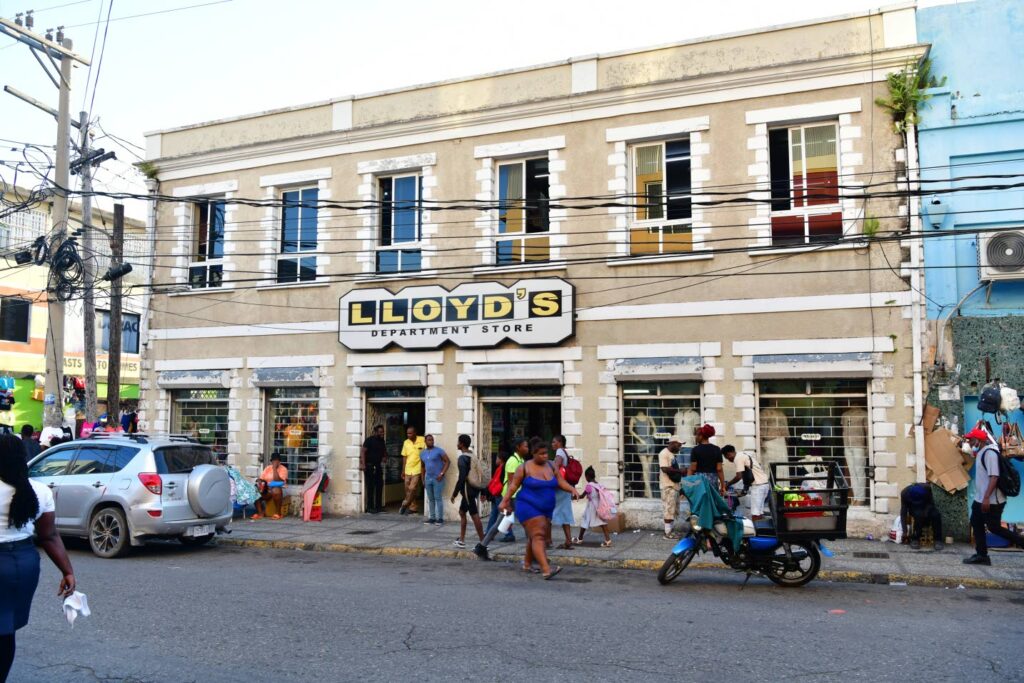
    Montego Bay’s retail sector has long been defined by constant change, as shifting consumer tastes, economic tides, and urban development reshape its commercial landscape year after year. But against this backdrop of flux, one institution has stood the test of time: Lloyd’s Department Store, currently led by third-generation retail leader Anthony Pearson. As the last surviving full-service department store from its founding era still operating in the city, Lloyd’s is far more than a shopping destination—it is a testament to long-term resilience, adaptive vision, and an unwavering commitment to quality that has cemented its place in the community.

    The story of Lloyd’s begins in 1965, when Anthony’s father Lloyd Pearson opened the original store on Montego Bay’s St James Street. It quickly grew into a core pillar of downtown commerce, becoming a go-to destination for generations of local shoppers. Of Lloyd Pearson’s three children, only Anthony held a lasting passion for the family business. After completing his studies at The University of the West Indies, he formally joined the company in June 1983, stepping into a leadership role alongside his father. When Lloyd passed away in 1999, Anthony inherited full stewardship of the brand, tasked with steering the 34-year-old business into a new millennium.

    From his earliest days in the store, Anthony Pearson brought a unique perspective to retail: a sharp eye that balanced an understanding of Jamaican local culture with a nuanced grasp of global fashion trends. Under his leadership, Lloyd’s evolved alongside Montego Bay, growing from a respected local department store to an enduring retail mainstay as the city transformed into a dynamic cosmopolitan hub. One of the most pivotal strategic moves in the brand’s modern history was its expansion into the fast-growing Fairview commercial district—a decision that allowed Lloyd’s to position itself at the cutting edge of modern retail while retaining its beloved historic flagship on St James Street. For Pearson, growth has never been just about increasing size; it has always been about retaining relevance to shifting customer needs.

    This customer-centric philosophy is visible in every aspect of Lloyd’s curated selection, which caters to a wide range of shopper profiles, from working professionals in need of sharp tailored pieces to casual shoppers seeking refined weekend wear. Retaining two locations across the city reflects Pearson’s deep understanding of Montego Bay’s shifting demographics and consumer buying power—a delicate balance that few legacy retailers have managed to pull off in an industry often dominated by fleeting fast-fashion trends.
    Beyond its retail offerings, Lloyd’s has maintained a longstanding commitment to supporting local community initiatives through sponsorships and partnerships. What Pearson is perhaps most proud of, however, is his team of more than 50 employees: throughout the unprecedented challenges of the COVID-19 pandemic and the devastating impact of Hurricane Melissa, the brand never resorted to layoffs, keeping all staff on payroll through every crisis.

    In an exclusive interview, Pearson opened up about his lifelong journey with the family brand, noting that his connection to the store runs deeper than just business. “I was born around it, and I chose to stay. I’ve been coming here after school every day since I was five, and we even spent Christmases working at the store. I’ve loved this business from day one, and that love has only grown over the decades,” he explained. With his two siblings pursuing other career paths, Pearson had full autonomy to shape the brand’s future, learning the ropes under his father’s experienced guidance early on.

    The road to success has not been without setbacks. In the 1980s, the original St James Street building was renovated and rebranded as Lloyd’s Mall with multiple retail tenants, and a boutique location operated in Half Moon Village from 1995 to 1998 before closing. The brand then moved a satellite location to LOJ Shopping Complex, which ultimately shifted to more commercial use that made it unsuitable for fashion retail. “Not all expansions proved successful, but each taught us lessons that shaped the strategic choices we made later,” Pearson said. After his father’s passing, Pearson reconfigured the entire St James Street space into one unified flagship store, and when the opportunity for the Fairview location arose a few years later, he seized it. Today, the Fairview location spans 12,000 square feet of retail space across two floors, serving as a modern complement to the historic downtown store. For Pearson, the successful launch of Fairview remains one of his proudest professional accomplishments. He is also optimistic about the brand’s future: his son Chad, who developed a passion for retail from childhood, has joined the business after graduating from university, bringing a third generation of leadership to the brand.

    When asked about the impact of Hurricane Melissa, Pearson offered a candid account of the storm’s destruction. While the downtown St James Street location suffered only minor damage, the Fairview store experienced catastrophic losses: damage to the roof caused widespread flooding that destroyed floors, building infrastructure, and millions of dollars in retail inventory. The store was forced to close for two months, only able to partially reopen two days before Christmas. Weeks of heavy rain following the storm compounded the damage, delaying full recovery. Today, the Fairview location is almost fully restored, rebuilt to be even better than before for customers. “I have to thank our staff for their incredible work, pumping out water every day and working tirelessly to get the store back in shape. We’re still recovering financially, but we’re open for business and ready to serve our customers,” Pearson noted.

    When asked what has kept him in the industry after nearly 60 years of continuous operation, Pearson pointed to enduring passion. “This is what I know, and the passion is still there. There are frustrating days when the momentum fades, but that core love for the business keeps me going. Not many independent businesses make it to 60 years, so this is a legacy we’re incredibly proud of. With the third generation stepping up, I know we’ll be here for many more years to come.”

    Pearson also shared his strategy for staying relevant in an increasingly competitive retail market. “You have to know what your customers want. Even with all the new competition, we’ve built our reputation on quality. We focus on timeless basics, rather than chasing flashy, fast fashion trends. We keep up with emerging trends, but we never compromise on quality or abandon our focus on pieces that last. That’s what has kept us going all these years.”

    To revitalize the brand for the digital age, Pearson has leaned into constant adaptation. The brand has recently expanded its social media presence and is developing an online shopping option for its website, leaning into the opportunities of digital commerce while staying true to its core values. “Constant reinvention and adaptation is key. At the end of the day, understanding what customers want is the most important thing, and we always deliver on our core promises: quality, competitive pricing, and exceptional customer service. Those principles will carry us into the future,” he explained.

    For customers looking ahead, Pearson confirmed that Lloyd’s will continue rolling out fresh inventory year-round, plus its popular three annual major sales promotions. These five-week sales events draw shoppers from across the region, offering deep discounts on a wide range of quality pieces that keep customers coming back year after year.

    When highlighting summer must-haves, Pearson noted that linen is the season’s standout trend, and the store has curated an extensive collection from trusted local supplier Bill Edwards, alongside imported selections. “Linen is such a dynamic fabric—it works for both casual and elegant looks, it holds up great, and it leaves customers feeling confident. It’s absolutely the go-to for summer,” he said. The brand’s buying team, made up of Pearson, Chad, and lead buyer Debbie-Ann Fraser, makes major purchasing trips every August and September to source new stock, traveling to markets in Los Angeles, Panama, and Brazil to curate selections that balance global trends with local customer needs. While men’s fashion trends tend to stay more consistent, Pearson notes that the team works hard to keep the women’s collection aligned with the latest developments, never losing focus on quality and timeless style. Ahead of the back-to-school season, Lloyd’s is also well-known for its signature khakis, celebrated for their consistent color and perfect fit.

    Lloyd’s Department Store currently operates two locations: the original flagship at 26 St James Street, Montego Bay, and the modern Fairview location. Hours are 9:30 AM to 6:30 PM Monday through Thursday, and 9:30 AM to 7:00 PM Friday and Saturday. For inquiries, customers can contact the store at 876-952-3172 or email lloydsmobay@hotmail.com.


  • Systeemonderhoud Finabank uitgelopen; diensten pas dinsdag volledig hersteld

    Systeemonderhoud Finabank uitgelopen; diensten pas dinsdag volledig hersteld

    A planned system upgrade at Suriname-based Finabank has hit an unexpected delay, pushing the full restoration of most banking services much later than initially projected, the financial institution announced on Monday, 13 April. What was originally scheduled as a three-day maintenance window running from 10 April to 12 April, part of a broader initiative to improve the bank’s digital and core service infrastructure, will now keep most key services offline until 8:00 a.m. local time on Tuesday 14 April. The extended downtime has left large swathes of the bank’s core offerings limited or completely unavailable for account holders through the end of Monday.

    In a public statement, Finabank confirmed that customers will be unable to access a wide range of routine banking services until service restoration is complete. This includes all withdrawals and deposits via ATMs, point-of-sale (POS) debit payments using local-issued Finabank bank cards, and all online and mobile banking transactions for both domestic and international transfers. The outage has already created tangible disruptions for retail shoppers as well: at local merchants that rely exclusively on Finabank’s POS terminals, standard pin-based debit payments are currently impossible, forcing customers to seek alternative payment methods.

    Not all of the bank’s card services are affected by the outage, however. Credit card transactions using Finabank-issued Visa and Mastercard products remain fully operational, both for in-person POS purchases and online payments.

    For customers needing in-person assistance, Finabank’s physical branch locations will remain open on Monday 13 April for limited, priority services. Account holders can still visit branches to submit product and service applications, make cash deposits, address urgent banking matters, access general customer support, and retrieve or add items to safe deposit boxes held at the branch.

    Finabank has publicly acknowledged the inconvenience that the extended maintenance window creates for its customer base, and has urged account holders to adjust their upcoming financial plans to account for the current service disruptions. The bank has not shared additional details on what caused the maintenance work to run longer than initially forecast, but reaffirmed that the work is intended to deliver long-term improvements to its overall service reliability for customers once completed.

  • St. Kitts and Nevis tenders major solar-storage project

    St. Kitts and Nevis tenders major solar-storage project

    The Caribbean nation of St. Kitts and Nevis is taking a major step forward in expanding its renewable energy capacity, as the country’s state-owned St. Kitts Electricity Company (SKELEC) has formally launched a competitive tender process for the island’s first utility-scale solar and battery storage development.

    Named the Basseterre Valley project, the proposed facility will be built in the valley that sits just southeast of St. Kitts and Nevis’ national capital, Basseterre. The project is planned to pair 50 megawatts of solar photovoltaic generation capacity with 30.5 megawatts/30.5 megawatt-hours of battery energy storage, creating an integrated renewable power facility that can deliver consistent electricity to the island’s grid.

    Under the current first phase of the tender process, SKELEC is inviting all interested developers, investors, and contractors to register for access to the official request for proposals (RFP) documentation through the utility’s dedicated online bidding portal. The process is open to both international project developers and locally-based stakeholders, who are all encouraged to participate. As of the latest public update, the utility has not yet released a public deadline for the completion of registration.

    As the only public utility responsible for power generation, transmission, and distribution across the island of St. Kitts, SKELEC is wholly owned by the government of St. Kitts and Nevis. Clement Williams, the utility’s general manager, emphasized that the new Basseterre Valley project will deliver long-term strategic benefits to the Caribbean nation: it will strengthen the country’s national energy security and cut its longstanding dependence on costly imported fossil fuels for power generation.

    Current data from the International Renewable Energy Agency (IRENA) shows that as of the end of last year, the entire country of St. Kitts and Nevis held just 5 megawatts of cumulative installed solar capacity, a figure that remained unchanged from the year prior. If completed as planned, the 50 MW project will represent a dramatic 10-fold expansion of the country’s total solar generation capacity, marking a pivotal turning point in its transition to clean energy.

  • César Iglesias achieves historic sales growth in first quarter

    César Iglesias achieves historic sales growth in first quarter

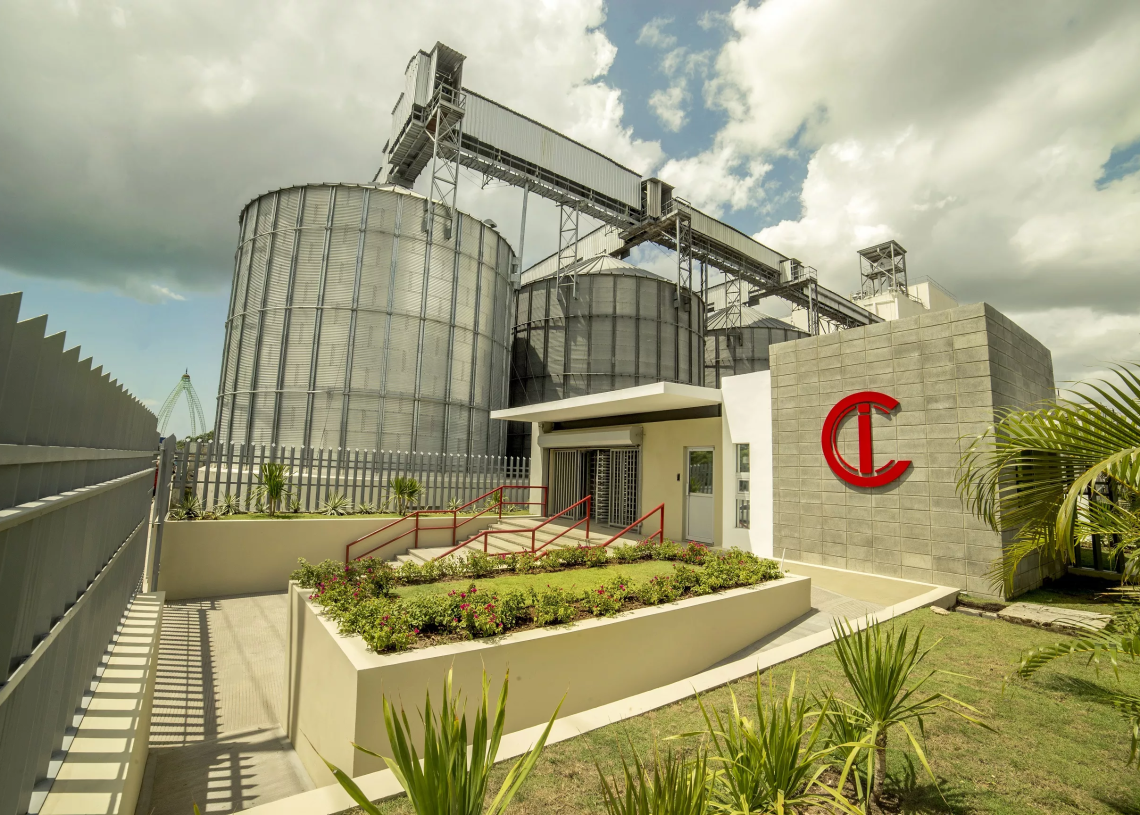
    Santo Domingo, Dominican Republic – Leading Dominican consumer goods conglomerate César Iglesias has kicked off 2026 with a landmark performance, posting all-time record sales in the first quarter of the year alongside expanded profit margins and enhanced operational efficiency. The strong results stand as a testament to the firm’s robust strategic execution, even as the broader global consumer goods sector navigates widespread economic and supply chain challenges.

    Across its entire diversified product portfolio, the company recorded broad-based growth that lifted its top and bottom lines. Core staple brands – including El Gallo cooking oil, Trigo de Oro wheat flour, and Domino paper goods – delivered consistent double-digit sales expansion, while two of its major standalone brands, Mazeite and Hispano, posted particularly significant double-digit growth. Additional upward momentum came from fast-growing lines including El Rey cereals and Kinsú instant soups.

    The conglomerate’s longstanding strategic distribution partnership with global consumer goods giant Unilever also contributed to the quarter’s strong performance. Popular Unilever brands distributed by César Iglesias, including personal care lines Dove, Rexona, Pond’s, and hair care brand Sedal, saw steady consumer demand that reinforced the value of the firm’s diversified brand mix and collaborative strategic relationships.

    Beyond core domestic retail sales, two other key segments drove the quarter’s outperformance: wholesale and business-to-business (B2B) channels, and expanding international operations. International sales now account for more than 15% of the company’s total annual revenue, marking a steady upward trend in global market penetration for the Dominican firm. During the first quarter, César Iglesias also expanded its footprint by adding seven new brands to its portfolio and extended its reach into the hospitality sector, a move that positions the company to capitalize on the Dominican Republic’s fast-growing tourism industry.

    With more than 100 years of operation in the Dominican Republic, company leadership framed the 2026 strong start as an outcome of three longstanding core priorities: maintaining the trust of domestic consumers, prioritizing profitability across all portfolio lines, and upholding disciplined operational execution. In a statement accompanying the quarterly results, the firm reaffirmed its long-term commitment to driving inclusive economic development across the Dominican Republic.

  • Samaná Bayport to handle three cruise ships simultaneously

    Samaná Bayport to handle three cruise ships simultaneously

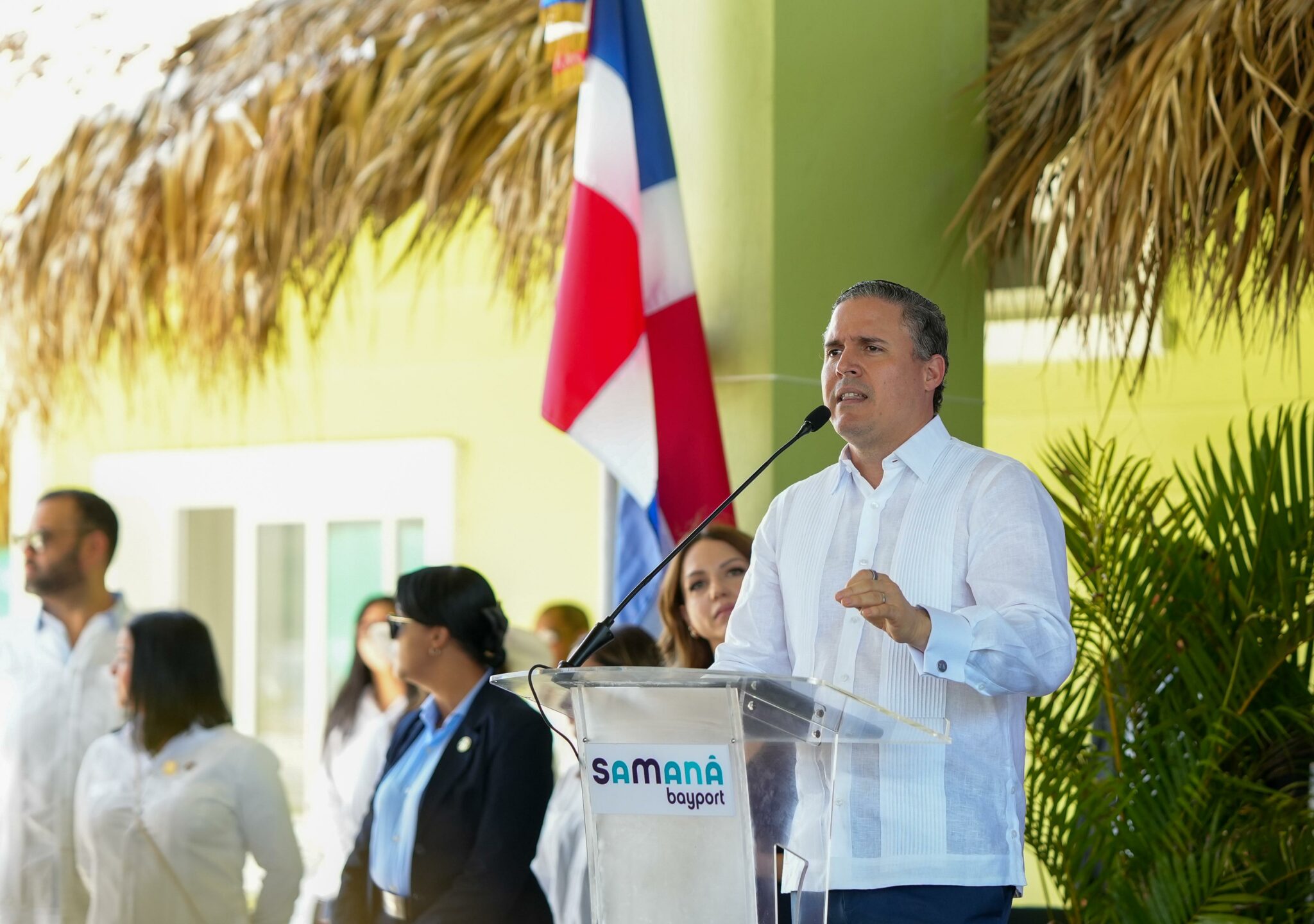
    The Dominican Republic is set to elevate its position as a top Caribbean cruise destination with the development of the new Samaná Bayport, a transformative infrastructure project announced by Jean Luis Rodríguez, executive director of the Dominican Port Authority (Apordom). Designed to address growing regional demand for cruise tourism, the facility will deliver unmatched capacity for the area, with ability to accommodate three large cruise vessels at the same time.

    At the core of the terminal’s design is an innovative SeaWalk floating pier, engineered to host massive ships carrying as many as 5,000 passengers. This cutting-edge infrastructure places Samaná Bayport among a small group of select Caribbean destinations that have adopted this advanced pier technology. The remaining two docking spots will support anchored vessels via tender services, expanding the port’s ability to handle surging visitor volumes during peak travel seasons.

    Backed by a total investment of $22 million U.S. dollars, the project prioritizes environmental stewardship from its inception, integrating industry-leading sustainable design features. Key environmental components include a on-site wastewater treatment system and targeted conservation measures tailored to protect the sensitive marine ecosystem of Samaná Bay, aligning the development with global standards for responsible tourism.

    The economic benefits of the project are already materializing for local communities. Rodríguez confirmed that construction phase has created roughly 150 direct employment positions and another 500 indirect jobs across local supply chains and support services. Once fully operational, the port is projected to generate 100 permanent direct jobs and 600 ongoing indirect roles, anchoring long-term employment for the region.

    Economic projections forecast that the port will contribute approximately $10 million U.S. dollars in annual revenue directly from cruise operations, with an additional $9 million in annual revenue generated through spin-off tourism-related services across the local economy. Beyond direct revenue and job creation, the development is strategically positioned to diversify Samaná’s tourism offerings, opening new market opportunities for local small businesses, independent artisans, and regional service providers. By balancing expanded tourism capacity with rigorous environmental protection, Samaná Bayport is set to become a model for sustainable, inclusive tourism growth in the Caribbean.

  • First Order Brands acquires Domino’s Pizza business in Jamaica

    First Order Brands acquires Domino’s Pizza business in Jamaica

    In a landmark deal reshaping Jamaica’s quick service restaurant sector, Kingston-based First Order Brands Limited has completed the acquisition of all assets belonging to Convenient Brands Ltd. The transaction positions First Order Brands as the new official master franchisee for Domino’s Pizza across Jamaica, taking ownership of the country’s largest pizza restaurant network.

    Domino’s has built a decades-long presence in the Jamaican market, with over 30 years of operation serving local consumers. Today, the chain boasts 18 store locations across the island and employs more than 200 local team members, making it a major player in the country’s fast food landscape.

    First Order Brands is helmed by Chief Executive Officer Sean Scott, a seasoned industry leader with deep roots in Jamaica’s quick service restaurant space. Scott previously led operations for both Domino’s and Wendy’s Jamaican franchises between 2011 and 2018, bringing hands-on operational expertise and intimate knowledge of local consumer preferences to the new role. Nicholas Scott will serve as chairman of the newly positioned franchise operator.

    Speaking on the acquisition, Scott shared his enthusiasm for the brand’s future in Jamaica: “We are privileged to be the steward of this iconic brand and excited to build on Domino’s long track record as the number one pizza brand in Jamaica.” Industry observers note the deal brings a familiar, experienced leadership team back to the Domino’s Jamaica operation, setting the stage for potential growth and expansion of the chain’s footprint in the coming years.