分类: business

  • Mogelijke vervalsing documenten Grassalco-dochter in Guyana

    Mogelijke vervalsing documenten Grassalco-dochter in Guyana

    Serious concerns have emerged regarding the establishment and registration of GuySure Aggregate and Sand Inc, a foreign subsidiary of Suriname’s state-owned mining company Grassalco. Official documents from Guyana reveal that five private individuals were registered as shareholders during the incorporation process, raising fundamental questions about the ownership structure and the legitimacy of this overseas venture.

    Internal investigations within Grassalco have uncovered irregularities in the documentation process surrounding GuySure’s formation. The audit revealed that certain critical documents were scanned and added to the internal system at a later date, without appearing in the regular document flow initially. Administrative deviations from standard procedures were also identified.

    The subsidiary’s launch in May 2025 was publicly promoted by the Surinamese government as Grassalco’s strategic international expansion. Former President Chan Santokhi traveled to Georgetown to inaugurate the company alongside now-suspended CEO Wesley Rozenhout. At the time, no mention was made of individual shareholders in the corporate structure.

    The Guyanese registration records now identify five individuals as shareholders: Wesley Rozenhout, Patrick Bel, Wendy Aminta, Ajay Surjbalising, and Negesty Winter. The relationship between these private shareholders and Grassalco’s status as a state-owned enterprise remains unclear, with no transparency regarding underlying agreements.

    These developments occur amidst broader turmoil at Grassalco. Earlier this month, Rozenhout was suspended by the Board of Commissioners pending an investigation into the disappearance of over four kilograms of gold from the state company. The board cited potential violations of corporate statutes as justification for the suspension.

    In response to the growing crisis, Natascha Kalo has been appointed as delegated commissioner with expanded oversight responsibilities until new leadership is established. The company is currently undergoing a comprehensive ‘quickscan’ assessment while daily operations continue under heightened supervision.

  • Belize Cuts Import Taxes Under Taiwan Trade Deal

    Belize Cuts Import Taxes Under Taiwan Trade Deal

    The Belizean government has enacted the conclusive round of import tariff reductions, marking full implementation of its bilateral trade agreement with Taiwan. Approved by Cabinet on Wednesday, these measures amend the nation’s Customs and Excise Duties legislation to execute the fourth and final phase of scheduled duty eliminations under the Belize-Taiwan Economic Cooperation Agreement (ECA).

    This legislative action fulfills Belize’s contractual obligations under the phased tariff elimination schedule established in the ECA. The revised regulations will immediately reduce import levies on designated categories of Taiwanese merchandise, effectively decreasing their retail prices for Belizean consumers.

    Government officials characterize this development as achieving dual objectives: honoring international trade commitments while simultaneously strengthening economic partnerships with Taiwan. The tariff reductions form part of a strategic, multi-year economic plan designed to enhance bilateral trade flows and increase accessibility of imported goods for the Belizean market.

    Analysts project that continued implementation of such trade facilitation measures will stimulate competitive pricing in domestic markets while fostering deeper economic integration between the two nations. The completed tariff elimination schedule establishes a framework for potential future expansion of trade cooperation initiatives.

  • EU waarschuwt voor economische schade door Trumps heffingenplan

    EU waarschuwt voor economische schade door Trumps heffingenplan

    The European Union has delivered a forceful response to former U.S. President Donald Trump’s announced plan to reinstitute sweeping import tariffs, warning that such protectionist measures could severely damage both European and American economies while undermining transatlantic relations.

    In an official statement released Monday, European officials emphasized that protectionist trade policies typically result in increased business costs, disruption of global supply chains, and elevated consumer prices. The EU specifically highlighted that export-dependent sectors including manufacturing, agriculture, and logistics would likely bear the brunt of the economic impact.

    Brussels pointed to previous trade conflicts as evidence that reciprocal tariffs tend to suppress economic growth and generate financial market volatility. The European Commission stressed that stable trade relationships remain crucial for investment security, job preservation, and economic recovery, particularly during a period when the global economy already faces pressure from geopolitical tensions and persistent inflation.

    The warning extended beyond transatlantic concerns, noting that trade disruptions between the United States and Europe could create ripple effects across developing nations that depend on predictable market access and stable trade flows.

    The EU reaffirmed its commitment to diplomatic dialogue and multilateral cooperation through World Trade Organization frameworks. Simultaneously, European authorities made clear their readiness to implement protective measures to safeguard the bloc’s economic interests should the tariff proposal materialize.

  • Big win for Jamaica

    Big win for Jamaica

    MONTEGO BAY, Jamaica — Jamaica’s tourism industry has welcomed the United States’ decision to downgrade its travel advisory for the island nation from Level 3 to Level 2, characterizing the move as a critical boost for winter season prospects. The adjustment comes just two months after Hurricane Melissa triggered elevated safety concerns across western parishes.

    The updated advisory, issued by U.S. authorities on Saturday, continues to advise vigilance regarding crime, health, and natural disaster risks but acknowledges significant improvements in traveler safety conditions. Notably, it confirms the reopening of all major airports for commercial operations while recommending travelers verify the availability of specific services before departure. The advisory further distinguishes that while violent crime remains a nationwide concern, tourist zones typically experience lower incidence rates than other regions.

    Christopher Jarrett, President of the Jamaica Hotel and Tourist Association (JHTA), revealed that the association had been engaged in discreet advocacy for the revision. “We’re obviously pleased with it,” Jarrett stated. “JHTA has been lobbying quietly behind the scenes for this change because we know the previous advisory was implemented due to the hurricane. We believed our recovery has been robust by any measure and remarkably swift compared to hurricane events of similar magnitude.”

    Industry leaders emphasized the broader economic implications of the improved advisory. John Byles, Executive Deputy Chairman of Chukka Caribbean Adventures, highlighted the potential ripple effects: “Without question, we welcome the adjustment. It has meaningful implications for group and events business, encouraging more visitors to explore beyond resort properties and experience genuine Jamaican hospitality.”

    Ian Dear, CEO of Margaritaville Caribbean Group and Chairman of the Tourism Product Development Company, framed the revision as a testament to national resilience. “This truly demonstrates Jamaica’s capacity for rapid and sustainable recovery,” Dear noted. “We had achieved Level 2 status before Hurricane Melissa, and returning to this level so quickly is an accomplishment we should celebrate.”

    The business community echoed this sentiment, with Montego Bay Chamber of Commerce President Jason Russell applauding the upgrade as “testimony to good governance and crime reduction efforts.” Russell emphasized that safety considerations significantly influence group travel decisions, predicting increased corporate clientele for convention facilities.

    While stakeholders anticipate a gradual manifestation of benefits, particularly from the Canadian market which traditionally monitors advisories closely, the consensus remains overwhelmingly positive. The revision arrives at a strategically critical period as Jamaica prepares for peak winter tourism, with industry leaders expressing confidence in reclaiming pre-hurricane visitor levels through continued safety improvements and clear destination messaging.

  • ‘Butch’ Stewart’s love affair with Air Jamaica

    ‘Butch’ Stewart’s love affair with Air Jamaica

    A decade-long saga of national pride, monumental challenges, and ultimate sacrifice defines Gordon ‘Butch’ Stewart’s stewardship of Air Jamaica, as commemorated on the fifth anniversary of the iconic businessman’s passing. The Jamaica Observer’s retrospective series reveals the full scope of this complex chapter in Caribbean aviation history.

    When Stewart’s Air Jamaica Acquisition Group (AJAG) assumed control in 1994 with a US$26.5 million investment, he inherited an airline battered by multiple crises. The once-beloved ‘Love Bird’ had earned the notorious nickname ‘ganja bird’ due to rampant drug smuggling operations that exploited inadequate security protocols. Simultaneously, political patronage drained resources as officials and their associates routinely flew without payment, while government support for fleet modernization remained insufficient.

    Stewart immediately implemented a radical transformation strategy centered on his ‘on-time no-line’ philosophy. His vision encompassed fleet modernization, route expansion, operational efficiency improvements, and elevating Air Jamaica to premier carrier status through strategic alliances. The revitalization produced remarkable achievements: the aging fleet was replaced with 20 state-of-the-art Airbus aircraft, twelve new gateways were established, and the airline won international accolades including ‘Best Airline Servicing the Caribbean.’

    The progress was dramatically undermined in May 1995 when the U.S. Federal Aviation Administration downgraded Jamaica to Category II status due to concerns about the Civil Aviation Division’s oversight capabilities. This designation created devastating operational and financial consequences, with PricewaterhouseCoopers estimating losses exceeding US$150 million over the subsequent 2.5 years. The restrictions crippled route expansion plans, forced uneconomical leasing arrangements, and prevented utilization of new aircraft.

    Despite these setbacks, Stewart’s team achieved extraordinary operational successes. The Montego Bay hub increased aircraft utilization from below six hours to approximately ten hours daily, while code-sharing agreements with Delta Airlines and coveted landing slots at London’s Heathrow Airport significantly enhanced international connectivity. The airline became particularly vital for Jamaican diaspora communities and informal commercial importers who relied on its services for economic sustenance.

    A 2006 MIT study quantified Air Jamaica’s enormous economic impact, estimating US$5.491 billion in total contributions to Jamaica’s economy between 1995-2004. This included US$1.83 billion in direct incremental benefits and US$3.661 billion in indirect contributions through employment and visitor expenditures. These gains occurred despite accumulated losses of US$674 million during Stewart’s tenure.

    The final blows came from external forces: the 9/11 terrorist attacks devastated global air travel, while Jamaica’s reputation suffered from international coverage of crime and violence. Without government support equivalent to the US$19 billion bailout provided to U.S. carriers, Stewart made the painful decision to return the airline to government control in December 2004, ultimately leading to its acquisition by Caribbean Airlines and eventual dissolution.

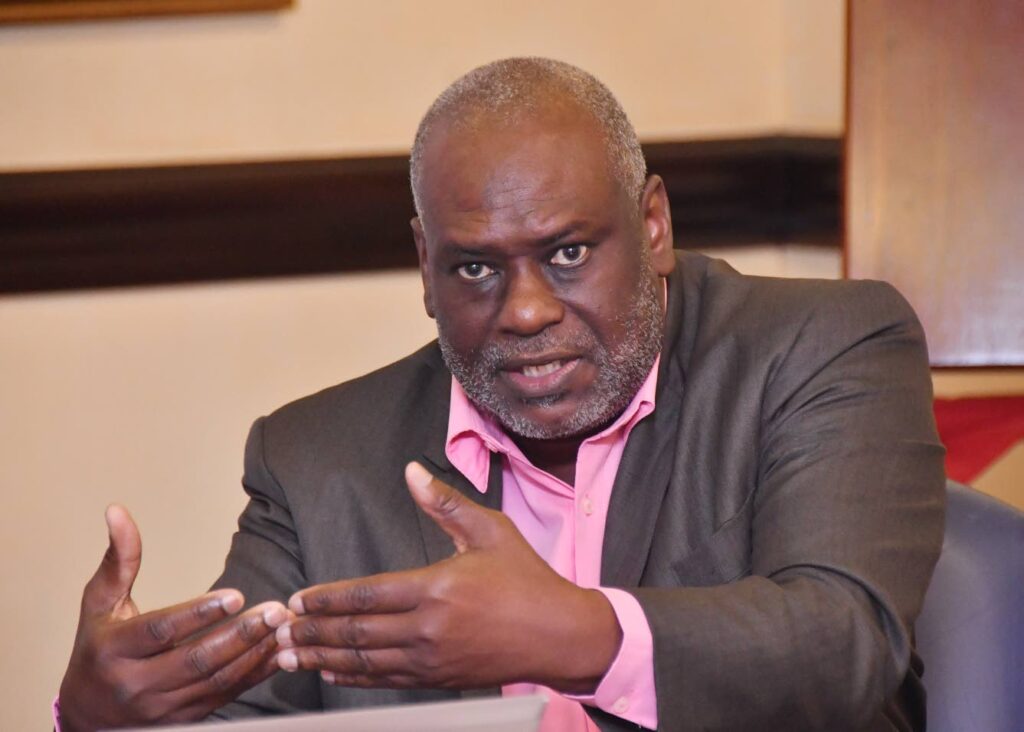
  • Newsday’s winding-up petition adjourned to January 23

    Newsday’s winding-up petition adjourned to January 23

    The High Court has postponed the critical winding-up petition against Daily News Ltd, publisher of Trinidad and Tobago’s Newsday newspaper, until January 23 following a brief hearing on January 19. Justice Marissa Robertson granted the adjournment request after company attorneys cited procedural requirements under the Companies Act.

    Legal representatives Gregory Pantin and Miguel Vasquez of Hamel-Smith and Co. appeared before the court, explaining that the petition filed on December 31 was officially gazetted on January 15—later than initially anticipated. This timing complication affected the company’s ability to meet the mandatory seven-day statutory period for advertisement in both the Gazette and at least one local daily newspaper before the hearing.

    Pantin clarified that the delay prevented the company from filing its certificate of compliance with the court registry. He further noted that no creditors or contributories had submitted notices of intention to appear at Monday’s hearing, despite the published invitation for interested parties to support or oppose the winding-up order.

    Justice Robertson reviewed her judicial calendar before scheduling the rescheduled hearing for 10 am on January 23. The proceedings mark a pivotal moment for Newsday, which launched on September 20, 1993, as the youngest among the nation’s three daily newspapers. The outcome could determine whether the publication ceases operations after more than three decades of service.

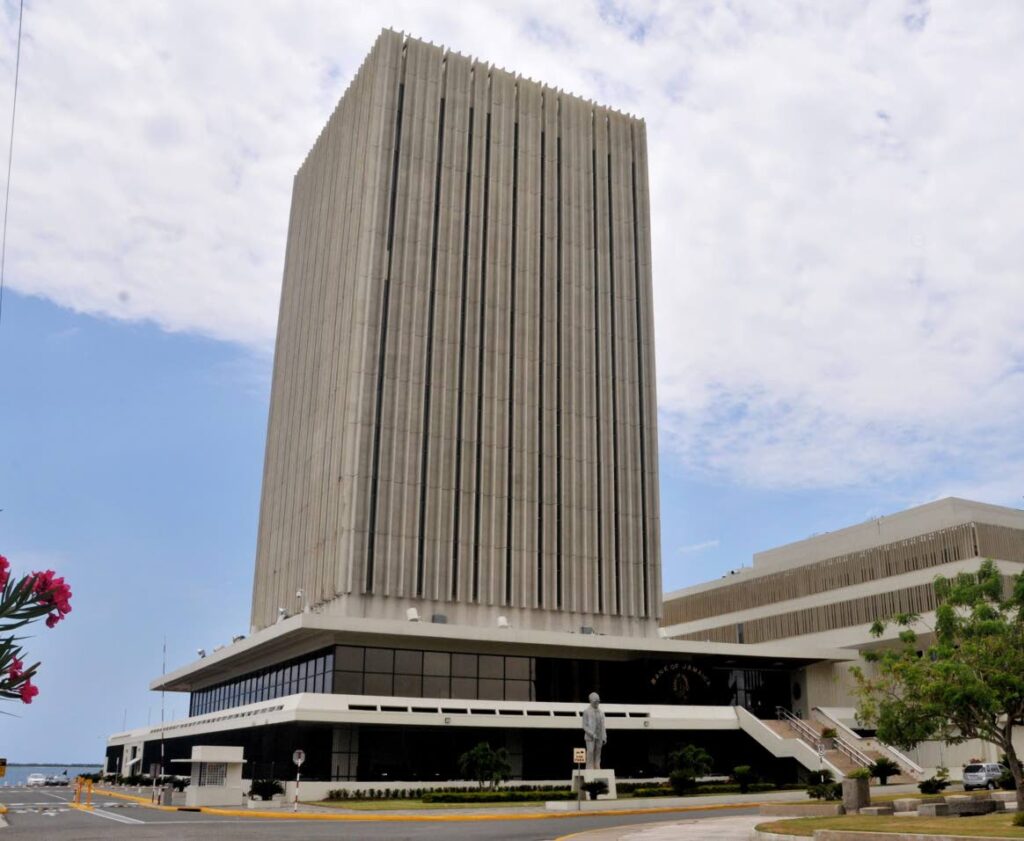
  • Bowen leaving NCB, Martin appointed interim CEO

    Bowen leaving NCB, Martin appointed interim CEO

    KINGSTON, Jamaica — National Commercial Bank Jamaica Limited (NCBJ) has initiated a carefully orchestrated leadership transition with CEO Bruce Bowen set to depart in February 2026 following the successful completion of the institution’s turnaround strategy. The board confirmed this planned succession aligns with the bank’s governance framework and strategic evolution from stabilization to sustainable growth.

    Effective January 19, 2026, Chief Operating Officer Sheree Martin will assume the role of interim CEO, bringing her extensive 15-year financial services expertise and proven track record in organizational transformation. Martin’s tenure as COO has seen her oversee critical operational and technology functions while driving execution discipline and operational resilience throughout the organization.

    Bowen, who took leadership in 2023 specifically to steer the bank through its turnaround phase, will officially depart on February 28, 2026, to pursue other professional interests. The board emphasized that the restructuring objectives have been largely achieved, setting the stage for the next growth chapter.

    Robert Almeida, NCBFG’s Group Chief Executive Officer and NCBJ Board Chairman, affirmed the strategic continuity stating: ‘Our fundamental strategy, priorities, and commitments to stakeholders remain unchanged. We continue to focus on disciplined execution, consistent value creation, and shared accountability as we build upon the progress of the past two years.’

    The leadership transition reflects the institution’s commitment to stability during its progression from stabilization to sustainable expansion, with Martin’s appointment ensuring continuity in strategic direction and operational excellence.

  • Central Bank lawsuit against CL Financial directors halted

    Central Bank lawsuit against CL Financial directors halted

    A landmark legal battle stemming from Trinidad’s massive financial collapse has been temporarily suspended as authorities examine a long-awaited official report. The Central Bank of Trinidad and Tobago has secured an adjournment until January 26 in its billion-dollar lawsuit against former CL Financial directors, including late chairman Lawrence Duprey, to review the recently published Colman Commission report.

    The 676-page document, tabled in Parliament on January 16 after eight years in preparation, details the catastrophic failure of Colonial Life Insurance Company (Trinidad) Ltd and its parent conglomerate CL Financial. Attorney General John Jeremie revealed the state has expended approximately $28 billion in bailout funds plus $3-4 billion in associated costs since the 2009 collapse that threatened national economic stability.

    Despite the enormous expenditure and decade-long investigation, no criminal charges have resulted from the failure that wiped out millions in policyholder investments. The civil case alleges gross mismanagement, misappropriation of funds, and improper governance within the insurance giant that served as CL Financial’s ‘cash engine.’

    The suspension comes as the Central Bank evaluates whether the commission’s findings—based on millions of emails, forensic accounting records, and over 1,600 document boxes—could impact ongoing litigation. The bank acknowledged the ‘voluminous’ nature of the report and the ‘protracted’ process while promising independent consideration of its implications.

    The case represents one of several legal actions stemming from the collapse that absorbed more than $5 billion in taxpayer funds during initial rescue efforts. With Duprey’s passing in August 2024 at age 89, the proceedings continue against remaining defendants including former corporate secretary Gita Sakal and companies linked to former executives.

  • Energy Chamber: V’zuelan oil could be viable option

    Energy Chamber: V’zuelan oil could be viable option

    Amidst Venezuela’s political transformation with Nicolás Maduro’s imprisonment and US-backed interim president Delcy Rodríguez assuming power, Trinidad and Tobago’s Energy Chamber has highlighted the historical foundation for renewed energy cooperation between the neighboring nations.

    While recent discussions have centered on natural gas imports from Venezuela’s Dragon field, the Chamber emphasizes that the energy relationship historically extended beyond gas to significant crude oil transactions. In 2000, Trinidad imported over 18 million barrels of Venezuelan crude, representing more than half of its total imports at approximately 50,000 barrels daily—a volume equivalent to Trinidad’s current domestic production.

    The imported Venezuelan crude primarily supplemented declining domestic production for the Point-a-Pierre refinery, which had a processing capacity of 175,000 barrels per day. Beyond refinery feedstock, some Venezuelan crude was stored and re-exported through Point Fortin terminal, while other volumes were processed into specialized lubricant oils for export markets.

    Venezuela’s state oil company PDVSA maintained active membership in the Energy Chamber (then South Trinidad Chamber) during the early 2000s, regularly participating in Trinidad’s energy conferences. This relationship gradually deteriorated, with Venezuelan crude imports ceasing entirely by 2009.

    With domestic production now at approximately 53,000 barrels daily and continued decline, the Chamber suggests that refinery restart plans would necessitate new crude sources. A revitalized Venezuelan oil industry under interim leadership could potentially emerge as a strategic supplier, rebuilding the energy partnership that once flourished between the two nations.

  • Bamboo Bioproducts Ltd test plots show resilience in the  face of Hurricane Melissa

    Bamboo Bioproducts Ltd test plots show resilience in the face of Hurricane Melissa

    WESTMORELAND, Jamaica—In the aftermath of Hurricane Melissa’s devastating path across Jamaica, an unexpected agricultural champion has emerged from the wreckage. While traditional crops succumbed to the Category 5 storm’s fury, experimental bamboo plantations demonstrated remarkable resilience, offering promising insights for Jamaica’s climate adaptation strategy.

    Bamboo Bioproducts Ltd., pioneering Jamaica’s first large-scale bamboo pulp mill development in Friendship, Westmoreland, discovered its test plots withstood the extreme weather conditions with unexpected fortitude. According to CEO David Stedeford, the hurricane served as an unplanned but valuable stress test for both agricultural assumptions and industrial designs.

    The company, which is cultivating over 25,000 acres of bamboo across Jamaica as part of a $500 million investment, observed how mature bamboo clumps bent under ferocious winds yet recovered within weeks. Agricultural officer Kirk Raymond reported that strong root systems stabilized soil, flexible culms minimized breakage, and the plant’s rapid regrowth ensured future feedstock supply integrity.

    Post-storm assessments revealed an additional advantage: much of the felled bamboo remained suitable for industrial processing, with approximately 80-90% of material meeting quality standards for mill throughput. Raymond noted that the storm essentially functioned as a pre-harvest exercise rather than a catastrophic event.

    The hurricane also validated strategic planning behind the mill’s development. The chosen site avoided flooding during the storm, confirming earlier hydrological assessments. Stedeford disclosed that engineers subsequently refined structural designs, construction-phase planning, and shutdown procedures to incorporate lessons from the extreme weather exposure.

    Beyond infrastructure and agricultural resilience, the company emphasized its people-first approach during the crisis. Operations were paused pre-emptively, with staff instructed to prioritize family safety. Post-storm, the company immediately conducted welfare checks and provided support for food and hygiene needs through local leadership coordination.
    This comprehensive response reinforced Bamboo Bioproducts’ philosophy of operating as an integrated community member rather than an isolated enterprise, with additional funding committed to support neighboring communities during recovery.