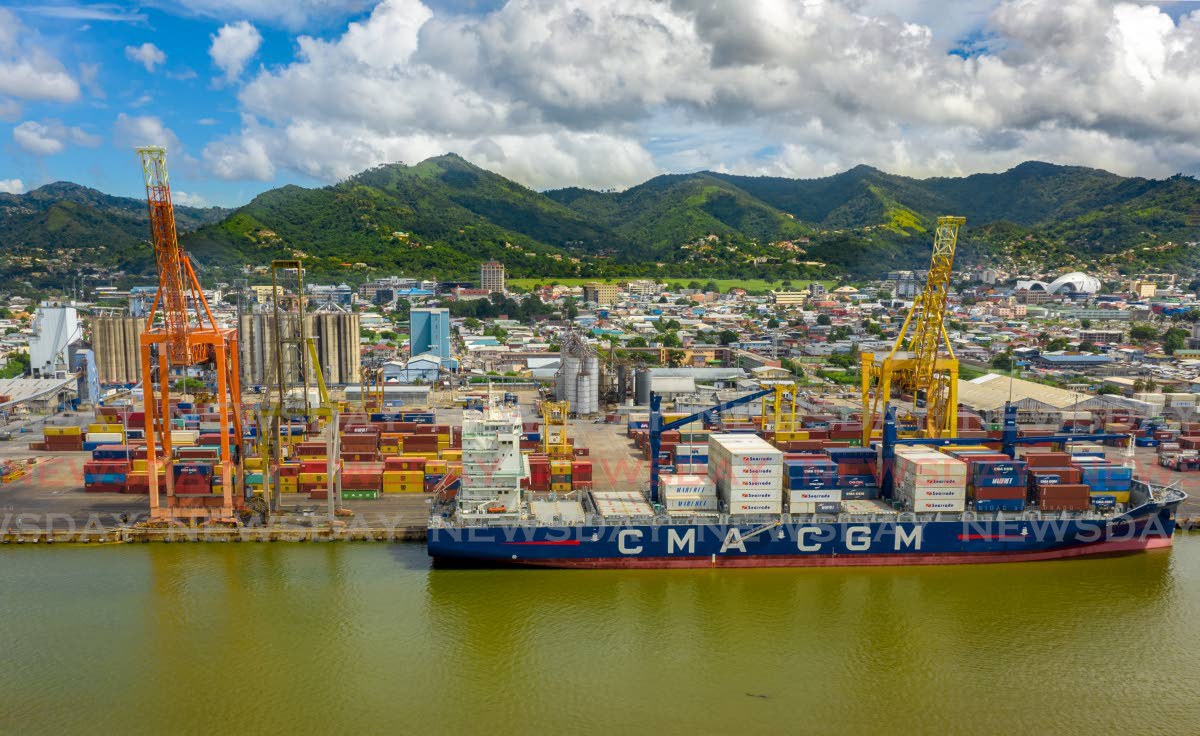
Trinidad and Tobago (TT) is poised for a significant economic transformation through a bold infrastructure-led revitalization plan. Spearheaded by economist Dr. Vaalmikki Arjoon, the initiative aims to break the nation’s reliance on the energy sector and address long-standing underdevelopment in non-energy industries. The plan emphasizes diversification, resilience, and competitiveness, marking a paradigm shift from short-term political agendas to long-term, investment-driven growth. At its core is large-scale infrastructure spending, which is expected to stimulate economic activity, create jobs, and catalyze private investment. Key projects include a deepwater port offshore Port of Spain, the San Fernando to Mayaro highway, and redeveloped waterfronts. These initiatives are designed to enhance trade competitiveness, improve regional connectivity, and boost tourism and logistics. Financing will rely on public-private partnerships, government-to-government collaborations, and innovative models like Real Estate Investment Trusts (REITs). The success of this ambitious blueprint hinges on disciplined execution, transparent procurement, and robust oversight to avoid past pitfalls. If implemented effectively, it could position TT as a regional leader and restore national momentum.
分类: business
-

The truth about credit cards
In an era where credit cards have become a ubiquitous tool for managing daily expenses, a recent letter to the editor highlights the dual-edged nature of this financial instrument. While credit cards offer unparalleled convenience for purchases ranging from groceries to car repairs, they also pose significant risks if mismanaged. The letter emphasizes that credit cards are not a source of free money but rather a form of borrowed capital that must be repaid with interest, often at rates as high as 2% per month. This can transform a seemingly manageable $1,000 purchase into a long-term financial burden if not addressed promptly. One of the most common pitfalls is relying on minimum payments, which primarily cover interest and barely reduce the principal balance, leaving consumers in a perpetual cycle of debt. However, when used judiciously, credit cards can offer substantial benefits. Most cards provide a 30-day interest-free grace period, allowing users to avoid interest charges by paying the full balance on time. Additionally, credit cards can serve as a short-term financial bridge, helping individuals manage cash flow gaps between paychecks. Consolidating expenses onto a single card can also simplify budgeting and spending tracking, provided users remain disciplined and clear their balances monthly. In emergencies, such as unexpected car repairs or medical bills, credit cards can be a lifeline, though the goal should always be to repay the debt swiftly to prevent long-term financial strain. For those who struggle with overspending or are tempted by minimum payments, switching to a debit card may be a wiser choice, as it ensures spending is limited to available funds. The letter concludes with practical tips for responsible credit card use, including treating the credit limit as borrowed money, leveraging the grace period, avoiding minimum payments, and utilizing budgeting resources. Ultimately, credit cards are neither inherently good nor bad; their impact depends on the user’s discipline and financial literacy.
-

Realities of revitalisation: Business leaders on way forward with economic blueprint
The government of Trinidad and Tobago has unveiled an ambitious Revitalization Blueprint, aiming to transform the nation into a first-world country within a decade. The plan, announced on November 7, includes over 129 construction projects focused on key areas such as the Port of Spain and San Fernando waterfronts, Invaders Bay, Queen’s Park Savannah, and major expansions to the Port of Spain Port. The initiative promises to create more than 50,000 jobs and establish TT as a regional leader in excellence. However, the feasibility, investment, and timeline of these projects remain critical challenges. Business leaders have expressed cautious optimism, emphasizing the need for private sector engagement and foreign direct investment. Vivek Charran, President of the Confederation of Regional Business Owners, highlighted potential low-hanging fruit projects like the decommissioning of Carrera Island and road construction from San Fernando to Mayaro. He also noted the potential for high-rise residential buildings in Port of Spain and San Fernando, which could boost tourism and local economies. MovieTowne CEO Derek Chin emphasized the importance of sustainable tourism and the need for projects to make financial sense, warning against ‘white elephants’ like the National Academy for Performing Arts. While the plan has garnered significant endorsements, its success will depend on the government’s ability to attract investment and address past shortcomings.
-
Grenada MSMEs benefit from UBEC Business Development Workshops
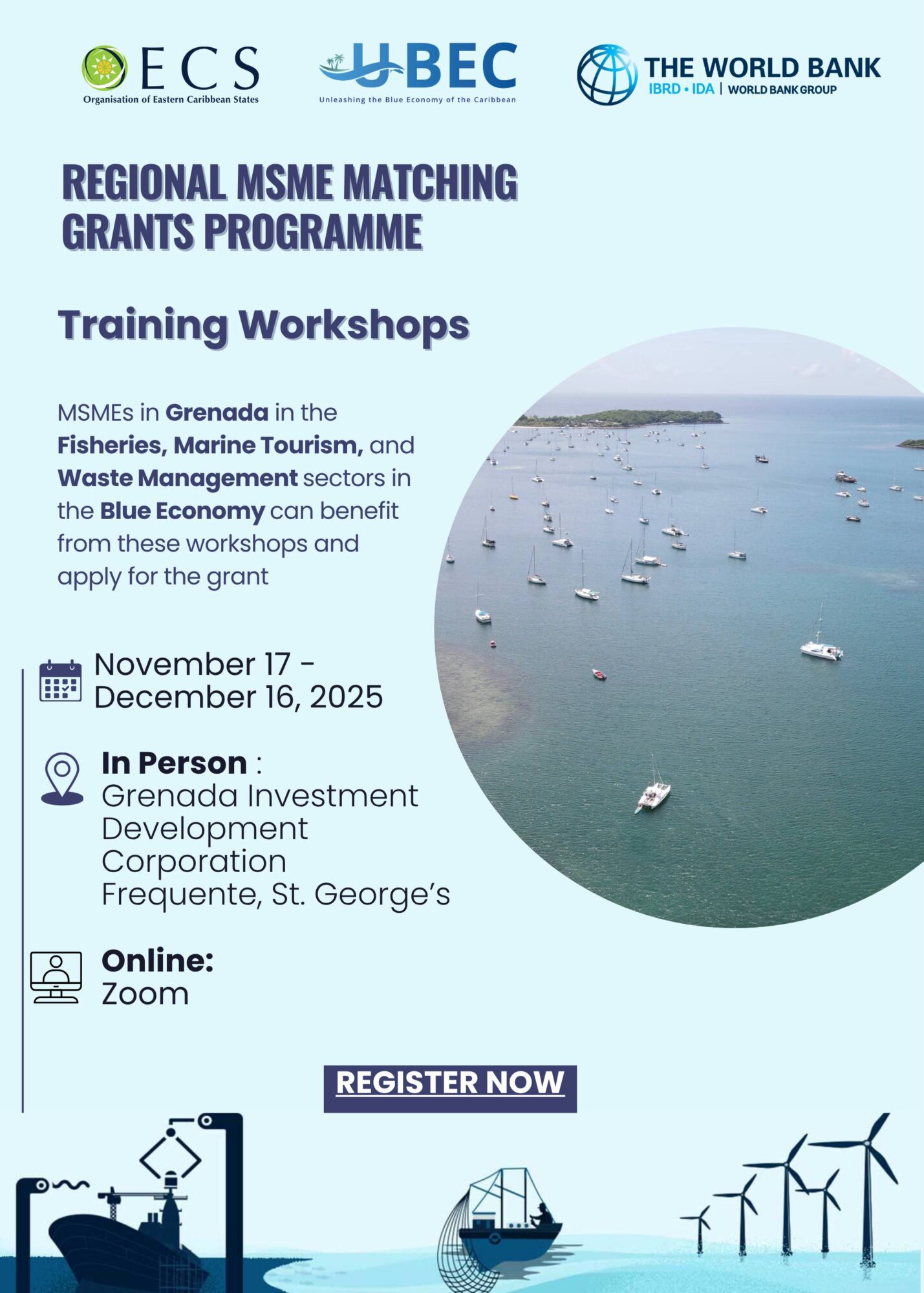
The Organisation of Eastern Caribbean States (OECS) Commission is actively bolstering the capabilities of Micro, Small, and Medium Enterprises (MSMEs) in key sectors such as fisheries, marine tourism, and waste management. This initiative is part of the Unleashing the Blue Economy of the Caribbean (UBEC) Project, which aims to enhance the operational efficiency and grant application success of MSMEs through a series of practical, skills-based training workshops. The first two sessions, focusing on Grant Proposal Writing and Effective Record-Keeping, have already been completed, providing participants with essential tools for business management and growth. The training series continues throughout November and December, offering both in-person and hybrid sessions on topics such as financial management, continuity planning, marketing, and more. These workshops are designed to strengthen the resilience and competitiveness of MSMEs within the Blue Economy, enabling them to apply for grant funding ranging from US$5,000 to $25,000 under the UBEC Regional MSME Matching Grants Programme. The application deadline for grant funding is Friday, 21 November 2025, at 11:59 pm. MSMEs are encouraged to take advantage of these training opportunities to enhance their business skills and secure funding for expansion, innovation, and sustainability efforts.
-
China International Import Expo breekt records en sluit succesvol af
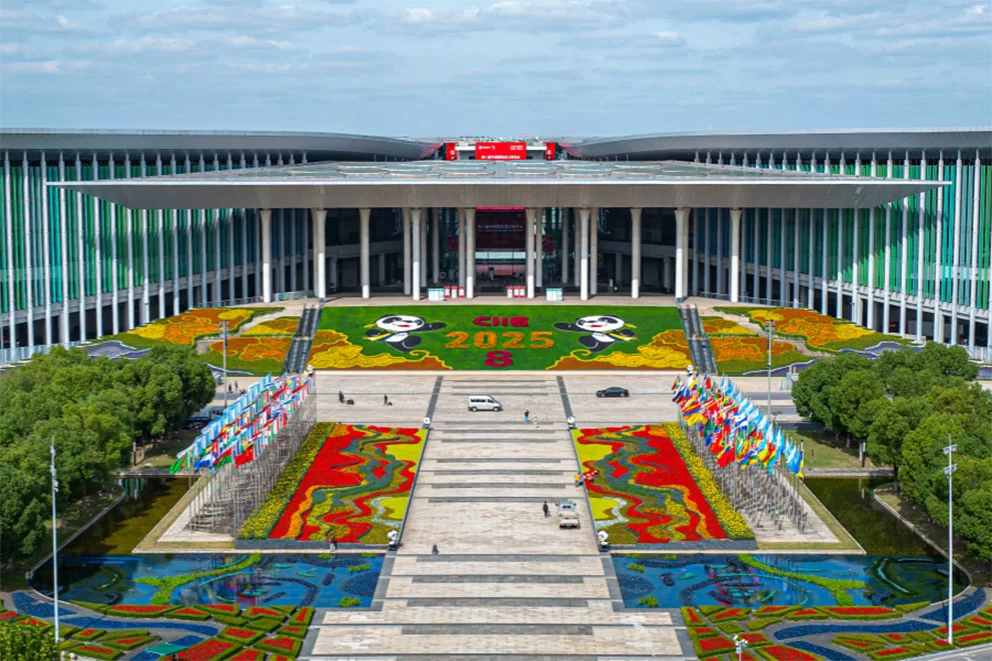
The 8th China International Import Expo (CIIE), held in Shanghai, concluded on November 10 with a record-breaking $83.5 billion in intended trade deals, marking a 4.4% increase from the previous year. This announcement was made by Wu Zhengping, Deputy Director of the CIIE Bureau, during a press conference following the six-day event. The expo, which featured 4,108 participating companies and a total exhibition area of 367,000 square meters, set new benchmarks in both scale and participation. Among the exhibitors were 290 Fortune 500 companies and 180 multinational corporations that have participated in all eight editions of the CIIE. This year, 461 new products, technologies, and services were introduced, slightly surpassing the 450 innovations showcased in 2024. Participating companies have already secured contracts for approximately 80,000 square meters of exhibition space for the 9th CIIE, scheduled for November next year. The CIIE serves as a vital platform for multinational companies to showcase advanced technologies and exchange ideas to better adapt to the rapidly evolving Chinese market. Wu Zhengping emphasized that China is not only a vast consumer market but also a partner that values collaboration and innovation. Senior representatives from participating companies, such as Jorg Buchheim of the German Webasto Group and Andreas Renulf of Hexagon AB, highlighted the importance of the CIIE in gaining insights for future innovations and praised China’s market dynamics and openness to new technologies. The expo also reflects China’s efforts to further open its economy, as noted by Jacky Zou of KPMG China, who referenced the recent 15th Five-Year Plan (2026–2030) promoting institutional openness and international trade rules. The event demonstrated growing confidence among international investors in China, with Bill Winters, CEO of Standard Chartered, emphasizing the positive impact of China’s ongoing openness and economic growth on global cooperation. China’s vast domestic market continues to be a powerful driver for international trade and consumption, with opportunities for American companies in sectors ranging from technology and agriculture to specialized products like ginseng, pet food, and wine. The expansion of China’s visa-free policy has facilitated an influx of foreign tourists, further stimulating consumption. During the CIIE, China Daily launched the International Communication Initiative to promote exports to China and shopping in China, aiming to enhance the visibility of the Chinese market globally and foster collaboration. According to data from Chinese customs, imports in October rose by 1.4% year-on-year, marking the fifth consecutive month of growth. Improved tax refund and consumption policies in China are stimulating both domestic consumers and foreign visitors, as noted by researcher Chen Jianwei of the University of International Business and Economics in Beijing. International companies like Pernod Ricard and Tapestry Inc. are investing heavily in expanding their presence in China, driven by increasing demand for premium products and the dynamism of the Chinese market. These optimistic sentiments align with China’s policy goals to strengthen the national market and sustainably stimulate economic growth, as outlined in the recent communique of the Central Committee of the Communist Party of China. For many foreign visitors, shopping in China is more than just consumption; it is a cultural experience where tradition and innovation converge, as reported by China Daily’s Rochelle Beiersdorfer.
-

Major Caribbean insurance merger announced as General Accident and Beacon join forces
In a landmark corporate maneuver, General Accident Insurance Company (Jamaica) Limited (JSE: GENAC) and Beacon Insurance Company Limited have announced their merger, aiming to create a dominant insurance entity across the Caribbean. The strategic acquisition, finalized on October 31, 2025, by Musson (Jamaica) Limited, General Accident’s parent company, will see Beacon Insurance operate as a subsidiary under General Accident, pending regulatory approvals. This merger is poised to significantly bolster General Accident’s market reach, particularly in Trinidad and Barbados, while expanding its footprint into new territories such as Dominica, Grenada, St. Kitts, St. Lucia, and St. Vincent. With annual gross written premiums surpassing J$32 billion, General Accident’s influence continues to grow. Despite the merger, Beacon will maintain its operational independence under its established brands in Trinidad and Barbados, with its current leadership, including CEO Christopher Woodhams, remaining intact. Woodhams will report directly to Sharon Donaldson, Group CEO of General Accident, and will oversee operations for both brands in Trinidad. Additionally, Christian Hadeed, a director of Beacon, alongside Woodhams, will join the board of General Accident, with the Hadeed family becoming minority shareholders in the newly formed entity. Gerald Hadeed, founder of Beacon, expressed confidence in the merger, highlighting shared insurance principles and a commitment to client service. P.B. Scott, Chairman of General Accident, lauded the partnership, emphasizing the potential to create a robust platform across the Caribbean and enhance service delivery for clients of both companies.
-
Barbados deepens UK trade links amid push into new industries
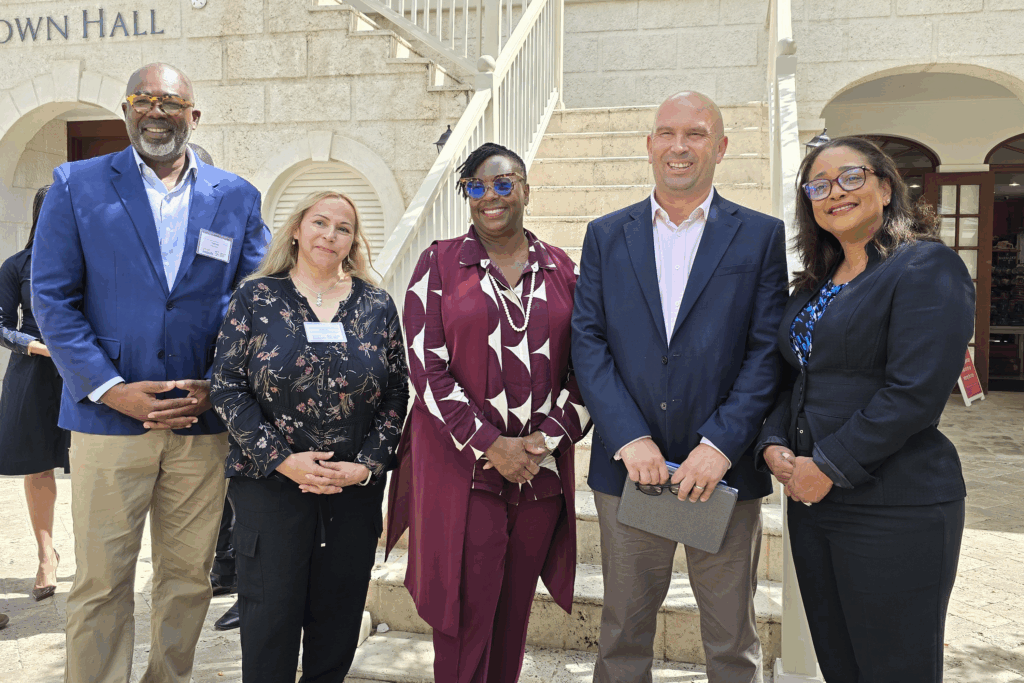
Barbados is intensifying its efforts to attract British investment in renewable energy, space technology, and the creative industries, aiming to establish itself as a hub for emerging sectors amid shifting global economic dynamics. Speaking at the sixth annual UK Trade Mission to Barbados Business Forum, Minister of Economic Affairs and Investment Kay McConney highlighted the growing interest from UK investors, which now extends beyond traditional sectors like tourism and financial services. McConney emphasized the need to adapt to evolving global realities, citing World Bank data that predicts a doubling of energy investment demand in developing countries by 2035. Barbados’ economy has shown robust growth, with 17 consecutive quarters of expansion, as reported by the Central Bank in September 2025. To foster a business-friendly environment, Bridgetown has modernized public systems, digitized services, and implemented reforms to enhance efficiency and transparency. McConney stressed the mutual benefits of UK-Barbados partnerships, including job creation, skills transfer, and access to new market opportunities. British interest spans diverse industries such as financial services, ICT, agro-processing, renewable energy, construction, and manufacturing. Emerging opportunities in education, the blue economy, and innovation-driven fields like space technology and film were also highlighted. British High Commissioner Simon Mustard underscored the importance of strengthening trade and investment links amid global challenges, including geopolitical tensions and economic uncertainties. He encouraged collaboration in renewable energy, digital transformation, and small business development. UK-Barbados trade grew by 9% in the past year, reaching over $1.59 billion, with the UK targeting high-growth sectors like clean energy, advanced manufacturing, and creative industries. Mustard projected a 2.7% growth rate for Barbados in 2025, driven by tourism, construction, renewable energy, and digital transformation. He praised Barbados’ skilled workforce, strong legal framework, and commitment to innovation, positioning it as an ideal partner for the UK in building future industries.
-
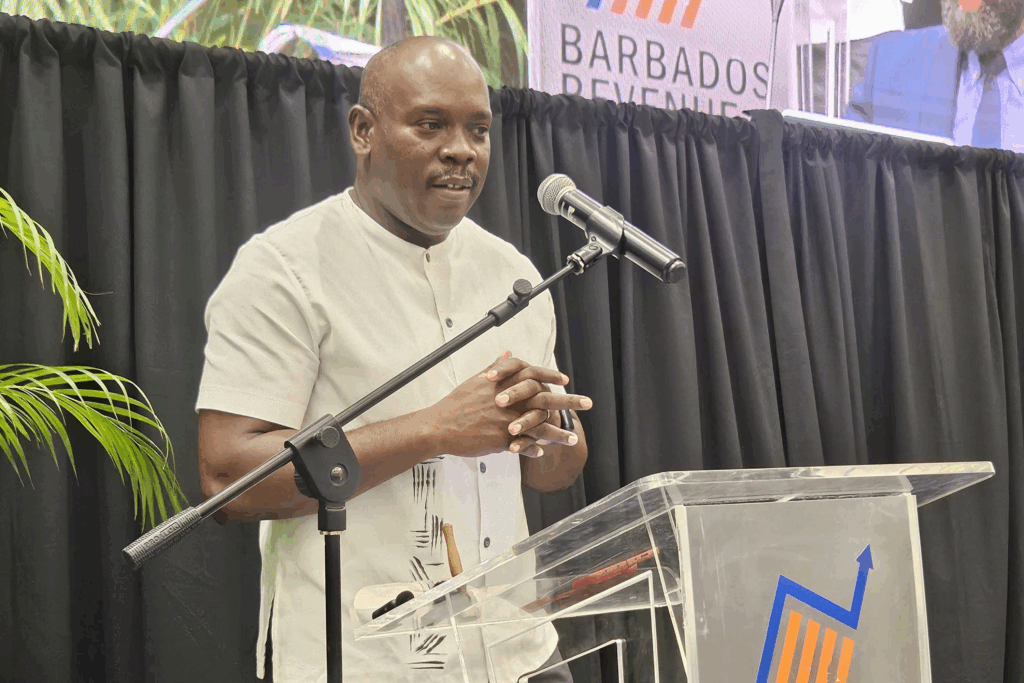
Barbados ‘making significant progress’ in tax compliance
Barbados has reiterated its unwavering dedication to international tax transparency and compliance standards during a pivotal meeting of the Organisation for Economic Co-operation and Development (OECD) Global Forum. The event, held at the Hilton Barbados Resort, focused on assessing the island nation’s adherence to global tax obligations. Ryan Straughn, Minister in the Ministry of Finance, emphasized Barbados’ significant strides in aligning with international tax frameworks and its resolve to uphold these standards. Straughn highlighted the critical role of tax transparency and information exchange in fostering investment and economic growth, particularly for small states like Barbados. He detailed extensive reforms undertaken to meet global requirements, enhance governance, and bolster investor confidence, which have contributed to 17 consecutive quarters of economic growth. Straughn also addressed the evolution of Barbados’ corporate tax policy, noting the reduction of corporation taxes to 5.5% in 2018 and the subsequent adjustments necessitated by the OECD’s global minimum tax of 15%, effective in 2024. He underscored the importance of tax certainty for investors, stating that Barbados is no longer a low-tax jurisdiction. Additionally, Straughn outlined ongoing efforts to modernize the business environment, including digitization initiatives by the Barbados Revenue Authority (BRA) and the Central Bank’s plans for digital payments. Revenue Commissioner Jason King reaffirmed Barbados’ commitment to international standards, highlighting the BRA’s strengthened legislative and technical capacity and its readiness to implement the Common Reporting Standard 2.0 and the crypto asset reporting framework.
-

Antigua and Barbuda Showcases Debt Reform Model at COP30
At the High-Level Panel on Debt Sustainability and Resilient Infrastructure during COP30, Antigua and Barbuda showcased its innovative Debt Sustainability Support Service (DSSS) as a groundbreaking approach to harmonizing debt reform, climate resilience, and sustainable finance. The event, hosted at the Disaster Resilient Infrastructure (DRI) Pavilion, highlighted the urgent need for integrated solutions in Small Island Developing States (SIDS). Her Excellency Ruleta Camacho Thomas, Ambassador for Climate Change, emphasized the intertwined crises of debt and climate vulnerability in SIDS, stating, ‘Every hurricane, drought, and flood destroys infrastructure and public revenue, forcing countries to borrow more just to rebuild. This creates a debt trap that hinders investment in resilience.’ Under the Antigua and Barbuda Agenda for SIDS (ABAS), the DSSS was developed to help vulnerable economies combine debt reform, climate finance, and resilience planning. The service integrates mechanisms such as debt-for-climate swaps, climate-contingent clauses, resilience-linked bonds, and insurance-backed instruments into a unified framework. ‘The DSSS ensures that finance supports resilience, not undermines it,’ Ambassador Camacho Thomas explained. ‘It aligns fiscal policy, infrastructure investment, and climate adaptation, ensuring every dollar spent on recovery also builds long-term security.’ Antigua and Barbuda is collaborating with partners like the Coalition for Disaster Resilient Infrastructure (CDRI) to advance debt sustainability and infrastructure resilience simultaneously. The Ambassador also highlighted the role of data analytics in attracting investment, noting that while spatial and financial data can demonstrate the return on investment (ROI) of resilience, they are often misused to label SIDS as ‘high-risk.’ She called for integrating data on adaptation outcomes into financial modeling to prove the economic viability of investing in SIDS. ‘Resilience must be recognized as a financial model, not a moral appeal,’ she concluded. Antigua and Barbuda continues to lead global efforts to enhance access to sustainable finance for vulnerable economies, promoting integrated approaches that link debt management, infrastructure resilience, and sustainable growth.
-

Communicators risk being left behind by rapid AI changes – IABC president
The rapid progression of artificial intelligence (AI) poses a significant threat to communications professionals, who risk being marginalized unless they enhance their professional standards and unify their collective voice, warned Dr. Pamala Proverbs, President of the International Association of Business Communicators (IABC) Barbados Chapter. Speaking at a workshop titled *Human-Driven AI: Powering Communication Excellence*, Dr. Proverbs highlighted the critical challenges facing the industry.