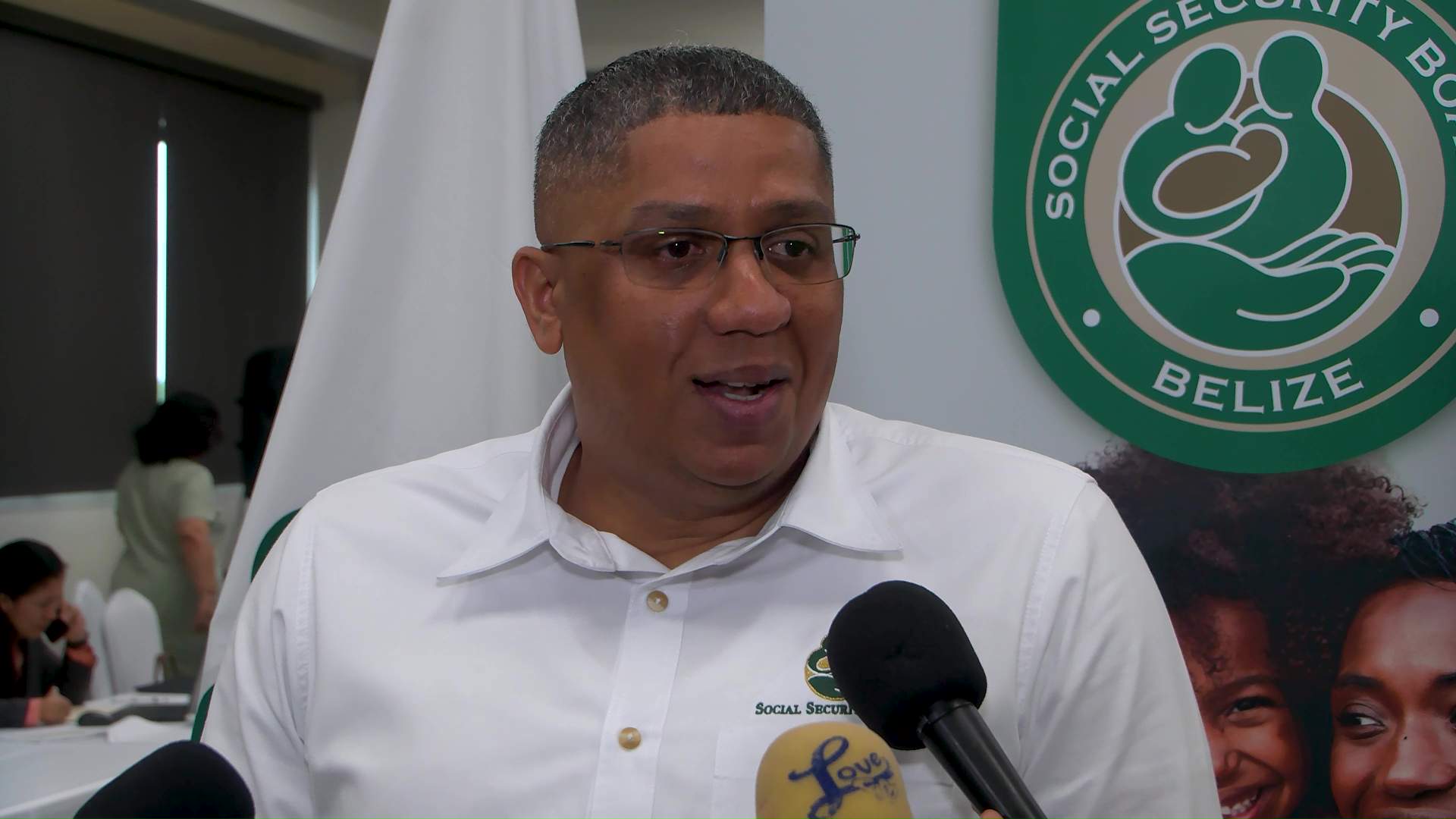
In a significant development for Belize’s economy, the Briceño administration’s acquisition of Fortis Belize’s hydro assets and a 33% stake in Belize Electricity Limited (BEL) for $110 million Belize dollars has opened new investment opportunities. The deal, finalized in October 2025, has sparked extensive discussions in both the House and Senate, focusing on environmental concerns and long-term energy security. Prime Minister John Briceño hinted during negotiations that local investors, including the Social Security Board (SSB), were keen to participate. SSB CEO Jerome Palma recently addressed the potential investment, emphasizing the need for thorough due diligence. Palma stated that while the opportunity is promising, the SSB must evaluate the costs, returns, and overall feasibility before committing Belizeans’ retirement savings to the energy sector. He also highlighted the importance of growing reserves and exploring other secure investment avenues, such as municipal bonds and development projects, to ensure consistent returns for the fund. As Belize’s economy expands, the SSB remains committed to identifying practical, secure, and profitable investment opportunities.
分类: business
-
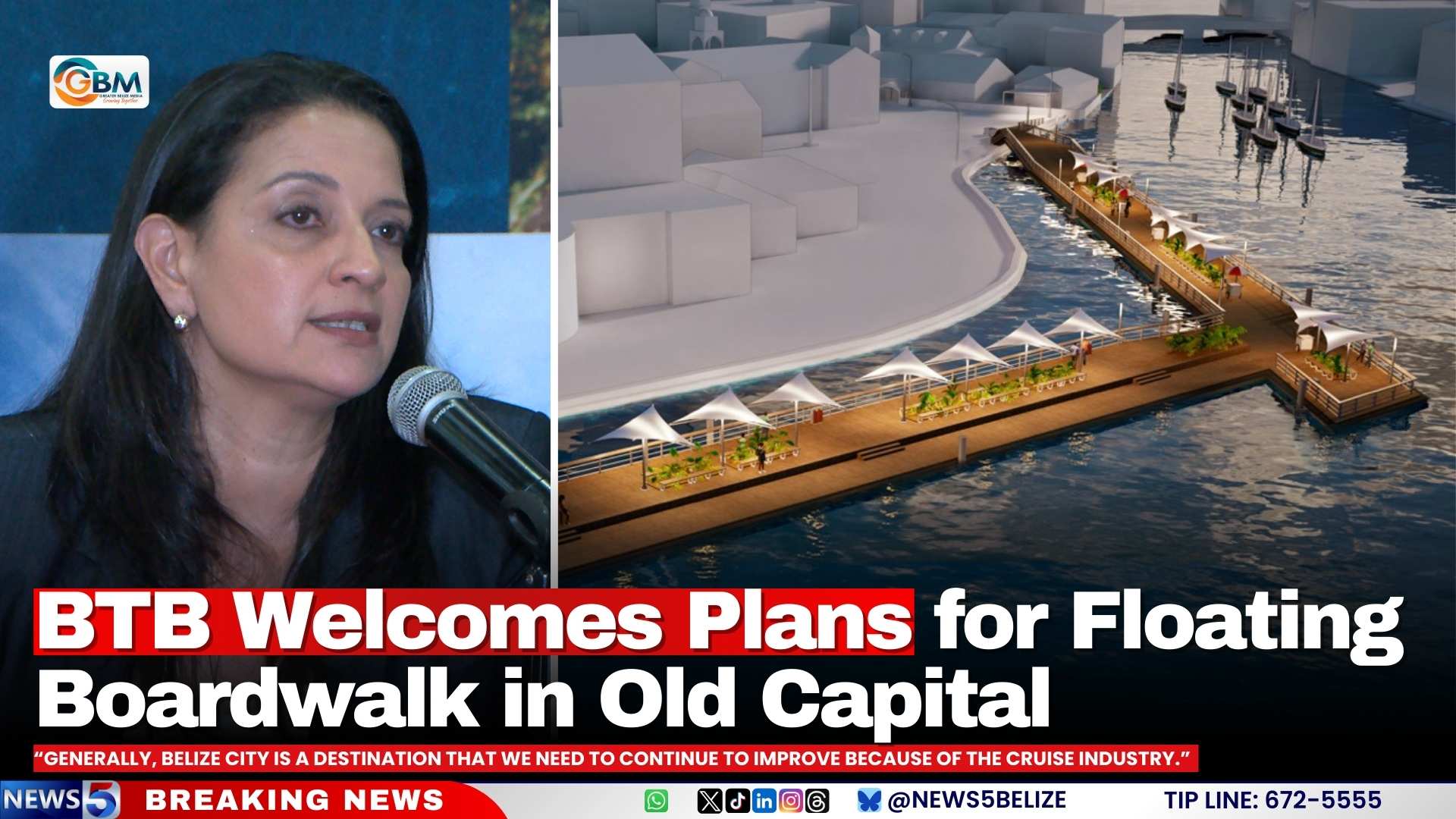
BTB Welcomes Plans for Floating Boardwalk in Old Capital
The Belize Tourism Board (BTB) has expressed strong support for the proposed floating boardwalk in Belize City, viewing it as a strategic initiative to bolster the city’s appeal to cruise tourists. While the BTB was only involved in the initial discussions, the organization believes the project aligns with its broader vision of transforming Belize City into a premier destination for cruise arrivals. Nicole Usher-Solano, CEO of the Ministry of Tourism, highlighted the city’s pivotal role in the cruise industry and underscored the need for continuous improvements to enhance visitor experiences. She emphasized that the city must be well-prepared to accommodate the growing number of tourists. The development plans extend beyond the Southern Foreshore, with areas like Yarborough and the port vicinity also slated for significant upgrades. Solano noted that any project enhancing the waterfront or creating new attractions is a positive step forward. Although the BTB is no longer actively engaged in the boardwalk discussions, it remains optimistic about the project’s potential to add value to Belize City and reinforce the country’s reputation as a top-tier tourist destination.
-
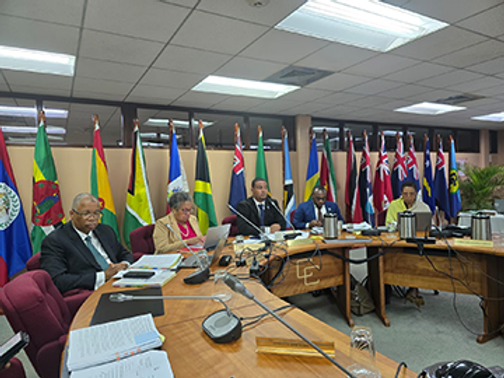
Belize Chairs CARICOM Trade Meeting as Region Advances Key Economic Plans
Hon. Marconi Leal, Belize’s Minister of State for Foreign Trade, spearheaded the nation’s delegation at the 61st Regular Meeting of the Council for Trade and Economic Development (COTED), held on November 20–21, 2025, in Georgetown, Guyana. The event centered on accelerating the CARICOM Single Market and Economy (CSME) and tackling pressing trade and economic challenges across the region. A focal point was the progress toward enabling unrestricted movement of citizens among Barbados, Belize, Dominica, and Saint Vincent and the Grenadines. Additionally, the meeting addressed trade in goods, including proposed revisions to import duties on Belizean essentials. Member States also greenlit the creation of a regional compost standard, aligning with CARICOM’s sustainability objectives. Belize achieved a significant milestone with regional backing for the Caribbean Sugar Refinery, slated to commence operations by April 2026. This initiative aims to rejuvenate the sugar industry by producing premium, locally refined sugar and minimizing dependence on expensive imports. COTED also acknowledged Belize’s burgeoning trade ties with Guatemala and endorsed its strategy to negotiate an expanded Partial Scope Agreement to enhance economic integration and export competitiveness within CARICOM. Furthermore, Belize secured approval for the certification of its Partial Scope Agreement with El Salvador, paving the way for its formal signing. Minister Leal also engaged in bilateral talks with Jamaican Minister Aubyn Hill, exploring opportunities to boost trade in frozen citrus products. The Belizean delegation included H.E. Gale Miller, High Commissioner to Guyana; Andy Sutherland, Director General for Foreign Trade; Tricia Gideon, Deputy Director General; senior Customs and Excise Department officials; Tricia Soberanis, Deputy Comptroller; and Francis Alfaro, Trade Support Officer.
-

Bowen & Bowen Launches KICK Energy, a Proudly Belizean Energy Drink
Bowen & Bowen has unveiled its latest innovation, KICK Energy, a locally produced energy drink tailored to meet the dynamic needs of Belizean consumers. Designed with a focus on youth and young adults, KICK promises a perfect blend of exceptional taste, reliable performance, and affordability in every can.
Alexander Ellis, Beverage Brands Manager at Bowen & Bowen, emphasized the drink’s purpose, stating, ‘KICK Energy is crafted for individuals who lead active, fast-paced lives. Our mission is to deliver a premium, locally sourced energy solution that seamlessly integrates into daily routines.’
Developed to meet international quality standards, KICK Energy incorporates Belizean Cane Sugar, ensuring a refreshing and consistent energy boost. Whether at work, school, or during outdoor adventures, the drink aims to enhance focus, motivation, and stamina.
Starting this month, KICK Energy will be available at select retail outlets and Bowen & Bowen Depots across Belize, making it easily accessible to consumers nationwide.
-
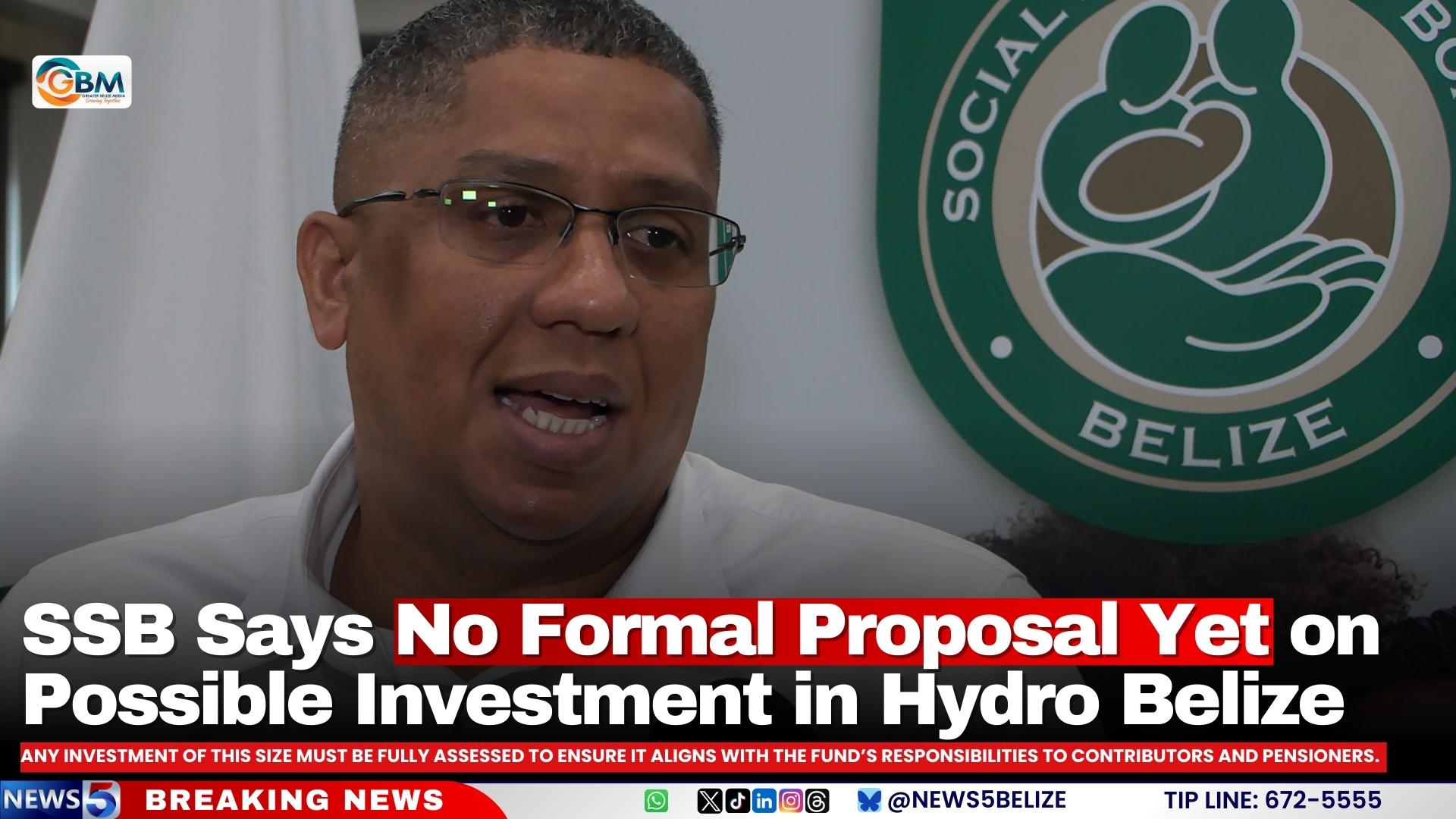
SSB Says No Formal Proposal Yet on Possible Investment in Hydro Belize
The Social Security Board (SSB) of Belize has yet to receive a formal proposal concerning a potential investment in Hydro Belize, the recently acquired assets formerly owned by Fortis. Jerome Palma, the newly appointed Chief Executive Officer of SSB, clarified that while the government has finalized the purchase of Fortis Belize, now rebranded as Hydro Belize, no detailed information has been presented to the Board for evaluation. Palma emphasized that the SSB must adhere to its rigorous due diligence processes before committing contributors’ funds to such a significant investment. He highlighted the necessity of thoroughly assessing the investment’s potential costs, returns, and alignment with the fund’s responsibilities to contributors and pensioners. Palma also discussed the broader investment strategy of SSB, noting the growth of reserves and the need for prudent investments as the economy expands. Potential opportunities include municipal bonds and development projects. Appointed a month ago, Palma’s primary focus is on advancing the Board’s four strategic priority areas, ensuring effective administration and management to drive these initiatives forward.
-
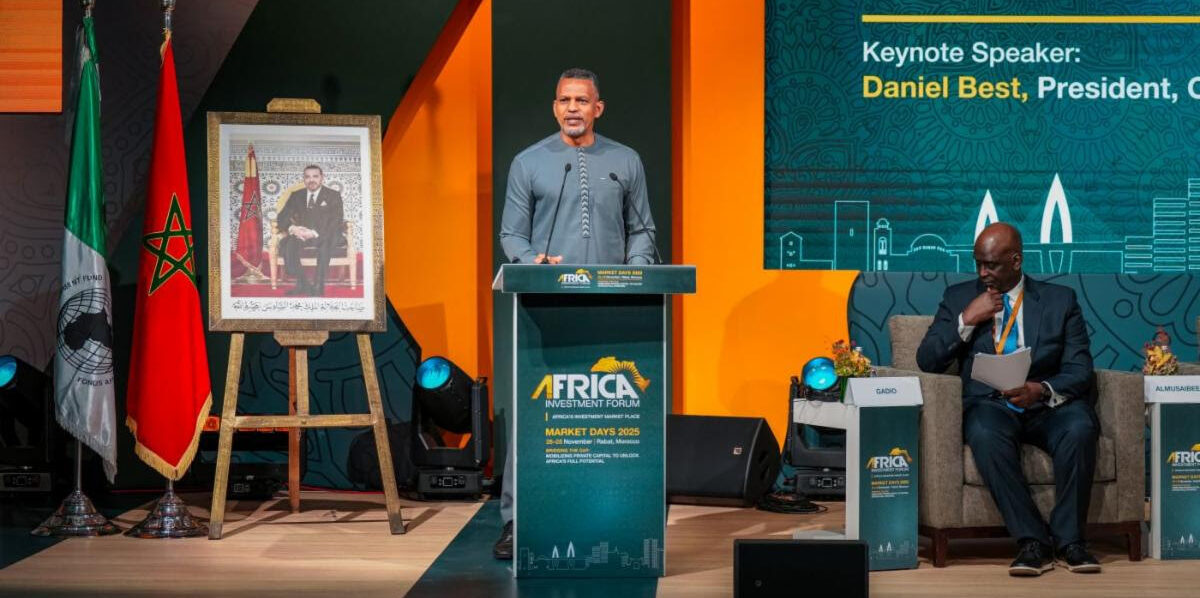
Caribbean Development bank head urges fresh collaborations to scale funding throughout the Caribbean and Africa
At the 2025 African Investment Forum (AIF) Market Days in Rabat, Morocco, Daniel M. Best, President of the Caribbean Development Bank (CDB), delivered a compelling keynote address, urging stakeholders to harness innovative partnerships to drive large-scale investments in Africa and the Caribbean. Speaking under the theme “Bridging the Gap: Mobilizing Private Capital to Unlock Africa’s Full Potential,” Best emphasized the transformative power of Public-Private Partnerships (PPPs), blended finance, and strategic alliances in overcoming shared challenges such as fiscal constraints, climate change, and infrastructure deficits.
Best highlighted that capital is a tool for development, not an end in itself. He stressed that well-structured partnerships go beyond building assets—they foster confidence, create jobs, and drive inclusive growth. Drawing on examples like Dominica’s geothermal energy project and the Caribbean Catastrophe Risk Insurance Facility, he underscored the critical role of Development Finance Institutions (DFIs) in de-risking projects and attracting private investment.
The CDB President called for enhanced collaboration between Africa and the Caribbean in areas such as project development, PPP structuring, and climate resilience investments. He noted that platforms like the AIF provide invaluable opportunities to align stakeholders, share successful models, and scale impactful solutions.
Best also participated in a panel discussion with prominent development leaders, exploring how innovative financing mechanisms and risk-sharing strategies can bridge the investment gap in key sectors like energy, transportation, and healthcare. The discussions reaffirmed the importance of strategic cooperation and meticulous planning in fostering sustainable growth across both regions.
-
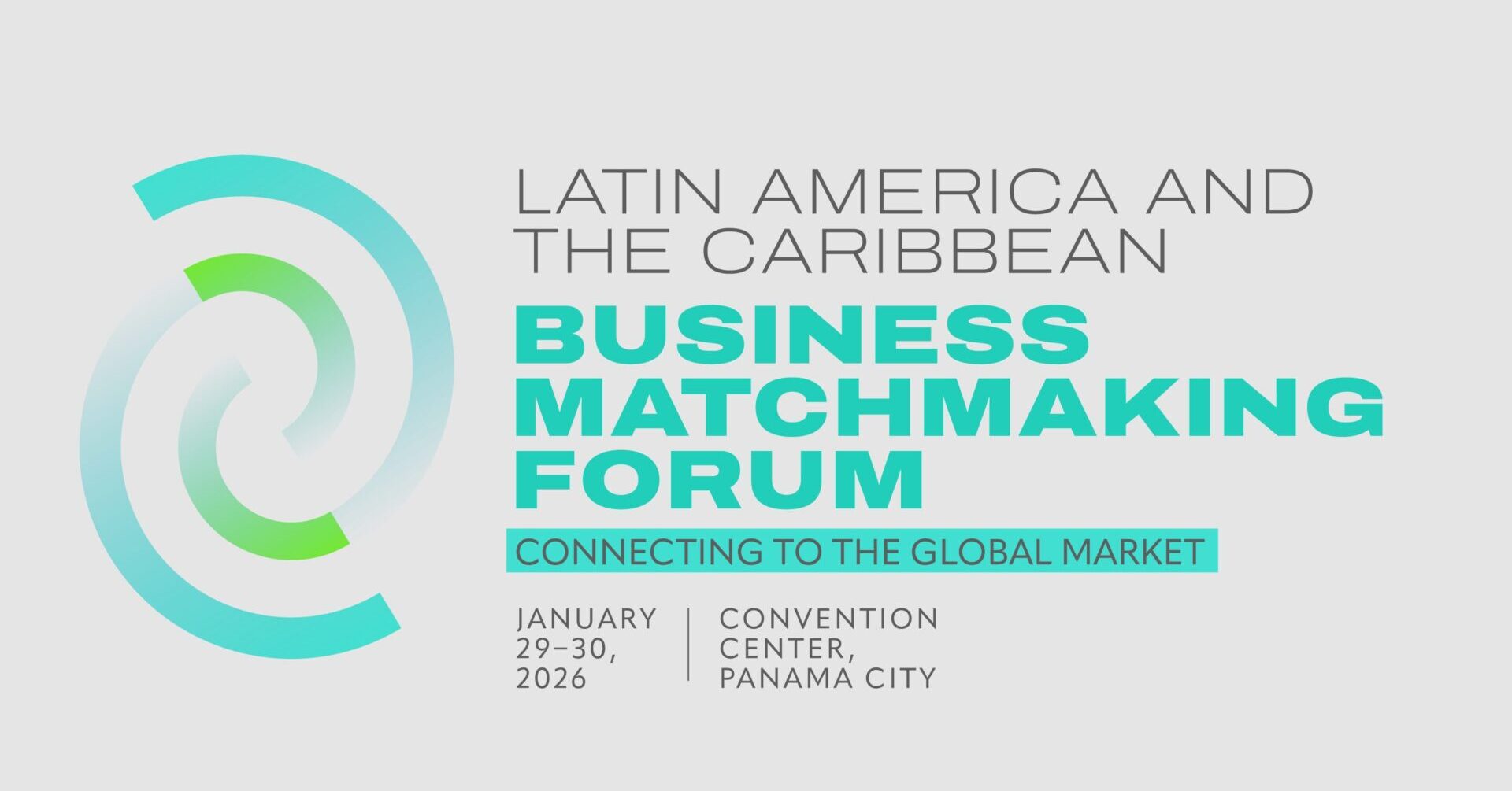
Latin America Caribbean Development Bank hosts regional business matchmaking forum
The Development Bank of Latin America and the Caribbean (CAF) has announced that over 205 international purchasing organizations from the United States, Europe, Asia, and Latin America have registered for its upcoming Business Matchmaking Forum. Titled ‘Latin America and Caribbean Business Matchmaking Forum: Connection to the Global Market,’ the event is set to take place on January 29-30, 2026, at the Panama Convention Centre in Panama City. Exporters from the Caribbean region are encouraged to participate, with registration open until December 22, 2025. This forum is a key component of CAF’s International Economic Forum – Latin America and the Caribbean 2026, which aims to bring together over 2,500 leaders from various sectors, including business, investment, government, and international development agencies. The event seeks to analyze the region’s economic prospects, identify strategic opportunities, and enhance Latin America and the Caribbean’s global geopolitical standing. Confirmed delegations of buyers include representatives from countries such as Germany, Argentina, Brazil, Canada, the United States, and Mexico, among others. These buyers are actively seeking suppliers across industries like agrifood, textiles, chemicals, manufacturing, cosmetics, software, and construction materials. CAF anticipates facilitating over 4,000 targeted meetings between buyers and approximately 300 Latin American and Caribbean exporters. Each participating business will have between 16 and 28 pre-arranged meetings, streamlining what would typically take weeks of travel and individual outreach into just a day and a half. Sergio Díaz-Granados, Executive President of CAF, emphasized the forum’s significance, stating, ‘This Business Roundtable is a concrete opportunity for entrepreneurs from Latin America and the Caribbean to establish commercial and business partnerships with buyers actively seeking products and services from our region.’ The forum’s agenda will cover critical topics such as trade and investment flows, air connectivity, tourism, artificial intelligence, clean energy, sustainable mining, and the energy transition. Participation in the Business Matchmaking Forum is free for all entrepreneurs, with registered exporters gaining access to professional matchmaking services, special discounts on airfare and hotel stays, and dedicated follow-up support to maximize commercial opportunities. Exporting firms from the Caribbean and Latin America are invited to register at www.matchmaking-forum-caf.com until December 22, 2025, as spaces are limited.
-
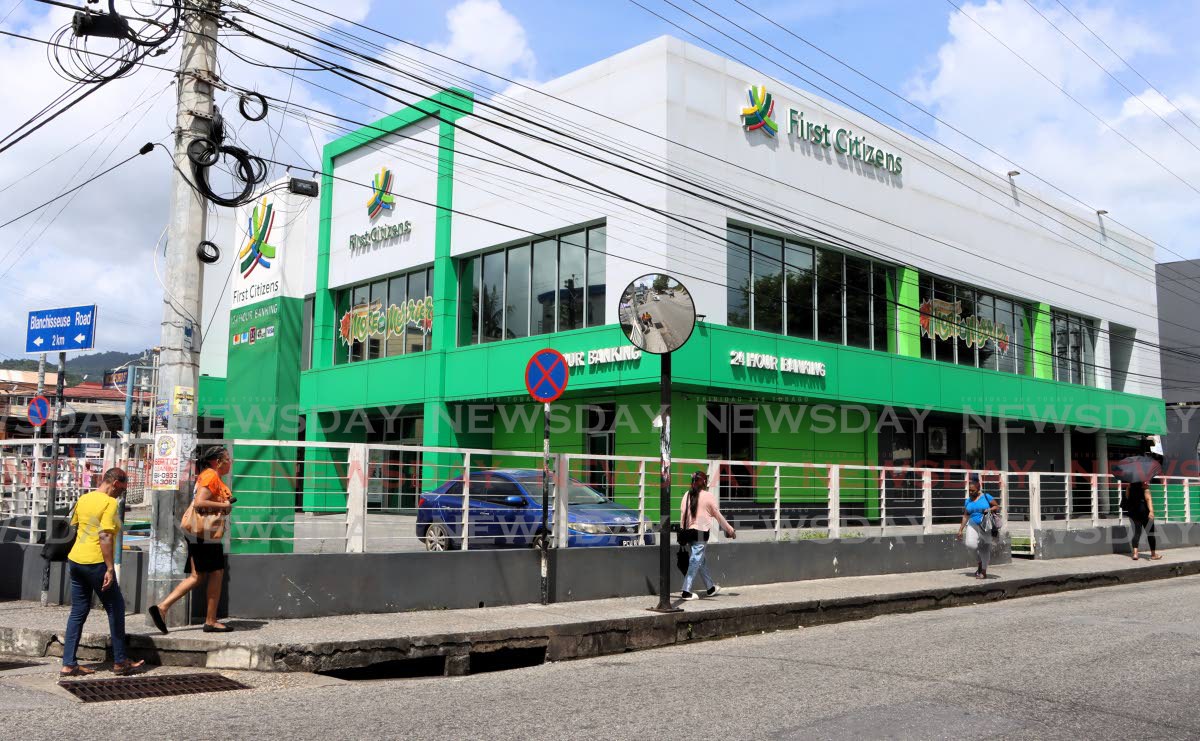
What’s making First Citizens’ share price go down, and up
The First Citizens Group (FCGFH) has recently experienced significant volatility in its share prices, sparking debates among stakeholders and former government officials. Over the past months, the bank’s shares have seen a sharp decline, with former Finance Minister Colm Imbert describing the situation as ‘frightening.’ He noted a 26% drop from $42 in April to $31 in November, raising concerns about potential market manipulation. Former Prime Minister Dr. Keith Rowley also expressed alarm, suggesting that the leadership changes at FCGFH might have contributed to the decline. Despite these concerns, current Finance Minister Davendranath Tancoo remained optimistic, stating that share price fluctuations are a natural part of the market. His confidence seemed justified as FCGFH shares rebounded by 4% in late November, closing at $34. The bank’s strong financial performance, including a $1.27 billion pre-tax profit in 2024, further underscores its stability. However, investor sentiment remains a critical factor, with some attributing the volatility to the controversial departure of former CEO Karen Darbasie and subsequent board changes. While the long-term outlook remains uncertain, the recent recovery suggests that FCGFH may be regaining investor confidence.
-
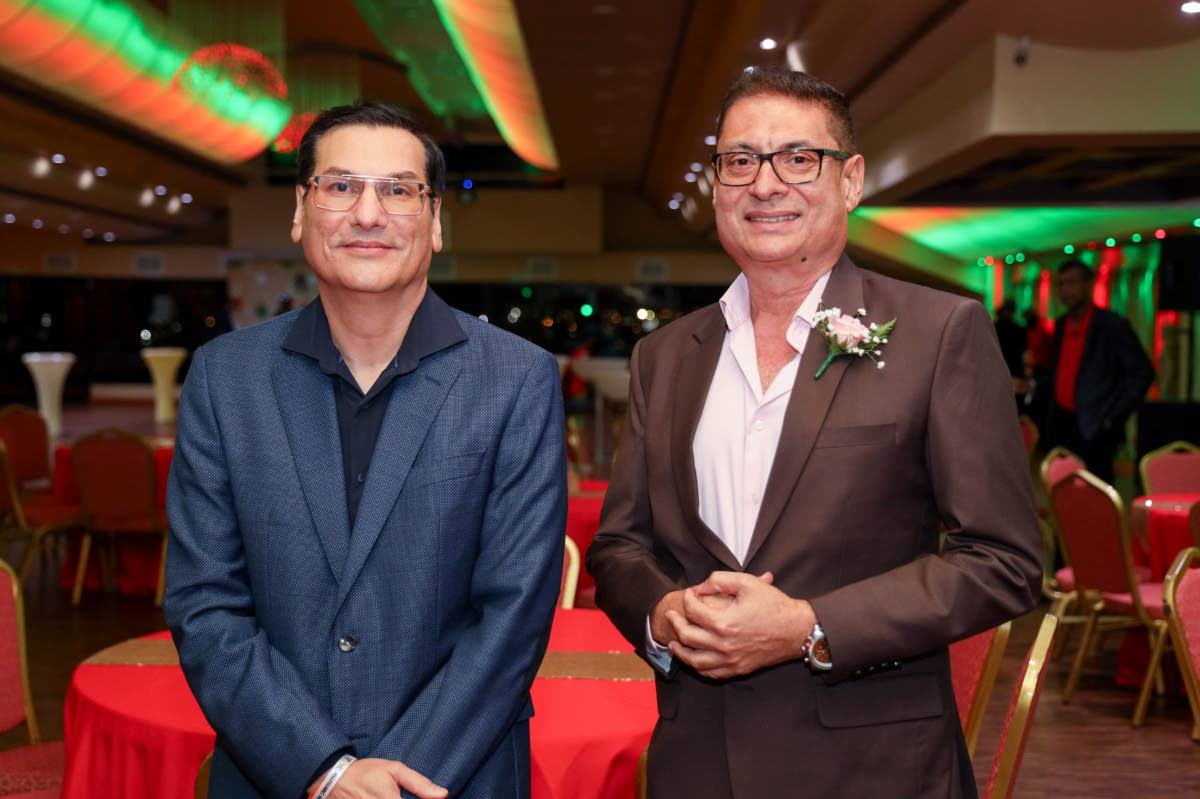
San Fernando chamber seizes new opportunities for wealth creation
The Greater San Fernando Area Chamber of Commerce has unveiled a groundbreaking initiative poised to reshape the economic landscape of southern Trinidad. The Southern Investment and Marketing Co-operative Credit Union Society (SIMCO-OP), set to launch early next year, aims to provide tailored financial solutions for micro, small, and medium-sized enterprises (MSMEs). This initiative is expected to unlock new opportunities for financing, wealth creation, and business growth in the region.
Kiran Singh, president of the chamber, announced the initiative during the annual Christmas charity event, ‘Mix and Mistletoe,’ held on November 15 at Achievors Banquet Hall in La Romaine. Singh emphasized that SIMCO-OP will not only facilitate business development but also foster job creation and wealth generation. The cooperative plans to host pop-up markets and workshops to support entrepreneurs and the broader community.
In addition to SIMCO-OP, the chamber is rolling out a comprehensive health plan for its 153 members and introducing a multi-faceted discount card to reduce operational costs. These efforts underscore the chamber’s commitment to enhancing its role in the national financial system and bolstering the economic resilience of its members.
The chamber is also expanding its international presence, with members participating in global trade events such as the Consumer Electronics Show in the US, a pharmaceutical expo in India, and trade forums in China. A recent seminar on ‘doing business with India,’ hosted in collaboration with the Indian High Commissioner, further broadened international trade opportunities.
Regionally, the chamber has forged ties with the Georgetown Chamber of Commerce in Guyana, with a trade mission planned for the new year. Exploratory engagements with the Jamaican market are also on the horizon for 2026. These partnerships aim to provide southern businesses with access to shared information networks and new markets.
The chamber is collaborating with the San Fernando City Corporation to upgrade public spaces like Harris Promenade and enhance security measures. Two televisions were donated to the TT Police Service for improved monitoring in downtown San Fernando, with local businesses contributing CCTV cameras.
Singh highlighted the chamber’s efforts to restore San Fernando’s status as Trinidad and Tobago’s industrial capital. He encouraged members to explore opportunities in the global services sector, a trillion-dollar industry with significant potential for export diversification and foreign-exchange earnings.
Neil Gosine, parliamentary secretary at the Ministry of Trade, Investment and Tourism, commended the chamber for its dual focus on economic leadership and social responsibility. He outlined several government projects under the TT Revitalisation Blueprint, including a waterfront redevelopment in San Fernando, a new highway, and the transformation of a legacy hospital into a modern health city. These initiatives aim to create over 50,000 jobs and position Trinidad and Tobago as a global investment and tourism hub.
Gosine also announced the upcoming launch of the Private Sector Organisation of TT (PSOTT) and a ‘Buy Local, Build Trinbago’ campaign to reduce import dependency and boost domestic production. He reaffirmed the government’s commitment to supporting private-sector growth as a cornerstone of national development.
-
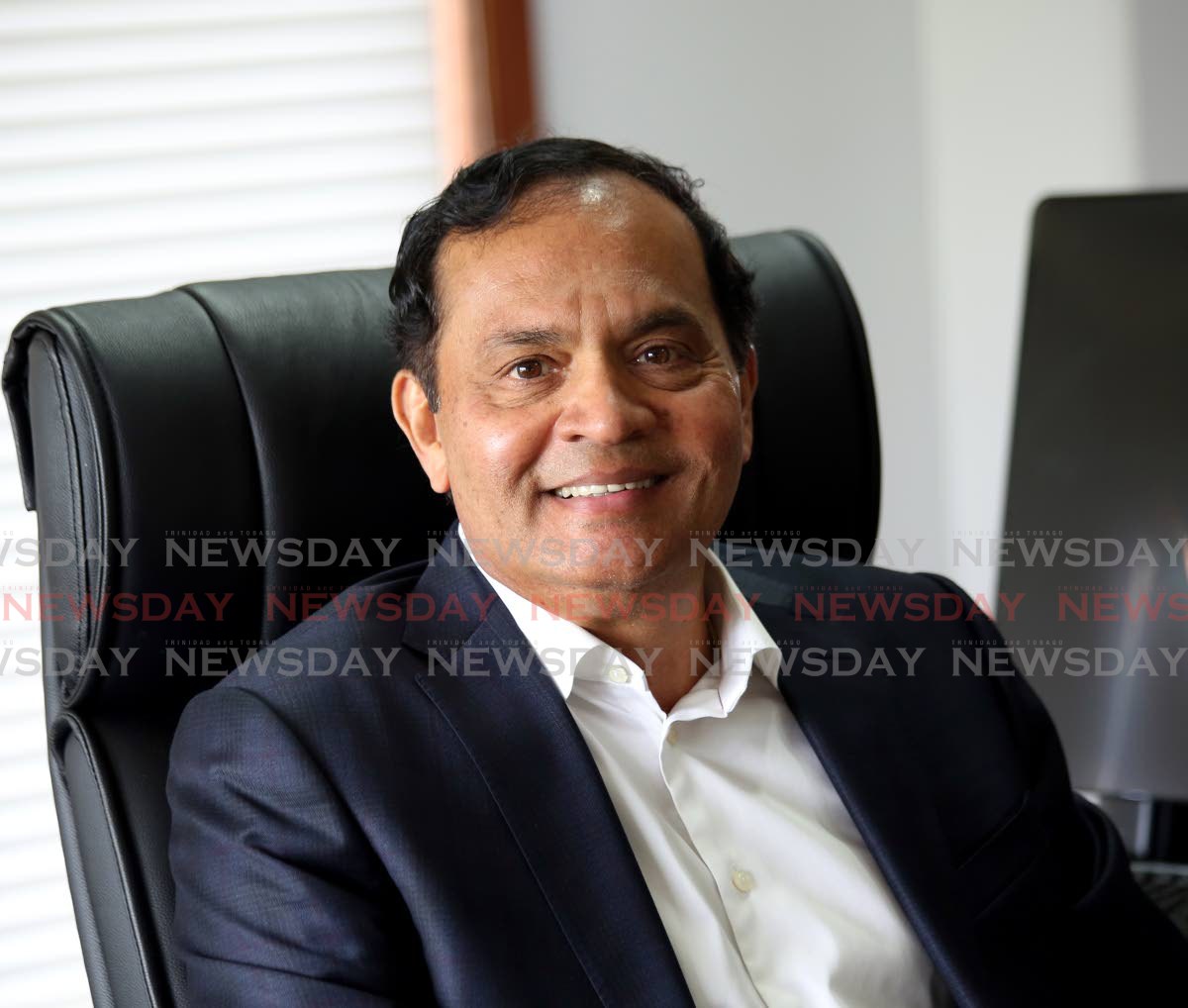
Forged in innovation, driven by purpose
In a powerful address to the 2025 graduating class of the University of Trinidad and Tobago (UTT), Sieunarine Persad Coosal, Executive Chairman of the Coosal’s Group of Companies and honorary doctor of entrepreneurship and innovation, urged graduates to embrace their role as change-makers in an era of unprecedented transformation. Coosal emphasized that the world is evolving rapidly, driven by advancements in technology, artificial intelligence, climate change, economic uncertainty, and social inequality. He challenged the graduates not to passively adapt to these changes but to lead them with purpose and innovation. Coosal highlighted the importance of resilience, creativity, and a mindset focused on solutions rather than problems. Drawing inspiration from historical figures like Thomas Edison and Malala Yousafzai, he reminded the audience that failure is a stepping stone to progress and that true success lies in uplifting others. Coosal called on the graduates to use their education to make a meaningful impact on their families, communities, and nation, urging them to dream boldly and act with purpose. He concluded by celebrating their achievements and potential, describing them as the architects of a resilient and prosperous future.