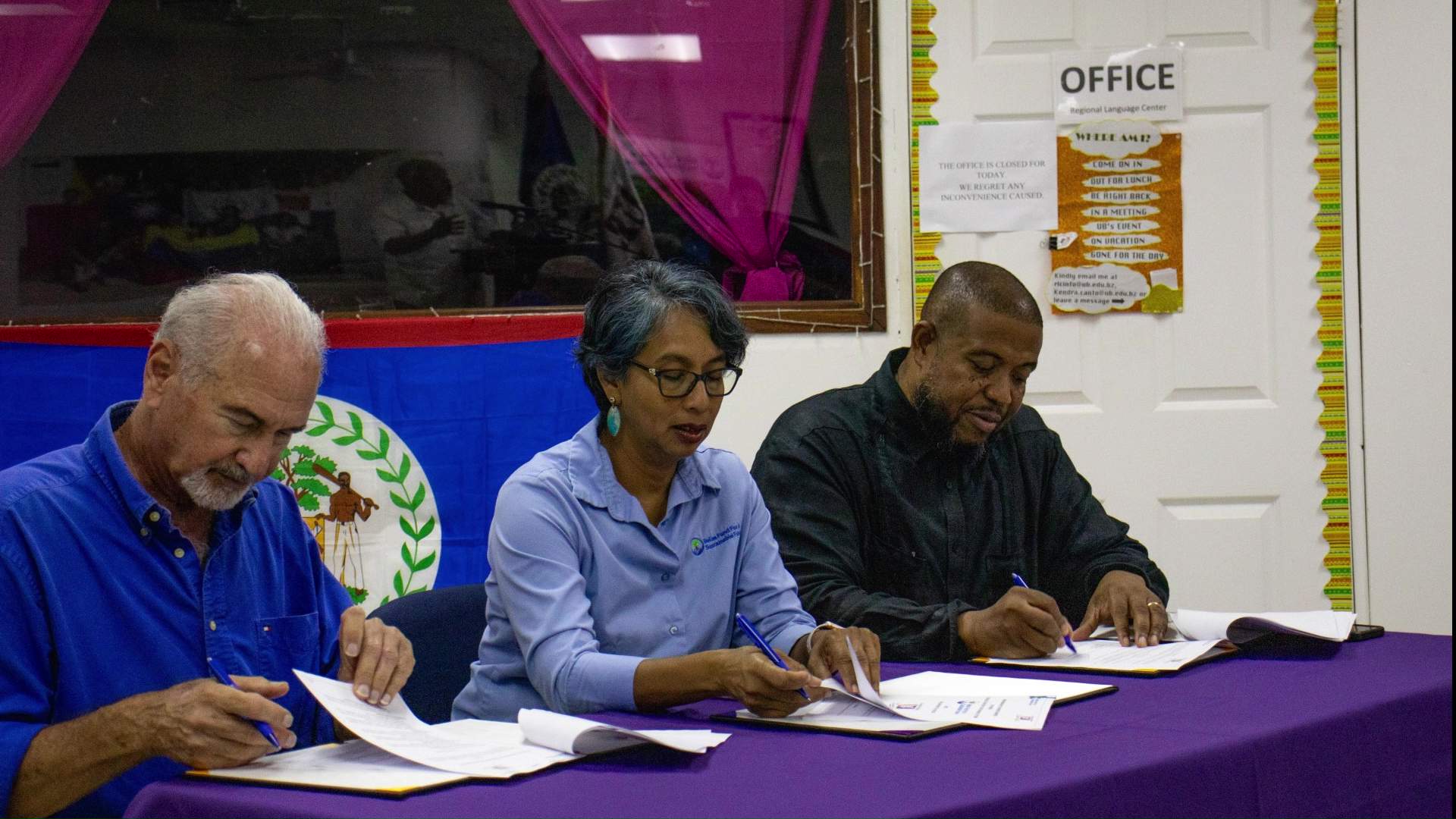
Public officers in Belize are celebrating a significant milestone this week as they receive a 4.5% salary increase, a long-awaited adjustment promised by the Government of Belize. This development follows months of intense negotiations, protests, and public demonstrations led by unions advocating for better compensation amid rising living costs. The salary hike, which took effect this week, has been met with widespread gratitude, particularly among lower-paid workers who stand to benefit the most. Teachers and pensioners are also set to receive their adjusted pay by the end of the month, marking a victory for the joint union efforts. Dean Flowers, President of the Public Service Union (PSU), expressed satisfaction with the outcome, emphasizing the importance of this adjustment in helping public officers cope with the escalating cost of living. The successful negotiation underscores the critical role of unions in advocating for workers’ rights and ensuring dignified living conditions for retirees.
分类: business
-

PSU Dismisses Former President’s Claims of Owed Payments
In a recent development, the Public Service Union (PSU) has firmly dismissed claims made by its former president, Gerald Henry Jr., regarding unpaid leave compensation. Henry alleges that the union owes him over $6,000 for 54 days of accumulated leave, a sum he claims was promised by the Ministry of the Public Service. The dispute, which has been ongoing since 2021, has yet to yield a favorable outcome for Henry. Current PSU President Dean Flowers addressed the matter, stating that the claim lacks legal foundation and is a ‘waste of time.’ Flowers emphasized that the union remains open to dialogue but will dismiss claims that do not align with applicable laws. The protracted legal battle highlights the complexities of labor disputes within public service organizations.
-

Wales gas-to-energy power plant 68 percent complete after 14-month delay
The ambitious 300-megawatt natural gas-fired power plant in Wales, West Bank Demerara, has reached 68.3% completion despite a 14-month delay caused by extensive soil stabilization efforts. LINDSAYCA Guyana Inc. Chairman Nelson Drake revealed the update during the 2025 International Business Conference, highlighting the US$100 million investment required to prepare the site for construction. The project, initially delayed due to disputes with Puerto Rico-based CH4, is now on track to commence electricity generation between January and March 2026. The soil stabilization process, deemed critical for the project’s success, utilized advanced technology to ensure the site could support the heavy infrastructure, including four main turbine foundations made of 44,000 cubic meters of cement. Drake emphasized the complexity of the project, noting that 89% of engineering, 90.46% of procurement, and 23% of construction have been completed. Over 75% of the equipment, including gas turbines, steam turbines, transformers, and cooling towers, has already arrived in Guyana. The natural gas liquids facility, currently in Houston, is expected to be on-site by year-end. Once operational, the plant will utilize 50 million cubic feet of gas produced by ExxonMobil, generating significant energy savings and reducing electricity costs by 50% for Guyanese households. The project is also projected to contribute US$200 million annually to the Guyana government’s treasury through energy savings and condensate sales.
-

GARFIN monitoring CLICO payout after court ruling
In a significant development for thousands of policyholders, the Grenada Supreme Court has approved an initial distribution of approximately EC$9.5 million to CLICO International Life (CIL) policyholders, marking a long-awaited step toward financial recovery. The decision, announced on 12 May 2025, comes 14 years after the company’s collapse in 2011, which left many Grenadian families without life insurance benefits and retirement savings. Despite this progress, the payout represents only 6.59% of the total admitted claims, which amount to EC$144.9 million. The distribution follows a small claims scheme, with claims under EC$50 receiving no payment due to high processing costs, while claims between EC$50 and EC$1,000 will be paid in full. Policyholders with claims between EC$1,000 and EC$15,576 can choose between a lump sum payment of EC$1,000 or 5.5% of their total claim amount, while claims over EC$15,576 will receive 5.5% of their claim value. The Grenada Authority for the Regulations of Financial Institutions (GARFIN) has urged policyholders to review correspondence and respond promptly if they have not received personalized letters by 31 October 2025. The Judicial Manager has also launched a dedicated website to provide updates on the ongoing judicial process, ensuring transparency and communication with affected parties.
-

New fuelling facility enhances services for yachting community
Camper & Nicholsons Port Louis Marina, in collaboration with Sol Grenada Ltd, has officially launched a state-of-the-art marine fuelling system at Port Louis Marina. The inauguration ceremony, held on 10 October 2025, marked a significant milestone in enhancing marine services in Grenada. The new system is designed to cater to the needs of modern superyachts and sailing vessels, solidifying Grenada’s reputation as a top-tier destination in the southern Caribbean. The event was attended by key stakeholders and dignitaries, including Zara Tremlett, General Manager of Camper & Nicholsons Port Louis Marina; Stacey Liburd, CEO of the Grenada Tourism Authority; Frank Redhead, CEO of the Grenada Ports Authority; Collin Francis, General Manager of Sol EC Ltd; and Hon. Lennox Andrews, Acting Prime Minister. The ceremony featured a ribbon-cutting and a symbolic “mock fill” demonstration, showcasing the system’s efficiency. Tremlett emphasized the facility’s role in providing world-class amenities, while Francis highlighted Sol’s commitment to safety and quality. The Grenada Tourism Authority sees the development as a boost to the island’s tourism economy, encouraging longer stays and increased spending.
-

PM Dickon Mitchell praises progress at Grenada National Resort
Grenada’s Prime Minister, the Honourable Dickon Mitchell, led an official inspection of the Grenada National Resort (GNR) construction site on October 2, marking a significant milestone for the nation’s tourism and investment landscape. Developed by Heng Sheng International, GNR stands as the largest Citizenship by Investment (CBI)-approved project in Grenada, strategically located in the island’s picturesque northern region near Levera Beach. The resort is poised to set a new standard for luxury tourism and residential investment in the Caribbean, featuring world-class amenities such as a 500-suite ocean-view hotel, an 18-hole championship golf course designed by Robert Trent Jones II, a casino complex, and premium apartments and villas available for purchase. Accompanied by senior government officials, including Finance Minister Dennis Cornwall and Investment Migration Agency Chairman Richard Duncan OBE, Prime Minister Mitchell expressed his admiration for the project’s rapid progress. “I visited in March, but I didn’t expect such significant advancements in just six months. This project will have a transformative impact on local employment and tourism,” Mitchell stated. Heng Sheng Chairman Yuanfa Li guided the delegation through the site, highlighting key developments, including the completion of the golf club structure, the foundation of the casino, and the ongoing construction of the golf course. The first 10 floors of Hotel Tower 1 have been completed, with the 11th floor underway. Li emphasized the team’s commitment to efficiency and quality, projecting the topping out of Hotel Tower 1 by year-end. The visit underscored the strong partnership between the Grenadian government and Heng Sheng, aimed at delivering a landmark project that will redefine luxury tourism and create a lasting economic legacy for Grenada.
-

Government and GDB partner to empower young entrepreneurs
The Government of Grenada, in collaboration with the Grenada Development Bank (GDB), has unveiled a transformative initiative aimed at empowering young entrepreneurs. The Ministry of Youth and Sports (MOYS) and GDB recently formalized their partnership through a Memorandum of Understanding (MoU) for the Youth in Business Fund. This program is designed to provide concessional loans, grants, and technical support to young individuals, with a particular focus on agribusiness ventures. The initiative aligns with the government’s broader strategy to foster youth entrepreneurship, create jobs, and stimulate economic growth. Permanent Secretary Kim Frederick represented MOYS, while General Manager Royston Cumberbatch signed on behalf of GDB during the ceremony held at the bank’s headquarters in St. George’s. The fund targets individuals aged 18 to 35, including unemployed and underemployed youth, fishers, agricultural workers, and agroprocessors. It will support businesses in areas such as apiculture, hydroponics, vertical farming, crop and livestock production, agro-processing, and climate-smart agriculture. Beneficiaries can access loans with a fixed interest rate of 1%, repayment terms of 5–7 years, and a maximum amount of EC$30,000, alongside grants of up to EC$3,000. Permanent Secretary Frederick emphasized the program’s potential to empower youth, create jobs, and enhance Grenada’s agricultural output. General Manager Cumberbatch echoed this sentiment, highlighting the role of youth as the backbone of the economy and the importance of providing them with practical financial and business support. To qualify, participants must register with the Youth in Business Project and complete mandatory training. This initiative marks a significant step toward sustainable economic development and youth empowerment in Grenada.
-

Rethinking retail tax
In a significant move aimed at streamlining taxation and boosting economic efficiency, Trinidad and Tobago’s Finance Minister Davendranath Tancoo announced plans to replace the existing Value Added Tax (VAT) system with a sales tax during the 2025/2026 budget presentation on October 13. The VAT system, in place since 1989, has been criticized for its administrative complexity, backlog of refunds, and negative impact on business confidence. Tancoo emphasized that the proposed sales tax system would be simpler, more efficient, and aligned with models used in countries like the US and Canada. The current VAT rate stands at 12.5%, but the new system aims to eliminate loopholes and improve compliance through better resource allocation and digitization. Additionally, the government announced the removal of VAT on ‘basic’ food items, effective October 17, to address national food affordability. This includes products like pumpkin, watermelon, and coconut water. Industry leaders, including the TT Manufacturers’ Association and the Supermarket Association, have expressed cautious optimism, highlighting potential benefits such as reduced administrative burdens and improved cash flow for businesses. However, concerns remain about the transition process, particularly for small enterprises and farmers, who may face challenges in adapting to the new system. The government has pledged to ensure the transition is revenue-neutral and socially balanced, with protections for low-income households.
-

NIS amendments: A win for all
In a landmark announcement during the 2025/2026 national budget presentation, Finance Minister Davendranath Tancoo unveiled sweeping reforms to the National Insurance System (NIS). These changes, aimed at ensuring the long-term sustainability of the system, include a phased increase in contribution rates and a gradual rise in the qualifying age for full pension benefits from 60 to 65 years, effective January 2028. These measures, though initially surprising to some, were deemed both inevitable and necessary following the 11th Actuarial Review, which warned that the National Insurance Board’s (NIB) reserves could be depleted within eight years without decisive action. The reforms reflect global demographic trends, including aging populations, declining birth rates, and a shrinking workforce, which are placing immense pressure on social security systems worldwide. Minister Tancoo reassured citizens that those retiring before January 1, 2028, will remain unaffected, and existing pensioners will continue to receive their full entitlements, including the minimum pension at age 60. These reforms have been welcomed by financial professionals as a demonstration of fiscal responsibility and a commitment to long-term sustainability. Similar measures have been adopted globally, with countries like Denmark, France, the United Kingdom, and Barbados adjusting their retirement ages to align with demographic shifts. While these changes may be challenging, they are essential to preserving the integrity of the NIS, which supports over 200,000 citizens in securing income and dignity during retirement. By acting now, the government aims to safeguard the financial well-being of the nation and ensure future generations benefit from a stable and reliable safety net.
-

Powering the future: Wind, green hydrogen could redefine Trinidad and Tobago
As Trinidad and Tobago (TT) adapts to a rapidly evolving global energy landscape, the nation is charting a bold new course. At the forefront of this transformation is a strategic pivot toward large-scale wind energy deployment, coupled with green hydrogen and green ammonia production. This initiative is poised to become TT’s next major economic driver, ensuring its competitiveness in a world increasingly focused on decarbonization.