分类: business

  • Owners hit 400% rise in gaming tax, warn: Bars face closure

    Owners hit 400% rise in gaming tax, warn: Bars face closure

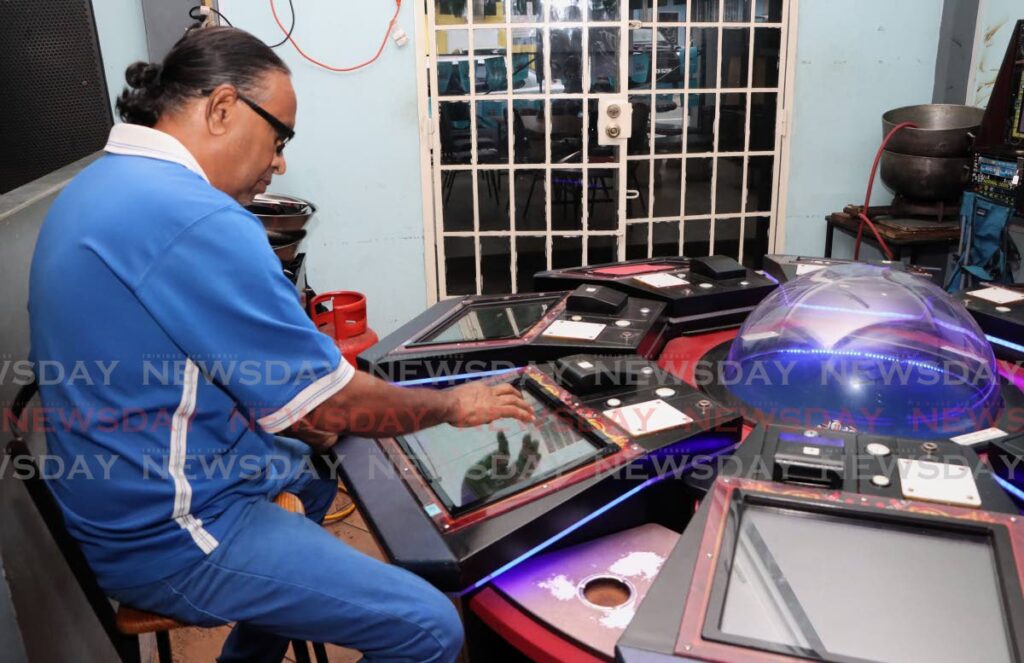
    Trinidad and Tobago’s hospitality sector is facing what industry leaders are calling a “second pandemic” as the government proposes a massive 400% tax increase on amusement gaming machines. The planned hike would raise the annual tax per machine from $6,000 to $25,000, potentially devastating the country’s bar and restaurant industry.

    The TT Coalition of Bars and Restaurants (TTCOBAR) and the Barkeepers Owners/Operators Association of TT (BOATT) have issued a joint warning that this drastic measure could force widespread permanent closures of small and medium-sized establishments. According to industry representatives, many bars rely on gaming revenue to offset operational costs, pay staff salaries, and remain financially viable amid rising expenses for beverages and other commodities.

    BOATT president Satesh Moonessar revealed that the associations had previously met with government officials to discuss potentially reducing gaming taxes and implementing quarterly payment options. “We were under the assumption these requests were being considered,” Moonessar stated, expressing surprise that the government was instead moving forward with a substantial tax increase.

    The economic impact calculations are staggering: a modest bar operating ten gaming machines would see its annual tax liability surge from $60,000 to $250,000—an increase that often exceeds the net profit of many small establishments. Industry representatives estimate approximately 60% of the country’s 2,500 bars depend on gaming machine revenue to remain operational.

    Beyond the direct impact on bars, the associations warn of broader economic consequences including job losses, reduced tax revenue from various sources (VAT, NIS, PAYE, liquor licenses), and potential growth in illegal gaming operations. They emphasize that their position is not about defending gaming machines but about preserving jobs, businesses, and community gathering spaces.

    Both associations are now urging bar owners to contact their Members of Parliament, particularly those in government, to advocate for reconsideration and proper consultation before the proposed changes receive final parliamentary approval.

  • Market Bag: Hot pepper price heats up to $5k, sweet pepper cools to $600

    Market Bag: Hot pepper price heats up to $5k, sweet pepper cools to $600

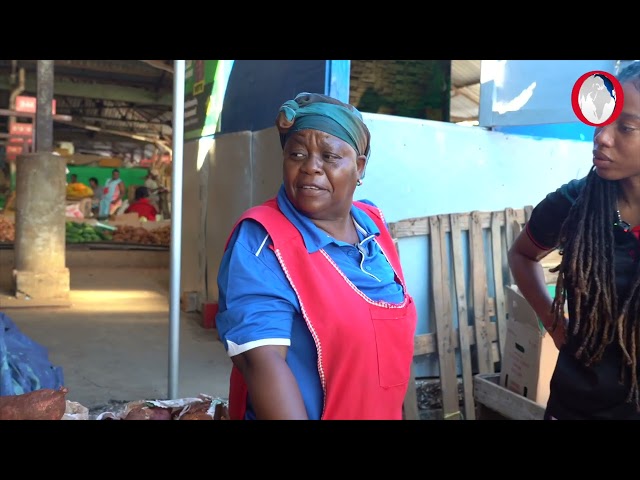
    KINGSTON, Jamaica – Significant volatility is reshaping the economic landscape at Kingston’s iconic Coronation Market this week, with dramatic price fluctuations affecting key agricultural products. The most startling surge has been observed in the Scotch bonnet pepper market, where prices have escalated to an unprecedented $5,000 per pound. This represents a staggering increase of over 50 percent compared to prices recorded just one week prior, placing considerable strain on consumer budgets.

    Adding to the inflationary pressure, tomato prices have also climbed sharply. Consumers are now facing an average market rate of $800 per pound, a notable jump from the previous week’s price point of $600 per pound. This consistent upward trend in staple produce is impacting household spending across the city.

    However, the market narrative isn’t uniformly negative. In a contrasting trend, sweet pepper prices have experienced a substantial cooldown. Vendors are currently offering the product for as low as $600 per pound, a significant reduction from the $1,000 per pound rate seen a week ago. This price correction offers a respite for consumers and highlights the unpredictable nature of agricultural commodity markets.

    For a comprehensive breakdown of all current market prices and expert on-the-ground analysis, viewers are encouraged to watch the latest episode of ‘Market Bag,’ hosted by Brittania Witter, which provides detailed insights into these evolving economic conditions.

  • Short-term rentals generated US$23.2m in Antigua and Barbuda

    Short-term rentals generated US$23.2m in Antigua and Barbuda

    New regional data exposes significant economic imbalances within the Caribbean’s short-term rental market, with four destinations accounting for the overwhelming majority of tourism revenue while smaller nations struggle to gain foothold in the lucrative sector.

    According to AirROI’s comprehensive analysis covering October 2024 through October 2025, the entire CARICOM region generated approximately $396 million from vacation rental properties. However, this wealth distribution reveals a pronounced concentration, with The Bahamas, Jamaica, Belize, and Barbados collectively capturing 84% of total market revenue.

    The Bahamas emerged as the undisputed regional leader, amassing $148.6 million in short-term rental earnings—representing nearly 38% of all CARICOM income in this sector. Jamaica secured second position with $80.8 million, followed by Belize at $53.4 million and Barbados with $51.3 million.

    Antigua and Barbuda positioned itself as a mid-tier performer within the regional landscape, generating $23.2 million during the tracking period. This performance placed the twin-island nation ahead of Eastern Caribbean counterparts including St. Lucia, which recorded $13 million in short-term rental revenue.

    The data reveals particularly challenging conditions for smaller Caribbean territories. Montserrat’s vacation rental market produced merely $123,700 over the thirteen-month period, while Haiti and Dominica registered $175,200 and $487,000 respectively, highlighting the structural challenges facing less-developed tourism markets in the region.

    This detailed market analysis provides crucial insights into the Caribbean’s evolving tourism economy, demonstrating how short-term rental platforms are reshaping regional economic dynamics while simultaneously exacerbating existing disparities between established and emerging tourist destinations.

  • The Cable Captures “Employee Engagement” Award at CIC Business Excellence Awards Ceremony

    The Cable Captures “Employee Engagement” Award at CIC Business Excellence Awards Ceremony

    In a notable recognition of corporate culture excellence, telecommunications provider The Cable secured the coveted Employee Engagement award during the Chamber of Industry and Commerce’s annual Business Excellence Awards ceremony held November 29th. The company further distinguished itself by achieving finalist status in three additional competitive categories: Outstanding Large Business of the Year, Best Community Engagement, and Service Excellence.

    Chief Executive Officer Patricia Walters characterized the quadruple recognition as demonstrating the organization’s comprehensive influence and steadfast dedication to national development. “We maintain profound dedication to cultivating an organizational environment where our team members feel genuinely appreciated and enabled. This accolade represents a significant validation of that pledge, and we are sincerely thankful,” Walters stated in her acceptance remarks.

    The awards process incorporated a novel public voting dimension this year, enabling community supporters to endorse their preferred enterprises. Walters expressed genuine gratitude toward both the nominating parties and those who cast votes for The Cable, while additionally commending the Chamber for its persistent endeavors in spotlighting corporate distinction throughout the Federation.

    The company’s management and personnel collectively praised the Chamber for establishing a platform that acknowledges corporate spirit, while simultaneously conveying congratulations to all category winners. Acting Board Chairman Mr. Crios Freeman emphasized the broader implications of such recognition, noting that “This initiative possesses the capacity to stimulate creativity and innovation throughout the business ecosystem. Such advancement subsequently fuels the expansion and maturation of individual enterprises and the overall economy.”

    Concluding the celebration, CEO Walters reaffirmed The Cable’s ongoing commitment to generating substantial value for its customer base, workforce, and broader community, describing immense pride in the organization’s accomplishments.

  • Caribbean Airlines flight restructuring eliminates Dominica – Puerto Rico route from T&T

    Caribbean Airlines flight restructuring eliminates Dominica – Puerto Rico route from T&T

    In a decisive move to bolster operational efficiency and financial sustainability, Caribbean Airlines has unveiled a major restructuring of its flight network. The state-owned carrier confirmed it will terminate services on four specific routes connecting Trinidad with Dominica and Puerto Rico, effective January 10, 2026.

    The routes slated for discontinuation are BW 292 (Trinidad – Barbados – Tortola – Puerto Rico), BW 293 (the return flight), BW 296 (Trinidad – Dominica – Puerto Rico), and BW 297 (its return leg). This initiative is a core component of the airline’s broader Network Optimization Programme, designed to enhance schedule reliability and sharpen its competitive edge in a challenging aviation market.

    Concurrently, the airline announced a strategic reorganization of its Barbados hub operations, scheduled for February 2026. This will involve the reallocation of aircraft and crew currently based in Barbados, with Trinidad becoming the primary operational center. The airline has committed to directly contacting all affected passengers with existing bookings for travel after the cutoff date to arrange full refunds or alternative solutions.

    Acting Chief Executive Officer Nirmala Ramai emphasized that these difficult decisions are foundational to the carrier’s long-term strategy. ‘These changes form a critical part of our plan to deliver reliable service while managing our resources responsibly,’ Ramai stated. ‘Our customers remain our priority, and these adjustments ensure we continue to provide strong regional connectivity, supported by a sustainable and competitive operational model.’ The restructuring reflects the airline’s focus on consolidating its network around the most viable and profitable corridors, ensuring its continued service to the Caribbean community.

  • Dodging Dutch Disease: Targeting services in Guyana

    Dodging Dutch Disease: Targeting services in Guyana

    Guyana’s economic landscape has undergone a seismic transformation since its inaugural oil production in 2019, achieving a world-leading 43.6% real GDP expansion in 2024. While petroleum exports now dominate, constituting 88% of total domestic exports, traditional sectors including gold, rice, and bauxite continue to contribute significantly to non-oil export revenues.

    This unprecedented growth positions the South American nation among the globe’s most rapidly expanding economies. However, this petroleum-driven prosperity introduces complex challenges, notably the looming threat of ‘Dutch disease’—an economic phenomenon where resource wealth undermines competitiveness in non-extractive sectors. As a Small Island Developing State (SIDS), Guyana additionally confronts inherent vulnerabilities including commodity price volatility, constrained market scale, and rent-seeking behaviors.

    A pivotal 2023 World Trade Organization and World Bank collaborative study highlights services as accounting for half of global employment and two-thirds of worldwide GDP, surpassing combined agricultural and industrial outputs. In Guyana, both merchandise and services trade maintained positive correlation with GDP from 2005 to 2022. Notably, engineering and logistics services, predominantly oil-industry adjacent, expanded nearly fourteen-fold between 2005 and 2021.

    Paradoxically, Guyana sustains a substantial services trade deficit, exceeding US$4.4 billion in 2023, reflecting heavy dependence on imported high-value services for petroleum operations. Foreign direct investment patterns exacerbate this imbalance, with capital-intensive oil projects potentially crowding out domestic investment and creating limited local value addition.

    Economic diversification through services sector development emerges as the strategic imperative. High-productivity domains such as information and communication technology (ICT), professional services, and scientific technical services remain underdeveloped despite governmental initiatives including tuition-free education from nursery through university levels.

    Micro, Small and Medium Enterprises (MSMEs) represent crucial agents for transformative growth, capable of driving innovation in tourism, digital services, and green finance. Policy recommendations include establishing specialized export development funds, providing low-interest financing, and creating incentives for high-value-added foreign direct investment that strengthens domestic enterprise capabilities.

    Institutional integrity enhancements through digital transparency portals and anti-corruption reforms are essential for equitable resource wealth distribution. Regionally, Guyana’s participation in multiple trade agreements—including accords with the European Union, Canada, Brazil, China, and Venezuela—provides frameworks for services trade expansion.

    The impending implementation of CARICOM’s free movement protocol offers professional mobility opportunities, though Guyana has requested a five-to-seven year adaptation period before full implementation. Tourism innovation presents particular promise, with proposals including transforming the decommissioned Demerara Harbour Bridge into a heritage attraction powered by renewable energy, simultaneously preserving history and advancing eco-tourism.

    Guyana stands at a critical economic juncture, where strategic investments in human capital, institutional governance, and entrepreneurial development could transform temporary resource wealth into sustainable, diversified prosperity for future generations.

  • Pelican Village craft makers endure ‘dismal’ Independence season

    Pelican Village craft makers endure ‘dismal’ Independence season

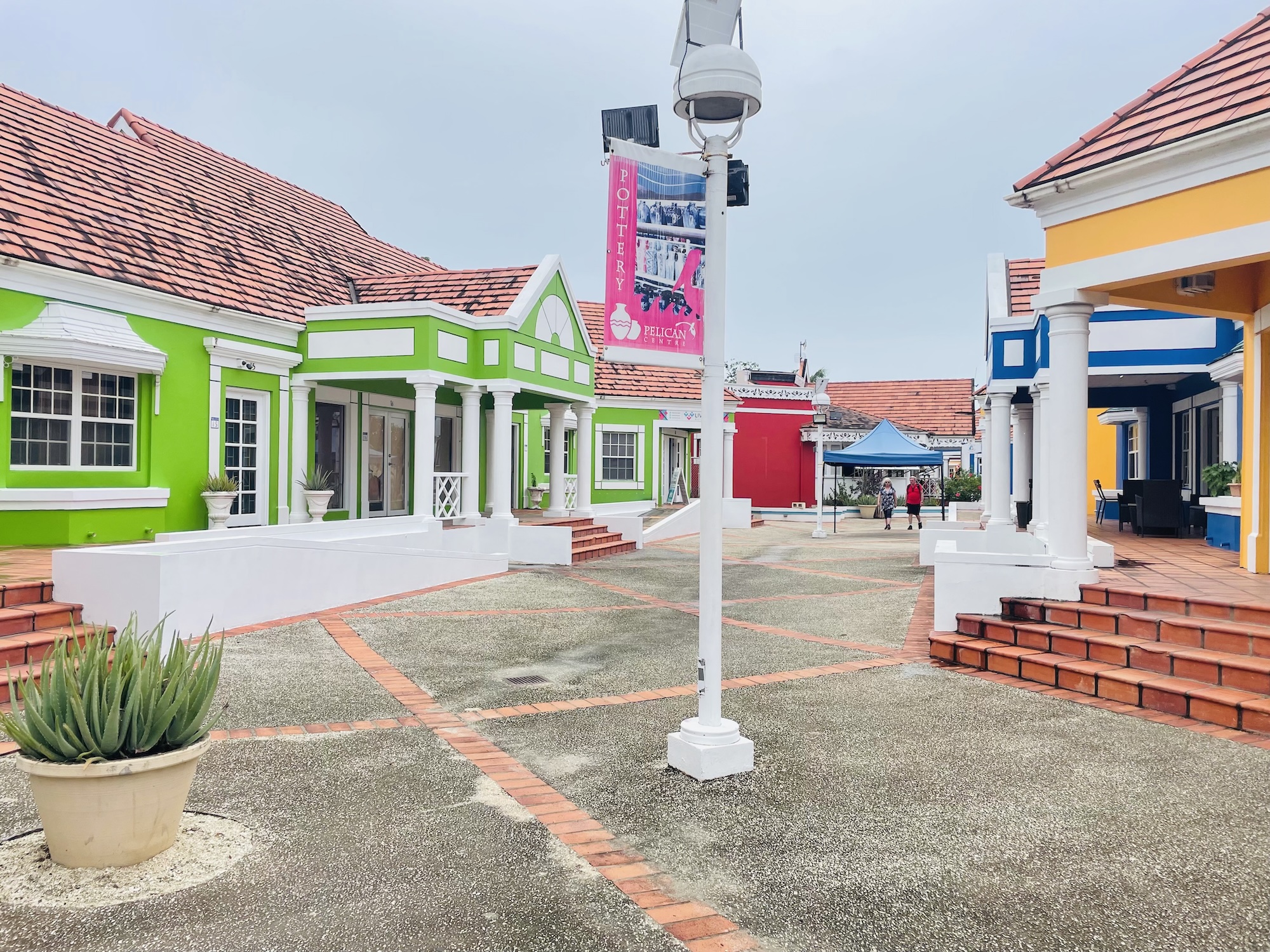
    Artisans at Barbados’ Pelican Village craft section experienced one of their most disappointing Independence seasons on record, with dramatically reduced foot traffic and minimal sales. Despite their prime location adjacent to the Port of Bridgetown, most craft vendors reported strikingly poor business performance during what is traditionally a peak sales period.

    In exclusive interviews with Barbados TODAY, multiple business owners revealed the severity of the situation. Keisha Thompson, proprietor and clothing designer at Jenanya’s, explained that the challenges predated the Independence celebrations. While cruise ships are scheduled to resume regular port calls starting October, Thompson highlighted a critical problem: “Our current location differs significantly from our previous placement near the food court section where visibility was substantially higher.”

    Thompson gestured toward the steady stream of cruise visitors across the street who remained unaware of the craft section’s existence. “There are absolutely no directional indicators informing tourists that artisans operate here. The lack of signage has created an incredibly frustrating situation where potential customers pass by completely unaware of our offerings.”

    The relocation has forced tenants to develop creative strategies to attract customers while simultaneously managing operational expenses like rent and utilities. Although December marks the official commencement of the full cruise season, expectations remain tempered based on recent experience.

    At Nafai Creations, jewelry artisan Sandra Padmore offered an even bleaker assessment, describing the Independence season as “exceptionally quiet” with no noticeable crowd increase. “The craft shops remained virtually deserted throughout the period. Compared to previous years, this season was incomparably slow,” Padmore noted.

    Typically fast-selling Independence-themed items like flags and pins remained entirely unsold this year. “All my inventory remains untouched. I might as well have kept my establishment closed throughout the entire season,” Padmore stated.

    Despite the discouraging results, artisans maintain hope that the approaching Christmas season will bring the customer volume that eluded them during Independence celebrations. With cruise arrivals expected to intensify from mid-December, Padmore expressed the collective sentiment: “I’m genuinely praying for a substantial improvement in business conditions—a significant recovery.”

  • GCG ‘blindsided’ by sudden airport work stoppage

    GCG ‘blindsided’ by sudden airport work stoppage

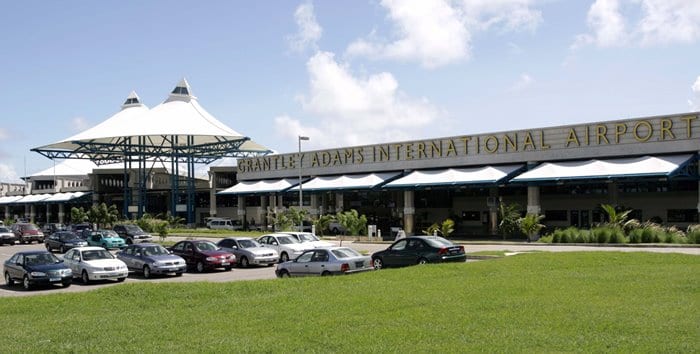
    An unanticipated one-hour work stoppage by ground handling staff at Grantley Adams International Airport on November 27 created operational disruptions during Barbados’ busiest travel day of the year. The industrial action, which occurred on what is locally known as “Fat Thursday,” saw approximately 8,000 passengers passing through the airport facilities.

    GCG Ground Services, a member company of Goddard Enterprises Limited (GEL), expressed surprise at the work interruption, stating it occurred amid what they characterized as productive ongoing negotiations with the Barbados Workers’ Union. The company emphasized its commitment to both customer service excellence and employee welfare in an official statement released ahead of scheduled talks to finalize a Collective Labour Agreement.

    According to GCG management, negotiations for the pay package had not broken down and were progressing toward a mutually acceptable agreement. The company highlighted its dedication to treating employees well at all organizational levels while maintaining high service standards for airport visitors.

    Contrary to the company’s perspective, Barbados Workers’ Union Deputy General Secretary Dwaine Paul identified the work stoppage as a response to what union members perceived as a breakdown in negotiation responses. This disagreement prompted the morning shift to voluntarily withdraw their labor temporarily.

    The timing proved particularly significant as the airport entered its peak seasonal period, with GCG appealing for team support to ensure efficient visitor experiences during Barbados’ critical tourism season. The company stressed the importance of their role in creating positive first impressions for travelers arriving on the island.

  • Equity push to help small biz growth

    Equity push to help small biz growth

    Financial leaders across the Caribbean are issuing a compelling call to action for small and medium-sized enterprises (SMEs) to embrace equity financing as a vital alternative to traditional debt. This movement, highlighted at the recent Innovation Growth Market (IGM) 200 workshop in Barbados, argues that over-reliance on borrowing is a significant constraint on the region’s economic potential.

    The two-day event, a collaborative effort by the Ministry of Energy and Business, the Barbados Stock Exchange, and the Small Business Association, was designed to forge new pathways for business expansion, investment, and community development. Unlike debt financing, which requires repayment with interest, equity financing involves raising capital by selling a stake in the business, offering a more flexible growth model.

    Daniel Best, President of the Caribbean Development Bank (CDB), delivered a powerful keynote, positioning SMEs as the indispensable backbone of the Caribbean economy. Accounting for over 70% of all businesses and a substantial portion of employment, these enterprises are the region’s primary innovators and employers. However, Best highlighted a critical paradox: despite their importance, many SMEs are chronically undercapitalized, burdened by debt, and stuck in a ‘financing gap’—too large for microfinance yet too small or informal for conventional bank loans.

    ‘Debt alone will not finance the Caribbean’s development,’ Best asserted. ‘We need patient, risk-tolerant capital that allows SMEs to grow, modernize, digitalize, and scale.’ He elaborated that equity is more than just money; it represents a strategic partnership. This infusion of capital provides entrepreneurs the crucial breathing room to invest in research and development, adopt new technologies, and explore new markets without the immediate pressure of loan repayments. Furthermore, equity investors often bring invaluable expertise in governance, operational management, and market access.

    In a region highly vulnerable to climate shocks, such as hurricanes, and global economic volatility, Best emphasized that equity also serves as a critical tool for building resilience by strengthening corporate balance sheets. To unlock this potential, he outlined a comprehensive regional agenda including modernized regulatory frameworks, tax incentives for angel and venture capital investments, the creation of regional equity funds, and the use of blended finance instruments where public development banks like the CDB help ‘derisk’ projects to attract private capital.

    Best also pointed to innovative models, such as the contingent recoverable grants pioneered for the Nevis geothermal project, where grant funding converts to equity upon project success. The agenda also includes formalizing SMEs to meet investor standards, enhancing corporate governance, and building digital platforms to connect investors with promising businesses across national borders, including leveraging diaspora investment.

    Concluding with a rallying cry, Best stated, ‘If we are serious about building resilient, inclusive, future-ready economies, then we must be equally serious about mobilizing equity at scale… When we invest in our SMEs, we invest in our people, our economies, and our collective future.’

  • Caribbean stock market urged as key to business growth

    Caribbean stock market urged as key to business growth

    A prominent financial consultant has endorsed proposals for establishing a consolidated Caribbean stock market, asserting that the current fragmentation of national exchanges significantly impedes regional economic expansion and cross-border business scalability. Maria Daniel, Managing Director of EY Parthenon Caribbean, emphasized that a unified securities exchange would simultaneously empower companies to broaden their operational footprint throughout the region while offering investors substantially diversified portfolio opportunities.

    Speaking at a two-day Innovation Growth Market workshop in Barbados, Daniel articulated the compelling economic rationale for integration: “We must acknowledge our individual limitations—small populations and confined territories. True scalability in the Caribbean necessitates unification: harmonized regulations, a single stock exchange, and ultimately a common currency.”

    The consultant elaborated that a regional exchange would attract capital from both within the Caribbean and international markets, noting that technological advancements now render implementation more feasible than ever. Digital trading platforms and streamlined online reporting mechanisms, she explained, effectively eliminate historical logistical barriers that previously hindered such initiatives.

    Daniel particularly highlighted the transformative potential for small and medium enterprises (SMEs), stating that a unified market would “distribute risk across larger populations while amplifying corporate narratives to broader investor audiences.” She cited Jamaica’s Junior Stock Exchange as a proven success model, where prohibitively high debt costs forced companies toward equity financing, ultimately stimulating economic growth.

    Beyond regional benefits, Daniel emphasized that standardized regulations and a single exchange would significantly boost foreign investor confidence by eliminating the complexity of navigating multiple regulatory frameworks. She concluded with an urgent call to action: “We possess the necessary tools, technology, and expertise. What remains essential is political will and intergovernmental collaboration to transform this vision into reality. A Caribbean stock exchange transcends mere concept—it represents an imperative stride toward regional economic development and integration.”