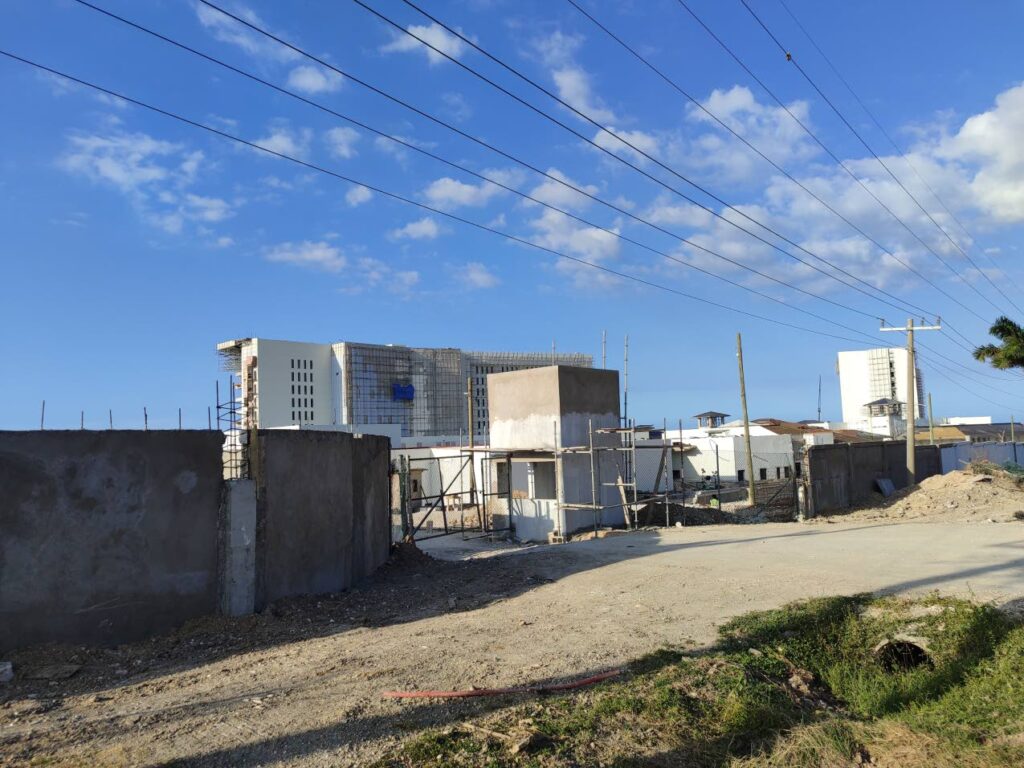
Along the quiet outskirts of Montego Bay in St James, Jamaica, a transformative wave of tourism and infrastructure development is reshaping the coastal community of Rose Hall, with local leaders drawing comparisons to the explosive growth that turned St Ann’s Drax Hall into one of the island’s most dynamic economic hubs in recent years.
分类: business
-

New TEF chairman touts tourism education as new industry
Against the backdrop of post-hurricane recovery and the ongoing race to maintain global tourism competitiveness, newly installed Tourism Enhancement Fund (TEF) chairman Ryan Parkes has issued a bold call to Jamaican educators: reposition holistic tourism education as an independent, standalone industry to drive long-term national growth.
Parkes laid out his vision during a Teachers’ Day luncheon held Wednesday at the Montego Bay Convention Centre. The event was hosted by Edmund Bartlett, Member of Parliament for St James East Central, and coincided with the 30th anniversary of the constituency’s East Central St James Scholarship and Welfare Fund.
In his address, Parkes emphasized that Jamaica’s tourism sector stands at a critical turning point in the months after Hurricane Melissa hit the island last October. He argued that rebuilding the nation’s tourism offering extends far beyond repairing damaged physical infrastructure; it demands a fundamental reimagining of Jamaica’s most valuable tourism asset: its human capital.
“I want to challenge you, the teaching fraternity, to let us make education in tourism — and in a holistic way — a new industry by itself. The opportunities are endless,” Parkes urged the gathered educators.
As Parkes explained to the Jamaica Observer in a follow-up interview expanding on his proposal, tourism is already Jamaica’s single largest contributor to national GDP, accounting for roughly 30% of the country’s total economic output when both direct and indirect impacts are counted. Given this outsize economic footprint, he said, the sector deserves a strategic, integrated approach that ties it directly to education, workforce development, and broad national economic strategy.
“If the majority of your contribution is already coming from tourism there is the opportunity for us to harness that industry and to ensure that it is well-equipped to compete in the new dimension within which we operate,” he noted.
Parkes stressed that educators serve as the foundational agents of skills development and training, putting them in a unique position to reshape the workforce competencies needed for a modern, competitive tourism sector. Drawing a comparison to the Dominican Republic, which has built a dominant global niche around affordable all-inclusive resorts, Parkes argued that Jamaica’s unique competitive advantage lies not in infrastructure or pricing alone, but in the warmth and hospitality of its people.
Cultivating that signature customer-centric hospitality requires intentional, early training, he said, and that process starts with educators at the center of the tourism skills ecosystem.
“Because you are moulding young minds and you are preparing those minds for the world of work, there is no better constituent group than yourselves to be able to have that dialogue with and for us to work together in shaping the future of tourism,” Parkes added.
He further emphasized that the quality of Jamaica’s workforce training will directly determine the country’s ability to outperform peer destinations in an increasingly crowded global tourism market, making educator collaboration on tourism education a make-or-break priority for the nation’s economic future.
-
IMF Calls for Stronger Oversight of Credit Unions in Antigua and Barbuda
The International Monetary Fund (IMF) has issued a formal call for stricter regulatory oversight of credit unions operating across Antigua and Barbuda, framing the reform as a critical pillar of broader work to shore up stability and resilience in the Caribbean nation’s financial sector. In its recently released Article IV consultation report, the global financial body confirmed that Antigua and Barbuda’s overall financial system remains on solid footing, with healthy levels of liquidity and sustained stability. Even so, the organization has pushed for continuous regulatory and supervisory overhauls to strengthen sector-wide governance. IMF executive directors put forward targeted recommendations, urging local authorities to shift toward a risk-focused model of supervision for the credit union industry. This shift, they argue, should be paired with targeted actions to improve loan loss provisioning practices and shore up capital buffers across credit unions, closing existing gaps in financial preparedness. The IMF emphasized that robust financial sector oversight is particularly vital at this juncture, as Antigua and Barbuda continues to navigate post-shock economic recovery and works to build long-term defenses against external volatility and structural domestic vulnerabilities. Beyond credit union reform, the report also underlined the urgent need for sustained progress on two key financial priorities: deepening the country’s financial markets to support greater access to capital, and updating frameworks to counter money laundering and terrorist financing, bringing them in line with evolving global standards. The nation’s high-profile Citizenship by Investment Programme was also flagged as an area requiring ongoing regulatory scrutiny, a key component of the government’s broader push to upgrade national financial governance. These policy recommendations come alongside the IMF’s latest economic forecasts for the twin-island nation, which confirm that Antigua and Barbuda’s economy kept expanding through 2025. Growth was driven largely by a boom in domestic construction activity, which offset a marked slowdown in the critical tourism sector. The IMF estimates that real gross domestic product grew by 3% for the year, while inflation cooled dramatically to 1.4% — a significant improvement from previous higher levels. Despite the positive growth trajectory, the report warned that notable downside risks remain on the horizon. Persistent global economic uncertainty, swings in global commodity prices, and domestic capacity constraints all threaten to derail progress moving forward. Strengthened financial oversight and targeted structural reforms, the IMF concluded, would position Antigua and Barbuda to lock in long-term economic stability and lay the groundwork for sustained inclusive growth. As the nation continues to build out its economic foundations, these regulatory updates are framed as a critical investment in both financial security and long-term prosperity.
-
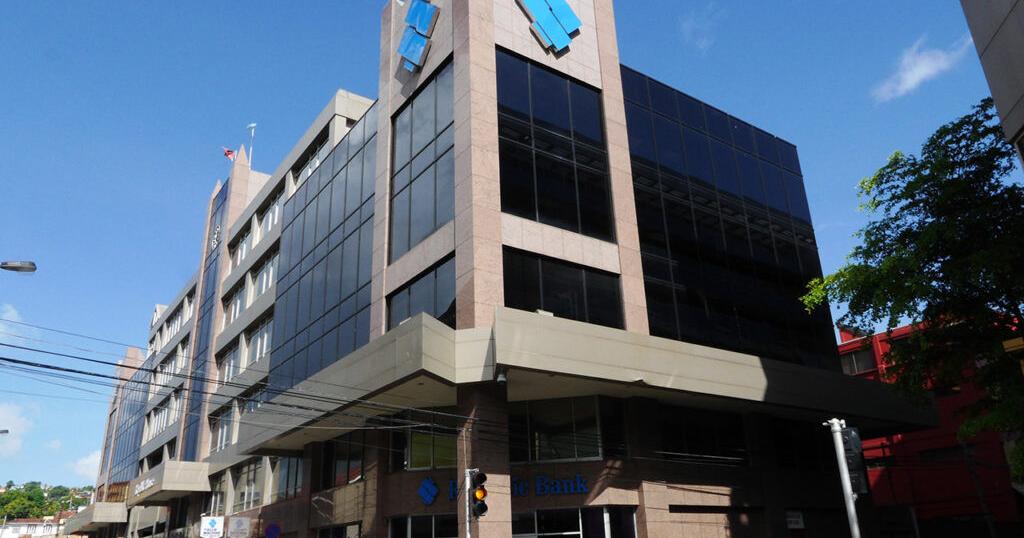
RBL pauses fee hike after pushback
Trinidad and Tobago’s largest commercial lender, Republic Bank Limited (RBL), has halted its planned broad fee increases scheduled to take effect May 1, pulling the updated fee schedule from its official website just days after widespread public and industry backlash over the changes. The decision to pause the rollout comes 24 hours after Central Bank Governor Larry Howai confirmed that the banking regulator was in active discussions with RBL to strike a fair balance between the institution’s revenue needs and the affordability of banking services for everyday consumers and businesses.
Last month, the bank unveiled a sweeping slate of fee adjustments affecting nearly every core banking service, ranging from routine day-to-day transactions to penalty charges for account mismanagement. The most notable proposed increases included a jump in non-sufficient funds (NSF) fees from $34.50 to $57.50, an identical hike to overdraft fees, and a doubling of some late loan payment penalties to a maximum of $100. Additional changes raised charges for paper-based services including cheque books, manager’s cheques and foreign currency drafts, a move the bank framed as an incentive to push customers toward cheaper digital banking platforms. New or adjusted debit transaction fees were also set to roll out across multiple popular account types, with the bank clarifying that only in-branch teller transactions would face the new charges — no increases were planned for ATM transfers, ACH transactions, online and mobile banking, or point-of-sale card payments.
In a public advertisement printed in national newspapers on the day of the pause announcement, RBL acknowledged that it had received widespread customer feedback and concerns about the planned changes. “At Republic Bank, we’ve been listening closely to the conversations and feedback regarding our updated service fees. We understand that any change to your banking costs causes concern, and we’ve noticed there has been some confusion about what these changes actually mean for you,” the bank’s statement read.
Citing customer input as the core driver of the pause, the bank confirmed: “Because we value your feedback, we have decided to pause the fee increases originally set for May 1, 2026 (notice of which was given on April 1, 2026). We will share the new implementation dates with you soon. We want to take this time to clear the air and ensure you have all the facts.” The bank added that its ultimate goal remains making banking “convenient, safe and—most importantly—affordable” for all account holders, and noted that the 90-day pause will give branch teams time to meet directly with customers, clarify misinformation, and help users identify the lowest-cost banking options for their needs.
In explaining the original rationale for higher paper service fees, RBL noted that fewer than 5% of its active customers regularly use cheques, and maintaining legacy paper-based banking systems creates significant unnecessary costs for the institution. “The world is moving away from paper cheques because digital payments are faster, safer, and much cheaper for you. While we need to recover some of those costs, our main goal is to help your transition to the free or lower-cost ‘anytime, anywhere’ digital options that save you a trip to the bank,” the bank’s original statement read.
As of the pause announcement, attempts by media to reach Republic Financial Holdings Ltd (RFHL) President Nigel Baptiste and Vice-President Karen Yip Chuck for additional comment were unsuccessful.
The Central Bank’s engagement with RBL began earlier this week, after customers and industry groups raised widespread alarms about the fee hikes. Speaking to reporters Wednesday following the inaugural FINLIT Live 2026 financial literacy event in Macoya, Howai confirmed that ongoing negotiations were focused on finding a balanced outcome. “I’m sure there are ways in which we would be able to find some kind of a balance between their need to ensure that they are properly compensated for the services that they offer and the cost that is passed on to the consumers,” Howai told reporters.
The governor explained that while the Central Bank lacks legislative authority to issue fines for routine bank price increases, it can push for revisions to fee structures that are deemed excessive or poorly communicated. “What we will do is engage with the banks, and the banks do listen to us and they do respond to us, and I am sure that going forward on the whole issue of fees that we will have a regime that customers will be comfortable with,” he said. Howai added that the core questions under discussion remain whether fee levels are justifiable, communicated clearly, and deliver fair value to consumers.
Since RBL first announced the fee changes on April 28, leadership of business chambers across the country have publicly voiced opposition to the plan, highlighting the disproportionate harm the higher fees would inflict on small and medium-sized enterprises, service sector businesses, and low-income households. While industry groups acknowledged the Central Bank’s intervention and RBL’s stated reasoning for the changes, they have raised ongoing questions about the fairness of the proposed fee structure amid the bank’s strong recent financial performance.
Financial filings show that RBL recorded a net profit of $1.07 billion for the first half of its 2026 fiscal year, which ended March 31. That figure represents a 5.4% increase ($54 million) compared to the $1.01 billion profit the bank posted in the same six-month period in 2025.
-
IMF Urges Antigua and Barbuda to Address Arrears, Tighten Spending and Expand Tax Base
Against a backdrop of uneven economic progress for the Caribbean twin-island nation, the International Monetary Fund has issued a clear call for additional fiscal policy overhauls, warning that unresolved payment arrears and persistently high financing requirements still put long-term debt stability at risk. In its newly published Article IV consultation report released this week, the global financial body acknowledged the meaningful strides Antigua and Barbuda has already made to cut public debt levels and shore up its overall fiscal standing, but flagged that long-outstanding payments owed to Paris Club creditors and domestic vendors remain a pressing unresolved issue.
“Persistent arrears and elevated gross financing needs are constraining access to longer-term financing and undermining debt sustainability,” the IMF Executive Board said in an official statement following its assessment. Board directors have pushed the Antiguan and Barbudan government to build a robust, all-encompassing strategic framework that can clear existing arrears, diversify the country’s sources of financing, and free up budget space for investments that strengthen the economy’s ability to absorb future shocks.
Beyond clearing backlogged payments, the IMF has laid out a suite of additional policy recommendations to shore up public finances. These include new measures to boost government revenue collection that will help rebuild depleted fiscal buffers and keep the country on track to meet its core fiscal goals. Top priorities outlined by the fund include expanding the overall tax base, rolling back unnecessary tax exemptions, capping growth in current public spending, and refining the targeting of social support programs to ensure aid reaches the populations that need it most.
Directors also emphasized the need for institutional upgrades, urging national authorities to strengthen fiscal governance structures and enhance oversight, transparency, and standardized reporting for both general government finances and state-owned public enterprises. These changes, the IMF argues, would reduce mismanagement risks and build greater investor confidence in the country’s fiscal trajectory.
The IMF’s report did highlight tangible recent progress for Antigua and Barbuda: between 2024 and 2025, the nation’s fiscal position strengthened notably, driven by improved tax enforcement and collection, higher capital inflows from the country’s popular Citizenship-by-Investment Programme, disciplined government spending, and controlled modest increases in capital expenditure. The fund projects that the nation will post a primary budget surplus of nearly 5 percent of gross domestic product (GDP) in 2025, an improvement that has helped drive significant debt reduction. Public debt has fallen sharply from a peak of 101 percent of GDP in 2020 to an estimated 68 percent of GDP in 2025, a decline directly tied to the stronger fiscal performance of recent years.
Even with these notable gains, the IMF stressed that significant headwinds remain. Persistent global economic uncertainty and long-standing structural debt vulnerabilities continue to create major downside risks for the small open economy, which relies heavily on tourism and foreign investment. To address these risks and prevent the accumulation of new arrears in the future, the fund has called for sweeping upgrades to the country’s cash flow management and debt governance practices.
-

Overcharging Passengers Could Put Bus Operators Off the Road
Starting May 12, 2026, bus operators across Belize will access targeted relief from skyrocketing fuel costs, through a joint $3 per-gallon diesel subsidy program launched by the Belize Bus Association and the country’s Ministry of Transport. The Belizean government is committing $1.5 million in public funds to cover the subsidy over a three-month period, framing the policy as a shared effort to balance the pressures of rising operational costs for transit providers and affordability for daily commuters. The intervention comes amid growing public frustration, as regular commuters have reported widespread complaints that some unscrupulous bus operators have already raised ticket prices far above the officially approved fare levels, leaving working households squeezed by ongoing cost-of-living increases. Transport Minister Dr. Louis Zabaneh addressed the delicate balancing act between supporting transit providers and protecting consumers in an interview with local media, explaining that the final subsidy amount was a compromise that reflected the country’s fiscal constraints. “We do have persons who naturally will express their views that things are difficult,” Zabaneh noted. “I must say that the adjustment is less than what was contemplated three weeks ago. Even so, we understand it is a shared burden between the operators who did not get how much they were asking for in the subsidy. Some were asking for ten dollars. That was not palatable. They got three dollars.” Under the policy framework, operators are permitted to raise fares by up to $1 for long-distance routes, a far smaller increase than the $3 to $4 hike that some operators had initially pushed for. This means both commuters and the general public, through taxpayer-funded subsidy contributions, share the weight of higher global diesel prices, according to the minister. In response to public reports of unapproved overcharging, the Ministry of Transport has launched a public reporting mechanism to hold rogue operators accountable. The ministry has published a dedicated phone number and announced the reporting initiative across its official social media channels, encouraging commuters to submit reports of inflated fares immediately after an incident. Ministry enforcement teams will launch prompt investigations into every credible claim, Zabaneh confirmed, and operators found guilty of consistent overcharging will face severe penalties, up to and including revocation of their operating licenses. Local resident Paul Lopez echoed the concerns of many commuters, saying, “There are some residents complaining that on certain rides they are paying more than what they understand they are supposed to be paying.” This report is a transcript of an evening television newscast covering the policy rollout, originally published online for audiences unable to view the live broadcast.
-
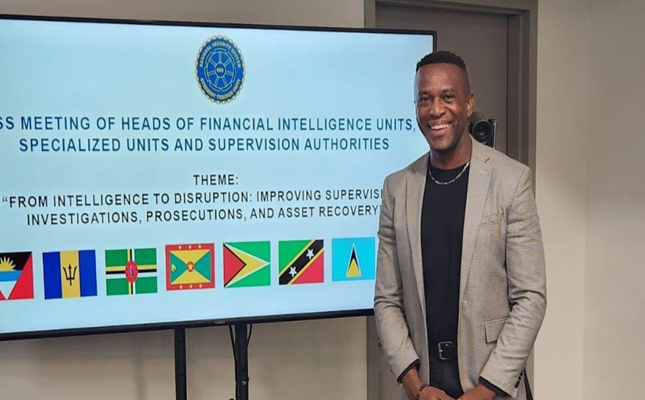
Nevis FSRC Bolsters Financial Oversight Capabilities at Regional RSS Summit
In early May 2026, senior representatives from Nevis’ Financial Services Regulatory Commission (FSRC) took part in a high-profile regional regulatory summit hosted in St. Vincent and the Grenadines, marking a key step forward for the Caribbean jurisdiction’s commitment to robust global financial compliance and cross-border crime prevention.
Andre Cadogan, Senior Regulator at the FSRC’s Nevis Branch, represented Nevis at the RSS Meeting of Heads of Financial Intelligence Units, Specialized Units, and Supervision Authorities, held from April 30 to May 1 under the official theme “From Intelligence to Disruption: Improving Supervision, Investigations and Asset Recovery”. The gathering brought together top financial oversight and intelligence leaders from across the Caribbean region to align strategies for countering evolving transnational financial threats.
During the summit, Cadogan joined targeted strategic working sessions focused on closing gaps between financial intelligence gathering and on-the-ground enforcement action. In his remarks on the importance of Nevis’ participation, he emphasized that ongoing engagement with regional regulatory initiatives is core to protecting the integrity of Nevis’ growing international financial services sector.
“As the global regulatory landscape evolves toward more aggressive cross-border asset recovery and stricter oversight of virtual asset activities, maintaining an active seat at these regional discussions ensures Nevis stays aligned with the latest international standards,” Cadogan explained. “By integrating our local supervisory framework with regional intelligence networks and guidance from the Financial Action Task Force (FATF), we are moving beyond reactive responses to financial crime to build a proactive disruption model. This approach protects our jurisdiction’s reputation and preserves a secure, transparent operating environment for legitimate international business.”
The two-day summit facilitated intensive technical knowledge sharing across four core priority areas of modern financial oversight. First, delegates conducted joint regional trend analysis, with presentations outlining emerging patterns in financial investigations and the unique risk vulnerabilities created by the free movement of people and capital across Caribbean member states. Second, expert-led working groups focused on strengthening Anti-Money Laundering/Countering the Financing of Terrorism/Countering Proliferation Financing (AML/CFT/CPF) frameworks for Designated Non-Financial Businesses and Professions (DNFBPs), working to bring non-banking financial sectors in line with FATF’s 4th Round Assessment standards. Third, participating delegations reviewed updated FATF guidance on cross-border asset recovery and participated in practical simulation exercises focused on the enforcement and regulatory management of digital virtual assets. Finally, attendees advanced plans to launch a new Regional Typology Repository, a shared resource designed to help Financial Intelligence Units and specialized enforcement units across the Caribbean identify and close cross-border operational gaps that criminals exploit.
Nevis FSRC’s consistent participation in regional regulatory summits underscores the jurisdiction’s longstanding commitment to upholding its standing as a trusted, well-regulated premier international financial center. Nevis’ financial services sector has continued to see steady, robust growth in recent years, fueled by its diverse suite of popular business and wealth management products, including international trusts, multiform foundations, and flexible limited liability company structures.
By prioritizing a rigorously regulated operating environment that adheres strictly to global compliance norms, Nevis has positioned itself as a leading destination for international investors seeking stability, transparency, and sophisticated financial infrastructure to support their cross-border activities.
-
From Wage Bands to Percentages: What It Means for Your Paycheck
As part of a decades-long push to modernize Belize’s public social safety net, the Social Security Board (SSB) is weighing a sweeping structural reform that would replace the country’s outdated fixed wage band contribution model with a progressive percentage-based system, following six weeks of nationwide public consultations that gathered input from more than 1,000 stakeholders. The proposed overhaul, which will not take effect until at least 2027 even if finalized, marks one of the most significant changes to Belize’s social security program in a quarter century.
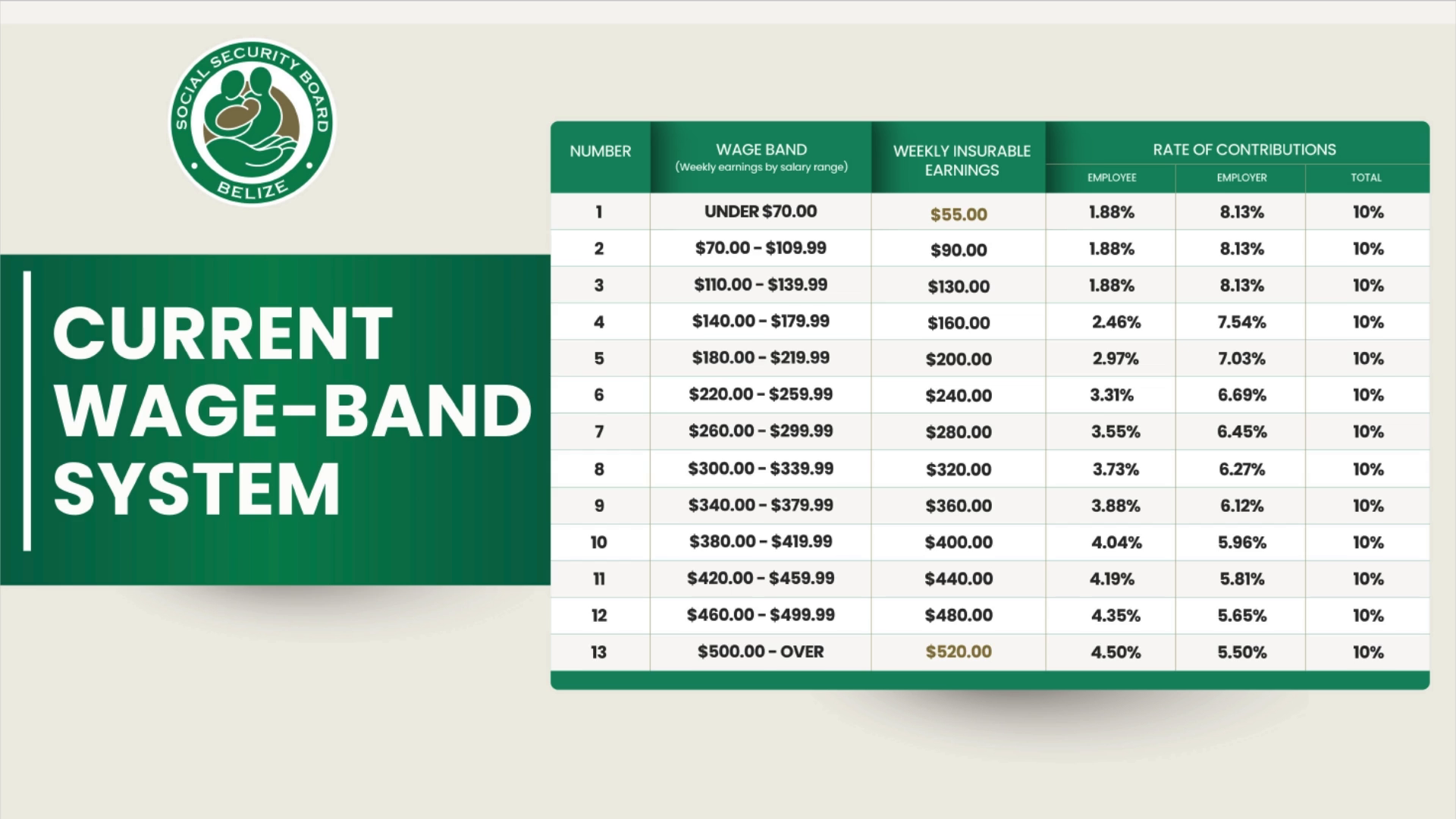
Currently, Belize is one of just four nations globally that still relies on a rigid 13-tier fixed wage band system, where workers are sorted into contribution categories based on their weekly earnings. This outdated framework creates redundant administrative work, extra paperwork for both private businesses and the SSB itself, and creates unnecessary complexity for payroll management across the country’s labor market.
Under the initial draft of the reform, the SSB proposed moving to a single flat percentage contribution model aligned with the CARICOM regional standard, which would split contributions at 5.41% from employers and 4.59% from employees. The proposal also includes a long-overdue update to the minimum contribution floor, raising the baseline from $55 BZD — a figure that has not been adjusted since 2001 — to a proposed $130 BZD. SSB CEO Jerome Palma noted that the $130 baseline was identified as a “sweet spot” during consultations, and clarified that part-time workers, who rarely meet the 40-hour weekly work threshold that would hit the $130 earnings mark, would still be eligible for adjusted contribution terms under existing legislation.
But feedback from the consultation process revealed a key concern from low-income workers: a single flat rate would actually increase contribution deductions for workers earning near the bottom of the income scale. For example, a worker earning $160 BZD per week currently pays an effective contribution rate of roughly 2.46% under the existing wage band system; under the original flat rate proposal, that worker’s total deduction would rise significantly.
In response to that widespread feedback, the SSB now plans to revise the proposal to incorporate a multi-tier progressive structure, with three income brackets that maintain higher employer contribution rates for lower-income earners, aligning with public expectations for a progressive system that does not place undue burden on low-wage workers. Palma explained that the overwhelming consensus from consultations called for retaining tiered protection for lower-income workers, a revision the board will integrate into the updated draft.
Overall, roughly 60% of consultation participants supported the core shift to a percentage-based system, backing the reform with only minor structural adjustments. After revising the draft proposal to incorporate public feedback, the SSB will hold a second round of public consultations later in 2026 to gather additional input before finalizing the plan. Officials have confirmed that no changes to payroll deductions will take effect in 2026, so Belizean workers and employers will not see any adjustments to their Social Security contributions this year regardless of the board’s final decision.
-
SSB Invests Record $130 Million in 2026
As Belizean workers continue contributing to the national Social Security system to secure their post-retirement benefits, the board managing the public fund has lifted the curtain on where those contributions are being allocated – revealing a landmark pace of investment activity for 2026 that officials say is designed to safeguard long-term pension payouts.
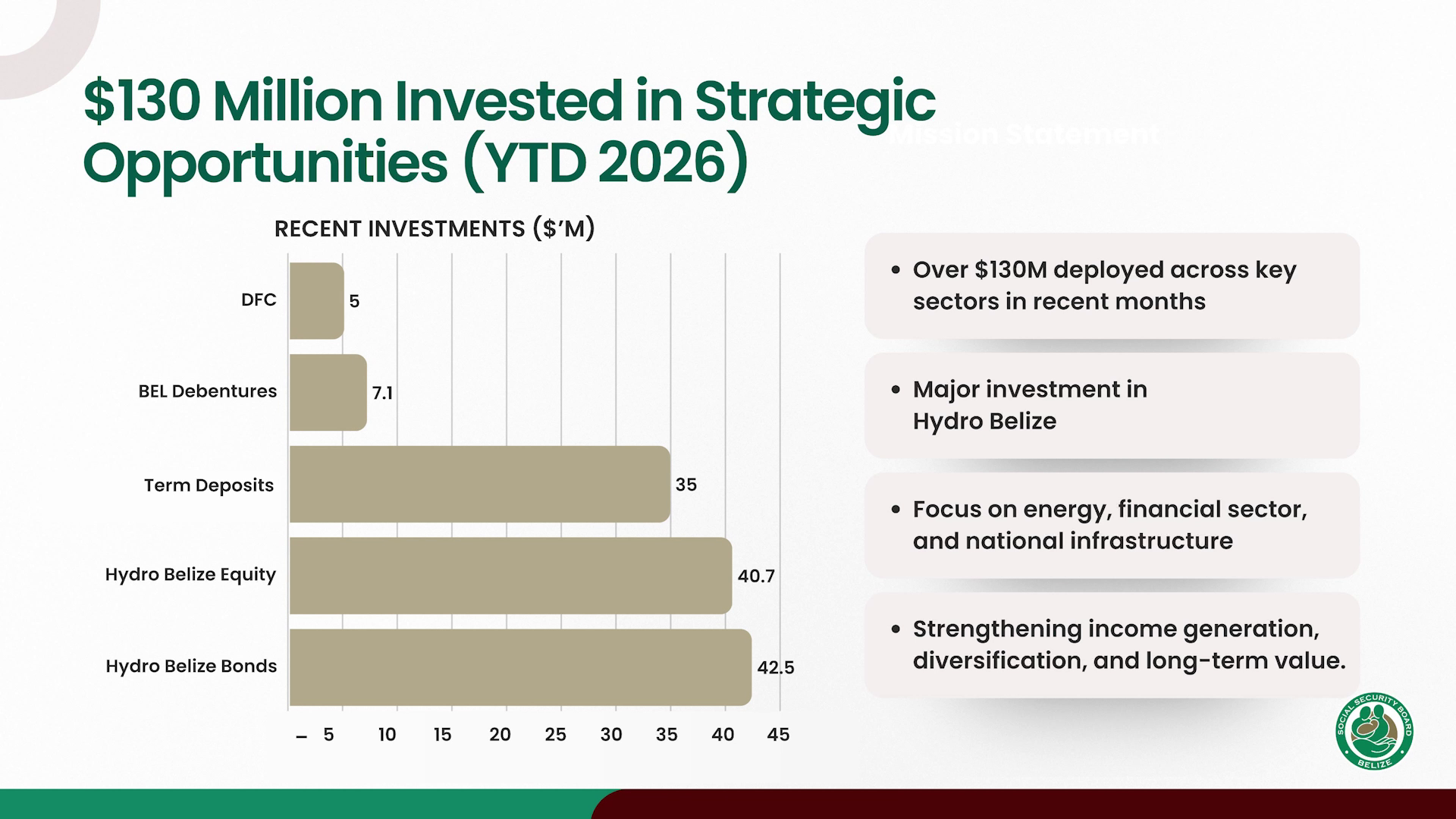
Between January 1 and April 30 of 2026 alone, the Social Security Board (SSB) has deployed $130 million in new investments across domestic assets, marking an all-time high for any full year of SSB activity, let alone a four-month window. Leo Vasquez, SSB’s General Manager of Finance and Investment, laid out the details of the aggressive investment push, highlighting two Hydro Belize-linked assets as the largest contributors to the year’s unprecedented spending.
Of the total new investment, $1.4 million has gone toward purchasing equity in Hydro Belize, the independent energy producer that was previously known as Fortis. This stake gives SSB a 30% holding in the firm and two seats on Hydro Belize’s board of directors. Unlike the utility provider BEL, which distributes power across the country, Hydro Belize handles the generation side of the market, supplying 100% of its output to BEL for distribution. SSB projects that the equity stake will generate roughly $4 million in annual dividend payments, and the board plans to hold this asset for far longer than the 20-year term of the second Hydro Belize investment.
The second, larger Hydro Belize holding is a $42.5 million bond issue carrying a 6% annual return. This bond will mature in 20 years, at which point SSB will recoup the full principal investment. In addition to the Hydro Belize positions, the SSB’s new investments span a range of asset classes, from business loans to domestic commercial ventures and large-scale real estate developments.
To date, the SSB’s total domestic investment portfolio stands at $654 million. Looking ahead, agency officials have confirmed that they are exploring opportunities to expand the fund’s reach into international markets, a move that would diversify SSB’s holdings and potentially open up new sources of returns to support future benefit obligations.
This investment push comes as public retirement systems across small developing economies work to grow their asset bases fast enough to keep pace with rising pension demands as populations age. By accelerating investment activity now, SSB leaders say they are positioning the fund to maintain steady pension and benefit payouts to retirees for decades to come.
-
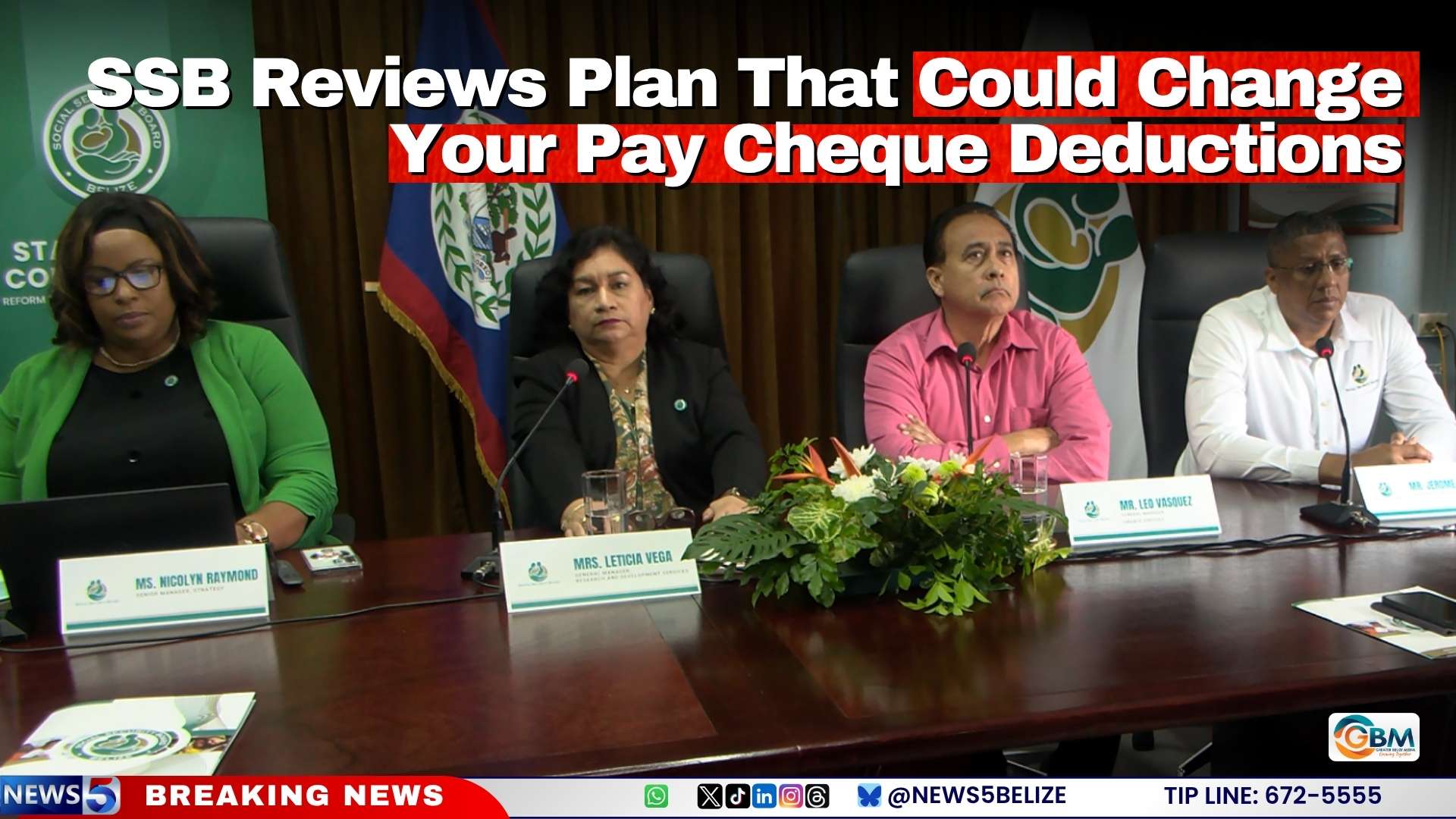
SSB Reviews Plan That Could Change Your Pay Cheque Deductions
Scheduled for implementation discussion by 2026, a fundamental restructuring of Belize’s social security contribution system is moving forward, with the Social Security Board (SSB) currently refining a landmark proposal that would reshape how workers’ payroll deductions are calculated. The reform effort comes after months of extensive nationwide outreach that gathered input from government representatives, labor unions, business owners, and working people across the country, representing more than 1,000 individual stakeholders.
For decades, Belize has relied on a rigid wage-band framework that divides workers into 13 distinct contribution tiers based on their earnings brackets. This long-standing system is now targeted for replacement under the SSB’s proposal, which would shift to a proportional income-based calculation structure. Board officials argue that the update would streamline administrative processes, create a more transparent deduction system, and boost overall operational efficiency for both the agency and contributing employers.
One of the most consequential proposed updates addresses the contribution floor — the minimum earnings base used to calculate Social Security deductions. This figure has not been adjusted since 2001, remaining stuck at $55, and the proposal would raise it to $130 to align with decades of wage growth and economic change in Belize.
According to SSB Chief Executive Officer Jerome Palma, early public feedback has already shaped the trajectory of the reform, leading the board to walk back an initial plan for a universal one-size-fits-all flat contribution model. During consultations, lower-income workers and advocacy groups raised consistent concerns that a single flat rate would disproportionately increase payroll deductions for the lowest earning cohorts, leaving them with a higher proportional burden than they face under the current system.
After compiling and analyzing feedback from the first round of engagement, the board confirmed that there is broad public support for a multi-tiered proportional system that would apply different rules to lower, middle, and higher income groups to ensure fairness across earnings levels. The SSB will now revise the draft proposal to incorporate this input, with plans to launch a second round of public consultations later this year to gather additional feedback before finalizing any changes.