
In a public tender notice published on May 15, 2026 at 3:11 PM local time, the National Bank of Dominica Ltd. (NBD) has formally launched a prequalification application round for an upcoming planned construction project, calling on eligible industry operators to submit their interest. The banking institution is specifically seeking contractors with proven project experience and the required professional qualifications that hold operations or registration in Dominica and other member states of the Organization of Eastern Caribbean States (OECS). To participate in the prequalification process, interested eligible entities can obtain the full official prequalification documentation via two accessible channels: sending a request to the dedicated tender email address tenders@nbdominica.com, or accessing additional information and application instructions through the linked portal provided alongside the official notice. Prequalification serves as a critical initial screening step for public and private infrastructure projects, allowing the issuing institution to shortlist contractors that meet the technical, financial, and experience requirements before issuing full bid invitations for the construction work. This tender opening marks the first official step in NBD’s planned construction development, with more details on the project scope, timeline, and evaluation criteria to be shared with prequalified candidates once the initial screening process concludes.
分类: business
-
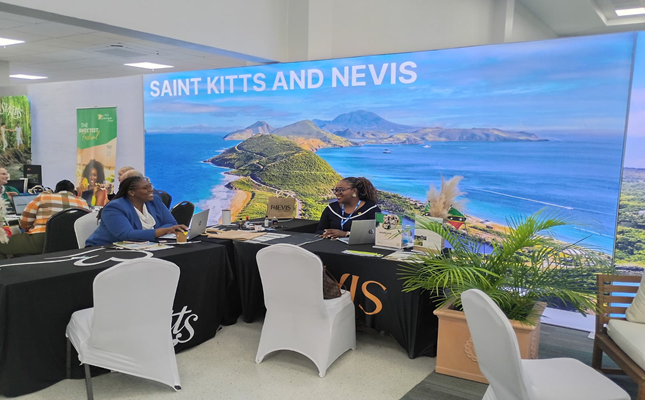
St. Kitts and Nevis showcased at CHTA Marketplace as stakeholders show interest
As one of the Caribbean’s most influential annual tourism industry gatherings drew to a close in Antigua, the dual-island nation of St. Kitts and Nevis has emerged with promising new leads from the 44th Caribbean Hotel and Tourism Association (CHTA) Marketplace. Held across two days at the American University of Antigua, the 2026 event brought more than 500 tourism stakeholders including international buyers, hospitality sellers, and industry media together to drive regional growth and showcase destination offerings. For St. Kitts and Nevis, the event marked a key milestone in the country’s push to expand its footprint in fast-growing new source markets. Delegations from the St. Kitts Tourism Authority (SKTA) and the Nevis Tourism Authority (NTA) participated as a unified delegation, positioning the Federation’s combined tourism product to global industry partners. SKTA Chief Executive Officer Kelly Fontenelle, who led the joint delegation, called the gathering exceptionally productive for the Caribbean nation’s tourism sector. In her assessment, the event delivered dual value: it strengthened long-standing commercial ties with existing industry partners, while unlocking critical access to untapped business opportunities, most notably across Latin America. “We have been working for months to build a presence in this region, and at CHTA Marketplace we connected with multiple tour operators actively seeking partnerships with local hotels and tourism stakeholders,” Fontenelle explained. “These operators are based in markets like Venezuela and Argentina, where clients enjoy visa-free entry to St. Kitts and Nevis, making this a natural expansion of our visitor base.” Beyond business development for St. Kitts and Nevis, the 44th CHTA Marketplace fulfilled its core industry mission: it underscored the outsized economic role of tourism across the Caribbean, while putting a spotlight on host nation Antigua and Barbuda’s own world-class hospitality offerings. Reflecting on the outcomes, Fontenelle emphasized that the event aligned perfectly with the Federation’s ongoing strategy to diversify its visitor sources and reduce dependence on traditional northern markets. “This has been an incredibly busy and productive event for our team, and we are eager to see what partnerships emerge from these conversations in the coming months,” she said. Looking back at early 2025 visitor arrival data, Fontenelle noted that St. Kitts and Nevis, like most competing Caribbean destinations, got off to a robust start to the year. “Nearly every island in the region reported a strong first quarter, starting the year with a surge in bookings,” she recalled. “We did see a small dip after political unrest in Venezuela disrupted regional travel early in January, but demand rebounded strongly through February and March, putting us back on track.” Still, the industry leader highlighted growing headwinds that are causing concern across the region ahead of the Northern Hemisphere summer travel season. Fontenelle pointed to shifting airline dynamics that have put upward pressure on airfares, dampening consumer demand for regional travel. “Airlines have reported that total revenue is holding up, but passenger load factors are down – what that means is ticket prices have gone up significantly,” she explained. “Carriers are still turning a profit, but fewer people are able to afford to travel right now, which is softening summer demand across the Caribbean.” To address this systemic challenge, Fontenelle proposed that Caribbean destination stakeholders collaborate to tackle rising airfare costs, a shared barrier that threatens to cut into visitor arrivals across the entire region. Even with the near-term uncertainty surrounding the summer 2025 travel season, Fontenelle remained upbeat about the Federation’s full-year outlook, particularly for the peak winter tourism season that drives the bulk of annual tourism revenue for most Caribbean destinations. “Winter bookings are tracking well ahead of expectations, which aligns with our long-standing strategy of launching promotional campaigns early to capture early-booking winter travelers,” she noted. “As things stand today, the winter season looks very strong for St. Kitts and Nevis.”
-

FLASH : PAPEJ program, business plan competition in Haiti
Haiti’s Ministry of Trade and Industry has officially opened applications for a new national business plan competition, marking the launch of the fifth cohort of beneficiaries under the country’s Youth Entrepreneurship Support Program (PAPEJ). Backed by program financial partners, the initiative is designed to uplift young Haitian innovators looking to launch, scale up, or strengthen sustainable, forward-thinking businesses across the nation.
Unlike standard grant programs, PAPEJ combines accessible, tailored financing with structured hands-on technical support, creating a holistic ecosystem for young entrepreneurs to turn their ideas into impactful ventures. The overarching goal of the program is to drive long-term economic growth and widespread job creation across Haiti, by nurturing homegrown entrepreneurial initiatives that address local needs.
At its core, PAPEJ was developed to boost youth self-employability, with a particular focus on expanding economic opportunity in underserved rural areas. The program works to build a landscape of viable, competitive, and environmentally conscious businesses that can contribute to long-term national development. Its specific objectives extend far beyond just funding: it seeks to expand the number of youth-led enterprises across the country, cut persistent youth unemployment by normalizing entrepreneurship as a viable career path, and encourage business formalization to build a culture of fiscal responsibility that strengthens national public finances.
To meet these goals, the program offers eligible projects financing of up to 2 million Haitian gourdes, with flexible terms structured to fit the unique realities of young and early-stage entrepreneurs. Funding can be allocated to a wide range of critical business costs, including the purchase and installation of production equipment and materials, development or rental of business premises, acquisition of raw materials, expansion of production capacity, and other core expenditures required to launch or scale a viable project.
The competition is open to micro, small, and medium-sized enterprises (MSMEs) as well as formal entrepreneur groups, including general partnerships, limited partnerships, and limited liability companies. Eligible sectors cover a broad range of productive industries, from agro-industry and biotechnology to mechanics, manufacturing, processing, and any other productive sector that meets program requirements.
Once the competition closes, all shortlisted business plans will first undergo validation by the PAPEJ national coordination team before being forwarded to program financial partners for final funding approval. All financing awards remain contingent on candidates meeting full eligibility requirements and passing a rigorous technical, financial, and economic evaluation of their submitted proposal.
To qualify for consideration, submitted projects must meet a clear set of eligibility criteria. Proposals must feature an innovative value-added business idea, be led by a promoter under the age of 40, and demonstrate clear potential for net job creation. Projects are eligible whether they are early-stage startups seeking launch capital or existing young businesses looking to strengthen their operations. Priority is given to formal partnerships and limited companies with at least 5 members, and proposals that prioritize local products and key national growth sectors. Projects must have a total financing need between 50,000 and 2 million gourdes, and must prioritize environmentally sustainable operations. Existing businesses must demonstrate a minimum track record of revenue generation, and all candidates must either be already formally registered or commit to completing formalization within the program’s required timeline.
The credit terms offered through PAPEJ are structured to support young entrepreneurs rather than create unmanageable debt. Funding amounts range from 50,000 to 2 million gourdes, with repayment periods extending up to 10 years. The fixed interest rate is set between 3% and 5%, significantly lower than most commercial lending options for young entrepreneurs in Haiti, and includes a grace period of 6 to 12 months to allow businesses to generate revenue before beginning repayments.
Selected beneficiaries take on clear responsibilities to ensure program accountability: they must adhere to the agreed credit repayment schedule, participate in all capacity-building training sessions organized by PAPEJ, provide regular updates required for project monitoring, follow the technical and managerial guidance offered by program experts, and maintain transparent, responsible financial management of the funded enterprise.
Interested candidates can access the official business planning template, which is available for free download on the Ministry of Trade and Industry’s website. To apply, candidates must submit three core documents: a completed business plan following the official framework, a valid registration certificate from the Ministry of Commerce and Industry, along with relevant business license (Patente) and CIP documentation, and a copy of the project leader’s national identification card (NIU).
Completed applications must be sent to the official program email address papej@mci.gouv.ht no later than May 25, 2026. Program organizers note that incomplete application files will not be reviewed for consideration, and only pre-selected candidates will be contacted for next steps. Following evaluation, all approved projects will gain access to the full range of financing and support services offered through the PAPEJ program.
-
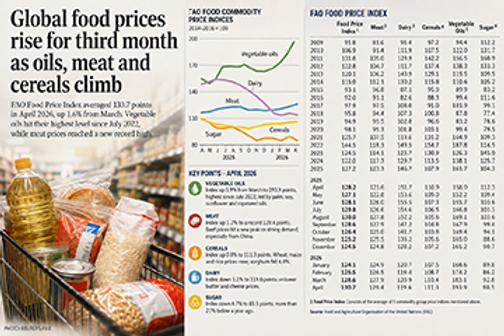
Global Food Prices Rise Again; Oils and Meat Push Index Higher
After two straight months of gains, global food prices continued their upward climb in April 2026, according to the closely monitored Food Price Index published by the United Nations Food and Agriculture Organization (FAO). The monthly benchmark, which tracks price shifts for the world’s five major traded food commodity groups, hit an average of 130.7 points last month. That marks a 1.6% increase from March 2026 and a 2% rise compared to the same period one year earlier. While the sustained upward movement has raised concerns about new food inflation pressures, the current index still sits 18.4% below the all-time record set in March 2022, when the Russia-Ukraine war sent global food markets into unprecedented volatility.
The April uptick was led by a sharp surge in vegetable oil prices, which jumped 5.9% month-over-month to hit their highest level since July 2022. Growing demand from the global biofuel sector has been the primary catalyst for the rally: palm oil prices have now risen for five straight months, fueled by both rising biofuel adoption and market jitters over shrinking production outputs across major Southeast Asian producing nations. Prices for soy oil and rapeseed oil also trended upward in April, as biofuel production ramped up in the United States and European Union, boosting competing demand for the agricultural commodities.
Following vegetable oils, the meat category recorded the next largest gain, with the FAO Meat Price Index climbing to a new all-time high in April. Beef prices led the increase, driven by tight cattle supplies in top exporter Brazil and sustained strong international demand, particularly from key importer China. Both poultry and pork prices also moved higher, as ongoing supply chain disruptions and shipping bottlenecks in multiple producing regions kept markets tight.
Cereal prices posted a more modest 0.8% increase in April, with individual sub-sectors facing their own unique supply-side pressures. Wheat prices rose on the back of ongoing drought concerns across major growing regions of the U.S. and forecasts for below-average rainfall in Australia, another top global exporter. Elevated costs for fertilizers and energy have also led market analysts to anticipate that many farmers may scale back wheat planting in upcoming seasons, adding upward support to prices. Maize prices also climbed, as unfavorable weather outlooks have dampened production projections in Brazil and the U.S. Rice prices increased by 1.9% during the month, as higher energy prices pushed up both transportation and production costs for major exporting nations.
In contrast to the upward trend across most commodity groups, two categories moved lower in April. The FAO Sugar Price Index fell 4.7% month-over-month, sitting more than 21% below its level from April 2025. The decline stems from widespread expectations of larger global sugar supplies this season, with increased production projected in top producing nations including Brazil, China, and Thailand. Dairy prices also dipped, dropping 1.1% overall, driven by lower prices for butter and cheese as milk supplies expand across major exporting regions in Europe and Oceania.
For small Central American nation Belize, the latest shifts in global food markets carry mixed economic consequences. As a country that relies heavily on imports for wheat-based products, cooking oils, and many core food commodities, the country is directly exposed to rising international cereal and vegetable oil prices. Higher global costs will likely translate to increased import expenses, upward pressure on domestic food prices, and higher input costs for local livestock producers and food processors.
At the same time, the ongoing slide in global sugar prices creates fresh challenges for Belize’s domestic sugar industry, which has already been struggling with weak international pricing and shrinking profit margins. The 4.7% April drop in global sugar prices adds further downward pressure on the sector’s revenue and profitability.
As a leading benchmark for global food commodity markets, the FAO Food Price Index is tracked closely by policymakers, economic analysts, agribusiness leaders, and food producers around the world. It measures monthly price changes for a weighted basket of the most widely traded food commodities, covering cereals, vegetable oils, meat, dairy, and sugar.
-
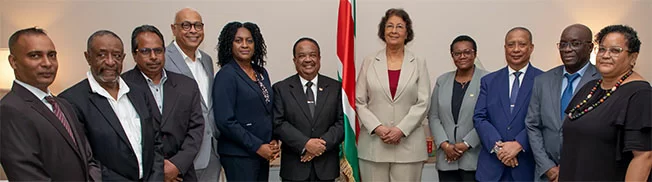
Nieuwe RvC Centrale Bank moet toezien op financieel beleid en economische stabiliteit
On Thursday, the Central Bank of Suriname (CBvS) received a newly formed Board of Commissioners (RvC), with seven members officially installed for a five-year mandate during a ceremony held at the President’s Cabinet. Finance and Planning Minister Adelien Wijnerman outlined the core mandate and long-term expectations for the new governing body in remarks following the appointment ceremony, as confirmed by Suriname’s Government Communication Service.
The seven appointed members of the new board are Silvano Tjong-Ahin, Glenn Gersie, Robbie Poetisi, Radjkoemar Kirpal, Dinesh Ramadhin, Saskia Walden, and Reina Raveles. A formal selection process for a board chair is still underway, with an announcement expected in the coming weeks.
Wijnerman emphasized that while the primary responsibility of the RvC remains oversight of the Central Bank’s daily operations and the safeguarding of sound fiscal and monetary policy, the board also carries a broader strategic role. She noted that close coordination between the CBvS and the Ministry of Finance is a non-negotiable foundation for consistent, stable economic governance across the country.
“Both the Central Bank and the Ministry of Finance hold monetary authority in Suriname,” Wijnerman explained. “This collaborative dynamic is critical to striking the right balance between fiscal policy, which covers government spending and taxation, and monetary policy, which regulates currency and interest rates.” Beyond its oversight duties, the board will also provide strategic advice and support to both the CBvS governor and the Finance Ministry, she added.
The minister also clarified the distinct role the Central Bank plays within Suriname’s broader financial ecosystem, differentiating it from the country’s commercial banking sector. Unlike commercial banks, which focus primarily on issuing loans and delivering retail banking services to individual consumers and private businesses, the CBvS is tasked with overseeing the entire banking industry and all registered financial institutions operating within national borders.
Additionally, the CBvS serves as Suriname’s key monetary liaison to the global financial community, facilitating ongoing cooperation with the International Monetary Fund (IMF) and other major international financial bodies. “The Central Bank’s core focus is on monetary stability, and it sets the regulatory standards that all commercial banks in the country must follow,” Wijnerman said.
Turning to Suriname’s current macroeconomic outlook, Wijnerman acknowledged that the country continues to grapple with significant structural challenges. While the minister confirmed that measurable progress has been made in recent economic stabilization efforts, she warned that volatile global developments continue to pose downside risks to the domestic economy.
“We have not yet crossed the finish line, but we are firmly on the right path,” Wijnerman stated. “Global shifts can still impact our economy, but as long as we maintain a constructive approach and all stakeholders contribute their part, I am confident we will overcome these hurdles.”
-
IMF: Economy remains robust amid global risks but…
After a 10-day review of Barbados’ updated homegrown economic strategy, the International Monetary Fund has delivered a mixed assessment of the Caribbean nation’s economic trajectory: acknowledging robust near-term performance anchored by consistent policy discipline, while flagging growing external threats that could test stability in the year ahead.
IMF mission lead Michael Perks confirmed that the Barbadian economy delivered strong results in 2025, building on years of progress under prior iteration of the island’s Economic Recovery and Transformation Plan. Driven by buoyant activity across tourism, construction, and business services, full-year 2025 economic growth came in at an estimated 2.7%, while the labor market held at strong levels. Inflation cooled notably to an average of just 0.9% year-over-year, outperforming many peer small island economies. While the current account deficit widened to 5.7% of gross domestic product, the gap was more than offset by a sharp uplift in foreign direct investment, which provided solid support to the country’s balance of payments.
By the end of 2025, Barbados’ gross international reserves held steady at roughly $1.5 billion, equal to around six months of import coverage – a buffer more than sufficient to defend the country’s fixed exchange rate peg, a key pillar of macroeconomic stability. On the fiscal side, performance remained equally strong: the primary fiscal surplus hit 4.2% of GDP in the 2025/26 fiscal year. Strong corporate tax collections allowed the government to ramp up public investment in both infrastructure and climate resilience projects, Perks noted.
Looking ahead to 2026, the IMF projects that Barbados will continue to record positive growth, though the pace will moderate compared to 2025 as cooling global demand creates headwinds. Those headwinds will be partially offset by ongoing tourism-linked construction projects and expanded public investment, however. Higher global commodity prices are expected to push up domestic living costs and widen the current account deficit, but the country’s strong reserve position is projected to keep the economy insulated through the near term. While the IMF expects external conditions to stabilize after 2026, the organization emphasized that the medium-term outlook remains clouded by unusually high uncertainty, with risks overwhelmingly tilted to the downside. Key risks flagged include escalating global policy volatility, sustained commodity price pressures, and Barbados’ inherent vulnerability to climate-fueled natural disasters.
Barbados has already logged significant progress under its first two economic recovery plans, which were backed by prior IMF financing arrangements. Gradual, consistent fiscal consolidation has put public debt on a clear downward trajectory, while landmark structural reforms – including overhauls of state-owned enterprises and the national pension system – have strengthened long-term fiscal foundations. The country rebuilt its international reserve buffer over the past several years, and successfully returned to international capital markets in 2025. It has also made major strides boosting climate and economic resilience through the IMF’s Resilience and Sustainability Facility.
To build on these gains, the IMF and Barbados’ Mottley administration have agreed to a new precautionary standby arrangement that will back the government’s updated BERT 2026 agenda, supporting the country’s commitment to prudent macroeconomic management. Perks explained that the government’s fiscal framework will continue to balance long-term debt sustainability with pressing development and social needs. To hit the target of reducing public debt to 60% of GDP by the 2035/36 fiscal year, the country will need to maintain strong primary fiscal balances, while preserving fiscal space for critical investments in resilience, infrastructure, and social support for vulnerable households. Any emergency fiscal measures introduced to counter external shocks should be temporary, targeted directly to the most impacted communities, and aligned with the country’s medium-term fiscal anchor, Perks advised. He added that consistent, disciplined fiscal policy will also help preserve the country’s ample reserve buffer and support the exchange rate peg, which remains critical to overall macroeconomic stability.
Steady implementation of planned structural reforms will further strengthen policy credibility, improve institutional frameworks, and solidify long-term growth prospects, Perks said. The reform agenda will be supported by ongoing technical assistance from the IMF and other international development partners.
-

Surinaamse afgestudeerden krijgen internationale training voor offshore-sector
A transformative skills development initiative for young Surinamese energy professionals reached a key milestone recently, when six program participants met SBM Offshore CEO Øivind Tangen during a gathering in Malaysia. The meeting took place on Life Day, an annual company event dedicated to centering workplace safety, employee health and overall staff well-being across global operations.
The graduate training program, launched earlier this year, is a collaborative venture between STS, a joint partnership of SBM Offshore, Technip Energies and the government of Suriname, created specifically to support the $1.2 billion GranMorgu FPSO oil and gas production project off Suriname’s coast. Designed to build local capacity for the fast-growing offshore energy sector, the program prioritizes preparing young Surinamese talent for long-term careers in the emerging industry.
Over the 19-month comprehensive training curriculum, participants complete rotational stints across three international training hubs in Guyana, Malaysia and China, gaining hands-on practical experience alongside veteran industry teams. Trainees work directly on operational activities, join core project working groups, and even spend time at the shipyard where the GranMorgu FPSO production vessel is under construction, giving them first-hand insight into every stage of large-scale offshore energy development.
All six participants are recent graduates from three leading Surinamese higher education institutions: Anton de Kom University of Suriname, Polytechnic College Suriname, and IBW University of Applied Sciences. They bring diverse academic backgrounds aligned with critical needs for Suriname’s offshore sector, including electrical engineering, mechanical engineering, process technology, occupational safety, and supply chain procurement.
Program organizers note that each of these skill sets is essential to the sustained growth of Suriname’s nascent offshore oil and gas industry. Upon successful completion of the full 19-month program, graduates will be eligible for open positions at SBM Offshore Suriname, giving them a direct pathway to full-time employment in their chosen field.
The core mission of the initiative extends beyond individual job placement: partnering companies aim to upskill a new generation of local workers, strengthen domestic expertise in offshore energy operations, and create opportunities for Surinamese professionals to take on larger, more central roles in all future national offshore projects, including the landmark GranMorgu development.
During the Malaysia meeting, safety and employee well-being were also core discussion topics. SBM Offshore reaffirmed that these two priorities will remain non-negotiable foundational values for all its future operations across Suriname’s offshore sector.
-
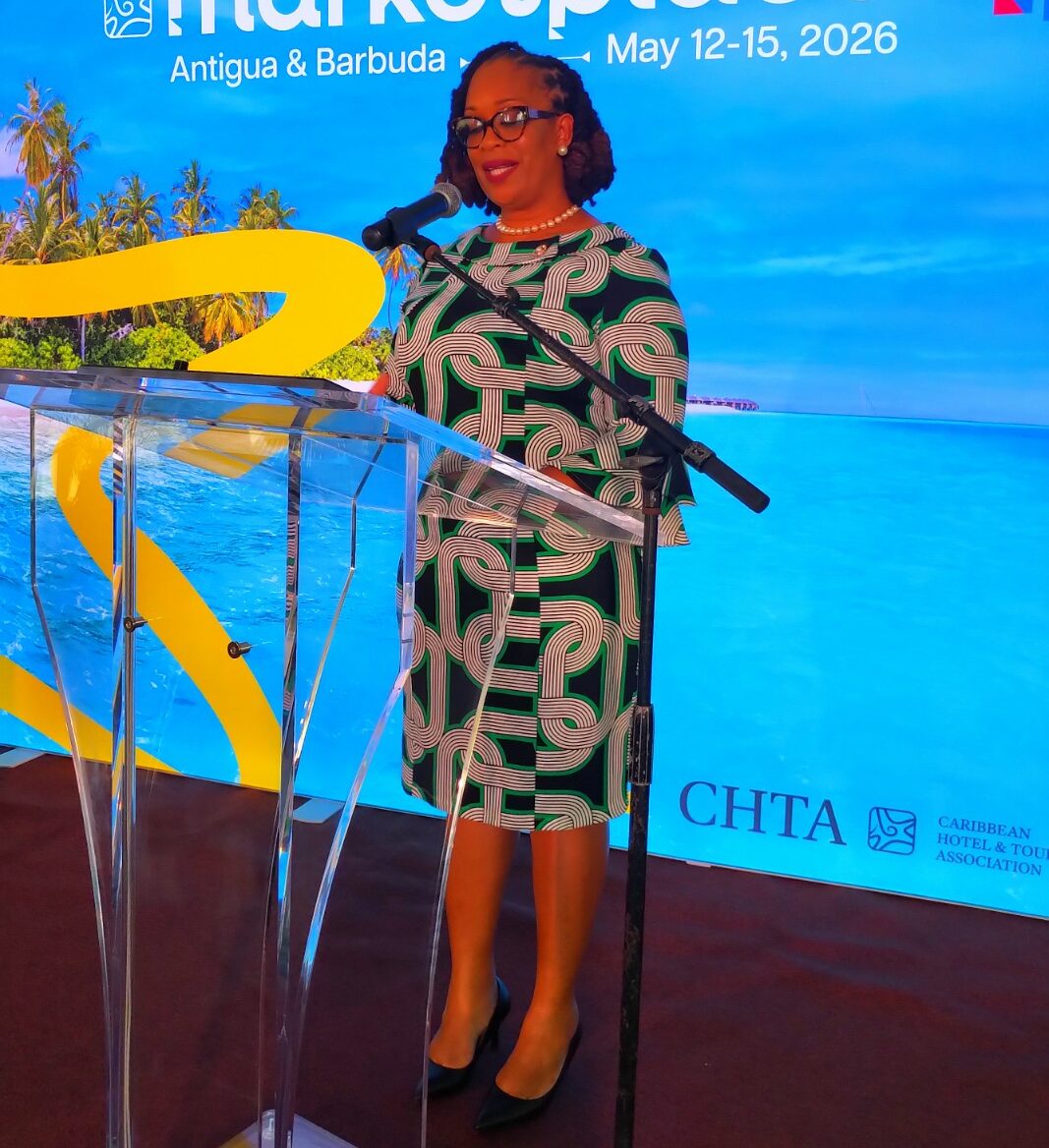
Dominica showcases tourism growth and major development plans at CHTA Marketplace 2026
At the 2026 Caribbean Hotel and Tourism Association (CHTA) Marketplace hosted in Antigua and Barbuda, the Caribbean island nation of Dominica has emerged as a standout high-performing travel destination, drawing industry-wide attention for its rapid tourism growth and long-term sustainable development strategy.
As a Gold Sponsor of the region’s most influential tourism industry gathering, Dominica’s tourism leadership took center stage at an official press conference on May 14, where Marva Williams, CEO and Director of Tourism for the Discover Dominica Authority (DDA), delivered a comprehensive presentation to an audience of regional and international journalists, global travel industry partners, and cross-sector tourism stakeholders.
Williams opened her address by framing Dominica’s current moment as an unprecedented era of transformation for its tourism sector, noting that global traveler preferences are shifting sharply toward authentic, eco-conscious, wellness-focused experiences that go beyond generic beach getaways. Positioned as the Caribbean’s premier “Nature Island,” Dominica is perfectly aligned to capture this growing global demand, she explained.
Backing up that claim with official data, Williams revealed that total visitor arrivals to Dominica grew by an average of 15% year-over-year in 2025, climbing from 432,989 visitors in 2024 to 496,635 last year. The solid growth was driven by double-digit gains across both core segments of the island’s tourism industry: stayover travel and cruise tourism.
Stayover arrivals, a key metric for long-term revenue generation, jumped 19% in 2025 to hit 99,846 visitors, a figure that officially surpasses Dominica’s pre-pandemic 2019 arrival numbers. Early 2026 data indicates this upward momentum is holding steady, with first-quarter stayover arrivals posting an additional 10% increase compared to the same three-month period in 2025.
Cruise tourism, another cornerstone of Dominica’s visitor economy, also posted record-breaking results. For the 2025/2026 cruise season running from October 2025 through April 2026, the island welcomed 409,761 cruise passengers, marking a 23% increase over the prior season and delivering the strongest cruise performance Dominica has recorded since the 2010/2011 season.
Alongside releasing the latest arrival data, Williams outlined the nation’s evolving marketing strategy designed to build on this momentum. Central to these efforts is the award-winning “Nature of Love” campaign, which frames Dominica as a top-tier destination for romantic getaways, wellness retreats, adventure travel, and immersive nature experiences that connect visitors to the island’s unspoiled ecosystems. She also launched a new seasonal push, inviting global travelers to “Summer the Nature Island Way,” highlighting the wide range of summer activities available on the island, from mountain hiking and deep-sea diving to farm-to-table culinary experiences and family-friendly cultural excursions.
Williams also dedicated a portion of the presentation to updating attendees on the large-scale infrastructure and development projects that are set to reshape Dominica’s tourism offering in the coming year. Flagship projects highlighted include the ongoing construction of a new international airport, the development of a utility-scale geothermal energy plant to support sustainable energy access across the island, and the Dominica Cable Car project, which is on track to open in October 2026 as the world’s longest single-cable cable car system, granting visitors unprecedented access to the island’s interior mountain rainforests.
Additional updates were shared on expansion across the marine and hospitality sectors, including plans for a new full-service marina to accommodate private yachting visitors, continued investment in luxury wellness tourism infrastructure, and the creation of the world’s first dedicated Sperm Whale Reserve, a pioneering conservation initiative that also offers ethical, low-impact whale watching experiences for visitors.
Dominica’s growing global profile was also a key talking point: the island was recently named one of National Geographic’s Best Places to Travel in 2026, and was featured in *Caribbean Travel Trends 2026 Magazine* as one of the Caribbean’s fastest-growing tourism destinations, with the publication noting 22% year-over-year growth driven by surging demand for nature and adventure travel experiences.
Throughout the presentation, Williams reaffirmed Dominica’s unwavering commitment to balancing tourism growth with environmental stewardship and community benefit. As the island continues to expand its tourism sector, all development is rooted in three core priorities: sustainable growth, climate resilience, and community-owned tourism initiatives that deliver broad economic benefits to local residents while protecting Dominica’s unique natural ecosystems and cultural heritage.
Closing the presentation, the DDA expressed gratitude to the Caribbean Hotel and Tourism Association for the opportunity to participate in CHTA Marketplace 2026, and reaffirmed the authority’s commitment to deepening productive tourism partnerships across the Caribbean region and global travel markets.
-
Barbados to lean on IMF if necessary
On Thursday, the Caribbean nation of Barbados wrapped up a three-year precautionary standby arrangement with the International Monetary Fund, securing access to up to $260 million in emergency funding designed as a financial buffer against unforeseen external economic disruptions.
Crucially, Prime Minister Mia Mottley emphasized in a press briefing held at Illaro Court immediately after the staff-level agreement was signed with the visiting IMF delegation that Barbados has no immediate need to draw down any portion of the allocated funds. The agreement, she explained, was structured as a proactive safety net rather than a response to an existing economic crisis within the country.
Mottley noted that ongoing volatility and widespread uncertainty across the global economy create real risks of sudden adverse shocks that could upend Barbados’ economic stability and quality of life for its residents. By locking in this precautionary arrangement now, the country has positioned itself to respond quickly if challenging conditions emerge. She added that accessing the funds would be a straightforward process: a single formal phone call to the IMF would be enough to activate a withdrawal of any portion of, or the full, $260 million allocation.
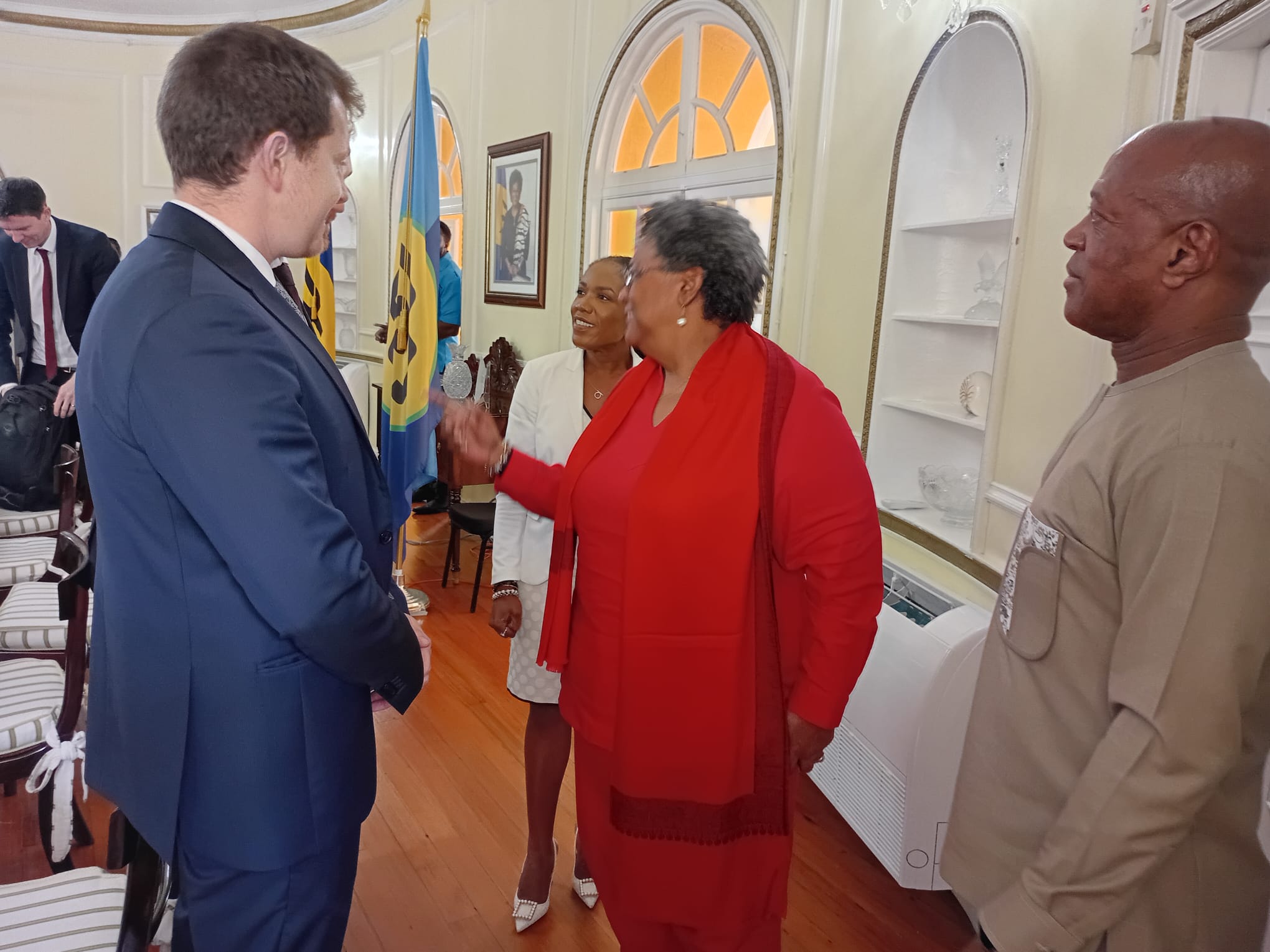
The agreement signing event was attended by key economic and financial leaders from Barbados: the picture from the briefing captures Mottley in conversation with Michael Perks, head of the IMF’s visiting mission to the country, while Marsha Caddle, Barbados’ Minister of Economic Affairs, and Dr. Kevin Greenidge, Governor of the Central Bank of Barbados, observe the discussion.
-
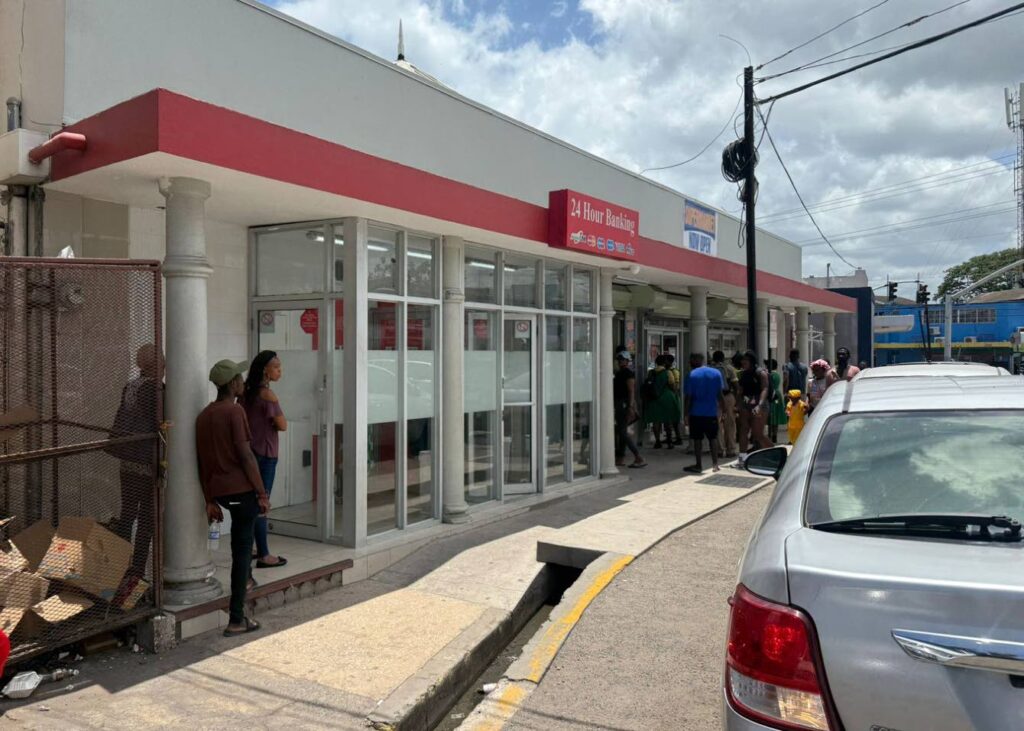
Audio guidance now live at Scotia ATMs
KINGSTON, Jamaica — In a major step toward advancing inclusive banking across the country, Scotiabank Jamaica announced Friday the official launch of audio-assisted transaction guidance at hundreds of its automated teller machines distributed across the island. The new accessibility feature is specifically designed to remove long-standing barriers for members of the sight-impaired community, granting them greater autonomy to complete routine banking transactions on their own. In a public statement released to customers, the financial institution emphasized that accessible banking services are a right for all consumers, regardless of ability, and the bank expressed pride in rolling out this customer-centered upgrade. To use the new audio guidance function, customers only need to connect a pair of wired earphones to the dedicated headphone jack built into the ATM. Once connected, users receive clear, step-by-step voice directions that walk them through every stage of their transaction, from starting the process to confirming final details, allowing them to complete their banking confidently. Scotiabank has laid out a simple, easy-to-follow workflow for users leveraging the feature. After inserting their wired headphones into the ATM’s jack, the service activates automatically. Next, both audio and on-screen prompts ask users whether they prefer to hide the transaction screen to protect their personal privacy. If a user selects “yes”, the screen turns blank to prevent bystanders from viewing sensitive information; if they opt out, the screen remains visible as normal for the duration of the transaction. Users can then customize their experience by adjusting the audio volume and voice speaking speed through options provided on the ATM’s keypad or touchscreen interface. Once users confirm their preferred settings, they just follow the on-going voice instructions to insert their bank card, enter their personal identification number, select their transaction type and complete the process smoothly. As of the launch date, more than 280 Scotiabank ATMs across Jamaica are already equipped with the new audio guidance feature, covering most high-traffic and community locations around the island. Customers who want more details about the function, or a full updated list of ATMs with accessibility support, can visit the bank’s official Jamaica website at jm.scotiabank.com for complete information. The launch marks one of the first large-scale deployments of ATM accessibility features by a major Jamaican bank, setting a new benchmark for inclusive financial services across the Caribbean region.