分类: business

  • Toll collection for May Pen to Williamsfield set for December 27, says TJH

    Toll collection for May Pen to Williamsfield set for December 27, says TJH

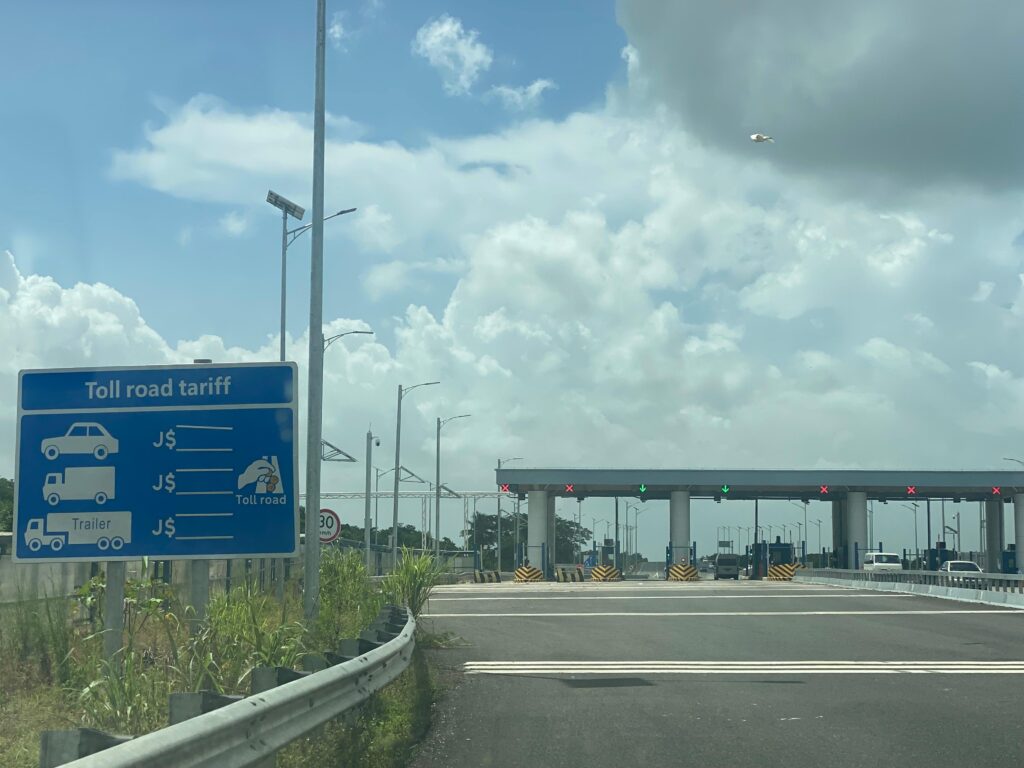
    MANCHESTER, Jamaica — TransJamaican Highway Limited (TJH) has announced the imminent commencement of toll operations along the newly completed May Pen to Williamsfield segment of the PJ Patterson Highway. The official launch is scheduled for December 27, 2025, marking a significant expansion of Jamaica’s highway infrastructure network.

    The infrastructure developer, through its official Instagram channel, detailed comprehensive service offerings that will support this new roadway section. Motorists can expect round-the-clock security patrols and systematic maintenance protocols designed to meet international standards. TJH emphasized its dedication to providing a transportation corridor characterized by safety, reliability, and operational efficiency consistent with existing segments of the TransJam Highways network.

    To ensure sustainable service delivery, TJH will implement a structured toll system at two distinct locations: the Toll Gate-Main Line Toll Plaza and the Toll Gate-Ramp Toll Plaza. The company’s announcement specifically highlighted preferential pricing for T-Tag users, who will benefit from reduced rates and automated frequent traveler incentives, including complimentary passage on every tenth weekly trip through each plaza.

    This development follows the Jamaican Ministry of Transport’s disclosure earlier last week regarding proposed toll structures for the Williamsfield to May Pen segment of Highway 2000. The approved toll schedule establishes three vehicle classifications: Class 1 at J$480, Class 2 at J$720, and Class 3 at J$1,400. T-Tag subscribers will receive modest discounts on mainline tolls, paying J$470 for Class 1 and J$700 for Class 2 vehicles, while ramp access will be priced at fifty percent of the standard mainline rate across all categories.


  • Banks DIH contributes to Jamaica’s hurricane relief

    Banks DIH contributes to Jamaica’s hurricane relief

    In a demonstration of corporate social responsibility, Guyanese conglomerate Banks DIH Limited has mobilized significant resources to assist Jamaican communities devastated by Hurricane Melissa. The company announced a major donation of essential supplies coordinated through official relief channels to address urgent humanitarian needs.

    The contribution comprises 500 cases of Rainforest Water and 500 boxes of Triskits Crackers, strategically selected for their nutritional value and extended shelf life. These resources will support immediate relief operations managed by Jamaica’s Civil Defence Commission (CDC), which will oversee distribution to severely affected regions.

    Hurricane Melissa recently wrought substantial destruction across Jamaica, severely compromising access to basic necessities for numerous residents. The catastrophic weather event damaged infrastructure, disrupted supply chains, and created critical shortages of food and clean water throughout the island nation.

    Carlton Joao, Marketing Director of Banks DIH Limited, expressed the company’s position: “We are profoundly moved by the devastation Hurricane Melissa has inflicted upon Jamaica and felt compelled to support our Caribbean neighbors during this crisis. As an organization deeply committed to regional solidarity, we recognize our responsibility to assist communities in their most challenging moments. This contribution represents our initial step in supporting Jamaica’s recovery and rebuilding efforts.”

    The CDC will collaborate with local relief organizations to ensure efficient distribution of the donated supplies to vulnerable populations, including those in emergency shelters and community centers. Colonel Nazrul Hussain, Director General of the CDC, acknowledged the significance of the donation: “We extend our sincere appreciation to Banks DIH Limited for their timely and substantial contribution. This support will substantially enhance our ongoing relief operations and provide critical assistance to affected communities as we work to address the aftermath of this devastating hurricane.”

    The corporate response highlights the growing importance of private sector involvement in disaster relief efforts throughout the Caribbean region, where climate-related emergencies increasingly require coordinated response from multiple stakeholders.

  • Syria seeks reintegration into the international financial system

    Syria seeks reintegration into the international financial system

    In a significant development for Syria’s economic landscape, the Governor of the Central Bank of Syria (CBS) has outlined a strategic pathway toward obtaining a sovereign credit rating. Through an official communication on his Facebook account, the governor emphasized that this initiative serves dual purposes: alleviating pressures from the ongoing sanctions regime and creating avenues for collaboration with international credit rating agencies.

    The proposed approach involves Syria initially seeking a ‘shadow’ sovereign rating—an advisory evaluation that remains confidential. This preliminary step would lay the groundwork for transitioning to an official public assessment once economic and political conditions become more favorable.

    Central Bank Governor Al-Hasriya provided crucial clarification regarding the nature and purpose of credit ratings. He emphasized that such ratings do not automatically translate into immediate access to international loans or financing. Instead, they function as comprehensive diagnostic tools that offer objective assessments of a nation’s economic and financial health. These evaluations are designed to strengthen fiscal discipline, prioritize necessary reforms, enhance institutional transparency, and facilitate more effective engagement with global investors and international financial organizations.

    The governor further detailed the Central Bank’s pivotal role in this process, highlighting commitments to enhanced monetary transparency, the provision of reliable economic data, and the promotion of financial stability. These elements, he noted, constitute fundamental prerequisites for establishing a credible sovereign rating that would be recognized by the international financial community.

    Acknowledging the challenging road ahead, the governor recognized that Syria would likely receive a low initial rating—a common circumstance for nations emerging from prolonged conflict situations. However, he stressed that the true value of pursuing a credit rating lies not in the numerical score itself, but in the established standards it provides and the clear roadmap it creates for systematic economic improvement and recovery.

  • New exchange rate attracts attention in Cuba

    New exchange rate attracts attention in Cuba

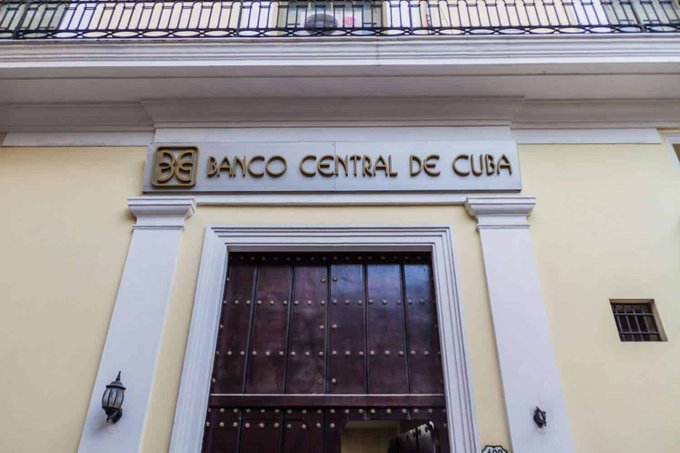
    Cuban financial authorities have initiated a comprehensive transformation of the country’s foreign exchange market, implementing strategic measures that took effect on December 18, 2025. The development, reported extensively by Cuban media including Cubadebate, follows a special appearance by Central Bank of Cuba President Juana Lilia Delgado Portal on the same day the reforms were enacted.

    The Central Bank has been systematically preparing conditions for these foreign exchange market changes, operating under principles of gradualism and strategic timing. The current Cuban economy suffers from multiple coexisting exchange rates that create significant economic distortions, encourage informal market activities, and complicate banking and tax oversight of economic transactions.

    This currency reform initiative aims to restore convertibility to the Cuban peso, strengthen monetary institutions, and facilitate an orderly transition toward exchange rate and monetary convergence. Authorities emphasize that establishing a functional foreign exchange market requires fundamental prerequisites: macroeconomic stability, operational banking system capacity, and a regulatory framework adapted to contemporary economic conditions.

    Financial experts caution that immediate exchange rate unification without a transitional period could trigger severe currency devaluation, potentially generating higher inflationary pressures than currently experienced and further eroding the national currency’s purchasing power against foreign denominations. After careful consideration of these economic factors, Cuban officials determined that implementing measured reforms represents the most prudent approach to foreign exchange market transformation.

  • China: International tourism fair opens, Cuba attends

    China: International tourism fair opens, Cuba attends

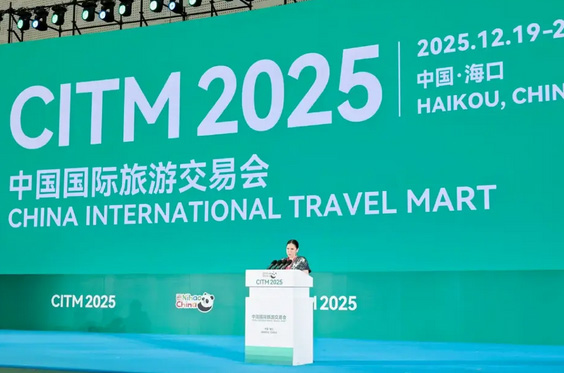
    The Chinese island province of Hainan is currently hosting the nation’s premier tourism trade exhibition, a significant event organized by China’s Ministry of Culture and Tourism. Spanning three days, the fair marks a historic relocation, being held for the first time in Hainan since its establishment in 2001, after previously alternating between the major mainland cities of Shanghai and Kunming.

    This year’s edition, operating under the vibrant theme “Hello China,” occupies an expansive 65,000 square meters of exhibition space. The event is strategically designed to foster direct business engagement, featuring dedicated rounds of in-person professional negotiations between tourism industry buyers and sellers to facilitate concrete partnerships.

    The fair’s layout is organized into five distinct thematic areas, creating a comprehensive showcase of tourism products and opportunities. The event has attracted global participation, notably including a delegation from the Caribbean nation of Cuba. The Cuban contingent is led by First Deputy Tourism Minister Jorge Alberto García, signaling the importance the country places on the Chinese outbound travel market.

    Highlighting Cuba’s unique offerings, Cuban Ambassador to China Alberto Blanco Silva conducted a specialized presentation titled “Cuba as a Tourist Destination.” During his address, Ambassador Silva emphasized the distinctive attractions promoted under the “Cuba Única” (Unique Cuba) initiative, specifically tailoring the message to highlight the exceptional opportunities awaiting Chinese travelers seeking unique cultural and leisure experiences.

  • Economist wary of financial benefits of cruise tourism to Barbados

    Economist wary of financial benefits of cruise tourism to Barbados

    Dr. Delisle Worrell, former Governor of the Central Bank of Barbados, has issued a compelling call for Caribbean governments to reassess the economic value of cruise tourism through updated data analysis. In his December economic letter, the distinguished economist presents evidence suggesting traditional retail sectors across the region no longer benefit from cruise ship arrivals due to fundamental industry transformations.

    Dr. Worrell identifies three structural shifts undermining local economies: The proliferation of massive cruise vessels now feature extensive onboard shopping complexes offering brands previously exclusive to shore-based retailers. Additionally, the democratization of cruising has altered passenger demographics and spending patterns, with contemporary tourists showing preference for inexpensive imported souvenirs rather than high-value duty-free purchases. Finally, local artisans cannot compete with mass-produced imports on price points, despite offering superior quality and authenticity.

    These market transformations have produced visible economic consequences. The economist cites Punda in Curaçao—once a thriving commercial Mecca for cruise tourists—as now representing a mere shadow of its former glory. Similarly, Bridgetown’s Broad Street in Barbados, which historically flourished with venerable retail establishments and international banking operations, has experienced significant commercial decline. Contemporary travel bloggers now focus on Swan Street’s bazaar rather than the formerly prestigious shopping district.

    Dr. Worrell’s observations extend beyond these documented cases. A recent visit to Bermuda’s Dockyard, despite substantial government investment converting historic naval buildings into commercial spaces, revealed quiet streets and empty shops despite nearby cruise ship presence. The former IMF consultant concludes that the assumed positive economic net balance of cruise tourism requires urgent empirical verification through updated research methodologies.

  • PLH advances Barbuda projects with focus on training and environmental protection

    PLH advances Barbuda projects with focus on training and environmental protection

    The PLH Group is charting a progressive course for its development initiatives on the island of Barbuda, placing significant emphasis on two core pillars: comprehensive local workforce training and rigorous environmental protection protocols. This dual-focused strategy aims to ensure that the ambitious projects not only boost economic prospects but also foster sustainable growth and ecological stewardship.

    Central to this approach is the creation of specialized training programs designed to equip Barbudan residents with high-value skills in construction, hospitality, and environmental management. This initiative is poised to generate long-term employment opportunities and empower the local community, enabling them to actively participate in and benefit from the island’s development trajectory.

    Concurrently, PLH has committed to implementing a robust framework for environmental conservation. This includes measures to protect fragile coastal ecosystems, preserve native wildlife habitats, and integrate green building standards across all developments. The group is collaborating with environmental experts and local conservation bodies to minimize the ecological footprint of its operations, ensuring that natural beauty and biodiversity are maintained for future generations.

    The integrated model of prioritizing both human capital and environmental integrity represents a modern paradigm for responsible development in sensitive island regions, balancing economic advancement with unwavering commitments to community and conservation.

  • LVV levert zaaizaad en zoekt lagere rente voor rijstboeren

    LVV levert zaaizaad en zoekt lagere rente voor rijstboeren

    The Ministry of Agriculture, Animal Husbandry and Fisheries (LVV) has initiated a multi-faceted intervention program to revitalize Suriname’s declining rice industry. In a significant move, Nickerie rice farmers will receive 3.5 tons of high-quality seeds from the Anne van Dijk Rice Research Center (ADRON) this season, aimed at boosting paddy yields amid persistent sector challenges.

    Concurrently, Agriculture Minister Mike Noersalim is negotiating with financial institutions for reduced interest rates and repayment flexibility for heavily indebted farmers. This coordinated effort addresses the critical imbalance between production costs averaging SRD 700 per bale and consistently lower purchase prices offered by buyers—a fundamental weakness crippling the sector’s sustainability.

    The intervention extends beyond immediate relief through strategic collaboration with the Inter-American Development Bank (IDB) to strengthen ADRON’s research capabilities and seed development programs. Additional focus areas include reducing operational expenses, particularly energy consumption for irrigation systems.

    Statistical trends reveal a concerning production decline: from approximately 100,000 tons in 2020 to a mere 38,000 tons in 2022, attributed to extreme weather patterns and pandemic-related disruptions. Although 2024 saw a modest recovery to 46,000 tons, production remains substantially below historical levels.

    A comprehensive 25-point action plan, formalized through a memorandum of understanding with processors and farmer organizations, outlines short and medium-term measures. These include maintenance and modernization of critical irrigation infrastructure such as the Wakay pumping station and Nickerie distribution system.

    The ministry’s ultimate objective transitions the sector from intermittent subsidies toward economically sustainable rice production, enhancing farmer resilience against climate variability and market price fluctuations.

  • Night Work Keeps VC Bird Airport Runway Project on Schedule

    Night Work Keeps VC Bird Airport Runway Project on Schedule

    Antigua’s V.C. Bird International Airport is undergoing a transformative $55-million airfield rehabilitation, with construction teams implementing night operations to maintain project timelines. Airport authorities confirm the strategic nighttime work has become essential for phase four progression, particularly in milling and paving the runway’s foundational core.

    Operations Manager Rex Daly emphasized the critical nature of these extended hours, stating, ‘Our crews maintain continuous nocturnal operations to ensure compliance with our completion schedule.’ While the landing segment will be fully operational for the peak Christmas travel season, the take-off section requires additional development time.

    Significant progress is evident with approximately 9,000 tonnes of asphalt already deployed, enabling smooth aircraft landings during holiday operations. The displaced threshold for Runway 07, crucial for take-off operations, is scheduled for post-holiday commencement in early 2026.

    Joseph Samuel, Director of Operations at the Airports Authority, detailed the current focus on subsurface preparation: ‘Present activities establish the foundational integrity, with accelerated surface course work planned for early 2026.’ The authority maintains confidence in their contractual partnership with ACON and Avia NG to deliver the project according to established timelines.

    The comprehensive rehabilitation targets September 2025 for airfield completion, with full runway expansion finalized by November 2026. This infrastructure enhancement ensures compliance with international aviation safety protocols and operational standards, positioning V.C. Bird International Airport as a modernized Caribbean aviation hub.

  • Why roads, ports, and airports matter more than ever for Expats in the Dominican Republic

    Why roads, ports, and airports matter more than ever for Expats in the Dominican Republic

    Beyond its renowned sun-drenched beaches and relaxed Caribbean lifestyle, the Dominican Republic is undergoing a transformative infrastructure renaissance that is fundamentally reshaping the nation’s economic landscape. This strategic development initiative represents a deliberate, long-term investment in the country’s future rather than superficial improvements, creating unprecedented opportunities for expatriates, returning nationals, and international investors alike.

    The comprehensive infrastructure overhaul encompasses three critical dimensions that collectively enhance the nation’s connectivity and economic vitality. A massive highway expansion program has dramatically reduced transit times between urban centers, tourist corridors, and previously isolated secondary markets. These transportation arteries have transformed remote areas into viable locations for daily commuting, logistics operations, and residential development, effectively decentralizing growth opportunities beyond traditional urban hubs.

    The nation has simultaneously emerged as a Caribbean logistics powerhouse through strategic investments in port infrastructure. Modernized facilities at Caucedo and Haina now support robust import/export operations, manufacturing activities, and nearshoring ventures targeting the U.S. market. This enhanced maritime capacity attracts multinational corporations, entrepreneurial ventures, and foreign capital, generating employment opportunities and stabilizing local economies.

    Aviation infrastructure has received equal attention, with significant expansions at Punta Cana, Santo Domingo, and Santiago airports. These upgrades extend beyond accommodating tourist traffic to include increased cargo capacity, additional direct international routes, and modernized terminals that facilitate global connectivity. The improvements effectively bridge geographical divides, enabling seamless business travel and supporting remote work arrangements for the expatriate community.

    For those considering relocation or investment, these developments signal profound implications. The infrastructure renaissance provides expanded housing options, enhanced mobility, diversified economic opportunities beyond tourism, and improved access to services. Most significantly, it demonstrates both public and private sector confidence in the nation’s sustainable development trajectory, positioning the Dominican Republic as an emerging hub for strategic living and investment in the Caribbean region.