分类: business

  • Saint Lucians to pay more for fuel

    Saint Lucians to pay more for fuel

    Drivers across Saint Lucia began facing higher fuel costs this Monday, as the government implemented new price increases for gasoline and diesel that mark the latest ripple effect of volatile global energy markets.

    Under the adjusted pricing structure, both gasoline and diesel now retail at $16.75 per gallon, a $0.75 increase from the previous rate of $16.00 per gallon. Kerosene has also seen a notable upward adjustment, jumping from $9.66 per gallon to $10.41 per gallon.

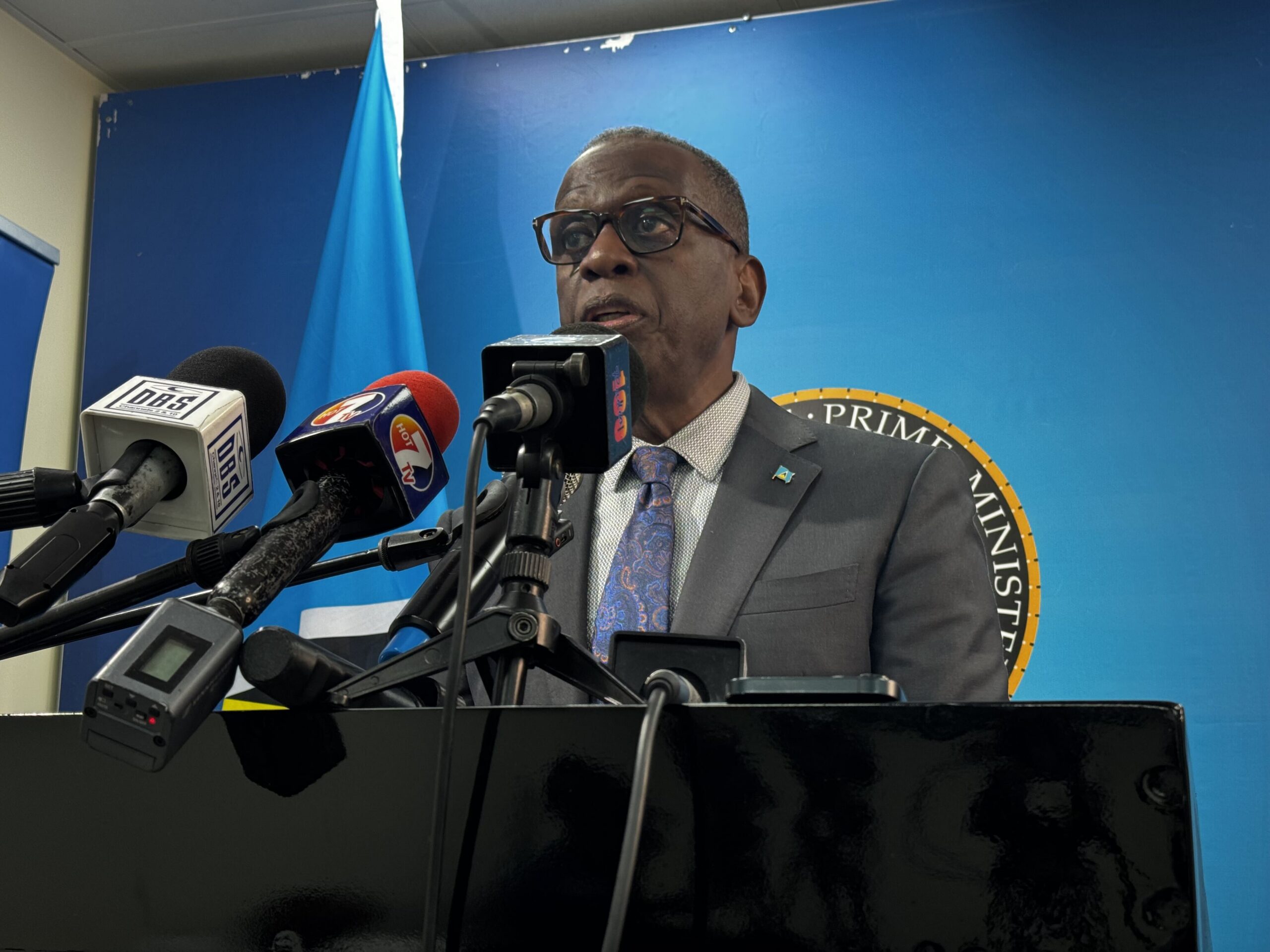
    Prime Minister Philip J. Pierre, who made the official announcement of the price changes during a pre-Cabinet press briefing on Monday, emphasized that the adjustment stemmed from external factors outside the government’s direct control. According to data released by the Prime Minister’s Office, global crude oil prices rose approximately 5.5% over the latest review period, pushing the commodity above the $100 per barrel threshold. Persistent geopolitical tensions across the globe have been the primary driver of this volatility, creating ongoing disruptions that have rippled through international energy supply chains and markets.

    This global upward trend has pushed up the cost of refined petroleum products in every region, and Saint Lucia is now experiencing the local fallout of these international shifts. Even with the price increases for transportation fuels, the Saint Lucian government has stressed that it continues to shoulder a large share of the growing energy burden through targeted consumer subsidies. A key priority for these subsidies is keeping liquefied petroleum gas (LPG), the most common cooking fuel for households across the island, price-stable to avoid adding extra strain to family budgets and local business operations.

    As a result of these government interventions, all LPG prices will remain unchanged. A 20-pound cylinder will still cost consumers $34.00, while a 22-pound cylinder holds at $38.00, a 100-pound cylinder at $288.50, and bulk LPG remains $2.76 per pound. Officials from the Prime Minister’s Office calculated that without the ongoing subsidies, consumers would face more than double the current price for cooking gas: a 20-pound cylinder would jump to roughly $69.46, a 22-pound cylinder would rise to $76.41, a 100-pound cylinder would hit $347.32, and bulk LPG would increase to $3.35 per pound.

    The government reaffirmed that the current subsidy framework is a core part of its long-term strategy to protect local households and businesses from being fully exposed to the extreme volatility of global energy markets, prioritizing cost stability for essential daily energy use.


  • Co-op Bank: Shareholders’ Outreach Forum

    Co-op Bank: Shareholders’ Outreach Forum

    Grenada Co-operative Bank has officially announced the upcoming J B Renwick | Arnold Williamson Shareholders’ Outreach Forum, an event designed to strengthen communication between the institution’s leadership and its investment stakeholders. In a formal public announcement, Board Chairman Darryl Brathwaite has extended a warm invitation to all registered shareholders of the bank to attend the collaborative gathering.

    Shareholders interested in participating in the forum are required to confirm their attendance by the official RSVP deadline of June 3, 2026. Confirmations can be submitted via two convenient channels: email to [email protected], or by phone to the dedicated contact line +1 (473) 405-1925.

    This outreach forum is framed as a key engagement opportunity for shareholders to discuss matters relevant to their holdings, including potential conversations around dividend policy, institutional performance, and future strategic direction for the Grenada Co-operative Bank.

    A standard content disclaimer accompanies the announcement, noting that outlet NOW Grenada does not take responsibility for opinions, statements, or third-party contributed media content shared alongside the announcement. Readers are provided with a pathway to report any content that violates platform guidelines in cases of abuse.

  • They Adjusted the Percentage. The Dollar Amount?

    They Adjusted the Percentage. The Dollar Amount?

    Belize’s leading business advocacy group is pressing the national government to deliver broader relief to strained consumers and enterprises, after a months-long push for fuel pricing transparency yielded only partial progress. Over the past two months, the Belize Chamber of Commerce & Industry (BCCI) has sent two formal communications to Prime Minister and Finance Minister John Briceño, centered on longstanding public and business frustration over the opaque system that sets retail fuel prices across the country.

    The first advocacy effort came in an April 21, 2026 letter, where the BCCI laid out its core demands: the government should provide a full breakdown of how domestic pump prices are calculated, detailing the individual contributions of excise taxes, General Sales Tax (GST), environmental charges, fuel supplier commercial margins, and imported landed costs. The business group also called for the resumption of regular public publication of detailed fuel price structure schedules, a practice that had previously been discontinued.

    In the letter, BCCI President Giacomo Sanchez emphasized that greater transparency would serve all stakeholders: it would allow the chamber to accurately update its member businesses, facilitate constructive public dialogue around energy policy, and empower ordinary Belizean households to make financial decisions based on clear, reliable information. He also requested a formal technical explanation of any active fuel price stabilization programs, including how the policies are activated, managed, and reflected in final prices paid by consumers.

    By late May, the government had partially responded to the BCCI’s request, reinstating the publication of fuel price composition breakdowns. The chamber welcomed this step in a follow-up letter dated May 27, 2026, but made clear that core problems with the country’s fuel pricing system remain unaddressed. Fuel costs still rank as one of the top drags on household finances and business competitiveness across Belize, the chamber stressed.

    The most pressing issue highlighted in the May correspondence is the disconnect between shifts in global crude oil markets and the retail prices Belizeans see at the pump. In recent adjustments, policymakers have cut the percentage-based tax burden on fuel, but the BCCI found that absolute dollar-denominated excise duties have held steady. This structure means that when global oil prices decline, the full benefit of those drops never reaches consumers or businesses at the pump.

    According to the BCCI’s analysis, this pricing dynamic has kept transportation and energy costs artificially high across the country, feeding into broader nationwide inflation and raising operating expenses for every economic sector from agriculture to tourism. To address this imbalance, the chamber is urging the government to implement targeted short-term interventions to ease pressure on the productive sector and ordinary households. Its key proposal is a temporary cut to fuel excise duties, a change that would allow more of the savings from falling international oil prices to pass through to retail consumers.

  • Moon Gate Hotel & Spa May 2026 Update

    Moon Gate Hotel & Spa May 2026 Update

    As the hospitality industry continues its post-pandemic recovery and adaptation to evolving traveler preferences, Moon Gate Hotel & Spa has released its much-anticipated development update for May 2026, outlining the brand’s ambitious growth and transformation plans over the coming three years.

    Leading hospitality industry observers note that the update comes at a pivotal moment, when consumers are increasingly prioritizing experiential travel, wellness-focused getaways, and sustainable accommodation options. Against this shifting market landscape, Moon Gate Hotel & Spa’s plans address key demand trends that are reshaping the global leisure and hospitality sector.

    According to the details shared in the update, the brand is investing over $45 million in property renovations and amenity expansions across its flagship location, set to be completed by the second quarter of 2026. The upgrades include a 12,000 square-foot expansion of the on-site spa, adding new treatment rooms, a float center, and a holistic wellness studio that will offer yoga, meditation, and nutrition workshops for guests. Additionally, the hotel plans to renovate 75 percent of its guest rooms and suites, incorporating eco-friendly building materials, energy-efficient systems, and smart room technology that allows for personalized guest experiences.

    The brand also announced plans to launch a new loyalty program tailored to frequent wellness travelers, offering exclusive access to special retreats, partner discounts with local outdoor activity providers, and personalized wellness itineraries. Moon Gate Hotel & Spa’s leadership emphasized that the updates are designed to position the property as a leading destination for travelers seeking both relaxation and transformative wellness experiences, while aligning the brand with global sustainability goals to reduce carbon emissions by 30 percent across operations by 2027.

    Industry analysts expect that the upgrades will strengthen Moon Gate Hotel & Spa’s competitive position in the upscale leisure hospitality market, drawing in both domestic and international travelers that have increasingly turned to wellness-focused getaways in recent years. Pre-booking for the renovated amenities and new retreat packages is set to open in the first quarter of 2026, ahead of the official launch in May.

  • Grenada launches major regional tourism and health programme

    Grenada launches major regional tourism and health programme

    Grenada has marked a major milestone for its critical tourism sector, becoming the 13th Caribbean nation to adopt the Caribbean Public Health Agency (CARPHA)-led Regional Tourism and Health Programme (THP). This region-wide initiative is designed to reinforce the long-term resilience, environmental sustainability, and global competitiveness of Caribbean tourism through targeted investments in cross-sector health security. The official launch of the programme took place on 28 May 2026 at Grenada’s Radisson Grenada Beach Resort, kicking off local implementation that will upgrade the island nation’s ability to track and address public health risks tied to travel and tourism. Through upgraded surveillance infrastructure, early threat detection systems, and coordinated multi-agency response protocols, THP will equip Grenada to respond faster to emerging public health events that could disrupt its tourism economy. Speaking at the launch ceremony, Minister of Health Hon. Philip Telesford, who officially inaugurated the programme, framed the initiative as both a critical public health safeguard and a high-impact strategic investment in Grenada’s economic future. “Tourism accounts for more than a quarter of Grenada’s gross domestic product and is one of our largest employers,” Telesford noted. “This new surveillance system acts as a persistent watchman, enabling us to identify potential public health threats at their earliest, most manageable stage. This effort is far more than a standard public health intervention: it is a strategic step to boost Grenada’s appeal as a travel destination, strengthen our industry’s ability to withstand shocks, and improve our overall preparedness.” Minister Adrian Thomas, who holds portfolios for Tourism, the Creative Economy and Culture, added that THP forms a core component of a broader national strategy to develop a healthier, safer, and more shock-resistant tourism sector. He extended recognition to CARPHA and the wide network of national and regional collaborating partners whose ongoing work has supported Grenada’s efforts to raise health and safety standards across every segment of its tourism industry. Thomas emphasized that the global COVID-19 pandemic laid bare the deep, inseparable connection between public health outcomes and tourism sector performance. “Uncertainty around health, safety, and food security can erode traveler confidence, deter cross-border travel, undermine investor trust, alter cruise line itineraries, threaten local jobs, and cut national revenue,” he explained. “We must maintain our commitment to training frontline tourism workers, strengthening surveillance systems for hotels and visitor sites, upgrading food safety and environmental health standards, integrating reliable health response planning to support our growing sports tourism goals, and ensure the Grenada tourism brand retains its reputation as a trusted, competitive, and resilient global destination.” Grenada’s Chief Medical Officer Dr. Shawn Charles also welcomed the launch of THP, stressing that timely detection and rapid response are non-negotiable for mitigating public health threats. “The ability to quickly detect, respond to, and report health-related incidents is critical to limiting disease transmission, stopping outbreaks from escalating, and protecting local communities,” Dr. Charles stated. “The Ministry of Health welcomes the standardized sharing of real-time data on health events across the tourism sector, and we are fully prepared to guide and support the rollout of evidence-based control measures as needed.” The launch ceremony also included addresses from Keston Daniel, CARPHA’s Visitor-Based Surveillance Coordinator, as well as Stacey Liburd, Chief Executive Officer of the Grenada Tourism Authority (GTA), and Arlene Friday, Chief Executive Officer of the Grenada Hotel and Tourism Association (GHTA). All three stakeholder leaders emphasized that the programme will play a key role in strengthening domestic and international confidence in Grenada’s tourism industry, and enhancing the destination’s long-standing reputation for safety and proactive preparedness. Parallel to the launch ceremony, a CARPHA delegation conducted an in-country working mission from 25 to 29 May 2026. During the mission, the team visited eight local tourism facilities to roll out training and introduce the Tourism Health Information System (THiS), a custom-built web-based platform that enables early reporting and real-time monitoring of public health events specifically for tourism properties. Six of the eight visited facilities have already completed registration on the THiS platform, bringing the total number of registered tourism entities across Grenada to 19. In addition to onboarding facilities to the new surveillance platform, the CARPHA delegation held working sessions with surveillance and environmental health officers from Grenada’s Ministry of Health to discuss the upcoming implementation and national rollout of two additional regional surveillance systems: the Caribbean Vessel Surveillance System and the Tourism and Mass Gathering Surveillance System. Both systems will further expand Grenada’s national public health surveillance capacity, creating a more robust, interconnected network of safeguards to protect both visitors and local communities.

  • CAIPO supports Grenada Chocolate Festival

    CAIPO supports Grenada Chocolate Festival

    The 13th iteration of Grenada’s iconic annual Chocolate Festival officially kicked off recently, with the opening ceremony backed by a collaborative partnership between the Corporate Affairs and Intellectual Property Office (CAIPO) operating under Grenada’s Ministry of Legal Affairs, Labour and Consumer Affairs, and the festival’s organizing committee. This year’s gathering centers on the theme “From Roots to Renaissance,” celebrating both the longstanding heritage of Grenada’s cocoa industry and its evolving future on the global stage.

    The opening event drew a diverse cross-section of key stakeholders spanning multiple connected sectors: from cocoa cultivation, chocolate production, and agriculture to tourism and intellectual property regulation. Attendees included leadership from the Grenada Cocoa Association, the Grenada Cooperative Nutmeg Association (GCNA), multiple government ministries, international development partners, independent artisan chocolatiers, smallholder and large-scale cocoa farmers, and visiting industry and policy experts from across the globe.

    Speaking on behalf of the Government of Grenada, Sen. The Hon. Claudette Joseph used her address to spotlight the island nation’s well-established international reputation as a leading producer of premium fine-flavoured cocoa. She emphasized that generations of dedicated Grenadian farmers have been central to nurturing the one-of-a-kind flavor profile and uncompromising quality that set Grenadian cocoa apart from global competitors. Beyond celebrating the festival’s milestone, the opening ceremony doubled as a critical national platform to advance conversations around formalizing Geographical Indication (GI) status for two of Grenada’s most iconic agricultural exports: Grenada Cocoa and Grenada Nutmeg. For context, Geographical Indications are a globally recognized form of intellectual property protection designed to safeguard products whose unique quality, reputation, and core characteristics are intrinsically tied to their geographic origin.

    CAIPO used the occasion to reaffirm its ongoing commitment to strengthening Grenada’s intellectual property regulatory framework, specifically through the active development of a national GI policy, supporting legislative frameworks, and formal technical standards for both Grenada Cocoa and Grenada Nutmeg. This regulatory work is being carried out in close coordination with key domestic stakeholders, including the Grenada Cocoa Association, GCNA, the Grenada Bureau of Standards, the Ministry of Agriculture, and the Ministry of Tourism. Robert Branch, Registrar of Corporate Affairs and Intellectual Property, explained that the GI initiative is a core component of the Grenadian government’s broader economic strategy to boost the global competitiveness of local origin-linked products, expand strategic branding opportunities, and increase the overall market value of these iconic goods.

    The 13th Chocolate Festival also created space for stakeholders to explore the future possibility of extending GI protection to Grenada Chocolate, a move that would further support the growth of value-added finished products within the island’s cocoa and chocolate sector. CAIPO also publicly acknowledged the ongoing support from its international development partners, particularly the Caribbean Intellectual Property Initiative (CarIPI) Project and the World Intellectual Property Organisation (WIPO). These organizations have provided critical technical guidance that has allowed Grenada to build out its GI regulatory infrastructure and expand productive engagement with industry stakeholders across the country.

    Attendees also highlighted an upcoming capacity-building initiative: the CarIP MentHERship Programme, titled “Women@Work With IP.” This targeted program is designed to support women entrepreneurs and professionals working in the chocolate sector and across Grenada’s broader intellectual property ecosystem, advancing gender equity in the industry.

    As Grenada continues to grow its international recognition for its premium, high-quality agricultural products, CAIPO has committed to continuing its work alongside local producers, industry partners, and global development agencies. The office’s core goal is to ensure Grenadian products receive robust intellectual property protection, gain targeted global promotion, and hold a strong competitive position in international markets. To close the event, CAIPO extended formal congratulations to the Grenada Chocolate Festival Committee, Grenada Cocoa Association, GCNA, local chocolatiers, and cocoa farmers for their ongoing work to preserve and elevate Grenada’s centuries-old cocoa heritage.

  • IICA to highlight agricultural entrepreneurship and food security at national seminar

    IICA to highlight agricultural entrepreneurship and food security at national seminar

    The Inter-American Institute for Cooperation on Agriculture (IICA) has announced plans to host its upcoming National Accountability Seminar in Dominica on June 3, 2026, a gathering designed to bring cross-sector stakeholders together to assess the institution’s recent work and chart a new course for strengthening the Caribbean nation’s agricultural landscape.

    Per an official press release from IICA, the full event theme is “From Local Fields to Regional Markets: Strengthening Food Security through Trade, MSMEs, and Accountability” — a framing that highlights the core priorities the seminar will address. As a dedicated space for retrospective and forward-looking discussion, the one-day event will center on reviewing all of IICA’s activities carried out across 2025, with a particular focus on unpacking the untapped potential of agricultural micro, small, and medium-sized enterprises (MSMEs) to drive progress across key national development goals. These include expanding food security, generating new employment opportunities, and stimulating sustainable economic growth in Dominica’s rural communities.

    The seminar will kick off with opening addresses from two senior leaders: Gregg C. E. Rawlins, IICA’s Representative for the Eastern Caribbean States, and Hon. Roland Royer, Dominica’s Minister for Agriculture, Fisheries, Blue and Green Economy. A centerpiece of the event’s official program is the formal presentation and handover of IICA’s 2025 Annual Report to Minister Royer, a key step in the institute’s commitment to public accountability for its work in the country.

    Beyond the annual report presentation, the agenda features a structured panel discussion focused specifically on the role that agricultural MSMEs play in advancing Dominica’s national development. During this session, participating stakeholders will exchange diverse perspectives on both the emerging opportunities and persistent barriers that shape the sector, as well as its outsized importance to long-term national economic progress. The panel draws participants from across public, private, and civil society spheres: Terri Henry-Lovell, Vice President of the Dominica Herbal Business Association; Narrin Murphy, Senior Relationship Officer for Corporate Banking at the National Bank of Dominica Ltd.; and Micah Walter, Coordinator for Private Sector Relations, Industry, Commerce and Innovation within the Ministry of Labour, Public Service Reform, Social Partnership, Entrepreneurship and Small Business Development.

    IICA has formally extended an open invitation to members of the local and international media to attend the event and cover its proceedings, which organizers expect will spark productive public dialogue around institutional accountability, expanded trade opportunities for agricultural producers, and the growing contribution of small-scale agricultural enterprises to Dominica’s overall development trajectory. The seminar will commence at 9:00 AM local time at the Public Service Union Conference Room, located on Valley Road in Dominica’s capital city of Roseau. Parties seeking additional details about registration or event logistics can contact the IICA Delegation based in Dominica for further information.

  • Boca Chica to receive new boardwalk, plaza and park in major tourism upgrade

    Boca Chica to receive new boardwalk, plaza and park in major tourism upgrade

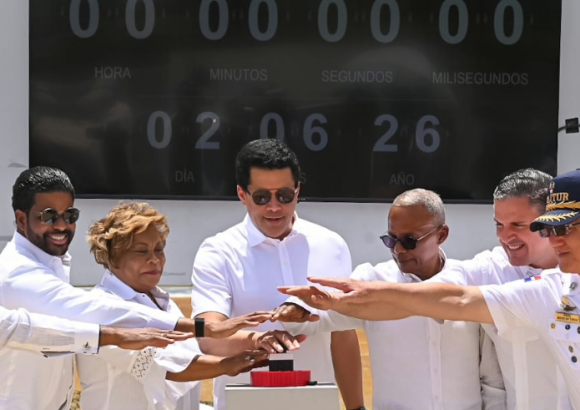
    BOCA CHICA – A sweeping multi-project infrastructure upgrade is underway in the popular coastal community of Boca Chica, after Dominican Republic Tourism Minister David Collado officially launched construction on three major public space developments. Together, the Andrés boardwalk, Plaza Caracoles, and Central Park renovation projects represent a total public investment exceeding RD$414 million, forming a core pillar of the national tourism ministry’s long-term strategy to reposition Boca Chica as a more sustainable, accessible, and economically vibrant destination for both local residents and international visitors.

    The centerpiece of the development package is the new Andrés boardwalk, the largest and most well-funded of the three initiatives. With a total investment allocation of RD$380.7 million, the project will span more than 53,800 square meters, running continuously from Brisas del Caucedo Street to the far end of Boca Chica’s beach corridor. Planned improvements extend far beyond a new pedestrian promenade: the scope includes full reconstruction of the waterfront, comprehensive overhauls of local roads and stormwater drainage systems, structural rehabilitation of the aging seawall, and the addition of new public amenities ranging from expanded parking lots and modern public lighting to curated landscaping, multi-use recreational facilities, public sports courts, dedicated children’s play areas, accessible public restrooms, and zoned commercial spaces for local businesses. The project also includes targeted upgrades to a key stretch of the Puerto Caucedo roadway, designed to cut congestion and improve overall traffic mobility for residents and visitors alike.

    Beyond the flagship boardwalk project, the tourism ministry has earmarked an additional RD$16.7 million for the complete reconstruction of Plaza Caracoles. The redesigned public space will prioritize pedestrian access and green infrastructure, adding expanded parkland, wider walkable corridors, updated lighting, new urban furniture, enhanced landscaping, and improved accessibility for visitors with disabilities. The third initiative, a full renovation of Boca Chica’s Central Park, carries a separate RD$17 million budget. Planned upgrades for the community’s central green space include expanded native plantings, resurfaced paved walkways, new accessibility ramps, and a complete modernization of the park’s shared public areas.

    In comments marking the launch of construction, Minister Collado emphasized that the three projects are more than just infrastructure upgrades: they are designed to drive long-term economic and social revitalization for the Andrés neighborhood, while supporting Boca Chica’s broader destination development strategy. That wider plan includes additional investments across the region, covering beach infrastructure, expanded public security facilities, preservation and restoration of local historic landmarks, and continued upgrades to shared public spaces that benefit both the local community and the tourism economy.

  • TWP Attorneys launches ‘Lunch and Learn’ initiative to strengthen development within the  legal profession

    TWP Attorneys launches ‘Lunch and Learn’ initiative to strengthen development within the legal profession

    KINGSTON, Jamaica — TWP Attorneys-at-Law, a prominent local legal practice based in the Jamaican capital, has unveiled its first-ever “Lunch and Learn” Initiative, an innovative professional development project built to bridge the gap between senior and junior legal practitioners through structured mentorship, open knowledge exchange, and intentional collaborative engagement. In an official statement announcing the launch, firm leadership explained that the new programme was created to address a rising unmet demand for organized mentorship frameworks across Jamaica’s legal sector. For years, many early-career attorneys across the country have cited a lack of accessible, structured guidance from experienced professionals as a key barrier to career growth, prompting TWP’s leadership to develop a solution tailored to local needs. Drawing on both decades of on-the-ground observation of Jamaica’s legal landscape and proven successful mentorship models from legal sectors in other countries, the initiative creates a dedicated, low-pressure space for veteran legal practitioners to pass down actionable practical insights, personalized career advice, and hard-earned professional lessons to the next generation of Jamaican lawyers. Unlike traditional training programmes that focus solely on technical legal skills and courtroom procedure, the “Lunch and Learn” sessions go beyond core legal education to introduce participants to the often-overlooked business side of running a legal practice. Key covered topics include efficient law firm operations management, strategic client relationship building, targeted business development for growing legal practices, and planning for long-term financial stability. While the programme is initially designed to support the ongoing professional growth of TWP’s own team of attorneys, firm leadership emphasized that the initiative is part of a broader commitment to lifting up Jamaica’s entire legal community. Through recurring “Lunch and Learn” sessions and expanded open mentorship opportunities, TWP aims to strengthen cross-firm professional connections, raise the bar for industry-wide excellence, and help nurture a more resilient, adaptive, and sustainable legal profession across the island. “The legal sector only grows and thrives when those with years of experience intentionally share their knowledge with those just starting their careers,” a firm representative shared in the statement. “This initiative is more than just an internal training programme — it is a reflection of our promise to support emerging legal talent and invest in the long-term future of our profession.” The launch event featured opening remarks from attorney Christopher Townsend, with dozens of attorneys from across the practice taking part in the inaugural session.