分类: business

  • Nigerian company becomes latest marketing CBI Agent

    Nigerian company becomes latest marketing CBI Agent

    A Nigerian firm, VTA Global Services, has recently been authorized as a Marketing Agent for Grenada’s Citizenship by Investment (CBI) program, marking a significant step in the country’s efforts to expand its reach across Africa. The license, effective from November 3, 2025, was officially announced in the Government Gazette on November 21, 2025, and signed by Thomas Anthony, CEO of the Investment Migration Agency (IMA).

    VTA Global Services, located in the upscale Osborne Foreshore area of Ikoyi, Lagos, specializes in providing global citizenship services, including those for Grenada, St. Lucia, St. Kitts and Nevis, Antigua and Barbuda, and the Dominican Republic. The company emphasizes its expertise in immigration consulting, aiming to secure positive outcomes for its clients.

    Nigeria has emerged as the leading African nation in terms of applications for Grenada’s CBI program, a trend that the IMA plans to extend to other African countries. In July 2025, Anthony highlighted Nigeria’s dominance in CBI applications and announced plans for a West African tour to promote the program further. The IMA has already engaged with Kenya through a collaboration with the Nairobi Chamber of Commerce, attracting over 100 participants to a recent event.

    The CBI program, launched in 2014, has become a significant revenue generator for Grenada, with marketing agents required to collaborate with local agents to submit applications for consideration. The program’s expansion into Africa aligns with Grenada’s broader strategy to attract investment and foster economic growth through immigration initiatives.

  • FIHAV announces new developments for Cuba’s high tourism season (+Photo)

    FIHAV announces new developments for Cuba’s high tourism season (+Photo)

    During the inauguration of the ‘Unique Cuba’ thematic area at the Ministry of Tourism’s FIHAV exhibition, which continues until November 29, officials highlighted significant advancements in the country’s tourism sector. Garcia, addressing the press, noted that the establishment of four wholesale markets managed by fully foreign-owned companies has markedly improved supply logistics for hotels in less than a year. This development underscores Cuba’s commitment to enhancing its tourism infrastructure through foreign investment. Deputy Prime Minister and Minister of Foreign Trade and Foreign Investment, Oscar Perez-Oliva, is set to announce new measures aimed at attracting foreign investment and bolstering business operations in Cuba. The tourism sector, which relies heavily on foreign investment, with nearly 70% of projects involving management-oriented investments, is also exploring hotel leasing models to grant greater autonomy to investors. Garcia also discussed the favorable impact of Canada’s shift away from American products, which has redirected travelers to Caribbean destinations like Cuba. Looking ahead, the 2026 International Tourism Fair in Varadero, Matanzas, will focus on Canada, reflecting a strategic approach to market expansion. While sun and beach tourism remain central, Cuba is also diversifying its offerings and targeting Latin American markets, including Mexico, Colombia, Peru, Brazil, and Argentina, to strengthen its position as a leading tourist destination by 2026.

  • Angostura looks to shake up New York

    Angostura looks to shake up New York

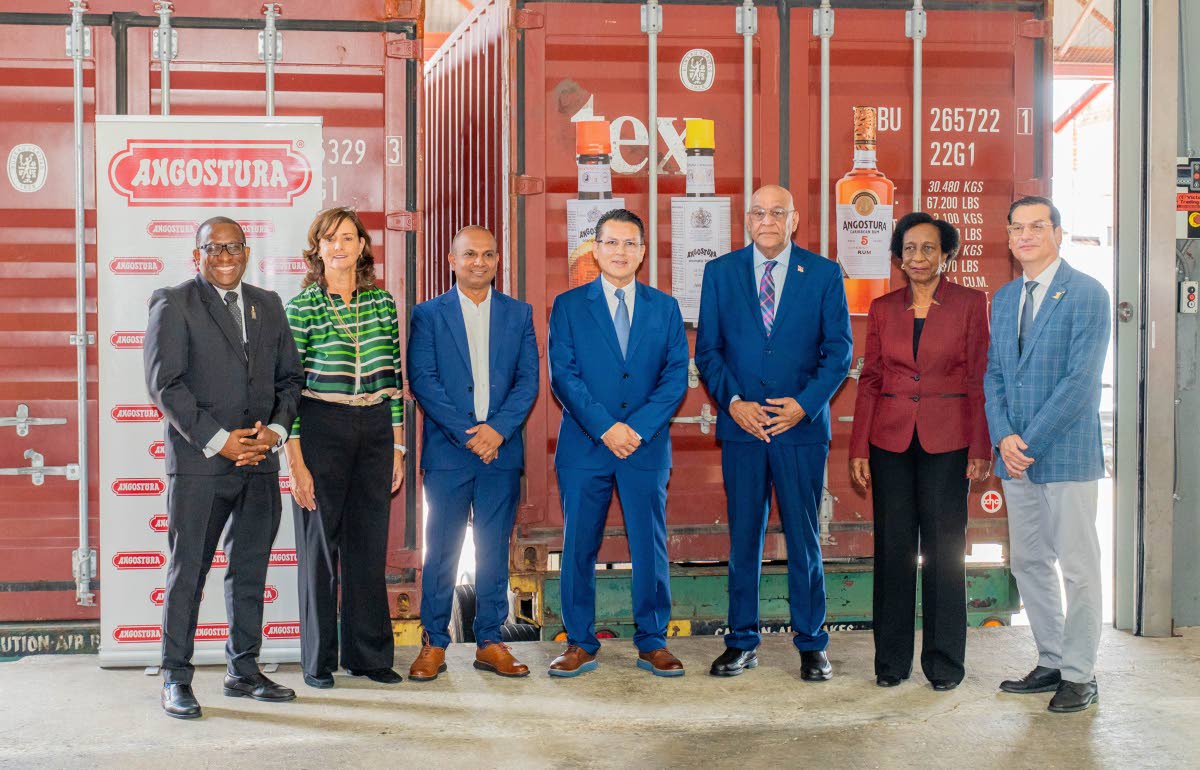
    Angostura, the renowned producer of bitters and premium rums, has embarked on an ambitious campaign in New York City to bolster its global brand recognition. The initiative, which spans the month of November, features large-scale advertisements on billboards, digital kiosks, and hand-painted walls in high-traffic areas such as Williamsburg and Lower Manhattan. These locations were strategically chosen for their vibrant cocktail culture and accessibility to public transit and on-premises venues. This campaign follows Angostura’s August appearance in Times Square, where its products were showcased in a 15-second looped advertisement on one of the world’s most iconic advertising platforms. The current campaign, themed ‘Inspiring Cocktail Creativity,’ aims to elevate everyday drinks into crafted cocktails, emphasizing the versatility of Angostura bitters. The United States, Angostura’s largest international market, is a focal point of this expansion effort. Ian Forbes, Angostura’s acting CEO, highlighted the campaign’s significance, stating, ‘Our goal is to deepen visibility, strengthen consumer relevance, and showcase how Angostura bitters transform mixology.’ Leesha Alexander, Angostura’s commercial manager, emphasized the company’s global reach, noting its presence in over 170 markets, including Greece, the UK, and even remote locations like Easter Island. Forbes also underscored the symbiotic relationship between Angostura’s bitters and premium rums, with the former paving the way for the latter’s international success. ‘Our premium rums are in approximately 60 countries, and Angostura bitters have opened doors for them,’ he said. This campaign marks a pivotal step in Angostura’s strategy to solidify its position as a global leader in the spirits industry.

  • CDB president urges greater collaboration between Africa and the Caribbean

    CDB president urges greater collaboration between Africa and the Caribbean

    In a compelling address at the African Investment Forum (AIF) Market Days, Daniel Best, President of the Caribbean Development Bank (CDB), emphasized the shared challenges and opportunities between Africa and the Caribbean. Speaking under the theme, “Bridging the Gap: Mobilising Private Capital to Unlock Africa’s Full Potential,” Best highlighted the critical need for partnership, discipline, and ambition to unlock large-scale capital and foster enduring development. Both regions face narrow fiscal space, climate vulnerability, and infrastructure gaps, which Best argued could be transformed into investable opportunities through innovative collaboration. He stressed that capital is a means to an end, with infrastructure only contributing to development when it enhances societal dynamism, inclusivity, and resilience. Best underscored the catalytic role of development finance institutions (DFIs) in shaping investment ecosystems, citing examples such as Dominica’s geothermal energy project and the Caribbean Catastrophe Risk Insurance Facility (CCRIF). He advocated for blended finance and public-private partnerships (PPPs) as essential tools to attract private capital and accelerate sectors vital for long-term competitiveness. Best called for deeper Africa-Caribbean collaboration in project preparation, PPP structuring, and climate resilience investment, noting that platforms like the AIF provide unparalleled opportunities to align stakeholders and scale proven models. The forum, which brought together leading international voices, focused on accelerating investment in critical sectors such as energy, transport, and healthcare. Discussions highlighted the transformative role of DFIs in de-risking projects, structuring investment products, and building confidence for private investors, reaffirming that collaboration and disciplined design are key to bridging the financing gap and delivering sustainable growth for both regions.

  • Campbell’s responds to employee’s ‘absurd’ claim it uses 3D-printed chicken

    Campbell’s responds to employee’s ‘absurd’ claim it uses 3D-printed chicken

    Campbell’s, the renowned food corporation, has vehemently refuted allegations made by a senior executive, Martin Bally, who claimed the company’s soups contain “3D-printed” chicken and are primarily consumed by “poor people.” Bally, the Vice President and Chief Information Security Officer, has been placed on temporary leave pending an internal investigation following a lawsuit filed by an employee, Robert Garza. Garza alleges that Bally made racist remarks and disparaged Campbell’s products during a profanity-laden tirade, which was secretly recorded and later shared with a Michigan-based media outlet. In the audio, Bally reportedly criticized Campbell’s “highly processed foods” as inferior and unsuitable for consumption, while also making derogatory comments about Indian employees. Campbell’s has firmly denied the claims, stating that their chicken is sourced from federally-approved suppliers and meets stringent quality standards. The company emphasized that it does not use lab-grown or bioengineered meat in its products, calling the allegations “absurd” and reaffirming its commitment to quality. The scandal has cast a shadow over the iconic brand, known globally for its canned soups, which have even been immortalized in Andy Warhol’s famous artwork.

  • Financing the Revitalisation Blueprint

    Financing the Revitalisation Blueprint

    In a bold move to reshape its economic landscape, Trinidad and Tobago (TT) has unveiled the Revitalisation Blueprint, a comprehensive strategy aimed at fostering diversification and global competitiveness. Spearheaded by the Prime Minister, the blueprint outlines 129 transformative projects designed to reduce the nation’s reliance on the energy sector and position it as a global logistical hub. Central to this vision is the strategic use of project finance and public-private partnerships (PPP), which aim to distribute risks and leverage private capital for public good. The government’s approach emphasizes attracting foreign direct investment (FDI), ensuring long-term sustainability, and fostering economic diversification. Key projects include a tourist resort on Carrera Island, a marina at Invaders Bay, and modern transport corridors, all expected to generate recurring revenue and create over 50,000 jobs. However, the ambitious plan is not without challenges. Critics have raised concerns about political and governance risks, macroeconomic instability, and execution hurdles. Despite these obstacles, the blueprint represents a pragmatic and innovative funding model that, if executed effectively, could deliver significant economic benefits without overburdening public finances.

  • Power play

    Power play

    In a decisive move to accelerate national power restoration efforts, Jamaica’s Energy Minister Daryl Vaz announced on Tuesday that the government has approved a $150 million emergency loan to the Jamaica Public Service Company (JPS). However, the government firmly rejected any early extension of JPS’s operating licence beyond its 2027 expiration. The loan, expected to be disbursed at a rate of $75 million per month, aims to expedite repairs to the electricity grid devastated by Hurricane Melissa on October 28. Vaz emphasized that the funds would enable JPS to mobilize resources and restore power to major areas by late January or early February 2024. The minister clarified that the loan is strictly separate from ongoing discussions about JPS’s licence renewal, ensuring no delays in recovery efforts. He highlighted that the government’s approach preserves its negotiating leverage, particularly as JPS had sought a 15-year licence extension in exchange for self-financed recovery. Vaz assured that the loan, spanning five years with an interest rate to be finalized by the Ministry of Finance, poses no risk to taxpayers. JPS has the option to repay the loan within two years, and if the company fails to secure a renewed licence by 2027, the government is prepared to acquire its assets. Updated assessments now estimate hurricane damage at $350 million, significantly lower than earlier projections of $480–$600 million. Meanwhile, JPS has suspended dividend payments until full restoration is achieved. Opposition energy spokesman Phillip Paulwell raised concerns about transparency, urging the government to secure concessions from JPS, including grid access, renewable energy flexibility, and cheaper power for industrial zones. Paulwell also called for structural reforms to address long-standing issues like monopoly control and electricity pricing, suggesting that the loan should push for greater flexibility in crisis situations, such as allowing private solar systems to share power with neighbours during outages.

  • Brace for a recession

    Brace for a recession

    The Planning Institute of Jamaica (PIOJ) has issued a stark warning about the economic fallout from Hurricane Melissa, a Category 5 storm that ravaged the island late last month. The catastrophic damage is expected to reverse recent economic gains, spike unemployment, and significantly reduce GDP, potentially plunging the nation into a recession in the coming quarters. Dr. Wayne Henry, Director General of the PIOJ, described the short- to medium-term economic outlook as ‘generally negative,’ projecting an 11-13% contraction in the current October-December quarter and an overall decline of 3-6% for fiscal year 2025/26. ‘The impacts of Hurricane Melissa are unprecedented, and the country must brace for a recession,’ Henry stated during the institute’s quarterly press briefing on Tuesday. A recession, typically marked by two or more consecutive quarters of declining GDP, often brings rising unemployment, reduced business investment, and lower consumer spending. This grim forecast follows a period of economic recovery after Hurricane Beryl in 2024, which the PIOJ had previously dismissed as a recession risk. However, the scale of Melissa’s destruction has forced a reassessment. James Stewart, Senior Director in the Economic Planning and Research Division, noted that economic growth is unlikely to return until late 2026, with a downturn expected for the next three to four quarters. The storm’s historic devastation has severely damaged residential and productive assets, wiping out an estimated 41% of Jamaica’s GDP. Key industries such as Agriculture, Tourism, Information and Communication, and Construction are among the hardest hit. Agriculture, in particular, faces severe challenges, as the seven most affected parishes account for 74% of domestic crop production and major livestock operations. Tourism, responsible for 90% of the island’s hotel room stock, has been crippled by temporary closures, reduced capacity, and a US Level 3 Travel Advisory. Preliminary data for October already shows an 18% drop in visitor arrivals. Infrastructure damage, halted capital projects, and curtailed transportation services further exacerbate the economic strain. Henry emphasized that while the projections are dire, they remain fluid and could change with new information. Recovery to pre-hurricane levels is conservatively estimated to take 3-5 years, given the extensive loss of productive assets. The PIOJ, supported by international partners, aims to complete its damage and loss assessment by mid-December. Despite a strong July-September quarter driven by election-related spending, tourism, and sports events, the economic outlook remains bleak. Agriculture had shown remarkable growth of 23.9% earlier in the year, but Melissa’s impact has erased these gains. For the first nine months of 2025, real GDP grew by 2.4%, supported by increases in the Goods Producing and Services Industries. However, the road to recovery will be long and arduous, requiring swift and effective humanitarian and economic recovery initiatives.

  • Dominica to commission geothermal power plant in December

    Dominica to commission geothermal power plant in December

    The government of Dominica has announced the commissioning of its 10-megawatt geothermal power plant next month, marking a significant milestone in the nation’s transition to a cleaner and more resilient energy sector. Finance Minister Dr. Irving McIntyre revealed that commercial operations are set to commence in the first week of March 2026, positioning the facility as a cornerstone in reducing energy costs and enhancing the country’s renewable energy infrastructure.

  • Guyanese gov’t says local content to expand

    Guyanese gov’t says local content to expand

    The Guyanese government has announced a significant overhaul of its local content certification process, set to take effect in January 2026. This new framework aims to enhance clarity, predictability, and efficiency for businesses seeking certification. The Ministry of Natural Resources, through the Local Content Secretariat, has outlined specific timelines for processing applications. Sole proprietorships and landlords will see new applications processed within five working days, with renewals completed in three days. Guyanese-owned companies and partnerships will have new applications processed within 15 working days, and renewals within 10 days. All other companies will experience a 21-working-day processing period for new applications and 15 days for renewals. These timelines will commence only after all required documents are submitted, ensuring a consistent and transparent process. An updated list of required documents will be available on the petroleum.gov.gy website. Additionally, stakeholders are encouraged to use the Local Content App, launched earlier this year, to streamline procurement access and strengthen local participation. A new online portal for application submissions will also be introduced in January 2026. The Local Content Act (LCA), enacted to prioritize Guyanese nationals and companies in the energy sector, has already facilitated over US$1.5 billion in contracts and procurement, benefiting 1,100 local companies by the end of 2024.