分类: business

  • $28M Industry, Fishers Say They are Shut Out of Decisions

    $28M Industry, Fishers Say They are Shut Out of Decisions

    Against the backdrop of Belize’s reputation for holding one of the Caribbean’s most progressive legal frameworks for sustainable fishing, a newly released independent audit has uncovered deep systemic flaws that put the nation’s $28 million annual fishing sector and thousands of coastal livelihoods at growing risk. The 2025 Belize Fisher’s Audit, carried out by global sustainable fisheries nonprofit Ocean Outcomes as a five-year follow-up to the organization’s first 2021 industry assessment, analyzed 29 key metrics spanning fisheries policy, wild fish stock health, and the sector’s socio-economic footprint in Belize.

    While the audit offered clear praise for the 2020 Fisheries Resources Act, framing the legislation as a robust, forward-thinking model for balancing environmental protection and industry activity, it warned that translating that strong legal framework into on-the-ground effective management remains far from complete. The most pressing gap identified is the chronic lack of systematic, standardized data on catches and landed fish across nearly all commercial species targeted in Belize’s waters. Without consistent, reliable reporting protocols, national fisheries regulators lack the information needed to accurately monitor the health of fish populations, set science-based harvest limits, and keep the public updated on the sector’s status. This lack of data is already problematic, with the audit noting that a number of high-value key species are already showing early signs of overexploitation.

    The risks of failing to address these gaps are enormous for Belize’s economy. The national fishing industry contributes approximately $28 million Belize dollars to the national economy each year, directly employing more than 3,300 people across coastal communities and supporting a total of up to 20,000 indirect and direct jobs. Yet beyond data gaps, it is the systemic exclusion of working fishermen from industry governance that sparked the most pointed criticism during the public unveiling of the audit findings.

    Speaking at a launch panel, Jorge Aldana, president of the San Pedro Fisher Folk Association, emphasized that working small-scale fishermen have been effectively locked out of the decision-making processes that directly determine the future of their livelihoods. “Fishermen have limited space in the decision-making process. In the national council, where fishermen are represented, we only have two seats, and those representatives are hand-picked by ministers or policymakers, not elected by actual working fishermen,” Aldana explained. “We the fishermen, from our 22 national associations, need to have an active role in selecting who speaks for us, so the real concerns of people working on the water can be heard.”

    To pull the sector back from growing risk, the audit lays out a series of urgent recommendations: improving cross-sector management transparency, expanding access to low-interest concessionary financing for small-scale independent fishers, and ensuring that local community and working fisher voices are meaningfully included in upcoming decisions on fish stock rebuilding, a process that is set to move forward in the near term.

  • Elon Musk becomes world’s first trillionaire

    Elon Musk becomes world’s first trillionaire

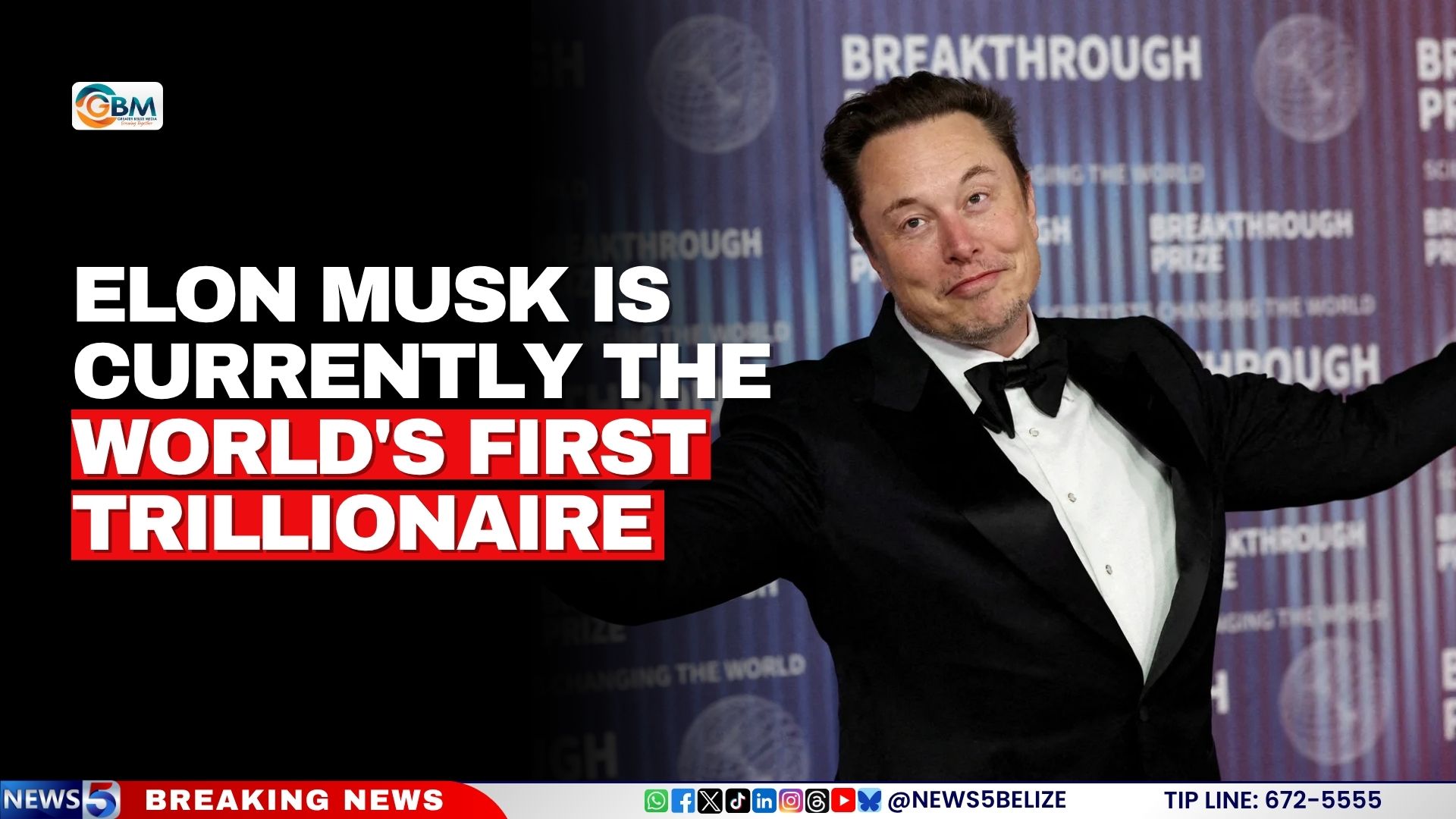
    On June 12, 2026, aerospace and technology giant SpaceX wrapped up its long-awaited initial public offering, a momentous milestone that catapulted its founder and CEO Elon Musk into an unprecedented league of wealth: the world’s first individual with a net worth crossing the $1 trillion threshold.

    The public market debut triggered an extraordinary wave of investor demand, driving SpaceX’s total valuation to nearly $2 trillion. Market enthusiasm for the company has been anchored in two core assets: its fast-expanding Starlink satellite internet network, which already serves millions of users across the globe, and its audacious long-term space exploration initiatives, including plans to establish the first human settlements on Mars. The IPO surge pushed Musk’s personal net worth to an estimated $1.1 trillion, securing his place as the wealthiest person in recorded human history.

    Breaking down the components of Musk’s massive fortune, nearly 70% of his total wealth comes from his 38% ownership stake in SpaceX, which is currently valued at roughly $765 billion. His shares in electric vehicle and clean energy leader Tesla contribute an additional $276 billion, while his smaller stakes in brain-computer interface startup Neuralink and underground infrastructure firm The Boring Company round out the rest of his holdings. To contextualize the scale of this wealth: Musk’s net worth is approximately three times higher than that of the world’s second-richest individual, Larry Page, and matches the entire annual gross domestic product of Switzerland, one of the world’s wealthiest nations by GDP.

    This historic milestone has ignited widespread debate across global financial, tech and policy circles. Proponents of Musk frame his achievement as a powerful validation of risk-taking, disruptive innovation and unorthodox entrepreneurial vision, arguing that his work has reshaped multiple industries from electric vehicles to space travel. However, skeptics have raised pointed concerns that SpaceX’s current post-IPO valuation is heavily inflated and disconnected from underlying business fundamentals. For instance, independent analysts at Morningstar have calculated that SpaceX’s fair market value stands at just $78 billion, a figure that is less than 5% of the $1.77 trillion valuation targeted during the IPO process.

    Even amid these lingering questions over valuation, Musk’s unprecedented rise to a trillion-dollar net worth underscores the outsize influence that his portfolio of companies now holds over both global financial markets and the trajectory of technological development. This landmark shift in personal wealth concentration does not only reshape the global billionaire ranking and financial landscape: it also brings urgent new scrutiny to whether such extreme valuations can remain sustainable over the long term, and what the broader social and economic impacts are of one individual accumulating financial resources on this unprecedented scale.

  • Elon Musk is Currently the World’s First Trillionaire

    Elon Musk is Currently the World’s First Trillionaire

    In a landmark milestone that has sent shockwaves through global financial markets, Elon Musk has cemented his place in history as the world’s first person to amass a net worth exceeding $1 trillion, propelled by a stellar first-day trading surge for his aerospace pioneer SpaceX on the U.S. public markets.

    SpaceX opened trading on June 10 with an initial public offering (IPO) price set at $135 per share. By the following morning’s early trading window, shares had skyrocketed roughly 20% to hit $162 apiece, pushing the space exploration company’s total market capitalization across the $2 trillion threshold. This jump came amid overwhelming retail investor enthusiasm that saw the stock become the second-most purchased equity on its debut day, trailing only chip and AI giant Nvidia.

    Musk holds a 38% controlling stake in SpaceX, which alone is valued at roughly $800 billion at the current traded share price. When combined with his 10% stake in electric vehicle manufacturer Tesla, worth approximately $165 billion, plus his portfolio of other smaller private and public investments, his combined wealth pushed across the once-unthinkable $1 trillion mark for the first time ever. To put this unprecedented fortune in perspective, the entire 2026 national budget of Belize totals just $1.9 billion — Musk’s net worth is more than 526 times that entire national government budget.

    Prior to SpaceX’s IPO, financial publication Forbes had already estimated Musk’s net worth at close to $980 billion, meaning only a modest uptick in the company’s share price was enough to push him across the trillion-dollar threshold. In the first 20 minutes of public trading alone, small-scale retail investors injected $18 million into SpaceX stock, underscoring the broad public enthusiasm for the aerospace firm that has revolutionized commercial space launch and NASA crew missions.

    It is important to note that Musk’s trillion-dollar status is not held in liquid cash or bank reserves. Nearly all of his wealth is tied up in equity stakes in the companies he founded and leads, and a standard IPO lock-up agreement bars him from selling any of his SpaceX shares for 366 days after the public listing. Market analysts have also issued a cautious note that his historic title hinges entirely on sustained high share prices for SpaceX: a drop in the stock to just $138 per share would pull his net worth back below the $1 trillion mark, erasing his unique status as the world’s first trillionaire.

  • Belastingbetaler moet in 2026 ruim SRD 45 miljard opbrengen

    Belastingbetaler moet in 2026 ruim SRD 45 miljard opbrengen

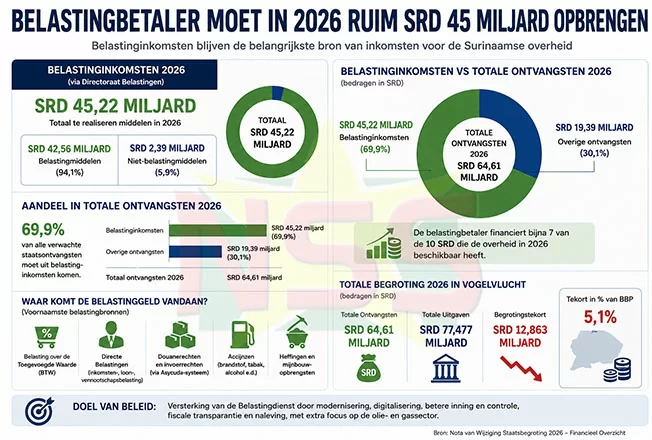
    Newly released budget adjustment documents for Suriname’s 2026 fiscal year outline a revenue framework where domestic tax contributions will remain the backbone of state income, with the Tax Directorate under the Ministry of Finance and Planning projecting total collections of more than SRD 45.2 billion for the year.

    Of this total projected collection, SRD 42.56 billion will come from various tax streams, while the remaining SRD 2.39 billion will be generated from non-tax government revenue sources. The breakdown confirms that the Surinamese government remains heavily reliant on taxpayer contributions to fund public expenditures, as the projected tax revenue makes up roughly 70% of all expected state incoming funds for 2026, which are forecast to hit a total of SRD 64.6 billion overall.

    Budget documents also break down the key sources of projected tax revenue. Value-Added Tax (VAT) is expected to be one of the largest single contributors, bringing in an estimated SRD 10.5 billion in 2026. Payroll and income tax will account for an even larger share, with projected collections of SRD 18.3 billion. Import duties remain a stable core revenue source, forecast to generate SRD 5.6 billion, while motor fuel taxes are projected to add an additional SRD 3.74 billion to state coffers.

    To hit these higher revenue targets, the Ministry of Finance and Planning has outlined a series of strategic reforms for the national tax authority. The government plans to boost collections through further digital transformation of tax administration, stricter compliance audits, clearing backlogs of unpaid tax obligations, and streamlining overall collection processes. A key focus of enhanced oversight will be improving revenue tracking for major natural resource sectors, including oil, gas, gold and timber, which are expected to deliver growing contributions to state revenue in coming years.

    Tax authority reform will remain a policy priority in 2026, with ongoing investment in modernizing organizational structures, improving collection and compliance monitoring, expanding digital tax systems, and upgrading support services for taxpayers. The government will also continue building out three core fiscal infrastructure projects: the full implementation of VAT, modernization of direct tax administration, and expansion of the ASYCUDA customs automation system.

    Additional policy attention will go to strengthening fiscal transparency, improving compliance with tax regulations, and making collection processes more efficient. Ministry officials note that a strengthened, modern tax authority is critical to securing stable government revenue and adequately supporting future economic development, particularly the rapid expansion of Suriname’s emerging oil and gas sector.

    Over the coming years, the tax authority will take on an increasingly prominent role in managing and collecting revenue from the development of the oil and gas sector. To that end, the government is developing targeted fiscal legislation and oversight frameworks designed specifically for the energy sector. While taxpayers will remain the largest source of state funding in 2026, the government is also counting on growing additional revenue from mining, energy and oil operations to further strengthen the country’s overall public finances.

  • Mission IMF says country’s economy will grow by 4%, suggests prudent fiscal policy

    Mission IMF says country’s economy will grow by 4%, suggests prudent fiscal policy

    Following a concluding staff evaluation mission led by senior official Ricardo Llaudes, the International Monetary Fund (IMF) has released an upbeat yet cautious economic outlook for the Dominican Republic, forecasting 4% gross domestic product growth for the current year. The multilateral lender also projects that the nation’s inflation will hold steady within a targeted range of 3% to 5%, a forecast that signals relative macroeconomic stability for the Caribbean economy. The mission, which held in-depth talks with Central Bank Governor Héctor Valdez Albizu and senior leadership from the Ministry of Finance and Economy, collected and analyzed preliminary economic performance data from both public and private sector stakeholders across the country.

    Llaudes emphasized that the Dominican economy has outperformed many peer economies even amid persistent global economic headwinds, pointing to sustained strong cross-border income streams that continue to drive expansion. Key growth engines, including export activity, the critical tourism sector, and inflows of foreign direct investment, all remain at healthy high levels, according to the IMF assessment. These robust sectors are expected to keep the nation’s current account deficit contained to just slightly above 1.5% of GDP, a manageable gap that poses little immediate threat to macroeconomic stability.

    On the financial sector front, the IMF delegation confirmed that Dominican Republic’s banking and financial system remains strongly resilient, bolstered by solid capitalization levels that meet international regulatory requirements and consistent healthy profitability across institutions. To lock in this stability and support long-term expansion, the organization stressed that continuing a cautious, prudent fiscal policy framework remains non-negotiable. This strategy, the IMF notes, must be rooted in strict adherence to the nation’s existing fiscal rule while prioritizing the protection of critical capital spending that drives long-term infrastructure and productivity growth.

    Central Bank Governor Valdez Albizu echoed the IMF’s assessment, reaffirming that the Dominican central bank is closely tracking the spillover effects of external economic shocks to proactively adjust monetary policy as needed. He also highlighted the Dominican economy’s proven ability to withstand volatility in global markets, and confirmed that the central bank aligns with the IMF’s 4% growth projection for the current year.

  • Husband and wife jailed for operating Ponzi scheme in Guyana

    Husband and wife jailed for operating Ponzi scheme in Guyana

    GEORGETOWN, Guyana – In a landmark ruling for financial crime enforcement in Guyana, a local court has handed down convictions and custodial sentences to two operators of a massive illegal Ponzi scheme, following a months-long investigation by the country’s Special Organised Crime Unit (SOCU).

    Cuban national Yuri Garcia Dominguez and his Guyanese spouse Ateeka Ishmael were found guilty on multiple charges stemming from their fraudulent operation between May 18 and October 16, 2020, based out of Coldingen on East Coast Demerara. Presiding Magistrate Sunil Scarce, delivering judgment at the Vigilance Magistrates’ Court, imposed a one-year prison sentence and a GY$1 million fine on each defendant for the core charge of running an illegal Ponzi scheme.

    Additional penalties were issued for a second offense: conducting unregistered financial business without accreditation from the Guyana Securities Council. For this violation, Dominguez received an 18-month prison sentence and a GY$100,000 fine, while Ishmael was handed a six-month prison term and an identical GY$100,000 fine. For context, one Guyana dollar is equivalent to 0.008 US cents, putting the combined fines for the pair at just over US$17,600.

    The case was initiated after hundreds of Guyanese residents filed official complaints, reporting that they had lost hundreds of millions of Guyana dollars in total after investing their savings into the fraudulent scheme. After gaining investors’ trust, Ponzi schemes pay returns to early participants using funds collected from newer investors, eventually collapsing when new investment dries up and leaving late participants with total losses.

    In an official statement following the ruling, SOCU framed the convictions as a critical milestone in upholding the South American country’s financial crime legislation. The agency noted the outcome marks significant progress in cracking down on unregulated investment schemes, curbing unauthorized financial activity, and safeguarding ordinary residents from exploitative criminal financial operations.

    SOCU Deputy Commissioner Fazil Karimbaksh reaffirmed the unit’s ongoing commitment to rooting out financial crime across the country, including securities violations, suspected money laundering, and offenses linked to criminal proceeds. Karimbaksh added that SOCU will continue to prioritize bringing cases of this nature before the courts, aligned with Guyana’s broader national framework countering money laundering, terrorist financing, and transnational financial crime.

  • The future of tourism in the Dominican Republic “will depend largely” on its regulation

    The future of tourism in the Dominican Republic “will depend largely” on its regulation

    The Dominican Republic’s tourism sector has been posting consistent expansion, driven by growing industry competitiveness and ongoing efforts to diversify its travel offerings. But this upward trajectory is not without headwinds, and public officials and private industry leaders have converged on a clear conclusion: strategic territorial land-use planning will stand as the sector’s most pressing regulatory challenge over the coming 10 years.

    Speaking on the shared assessment, Vice Minister of Tourism Jacqueline Mora emphasized that the long-term trajectory of Dominican tourism hinges on the country’s ability to map out territorial growth strategically, tailoring plans to the unique environmental, cultural and market characteristics of each individual travel destination.

    Mora explained that the global tourism industry has undergone a fundamental structural shift, moving away from a hotel-centric model to one where the destination’s natural territory and authentic visitor experience have become the primary draw for modern travelers. Hotel infrastructure, she noted, now plays a secondary complementary role rather than leading the appeal of a destination.

    “Tourism is evolving right alongside shifting global demographics and changing traveler expectations, who are actively searching for unique, differentiated experiences today,” Mora added. “The destination and its territory are now the main attraction, far beyond the hotel itself. The unique attributes of each location are reshaping tourism into something radically different from what it was decades ago.”

    Beyond the core task of spatial planning, Mora outlined two interconnected challenges tied to land-use regulation: strengthening legal certainty for tourism investors and updating the country’s existing tourism incentive legislation. Current policies, she noted, may need targeted adjustments to align with new territorial land-use frameworks and ensure development aligns with the specific needs of each region.

    “There are other closely linked challenges tied to territorial regulation, most notably guaranteeing legal security for tourism investors,” Mora explained. “Our current tourism incentive law will likely require a full review to align it with new territorial planning policies, which are built around the unique natural characteristics and diversity of each Dominican territory.”

    For his part, Andrés Marranzini, president of the Dominican Association of Tourism and Real Estate Companies (Adeti), echoed the focus on land-use planning, noting that during legislative negotiations over the new law, the private tourism sector pushed to formalize tourism territorial planning as a standalone regulatory category.

    Marranzini pointed to a key gap the sector has identified: the new land-use law positions local municipal governments as the lead decision-makers for territorial development, and requires that local municipal bodies have the technical capacity to match the demands of the new regulatory framework. This requirement, he argued, poses a significant risk for the tourism industry, given the current capacity constraints in many popular destination municipalities.

    Marranzini stressed that even though tourism destinations are rooted in local communities, their economic impact resonates across the entire country, per reporting from local outlet Diario Libre. For that reason, he said, long-term development decisions for these zones must be guided by national-level technical expertise and long-range strategic planning, rather than purely local governance.

    “The core challenge that new territorial planning legislation poses, both for developers building new projects and stewards looking after existing destinations, is whether local municipalities have the technical capacity to implement a regulatory framework that requires thinking beyond immediate needs and planning for decades ahead,” Marranzini added.

    Despite the varied challenges laid out, both public sector and private industry leaders agreed that getting territorial land-use planning right will be a make-or-break factor for locking in consistent, sustainable growth for Dominican tourism over the next decade.

  • Local businesses equipped with digital tools to compete globally

    Local businesses equipped with digital tools to compete globally

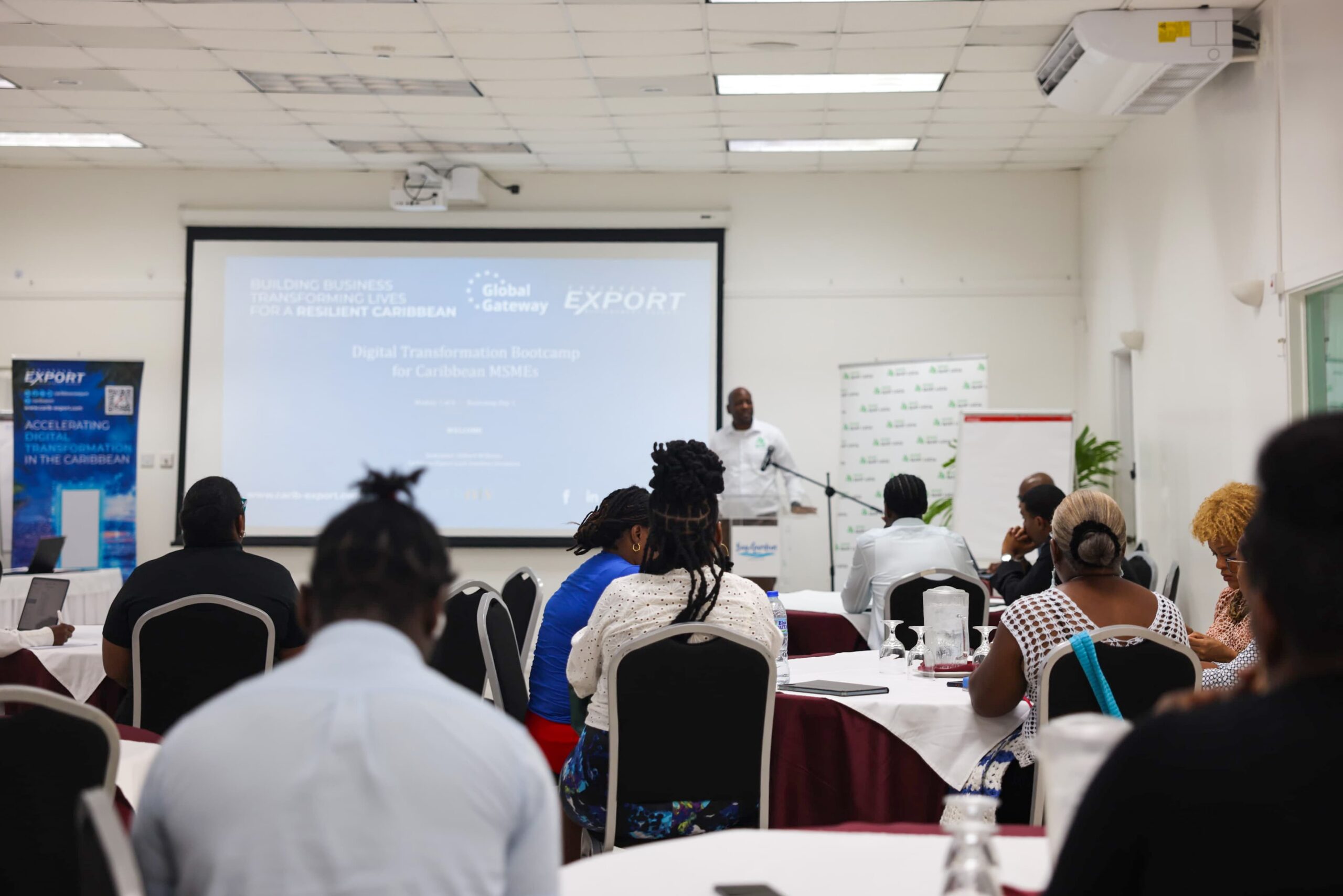
    A four-day targeted digital capacity-building initiative, organized jointly by Export Saint Lucia and the Caribbean Export Development Agency, has brought together local micro, small and medium-sized enterprises (MSMEs) and export-focused businesses across Saint Lucia to upskill their teams and prepare for the demands of the modern digital economy.

    Designed to address long-standing gaps in digital adoption among Caribbean private sector groups, the bootcamp set out to deliver actionable, practical digital tools that participating Saint Lucian companies can leverage to boost their competitiveness, expand into untapped domestic markets, and break into new international export channels. More than 40 business operators signed up for the program, bringing a diverse mix of industry backgrounds ranging from manufacturing and health and wellness to hospitality accommodation and professional services.

    Speaking at the official opening ceremony, Kelvin Jn Baptiste, a Technical Officer at Export Saint Lucia, emphasized that digital transformation can no longer be treated as a secondary, non-urgent priority for regional economies. “For too many years, meaningful digital inclusion has not received the focused attention it requires across our business community,” Jn Baptiste explained. “While our public sectors have made notable progress rolling out e-government services, our private sector — and especially our MSMEs — have faced significant, steep barriers to adopting digital tools. This bootcamp aims to equip these 40 local MSMEs with the exact, tailored tools needed to close this persistent gap.”

    Over the course of the four-day event, participating business leaders and their teams worked through a curated curriculum covering high-impact digital topics critical to modern business operations, including core digital transformation frameworks, cloud-based productivity tools, practical artificial intelligence applications for small businesses, data analytics for customer and operational insights, e-commerce strategy for cross-border sales, and cybersecurity best practices to protect business assets. Each module was selected specifically to help participating businesses streamline internal operations, cut unnecessary costs, and maintain an edge over competitors in an increasingly digital global marketplace.

    One of the flagship offerings of the program is a post-bootcamp support initiative: the top 20 performing participating businesses will receive a fully customized digital transformation roadmap, tailored to their specific industry, size, and growth goals. This roadmap will lay out clear, step-by-step actionable guidance to help these companies integrate new digital tools and strategies into their daily operations, rather than leaving them to navigate the process independently.

    Jonathan Seecharan, Innovation and Digital Business Officer at Caribbean Export, urged attendees to fully engage with the resources and networking opportunities made available through the bootcamp. “We are putting powerful tools directly in your hands, but it is up to each business to put those tools to work to close the digital gap,” Seecharan noted. “There is no question that right here in this room, we have all the talent, creativity, and resilience needed to compete successfully with any business on the global stage.”

    Program organizers emphasized that initiatives like this digital bootcamp fill a critical need: as rapid technological advancement continues to reshape the global marketplace, targeted upskilling support for local MSMEs ensures these businesses can adapt, grow, and capture new export opportunities rather than being left behind by digital change.

  • Harris Paints Makes History with Launch of Quantum Dry™

    Harris Paints Makes History with Launch of Quantum Dry™

    A Caribbean-based paint manufacturer has made a landmark breakthrough in the global coatings industry, launching what experts are calling the world’s first single-base dry tinting system for decorative paint that promises to raise the bar for colour accuracy, operational efficiency and environmental sustainability.

    Harris Paints, headquartered in Barbados, pulled back the curtain on its new Quantum Dry system at a launch event held this week at the company’s corporate office. The launch comes four years after the firm first revolutionized regional and global paint production with its pioneering Quantum i12 single-base colour system, a Caribbean-born innovation that redefined colour consistency for the industry.

    The original Quantum i12 platform, which has been widely adopted by paint retailers across Antigua, was the first industry system to use a single base formula to produce cleaner, more vivid and reliably consistent colours than traditional multi-base alternatives. The success of that initial innovation led Harris Paints to spin its Quantum technology portfolio into a dedicated subsidiary, The Quantum Corporation, which has since expanded the platform with a proprietary artificial intelligence-powered colour matching tool and now licenses its technology to paint manufacturers across the globe. Today, paints produced using Caribbean-originated Quantum technology are sold as far as Italy and Bangladesh, with new market expansions planned in the coming year.

    Quantum Dry, the latest iteration of the company’s single-base platform, leverages specialized solid pigment pearls developed by Vibrantz Technologies, a global leader in advanced materials and colour solutions, to tint single-base paint. This marks a sharp break from traditional made-to-order architectural paints, which rely on liquid colourants for tinting. According to Quantum Corporation leadership, the new dry pearl system delivers meaningful upgrades to three core pillars of paint production: colour accuracy, batch-to-batch repeatability, and environmental sustainability.

    “The beauty of dry tinting lies in its fundamental simplicity,” said Angelo Vincenzi, co-CEO of The Quantum Corporation. “Precision control of liquid colourants to guarantee consistent performance requires a huge array of complex technical workarounds. Vibrantz has engineered a unique process that encapsulates pure, water-free pigment into a solid dry pearl. This makes the entire Quantum Dry system cleaner, simpler, and far more resilient to operational variables, and we see enormous untapped potential for this technology across the global industry.”

    Dry pigment pearl tinting has grown in popularity across the global paint sector in recent years, particularly in European markets where environmental regulatory standards have grown increasingly strict. Until this launch, however, dry pigment technology was only available for traditional multi-base tint systems, and had not been adapted for the streamlined single-base approach that Quantum pioneered.

    “Dry tinting is widely recognized as one of the most important forward-looking directions for the entire paint industry,” added Antonio Vasconcellos, the other co-CEO of The Quantum Corporation. “Quantum Dry represents a fundamentally more sustainable approach to tinting paint. By cutting down on unnecessary additives, rolling out more easily recyclable packaging, and shrinking the overall carbon footprint of the tinting process, the system dramatically reduces environmental impact without any compromise to paint or colour performance. In fact, the specialized dispensing process for the dry pearls actually delivers more accurate and repeatable colour results than traditional liquid tinting, building on the already unique advantage of our Quantum i12 single-base framework.”

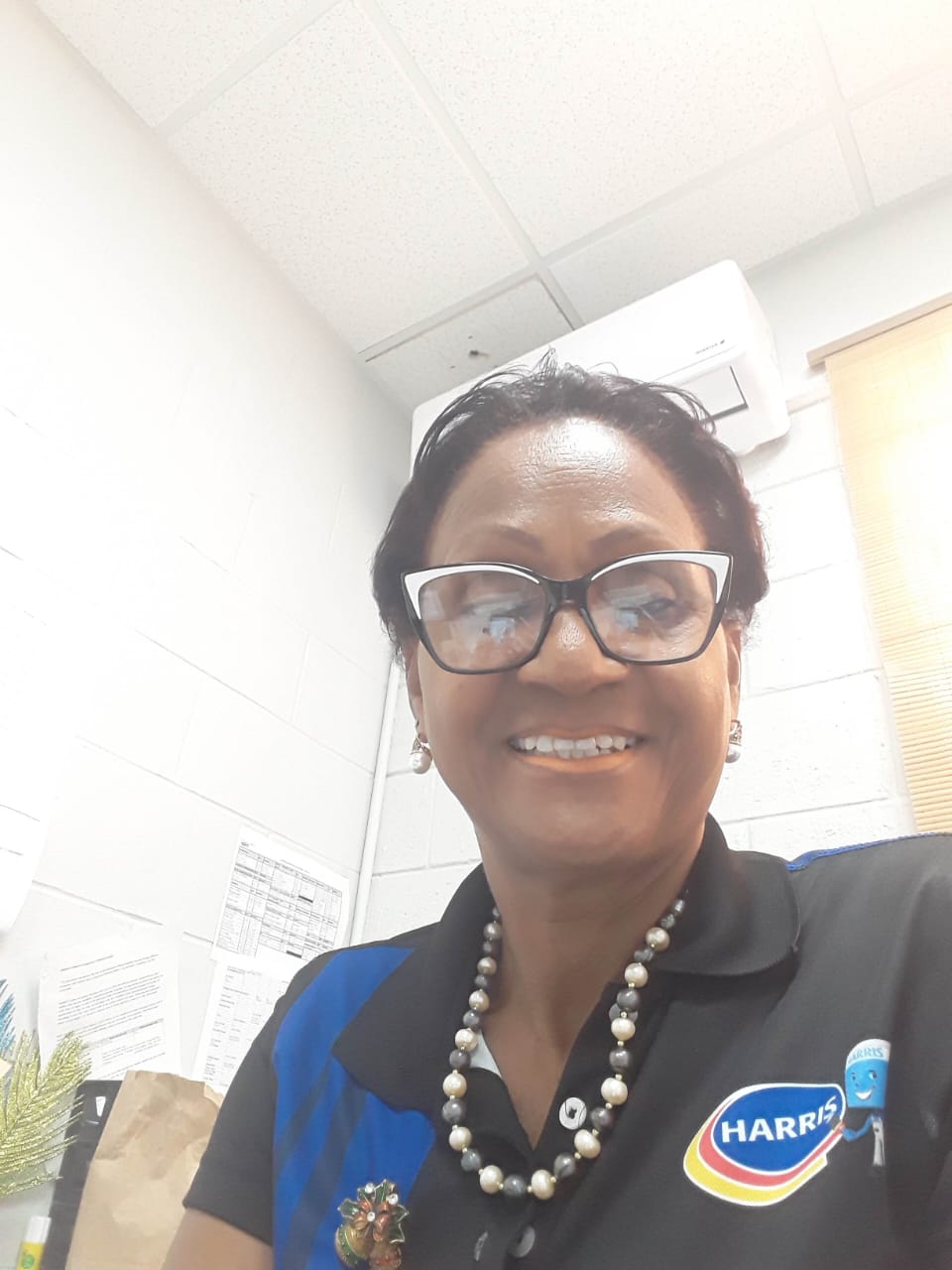
    Don Gooding, Colour Delivery Manager for the Harris Paints Group, emphasized the tangible operational benefits that the original Quantum i12 system has already delivered to regional paint retailers, noting that the new dry technology will build on those gains. “Quantum i12 was a true game-changer for our business. It allowed us to offer retailers across the Caribbean major operational advantages and huge efficiency gains, from lower inventory and storage requirements to simpler stock management, all while maintaining exceptional colour performance standards,” Gooding explained. “It streamlined and simplified the entire colour production process, and it’s delivering better results than ever for colour consistency and colour matching. We are incredibly proud to be the first paint supplier in the world to partner with Quantum and Vibrantz to bring this new dry technology to single-base tint systems, and we are eager to refine its integration across our operations as we scale.”

    Harris Paints will first roll out the new Quantum Dry tinting system in its most eco-conscious product line: Ulttima Pure Zero VOC Interior Flat Emulsion, which will be the first commercial product available with the new tint technology. Initially, the system will only be available at the company’s Wildey retail location in Barbados, as the team executes a deliberate phased rollout plan to ensure long-term performance, colour consistency, and scalable production.

    “This launch is not just another new product rollout for us—it’s a historic first step, and it reinforces Harris Paints’ track record of bringing first-to-market innovation to the global paint industry,” Gooding noted. “This innovation also highlights how Quantum technology has allowed Harris to expand its global footprint dramatically. With Quantum Dry, we aren’t just launching a new colour system—we’re helping shape the future of sustainable paint technology for the entire world.”

  • OP-ED: In an uncertain global trading order, is the WTO still relevant to the Caribbean?

    OP-ED: In an uncertain global trading order, is the WTO still relevant to the Caribbean?

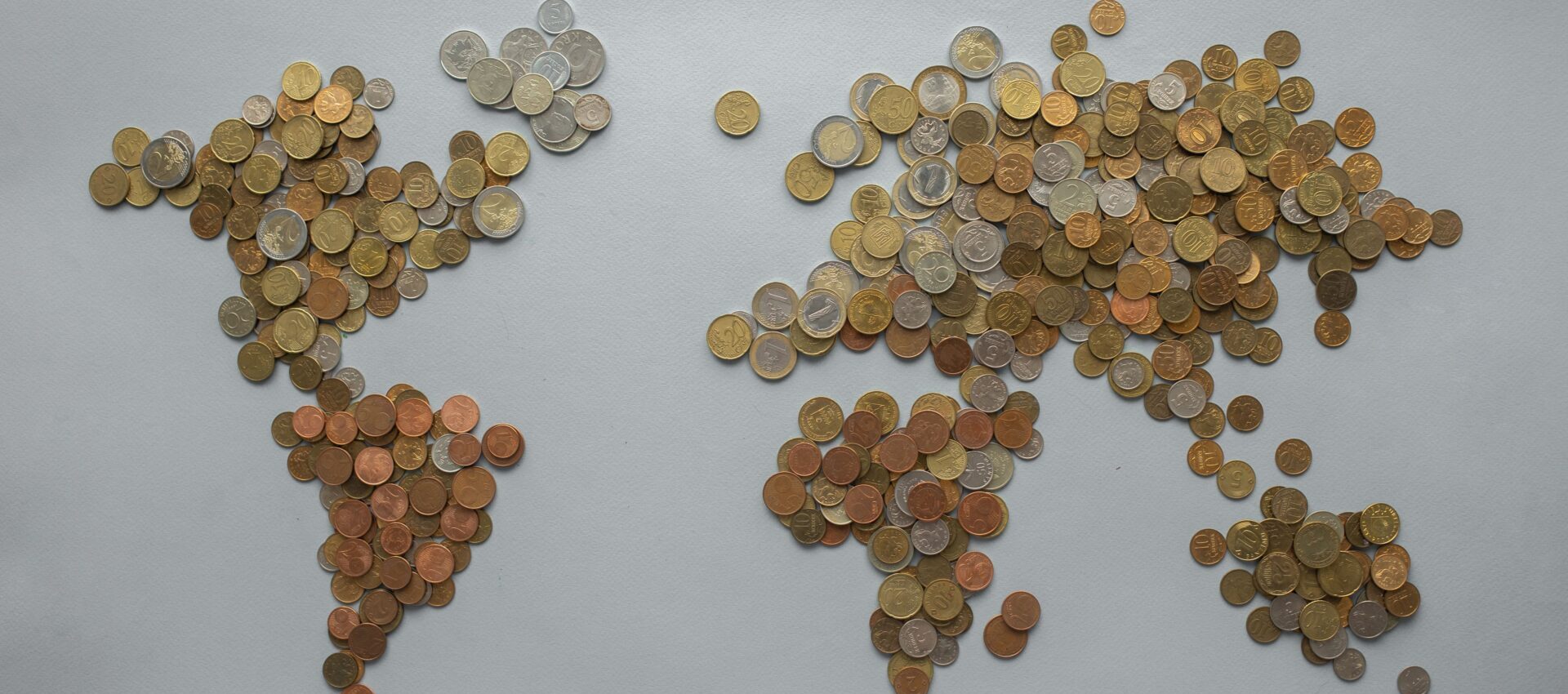
    In the wake of the WTO’s 14th Ministerial Conference (MC14) held in Yaoundé, Cameroon this past March, critics have lined up to label the gathering a failure, a broken effort, and a total flop. Against a backdrop of roiling global trade tensions – from Washington’s controversial “reciprocal tariffs” that have upended market predictability to oil price shocks stemming from the ongoing conflict in Iran and disruptions to shipping through the Strait of Hormuz – questions about the very relevance of the World Trade Organization have reemerged with new urgency. But in a June 2026 analysis from the Shridath Ramphal Centre (SRC) Trading Thoughts series, trade expert Alicia Nicholls makes the case that even with its well-documented flaws, the rules-based multilateral trading system overseen by the WTO remains an irreplaceable lifeline for small developing economies, particularly those across the Caribbean.

    For most people across the Caribbean, even many in the private sector, WTO negotiations based in Geneva have long felt like an abstract, distant process. Many in the region associate the organization only with past disappointments: the decades-long EC Bananas dispute that ended preferential European Union market access for African, Caribbean and Pacific (ACP) commodity exporters, and Antigua and Barbuda’s high-profile victory over the United States in an online gambling dispute that Washington has largely refused to implement. It is no surprise that these experiences left a bitter legacy for many stakeholders in the region.

    Still, it is easy to overlook the quiet, consistent value the WTO has delivered for global trade over the past three decades. Built on the foundation of the earlier General Agreement on Tariffs and Trade (GATT), the WTO’s negotiated rules have sustained a relatively predictable, smooth trading framework that has benefited countries of all sizes for decades. These common rules make cross-border access to imported goods and services simpler for consumers and businesses, and guarantee exporting producers a baseline set of fair market access conditions when selling abroad. For decades, the WTO’s dispute settlement system also provided a widely respected neutral forum for resolving trade conflicts without resorting to unilateral power plays.

    MC14’s lack of substantive progress, however, lays bare just how much accumulated strain the 31-year-old multilateral institution is currently grappling with. As the WTO’s highest decision-making body, the Ministerial Conference, convened every two years, brings together trade ministers and senior delegates from all member states to forge agreements on core multilateral trade priorities. This year, the only outcomes adopted in Cameroon were minor procedural decisions that had already been finalized during pre-conference negotiations in Geneva, leaving major policy initiatives deadlocked.

    Conference leaders highlighted three modest takeaways from the week of talks. First, members reaffirmed the long-running Doha Development Agenda mandate to support better integration of small economies into global trade, approving a new mandate for the WTO Secretariat to conduct factual analysis of barriers facing small economies. This research could lay the groundwork for more inclusive policies to help these countries tap into global trade flows down the line.

    Second, members agreed to move forward with operationalizing long-standing special and differential treatment (S&DT) provisions embedded in the Agreement on Sanitary and Phytosanitary Measures (SPS) and the Technical Barriers to Trade (TBT) Agreement. These provisions are designed to give developing countries extra time and policy flexibility to build domestic capacity to meet food safety and product standards, but they have long been criticized as overly broad and vague, making them effectively unenforceable in practice. How this operationalization will actually be carried out remains to be seen.

    Third, ministers agreed to continue negotiations on the second phase of fisheries subsidies disciplines (known as Fish II), which aim to curb subsidies that drive overcapacity and overfishing. The core WTO Fisheries Subsidies Agreement was finalized at MC12 and entered into force in September 2025, but additional rules targeting harmful subsidies remain to be negotiated. For small island developing states (SIDS) like those across the Caribbean, fisheries are a critical pillar of both livelihoods and national food security. While the renewed commitment to continuing talks is a welcome procedural step, meaningful progress will require negotiating strong rules that rein in harmful subsidies from large economies while protecting the policy space small vulnerable economies need to support their domestic fishing sectors.

    Beyond these modest outcomes, all of the most critical, high-stakes issues facing the WTO remained unresolved when delegates left Yaoundé. A decades-long moratorium on imposing customs duties on electronic transmissions, which has been in place and regularly renewed since 1998, expired after members failed to reach consensus on extending it. The lapse opens the door for WTO members to impose new tariffs on digital products including e-books, streaming films and music. The broader WTO Work Programme on E-commerce, which was tied to the moratorium’s renewal, was also sidelined as a result.

    Another long-running problem remains unsolved: the ongoing paralysis of the WTO Appellate Body, the institution’s highest trade dispute appeals body, which has been crippled for years by Washington’s repeated refusal to approve new judge appointments. Without a fully functioning dispute settlement system, the vacuum created by inaction is increasingly filled by power-based unilateralism. A small group of member states including Barbados have launched an interim workaround called the Multi-Party Interim Appeal Arbitration Arrangement (MPIA), but this arrangement remains only a temporary stopgap, not a permanent solution.

    The conference also failed to reach agreement on a proposed package of measures to support Least Developed Countries (LDCs) integrate into the global economy – a matter of direct importance to the Caribbean Community (CARICOM), which counts Haiti as an LDC member. For the first time since it was instituted in 2001, the moratorium on non-violation and situation complaints under the Trade-Related Aspects of Intellectual Property (TRIPS) Agreement, which protected developing country policy space around intellectual property regulation, also lapsed. Additionally, the Investment Facilitation for Development Agreement, which six CARICOM states have participated in negotiating, was once again blocked from being formally adopted into the WTO’s legal framework.

    Despite these glaring shortcomings from MC14, Nicholls argues that it would be a mistake to write off the WTO entirely, particularly from the perspective of small Caribbean states. The WTO is far from perfect, but it still offers far more protection for small economies than the alternative: a global trading system ordered purely by raw power, where large nations can set the terms to benefit their own interests. Crucially, the WTO is the only major multilateral economic rule-making forum where small states hold formal equal status alongside the world’s largest economies. Beyond negotiating and enforcing trade rules, it also serves as a unique convening platform for member states to address cross-cutting trade-linked challenges from climate change to public health – a role it fulfilled during the COVID-19 pandemic, when it provided a space for countries to coordinate on trade-related pandemic response measures. This core value is why the SRC continues to bring its Masters in Trade Policy students to Geneva every year to study the WTO’s operations firsthand.

    MC14’s underwhelming outcome has undoubtedly eroded further confidence in the WTO’s negotiating capacity, but Nicholls notes that disappointing ministerial outcomes are not unprecedented for the institution. When members can summon the necessary political will to compromise, progress is still possible. Even the most vocal critics of the WTO continued to participate in MC14, and the growing queue of small jurisdictions seeking WTO accession – including Curaçao, which is currently in the process of joining – demonstrates that the organization is still viewed as a valuable institution to be part of, even for the smallest economies.

    Looking ahead, as Caribbean states continue to engage with the WTO and support efforts to reform the multilateral trading system, Nicholls outlines four key recommendations for the region to protect its interests. First, regional leaders must guard against “wolf in sheep’s clothing” reform proposals that would erode core protections for small economies. Any WTO reform must not weaken core guarantees including most favoured nation (MFN) treatment, the legally embedded right to special and differential treatment, and consensus-based decision-making, which gives small states a voice in outcomes. It is also critical that Caribbean states continue to prioritize issues of regional interest including agriculture reform, fisheries subsidies, digital trade, food security, and trade-linked climate action in all reform discussions.

    Second, the region must sustain coordinated cooperation through the CARICOM Ambassadors’ Caucus based in Geneva, and continue building cross-group coalitions with the ACP group, the G90, the group of Small Vulnerable Economies, and other like-minded negotiating blocs within the WTO to amplify the region’s voice.

    Third, there is an urgent need for greater transparency around the negotiating positions Caribbean states take in WTO talks. The ultimate goal of participating in the multilateral trading system is to deliver benefits for domestic businesses and improve living standards for the region’s people. If other WTO members publish public explanations of their negotiating priorities, Caribbean citizens, businesses and researchers deserve equal access to information about what their delegations are advocating for on their behalf.

    Finally, the region should increasingly leverage the domestic analytical capacity that already exists within the Caribbean. The University of the West Indies, and specifically the Shridath Ramphal Centre, is well positioned to provide CARICOM delegations with evidence-based, independent analysis on emerging trade issues to support regional negotiating positions.

    In conclusion, the question of whether the WTO still matters to the Caribbean in today’s fractured global trading order has a clear answer: yes. The WTO and the broader multilateral trading system are under unprecedented strain, but they are far from dead. For Caribbean states, the path forward is to continue deliberate engagement to push for meaningful reforms that make the system work better, while protecting the core rules and principles that already give small economies a critical measure of protection. The alternative to a rules-based order is a power-based system where small states would have even less voice, less leverage, and far fewer safeguards to ensure that trade delivers shared benefits for their people. For small states, an imperfect rules-based system is still far better than no rules-based system at all.

    Alicia Nicholls, B.Sc., M.Sc., LL.B., is Junior Research Fellow at The Shridath Ramphal Centre for International Trade Law, Policy and Services at The University of the West Indies, Cave Hill.