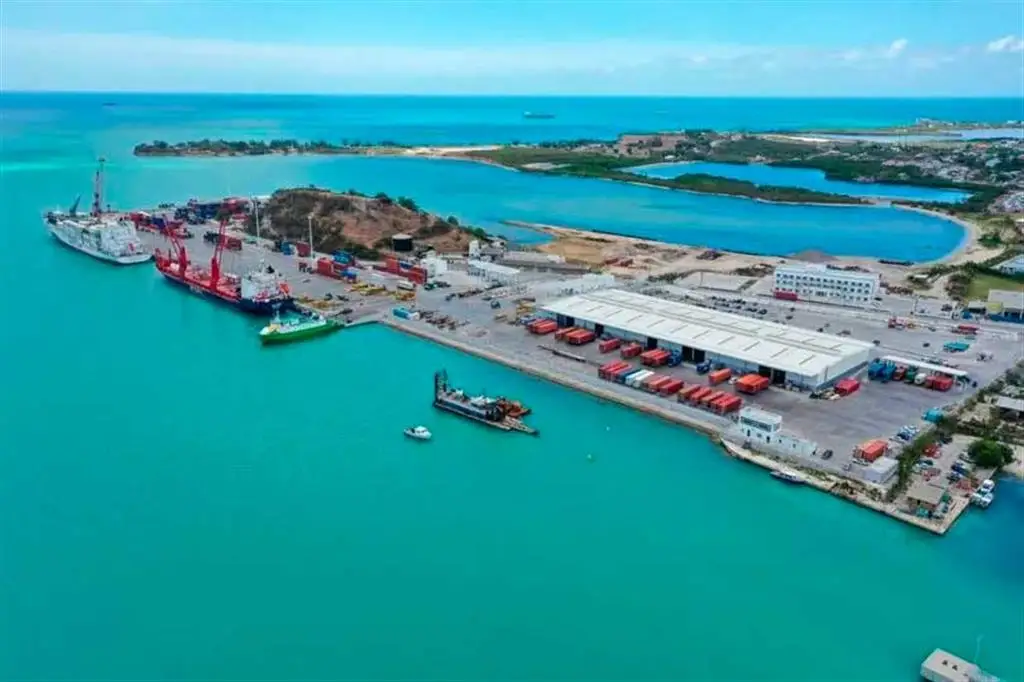
The Antigua and Barbuda Port Authority has marked a groundbreaking new milestone in maritime operations, pulling off the unprecedented simultaneous discharge of five cargo vessels at the Port of St. John’s on June 1. Port officials frame the achievement as clear proof of the enhanced flexibility and efficiency delivered by the country’s recent port infrastructure upgrades. According to General Manager Darwin Telemaque, this historic operation would not have been possible without close, seamless coordination across port staff, customs authorities, shipping agents and a range of other industry stakeholders. “Five cargo ships discharging simultaneously is a remarkable achievement and reflects the coordinated effort of our entire port community,” Telemaque stated in a press briefing following the operation. The simultaneous berthing was made possible by a strategic adaptive adjustment: leveraging unused cruise ship berths at Heritage Quay during the cruise industry’s annual off-season. This creative reallocation of space allowed specialized yacht carriers to dock and commence unloading immediately, while standard container operations continued uninterrupted at the port’s dedicated container terminals. Telemaque explained that this flexible arrangement eliminates the long waiting periods vessels previously faced anchored offshore, when they had to queue for available space at the congested container terminal. The targeted adjustment grew out of direct discussions with Sevenstar Yacht Transport, one of the world’s largest yacht shipping firms. The company had indicated it would increase the number of calls to Antigua and Barbuda if the port could offer expanded berthing flexibility during periods of low cruise traffic. Prior to this new policy, Telemaque noted, yacht carriers were routinely forced to wait one to two days anchored outside the harbor before a berth became available for unloading. “This is one of the creative adjustments we have made to improve service delivery and maximize the use of our existing infrastructure,” Telemaque said of the new berthing strategy. Beyond the single day’s operational achievement, Telemaque emphasized that the successful simultaneous discharge demonstrates the tangible benefits of the port’s ongoing modernization program, and strengthens Antigua and Barbuda’s competitive standing in the Caribbean regional maritime sector. Port Authority data shows the facility already welcomed a record 49 yacht carrier calls in 2025, a figure that dramatically outpaces the historical annual average of roughly 18 visits. Looking forward, official projections indicate annual yacht carrier calls could climb even further, to a range of 70 to 80 vessels in coming years. “We continue to strive, we continue to advance, and we remain committed to improving berth utilization, service quality, and operational efficiency,” Telemaque said. He extended credit to frontline port employees and cross-sector industry partners for their collaborative work to deliver the milestone, framing the achievement as another critical step forward in the country’s goal to establish itself as a leading regional maritime hub in the Caribbean.
分类: business
-
CAF urges central private sector role in growth plans
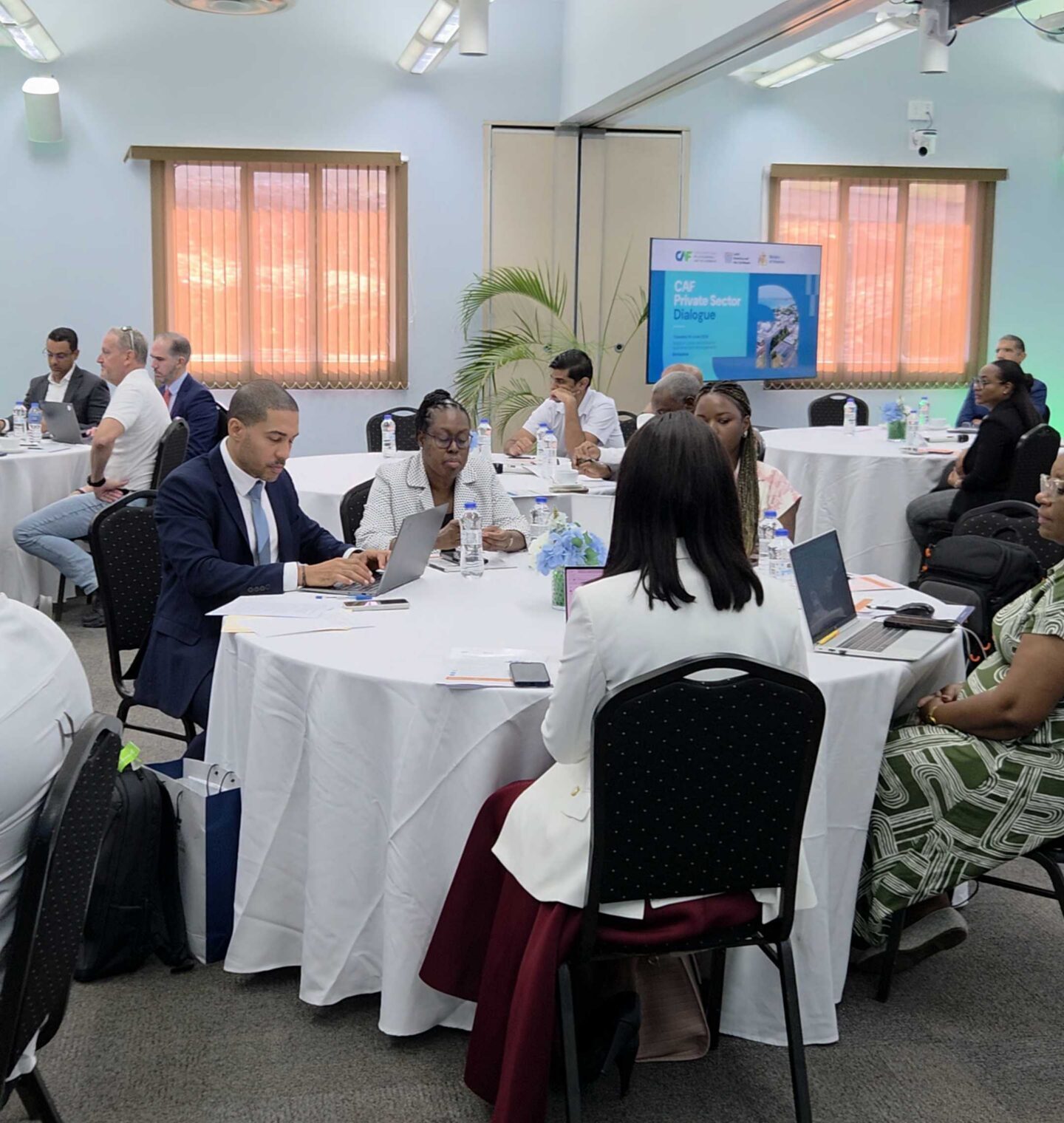
During high-level talks with Barbados’ Minister of Finance Ryan Straughn on Tuesday, top leadership from the Development Bank of Latin America and the Caribbean (CAF) laid out a clear roadmap for Barbados’ ongoing economic rebound, framing sustained growth as dependent on centered private sector investment and announcing plans to scale up direct lending to local businesses in support of the government’s homegrown fiscal reform program.
The discussions centered on identifying new funding mechanisms to align with the island nation’s flagship economic recovery initiative, BERT 3.0, with CAF executives emphasizing the central role private enterprise must play in delivering inclusive, long-term development. Opening the talks, CAF Caribbean Regional Manager Dr. Stacy Richards-Kennedy anchored the bank’s approach in global development data, noting that across developing economies, 90% of all employment is generated by the private sector.
“For countries committed to expanding inclusive growth, creating quality jobs, boosting exports, and building long-term economic resilience, the private sector cannot be sidelined as an afterthought in development planning — it has to lead the agenda,” she explained. She went on to highlight that small and medium-sized enterprises (SMEs) form the backbone of Barbados’ economy, accounting for nearly 60% of all private sector jobs on the island. For context, tourism contributes roughly 31% of Barbados’ total gross domestic product and supports one in every three positions across the country’s labor market, making the sector a core focus for recovery efforts.
To unlock broad-based growth, Dr. Richards-Kennedy outlined three key priorities: upgrading core national infrastructure, scaling up investment in renewable energy, and forging collaborative public-private partnerships (PPPs) that leverage the strengths of both sectors. “The critical question we are addressing today is how we can work together to unlock the untapped potential of Barbados’ private sector,” she said. “How do we help more local firms invest in expansion, enter new export markets, and drive innovation? This is where well-designed public-private partnerships become irreplaceable, especially for small island states that must carefully manage their debt ceilings and limited financing resources.”
CAF, a regional multilateral development bank governed by the finance ministers of its 21 member countries, focuses its work on addressing priority development challenges across Latin America and the Caribbean. CAF Vice President for the Private Sector Antonio Silveira confirmed that the bank will significantly expand its direct lending to private businesses across the region over the next two years, with Barbados and Trinidad and Tobago ranked as top priority markets for this expansion in the Caribbean.
Silveira added that the bank will target its support to four high-impact sectors: agriculture, renewable energy, digital technology, and tourism, all of which align directly with the goals laid out in BERT 3.0. Beyond financing, CAF also aims to strengthen cross-regional business ties between Latin America and the Caribbean. “Our strategy combines accessible credit, targeted technical assistance, and knowledge sharing to position the private sector as the primary engine of job creation and the leading driver of national development,” he explained.
To support Barbados’ large cohort of informal and unregistered businesses, Silveira advocated for expanded adoption of digital financial tools, pointing to the island’s upcoming launch of its domestic instant payment system BiMPay as a promising step forward to expand access to digital banking for underserved entrepreneurs. While CAF will primarily work through local domestic financial institutions to reach small and medium-sized businesses, Silveira confirmed the bank will make direct strategic investments in large-scale projects that align with its development mandates. One of the first of these commitments is a $50 million investment in Barbados’ new Blue Green Bank, a dedicated financial institution focused on climate and sustainable development projects.
Silveira also emphasized that CAF maintains a conservative risk management framework for private sector financing, meaning project due diligence and approval can take longer than the faster turnaround the bank is able to offer for sovereign lending to national governments. “For sovereign loans, our approval process is quite rapid,” he noted. “For non-sovereign structured finance, we follow the same rigorous due diligence process as any other responsible lender, because repayment depends entirely on the project’s operating revenues. We do not want to raise false expectations about quick approvals, but the end results for well-vetted projects can be extremely positive for both the bank and the Barbadian economy.”
-

COMMENTARY: From Plans to Action: Why Implementation Is the Hardest Part of Strategy
Strategy is often mislabeled as an exclusive concept — a tool reserved only for C-suite executives in corner offices or national policymakers drafting sweeping blueprints. But this could not be further from the truth. At its core, strategy is nothing more than a deliberate plan to reach a defined destination, and it matters for every type of organization across Antigua and Barbuda: from small family-owned diners and community non-profits to local church groups and neighborhood sports clubs. The foundation of any strong strategy, regardless of sector, rests on two core building blocks: distinct goals and measurable objectives.
To clear up common confusion between the two terms, it helps to think of goals as the broad, inspirational long-term vision that guides an organization’s work. For example, a family restaurant in Antigua might set a goal to become the most beloved destination for authentic local cuisine on the entire island. Objectives, by contrast, are the specific, quantifiable incremental steps that turn that big-picture dream into reality. For that same restaurant, tangible objectives could include boosting lunchtime foot traffic by 15% over three months, or rolling out three new locally sourced dishes within a calendar year. This analogy holds for every sector: if a goal is the final destination on a road trip, objectives are the clearly marked mile markers that confirm you are on the right path.
For-profit businesses across Antigua rely on this distinction to grow and retain a competitive edge. Take a small boutique hotel in English Harbour as an example: its overarching goal is to earn recognition as the top boutique accommodation in Antigua. To back that goal, it sets two clear objectives: hit a 90% occupancy rate during the peak tourist season, and collect 200 five-star online customer reviews by the end of the year. These concrete targets give every staff member a shared understanding of what success looks like, and allow leadership to track progress over time. Without defined objectives, the hotel risks drifting without direction, losing market share to more intentional competitors.
Non-profit organizations, while not focused on turning a profit, still need structured goals and objectives to maximize their community impact. Consider a youth mentoring program based in St. John’s: its core goal is to empower young people to achieve academic and personal success. To turn that mission into action, it sets specific objectives: provide free tutoring support to 150 local students in a single year, and launch two new mentorship cohorts by the start of September. These clear targets ensure that limited resources are allocated efficiently, and allow donors to see tangible proof of the good their contributions are funding. Even the most passionately rooted mission can lose focus and traction without defined, measurable objectives.
Even faith-based organizations, which many assume operate without formal planning, see major benefits from embedding strategic clarity into their work. For a local Antiguan church looking to expand its community outreach, a fitting overarching goal is to serve as a reliable beacon of hope and support for every family in the parish. To turn that goal into action, the church sets two concrete objectives: launch a weekly food assistance program supporting 50 local food-insecure families, and grow youth group participation by 40% within 12 months. The biggest barrier here, as with any organization, is turning the plan into action: volunteer capacity is often stretched, funding can be inconsistent, and balancing spiritual core work with administrative organizational tasks poses a constant challenge. Even the most well-intentioned outreach mission will fall short of its potential without a structured, executable plan.
Despite the clear value of intentional strategy, organizations across all sectors struggle to develop and roll out effective strategic plans. Five common challenges derail most efforts:
First, lack of clarity: many leaders mix up the definitions of goals and objectives, or set vague, unmeasurable ambitions such as “be the best” without ever defining what success actually looks like for their group.
Second, overloaded priorities: when organizations try to tackle too many initiatives at once, their focus and resources become spread too thin. A small local non-profit may set 10 ambitious objectives, for example, but only have the staff and budget to deliver on three.
Third, limited resources: money, time, and skilled labor are almost always scarce for small and community-focused organizations, making both planning and execution far more difficult.
Fourth, resistance to change: most people prefer sticking to familiar routines, and new strategic approaches almost always require new workflows and habits, which are often met with hesitation from team members and volunteers.
Fifth, poor communication: even the most brilliant strategic plan will fail if every staff member, volunteer and stakeholder does not understand their role in executing it.
These common pitfalls are the reason so many polished strategic documents look impressive on paper but never deliver real-world results.Industry research consistently shows that between 70% and 90% of all strategic plans fail at the execution stage, not because the core idea is flawed, but because organizations never effectively turn words into action. Writing down goals and objectives is a straightforward task; the real challenge is implementation, and there are four key reasons that execution so often falls short.
First, people: strategy needs collective buy-in to succeed. Every employee, volunteer, and leader has to align their daily work with the organization’s objectives. Change is inherently uncomfortable, and not everyone will embrace it immediately.
Second, resources: even the most well-designed plan will collapse without sufficient funding, time, and skilled staff. Community groups and non-profits are particularly vulnerable to gaps in resourcing that derail execution.
Third, consistency: goals are long-term commitments, but daily urgent distractions from unexpected customer requests to sudden crises can pull organizations far off their planned course.
Fourth, progress tracking: without regular measurement of results, it is impossible to know whether objectives are being met. Many organizations invest time in setting goals but never follow through with regular tracking, leaving them blind to gaps in performance.
To illustrate this, consider a community sports club in Antigua that sets a goal to promote accessible healthy living through recreational sports. Its objectives are simple: host 12 free community sports events per year, and grow total club membership by 30%. Common implementation barriers include busy volunteer schedules, tight funding, and bad weather that forces event cancellations. Without consistent persistence and creative problem-solving, the entire strategy stalls quickly. This is why execution is often called the “graveyard of strategy”: plans look perfect on paper, but messy real-world conditions always test their strength.A strategic plan that never leaves the page is nothing more than a wish list. Real, lasting success comes when leaders prioritize four core implementation practices: clearly communicating organizational goals to every team member, breaking large objectives into small, manageable daily and weekly tasks, celebrating small incremental wins to keep team motivation high, and adjusting plans quickly when unforeseen obstacles arise.
This approach can be compared to sailing, a skill that Antiguan communities have honed for generations: plotting a course on a map is only the first step. The real skill lies in adjusting your sails to shifting winds, navigating unexpected currents, and weathering storms while never losing sight of your final destination.No matter what type of organization you lead — whether it is a small business, a community non-profit, a local church, or a neighborhood club — one truth holds constant: a strategy is only as strong as its execution. Leaders should invest time in defining clear, distinct goals and objectives, but commit even more energy to rolling those plans out. Talk to your team, assign clear responsibilities, and track progress regularly. Antigua needs organizations that do not just dream big, but deliver on those dreams for local communities. It is time to move beyond planning and into action — because the future of our local businesses, charities, faith groups, and entire communities depends on it.
-
Antigua and Barbuda Inflation Rises to 4.1% in May as Electricity Costs Drive Prices Higher
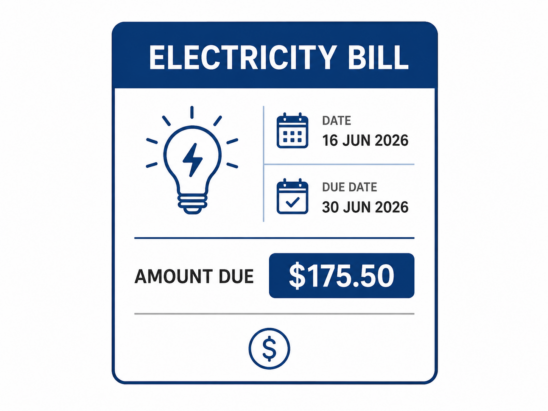
Fresh official data from Antigua and Barbuda’s National Bureau of Statistics confirms that the country’s inflation rate accelerated sharply to 4.1% year-on-year in May 2026, with housing-related expenses and energy prices emerging as the primary catalysts for the upward price shift. Published on June 16, the latest Consumer Price Index (CPI) — the nation’s benchmark metric for tracking household price changes across a fixed basket of consumer goods and services — details the breakdown of cost increases hitting local households.
The most substantial contributor to overall inflation was the broad Housing, Water, Electricity, Gas and Other Fuels category, which saw an 8.2% year-on-year jump, accounting for nearly half of the total increase in consumer prices. Within this sector, actual residential rental costs rose by a moderate 6.3%, but energy-related costs surged far more dramatically: electricity, gas and other fuels collectively climbed 21.4% annually, with standalone electricity prices spiking 25% compared to May 2025. The country’s overall Energy Index recorded a 12% 12-month increase, a shift directly tied to a 14-cent hike in the fuel variation charge, which rose from 56 cents to 70 cents over the period.
Food price inflation also remained a persistent pressure on household budgets, with the Food and Non-Alcoholic Beverages category posting a 2.4% annual increase. The largest drivers of food inflation were uncategorized food products, which rose 8% year-on-year, followed by vegetables, which recorded a 6.3% annual uptick. Beyond housing, energy and food, several other sectors saw double-digit or otherwise notable annual price gains: Recreation and Culture led all categories with a 30.2% surge, followed by Education at 13.3%, Transport Services at 19.6%, and Restaurants and Hotels at 4.5%.
On a monthly basis, consumer prices rose 0.4% between April and May 2026, a modest uptick that was partially offset by a decline in transport costs even as rising food and energy pushed the overall index higher. Month-over-month, Food and Non-Alcoholic Beverages increased 0.9%, while the Energy Index jumped 13% and electricity prices alone surged 27.3% from April. Within the food basket, oils and fats recorded the steepest monthly gain at 7.1%, followed by fruit at 6.7%, meat and meat products at 5.6%, milk, cheese and eggs at 5.2%, and miscellaneous food products at 4.9%.
-
Antigua and Barbuda Resorts Earn Top Caribbean Rankings in Tripadvisor Awards
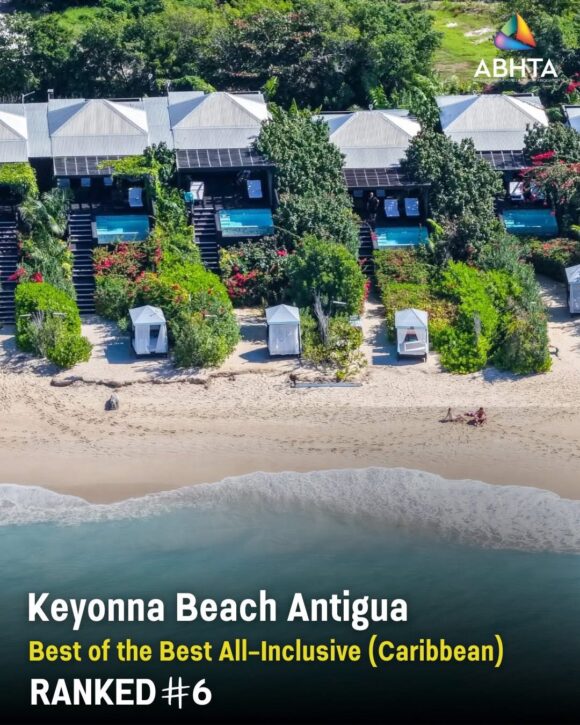
The Caribbean tourism market has received a major boost from a new set of industry awards, with three luxury resorts from Antigua and Barbuda earning placement among the region’s most elite hotel properties for 2026. This recognition comes straight from the 2026 Tripadvisor Travelers’ Choice Best of the Best Awards, one of the travel industry’s most trusted consumer-driven honors, and was officially announced by the Antigua and Barbuda Hotels and Tourism Association (ABHTA).
Among the award-winning properties, South Point Antigua stood out with a particularly impressive performance, securing the fifth position in the Caribbean’s competitive small and boutique hotel category. This niche ranking highlights the property’s ability to deliver personalized, standout experiences that resonate deeply with independent leisure travelers.
Leaders at ABHTA have extended formal congratulations to all three properties that earned a spot on the prestigious list, framing the awards as clear, independent validation of the consistently high hospitality standards maintained across Antigua and Barbuda’s entire tourism sector. In a statement released following the awards announcement, the association emphasized that the world-class customer service and one-of-a-kind guest experiences delivered by local resorts continue to raise the benchmark for excellence across Caribbean hospitality.
Unlike many travel industry awards that rely on judge panels or industry insider voting, the Tripadvisor Travelers’ Choice Best of the Best honors are rooted entirely in authentic feedback from real travelers. All rankings are calculated based on millions of verified reviews and ratings submitted by visitors who have actually stayed at the properties, meaning only venues that earn consistently strong positive feedback from guests over time earn a spot on the list.
For Antigua and Barbuda, tourism has long held its place as one of the nation’s core economic drivers, accounting for a large share of national GDP, local employment, and foreign exchange earnings. Industry leaders across the country regularly point to international awards and independent visitor satisfaction rankings like the Tripadvisor Best of the Best honors as key evidence of the island nation’s ongoing competitiveness in the fast-growing regional travel market. This latest recognition is expected to draw increased international visitor interest to Antigua and Barbuda heading into the 2026 travel season, supporting further growth and investment in the country’s tourism infrastructure.
-

DNA-lid Lau: Begroting leunt te zwaar op verwachte olie-inkomsten
As Suriname’s parliament debates the national budget, a ruling party legislator has sounded the alarm over the country’s overreliance on projected offshore oil revenues to stabilize its public finances, warning that current fiscal planning leaves the nation exposed to significant market and operational risks.
Jeffrey Lau, a member of the National Assembly representing the National Party of Suriname (NPS), told lawmakers during budget deliberations that the government’s debt reduction strategy is built on a heavily optimistic foundation that depends entirely on favorable conditions in the global oil market. Under the government’s current plan, the country’s total public debt is projected to fall below the legal threshold of 60% of gross domestic product (GDP) starting in 2029. But Lau stressed that this projection is almost entirely tied to two core assumptions: that new offshore oil production will come online exactly on schedule, and that global crude prices will remain at profitable levels throughout the projection period.
“This projection only holds under the best-case oil scenario. Without those projected oil revenues, the legal debt target will not be met, which makes the entire debt strategy fundamentally vulnerable,” Lau explained to the assembly.
Beyond the overreliance on optimistic projections, Lau also pointed out that the current fiscal framework lacks any contingency planning for downside risks. These risks include sudden drops in global oil prices, a faster-than-expected global energy transition that reduces long-term demand for fossil fuels, or unexpected delays to the development of Suriname’s new offshore oil projects. To address this gap, Lau is calling on the government to develop and publish a formal stress test scenario alongside its baseline budget projections. This exercise would make clear exactly how slower growth, lower revenues, or higher debt would impact public finances, the annual budget, and long-term debt sustainability, he said.
Lau emphasized that Suriname should not count unearned future oil revenues towards its current wealth, and instead must continue pushing forward with structural economic reforms to diversify the national economy beyond the oil and gas sector. A sustainable, healthy budget does not depend on oil revenues alone, he noted: it requires sound, conservative fiscal policy and a broad, diversified economic base that can withstand shocks to any single industry.
While Lau acknowledged that the emergence of a new offshore oil and gas sector represents a major transformative opportunity for Suriname’s economy, he stressed that responsible governance requires preparing for less favorable outcomes. “We cannot only plan for the best-case scenario. We also need to understand how we will respond when setbacks occur. That is what responsible fiscal policy requires,” Lau told the assembly.
-

Women in Fisheries Push for Power and Progress
Opening on June 16, 2026 at Old Belize, the second annual Women in Fisheries Forum has kicked off, turning a long-overdue spotlight on the underrecognized women who form a critical backbone of Belize’s coastal blue economy. Co-hosted by the Wildlife Conservation Society and Belize’s National Women in Fisheries Association, the two-day gathering unites working fishers, small business owners, and marine conservation leaders to address the overlapping systemic and environmental challenges that have long sidelined women in the industry, from soaring operational costs and climate-driven ecological shifts to limited access to capital and professional opportunities.
For generations, commercial fishing has been the economic lifeline of Belize’s coastal communities, supporting nearly 20,000 households and contributing millions of dollars annually to the national economy. Yet despite this outsized impact, women remain vastly underrepresented, holding less than 4% of formal industry roles. The forum’s organizers and attendees are working to shift that imbalance, centering conversations that elevate women’s lived experience and push for greater leadership access, expanded market opportunities, and equitable sustainable financing for women across the marine sector.
Paula Jacobs Williams, chair of the National Women in Fisheries Association and a third-generation fisher from Punta Negra, says fishing is embedded in her identity. “I grew up in a fishing community. My mom and dad were fisher folk, and I always tell people I’ve been fishing from inna di belly — when I was pregnant with my children, I was still out fishing, so they didn’t know a life without it,” she shared at the event. Like many women in the industry, Williams has adapted to mounting pressures in recent years: rising fuel costs, shifting fish populations driven by climate change, and new regulatory changes have forced many small-scale fishers to diversify their income streams. Williams and her family have expanded into coastal tourism to supplement their fishing income, allowing her to continue working on the water she has called home her whole life.
Ralna Lamb Lewis, marine conservation director at the Wildlife Conservation Society, explained that outdated cultural perceptions of fishing as a “male-only” industry have created systemic barriers that lock women out of critical resources. “When there’s a widespread perception that only one group belongs in this space, it limits access for everyone else to the resources and opportunities the sector offers,” Lewis said. “Our focus right now is identifying what resources and opportunities exist for women to fully participate in the growing blue economy, and supporting innovative ideas that let them generate sustainable income for themselves, their families, and their whole communities.”
The 2020 national ban on gill nets, implemented to protect vulnerable marine ecosystems, reshaped fishing practices across Belize — but it also created new challenges for small-scale operators. With net fishing restricted, many fishers have shifted to fish traps, increasing competition for limited fishing grounds. Vonetta Dawson, a small-scale fisherwoman from Dangriga, says southern coastal communities have borne the brunt of these new pressures. “Since the net ban, more and more fishers are using traps, so more fishing area is taken up, leaving less space for small operators like me,” Dawson explained. She added that skyrocketing operational costs have made it nearly impossible to earn a living wage: “Gas prices are incredibly high, and a sack of ice costs $20 here, compared to just $5 in other parts of the country. For most of us, it’s hand to mouth — there’s no extra money to reward ourselves after a long day out on the water.”
Despite these persistent challenges, the forum has become a space for collective action and solidarity. As the Belizean fishing industry continues to evolve amid climate and economic change, the country’s fisherwomen are organizing to claim their space, supporting one another, advocating for policy change, and building a more inclusive, sustainable future for the nation’s marine economy.
-
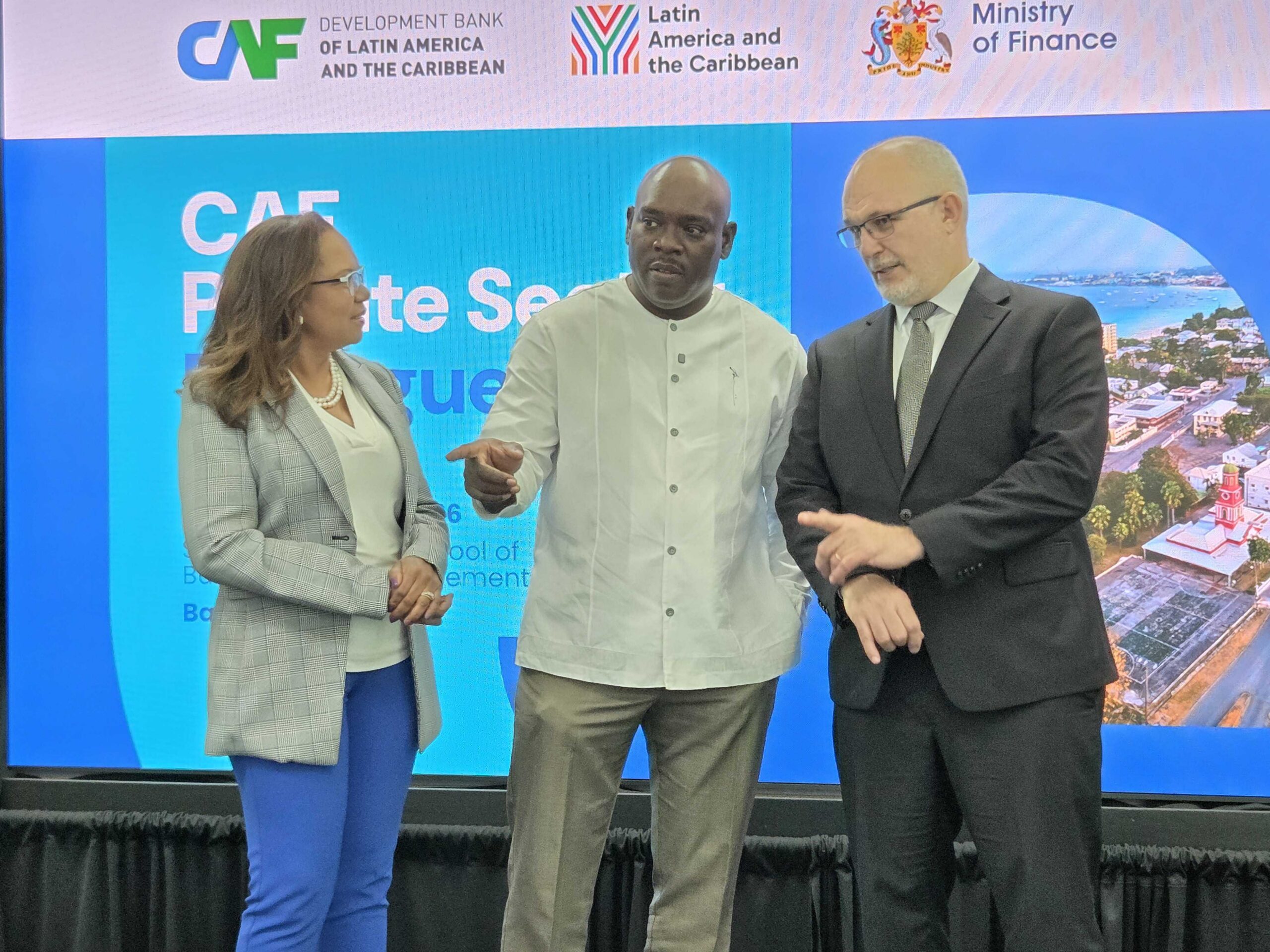
Govt opens biz funding window to CAF development bank
In a landmark announcement Tuesday that signals a major shift in Barbados’ economic development strategy, Finance Minister Ryan Straughn confirmed that full membership in the Development Bank of Latin America and the Caribbean (CAF) has opened direct access to regional development capital and international export markets for the island nation’s private businesses. For the previous 12 years, only the Barbadian government was eligible to borrow from the Caracas-headquartered regional financial institution — a restriction that is now fully lifted. Under the new framework, Barbadian firms of all sizes can tap low-cost financing, specialized financial advisory services, and cross-border partnership networks that were previously out of reach for private operators. The reform is designed to enable business owners to scale their existing operations, expand product lines, and break into new regional and global export markets.
-

Shallow says cruise port deal a ‘no-brainer’
St. Vincent and the Grenadines’ new government has entered into a landmark 30-year concession partnership with Global Ports Holdings (GPH), the world’s largest cruise port operator, to revitalize the aging Kingstown Cruise Terminal and boost the country’s underperforming cruise tourism sector. The partnership, formalized via a signed memorandum of understanding (MoU) by the newly elected New Democratic Party (NDP) administration, will bring a phased total investment of up to EC$255 million into the terminal and national tourism infrastructure over the course of the agreement.
The Kingstown Cruise Terminal, which was originally constructed by the NDP in the late 1990s, has not received any major expansion or comprehensive upgrade in more than 25 years. After the Unity Labour Party took office in 2001 and held power until its election defeat in November 2024, the facility remained the country’s only purpose-built cruise ship pier, falling badly behind competing regional destinations in infrastructure and service quality.
Tourism Minister Kishore Shallow has defended the partnership as an obvious strategic decision given the terminal’s consistent financial drain on public coffers and the country’s strained national budget. Speaking on local radio station Hot 97 FM, Shallow disclosed that the terminal has operated at a net loss for four of the past five years, forcing the government to inject more than EC$15 million in public funds just to keep the facility operational over that period. Only 2023 delivered a small profit, totaling just EC$266,000 — a figure that highlights how little the current publicly run model benefits the public purse, Shallow argued.
Shallow framed the deal as a clear choice between taking on costly new public debt to fund much-needed upgrades, or partnering with a global industry leader that brings both the required capital and specialized expertise to the project. “Do we have the capital now to invest in our port? The answer to that is no. Can we access it as a loan? Yes. Do we want more loan? No. Not for the port, certainly,” he told radio listeners.
Unlike many similar regional public-private partnerships, the St. Vincent and the Grenadines agreement includes two unprecedented provisions that prioritize local stakeholder participation, Shallow noted. Up to 30% of equity in the concession operating company will be reserved for ordinary Vincentian investors, and the arrangement guarantees at least one local representative on the company’s board of directors to permanently protect national interests. A public prospectus detailing revenue streams, fee structures and other key terms of the investment will be released to allow potential local investors to make informed decisions before they commit to buying equity. Any dividends generated by the concession will be distributed to shareholders, with 30% of all profits returning to local investors, Shallow added.
The minister emphasized that the 30-year concession does not equate to selling off the national asset. After the agreement expires, full ownership of the upgraded terminal and all related infrastructure will revert to the government and people of St. Vincent and the Grenadines. “So just imagine you invest 250-something million dollars, and then after that we own the entire thing… They’re not walking with the port when they leave,” he explained.
Beyond upgrading the terminal itself, the partnership is designed to address deep structural gaps that have held back St. Vincent and the Grenadines’ cruise tourism competitiveness. Official data shows that average annual cruise passenger arrivals over the past five years (excluding the COVID-19 pandemic travel shutdown) have hovered around just 230,000, far lower than peer regional destinations. Average per-passenger spending in St. Vincent is only around US$59, the lowest rate across the Caribbean. The current out-of-date infrastructure also means the country cannot accommodate larger, more modern cruise vessels that carry higher-spending tourists, and the country lacks the diversified onshore tourism attractions that draw longer visits and greater spending.
The first phase of the project, which will require an initial investment of more than EC$55 million, focuses on urgent upgrades to the existing terminal, including a full renovation and transformation of the terminal building, improved pedestrian connections between the port and downtown Kingstown, and targeted investment in tourism attractions across all of the country’s islands. Shallow explained that this investment in broader national tourism sites was a key negotiated priority to ensure the partnership delivers widespread benefits across the country, not just at the port itself.
Shallow noted that redirecting the EC$15 million in annual public subsidies that currently prop up the loss-making terminal to core public services would bring immediate benefits to all Vincentians. “Just imagine if we didn’t have to spend that 15 million there, and we could invest that in healthcare, education, [and] improve our roads. That is what is in front of us here,” he said.
-

Sandals Grande Antigua Celebrates A Year Of Hospitality Excellence At Annual Prestige Awards
Sandals Grande Antigua Resort and Spa capped off a transformative year of service excellence and team investment with its 2025 annual Prestige Awards, a celebratory ceremony dedicated to recognizing the hard work and outstanding contributions of its staff. Framed by the event’s compelling theme, “Made of the Caribbean: Hospitality Redefined,” the gathering centered the brand’s greatest asset: the people who turn every guest stay into an unforgettable luxury experience.
In his opening address to attendees, which included regional Sandals leadership, General Manager David Latchimy reflected on a 2025 marked by consistent growth, innovative service upgrades, and a deep, unwavering dedication to upholding the warm, authentic standards of Caribbean hospitality. He emphasized that the resort’s year-over-year success is rooted entirely in the daily passion, professional pride, and expertise that every team member brings to their roles.
“Our 2025 achievements are a direct reflection of the passion, pride and professionalism our team brings to work every single day,” Latchimy shared. “This year, we doubled down on our commitment to team members’ development because when we empower our people, we elevate every guest experience. They are truly ‘Made of the Caribbean,’ and they are redefining what world-class hospitality means.”
A core pillar of the resort’s 2025 investment in its workforce was the expansion of programming through Sandals Corporate University (SCU), the brand’s in-house training initiative. Latchimy highlighted that more than 10 current supervisors and managers completed the prestigious Diploma in Hospitality Leadership programme, a joint offering developed in partnership with Accelerating Leaders and Florida International University. He also spotlighted two SCU scholarship recipients who are advancing their formal hospitality education: Ariel Joseph, engineering and maintenance supervisor, who studies at Les Roches International School of Hotel Management, and Leon Norville, the resort’s public relations manager, who is pursuing a degree at MIU City University of Miami. Latchimy framed these educational milestones not just as individual wins, but as long-term investments in the future of the Sandals brand and Caribbean tourism as a whole.
Beyond internal recognition, 2025 brought widespread acclaim for Sandals Grande Antigua team members at the national and regional levels. Butler Karen Grenado-Wong, the resort’s 2024 Diamond Team Member of the Year, claimed Antigua’s National WOW Factor Award for Customer Service Excellence. Learning and Development Manager Carlene Spencer earned two National Women of Wadadli Awards in the Tourism and Education categories, in addition to the Posh Caribbean Icon Award for Education Innovation. Two rising young team members—Front Office Agent Masadie Issac and Chef Jerri-Ann Baltimore—were honored with National Youth Awards in Tourism and Hospitality from the Antigua and Barbuda Department of Youth Affairs. At the National Tourism Awards hosted by the Antigua and Barbuda Hotels and Tourism Association, Loyalty and Travel Consultant Sandy Ramsaran took home the 2025 Customer Service Award, while Leon Norville was named Young Hotelier of the Year.
Veteran hospitality and communications professional Raynel Carroll delivered the evening’s keynote address, charging attendees to continue prioritizing service over personal gain, while working to elevate both guest experiences and the global reputation of Antigua and Barbuda’s tourism sector. The celebratory atmosphere was enriched by live performances from local and regional talent, including the Elite Dancers, the Antigua and Barbuda Youth Symphony Orchestra, recording artist Asher Otto, and his band Itchy Feet.
Deon Blair, the 2025 Diamond Team Member of the Year from the Engineering and Maintenance department, shared that he was humbled by the top honor, and urged his colleagues to lead by example, embrace continuous learning, and support one another in the pursuit of service excellence. Ashel Samuel, runner-up for Platinum Team Member of the Year from Butler Elite Services, encouraged peers to hold fast to their passion for hospitality, prioritize personal growth, and take pride in representing the best of Caribbean service to the world.
The ceremony was attended by senior regional Sandals leadership, including Eastern Caribbean Regional Managing Director Winston Anderson, Regional Public Relations Manager Sunil Ramdeen, and Regional Financial Controller Antonia Ferdinand-Amedee.
The annual Prestige Awards are a longstanding Sandals tradition designed to reinforce a workplace culture where team members can grow, innovate, and deliver the authentic Luxury Included® Caribbean experience that guests have come to trust and expect from the brand. The full list of 2025 internal award winners is as follows:
– Diamond Award – Team Member of the Year: Deon Blair, Engineering and Maintenance
– Platinum Award – Runner-Up Team Member of the Year: Ashel Samuel, Butler Elite Services
– Founder’s Circle Award: Sylvia Joseph, Food and Beverage
– A-Team – Department of the Year: Red Lane Spa
– MVP – Manager of the Year: Sherlann Barrow, Entertainment
– Pacesetter – General Manager’s Award: Adam Powell, Entertainment
– Heart of the House – Hotel Manager’s Award: Earl Kitt, Engineering and Maintenance
– All Rounder – Supervisor of the Year: Cassandra Matthias, Housekeeping
– Island Routes Ambassador: Treshawna Fergenson, Island Routes
– People’s Choice: Juleen Rose, Kitchen
– Sandals Foundation Sentinel: Natalee Henry, Housekeeping
– Legendary – Most Guest Mentioned: Kyannah Joy Corneilous, Food and Beverage
– Money Maker of the Year Award: Maura Henry, Resort Shop
– Standing Ovation Award: Kelman Bristol, Stores
– Sandals Earth Guardian Award: Kim Casey, Engineering and Maintenance
– Circle of Joy Smile Award: Omega Jeffery, EPIX
– Mover and Shaker Most Improved Award: Priscella George, Cost Control