St. Vincent and the Grenadines’ new government has entered into a landmark 30-year concession partnership with Global Ports Holdings (GPH), the world’s largest cruise port operator, to revitalize the aging Kingstown Cruise Terminal and boost the country’s underperforming cruise tourism sector. The partnership, formalized via a signed memorandum of understanding (MoU) by the newly elected New Democratic Party (NDP) administration, will bring a phased total investment of up to EC$255 million into the terminal and national tourism infrastructure over the course of the agreement.
The Kingstown Cruise Terminal, which was originally constructed by the NDP in the late 1990s, has not received any major expansion or comprehensive upgrade in more than 25 years. After the Unity Labour Party took office in 2001 and held power until its election defeat in November 2024, the facility remained the country’s only purpose-built cruise ship pier, falling badly behind competing regional destinations in infrastructure and service quality.
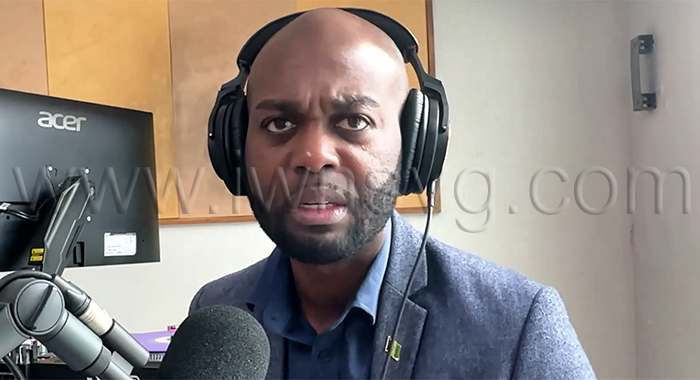
Tourism Minister Kishore Shallow has defended the partnership as an obvious strategic decision given the terminal’s consistent financial drain on public coffers and the country’s strained national budget. Speaking on local radio station Hot 97 FM, Shallow disclosed that the terminal has operated at a net loss for four of the past five years, forcing the government to inject more than EC$15 million in public funds just to keep the facility operational over that period. Only 2023 delivered a small profit, totaling just EC$266,000 — a figure that highlights how little the current publicly run model benefits the public purse, Shallow argued.
Shallow framed the deal as a clear choice between taking on costly new public debt to fund much-needed upgrades, or partnering with a global industry leader that brings both the required capital and specialized expertise to the project. “Do we have the capital now to invest in our port? The answer to that is no. Can we access it as a loan? Yes. Do we want more loan? No. Not for the port, certainly,” he told radio listeners.
Unlike many similar regional public-private partnerships, the St. Vincent and the Grenadines agreement includes two unprecedented provisions that prioritize local stakeholder participation, Shallow noted. Up to 30% of equity in the concession operating company will be reserved for ordinary Vincentian investors, and the arrangement guarantees at least one local representative on the company’s board of directors to permanently protect national interests. A public prospectus detailing revenue streams, fee structures and other key terms of the investment will be released to allow potential local investors to make informed decisions before they commit to buying equity. Any dividends generated by the concession will be distributed to shareholders, with 30% of all profits returning to local investors, Shallow added.
The minister emphasized that the 30-year concession does not equate to selling off the national asset. After the agreement expires, full ownership of the upgraded terminal and all related infrastructure will revert to the government and people of St. Vincent and the Grenadines. “So just imagine you invest 250-something million dollars, and then after that we own the entire thing… They’re not walking with the port when they leave,” he explained.
Beyond upgrading the terminal itself, the partnership is designed to address deep structural gaps that have held back St. Vincent and the Grenadines’ cruise tourism competitiveness. Official data shows that average annual cruise passenger arrivals over the past five years (excluding the COVID-19 pandemic travel shutdown) have hovered around just 230,000, far lower than peer regional destinations. Average per-passenger spending in St. Vincent is only around US$59, the lowest rate across the Caribbean. The current out-of-date infrastructure also means the country cannot accommodate larger, more modern cruise vessels that carry higher-spending tourists, and the country lacks the diversified onshore tourism attractions that draw longer visits and greater spending.
The first phase of the project, which will require an initial investment of more than EC$55 million, focuses on urgent upgrades to the existing terminal, including a full renovation and transformation of the terminal building, improved pedestrian connections between the port and downtown Kingstown, and targeted investment in tourism attractions across all of the country’s islands. Shallow explained that this investment in broader national tourism sites was a key negotiated priority to ensure the partnership delivers widespread benefits across the country, not just at the port itself.
Shallow noted that redirecting the EC$15 million in annual public subsidies that currently prop up the loss-making terminal to core public services would bring immediate benefits to all Vincentians. “Just imagine if we didn’t have to spend that 15 million there, and we could invest that in healthcare, education, [and] improve our roads. That is what is in front of us here,” he said.